Change trip
What to pack for Banff and Lake Louise in October
Typical October, built from ten years of weather
Some links are affiliate links. It keeps the site free.
Typical for your dates
Highs 34°F, lows 19°F, rain 10 of 31 days
snowycoldwet
Sunset lands around 6:45pm. Wind averages 8 mph. There is paperwork on this one, so start with Before you go.
0 of 55 packed
Packing for
61 things on this list are on sale today
Essentials
16 items
Lows around 19°F. Goes under the shell when the wind picks up.
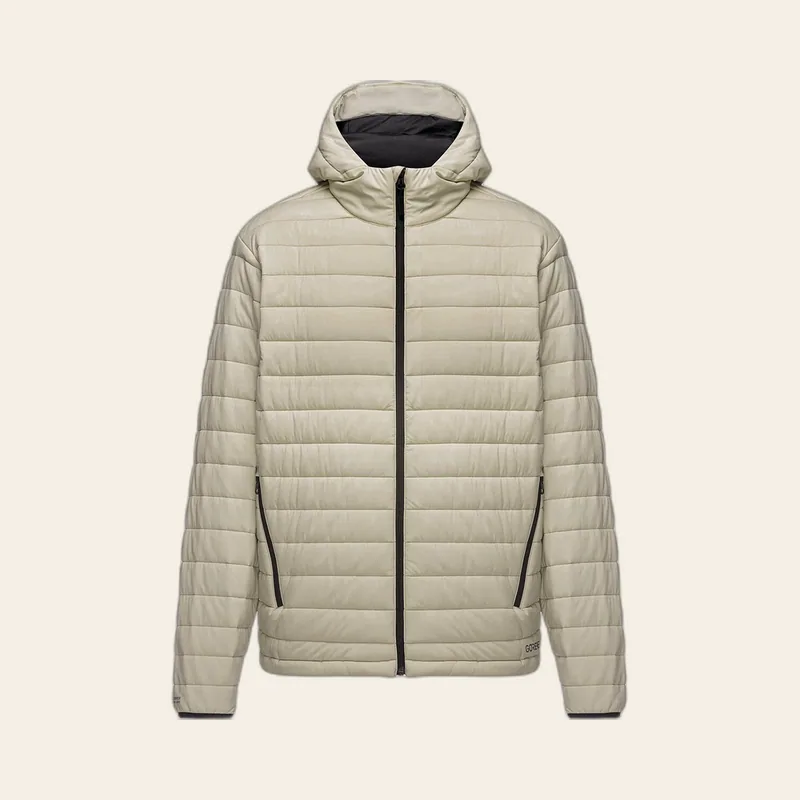
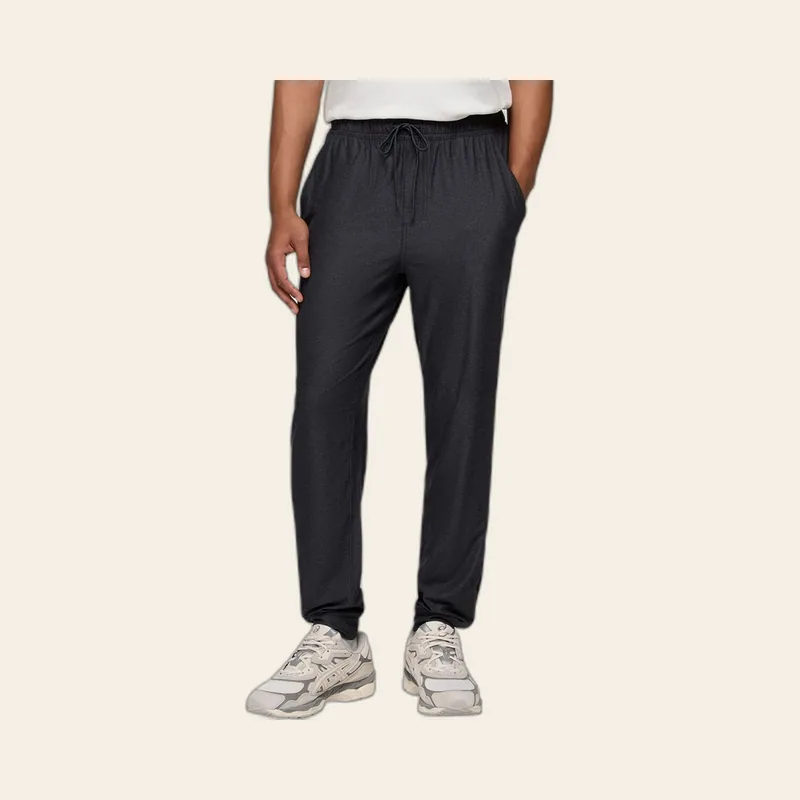
Wear one, dry one. Cotton stays wet all week here.

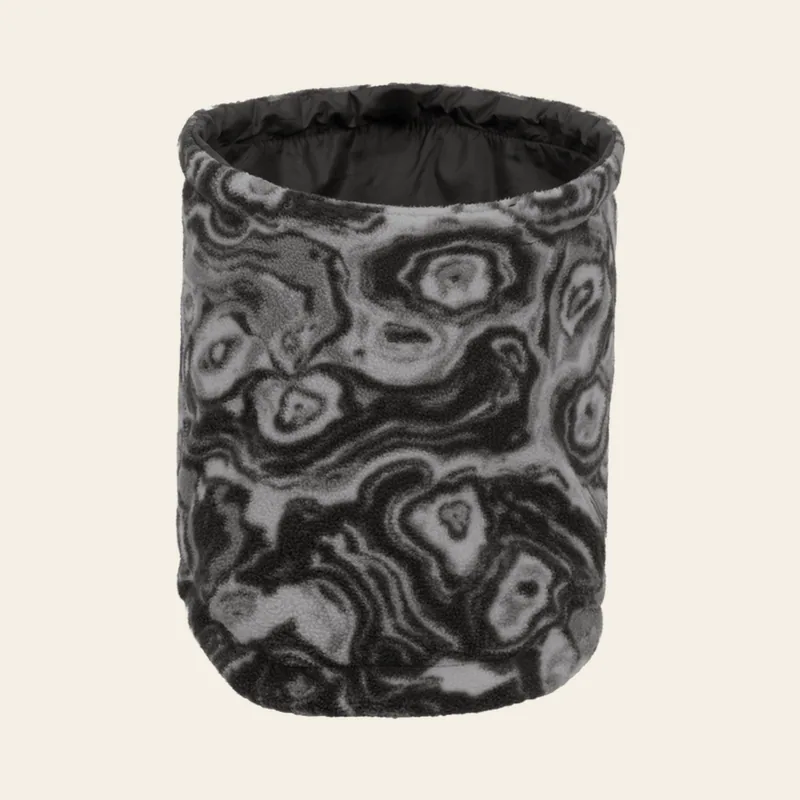
Lows drop to 19°F and wind chill cuts deeper. Ears need covering.

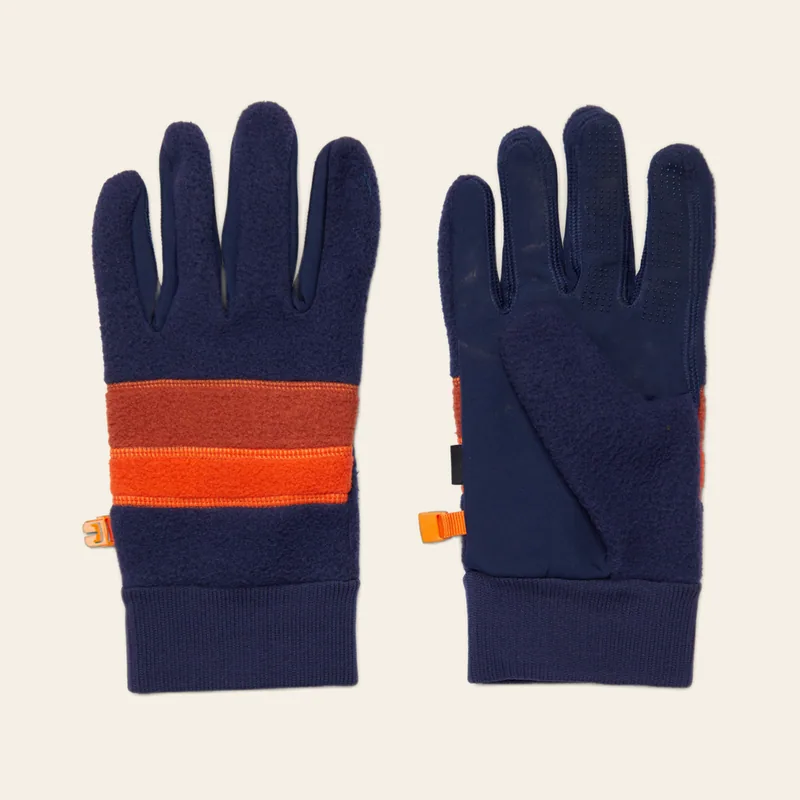
Temperatures fall below freezing. Bare hands go numb fast.
Snow covers the terrain and lows hit 19°F. Regular boots won't grip or insulate.
UV index of 2.6 bounces off snow and ice. Glare causes eye strain.

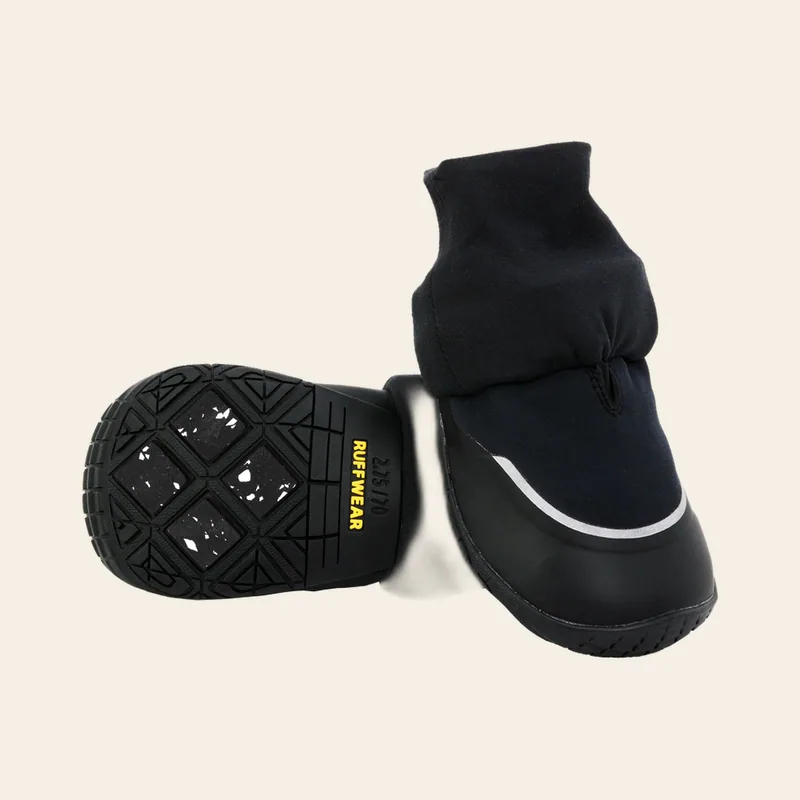
Check ankles and, if there's a dog, paws and ears every night.
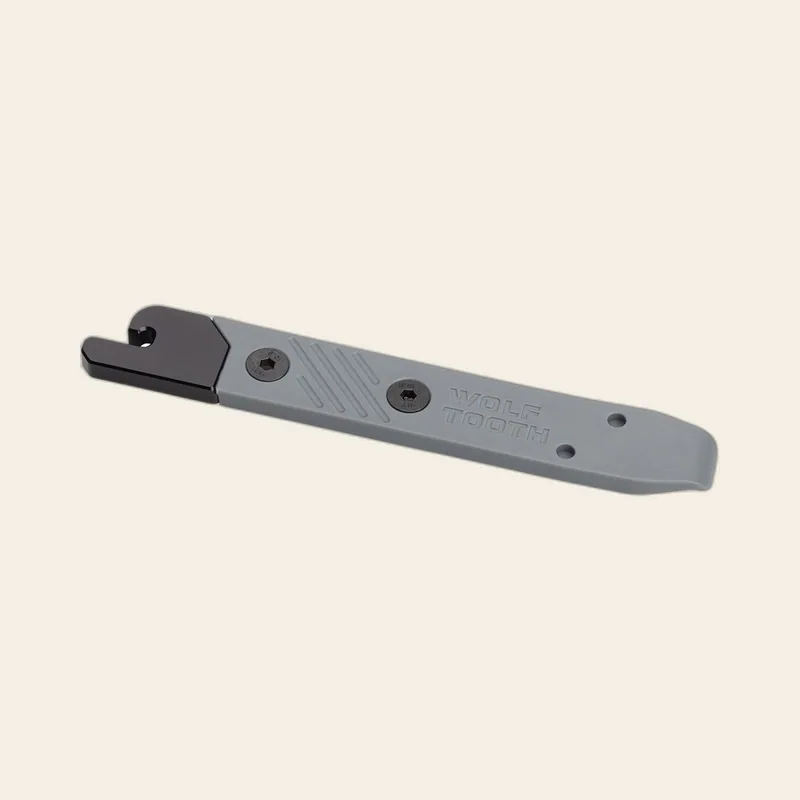
Remote mountain terrain and cold weather raise injury risk. First aid takes hours to reach.

Daylight lasts 10.7 hours. Cameras and phones drain quickly in the cold.

Set it up before you land. Signal drops for long stretches outside cities.

Dark by 6:45pm. Every campsite chore after that is a two-hands job.

National park rules restrict what you can check. Carry everything that matters.
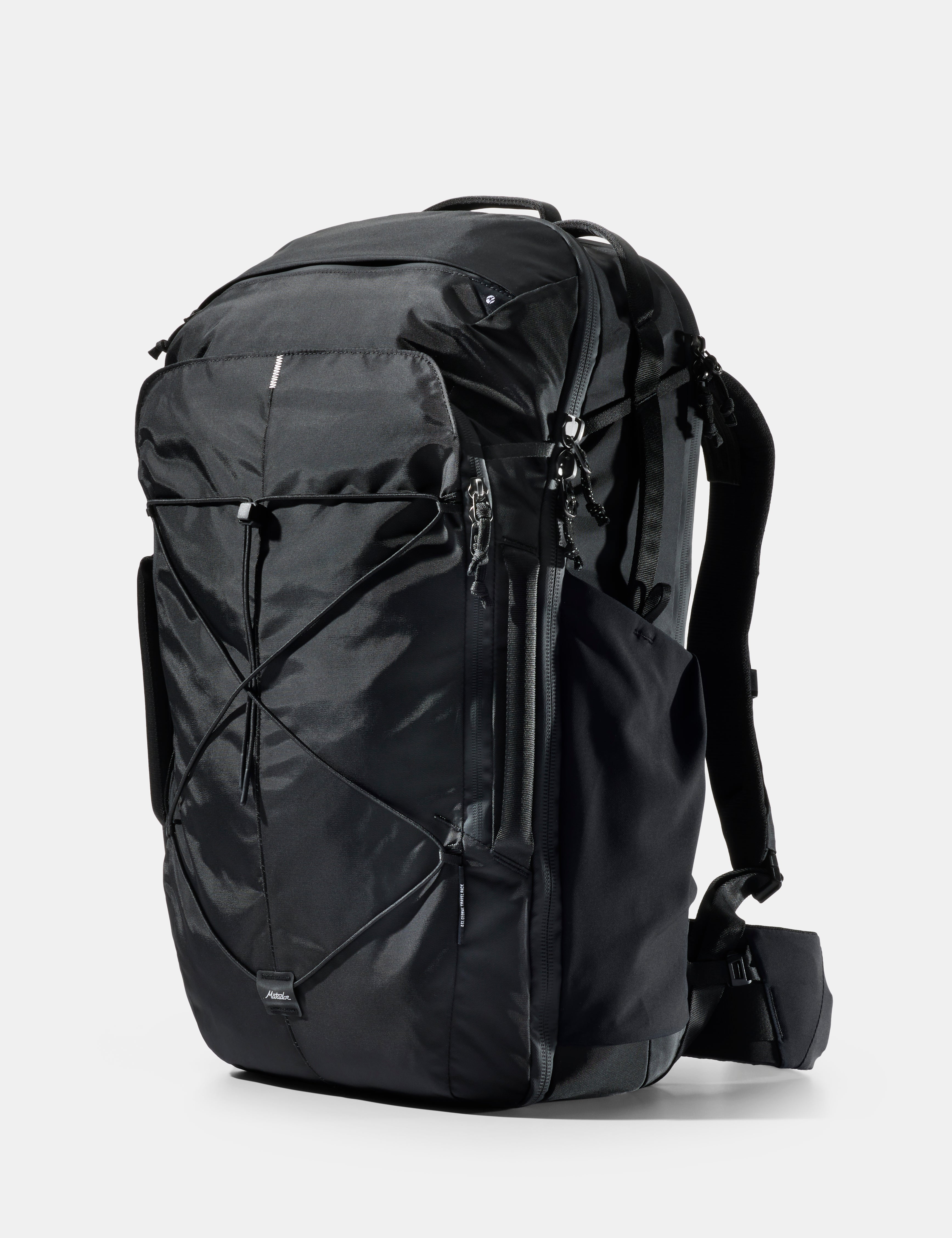
Day hikes into the park mean you need a separate small bag.
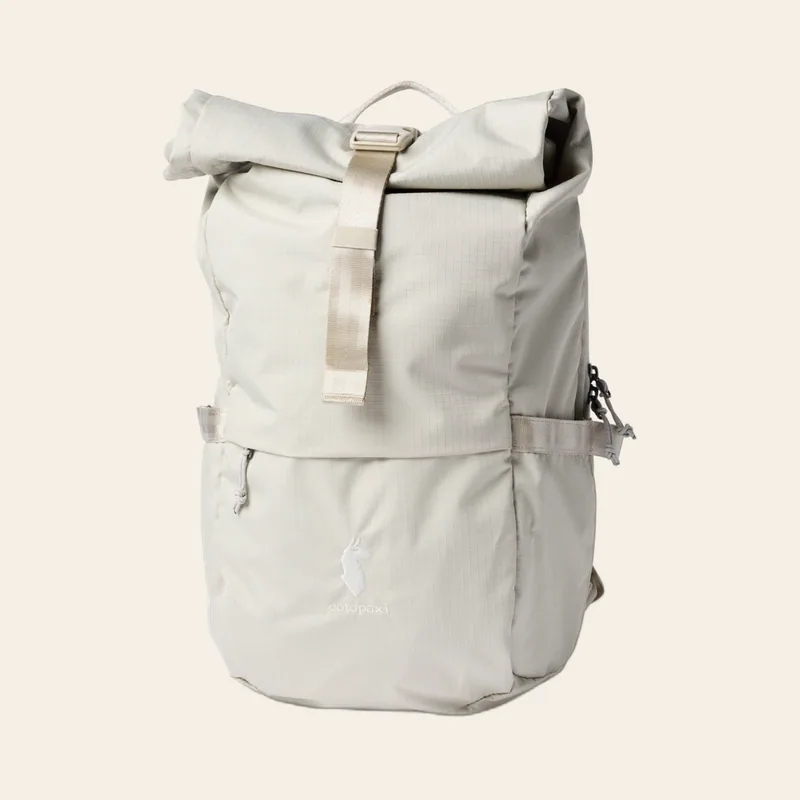
Fits the overhead on every airline that matters. Skip the checked-bag line entirely.
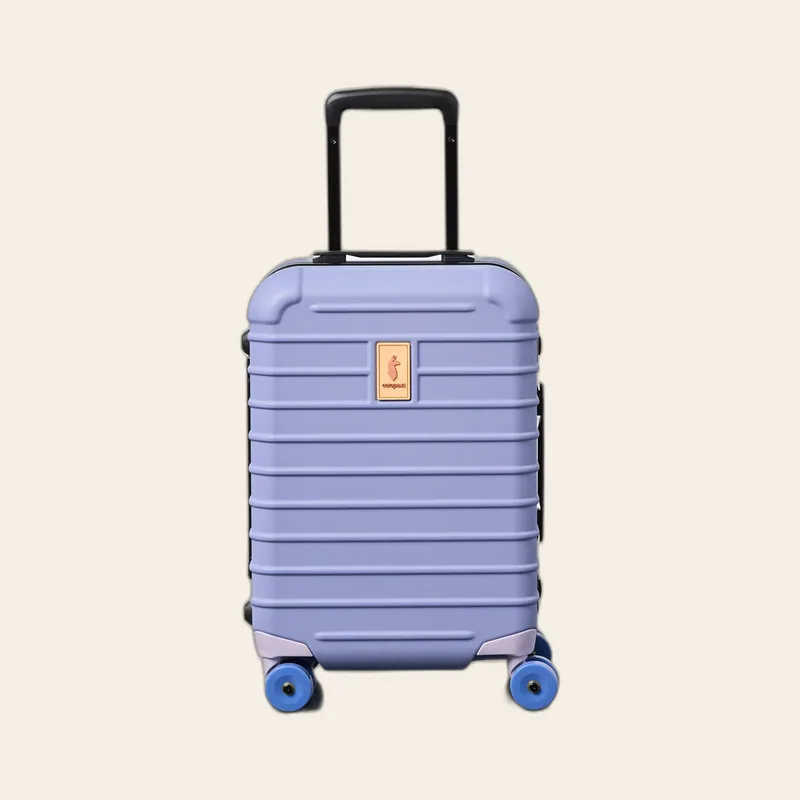
For the passport, the chargers, and the one dry pair of socks.
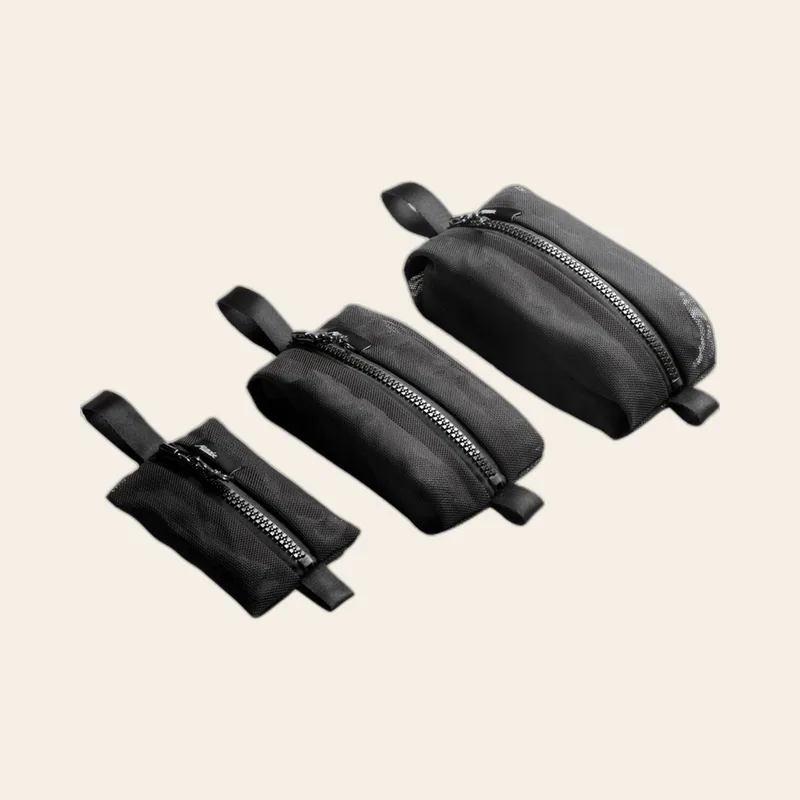
Snow and wet conditions soak regular gloves. Waterproof insulated ones keep hands functional.

Before you go
5 to sort
SafetyWing Nomad Insurance, Month-to-month cover you can start after you leave
Going, Cheap cash fares, emailed when they droppoint.me, Finds the flight your points will actually book
AllTrails, Download your trails before you lose signal.
Recommended
13 items
For the mornings and the nights.

Wind at 13 km/h hits exposed skin hard when it's 19°F.
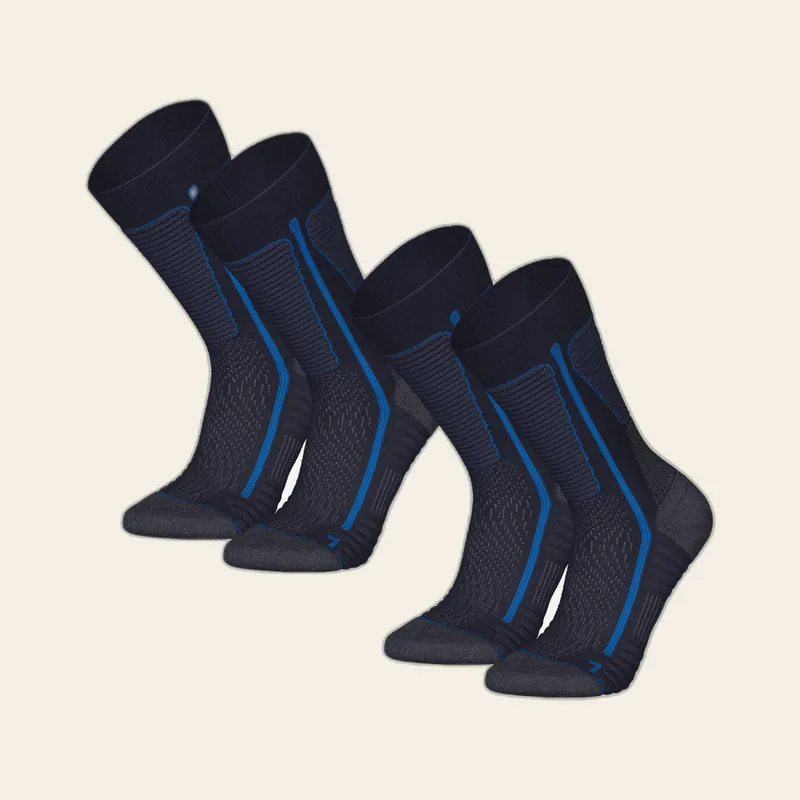
Snow and cold ground sap heat from your feet. Thin socks fail.
Altitude at 2126 m dehydrates faster. Refill bottles cost more per trip.

One brick charges the laptop, phone, and camera.

Hotel and cafe wifi is shared with everyone else in the building. A VPN keeps your banking and email to yourself.
Airport transfers and mountain shuttles move fast. Bags get lost in the chaos.
Winter gear takes volume. Rolling duffels pack more than soft bags.

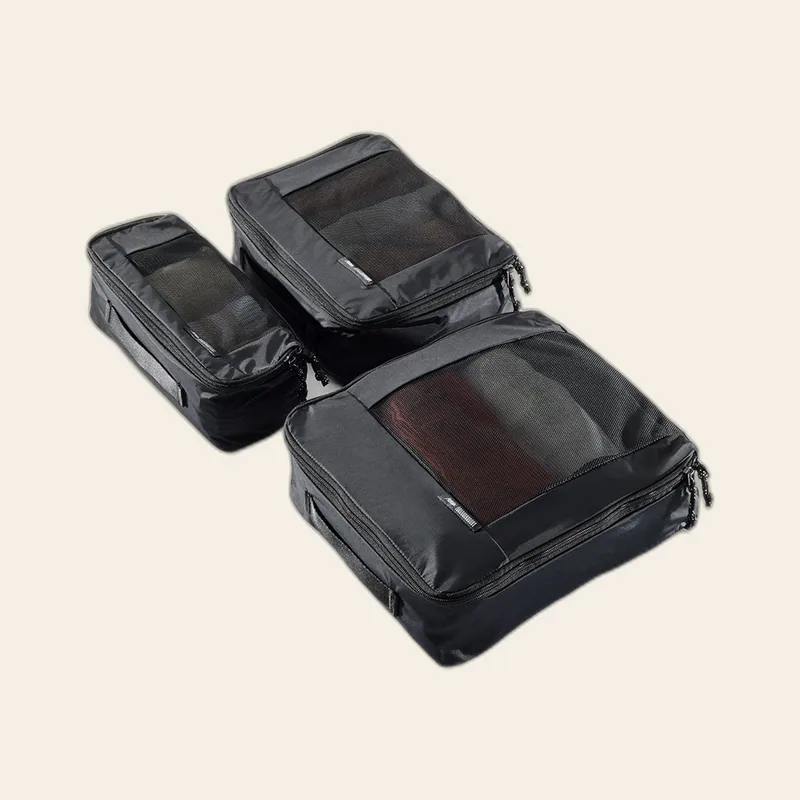
Wet clothes and snow gear need sorting. Cubes keep them from mixing.
Checked luggage holds the bulk. A rigid suitcase protects gear better.
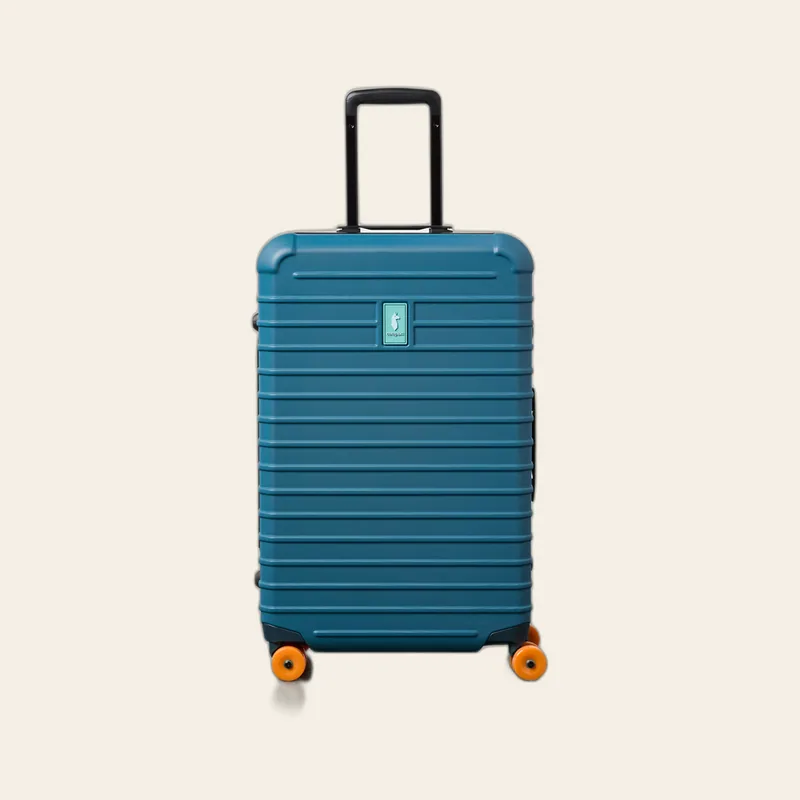
Humidity at 82% means damp clothes linger. Wash every few days.
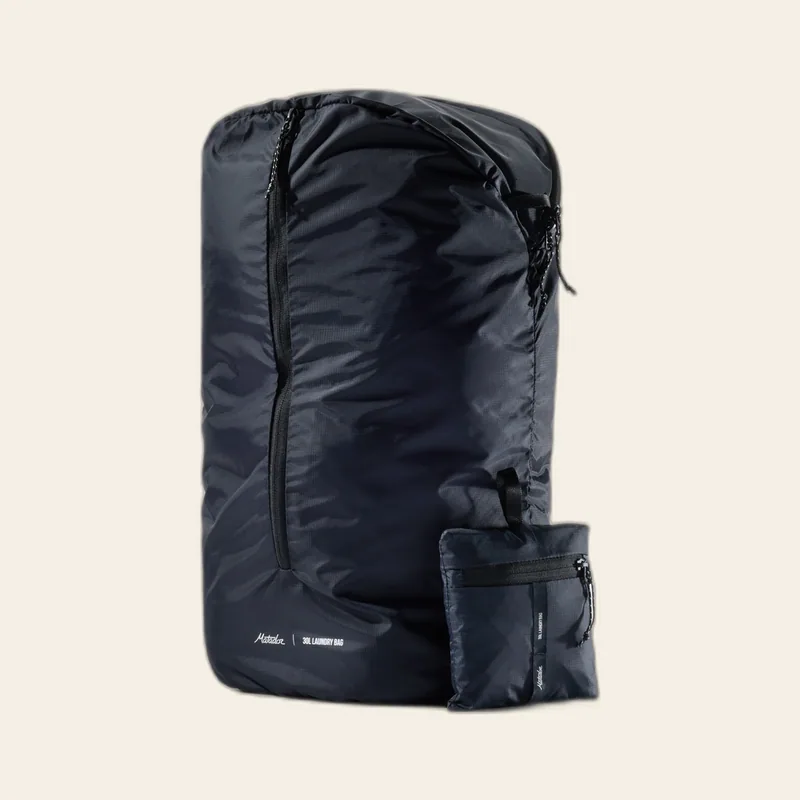
Lows around 19°F. One blanket that packs small covers the car, the campsite and the beach at sunset.
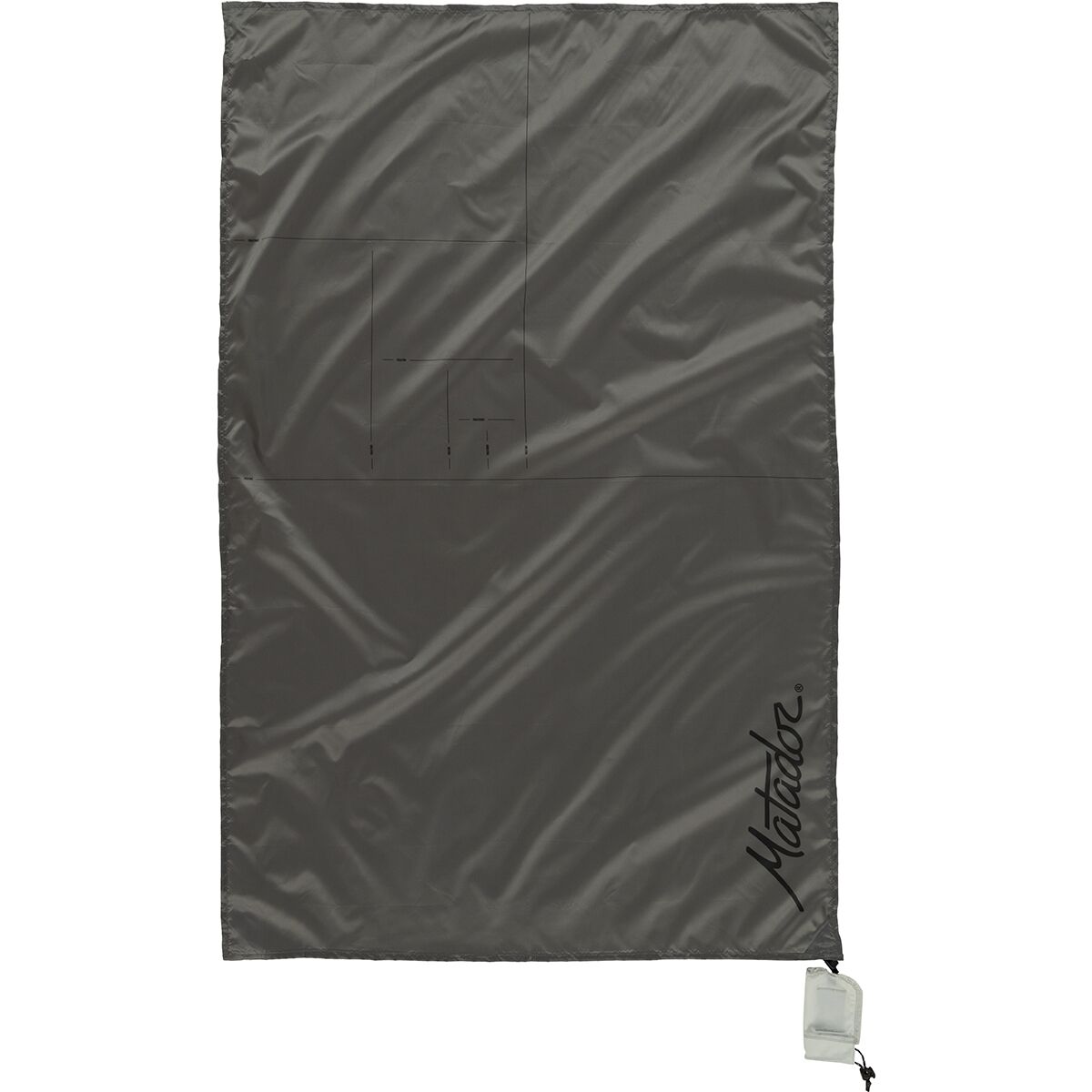
Mountain terrain is steep and snow makes footing uncertain. Poles prevent twisted ankles.

Nice to have
10 items you could skip
Snow creeps into boot tops on mountain trails. Gaiters seal the gap.
Altitude and snow reflection intensify UV exposure. Lips crack without protection.
Mountain roads wind through high altitude. Nausea hits some people.
Tap water is safe but guesthouses are shared spaces. Sanitizer reduces stomach trouble.
Multiple devices need charging in one outlet. Short cables let you plug in all three.
International border crossing requires your passport. A holder keeps it dry and findable.
Luggage moves through multiple hands at the airport. Locks prevent opportunistic theft.
Bulky winter layers compress down. Sacks save half the luggage space.
Bathrooms are small and shared. A hanging bag keeps toiletries off wet counters.
Lows of 19°F and wind chill make pockets cold. Hand warmers last hours.
Basics
16 things you probably own already