Change trip
What to pack for Yellowstone in October
Typical October, built from ten years of weather
Some links are affiliate links. It keeps the site free.
Typical for your dates
Highs 43°F, lows 28°F, rain 12 of 31 days
snowycoldwet
Sunset lands around 6:35pm. Wind averages 12 mph. No border paperwork on this one.
0 of 57 packed
Packing for
70 things on this list are on sale today
Essentials
17 items
Lows around 28°F. Goes under the shell when the wind picks up.
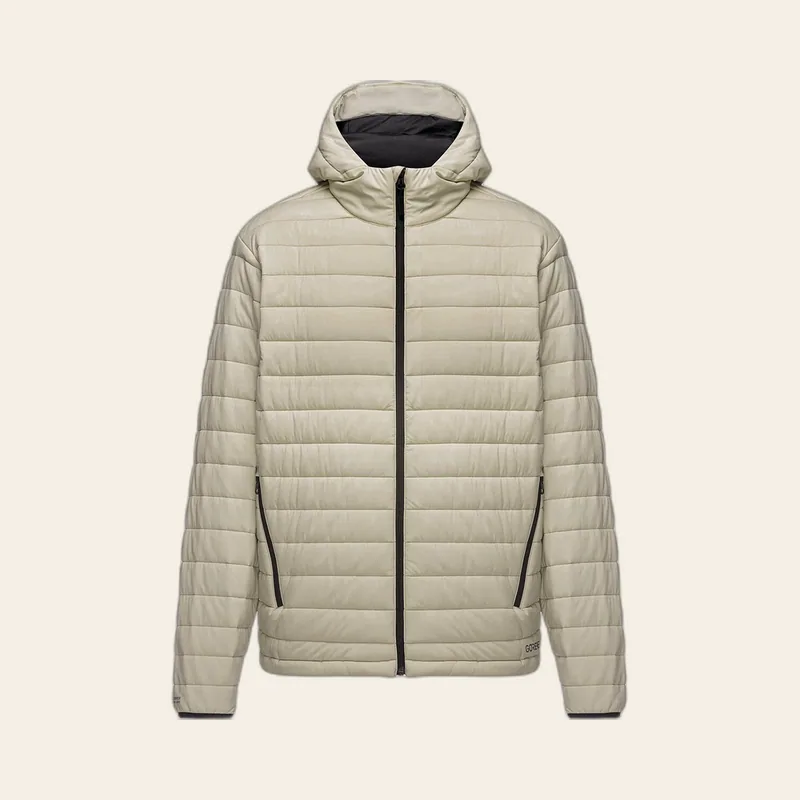
Wear one, dry one. Cotton stays wet all week here.

The layer you'll wear more than any other.
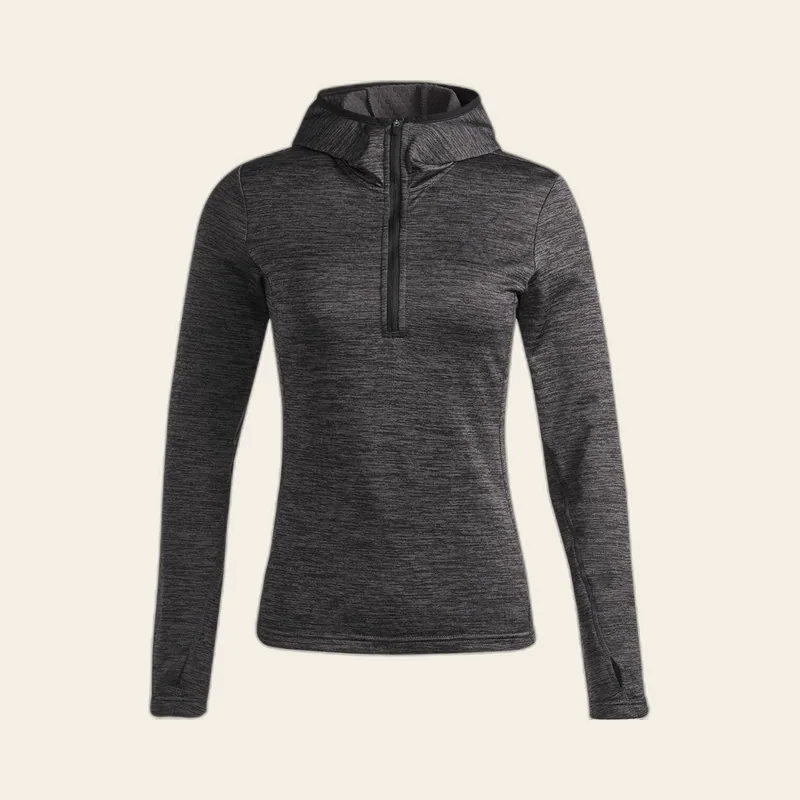
Lows drop to 28°F and wind hits 20 km/h, so exposed skin loses heat fast.

Fingers go numb in subzero wind chill without insulation.
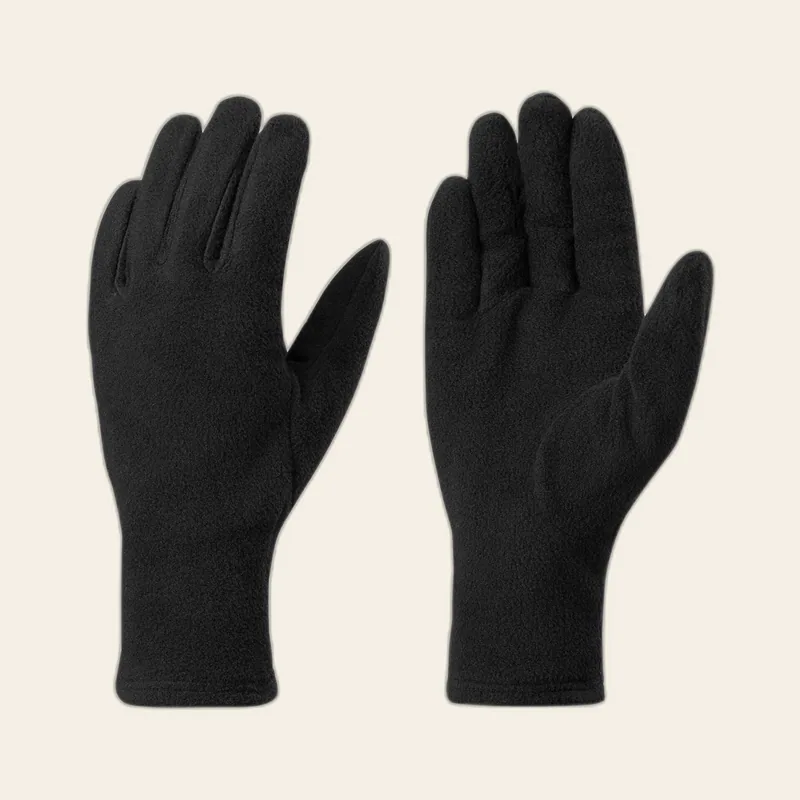
Snow covers the ground and boots without insulation let cold seep through the soles.

UV index of 4.5 and snow reflection combine to damage unprotected eyes.
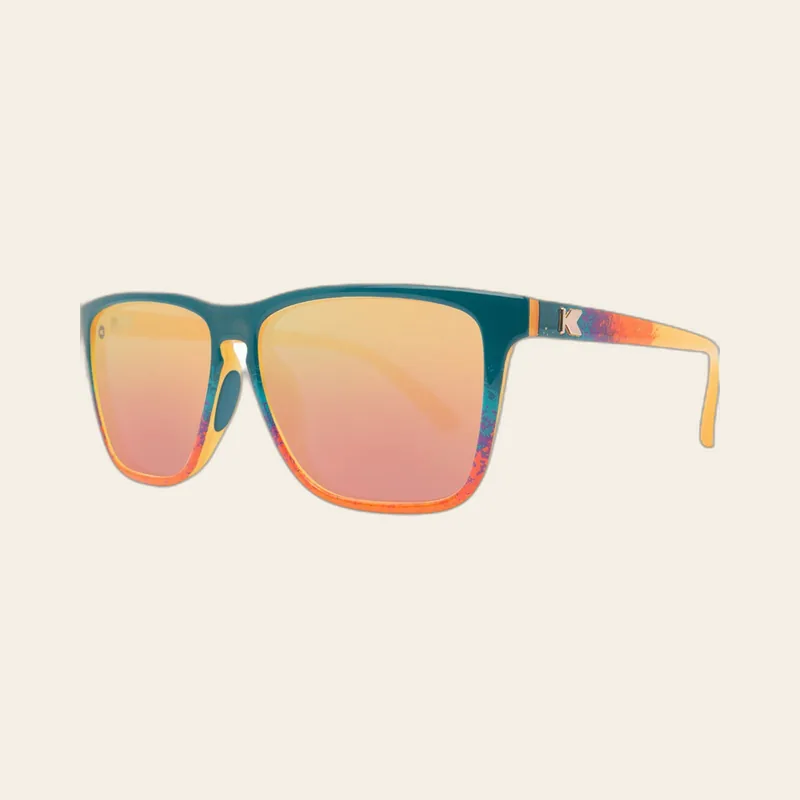
Insects are active in October at this elevation and humidity sits at 74 percent.

Check ankles and, if there's a dog, paws and ears every night.

Altitude sickness and falls on ice are both real risks here.

Daylight lasts only 11 hours, so cameras and phones drain batteries fast.

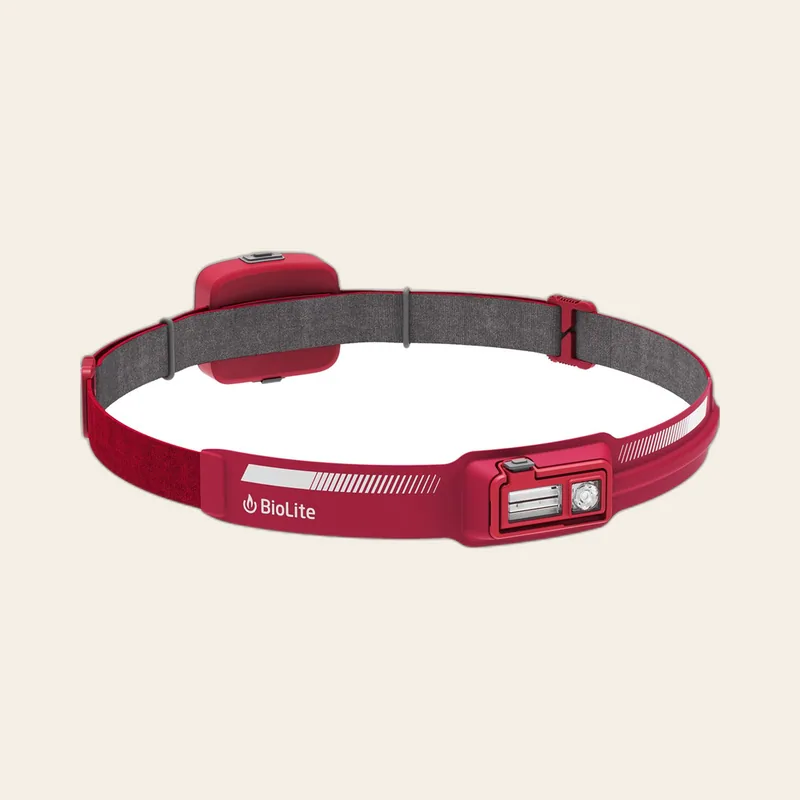
Dark by 6:35pm. Every campsite chore after that is a two-hands job.
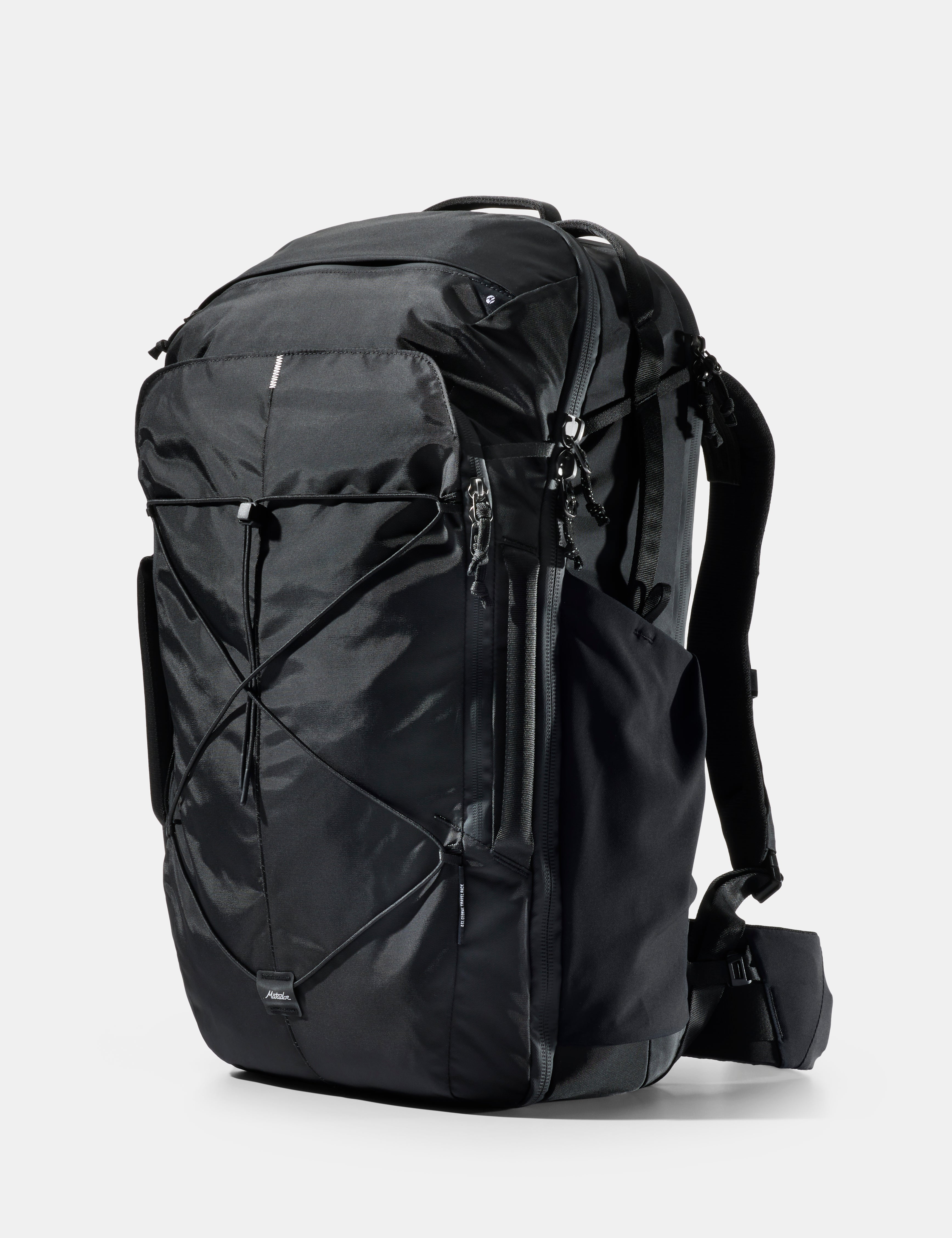
Fits overhead bins on regional flights that serve the park.
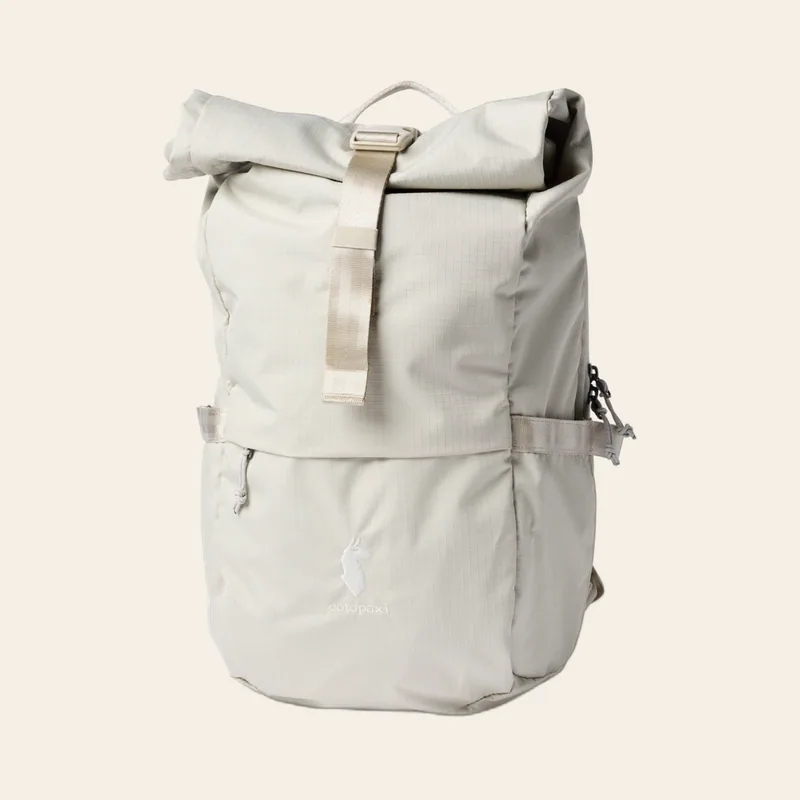
Day hikes from lodges need a separate pack for water and layers.
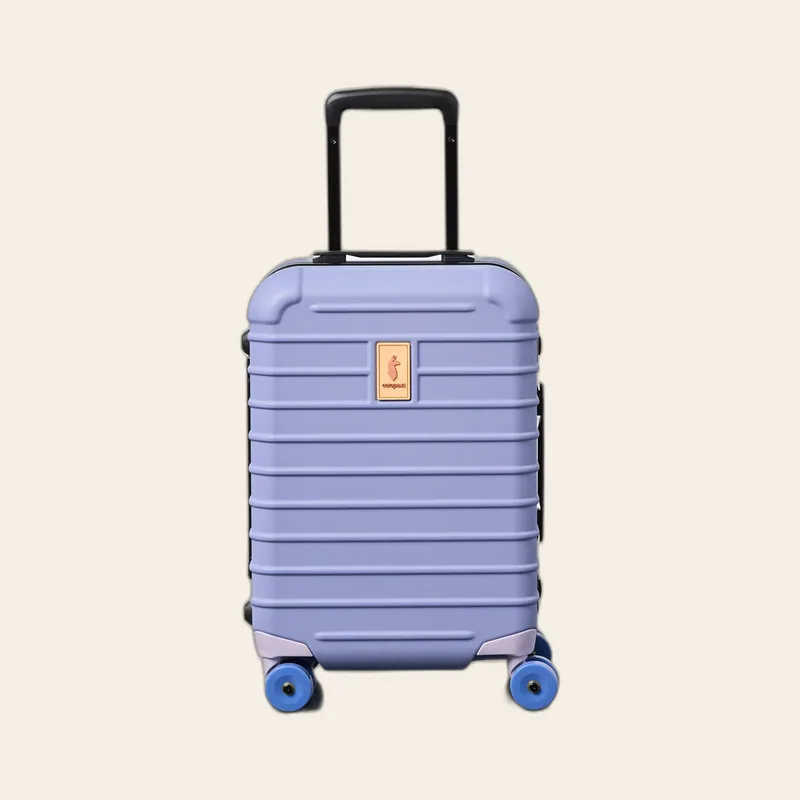
Fits the overhead on every airline that matters. Skip the checked-bag line entirely.
For the passport, the chargers, and the one dry pair of socks.
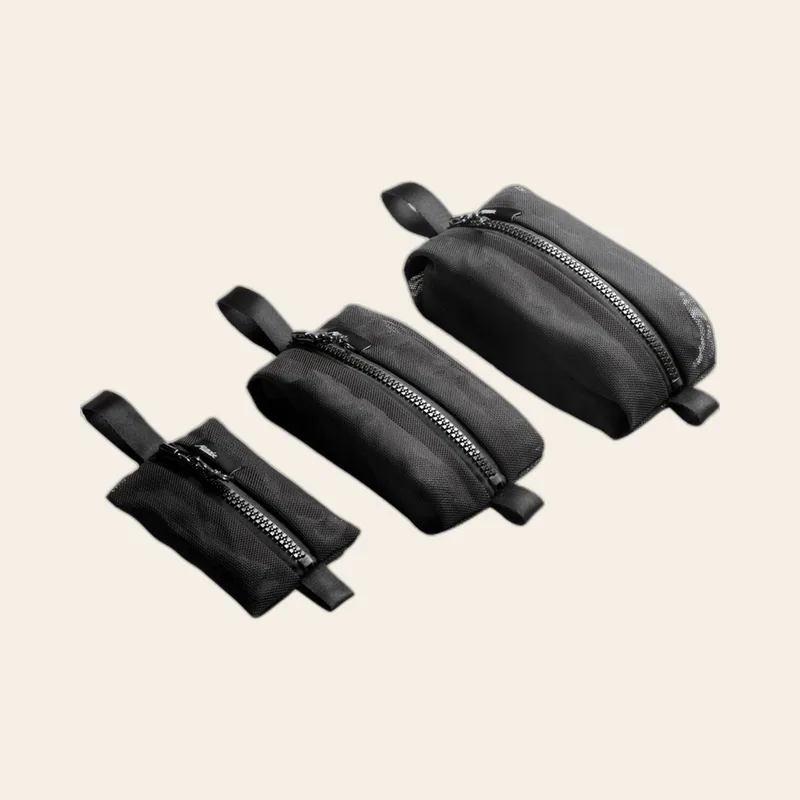
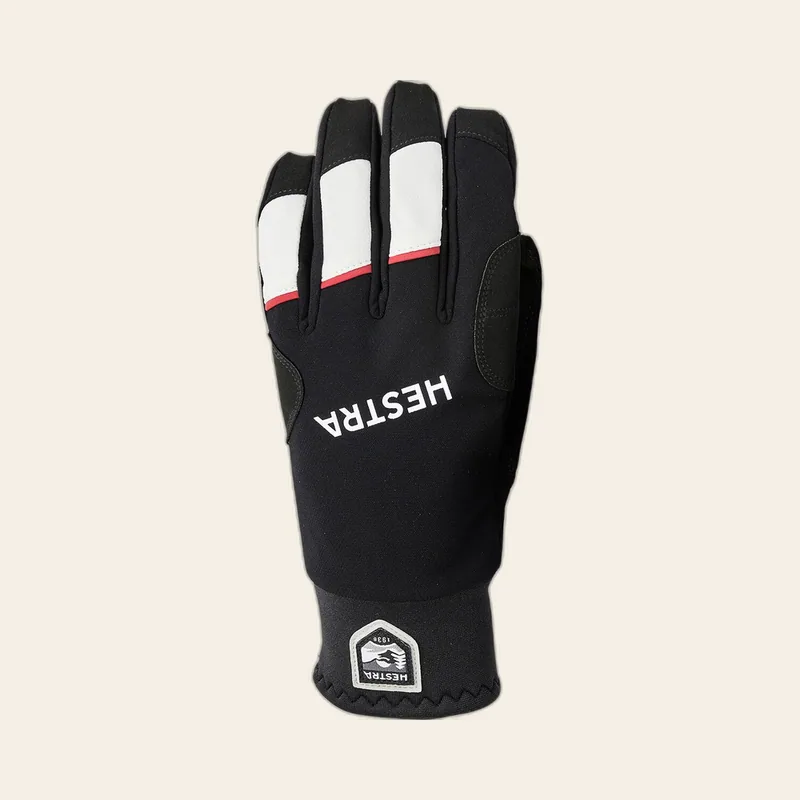
Regular gloves soak through in snow and your fingers freeze.

Before you go
3 to sort
Recommended
13 items
For the mornings and the nights.

Wind at 20 km/h means your face needs a barrier between skin and cold air.
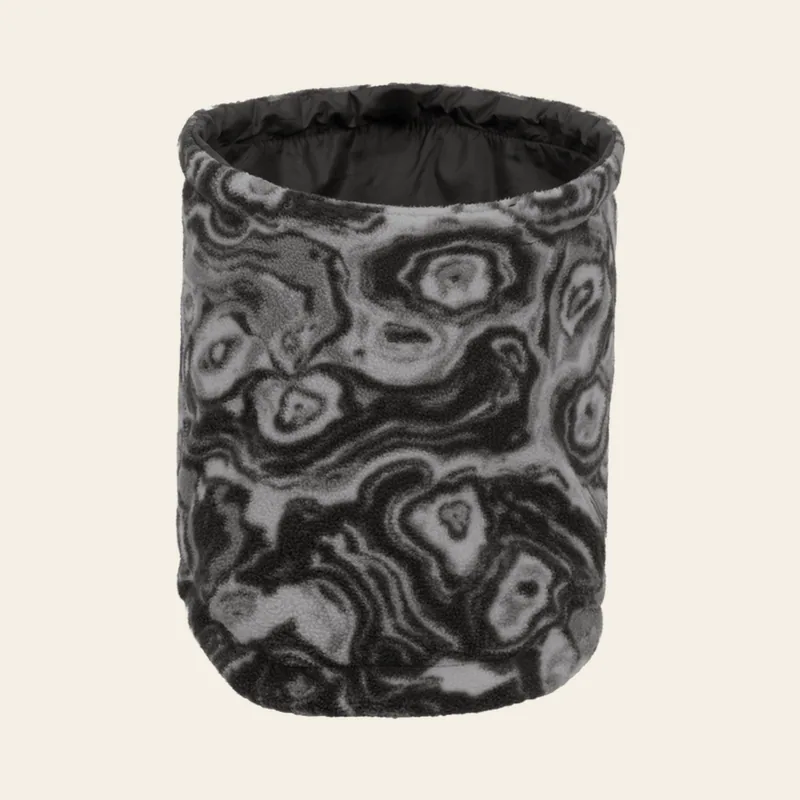
Wet socks in 28°F conditions lead to frostbite within hours.
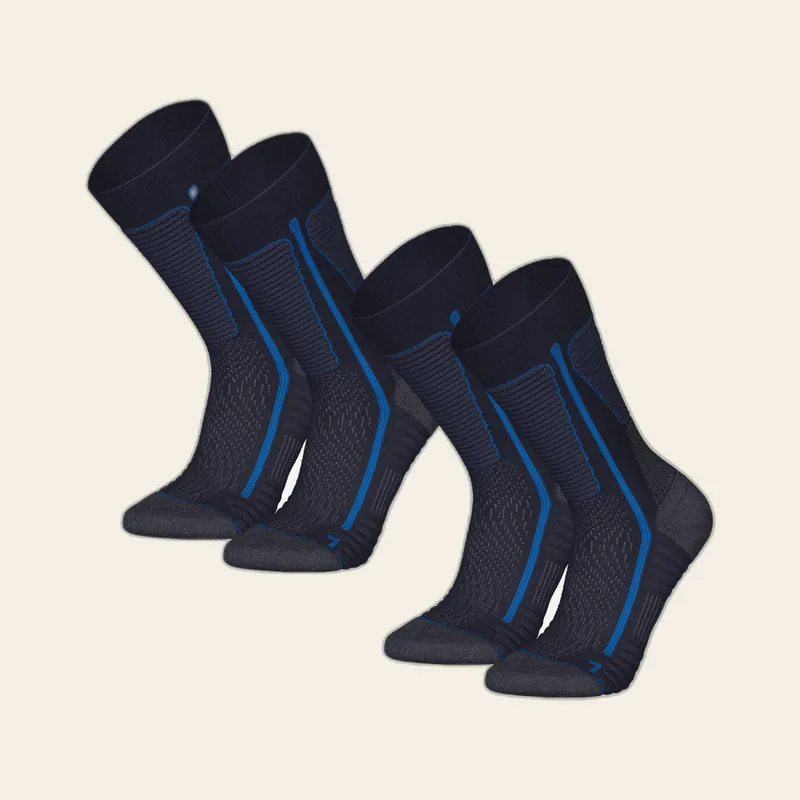
Treat the clothes once and it lasts weeks.

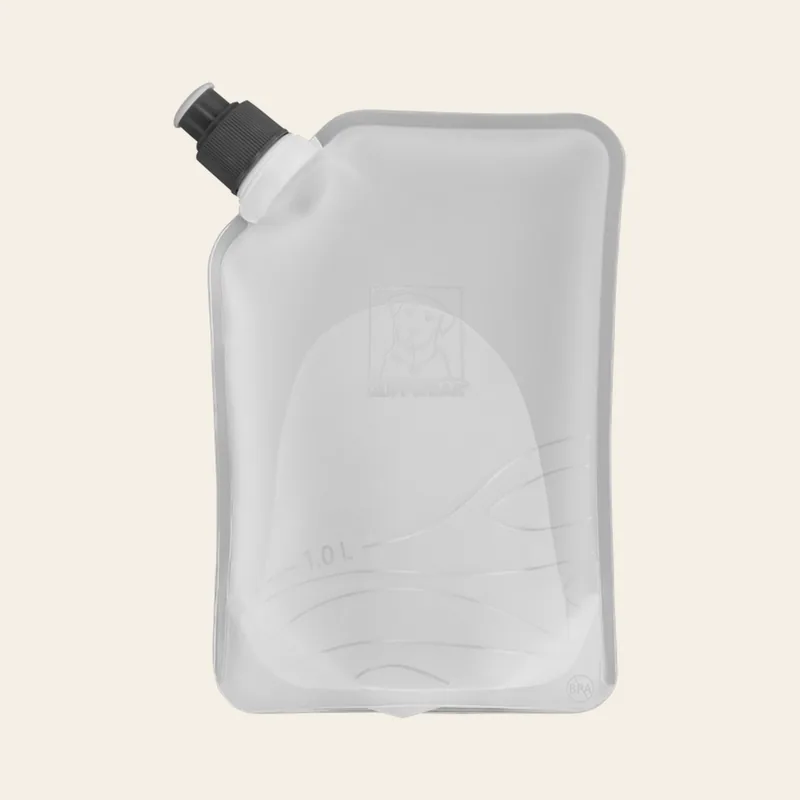
One brick charges the laptop, phone, and camera.

Checked bags on flights to remote parks sometimes get lost.
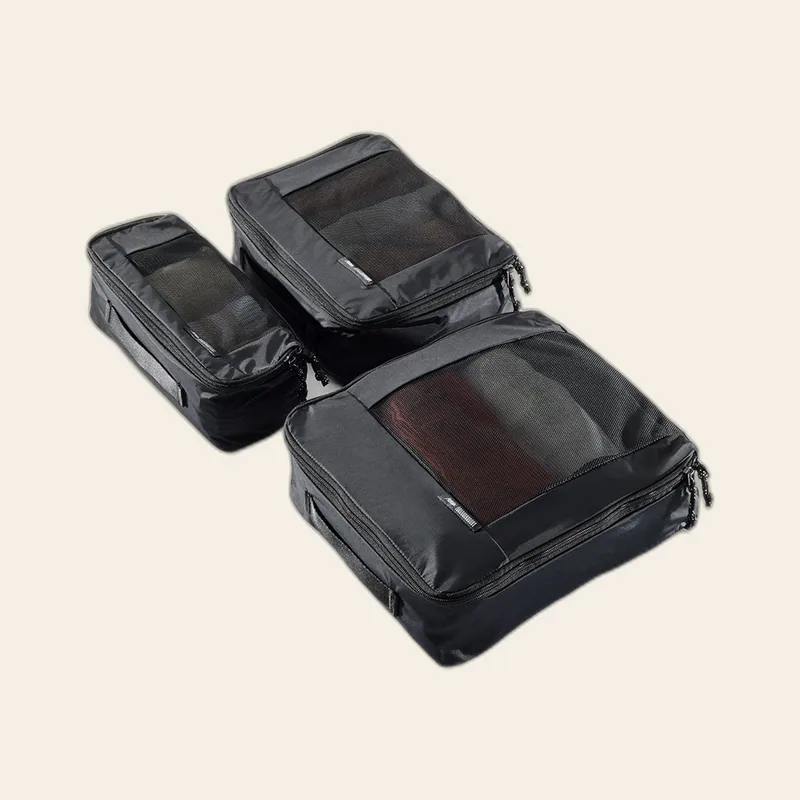
Two weeks of October weather means packing bulk that won't fit carry-on.

Wet clothes and dry clothes need separation in a small room.
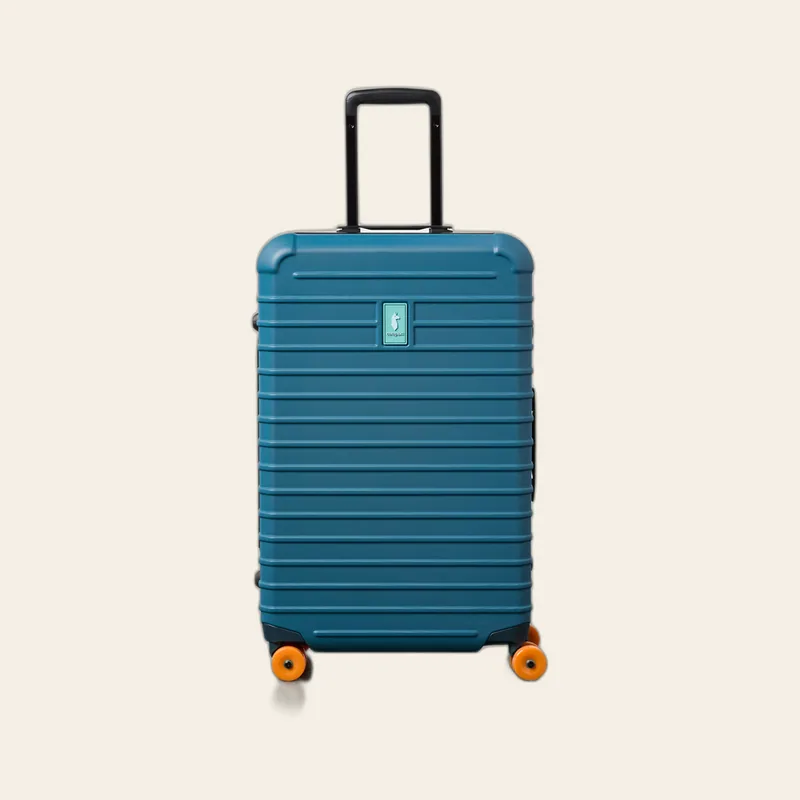
Rolling luggage handles snow and gravel better than soft-sided bags.
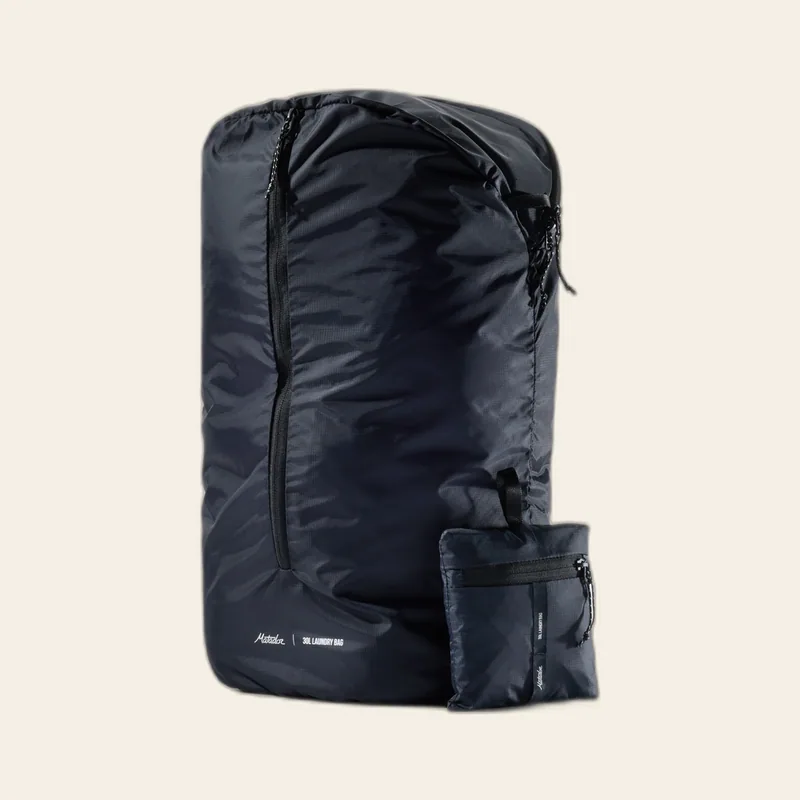
Mud and dust from mountain trails coat clothes fast.
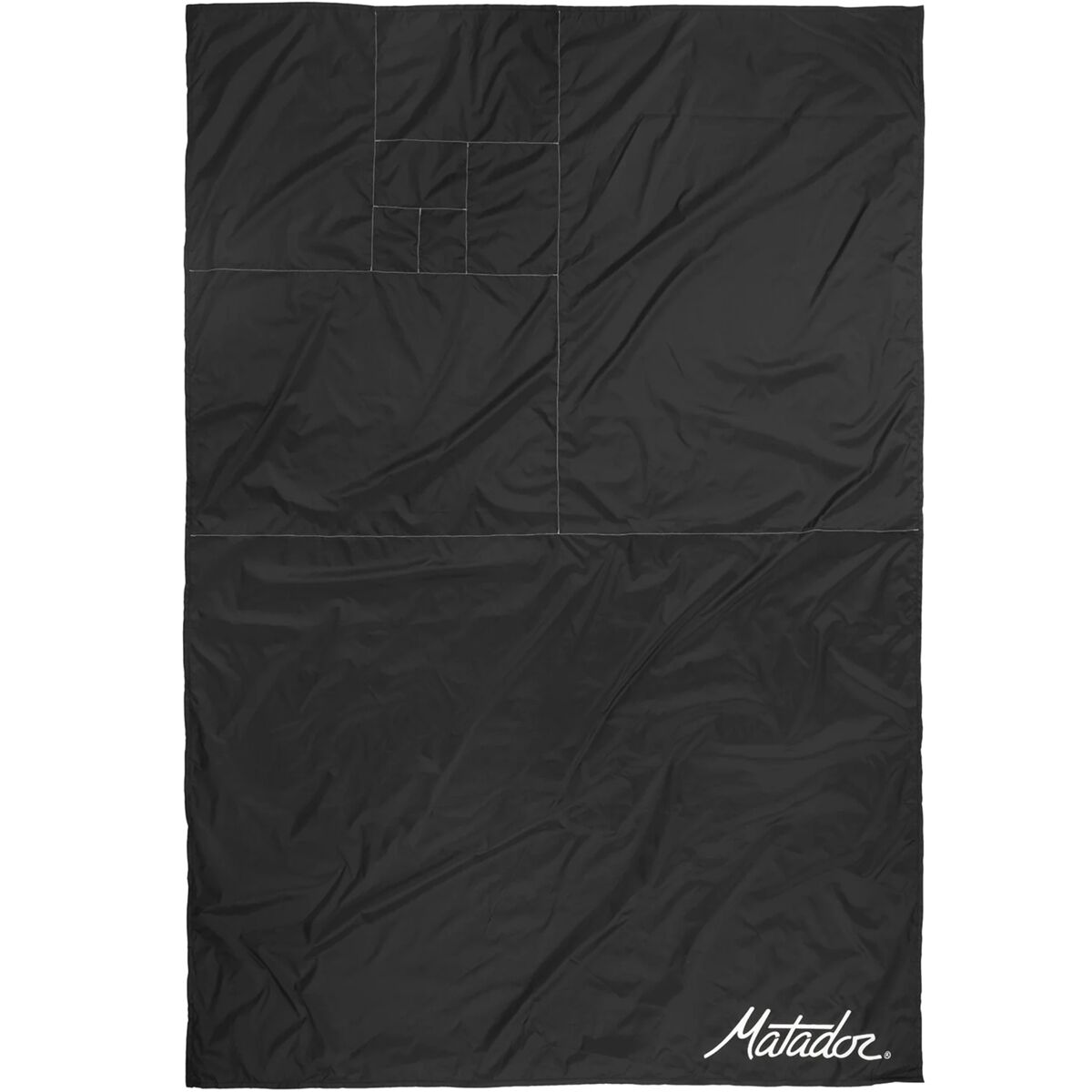
Lows around 28°F. One blanket that packs small covers the car, the campsite and the beach at sunset.
Single-track trails get slick with ice and poles prevent falls.

Nice to have
11 items you could skip
Snow gets into regular boots at the ankle and melts against your skin.
Eleven hours of daylight at altitude means prolonged sun exposure on your scalp.
Altitude of 2479 meters and UV index of 4.5 burn lips fast.
Mountain roads wind through terrain that makes some travelers queasy.
Tap water is safe, but shared surfaces at lodges still carry germs.
Bites itch more in cold, and scratching breaks skin that won't heal fast.
Cold drains battery charge, so keep cables short and devices close.
TSA locks protect gear during the drive between park entrances.
Insulated layers compress down so the pack stays under 45 liters.
Altitude and low humidity crack skin, so toiletries travel together.
Pockets aren't enough when lows hit 28°F and you're sitting still.
Basics
16 things you probably own already