Change trip
What to pack for Banff and Lake Louise in November
Typical November, built from ten years of weather
Some links are affiliate links. It keeps the site free.
Typical for your dates
Highs 21°F, lows 10°F, rain 12 of 30 days
snowyfreezingcold
Sunset lands around 5:50pm. Wind averages 7 mph. There is paperwork on this one, so start with Before you go.
0 of 58 packed
Packing for
71 things on this list are on sale today
Essentials
18 items
12 rain days a month finds every seam. A real shell, not a windbreaker.
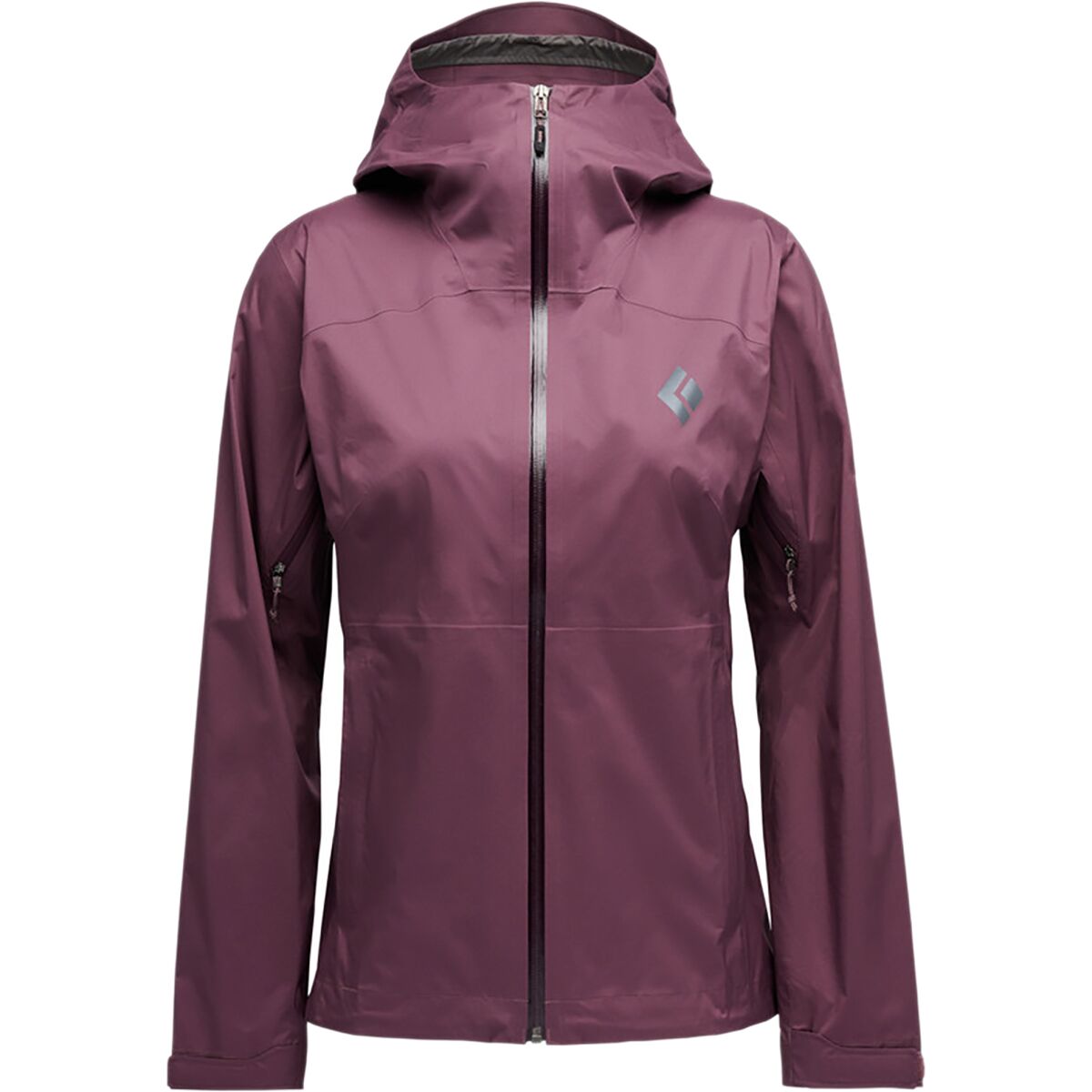
Lows around 10°F. Goes under the shell when the wind picks up.
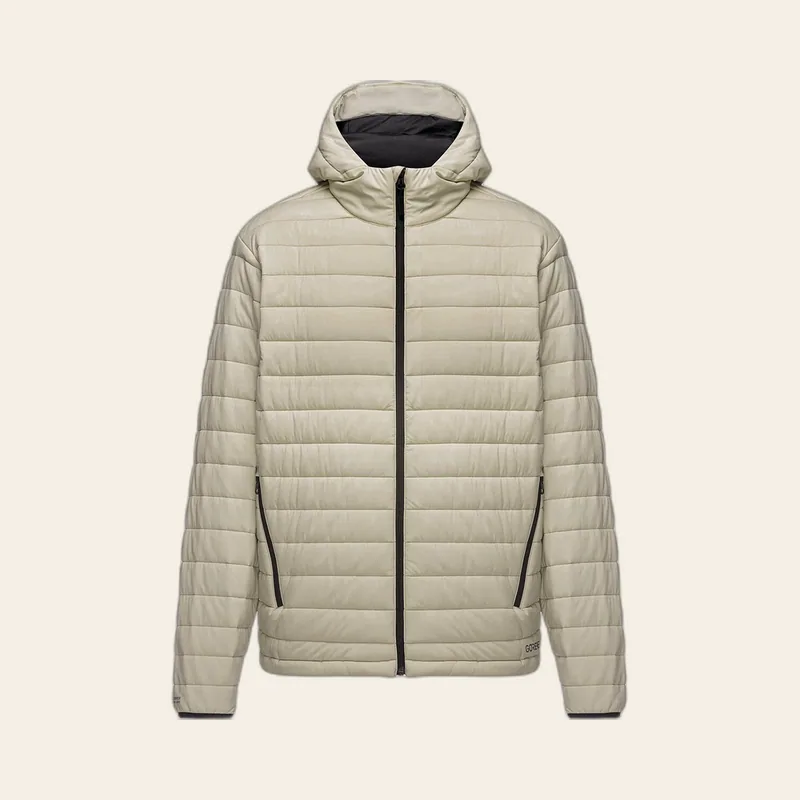
Highs below freezing. A puffy alone won't do it.

Wear one, dry one. Cotton stays wet all week here.

Lows hit minus 12 degrees Celsius, and your head loses heat fast at altitude.

Wind chill at 12 kilometers per hour makes exposed skin dangerous.
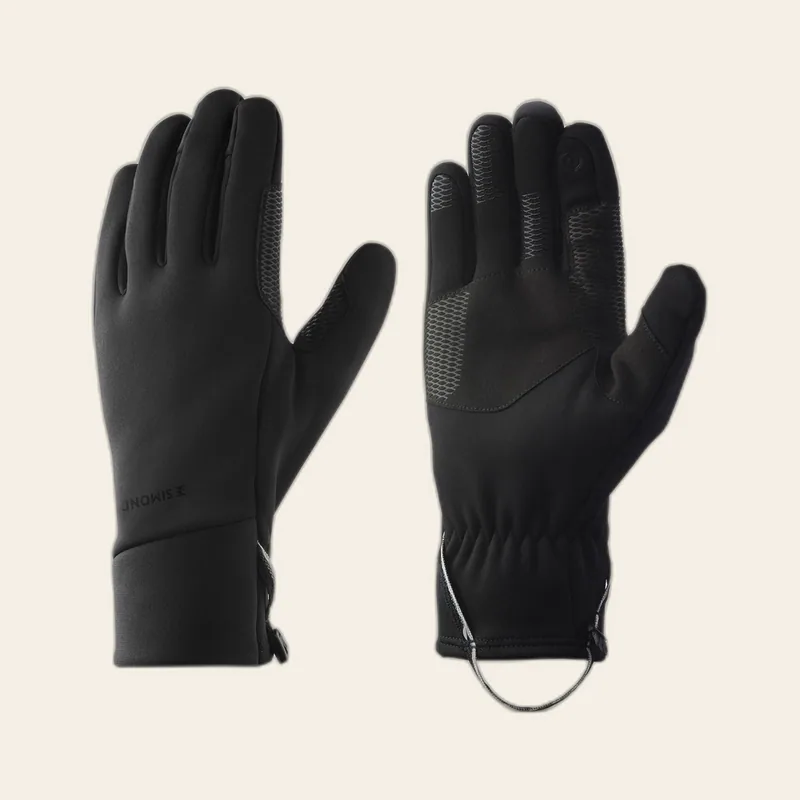
New boots plus wet snow is how day two goes sideways in the mountains.
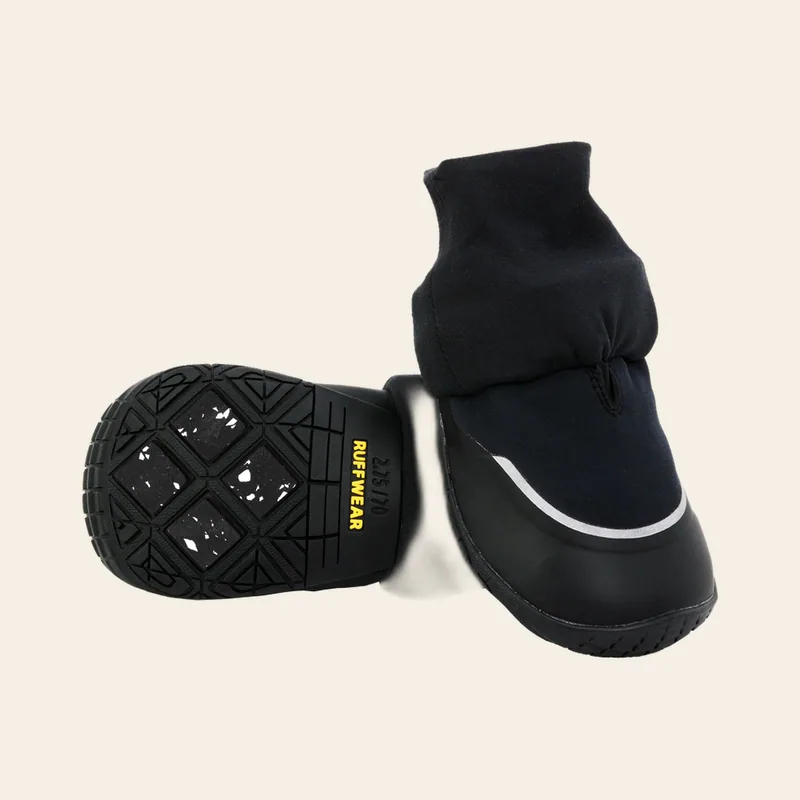
Altitude and snow reflection amplify UV damage despite the low index.
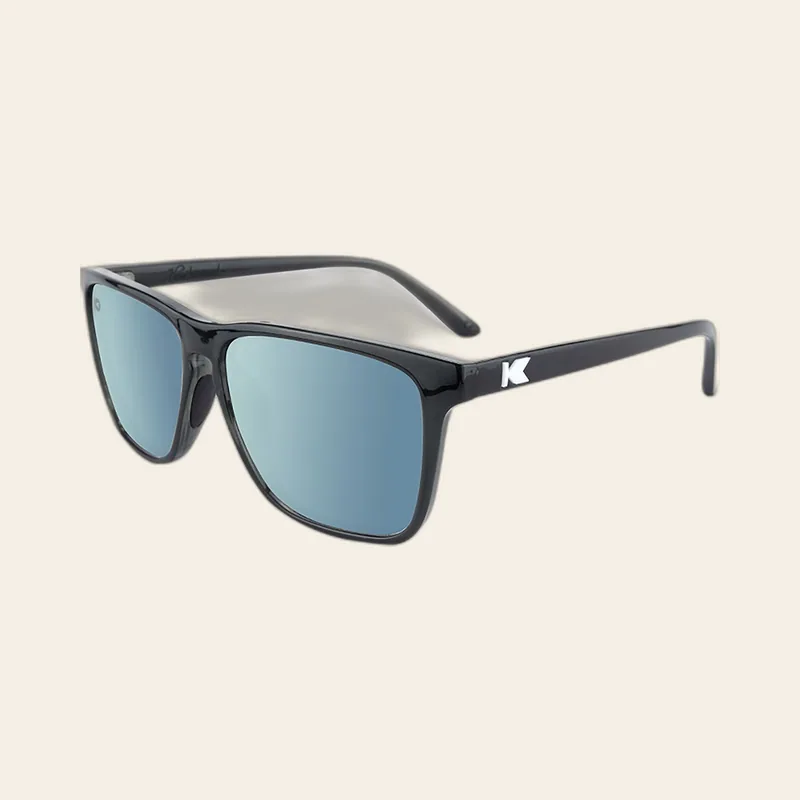
Check ankles and, if there's a dog, paws and ears every night.
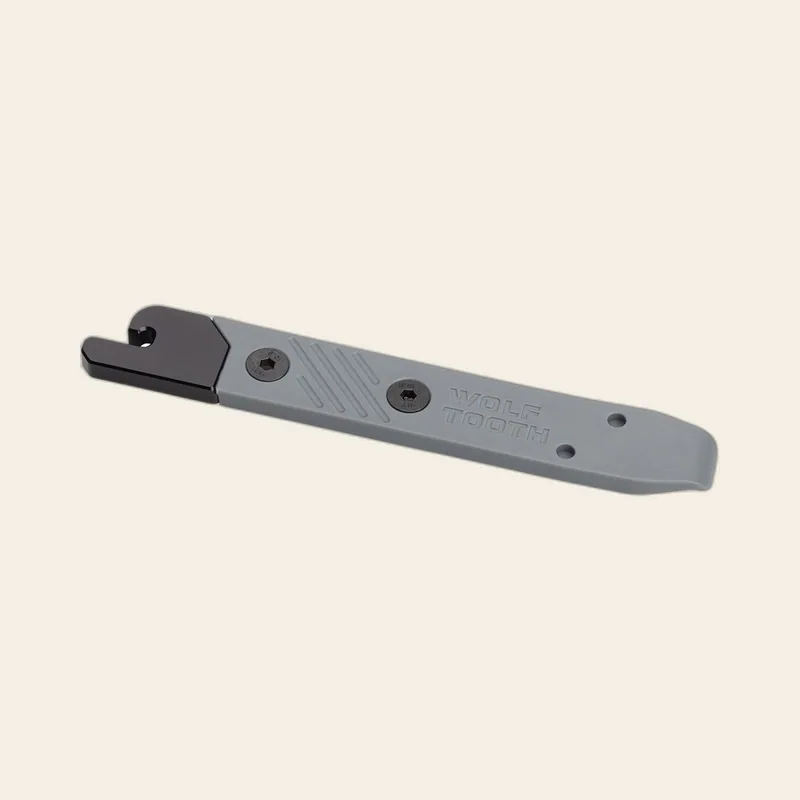
Altitude sickness hits fast at 2126 meters and cold slows response time.

Daylight ends by 5 p.m. and charging options are sparse in the backcountry.

Set it up before you land. Signal drops for long stretches outside cities.

Dark by 5:50pm. Every campsite chore after that is a two-hands job.

Overhead bins fill fast on busy routes and carry-on keeps gear accessible.
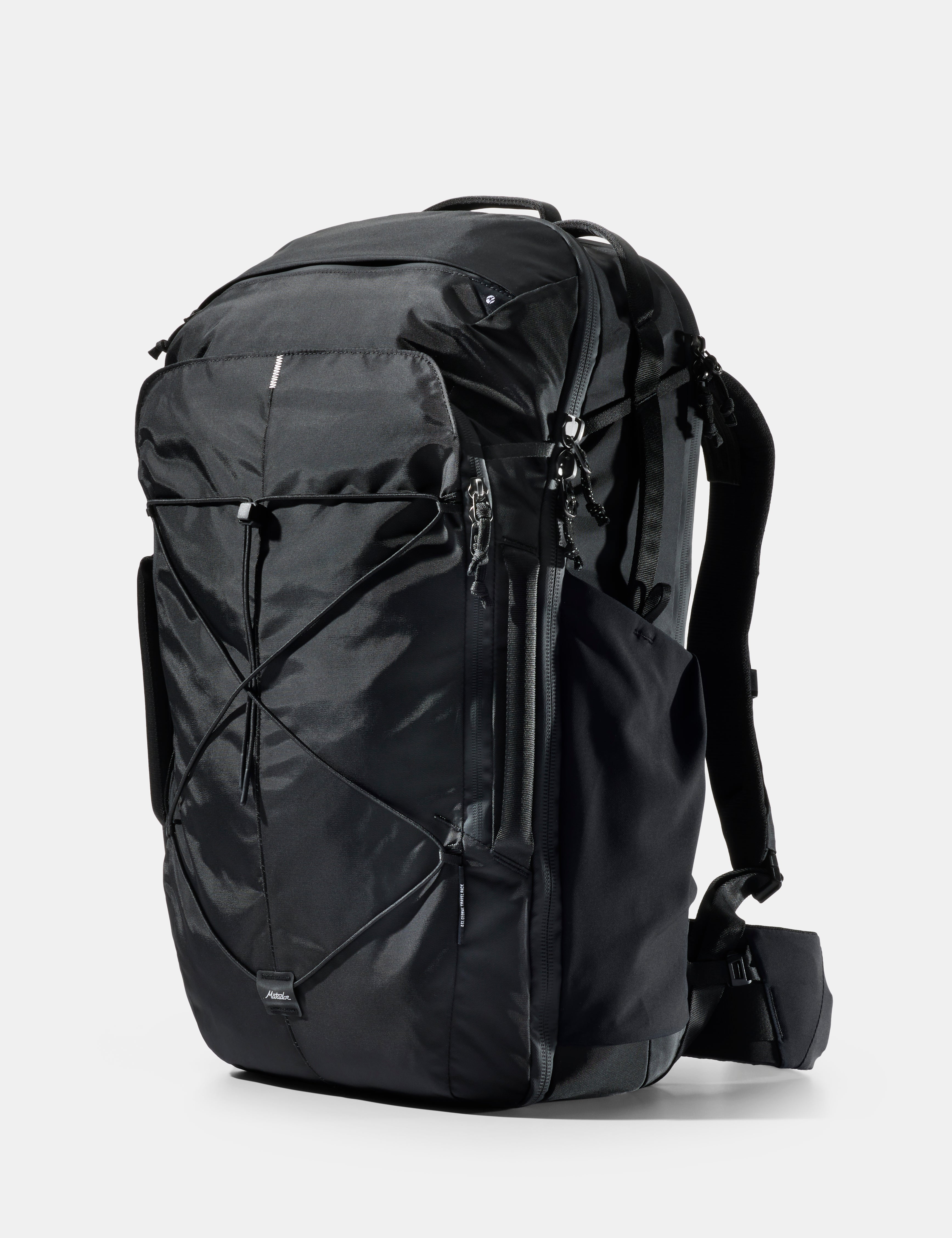
Day hikes from the lodge require a separate pack for layers and water.
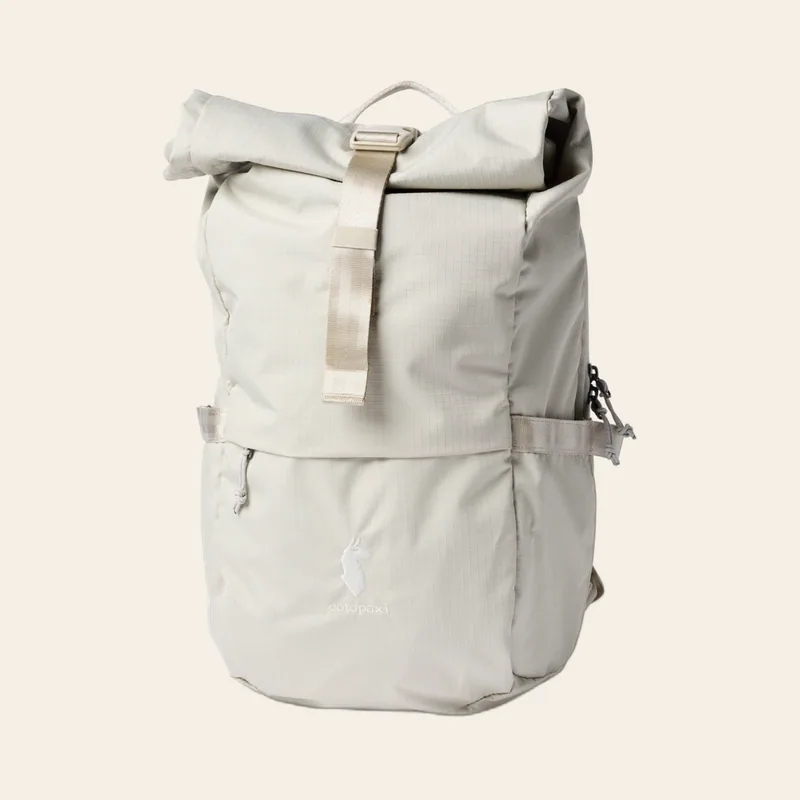
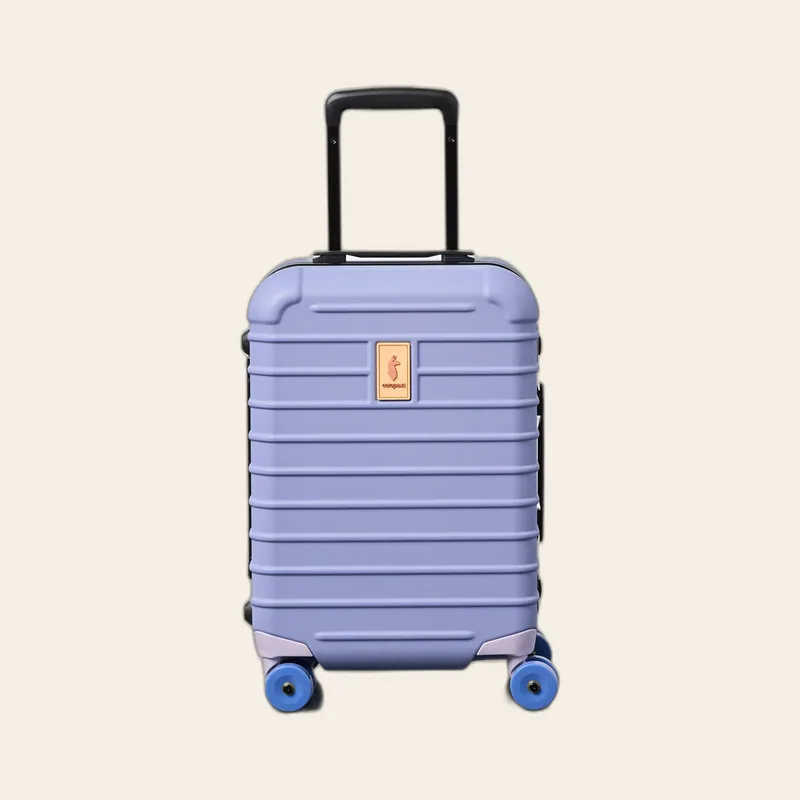
Fits the overhead on every airline that matters. Skip the checked-bag line entirely.
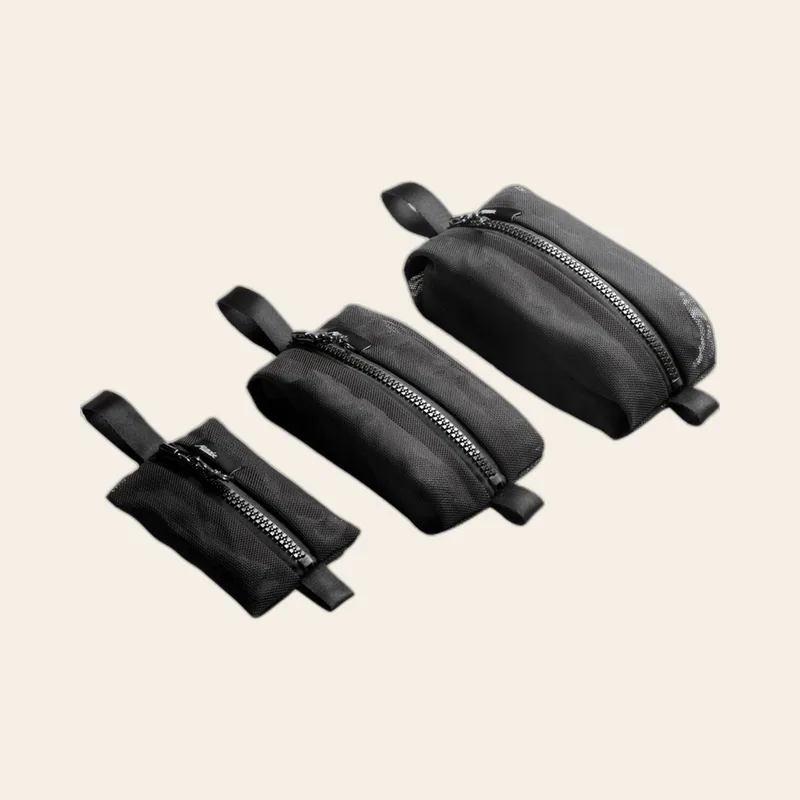
For the passport, the chargers, and the one dry pair of socks.
Waterproof gloves fail when wet; insulated versions keep hands functional in slush.

Before you go
5 to sort
SafetyWing Nomad Insurance, Month-to-month cover you can start after you leave
Going, Cheap cash fares, emailed when they droppoint.me, Finds the flight your points will actually book
AllTrails, Download your trails before you lose signal.
Recommended
13 items
For the mornings and the nights.

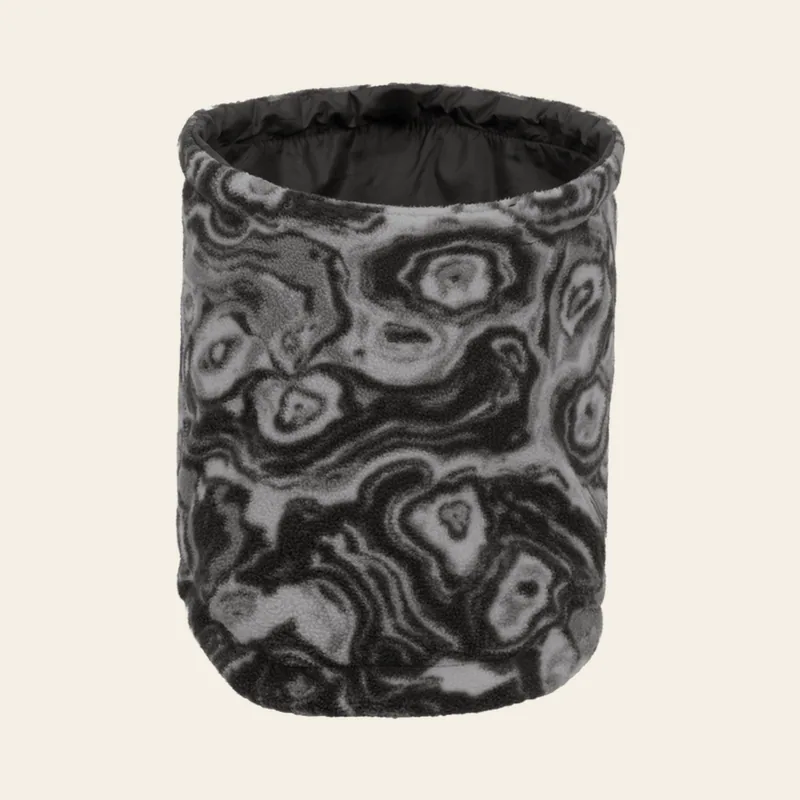
Eight hours of daylight means most of your time outdoors is in cold air.
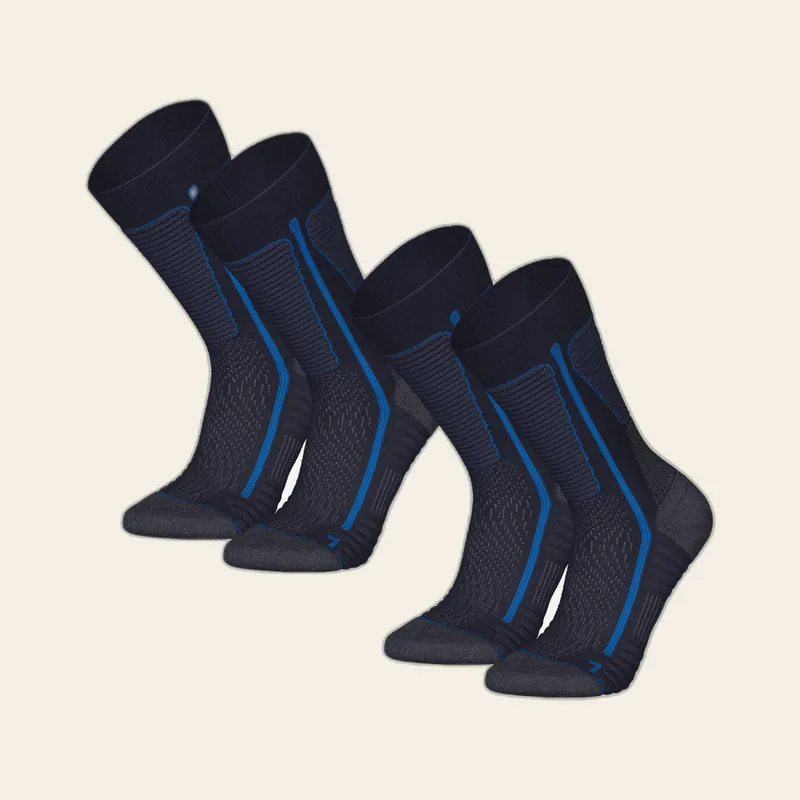
Snow cover and wet conditions turn damp feet into frostbite risk by day's end.
Tap water is safe but carrying water beats stopping in the cold.
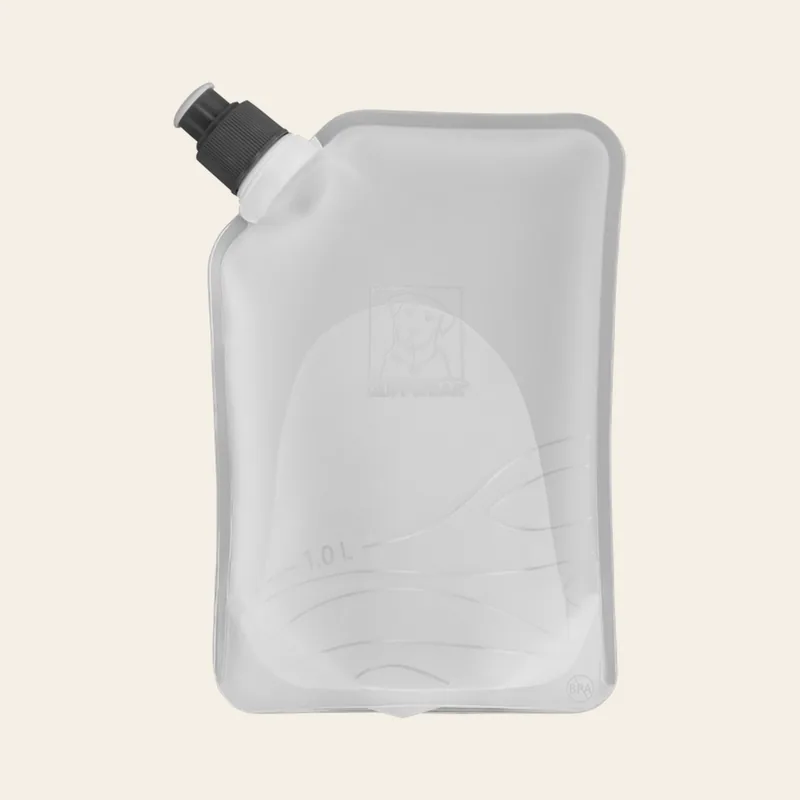
One brick charges the laptop, phone, and camera.

Hotel and cafe wifi is shared with everyone else in the building. A VPN keeps your banking and email to yourself.
International travel and remote terrain make bag tracking essential.
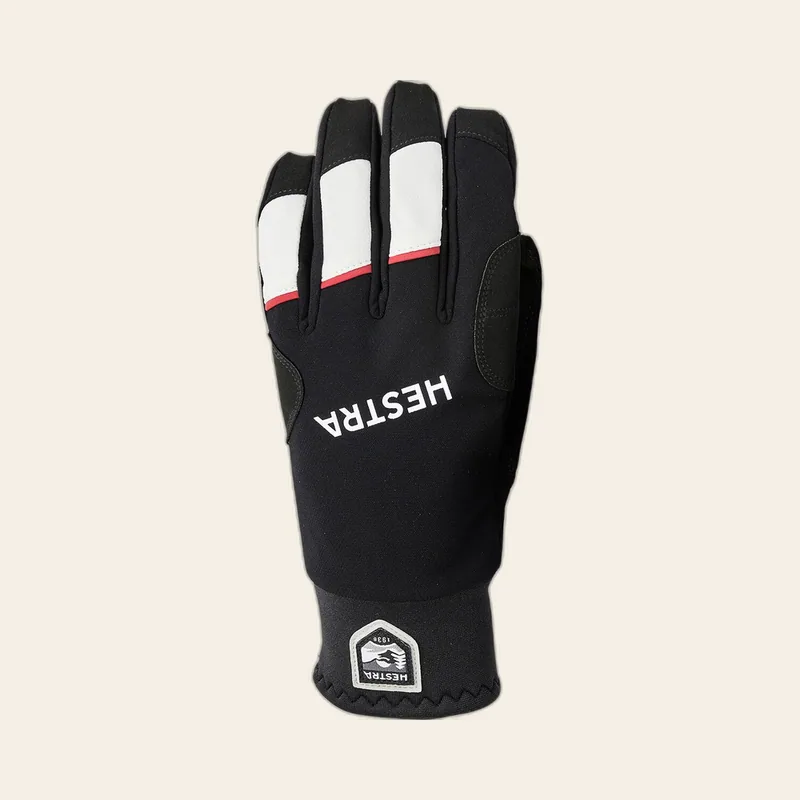
Checked luggage holds boots and heavy winter gear safely.

Packing cubes compress bulky insulation and organize wet versus dry items.
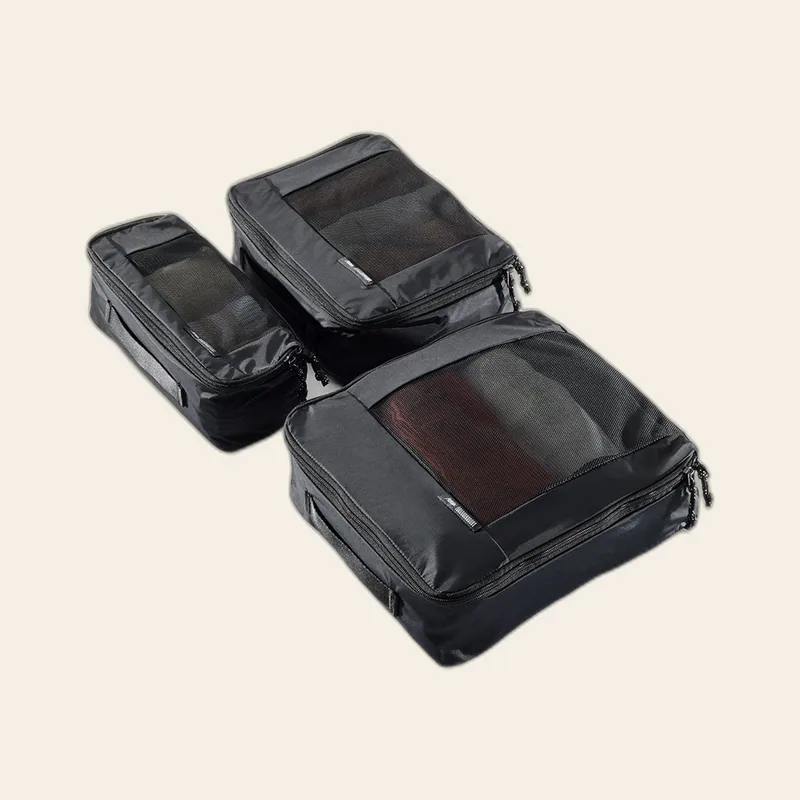
Extended stays mean more clothes and rolling luggage handles snow better than soft bags.
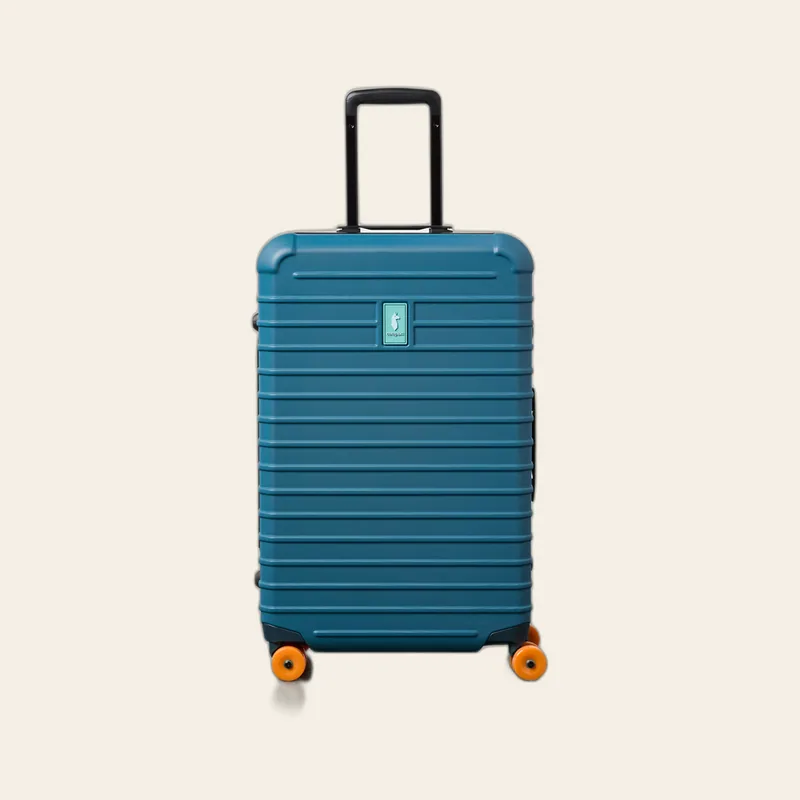
Treating clothes once extends wear in cold, dry air for weeks.
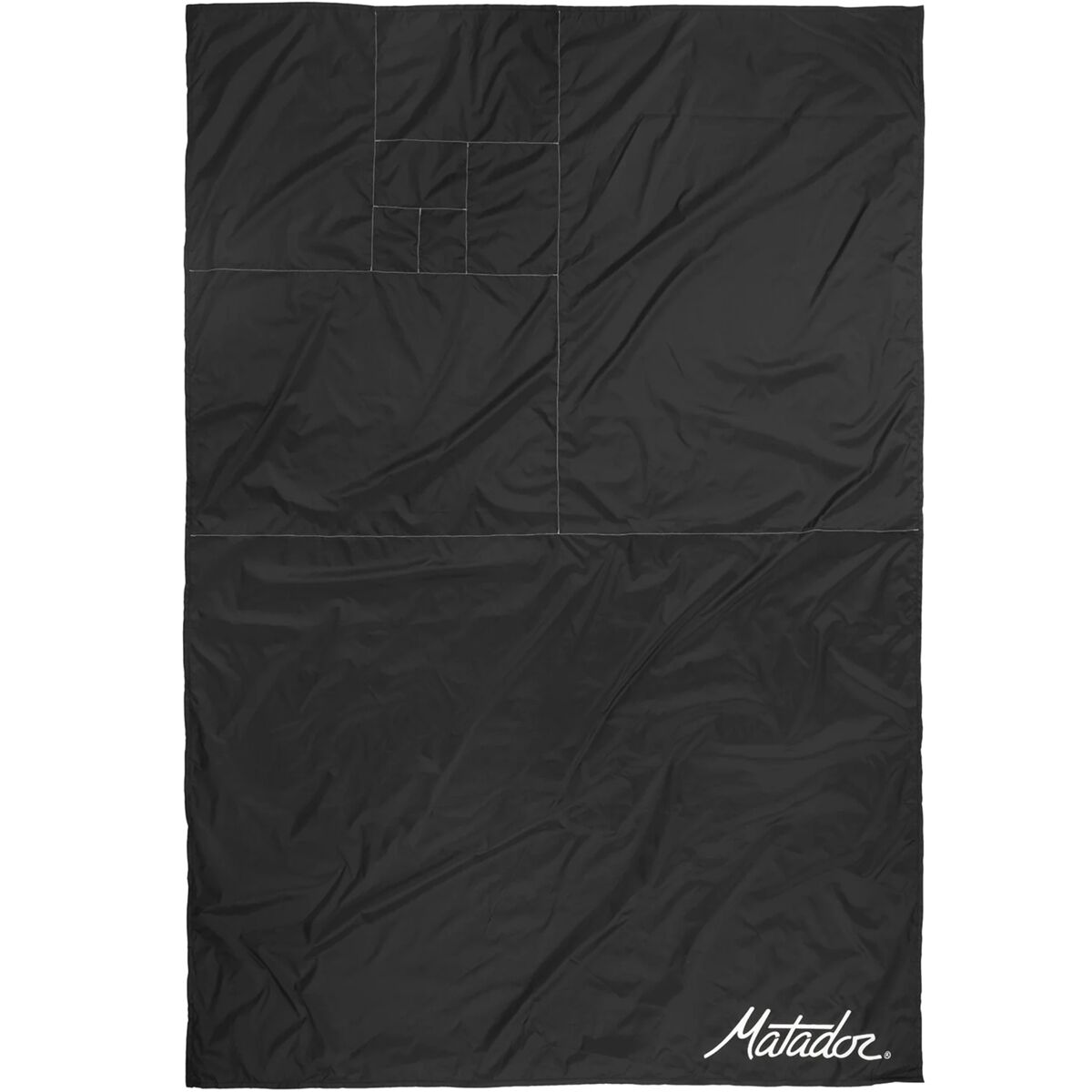
Lows around 10°F. One blanket that packs small covers the car, the campsite and the beach at sunset.
Snow-covered terrain and steep grades require trekking poles to prevent falls.

Nice to have
11 items you could skip
Snow gets into boot tops on single-track terrain without a barrier.
Slush refreezes overnight and waterproofing keeps boots functional through the cycle.
Dry mountain air and low humidity strip moisture from lips constantly.
Winding mountain roads and thin air combine to trigger motion sickness.
Altitude and low humidity dry skin and airways; sanitizer prevents infection from frequent hand washing.
One outlet at the lodge serves multiple devices and short cables save space.
Crossing into Canada requires documents and a dedicated holder prevents loss.
International flights and checked luggage need TSA locks for security.
Winter gear compresses poorly without sacks, wasting precious luggage space.
High humidity fogs lenses and fungus loves damp bathrooms at altitude.
Minus 12 degrees Celsius and wind chill make hand warmers a safety tool.
Basics
16 things you probably own already