Change trip
What to pack for Yellowstone in March
Typical March, built from ten years of weather
Some links are affiliate links. It keeps the site free.
Typical for your dates
Highs 30°F, lows 16°F, rain 14 of 31 days
snowyfreezingcold
Sunset lands around 7:25pm. Wind averages 12 mph. No border paperwork on this one.
0 of 59 packed
Packing for
75 things on this list are on sale today
Essentials
18 items
14 rain days a month finds every seam. A real shell, not a windbreaker.
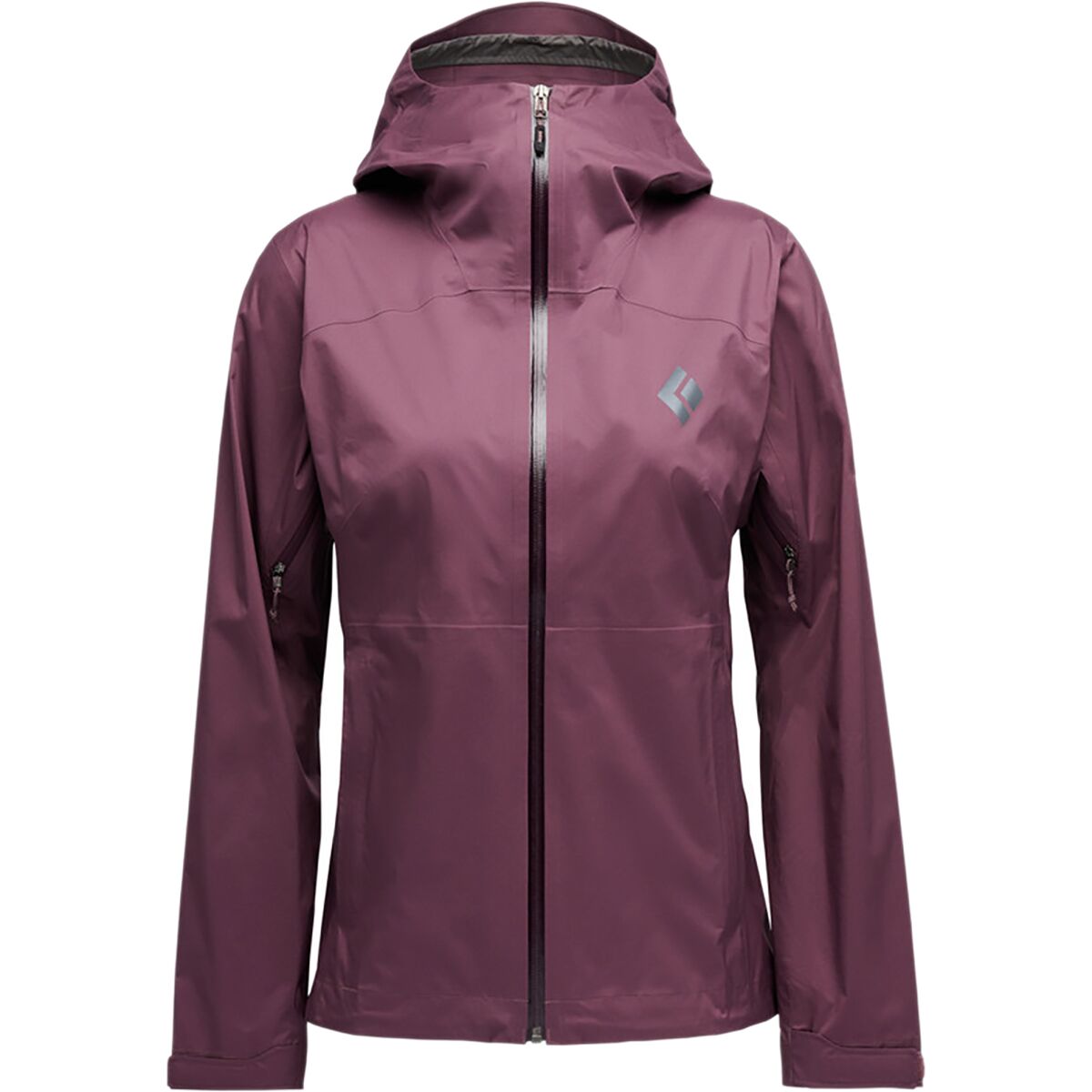
Lows around 16°F. Goes under the shell when the wind picks up.
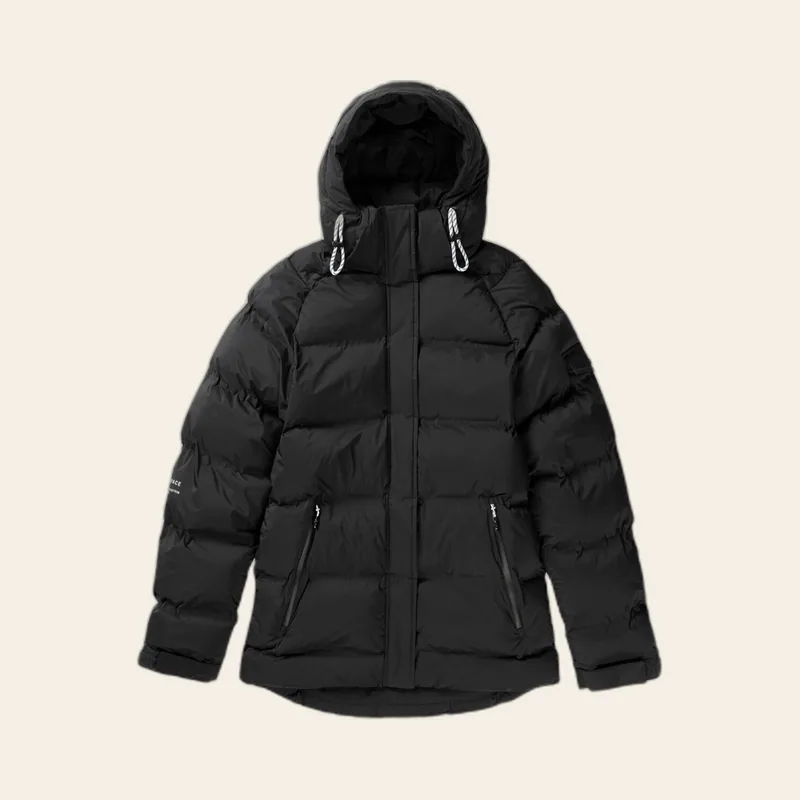
Highs below freezing. A puffy alone won't do it.
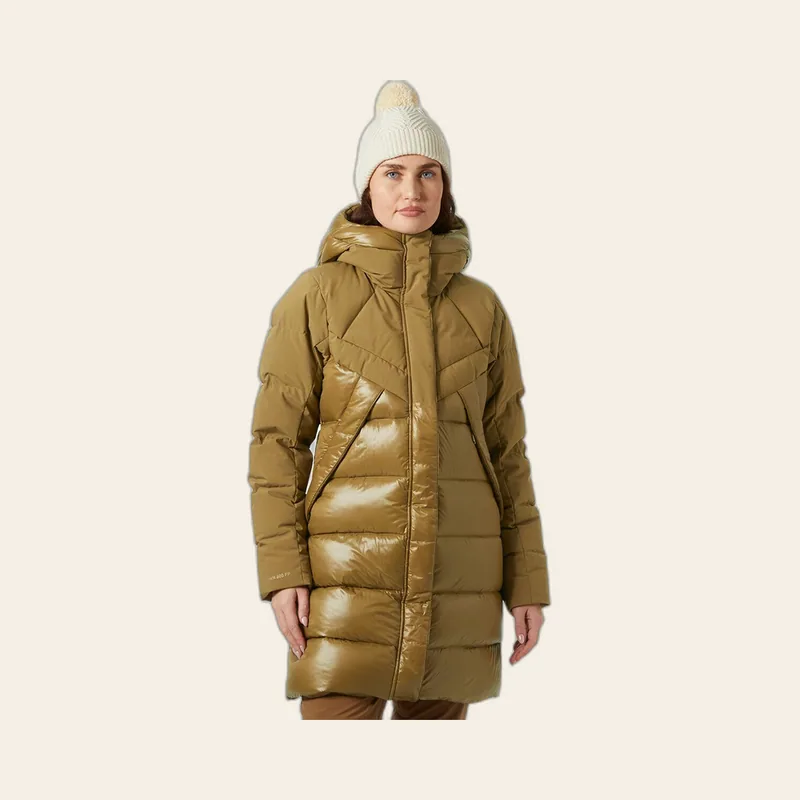
Wear one, dry one. Cotton stays wet all week here.

Lows drop to 16°F and wind hits 20 km/h, so ears get cold fast.

Exposed skin freezes in minutes at 16°F with wind chill.
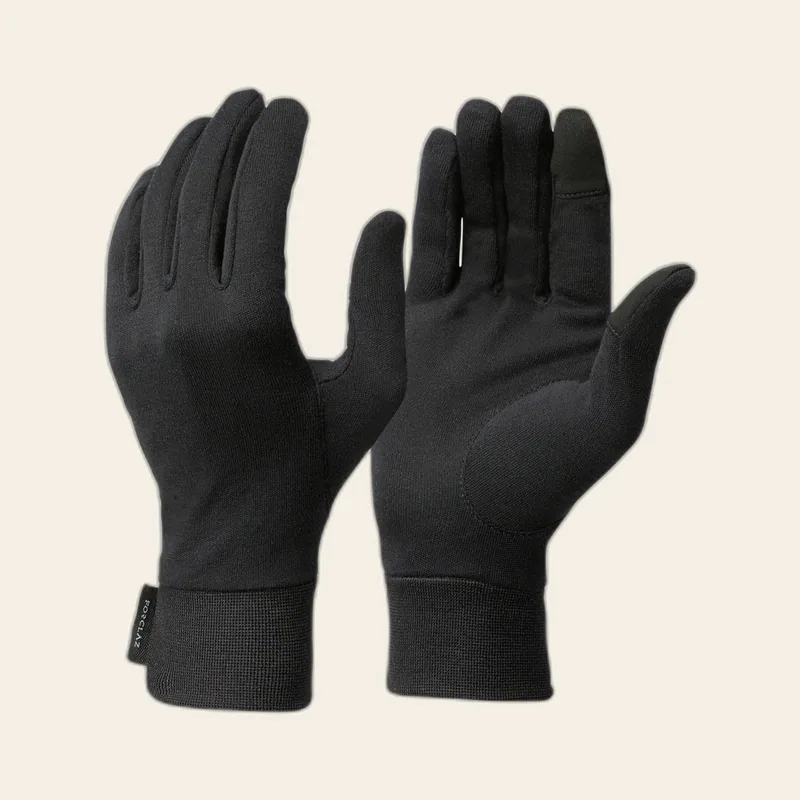
Snow covers the ground and temperatures stay below freezing all month.

At 2479 meters elevation, UV index 5.3 burns skin in two hours.

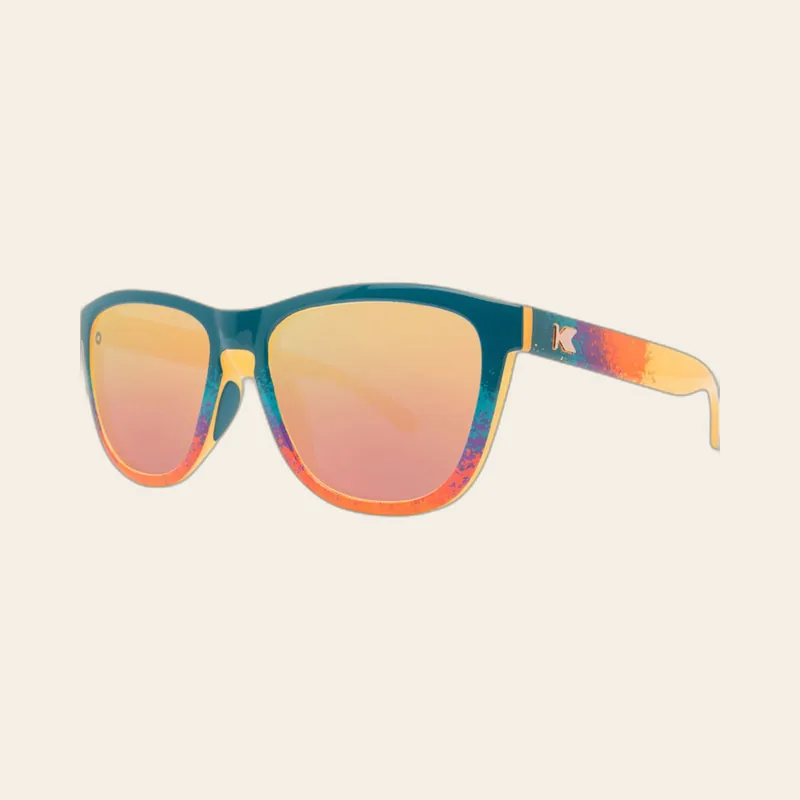
Snow reflects UV rays back at your eyes, causing snow blindness.
March brings insects to Yellowstone despite the cold.

Check ankles and, if there's a dog, paws and ears every night.
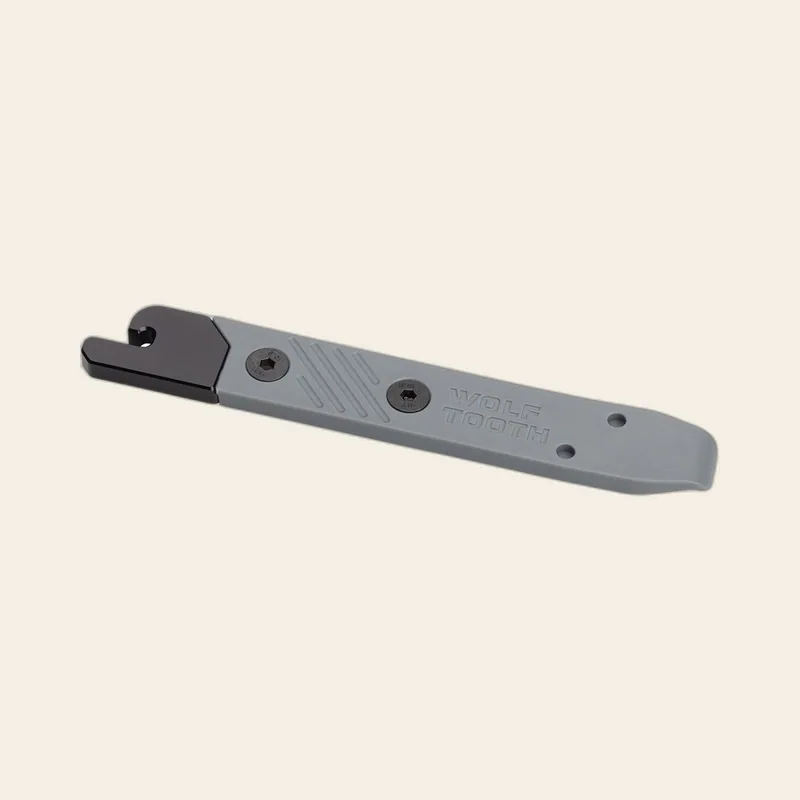
Remote mountain terrain means medical help is hours away.

Eleven hours of daylight means battery drain on cameras and phones.

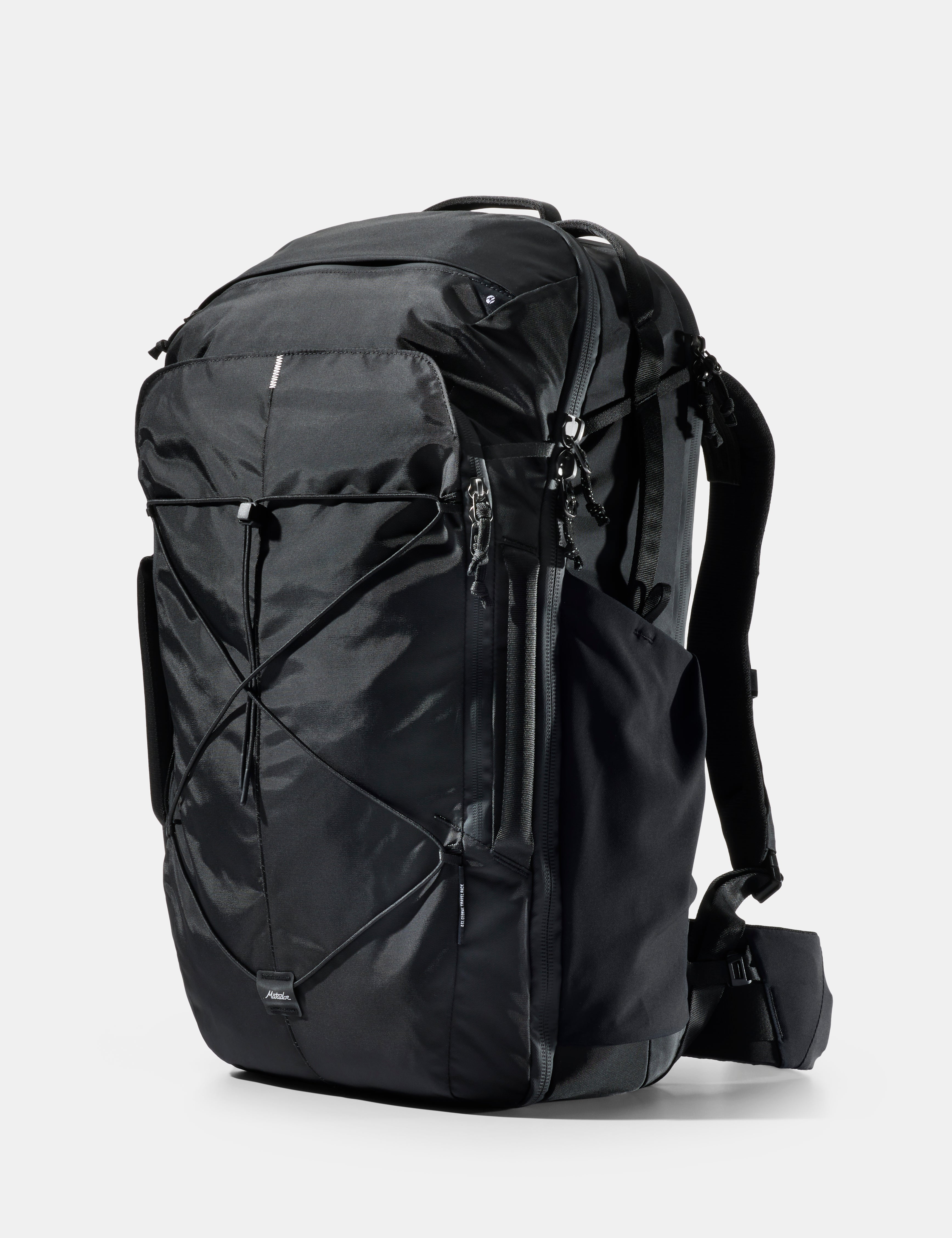
Overhead bins fit your main gear on regional flights to the park.
Day hikes from your base camp need a separate small pack.
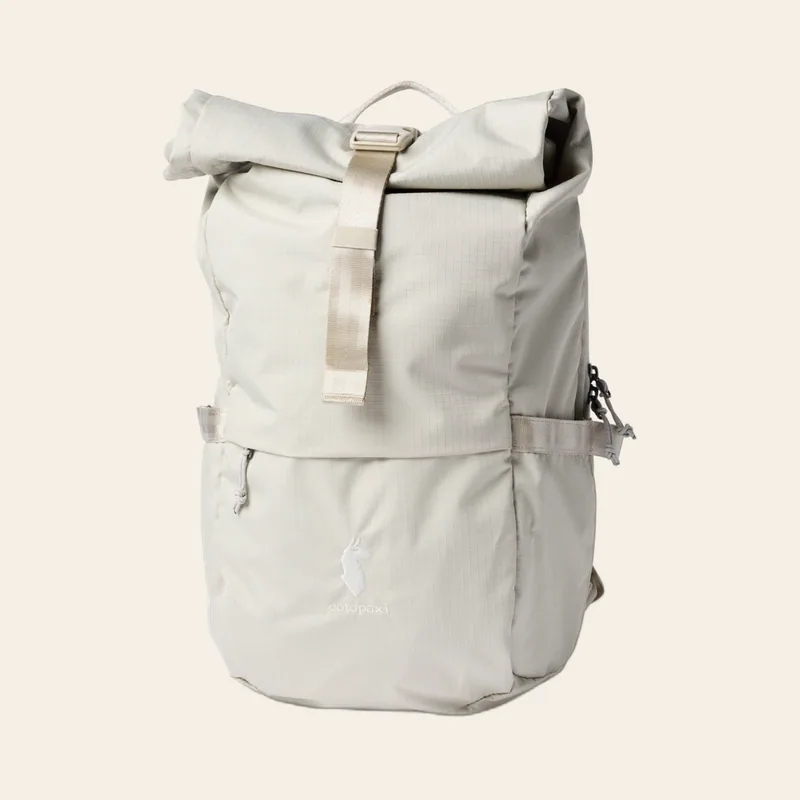
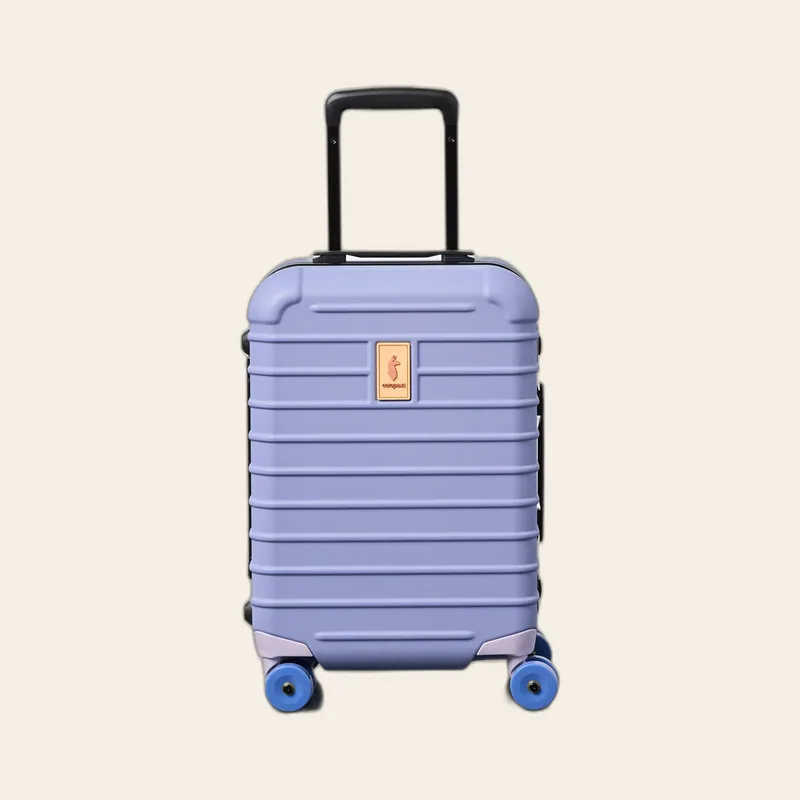
Fits the overhead on every airline that matters. Skip the checked-bag line entirely.
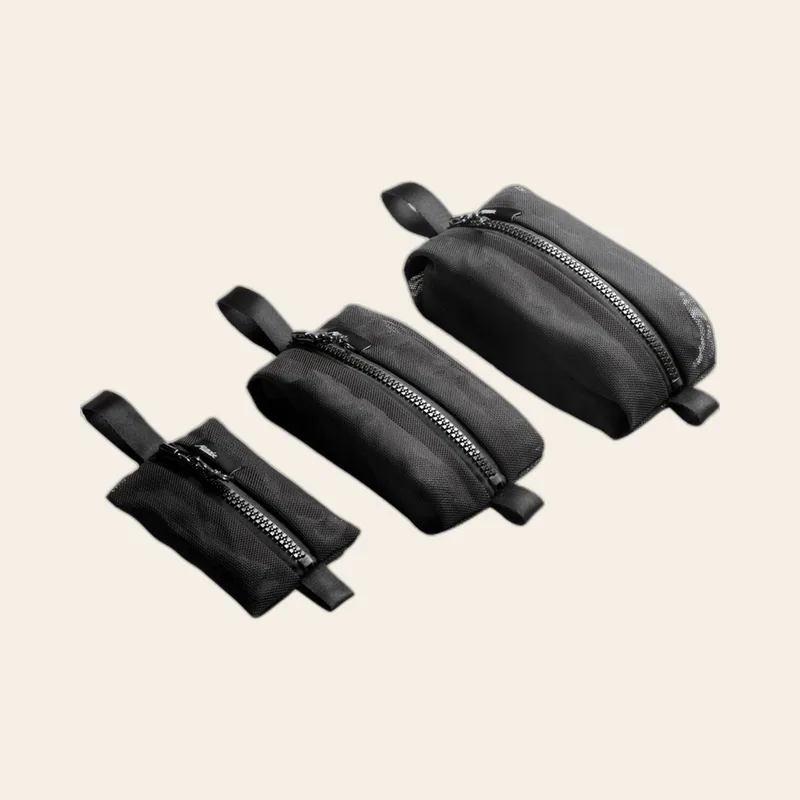
For the passport, the chargers, and the one dry pair of socks.
Wet snow soaks regular gloves, requiring insulated waterproof pairs.

Before you go
3 to sort
Recommended
13 items
For the mornings and the nights.

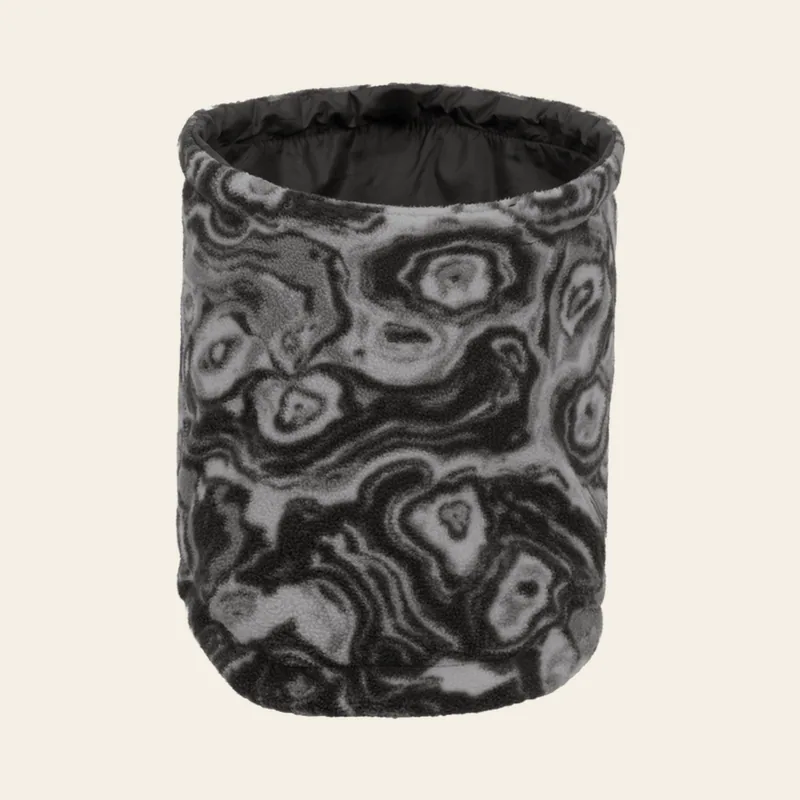
Wind-driven cold at 30°F high means your neck needs protection.
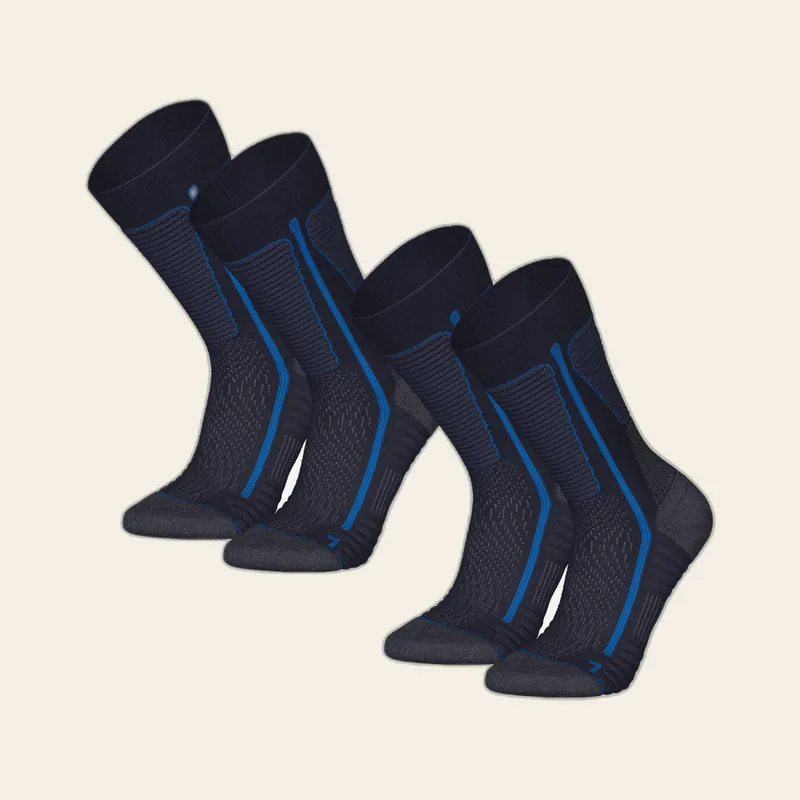
Wet feet in snow turn numb within hours without insulation.
Treat the clothes once and it lasts weeks.

Tap water is safe but geyser areas have limited access points.

One brick charges the laptop, phone, and camera.

Mountain terrain makes lost bags harder to track down.
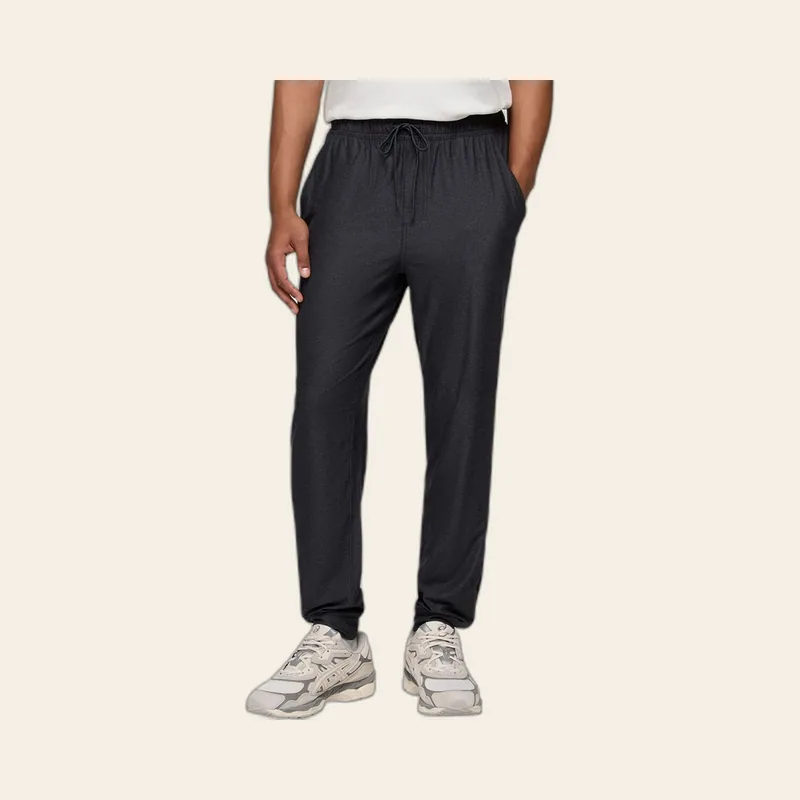
Winter gear takes up more space than summer packing.

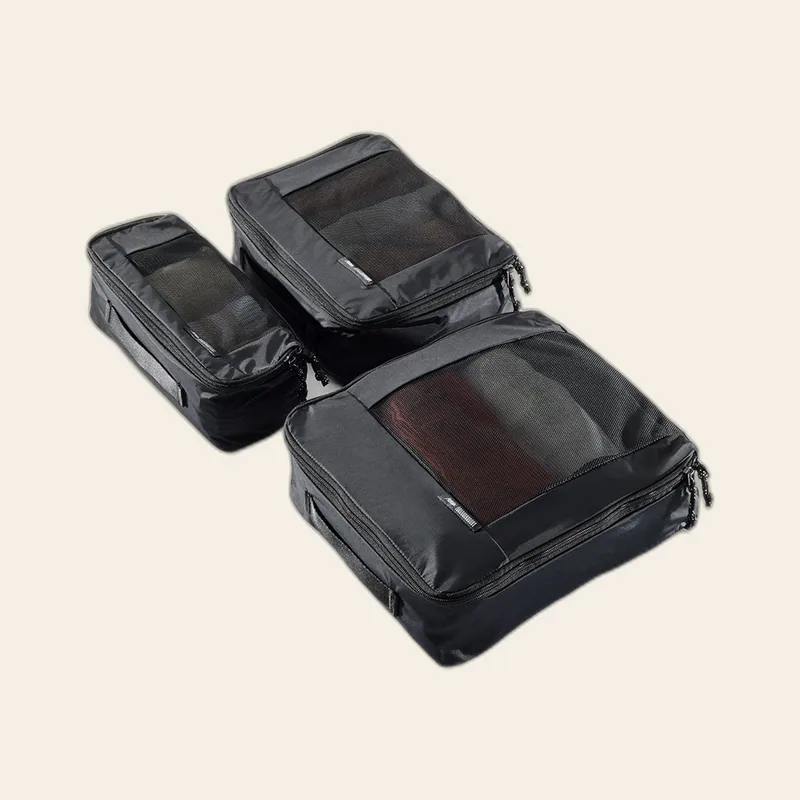
Snow gear compresses poorly without organization systems.
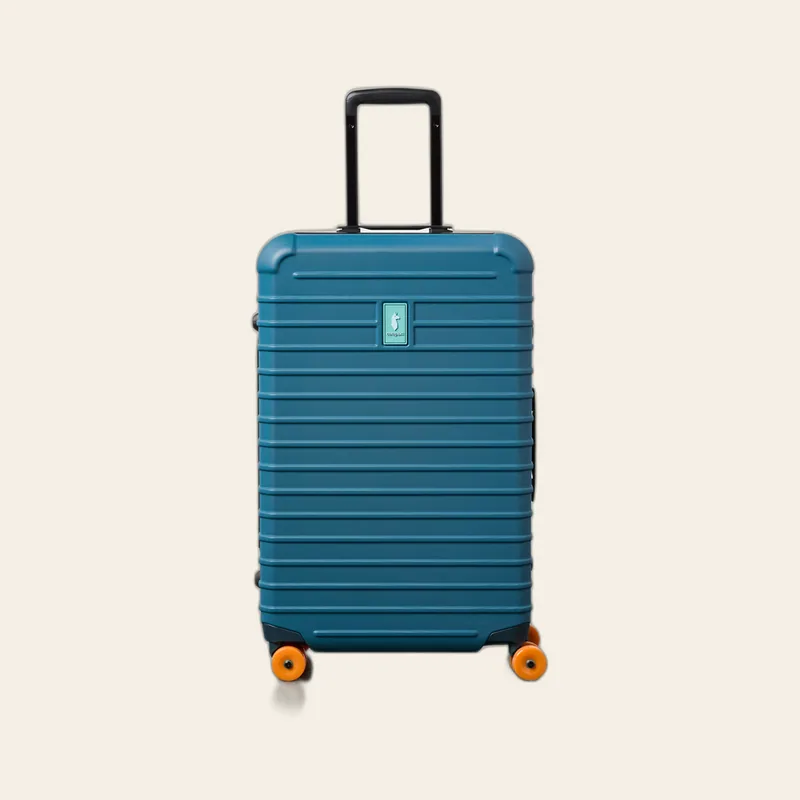
Heavy boots and layered clothing require checked luggage.
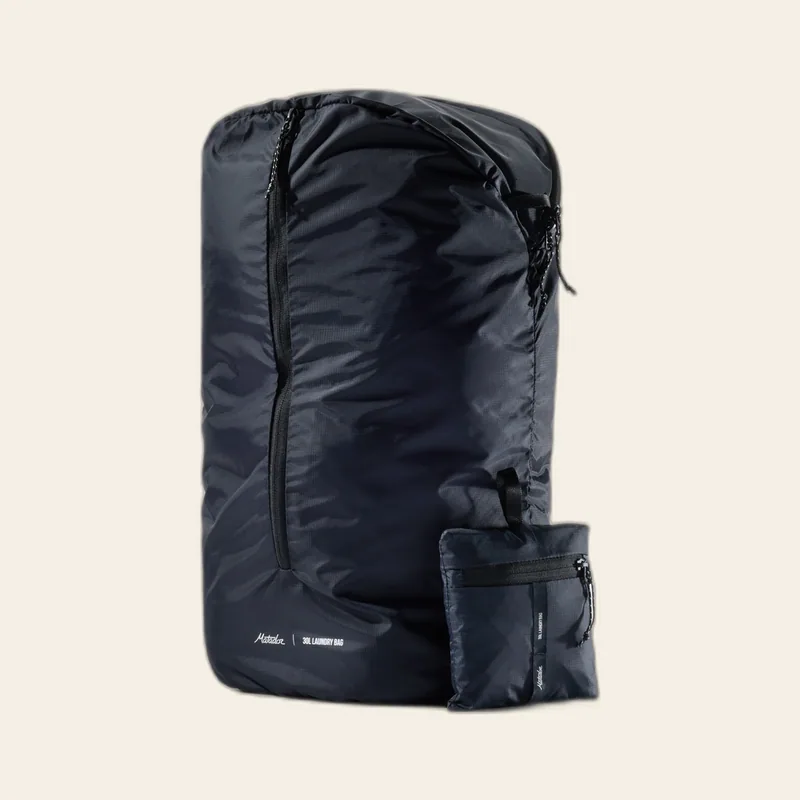
Wet gear needs washing between mountain days.
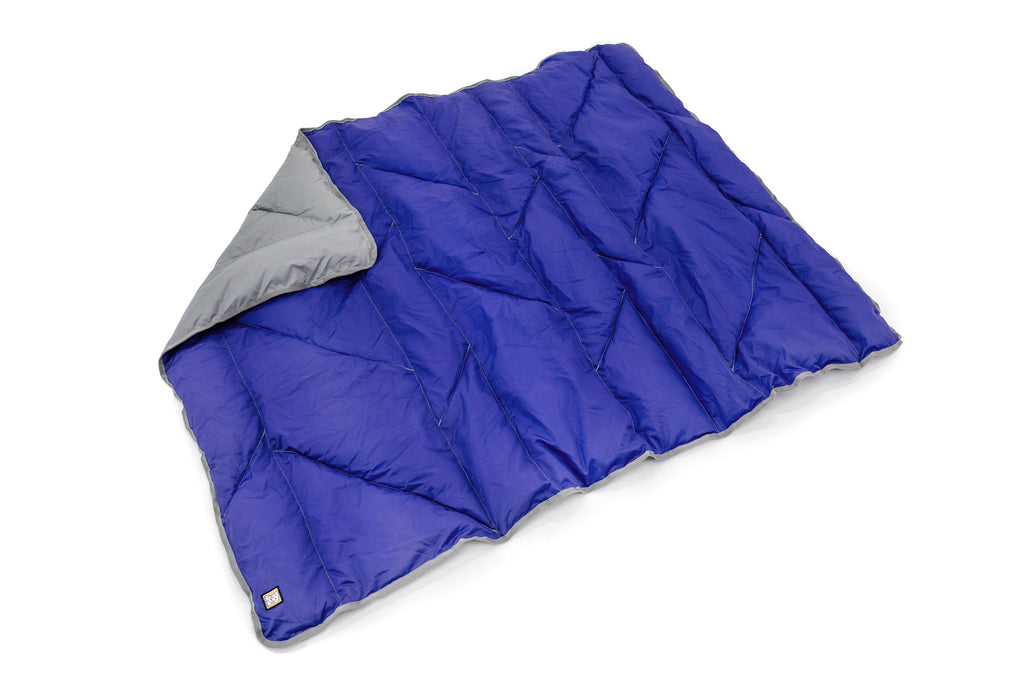
Lows around 16°F. One blanket that packs small covers the car, the campsite and the beach at sunset.
Snow and ice on single-track trails make footing treacherous.

Nice to have
12 items you could skip
Snow works into boot tops on mountain terrain without a barrier.
Wet snow and slush soak through leather and canvas instantly.
At 2479 meters with 11.9 hours of daylight and a UV index of 5.3, snow reflects intense rays onto your face.
Altitude and snow reflection damage lips faster than sea level.
Winding mountain roads cause motion sickness in many visitors.
Geyser boardwalks and shared facilities need regular sanitizing.
Sunburn and insect bites happen together at this altitude.
Cold temperatures drain batteries faster, requiring quick charging.
Domestic travel requires standard luggage security.
Bulky winter clothes compress down for the carry-on.
Moisture from snow and steam damages toiletries without containment.
Hands stay in pockets most of the day at these temperatures.
Basics
16 things you probably own already