Change trip
What to pack for Yellowstone in February
Typical February, built from ten years of weather
Some links are affiliate links. It keeps the site free.
Typical for your dates
Highs 21°F, lows 10°F, rain 14 of 28 days
snowyfreezingcold
Sunset lands around 6:50pm. Wind averages 13 mph. No border paperwork on this one.
0 of 59 packed
Packing for
76 things on this list are on sale today
Essentials
18 items
14 rain days a month finds every seam. A real shell, not a windbreaker.
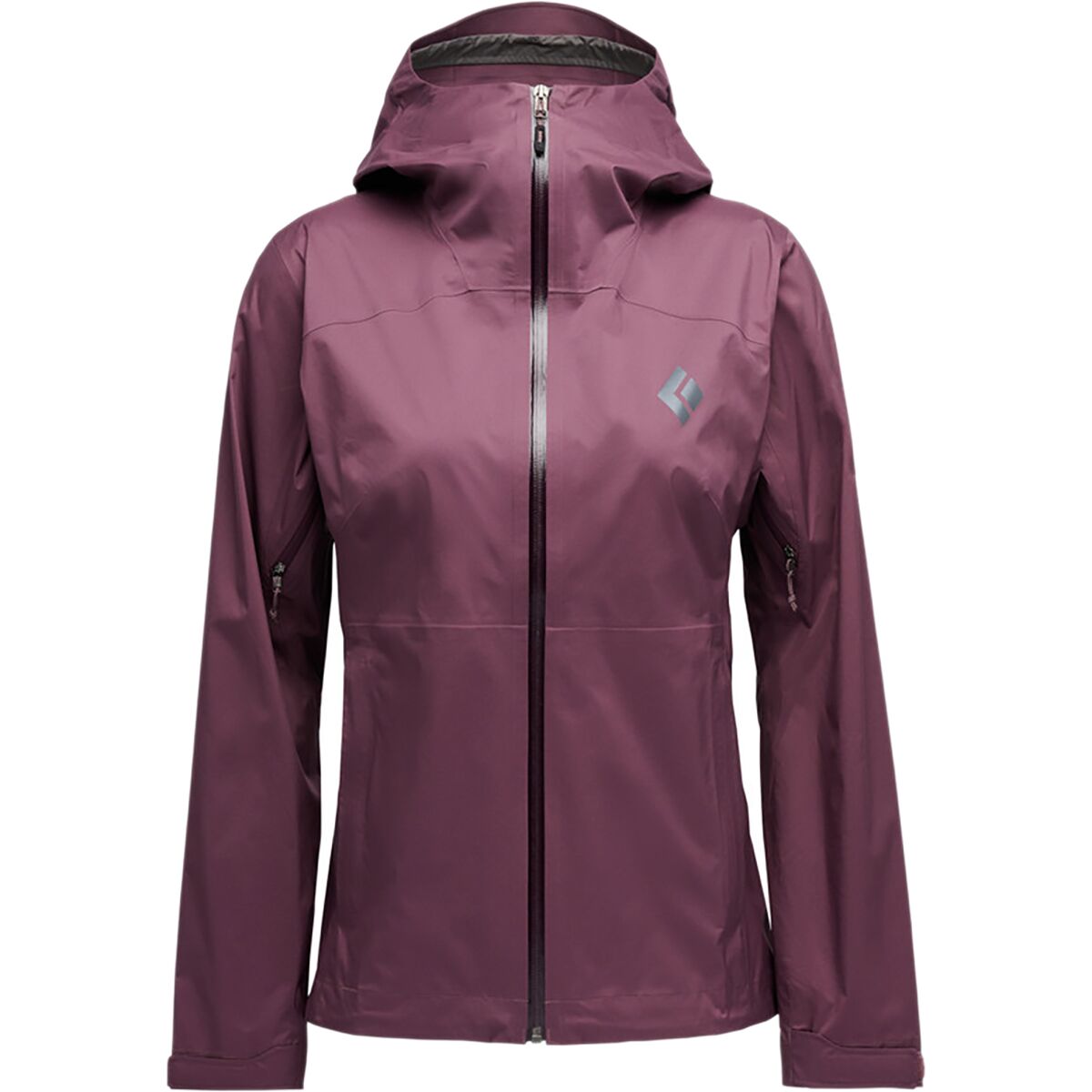
Lows around 10°F. Goes under the shell when the wind picks up.
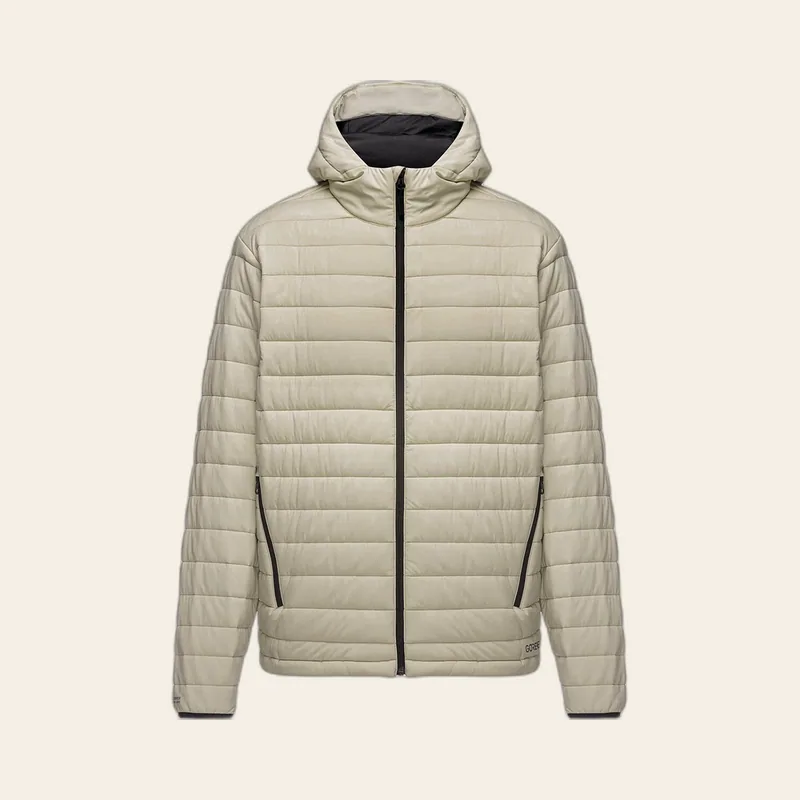
Highs below freezing. A puffy alone won't do it.

Wear one, dry one. Cotton stays wet all week here.

Lows hit 10°F and wind gusts to 21 km/h, so exposed skin freezes fast.

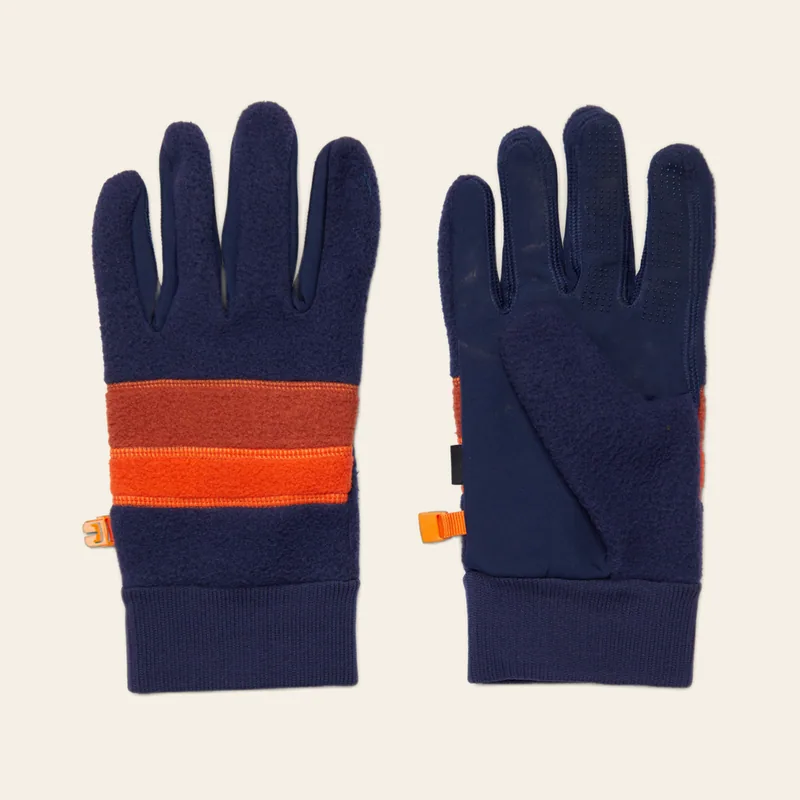
At 10°F, bare hands go numb within minutes on the trail.
Snow is constant and the terrain is mountain, so boots need insulation rated below 10°F.

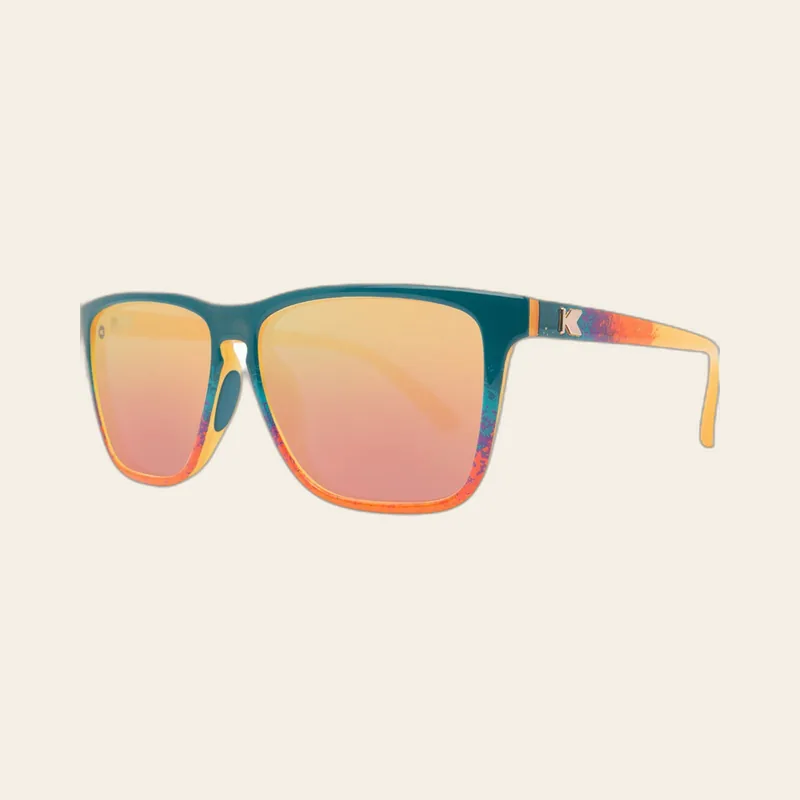
UV index of 3.1 bounces off snow and burns eyes in 10.5 hours of daylight.
Insects don't matter here, but the kit handles other minor injuries.

Check ankles and, if there's a dog, paws and ears every night.

Altitude, cold, and remote terrain mean minor cuts need attention fast.

Short daylight and cold drain phone batteries faster than usual.

Dark by 6:50pm. Every campsite chore after that is a two-hands job.

Overhead bins fill fast on flights to popular winter parks.
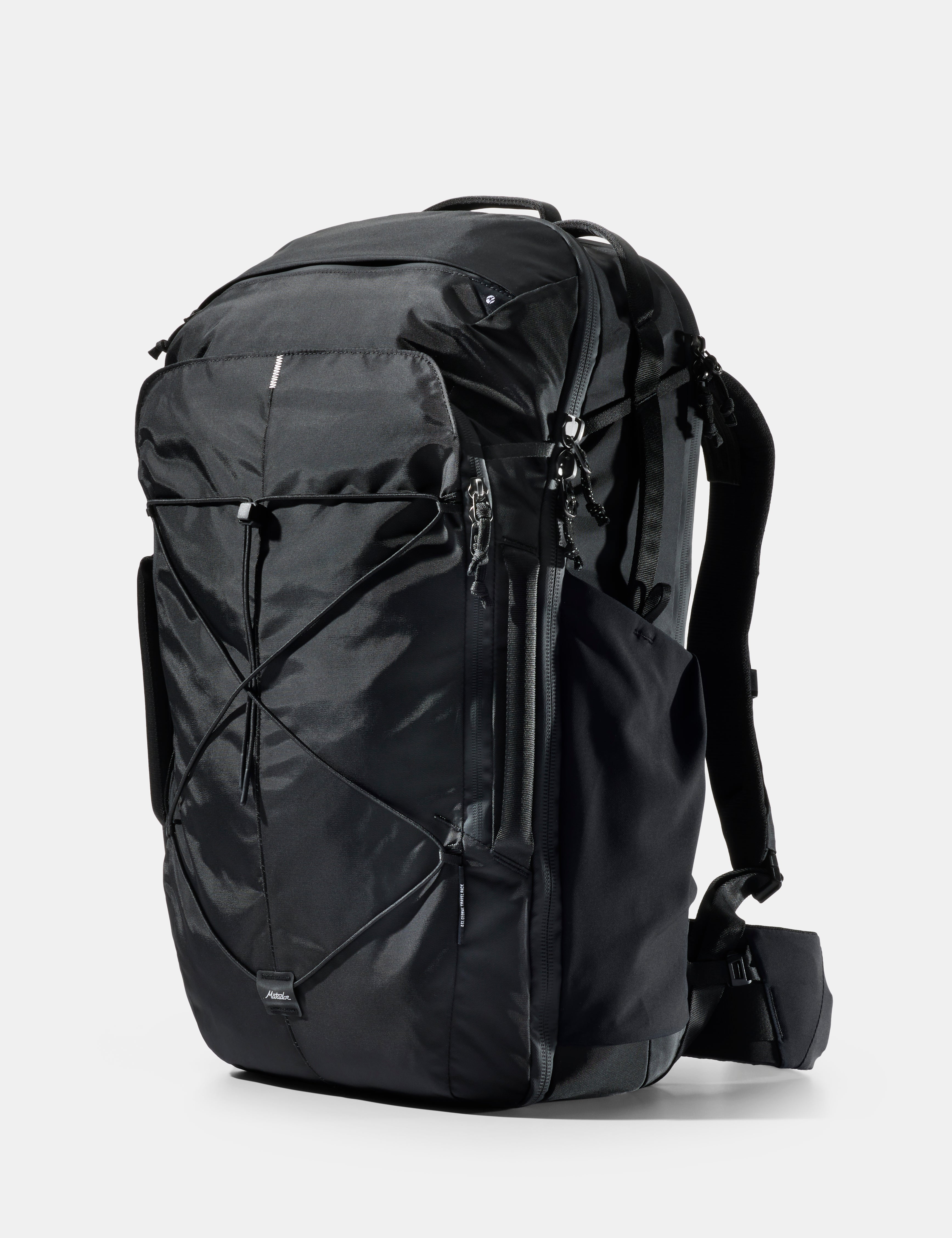
Day hikes in snow mean carrying layers, water, and emergency gear.
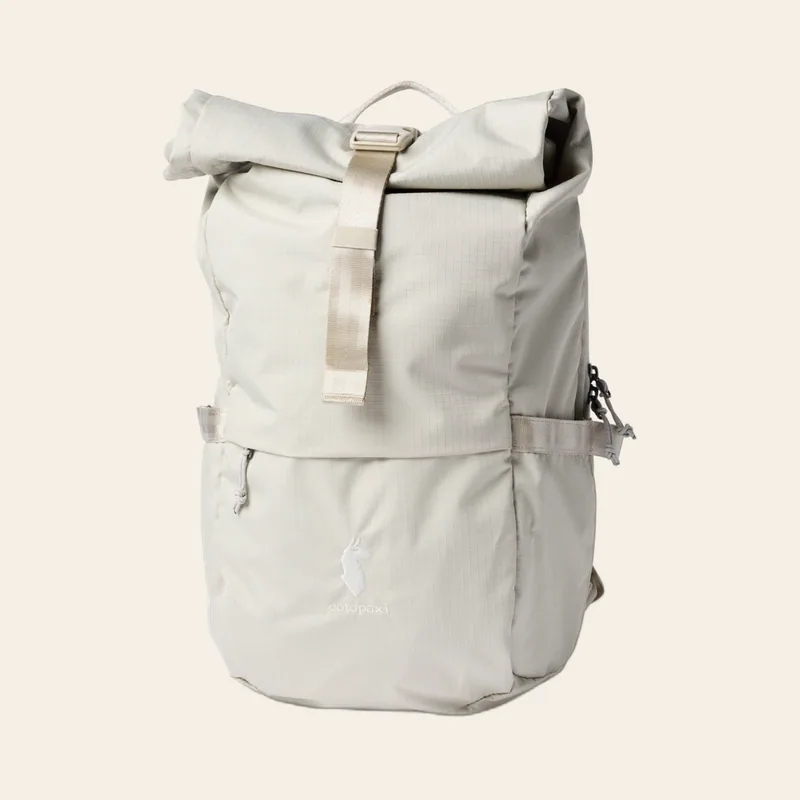
Fits the overhead on every airline that matters. Skip the checked-bag line entirely.
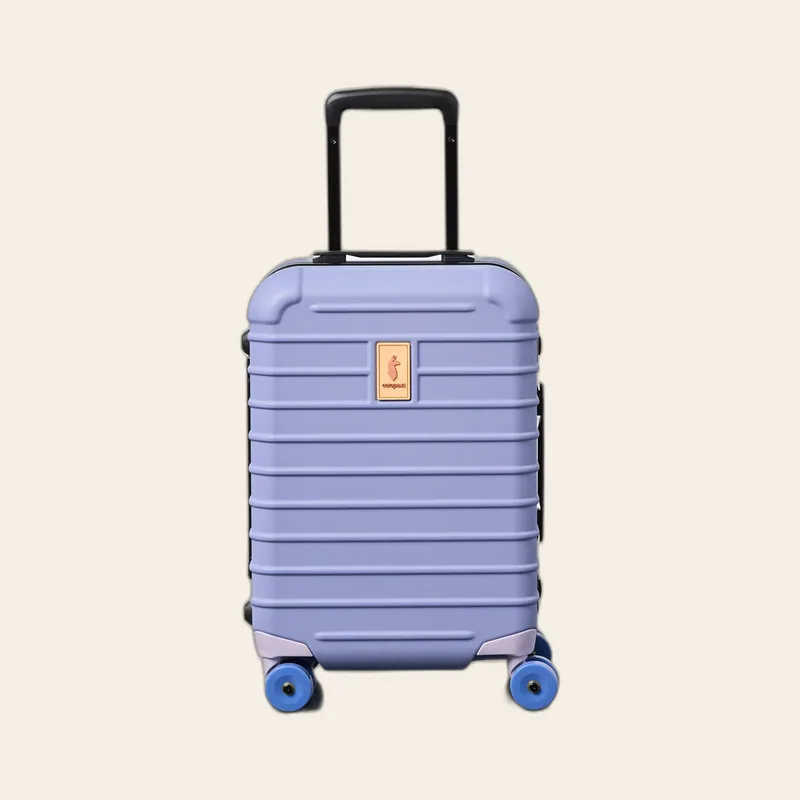
For the passport, the chargers, and the one dry pair of socks.
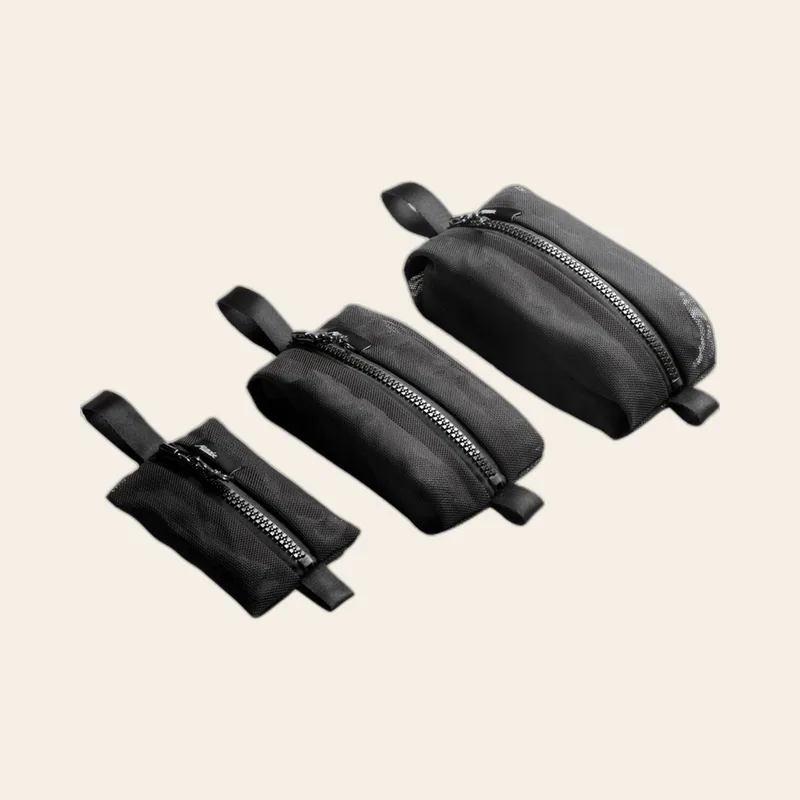
Gloves alone fail when snow melts on your hands during the day.

Before you go
3 to sort
Recommended
14 items
For the mornings and the nights.

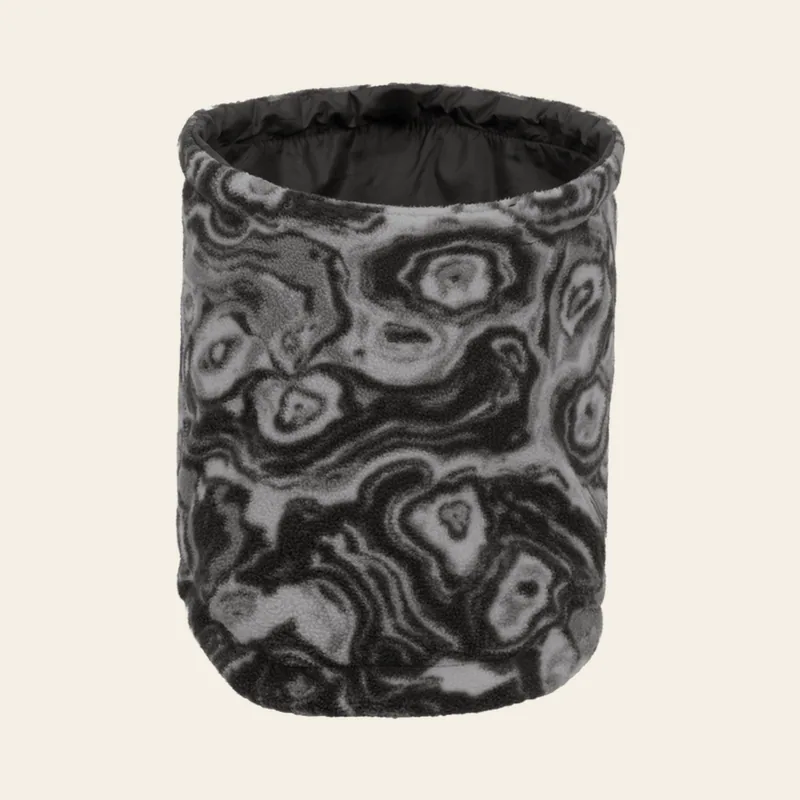
Wind at 21 km/h cuts across your face at 2479 meters elevation.
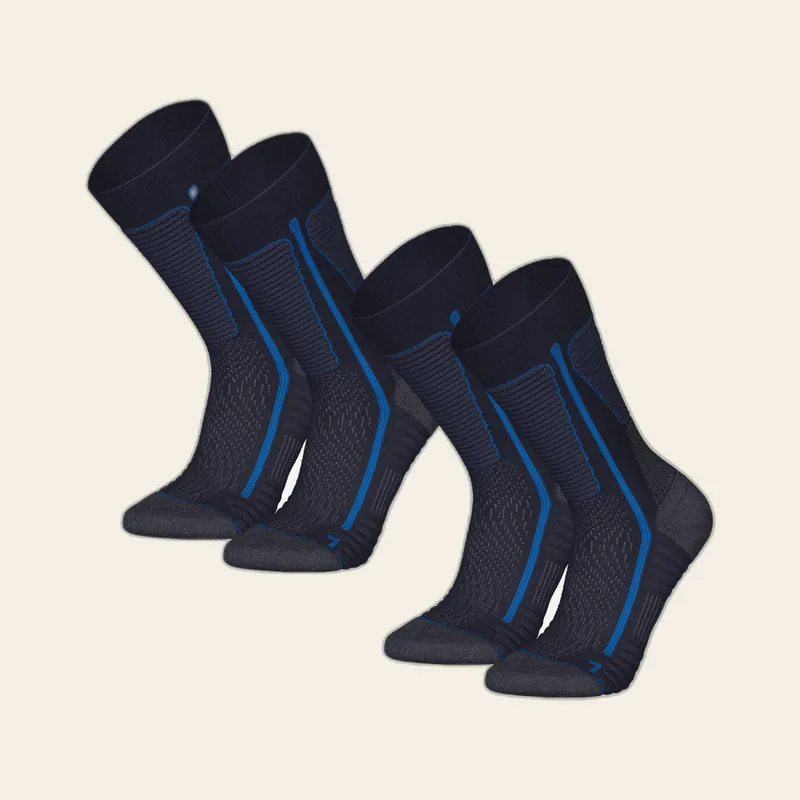
Wet socks in 21°F high temperatures lead to frostbite on long days.
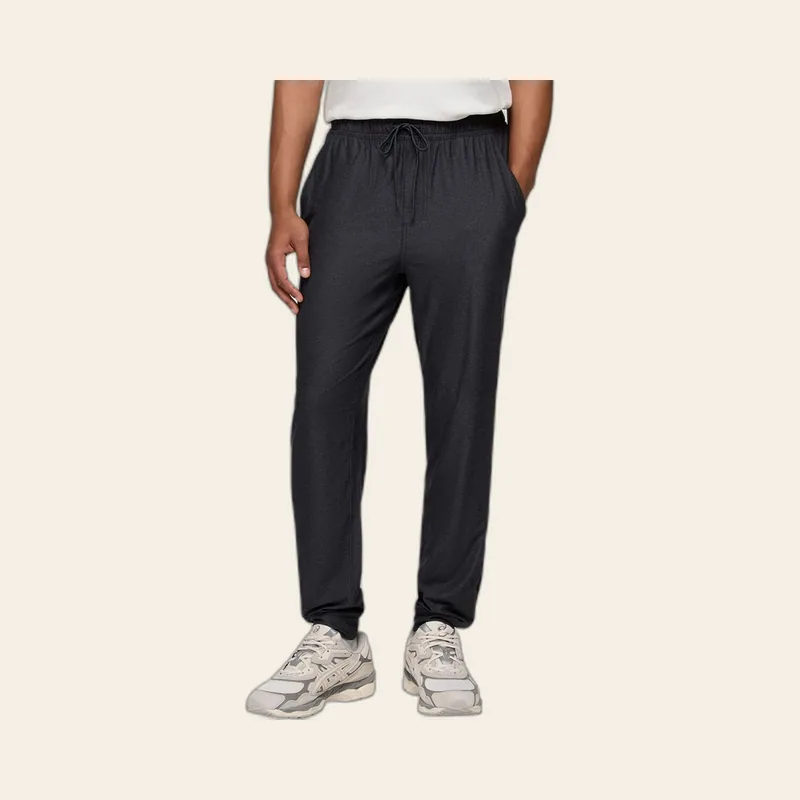
Treat the clothes once and it lasts weeks.

Tap water is safe but carrying it beats stopping often in cold.

One brick charges the laptop, phone, and camera.

Checked luggage on connecting flights gets lost in winter weather delays.
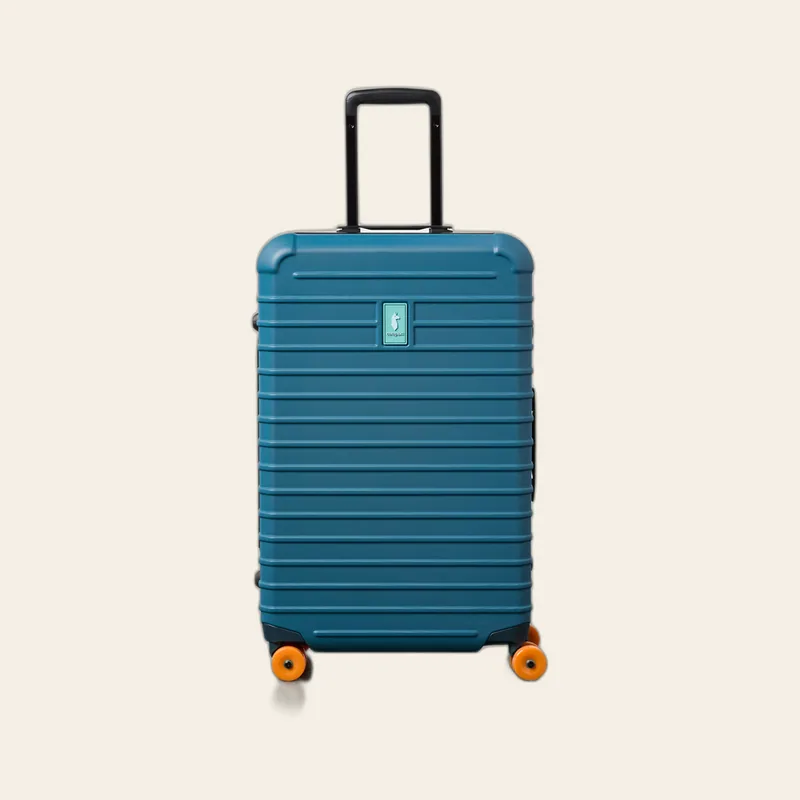
Winter gear takes up space, so rolling duffels pack more than soft bags.

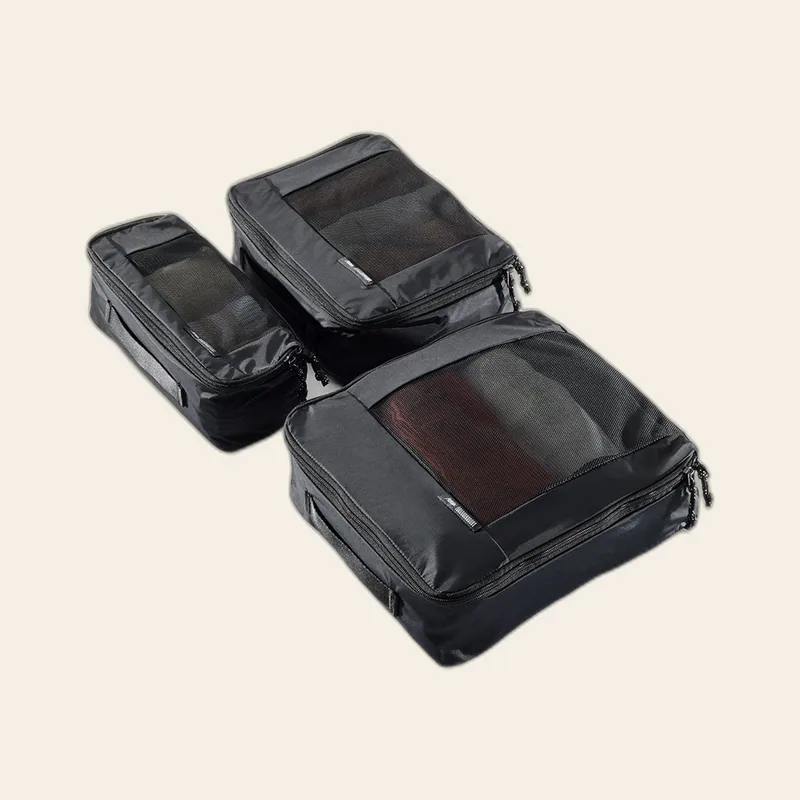
Thermal layers, boots, and cold-weather gear need organization in tight luggage.
Checked suitcases hold the bulk of insulated winter clothing.
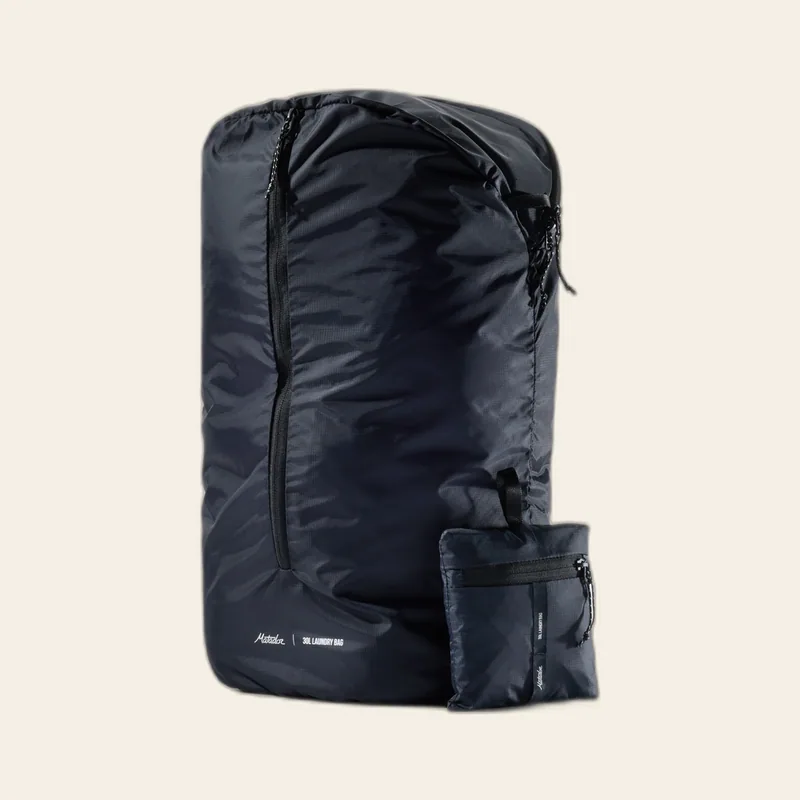
Fourteen damp days a month means laundry piles up fast.
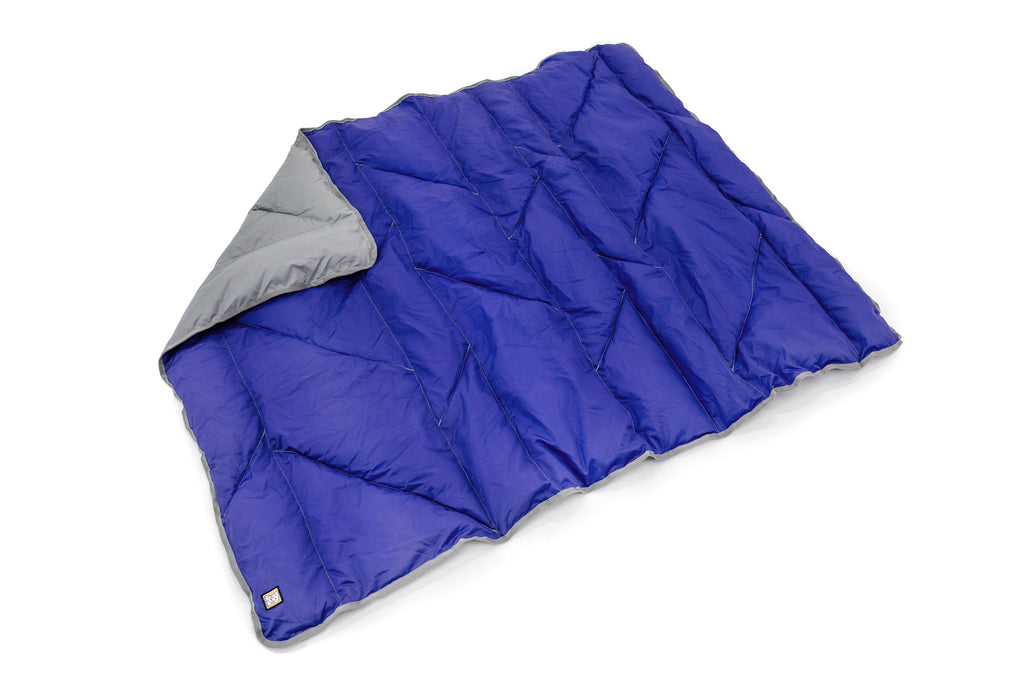
Lows around 10°F. One blanket that packs small covers the car, the campsite and the beach at sunset.
Minus twelve degrees and wind at twenty-one kilometers an hour freeze exposed skin in minutes.

Snow and ice on single-track mountain paths require traction and balance aids.

Nice to have
11 items you could skip
Deep snow drifts across the trail and packs into boot tops.
Fourteen rain days plus snow means boots stay soaked without treatment.
Snow reflects UV rays at 2479 meters and wind chaps lips raw.
Winding mountain roads and altitude can trigger nausea on the drive in.
Shared guesthouses and high-touch surfaces need regular hand cleaning.
Cold air dries skin and wind causes chapping that needs relief.
Multiple devices in one bag means cable management matters on the trail.
Domestic travel requires basic security locks on checked bags.
Puffy jackets compress down, freeing space for other essentials.
Hanging organizers keep toiletries accessible in small guesthouse bathrooms.
Hands and feet get cold sitting still at overlooks and on long drives.
Basics
16 things you probably own already