Change trip
What to pack for Yellowstone in July
Typical July, built from ten years of weather
Some links are affiliate links. It keeps the site free.
Typical for your dates
Highs 72°F, lows 46°F, rain 8 of 31 days
coldwindyhigh UV
Sunset lands around 9:00pm. Wind averages 12 mph. No border paperwork on this one.
0 of 47 packed
Packing for
50 things on this list are on sale today
Essentials
12 items
Lows around 46°F. Goes under the shell when the wind picks up.
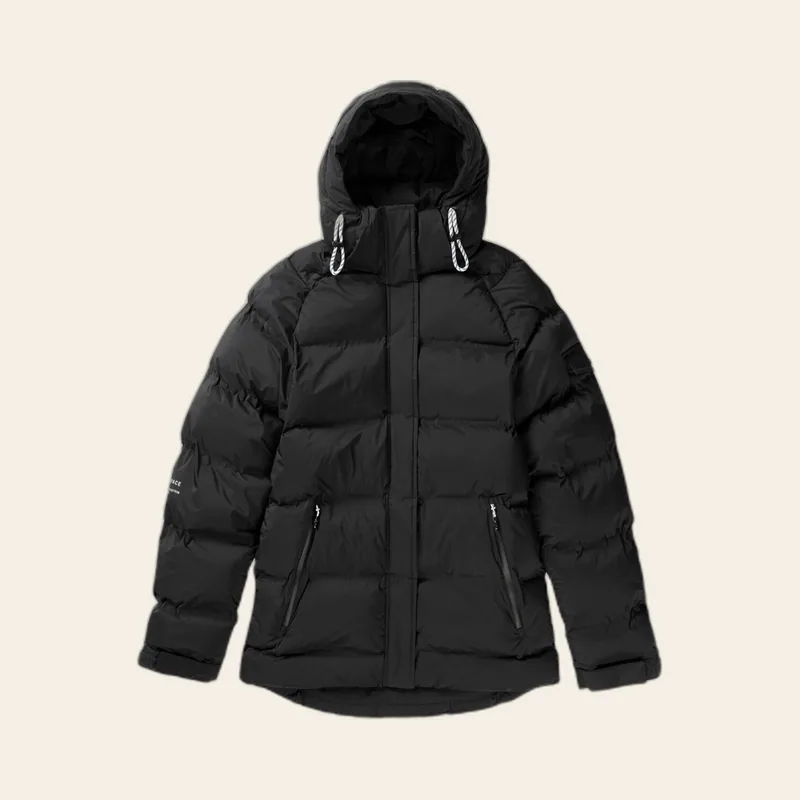
Wear one, dry one. Cotton stays wet all week here.

Altitude and wind chill combine at 2479 meters, dropping the feel below freezing at night.

UV index peaks at 11.7, the highest category for skin damage risk.

Glare off water and light-colored rock intensifies at altitude.
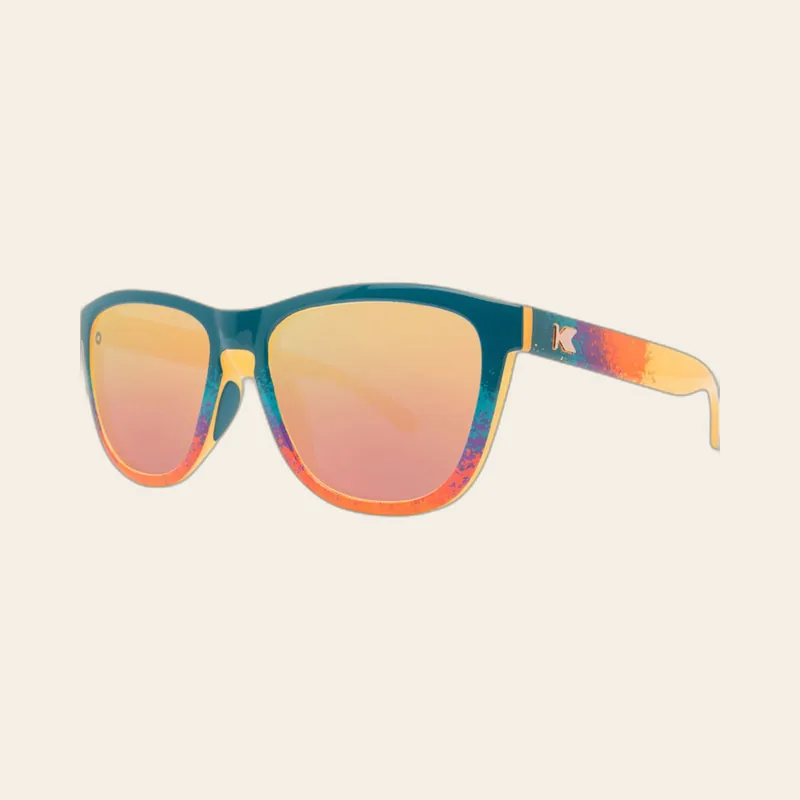
Eight rain days create standing water where mosquitoes breed in mountain valleys.

Check ankles and, if there's a dog, paws and ears every night.
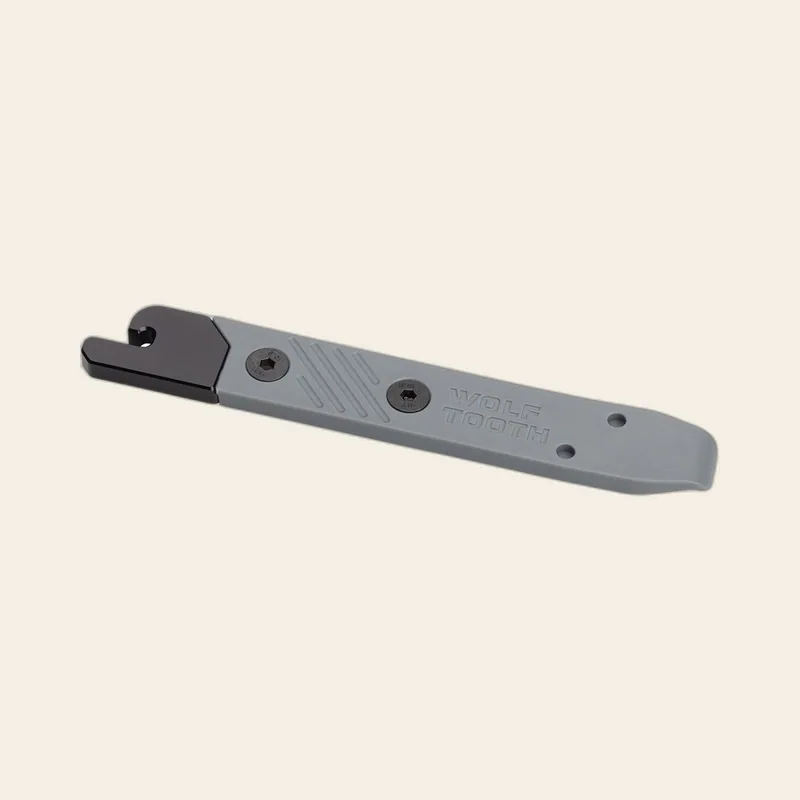
Remote terrain and altitude mean distance from medical care.

Fifteen-hour days drain phone batteries faster than outlet access allows.

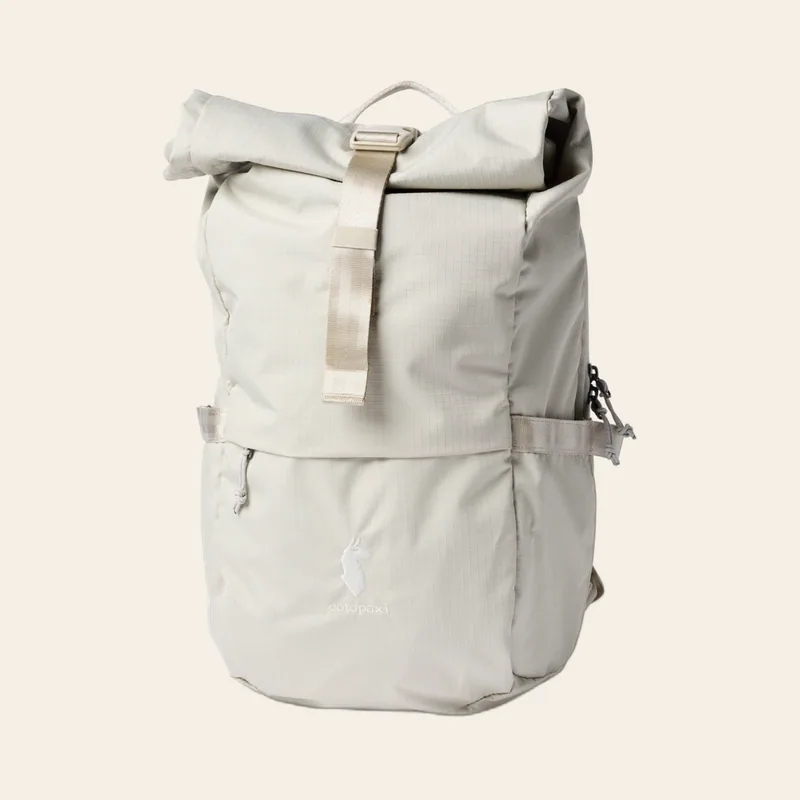
Mountain hikes from base camps demand pack space for layers and water.
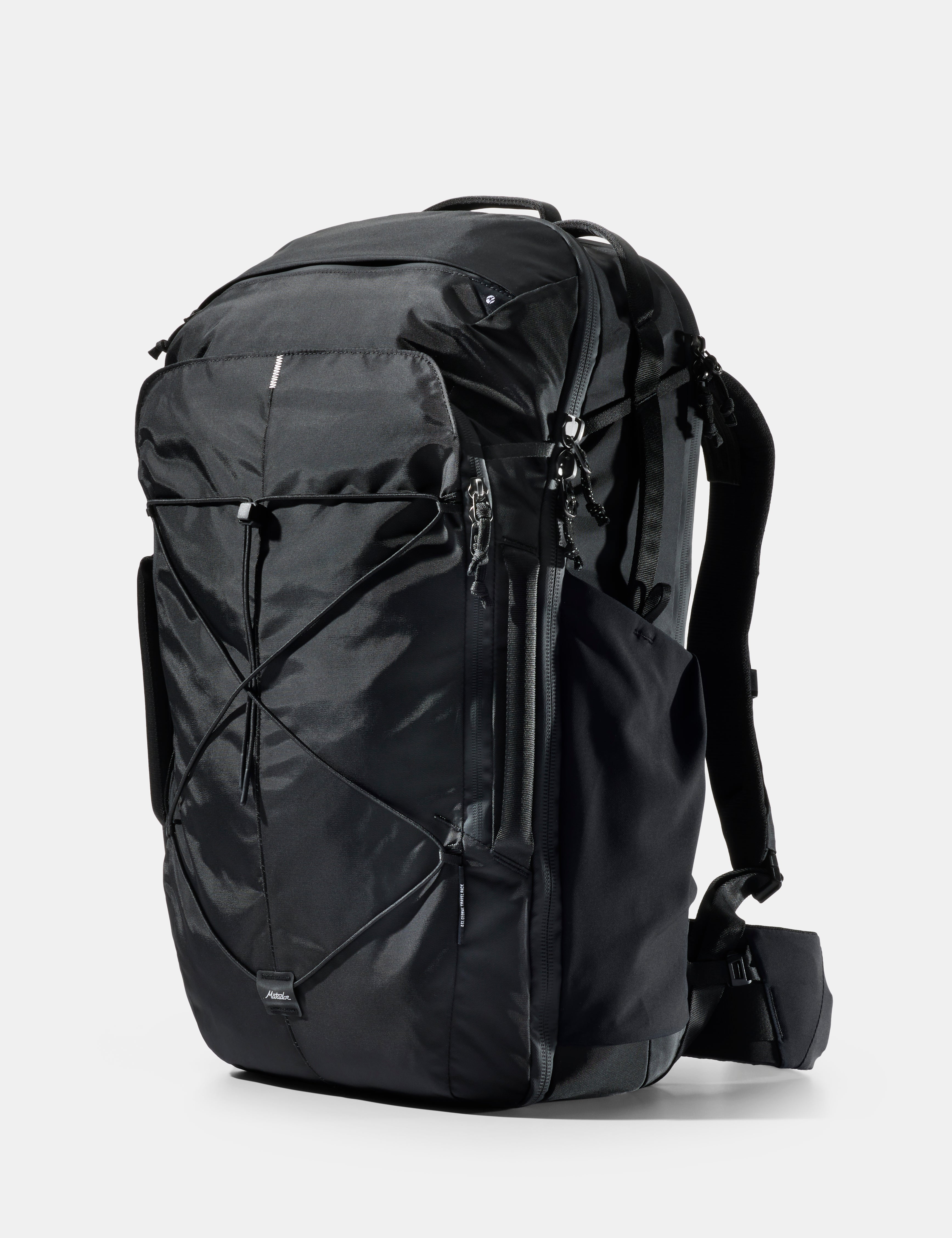
Daily loops from camp require a bag for rain gear, food, and sun protection.
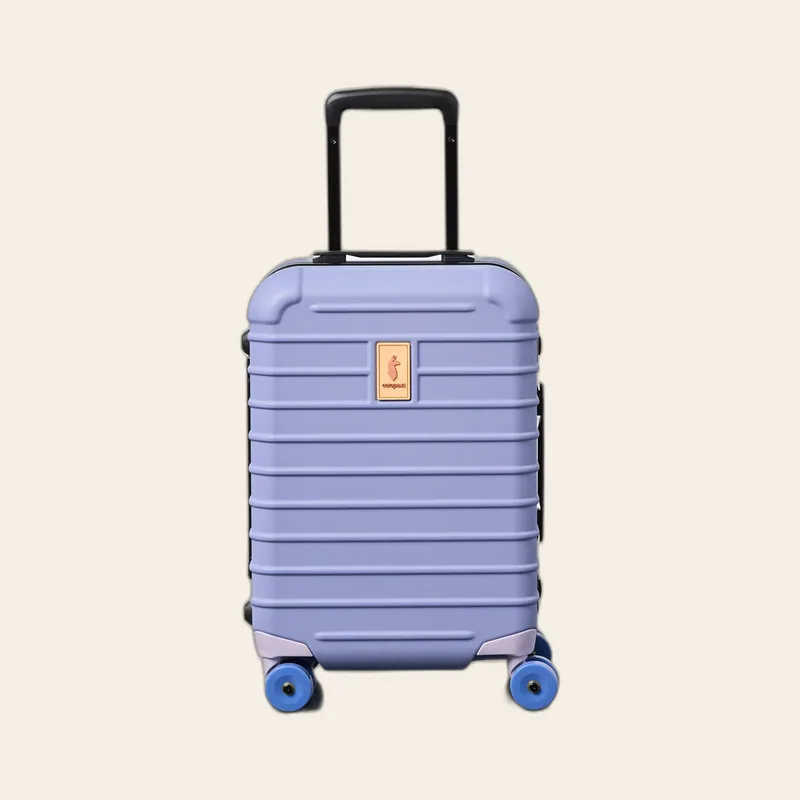
Fits the overhead on every airline that matters. Skip the checked-bag line entirely.
Before you go
3 to sort
Recommended
12 items
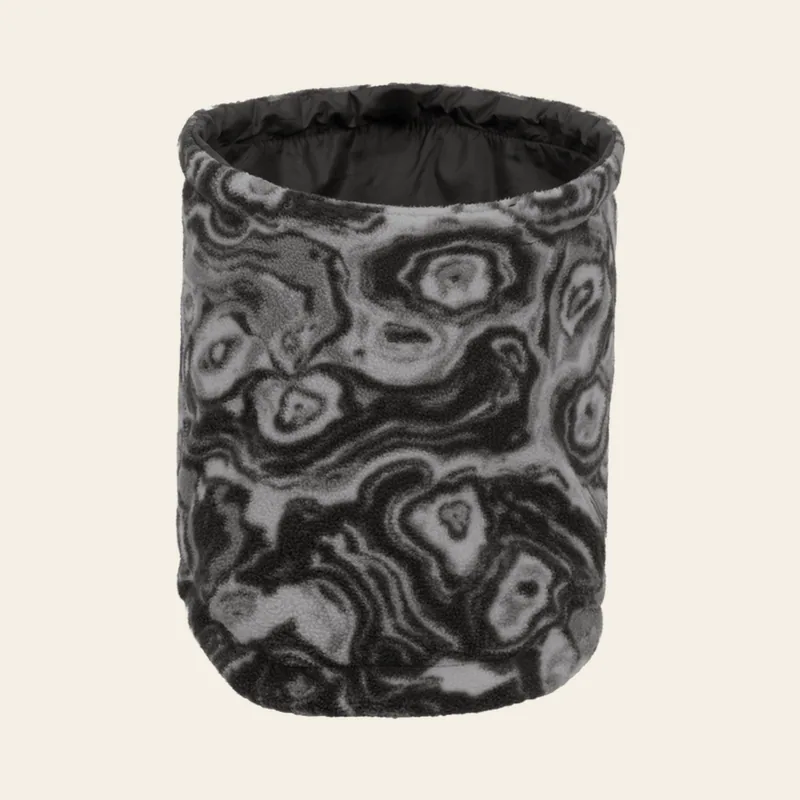
Wind gusts to 20 km/h strip heat from exposed skin during mountain hikes.
Fifteen hours of daylight means sustained activity and sweat, even in cool air.

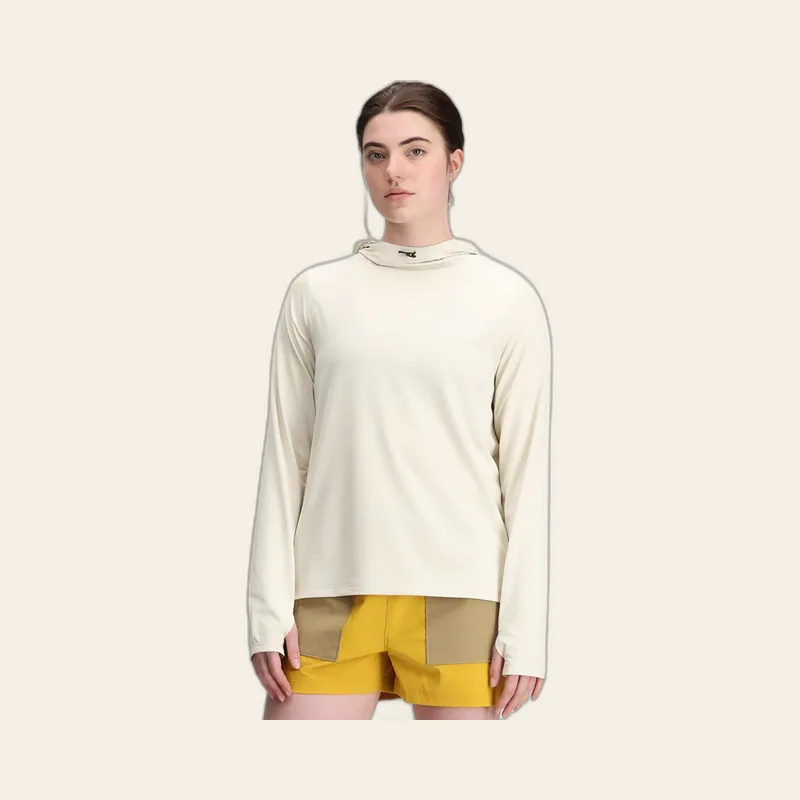
UV hits 11.7 here. Long sleeves beat reapplying sunscreen every hour.
The sun stays high for 15.2 hours across exposed terrain with no shade.

Treat the clothes once and it lasts weeks.

Tap water is safe but a bottle cuts plastic waste across the park.
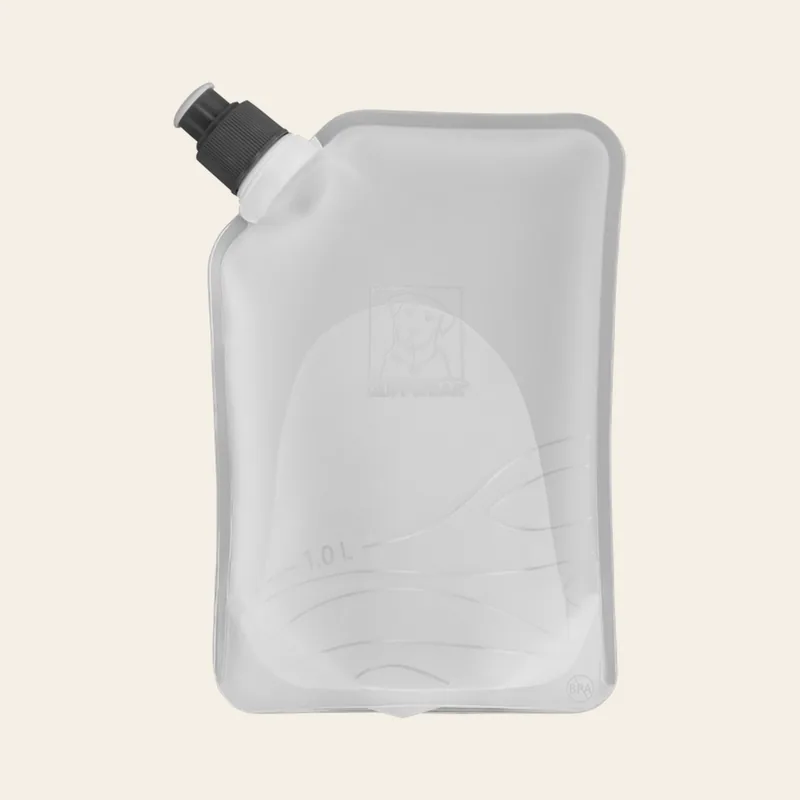
One brick charges the laptop, phone, and camera.

Crowded park facilities and shuttle buses increase bag loss risk.
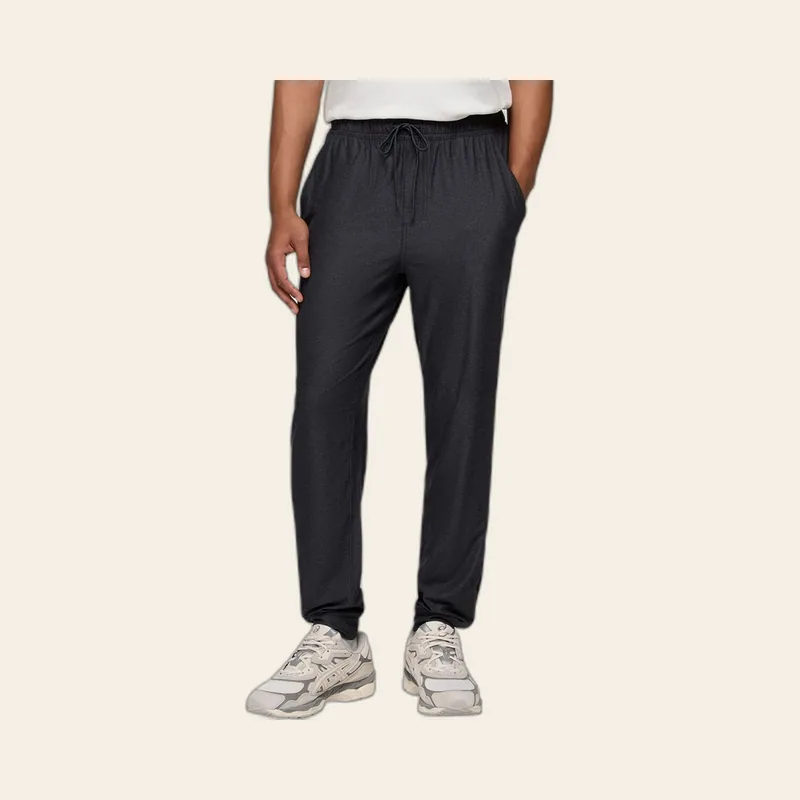
Eight days of activity in variable conditions means frequent outfit changes.
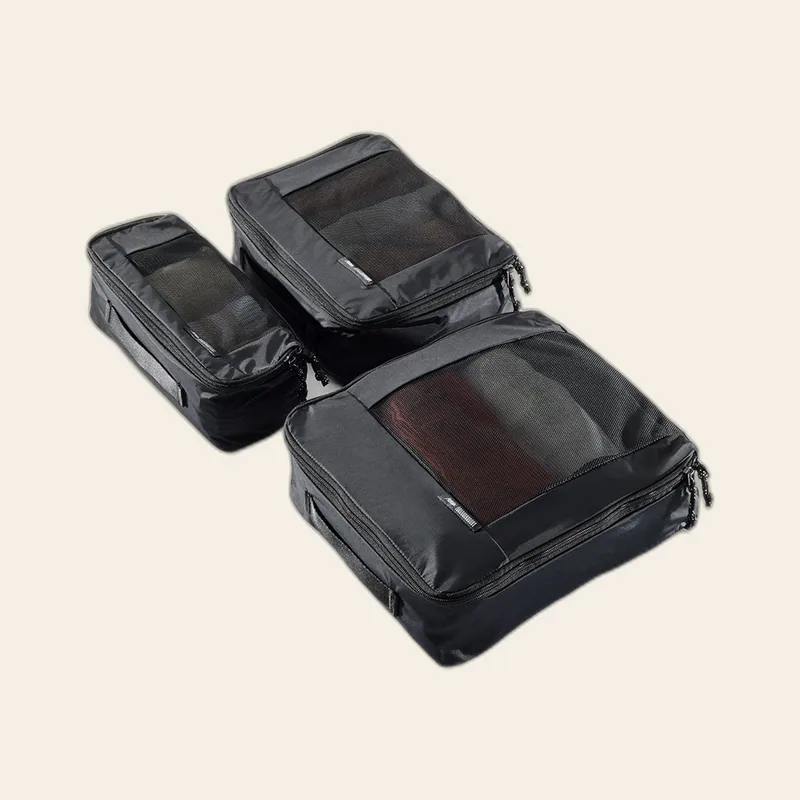
Limited laundry access at mountain lodges makes wash cycles stretch longer.
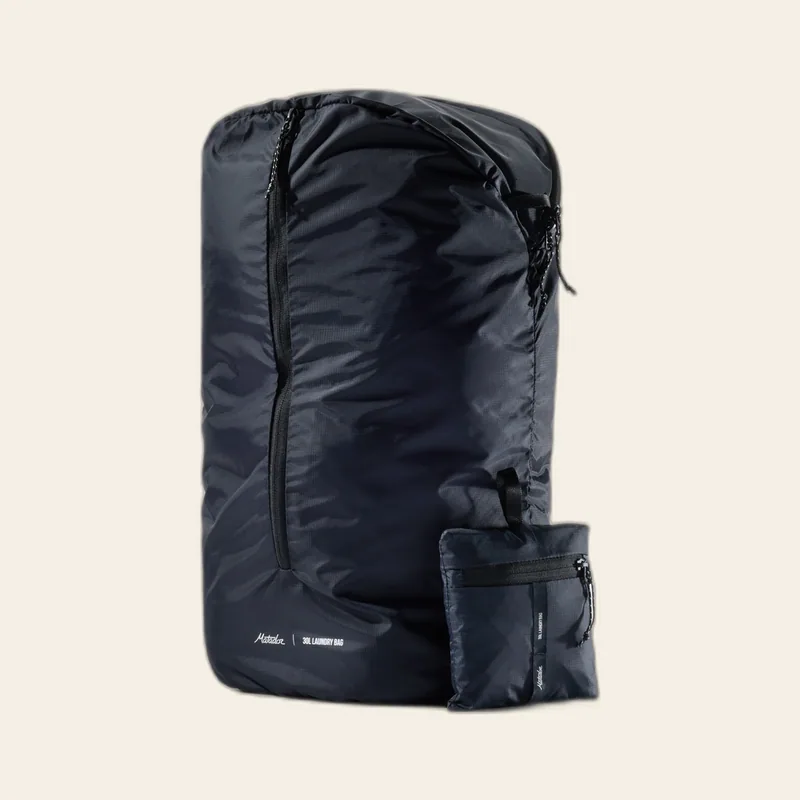
Steep mountain grades and uneven terrain require support over long hikes.

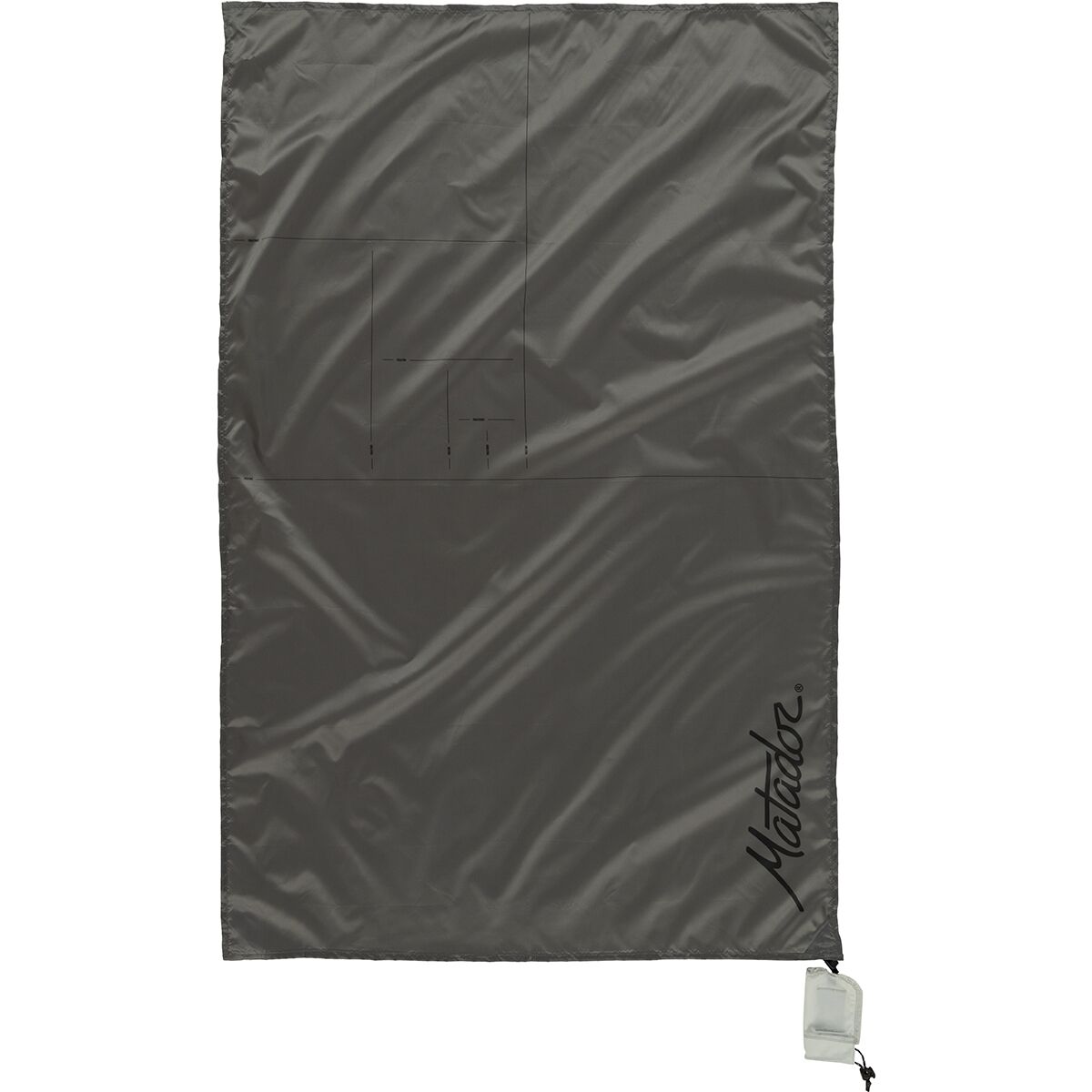
Lows around 46°F. One blanket that packs small covers the car, the campsite and the beach at sunset.
Nice to have
7 items you could skip
Thin air at 2479 meters lets UV rays burn lips faster than at sea level.
Winding mountain roads and switchbacks trigger nausea in many travelers.
Backcountry water sources and high-touch surfaces require hand hygiene.
Altitude and sun exposure worsen insect bite reactions.
Charging stations are sparse in mountain terrain and remote lodges.
Shared lodging and parking areas warrant basic security for gear.
Humidity stays low but sun exposure and altitude dry skin and mucus membranes.
Basics
16 things you probably own already