Change trip
What to pack for Banff and Lake Louise in July
Typical July, built from ten years of weather
Some links are affiliate links. It keeps the site free.
Typical for your dates
Highs 61°F, lows 43°F, rain 14 of 31 days
snowycoldwet
Sunset lands around 9:50pm. Wind averages 9 mph. There is paperwork on this one, so start with Before you go.
0 of 58 packed
Packing for
62 things on this list are on sale today
Essentials
17 items
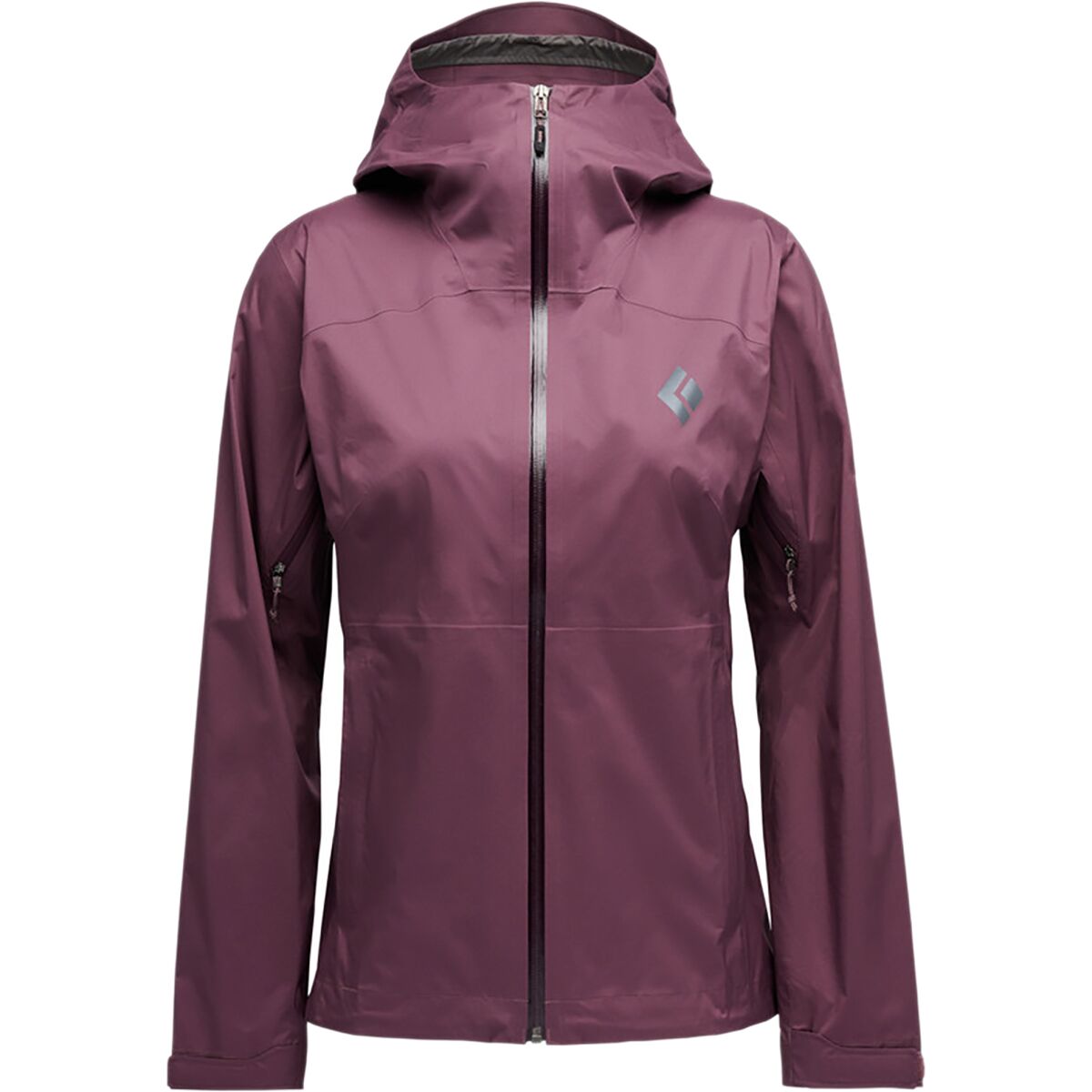
14 rain days a month finds every seam. A real shell, not a windbreaker.
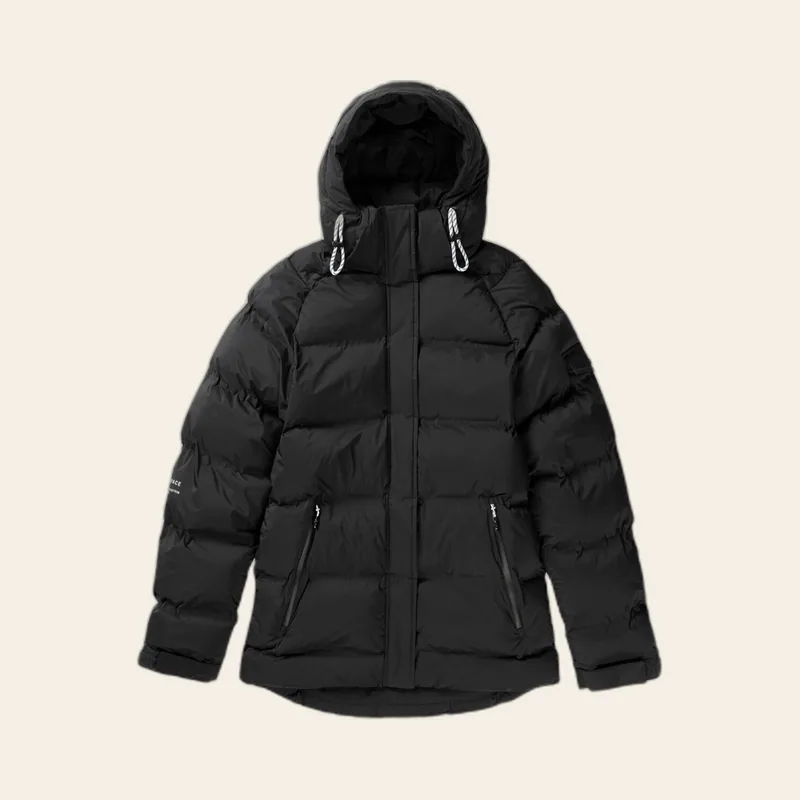
Lows around 43°F. Goes under the shell when the wind picks up.
Wear one, dry one. Cotton stays wet all week here.

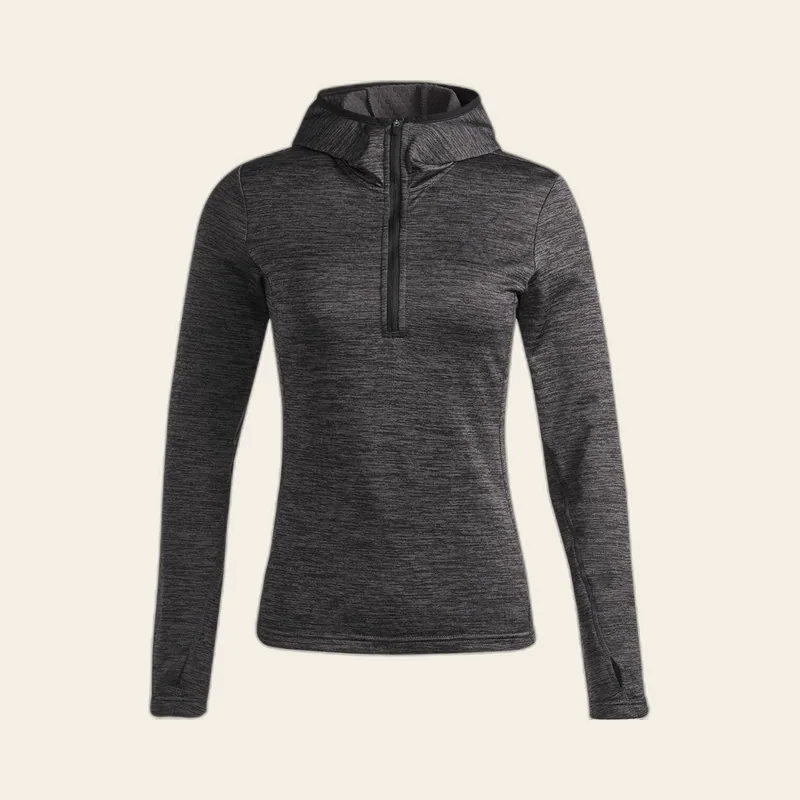
The layer you'll wear more than any other.
Lows drop to 43°F and wind runs at 15 km/h, so a hat stops heat loss from your head.

Snow lingers at 2126 m even in July, and wet feet on day one ruins the trip.
UV index hits 9.4 at this altitude and reflects off snow and water.

Glare off snow and lakes burns your eyes without polarized lenses.
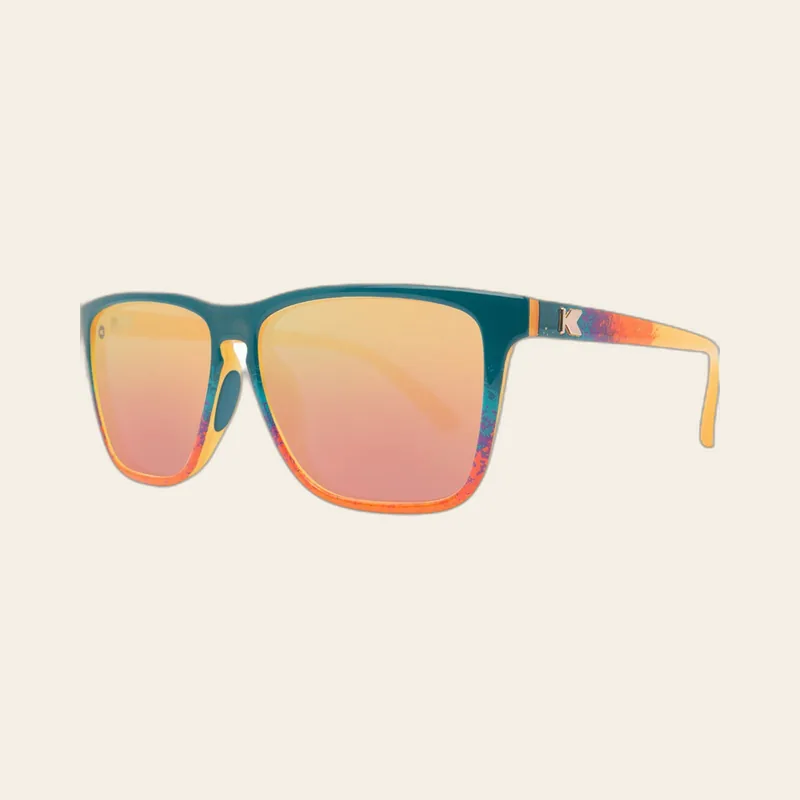
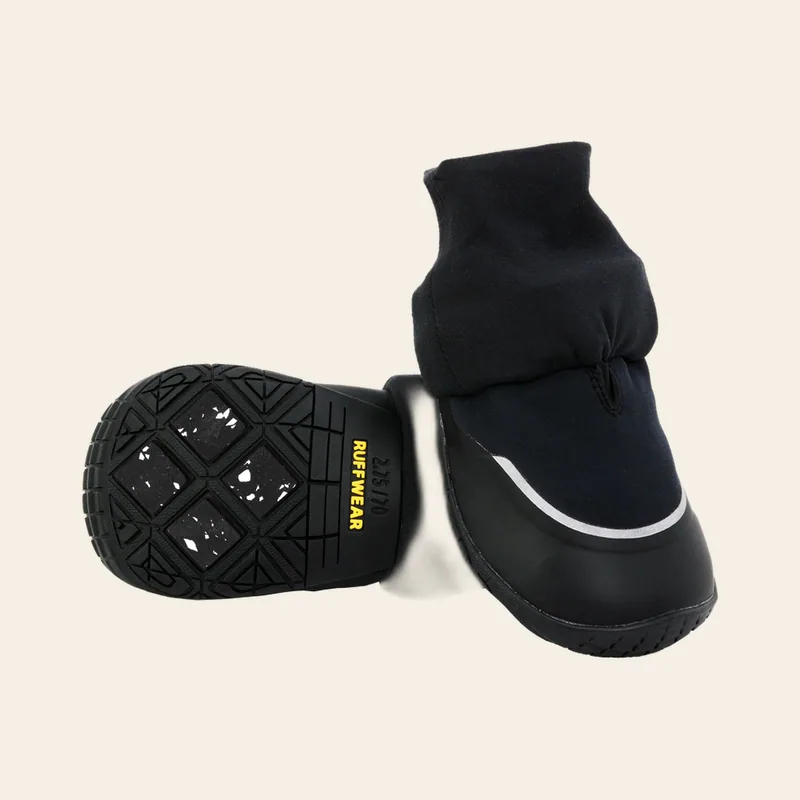
Check ankles and, if there's a dog, paws and ears every night.
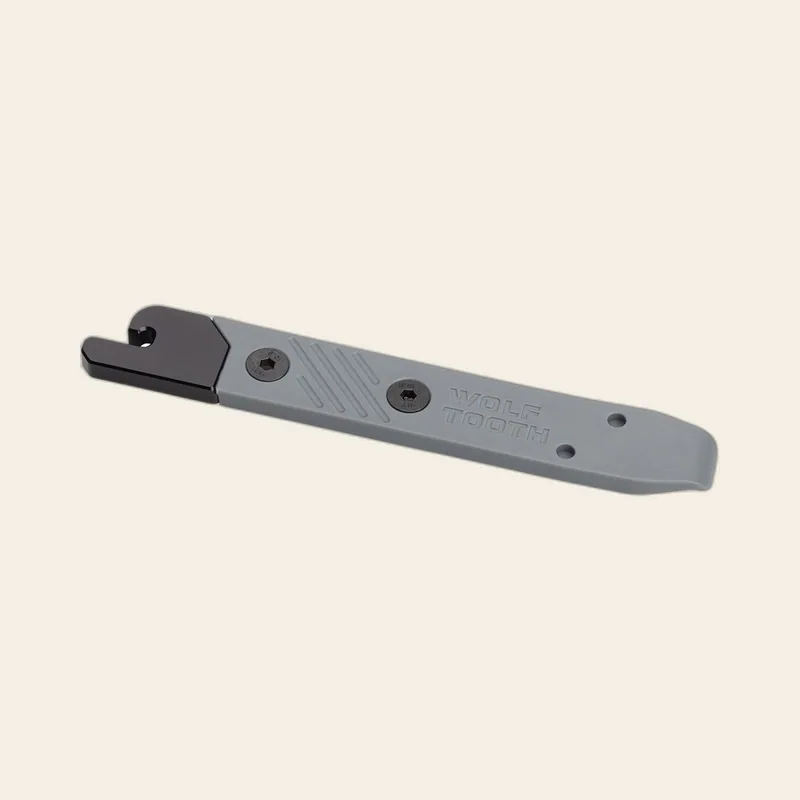
Remote terrain and altitude mean minor cuts and scrapes need attention fast.


Set it up before you land. Signal drops for long stretches outside cities.

Mountain terrain means you hike from your base camp, so carry-on holds a week's worth.
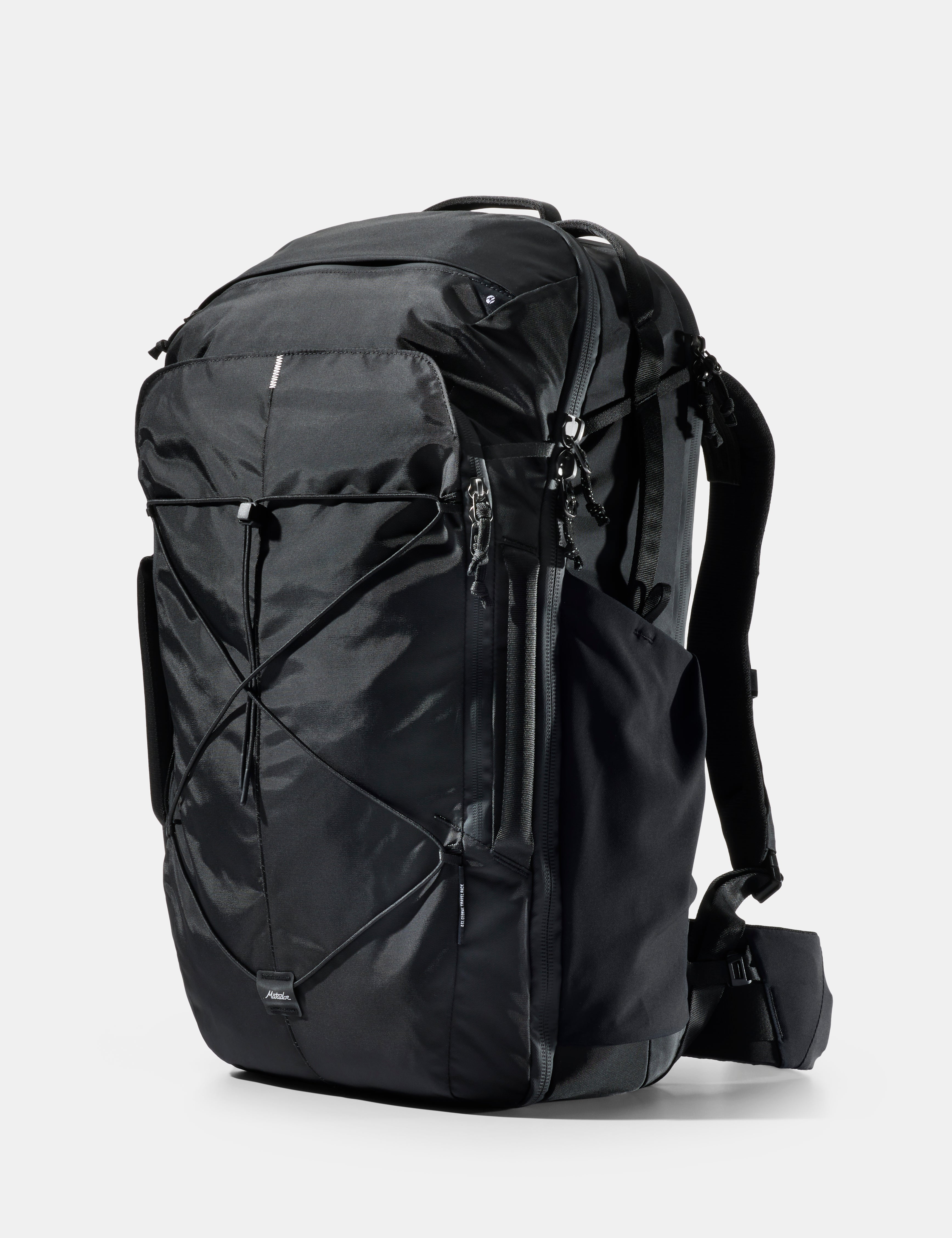
Trails from the lodge run eight to twelve hours, so a daypack fits water and layers.
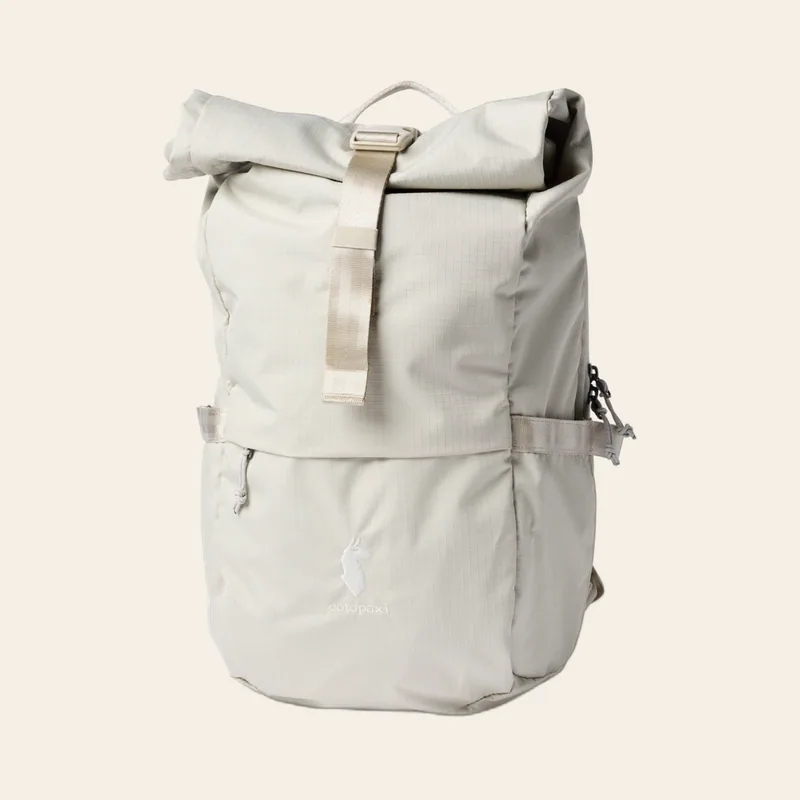
Fits the overhead on every airline that matters. Skip the checked-bag line entirely.
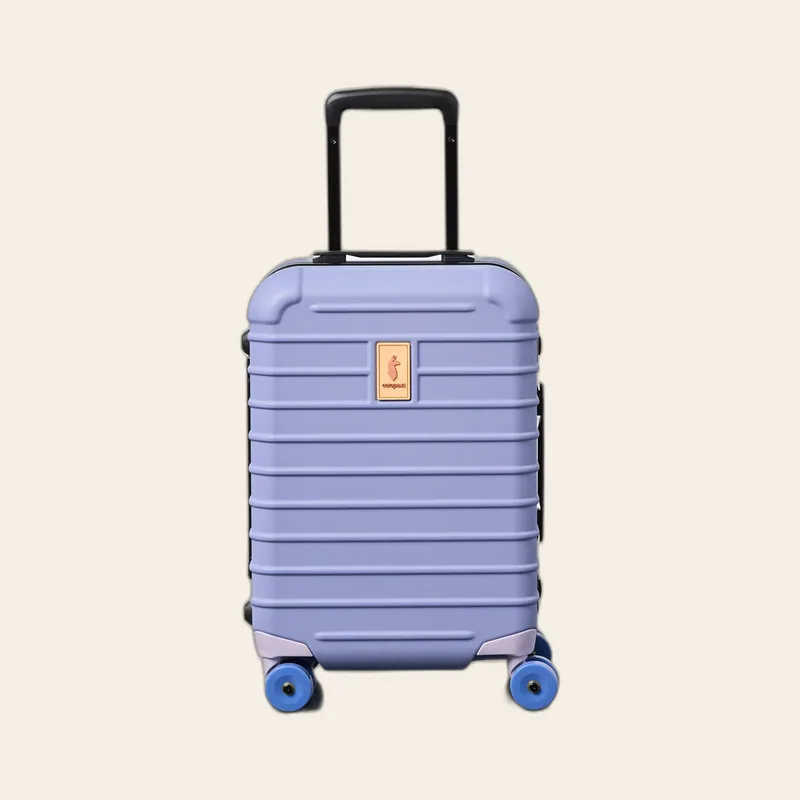
For the passport, the chargers, and the one dry pair of socks.
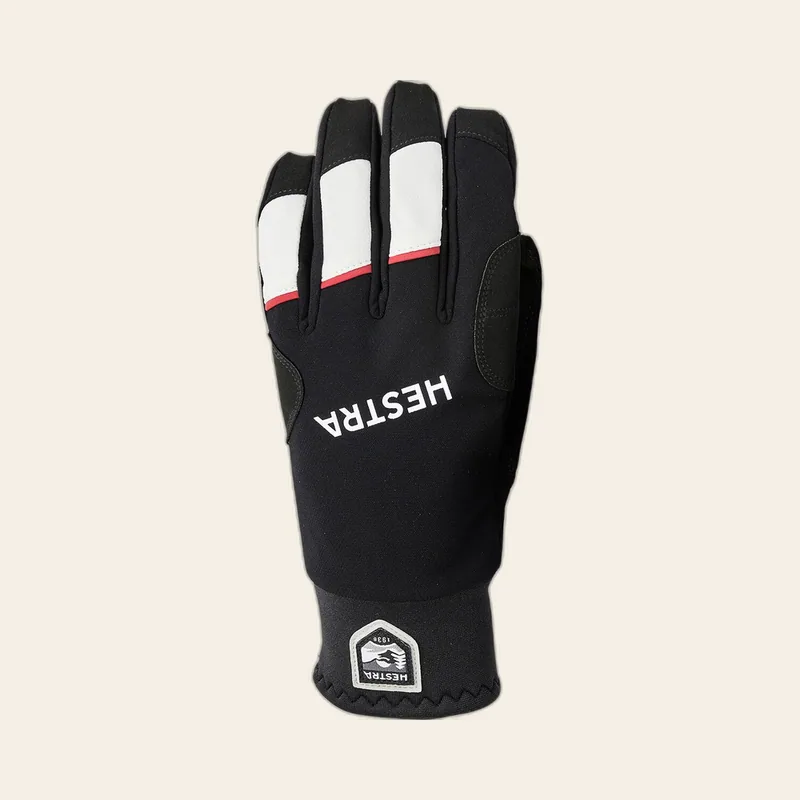
Lows hit 43°F and snow lingers, so bare hands on poles cause frostbite risk.

Before you go
5 to sort
SafetyWing Nomad Insurance, Month-to-month cover you can start after you leave
Going, Cheap cash fares, emailed when they droppoint.me, Finds the flight your points will actually book
AllTrails, Download your trails before you lose signal.
Recommended
14 items
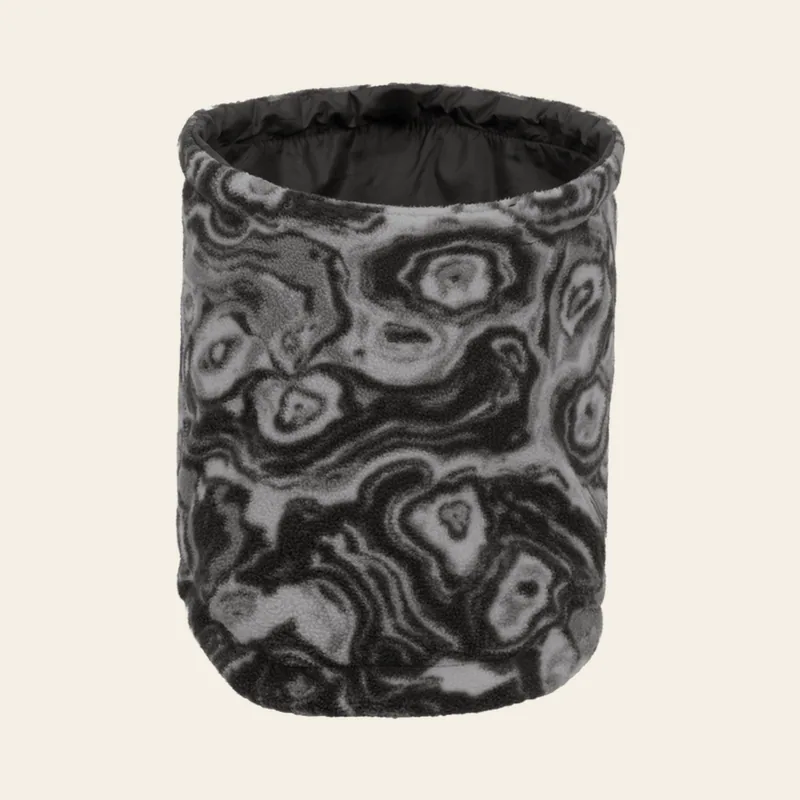
Wind chill at altitude makes bare skin on your neck painful within minutes.
UV hits 9.4 here. Long sleeves beat reapplying sunscreen every hour.
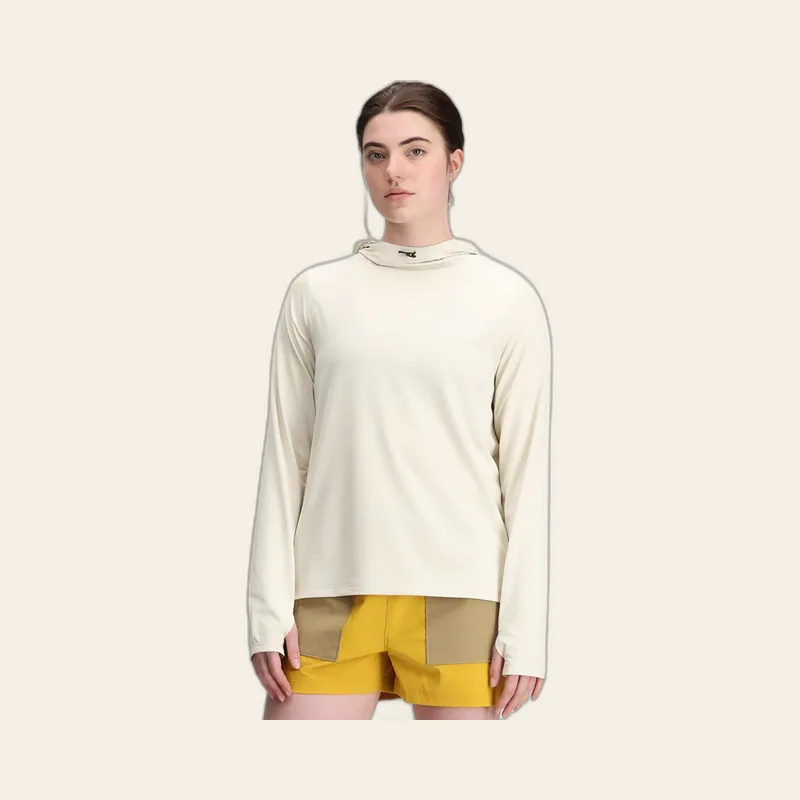
Sixteen hours of daylight means sixteen hours of direct sun exposure.

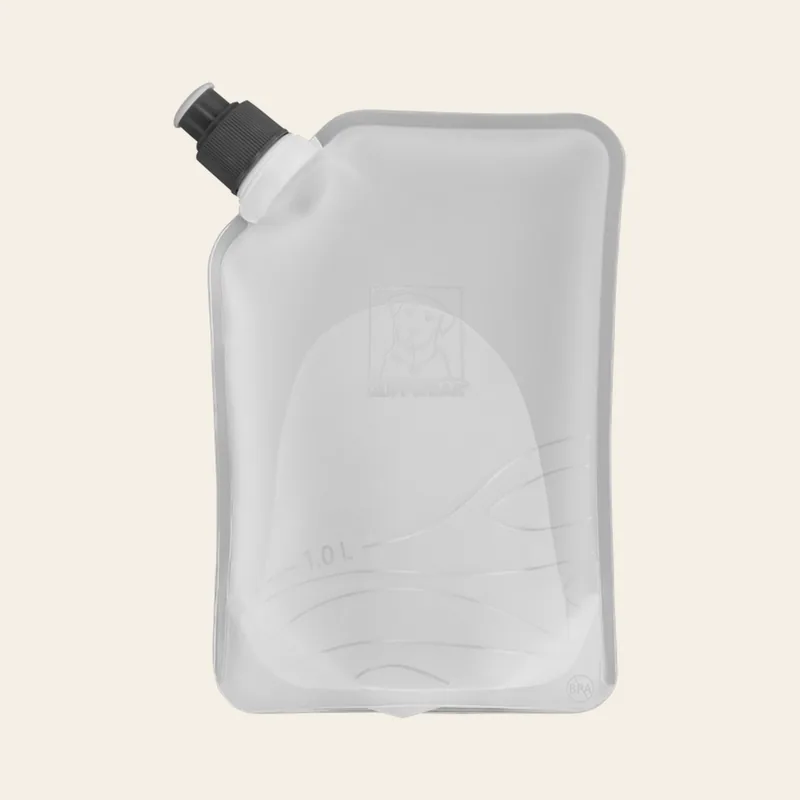
Tap water is safe but glacial runoff tastes like minerals, so bring a bottle.
One brick charges the laptop, phone, and camera.

Hotel and cafe wifi is shared with everyone else in the building. A VPN keeps your banking and email to yourself.
International travel and checked bags on connecting flights make trackers worth the weight.
Checked luggage handles the boots and heavy gear you cannot fit overhead.

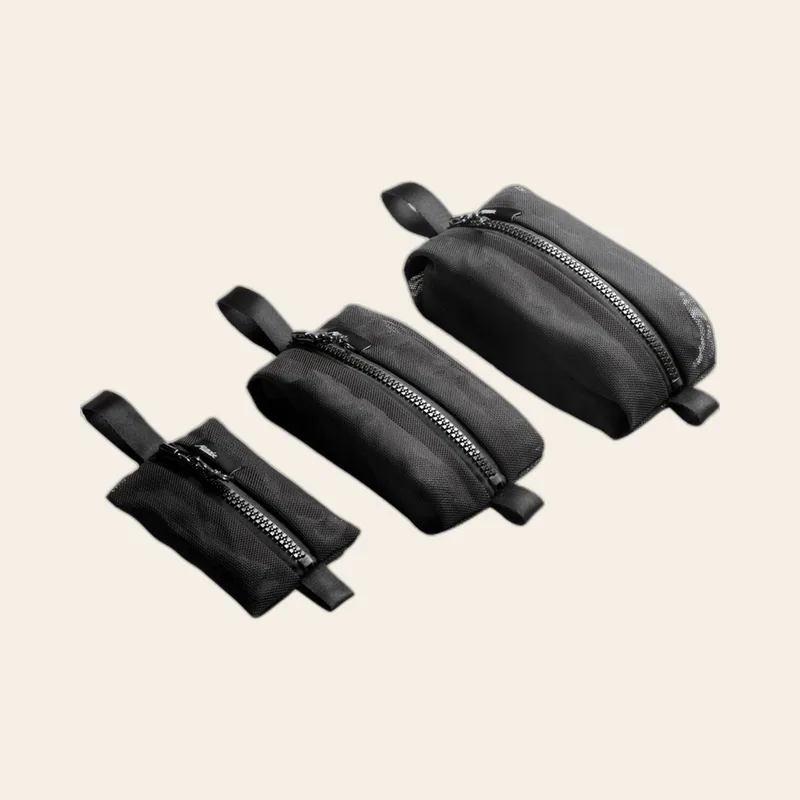
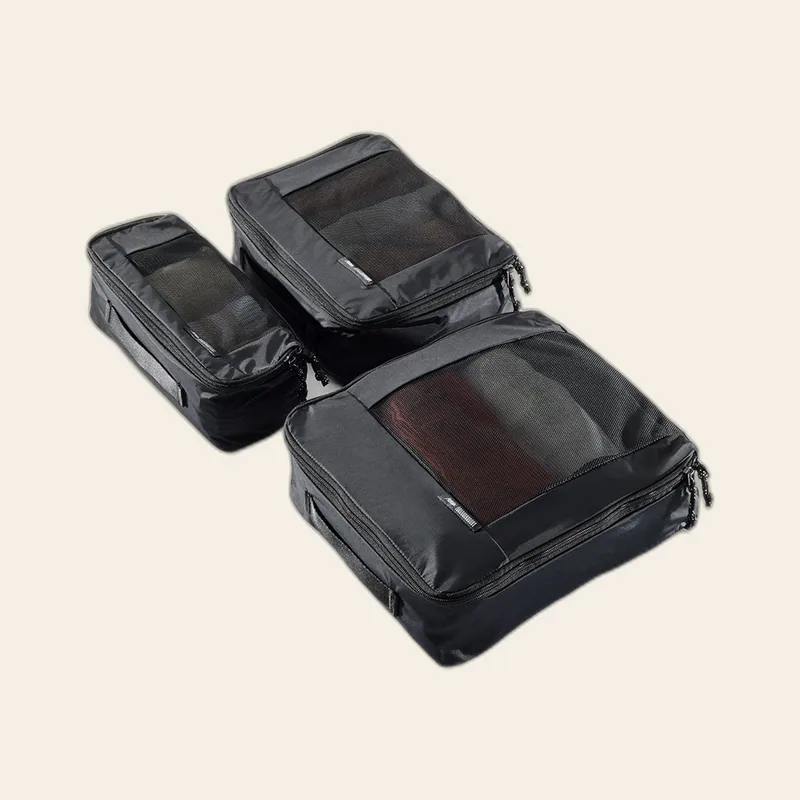
Packing cubes separate wet gear from clean clothes after fourteen rain days.
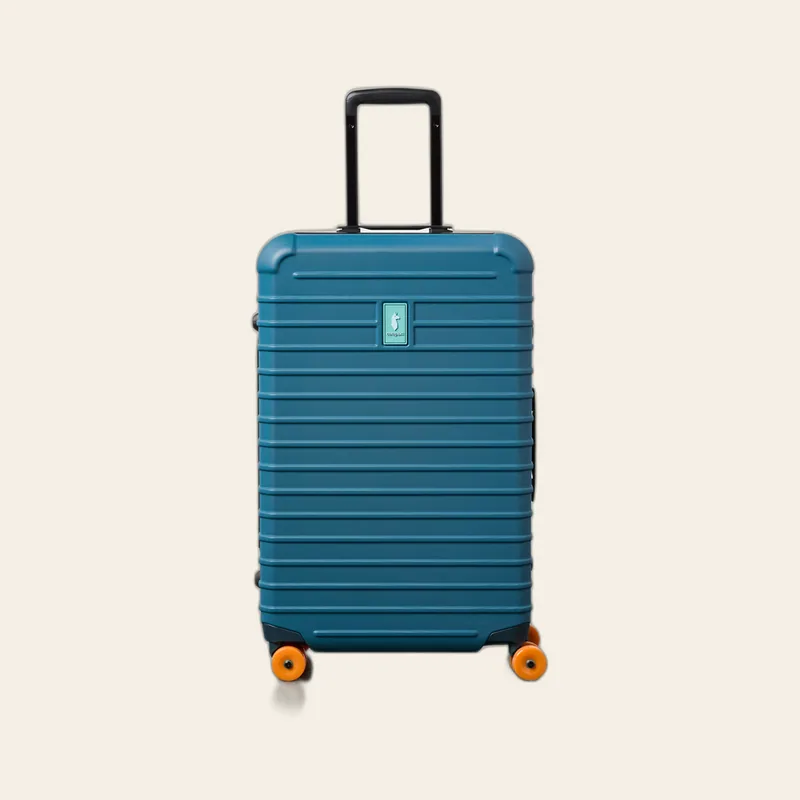
Rolling suitcases break on gravel parking lots at trailheads, so durability matters.
Fourteen rain days mean damp clothes, so laundry detergent earns its space.
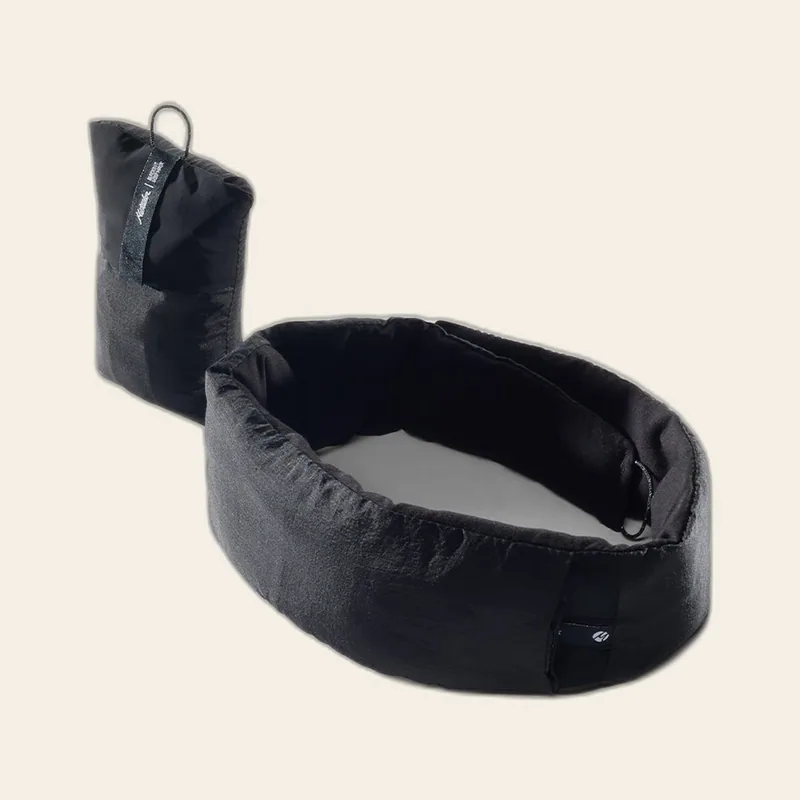
Sun is up until 9:50pm. You'll want the mask.
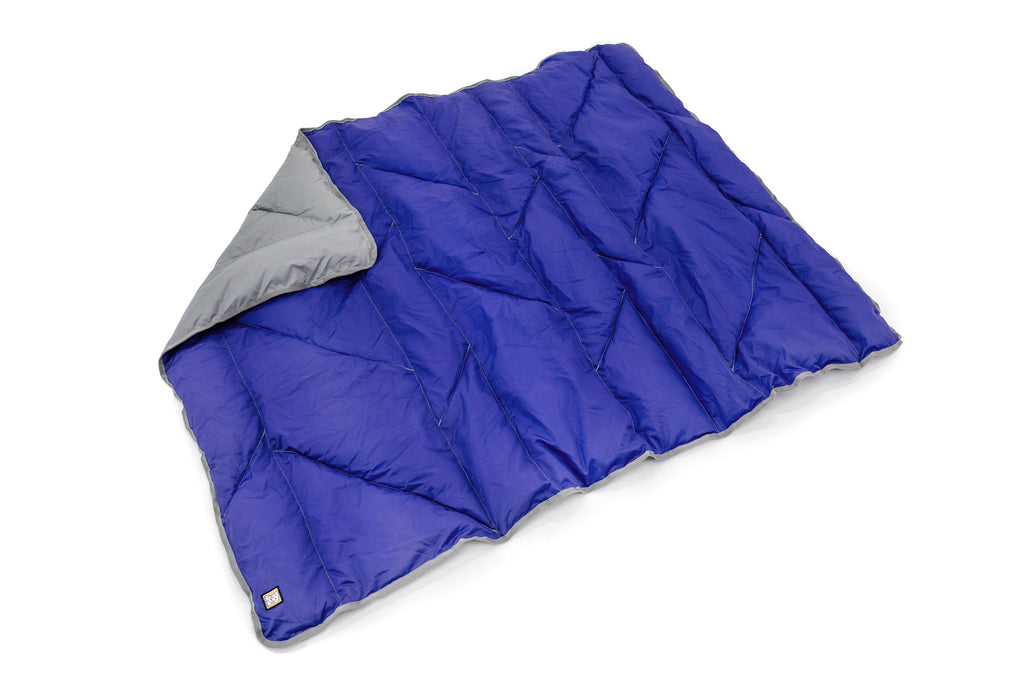
Lows around 43°F. One blanket that packs small covers the car, the campsite and the beach at sunset.
Steep terrain and altitude make trekking poles cut knee strain by half on descent.

Nice to have
11 items you could skip
Fourteen rain days means layering matters more than a single heavy coat.
Wet snow works into boot tops and socks unless you seal the gap.
Fourteen rain days a month finds every seam, so boots need treatment before you go.
High altitude and 9.4 UV index dry lips faster than you expect.
Single-track mountain roads and switchbacks trigger nausea in people who are fine on flat highways.
Backcountry water sources carry giardia, so hand sanitizer matters before meals.
One outlet per guesthouse and three devices means short cables for daisy-chaining chargers.
International border crossing requires your passport in a pocket you can reach fast.
Checked luggage on connecting flights passes through hands you cannot watch.
Down compresses tight, so compression sacks free up luggage space for souvenirs.
One bathroom per room and shared guesthouses mean a hanging bag keeps your items dry.
Basics
16 things you probably own already