Change trip
What to pack for Tokyo in January
Typical January, built from ten years of weather
Some links are affiliate links. It keeps the site free.
Typical for your dates
Highs 48°F, lows 32°F, rain 5 of 31 days
snowycoldwindy
Sunset lands around 4:50pm. Wind averages 16 mph. There is paperwork on this one, so start with Before you go.
0 of 61 packed
Packing for
64 things on this list are on sale today
Essentials
18 items
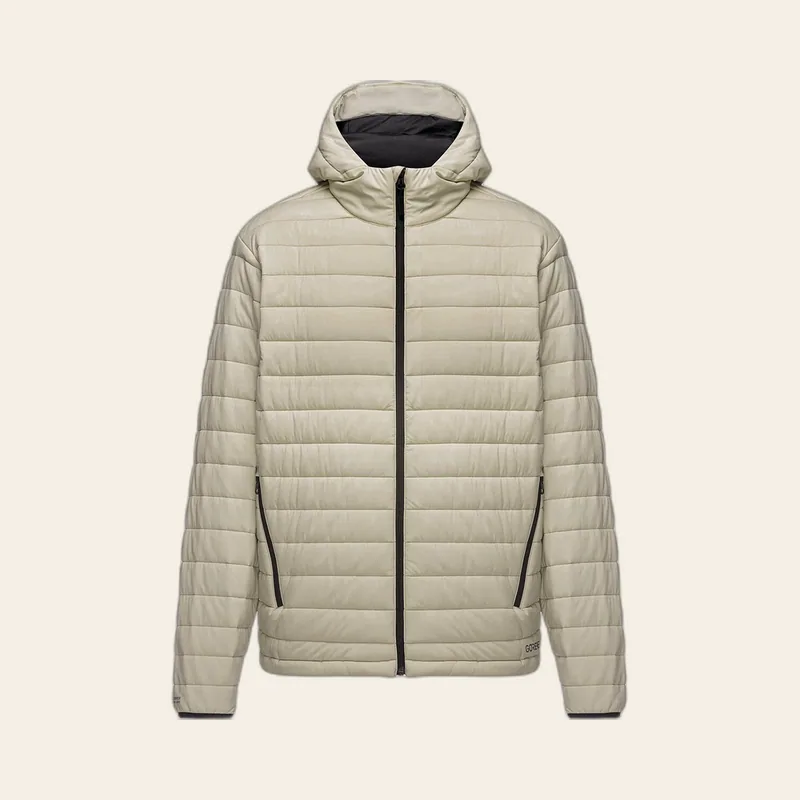
Lows around 32°F. Goes under the shell when the wind picks up.
Wear one, dry one. Cotton stays wet all week here.

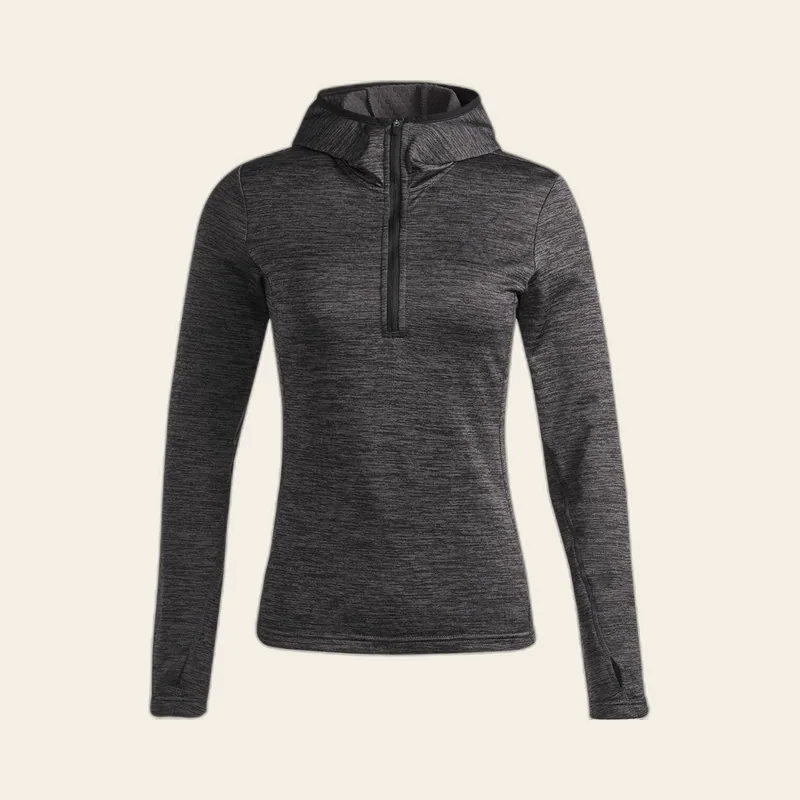
The layer you'll wear more than any other.
Lows hit 32°F and wind gusts reach 26 km/h, so a beanie covers exposed skin.

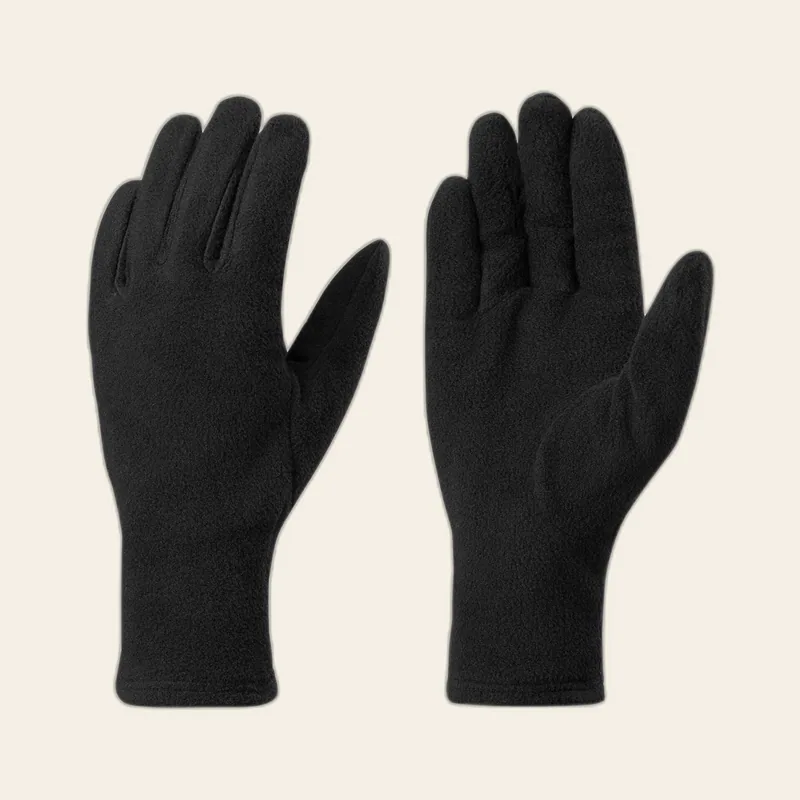
Freezing temperatures mean bare hands go numb within minutes on city streets.
Sleet and packed snow coat Tokyo sidewalks, so boots grip where shoes slip.
Winter sun reflects off wet pavement and snow, creating glare that builds headaches over a ten-hour day.
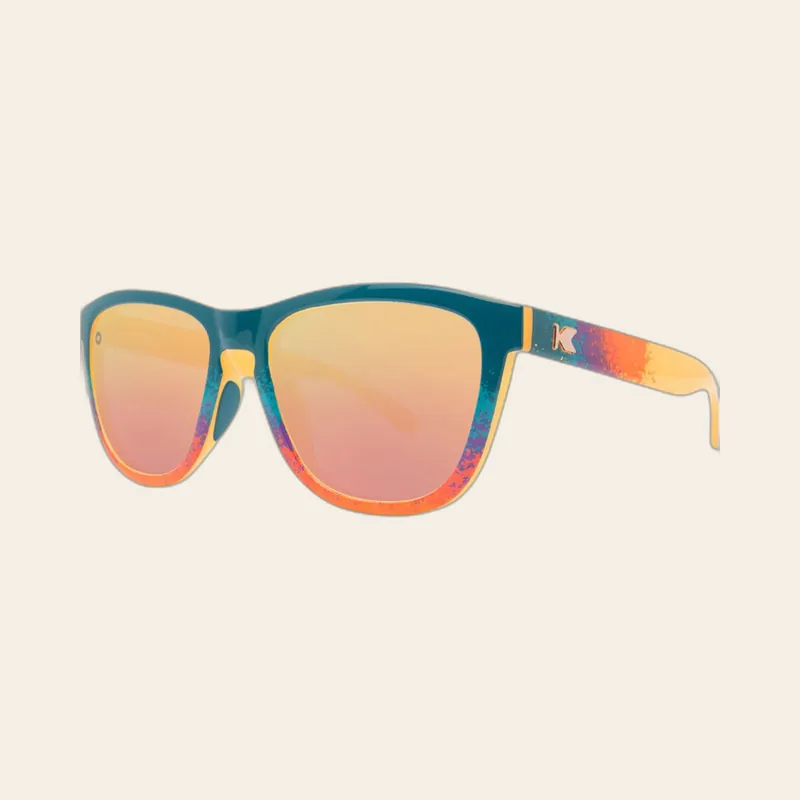
Mosquitoes die in January cold, but this stays in your bag for warmer stops.

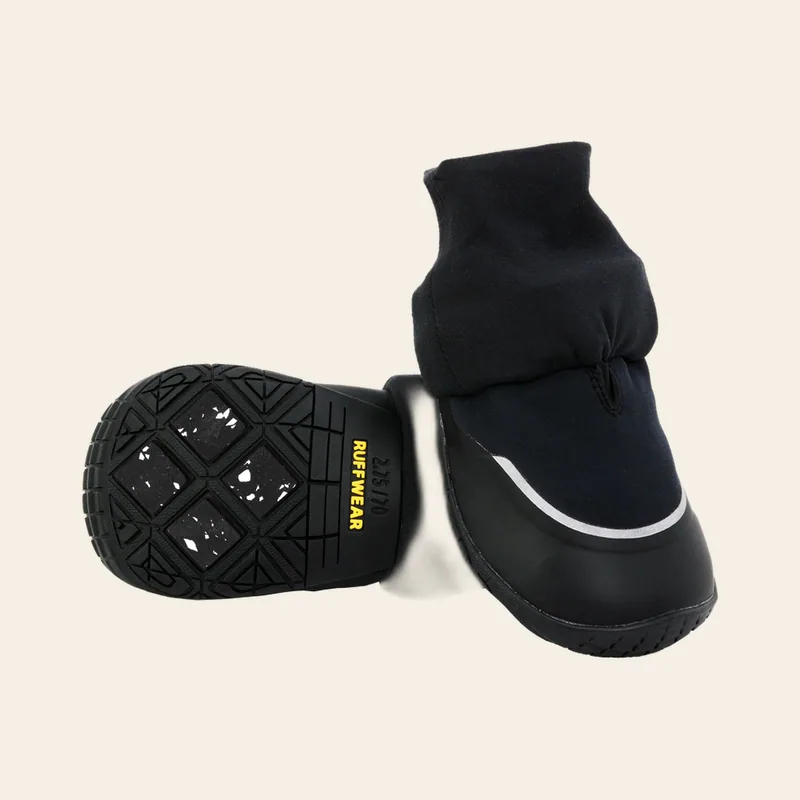
Check ankles and, if there's a dog, paws and ears every night.
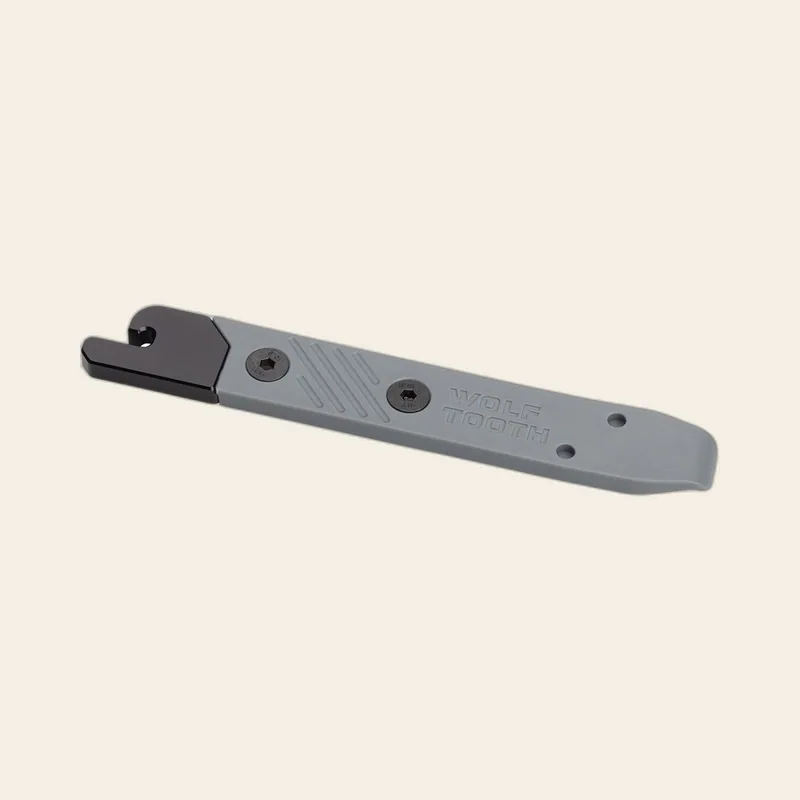
Slips on icy pavement happen constantly in January urban terrain.

Ten hours of daylight means cameras and phones drain faster than in summer.

Set it up before you land. Signal drops for long stretches outside cities.

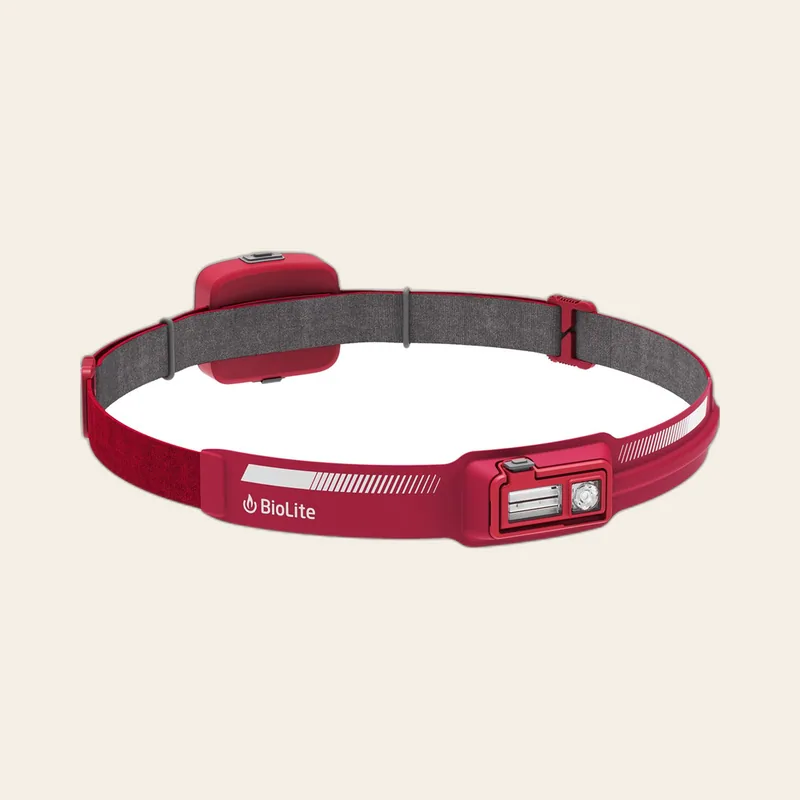
Dark by 4:50pm. Every campsite chore after that is a two-hands job.
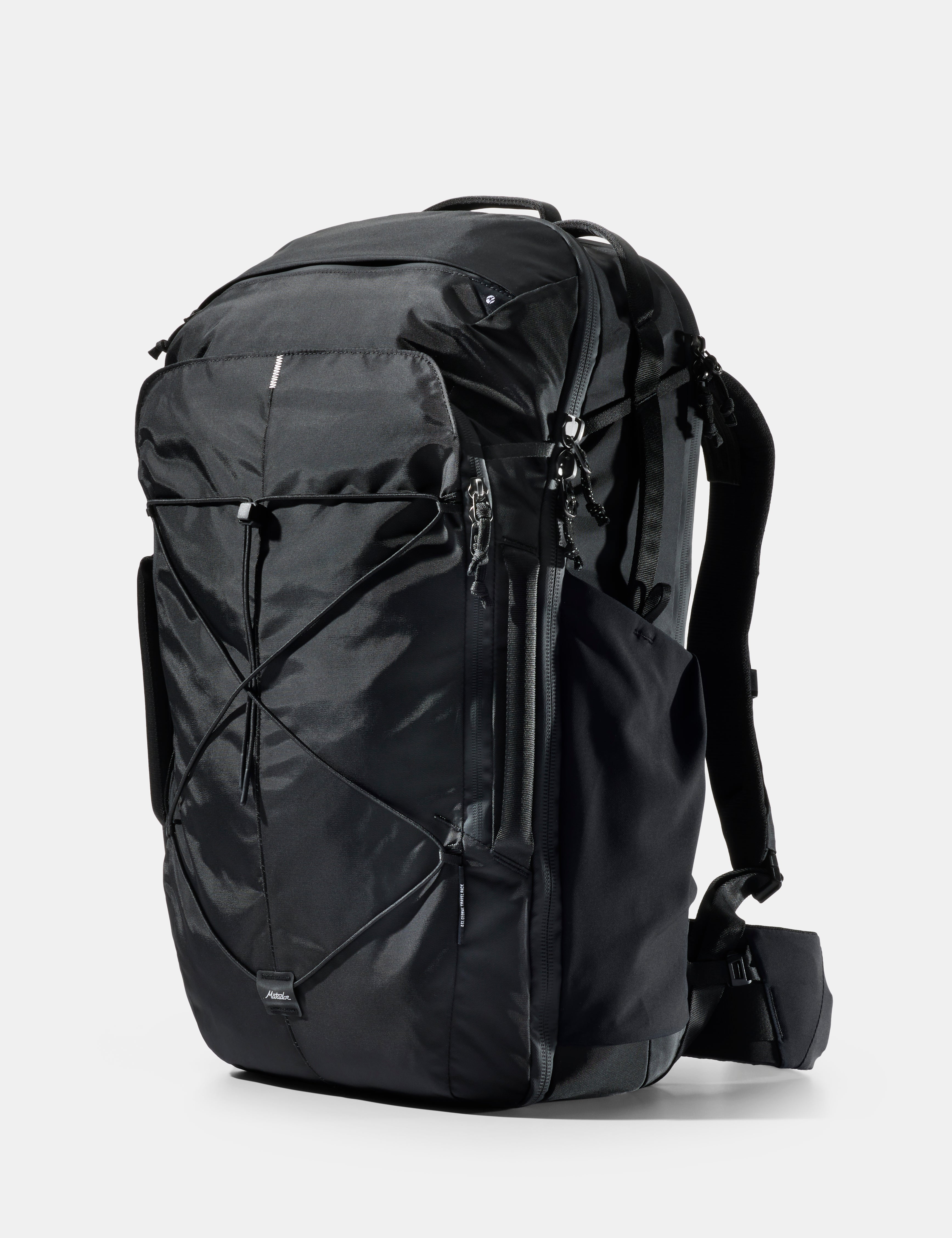
Overhead bins on every airline to Japan are tight, so carry-on size matters.
Ten daylight hours mean short walks between metro stops and museums downtown.
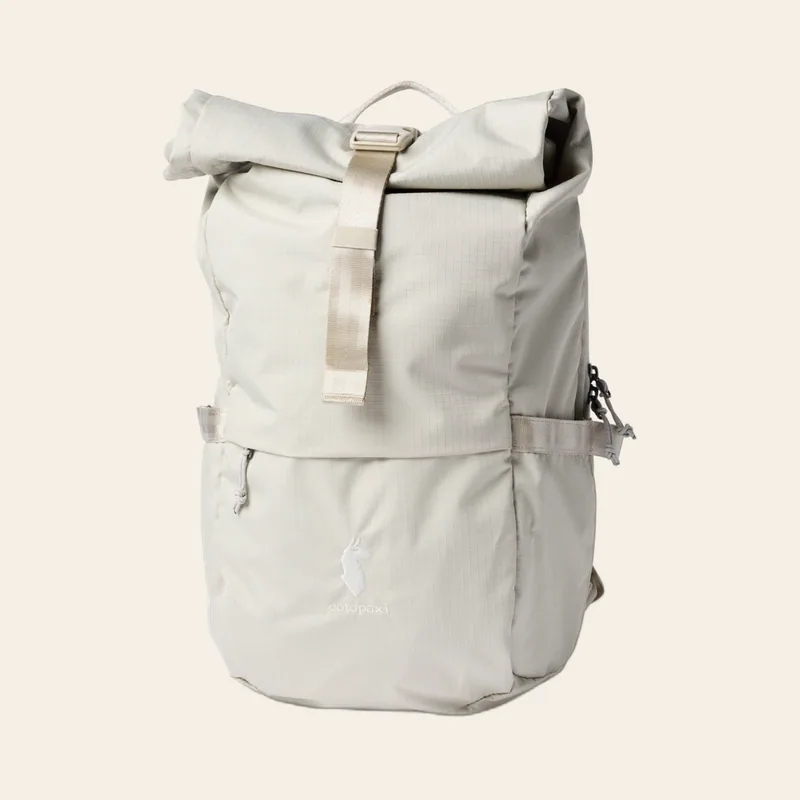
Fits the overhead on every airline that matters. Skip the checked-bag line entirely.
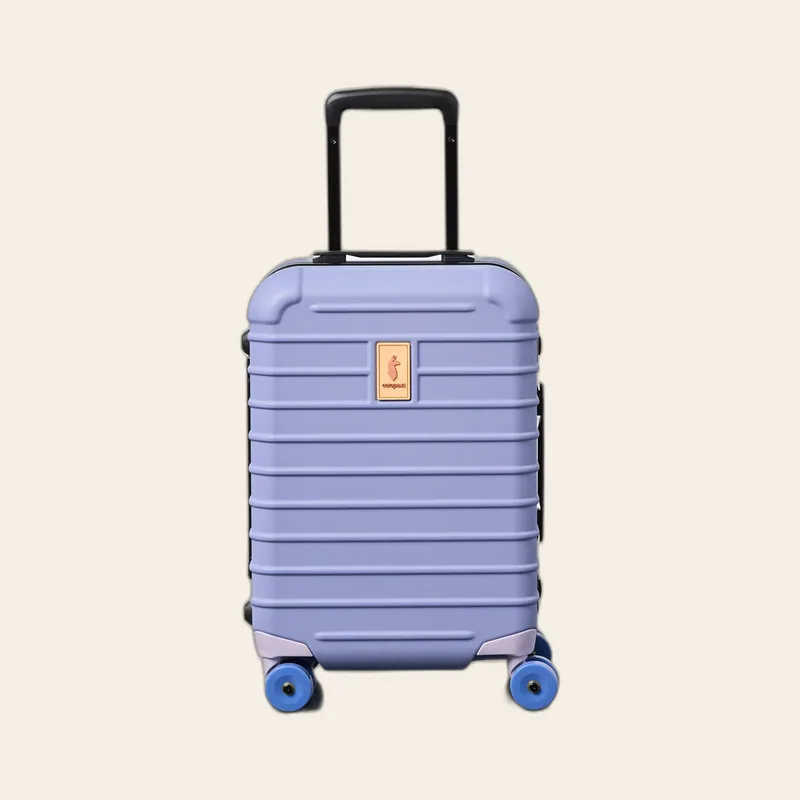
For the passport, the chargers, and the one dry pair of socks.
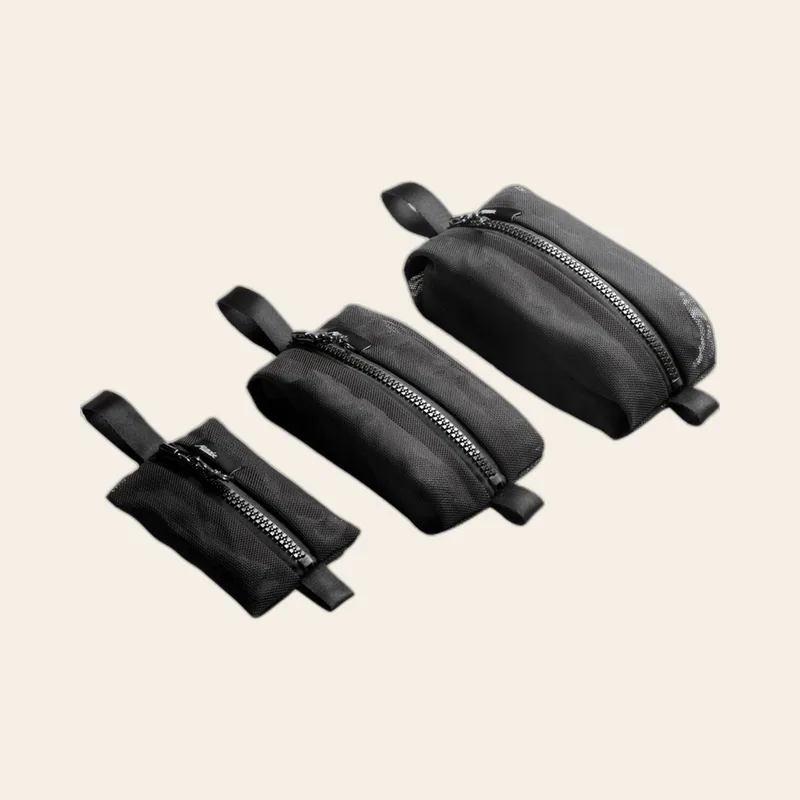
Sleet soaks gloves daily, forcing laundry twice weekly unless you pack two pairs.

Before you go
6 to sort
Recommended
15 items
For the mornings and the nights.

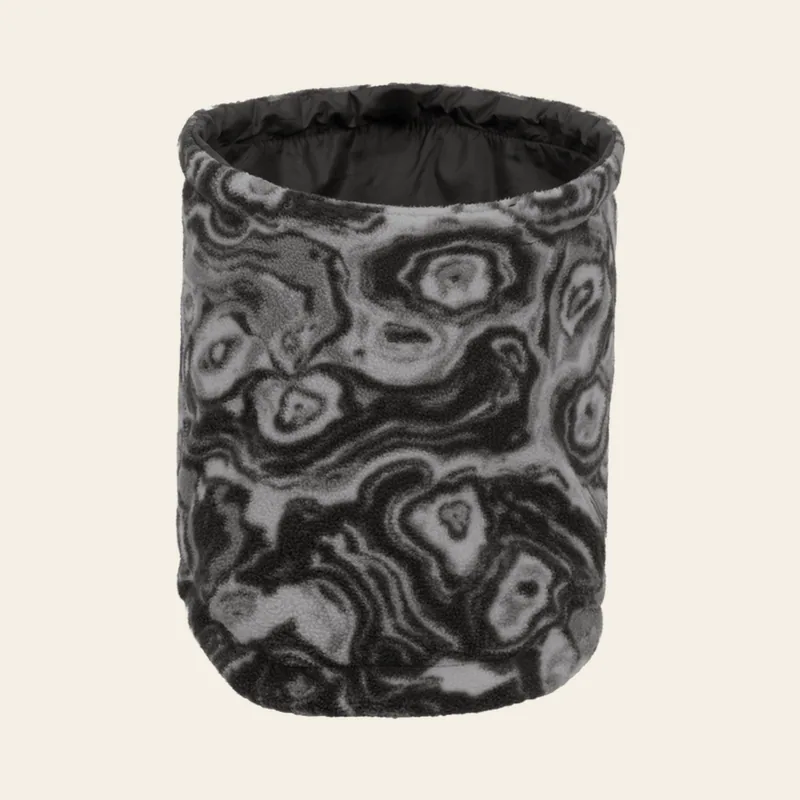
Wind chill at 32°F makes the neck vulnerable to cold that a gaiter blocks.
Snow falls in January and wet socks turn feet dangerously cold fast.
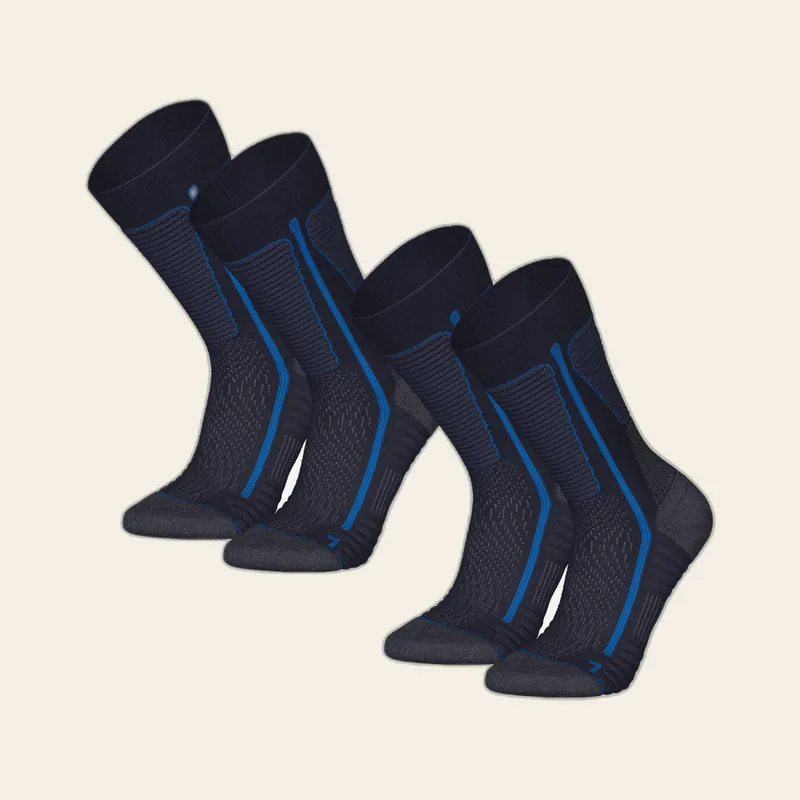
Treat the clothes once and it lasts weeks.

Tokyo tap water is safe, so a bottle cuts plastic waste over a month.
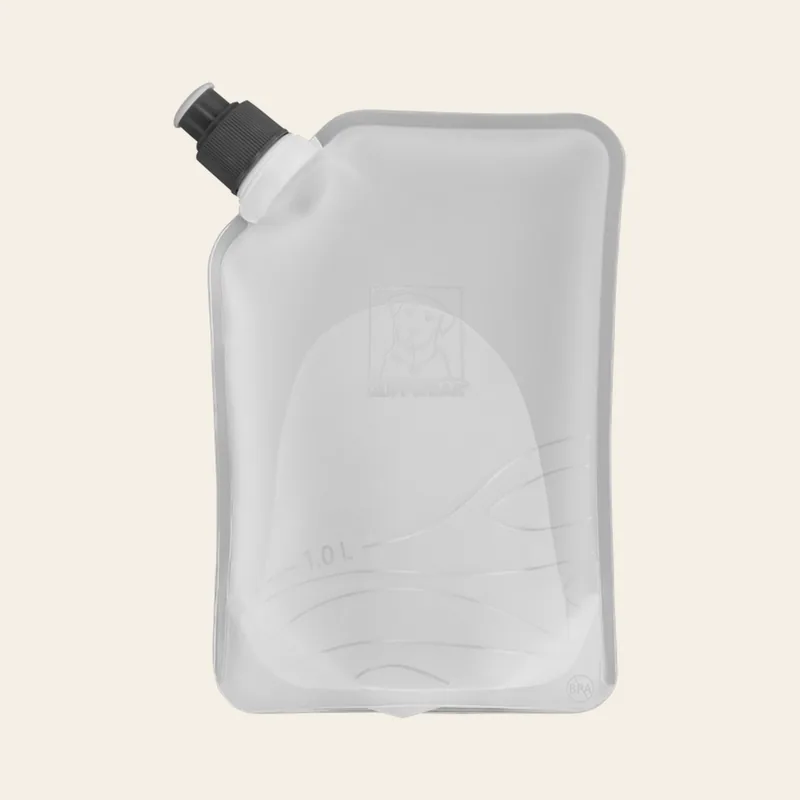
One brick charges the laptop, phone, and camera.

Hotel and cafe wifi is shared with everyone else in the building. A VPN keeps your banking and email to yourself.
Urban crowds and train stations attract pickpockets year-round in Tokyo.
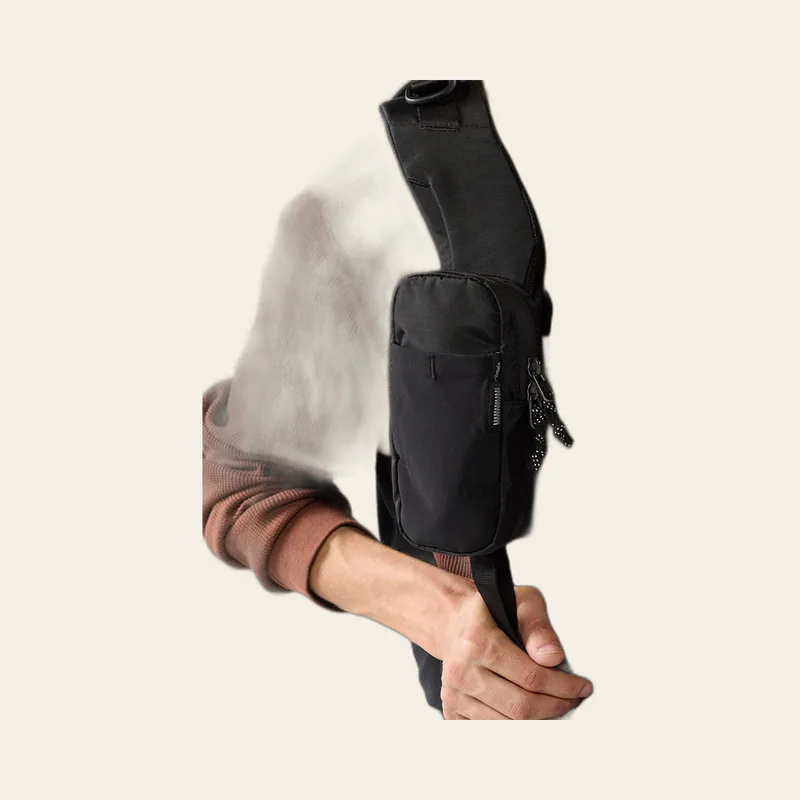
Tokyo's train system is easy to navigate but bags get left behind constantly.
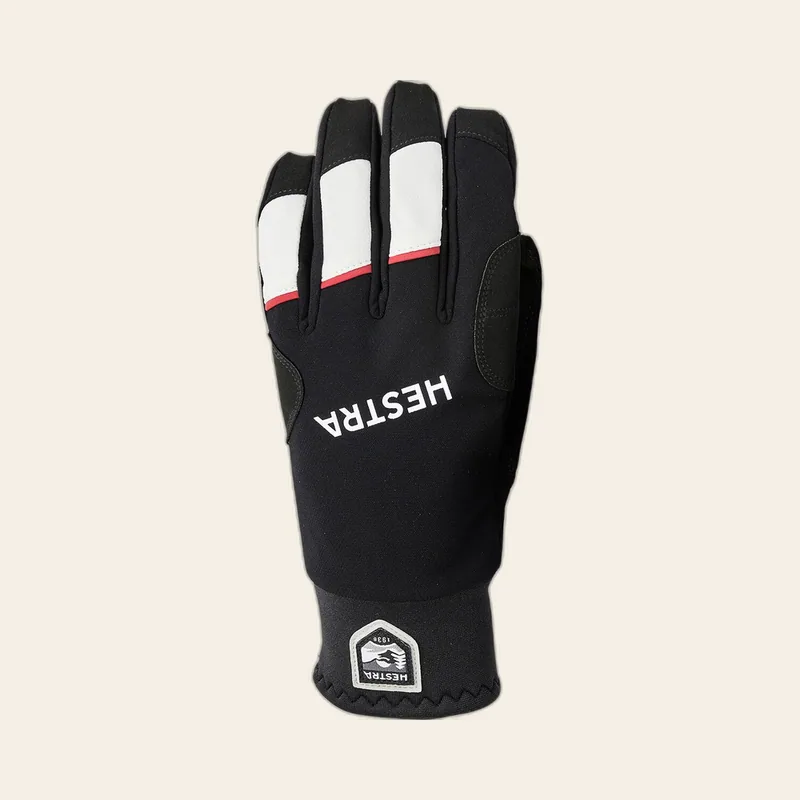
Winter clothes pack bulky, so a rolling duffel beats a soft backpack.

Bulky winter layers compress down so a rolling duffel stays under airline limits.
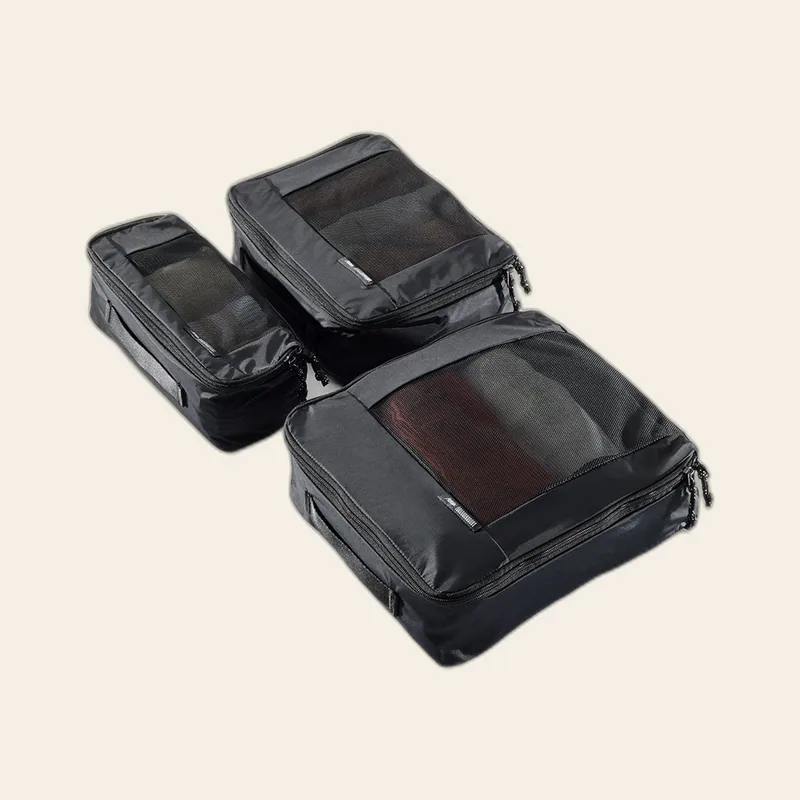
Five rain days in January plus snow means wet gear needs somewhere to drain.
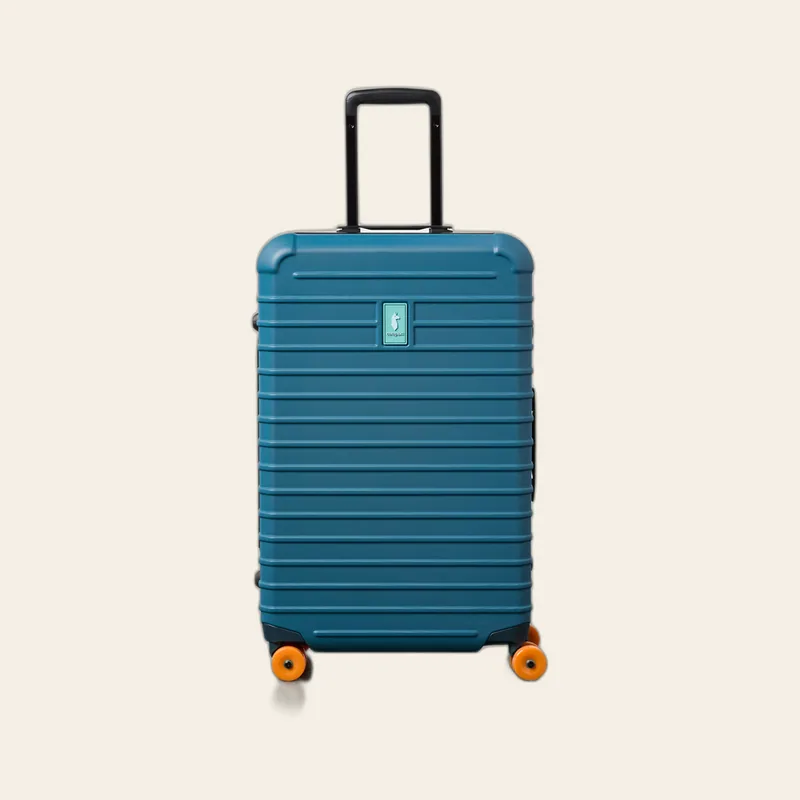
Waterproof insulated gloves get wet daily in sleet, so laundry runs twice a week.
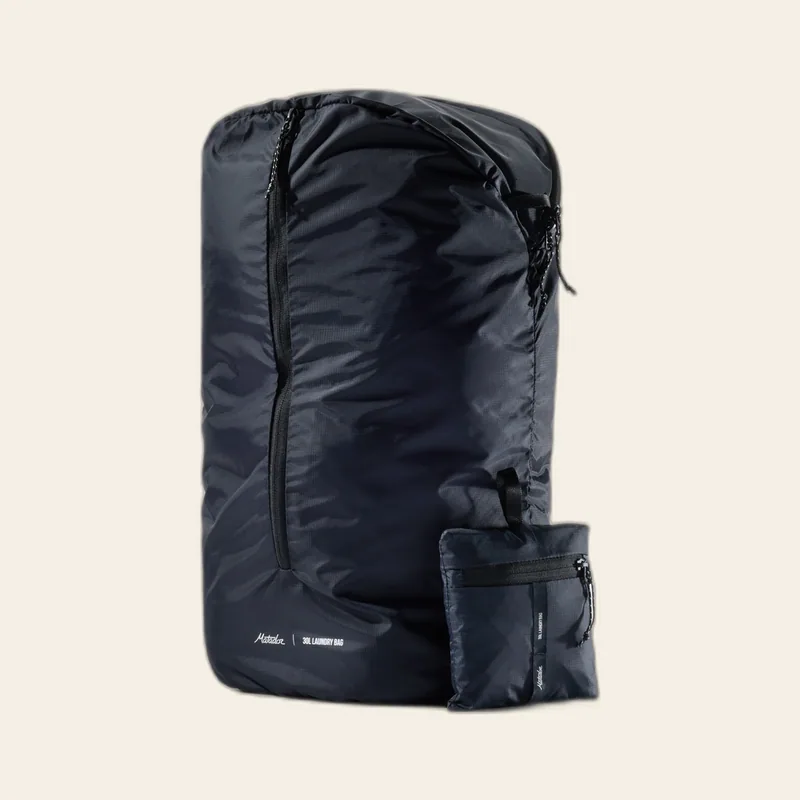
Lows around 32°F. One blanket that packs small covers the car, the campsite and the beach at sunset.
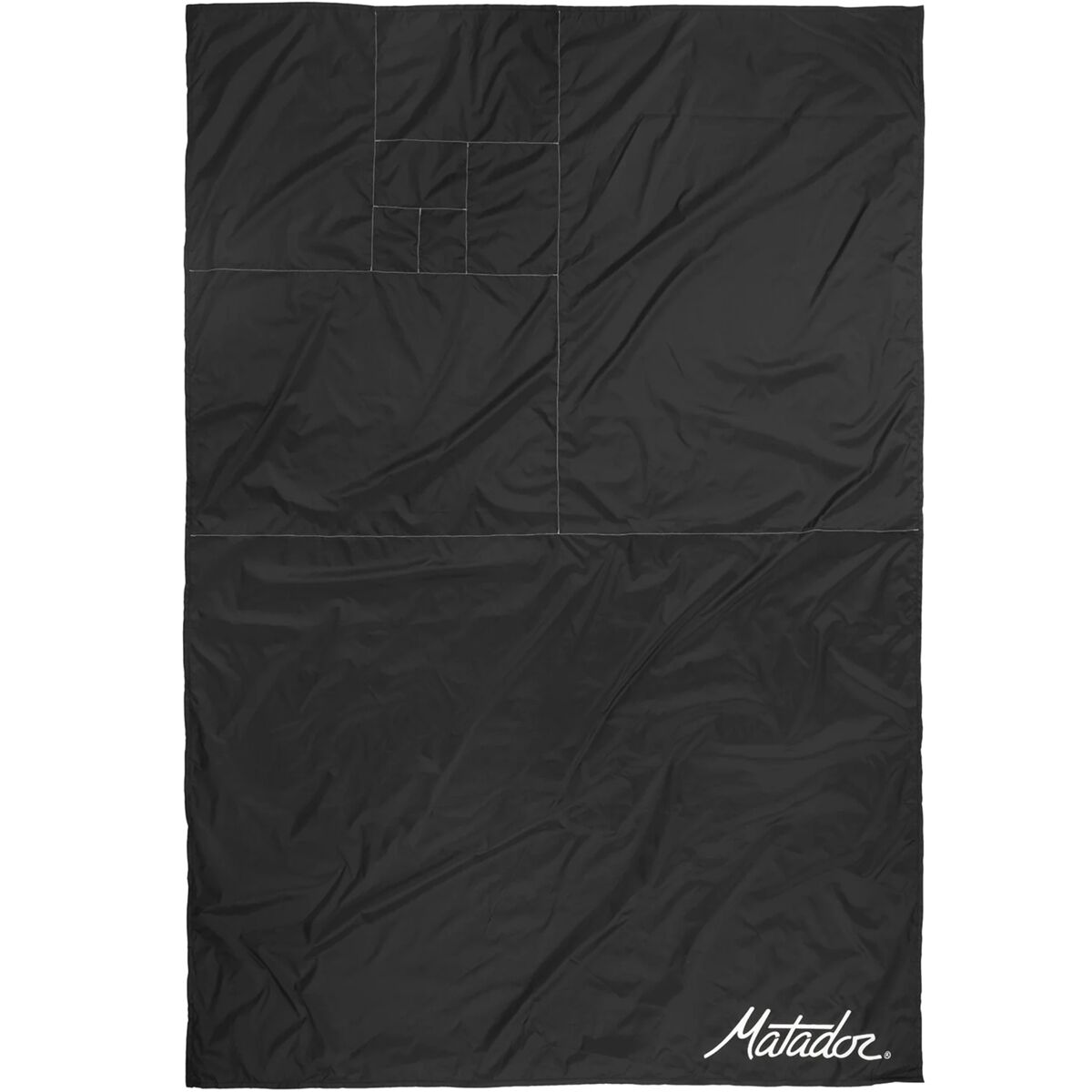
Long flights and crowded trains are easier with noise-cancelling headphones.

Nice to have
12 items you could skip
Snow enters regular boots at the ankle; gaiters seal that gap.
Winter sun at 3.6 UV index still burns lips raw over ten daylight hours.
Crowded trains and shared surfaces make hand sanitizer essential in winter.
Winter insect bites are rare, but the kit covers unexpected stings or scrapes.
One outlet per guesthouse room becomes four with a cable you already own.
A few phrases go a long way. Ten minutes a day before you leave is plenty.
International travel requires your passport; a holder keeps it dry and organized.
International flights to Tokyo require TSA-standard locks for checked luggage.
Five rain days plus snow means wet outerwear needs to drain separately from dry clothes.
Bathroom humidity from winter showers ruins loose toiletries without a hanging bag.
Ten-hour flights to Tokyo and jet lag make a travel pillow necessary.
Pockets empty fast when hands stay in gloves, so hand warmers go in boots.
Basics
16 things you probably own already