Change trip
What to pack for Tokyo in February
Typical February, built from ten years of weather
Some links are affiliate links. It keeps the site free.
Typical for your dates
Highs 50°F, lows 34°F, rain 7 of 28 days
snowycoldwindy
Sunset lands around 5:20pm. Wind averages 17 mph. There is paperwork on this one, so start with Before you go.
0 of 62 packed
Packing for
68 things on this list are on sale today
Essentials
18 items
Lows around 34°F. Goes under the shell when the wind picks up.
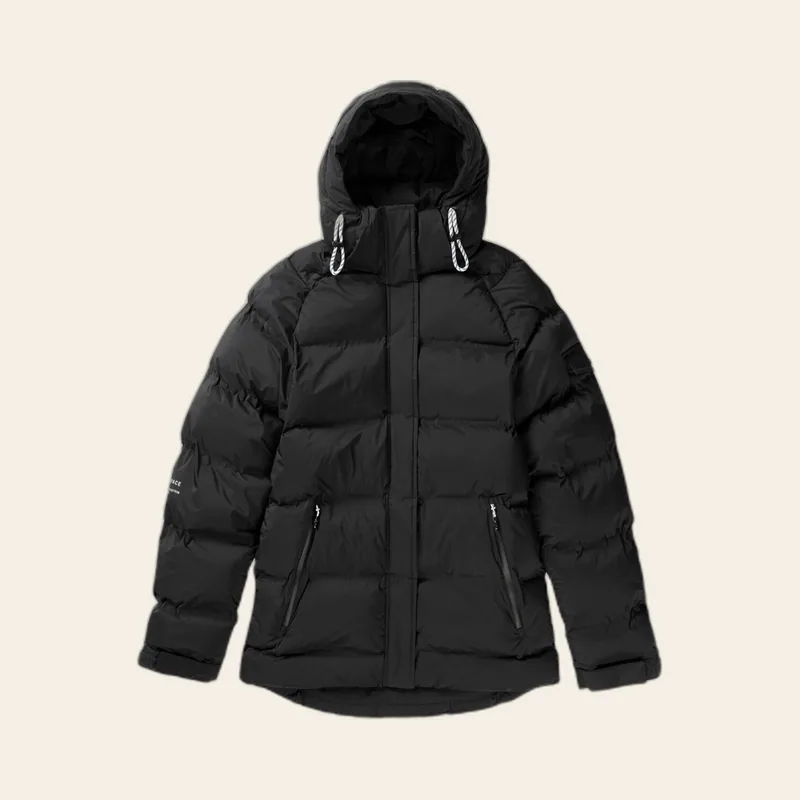
Wear one, dry one. Cotton stays wet all week here.

The layer you'll wear more than any other.
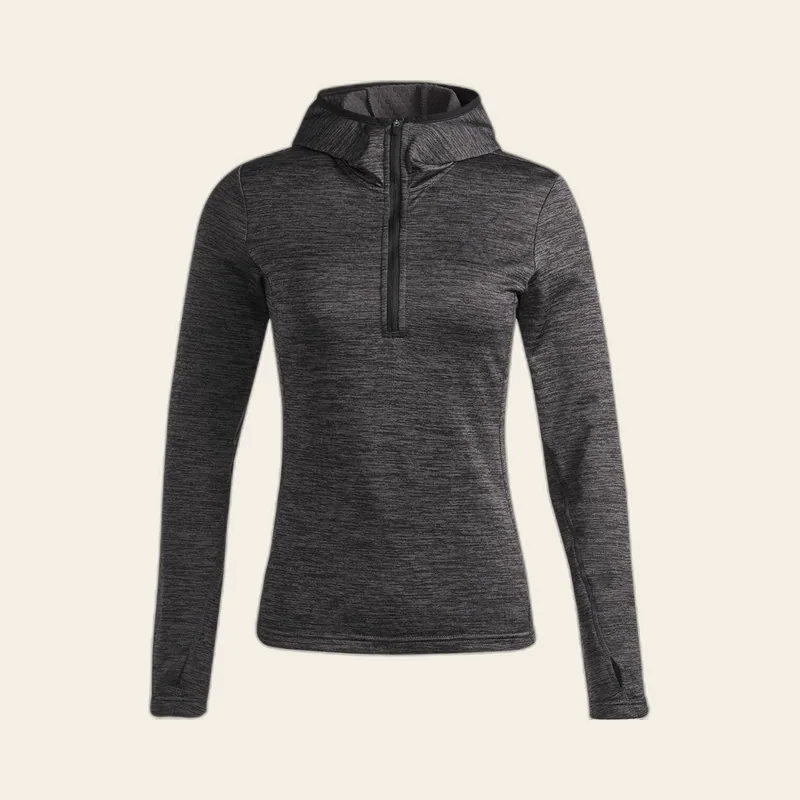
Lows near freezing mean exposed skin loses heat fast on crowded streets.

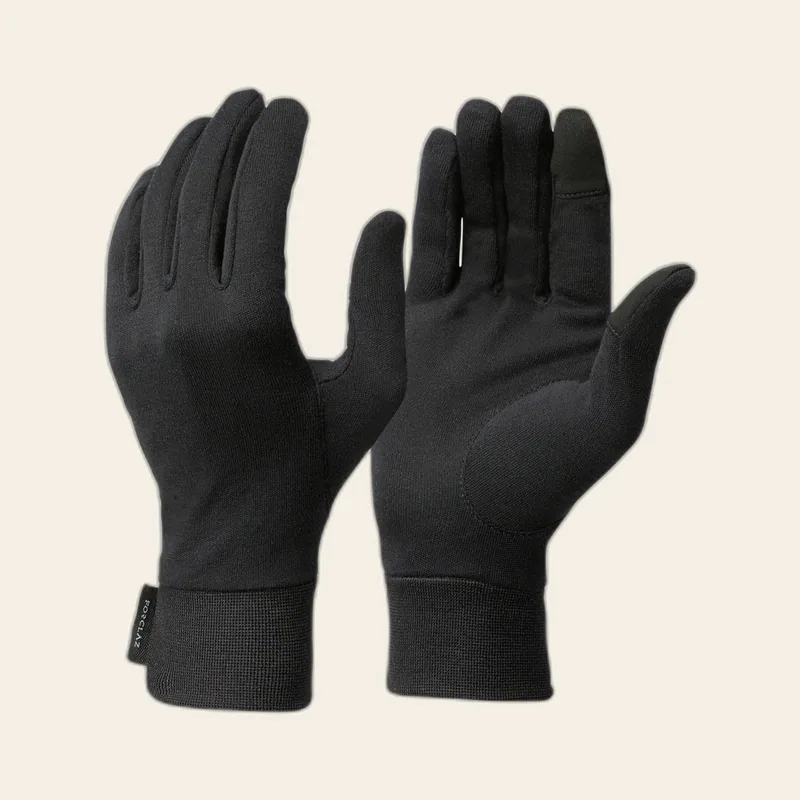
Wind at 27 km/h cuts through unprotected hands during outdoor sightseeing.
Slush and ice coat Tokyo sidewalks in February, so regular shoes slip.

UV index of 4.9 reflects off snow and water, burning eyes and face.

Mosquitoes don't vanish in February, especially near the coast and waterways.

Check ankles and, if there's a dog, paws and ears every night.
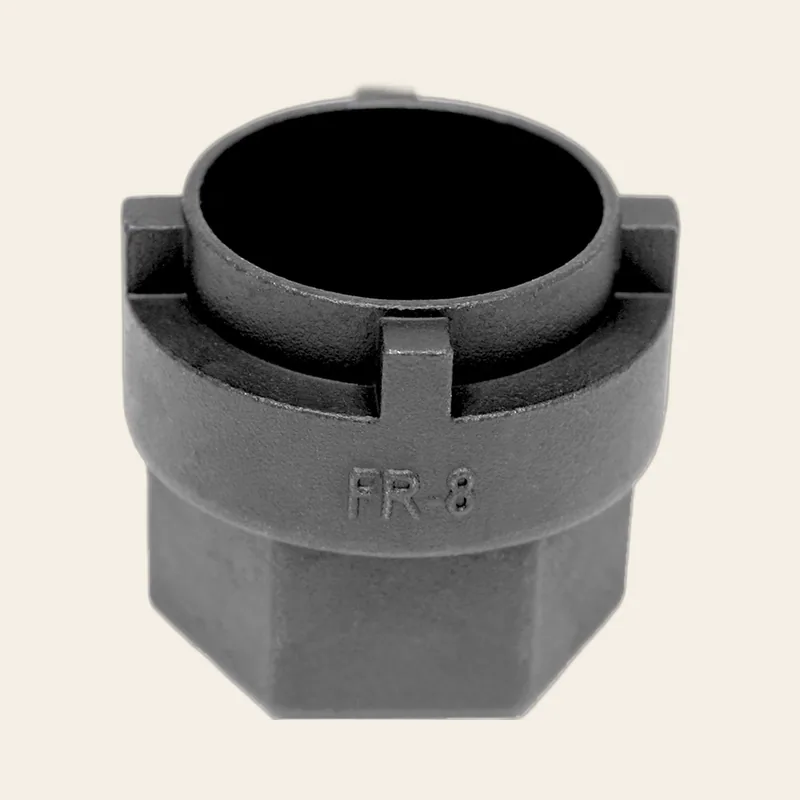
Icy conditions cause slips and minor injuries are common on urban walks.

Days are short and phones drain fast in the cold, so backup power matters.

Set it up before you land. Signal drops for long stretches outside cities.

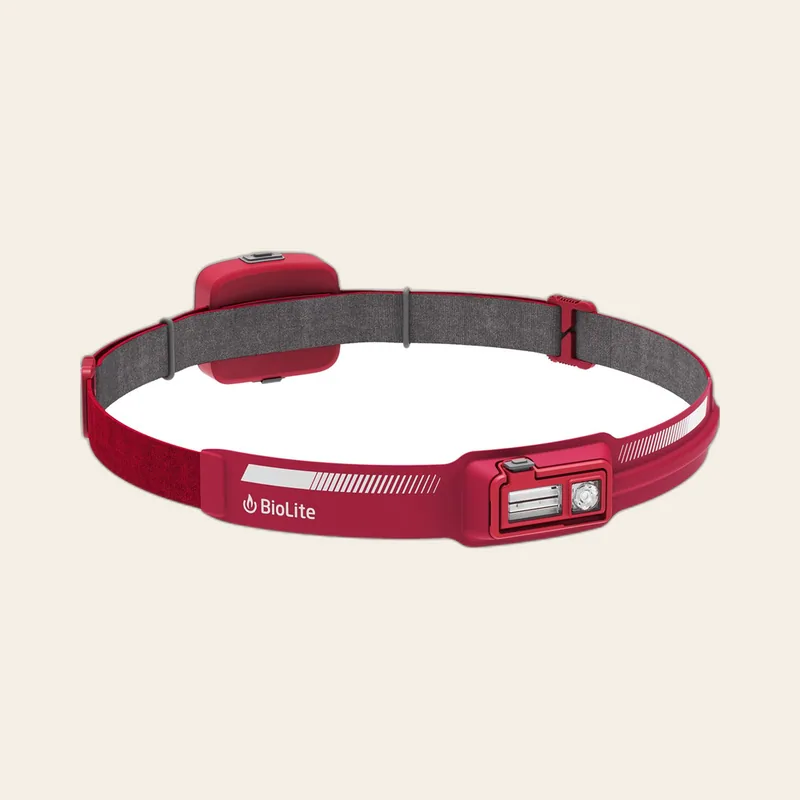
Dark by 5:20pm. Every campsite chore after that is a two-hands job.
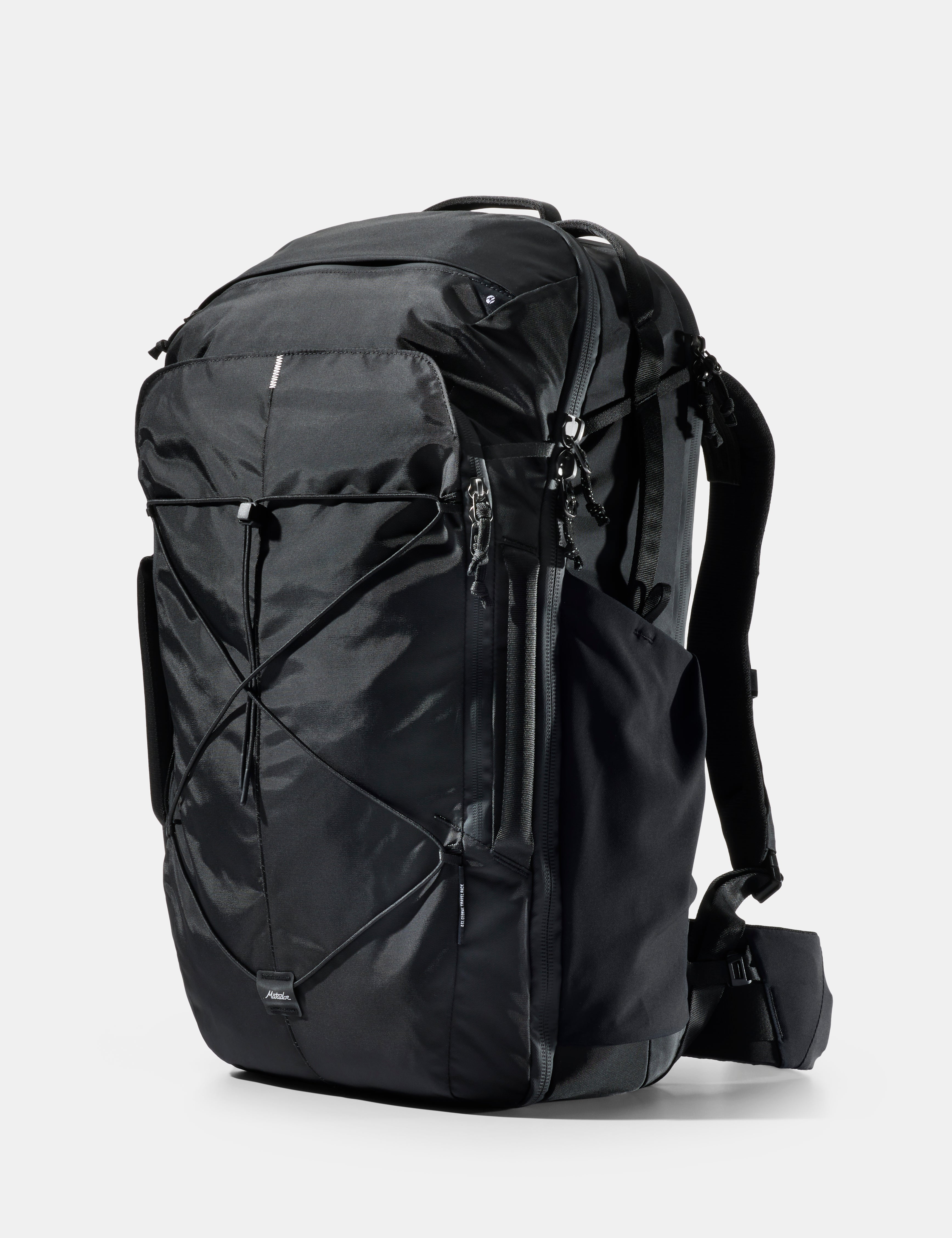
Tokyo's overhead bins are tight, so a 35-45L pack fits without checked luggage.
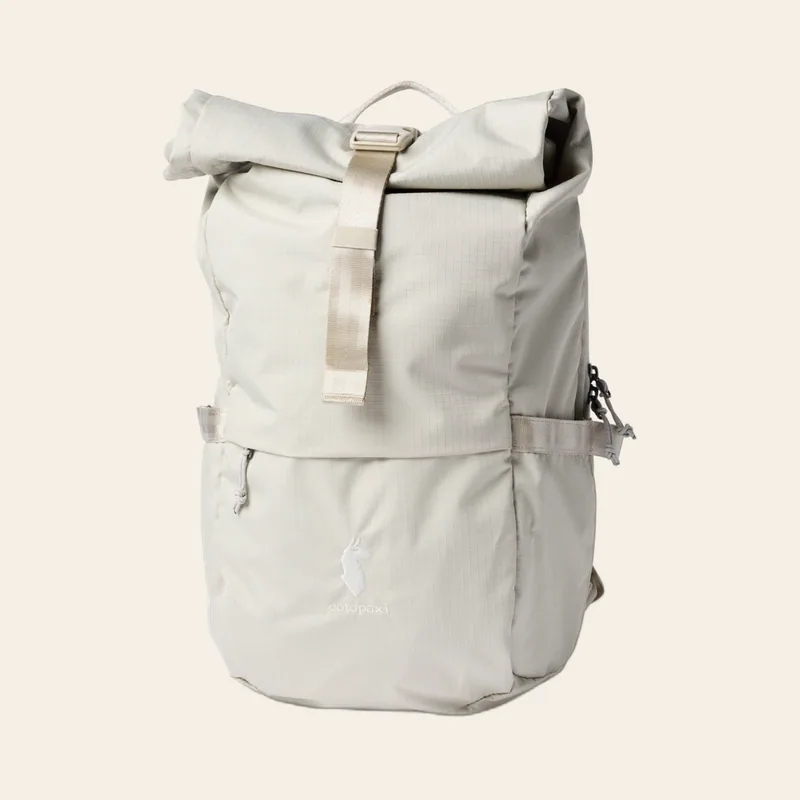
Days are short so you pack light for quick daily outings in the city.
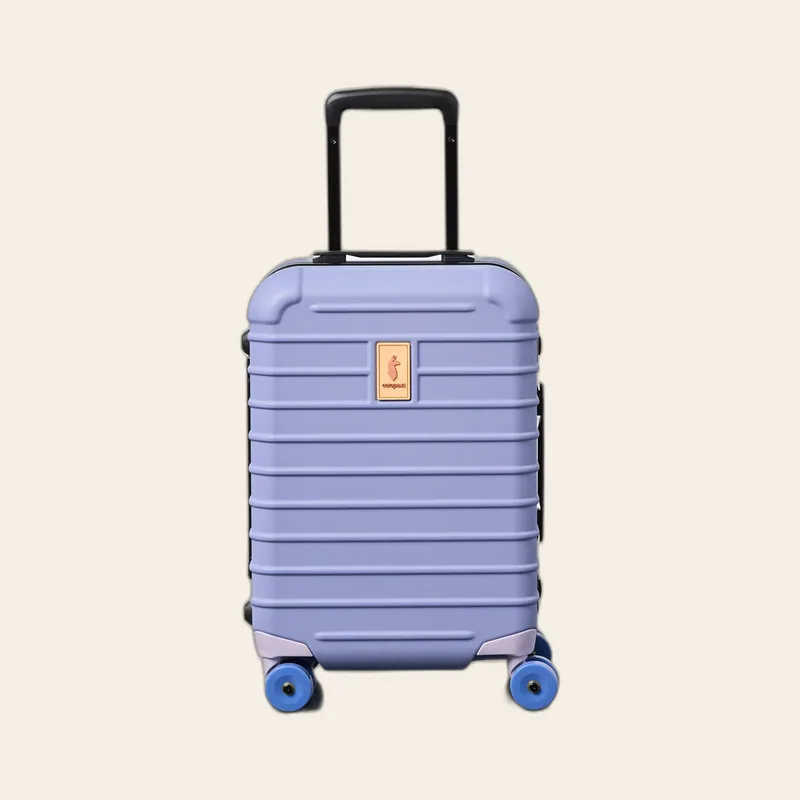
Fits the overhead on every airline that matters. Skip the checked-bag line entirely.
For the passport, the chargers, and the one dry pair of socks.
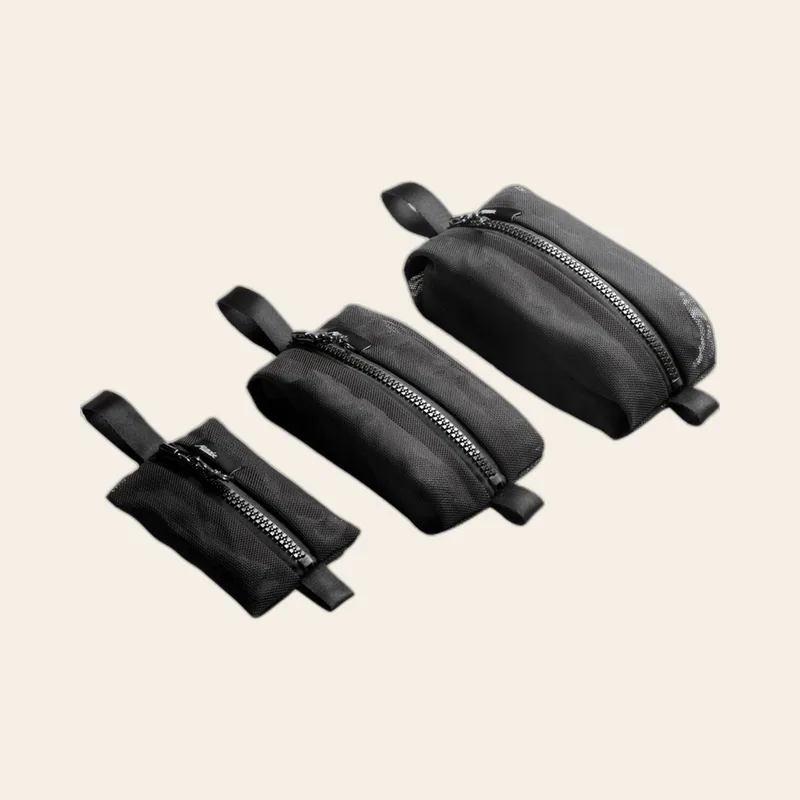
Gloves alone soak through in slush, but insulated ones keep hands dry and warm.

Before you go
6 to sort
Recommended
15 items
For the mornings and the nights.

Cold air and seven rain days make the neck vulnerable to wind chill.
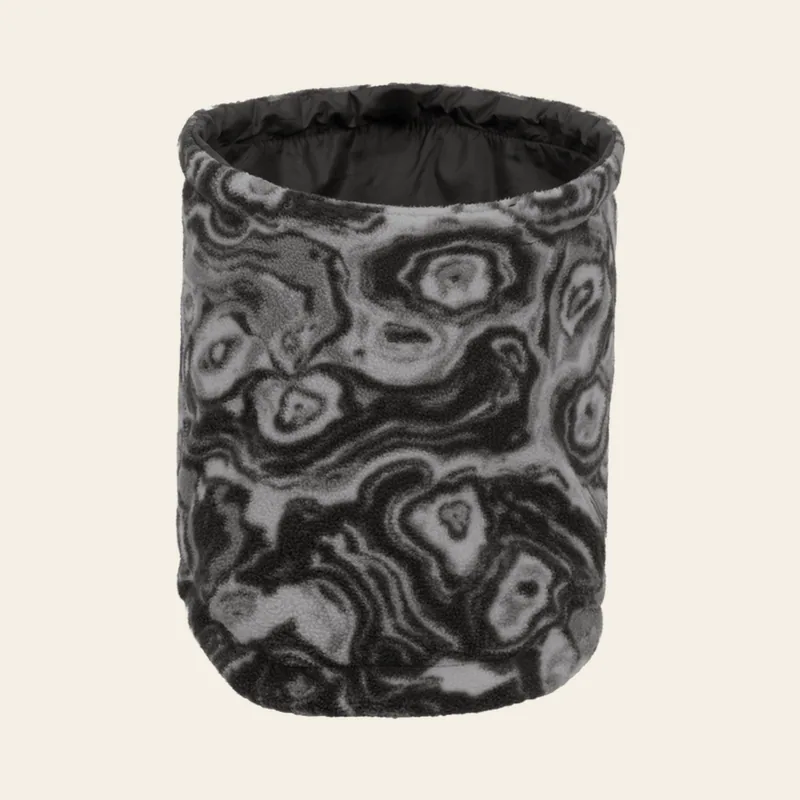
Snow falls in February, and wet feet indoors ruins the rest of the day.
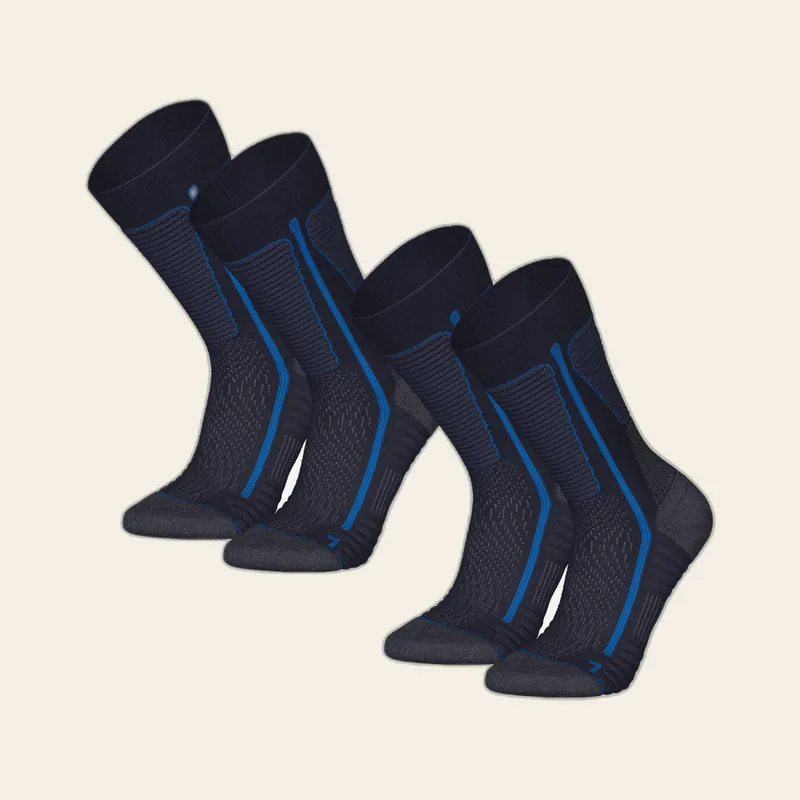
Treat the clothes once and it lasts weeks.

Tap water is safe but carrying cold water keeps you hydrated during long walks.

One brick charges the laptop, phone, and camera.

Hotel and cafe wifi is shared with everyone else in the building. A VPN keeps your banking and email to yourself.
Dense crowds on trains and in stations make pickpocketing a real risk.
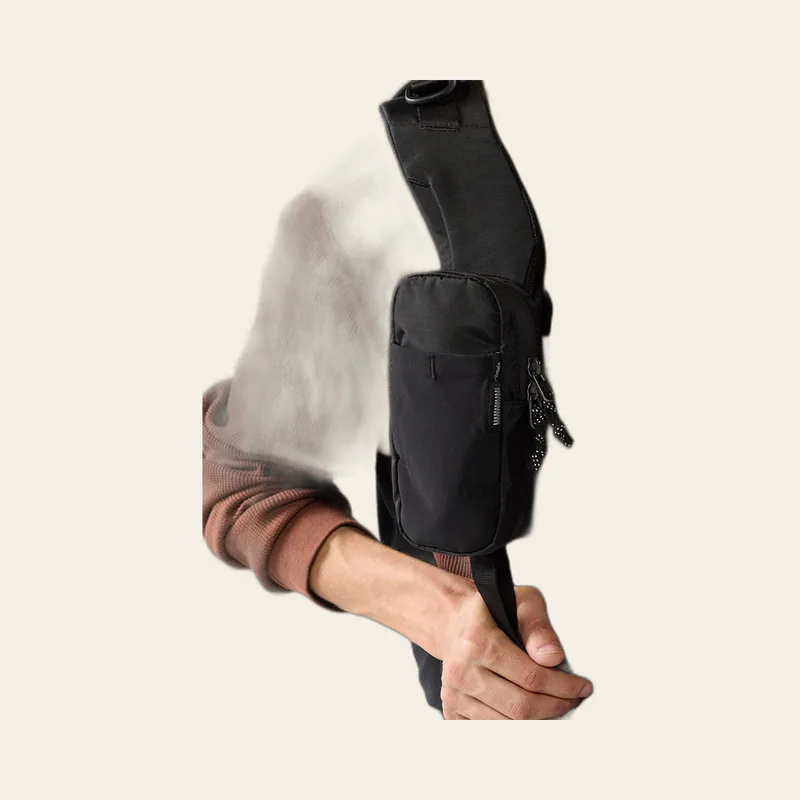
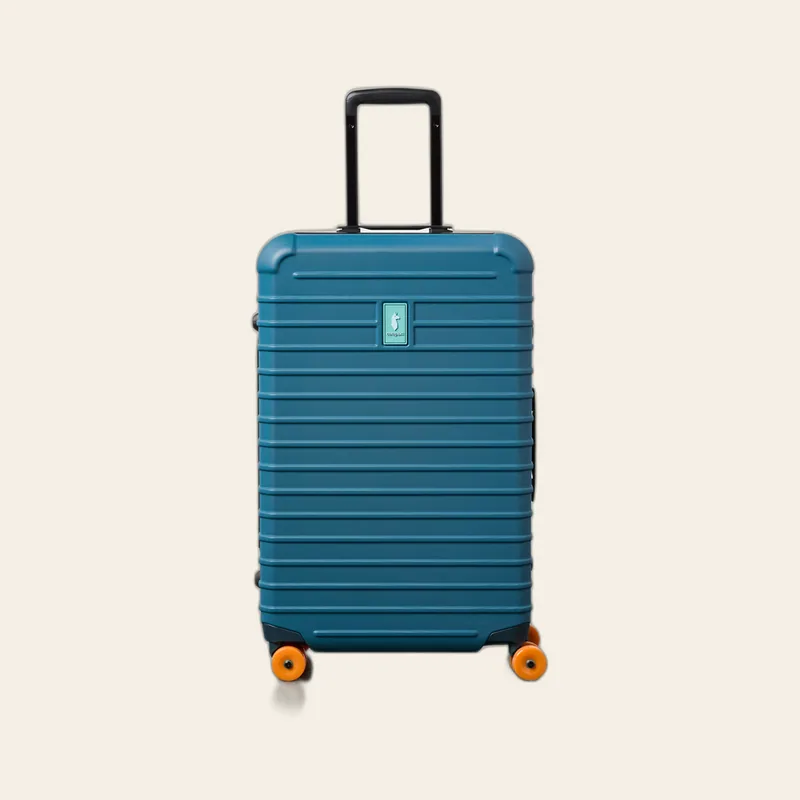
Luggage gets lost in the chaos of Tokyo's train stations during peak season.
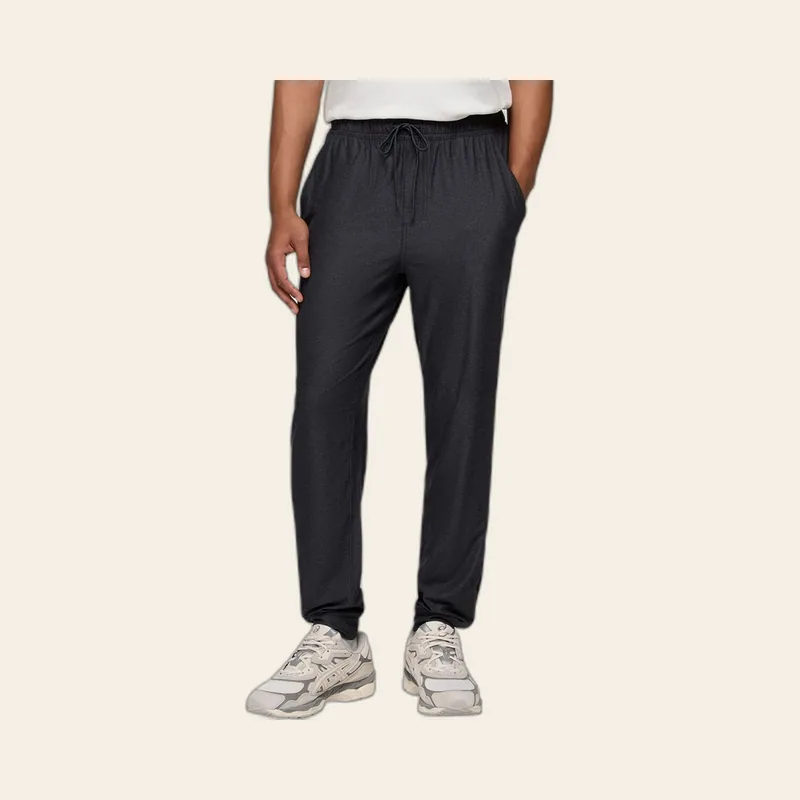
Seven rain days mean clothes stay damp, so checked luggage holds extra layers.

Wet snow soaks clothes and you need organized access to dry items quickly.
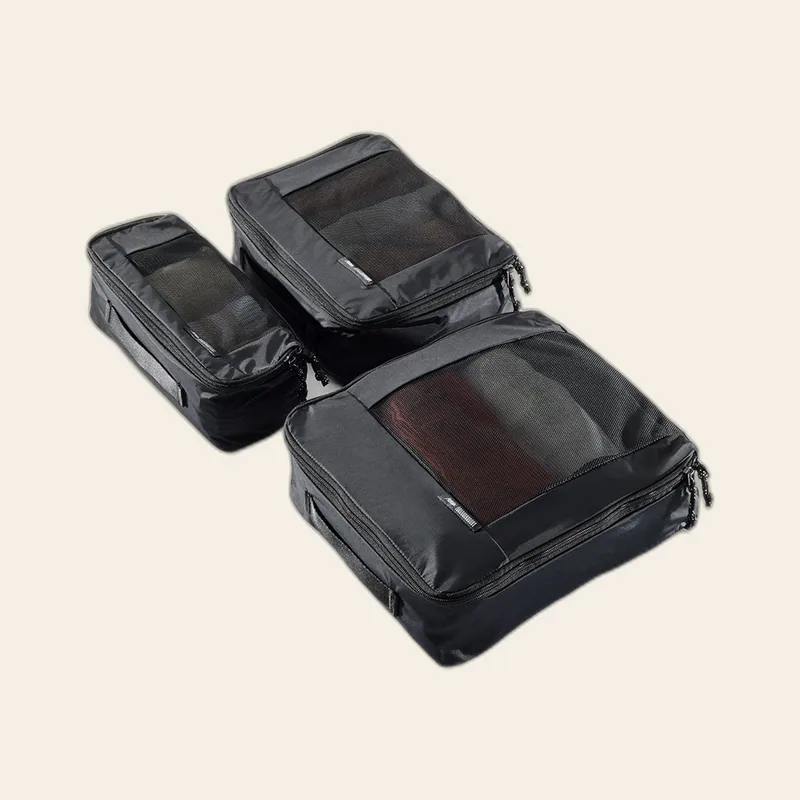
Multiple rain days and snow mean you need room for damp gear and extra socks.
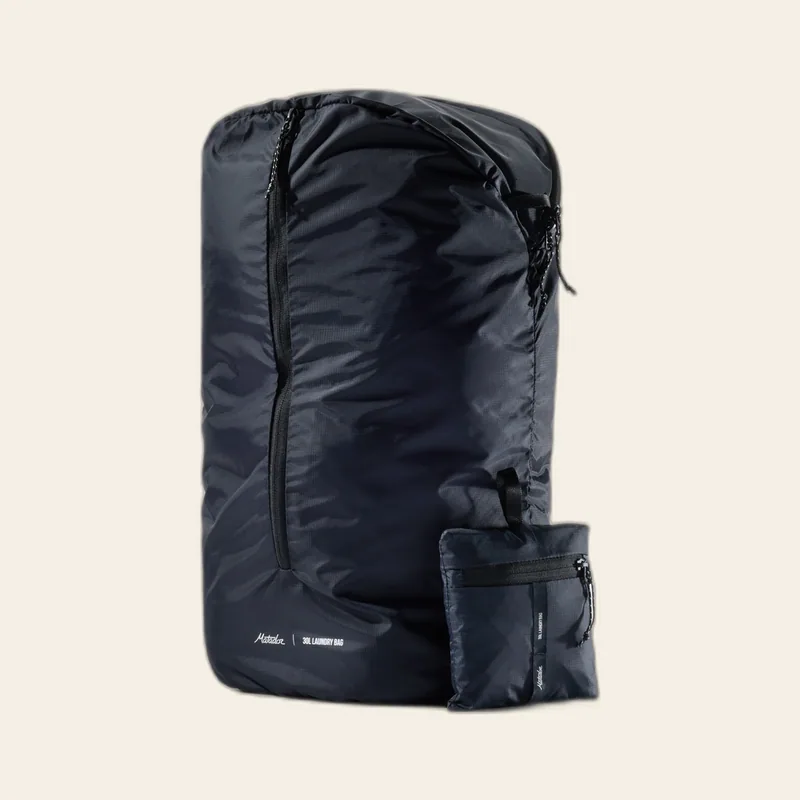
Seven rainy days make laundry essential, so detergent sheets save luggage space.
Lows around 34°F. One blanket that packs small covers the car, the campsite and the beach at sunset.
Crowded trains and ten-hour flights are loud, so noise control helps rest.

Nice to have
13 items you could skip
Ten degrees is too cold for a jacket alone but a vest layers under coats.
Snow gets into boot tops and melts against skin if nothing blocks it.
Ten hours of daylight means the sun sits low and glares off wet pavement.
Reflected UV from snow and ice damages lips faster than direct sun does.
Public transit is crowded in winter and tap water is safe but surfaces aren't.
Insect bites itch worse in cold, dry air and scratching spreads infection.
Charging ports freeze and fail if cables stay exposed in 34°F temperatures.
A few phrases go a long way. Ten minutes a day before you leave is plenty.
International travel requires passport security in crowded urban environments.
Checked bags pass through multiple handlers on international flights to Tokyo.
Cold air is dry and clothes compress well, so sacks maximize checked bag space.
Humidity at 63 percent means toiletries don't dry fast, so a hanging bag prevents mildew.
Long flights to Tokyo and short daylight hours make sleep on planes valuable.
Basics
16 things you probably own already