Change trip
What to pack for Cusco in January
Typical January, built from ten years of weather
Some links are affiliate links. It keeps the site free.
Typical for your dates
Highs 63°F, lows 46°F, rain 28 of 31 days
coldwethigh UV
Sunset lands around 6:20pm. Wind averages 6 mph. There is paperwork on this one, so start with Before you go.
0 of 60 packed
Packing for
53 things on this list are on sale today
Essentials
15 items
28 rain days a month finds every seam. A real shell, not a windbreaker.
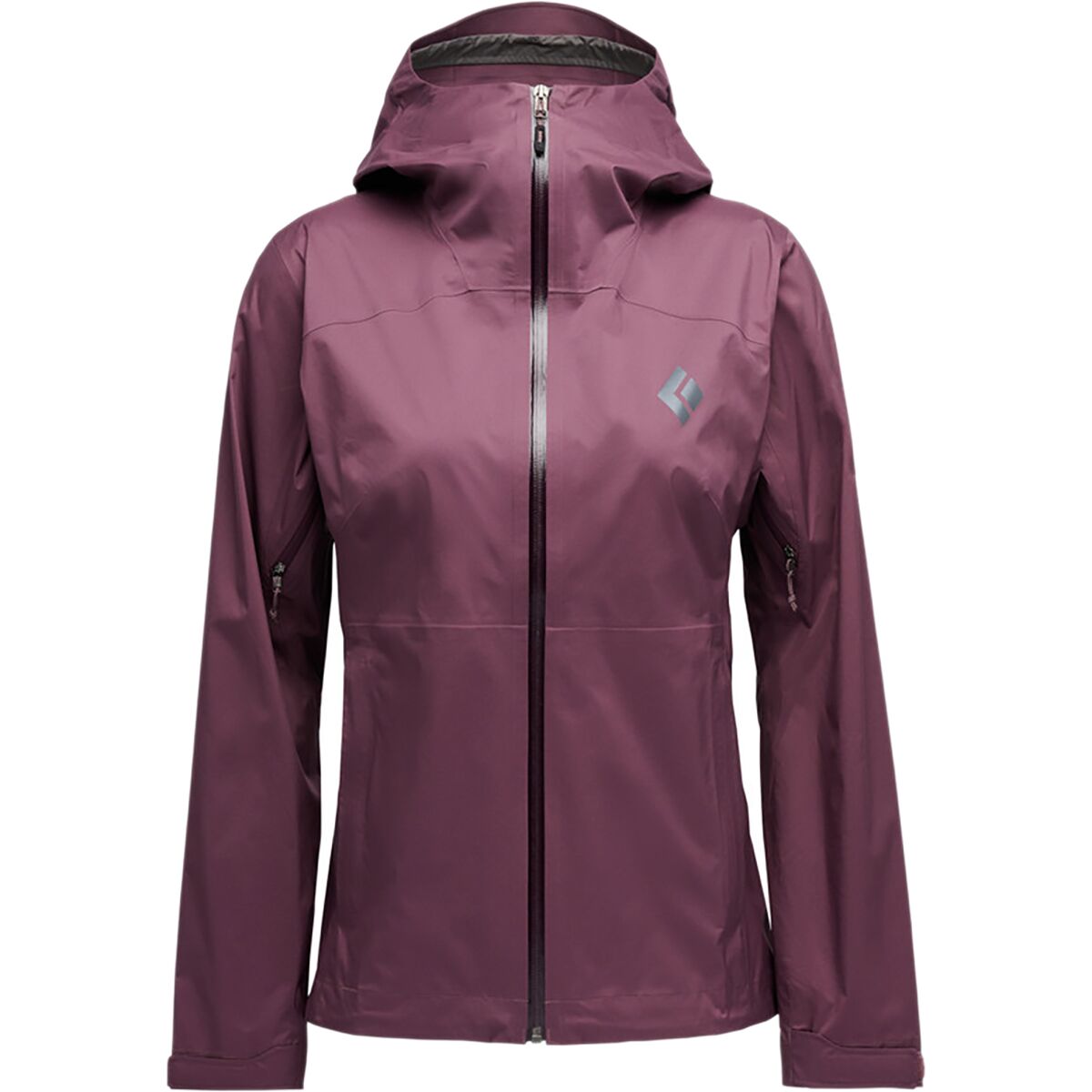
Lows around 46°F. Goes under the shell when the wind picks up.
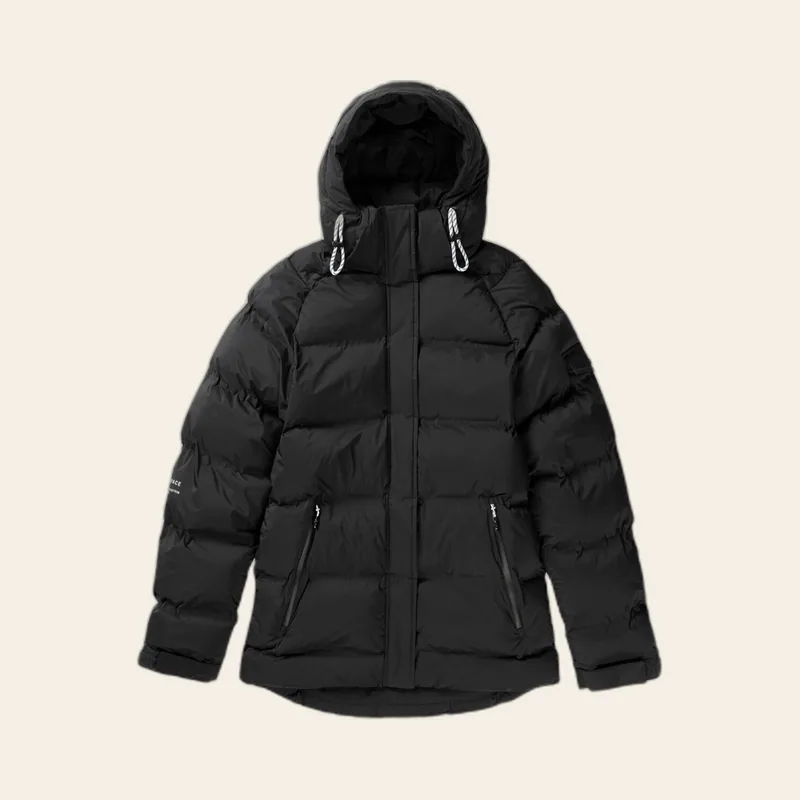
Wear one, dry one. Cotton stays wet all week here.

Nights drop to 46°F and the air thins at 3347 meters, making a warm hat necessary for sleep.

UV index of 8.8 at high altitude burns skin fast, even on cloudy days with 12.8 hours of daylight.

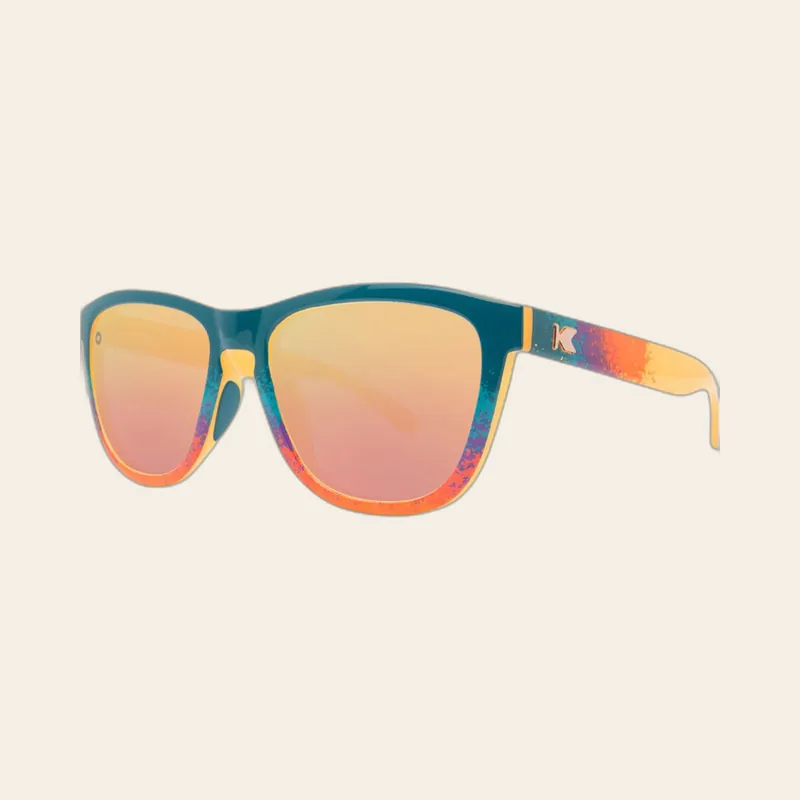
Glare bounces off wet surfaces after rain and reflects harshly in the thin mountain air.
Humidity at 78% during 28 rain days creates conditions where insects breed and bite.

Altitude, rain, and untreated tap water make a first aid kit essential before problems start.

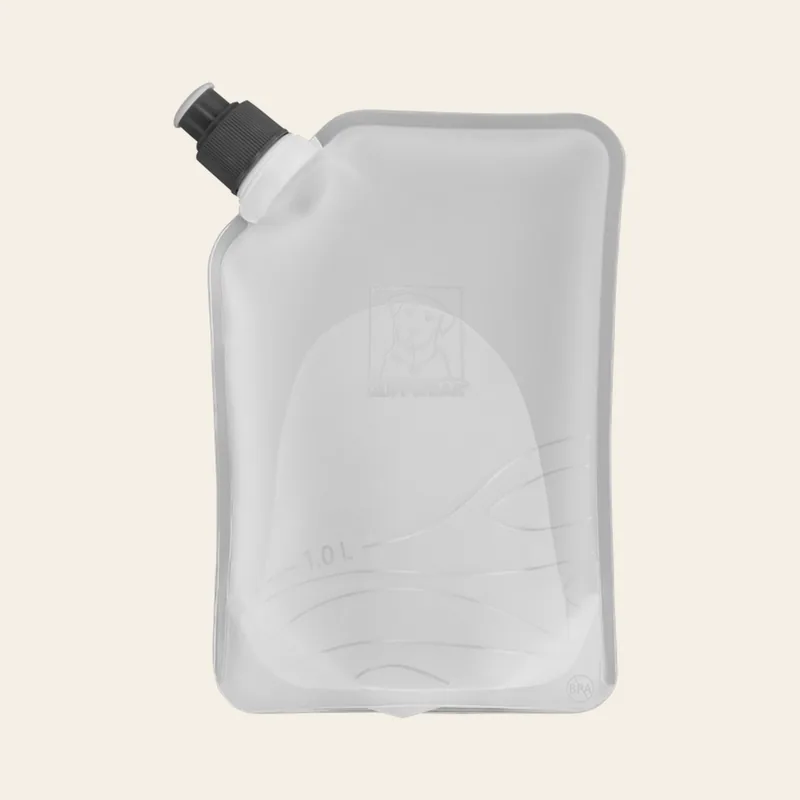
Tap water isn't safe here. A filter bottle beats buying plastic twice a day.
Daylight lasts 12.8 hours and electronics drain faster in the cold, requiring backup power.

Set it up before you land. Signal drops for long stretches outside cities.

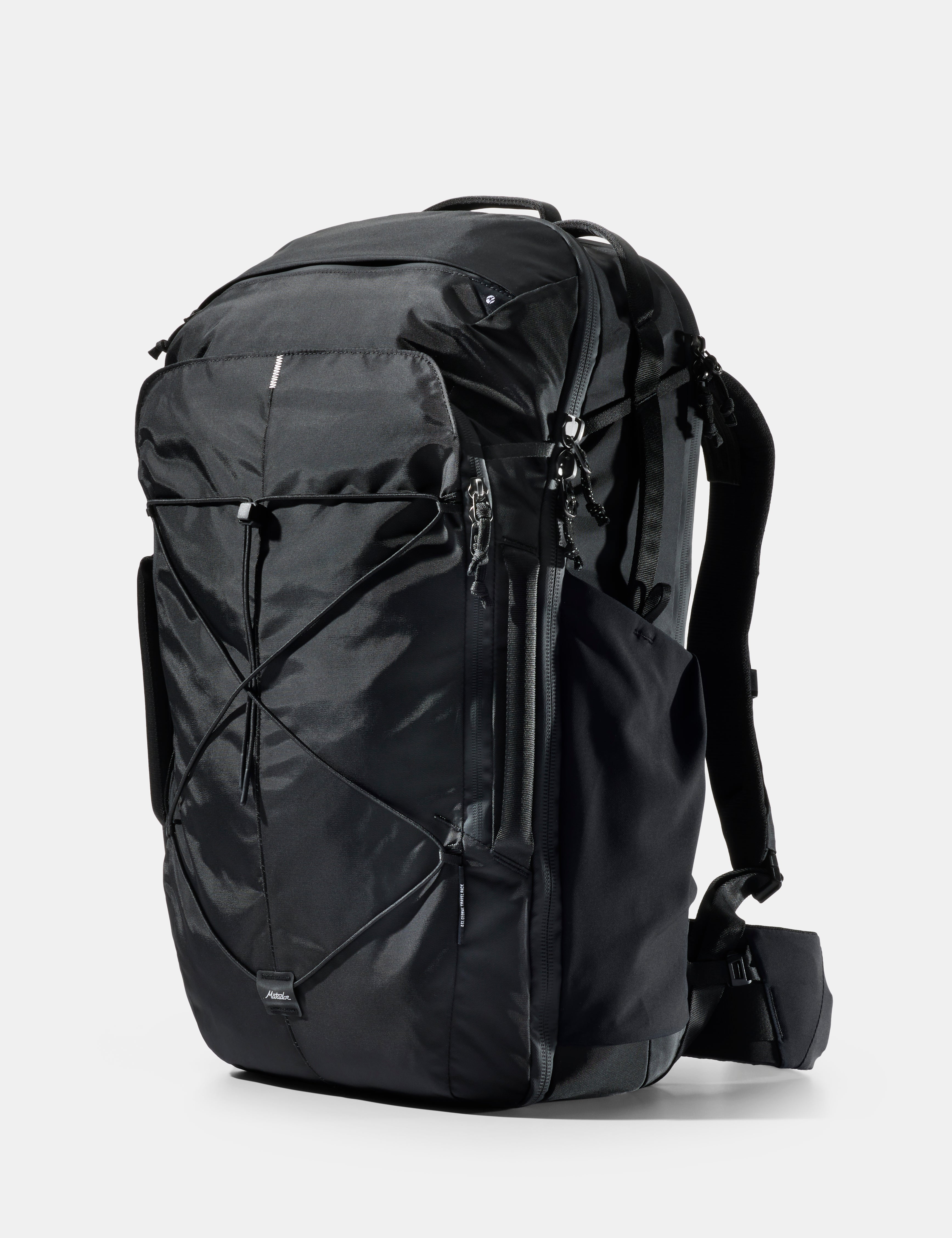
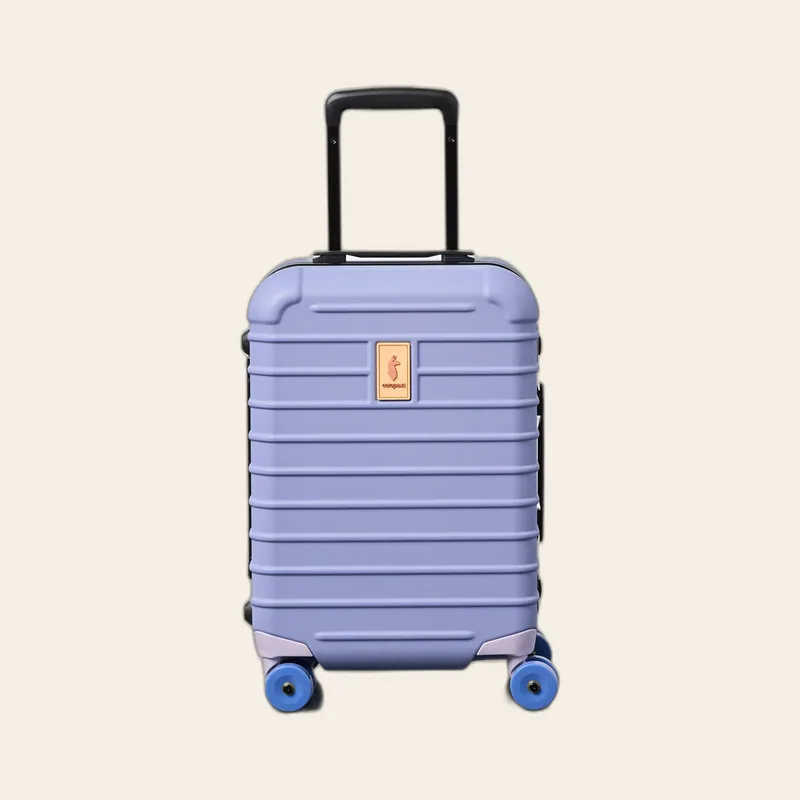
Carry-on limits your gear on the flight in, but you'll hike and explore once you arrive.
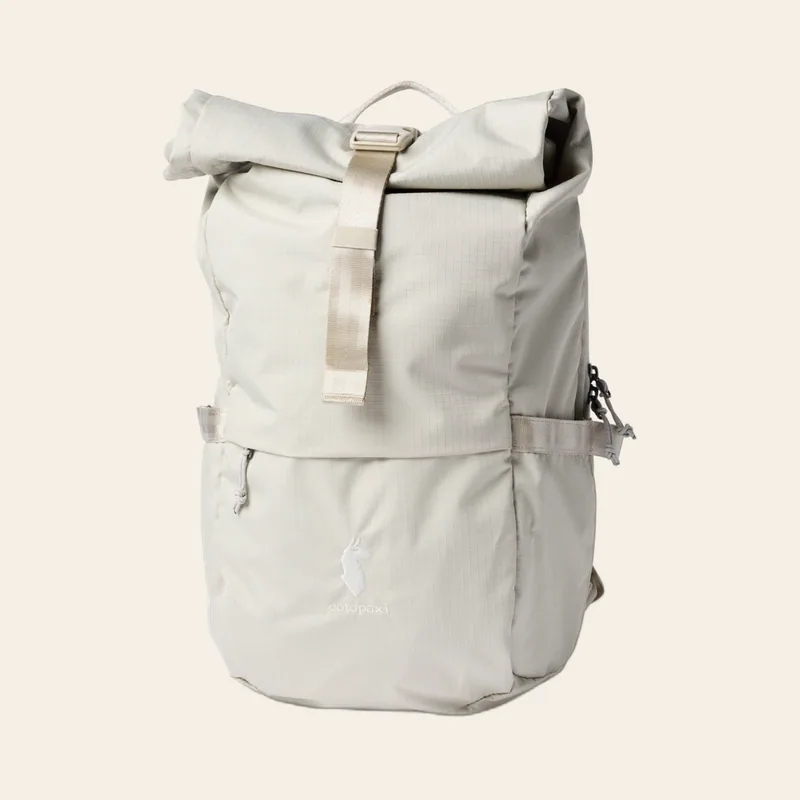
Daily excursions from Cusco into mountain terrain require a separate pack for water and layers.
Fits the overhead on every airline that matters. Skip the checked-bag line entirely.
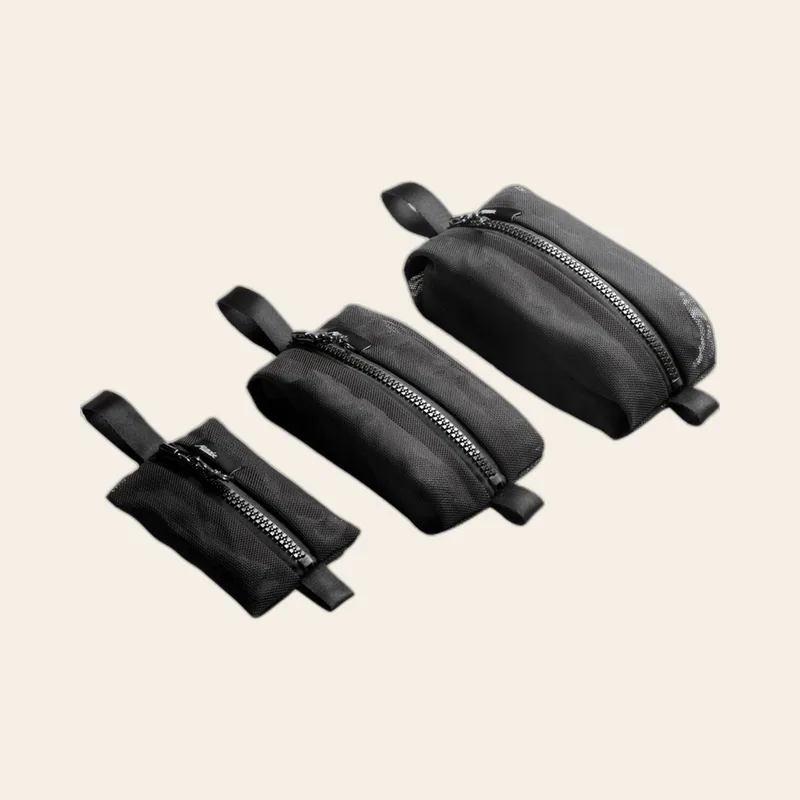
For the passport, the chargers, and the one dry pair of socks.
Before you go
7 to sort
Recommended
17 items
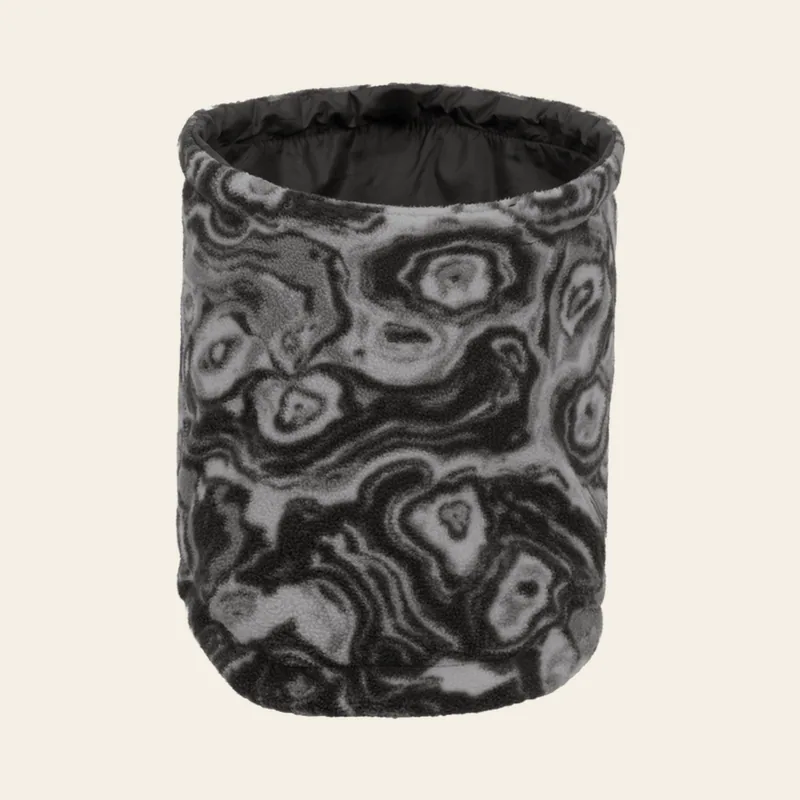
Wind at 10 km/h combined with altitude exposure chills exposed skin on your neck and face.
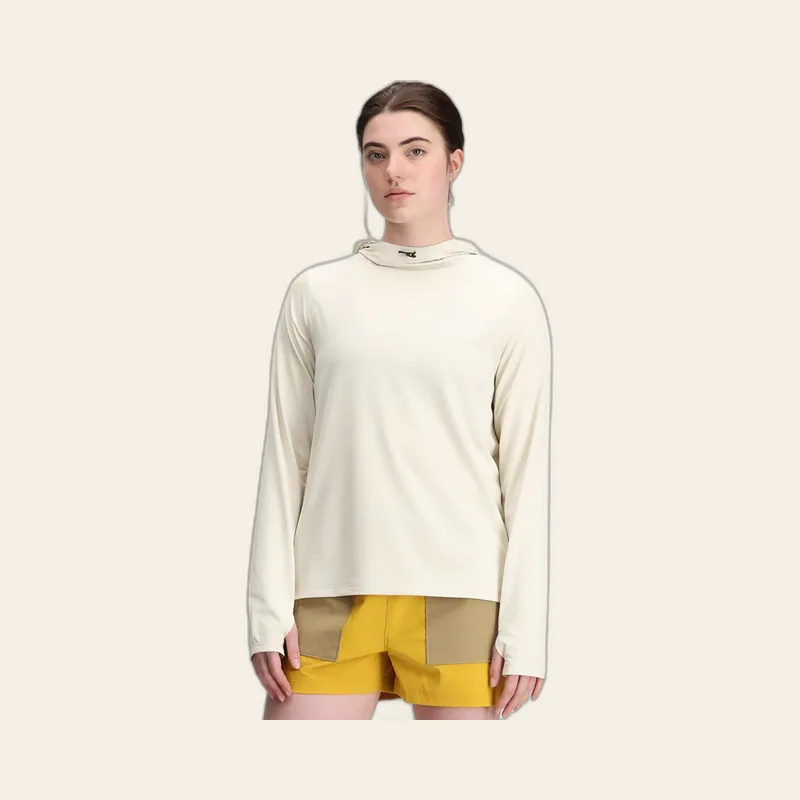
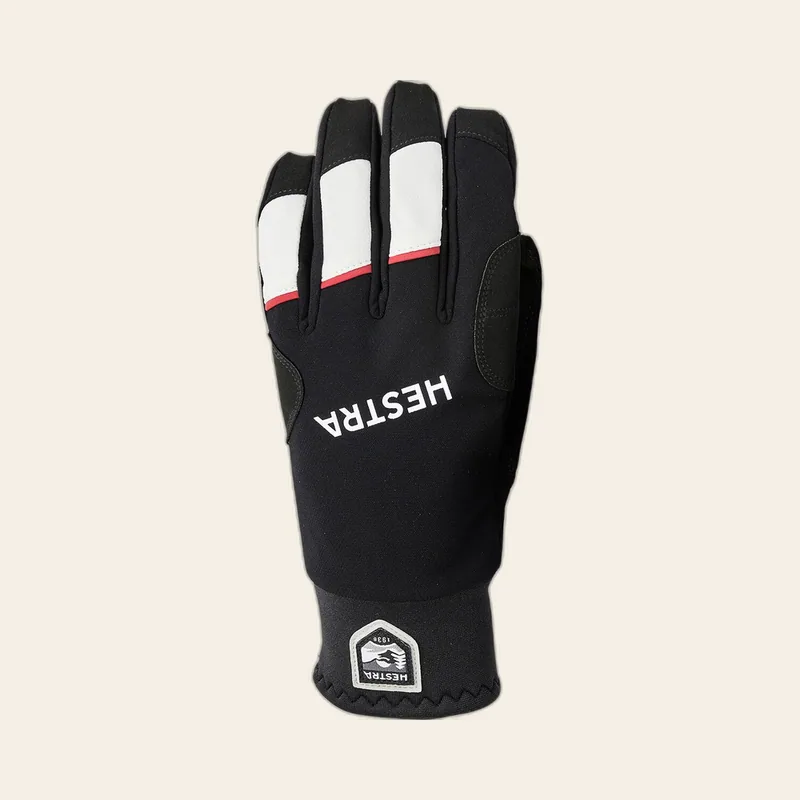
UV hits 8.8 here. Long sleeves beat reapplying sunscreen every hour.
The sun at 3347 meters burns the top of your head and ears without a wide brim.

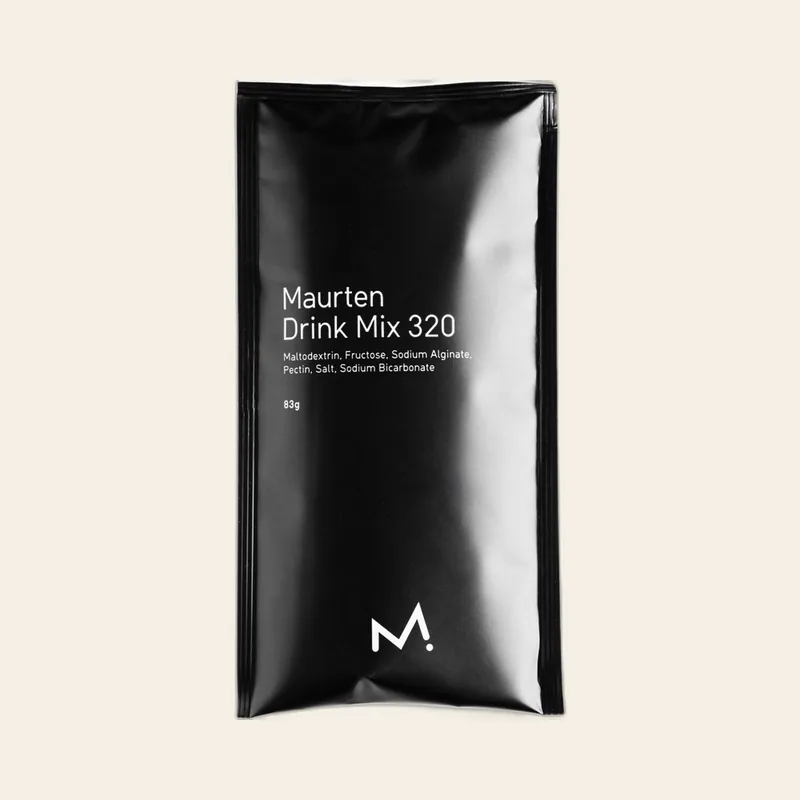
Altitude sickness and 12.8 hours of daylight activity drain electrolytes faster than you expect.
Treat the clothes once and it lasts weeks.

Diarrhea from untreated water hits harder when you're already dehydrated at 3347 meters.
Tap water isn't safe here, and intestinal trouble compounds altitude adjustment on day one.
Above 2,500 m most people feel it. Go slow the first two days.
One brick charges the laptop, phone, and camera.

Hotel and cafe wifi is shared with everyone else in the building. A VPN keeps your banking and email to yourself.
International travel to a high-altitude city requires secure storage for cash and cards.
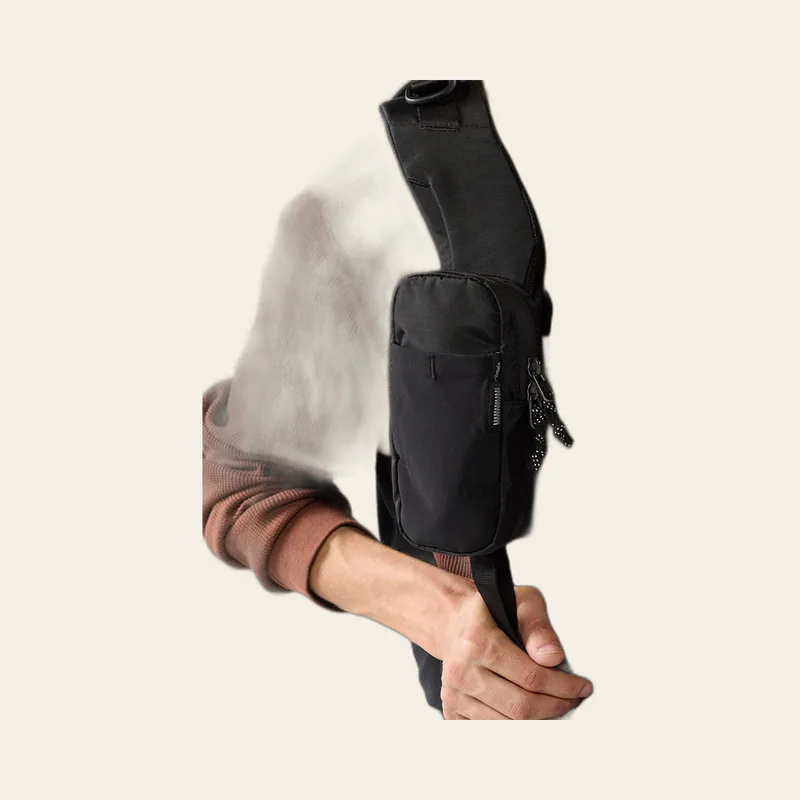
Shared accommodations at this altitude attract theft, and a tracker on your bag gives you peace of mind.
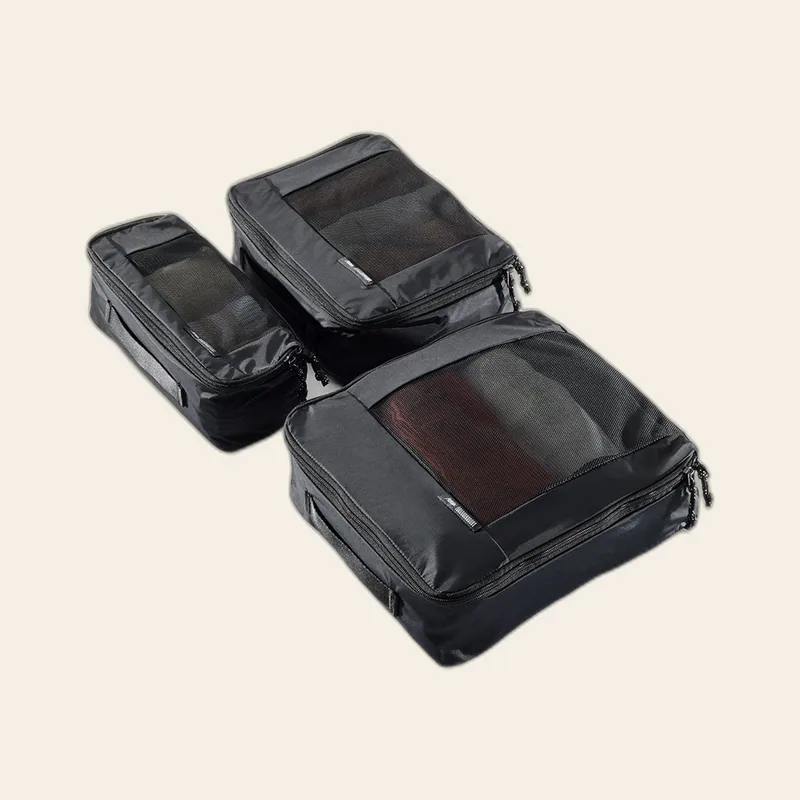
Packing cubes compress gear into tight spaces and keep damp clothes separated from dry ones.
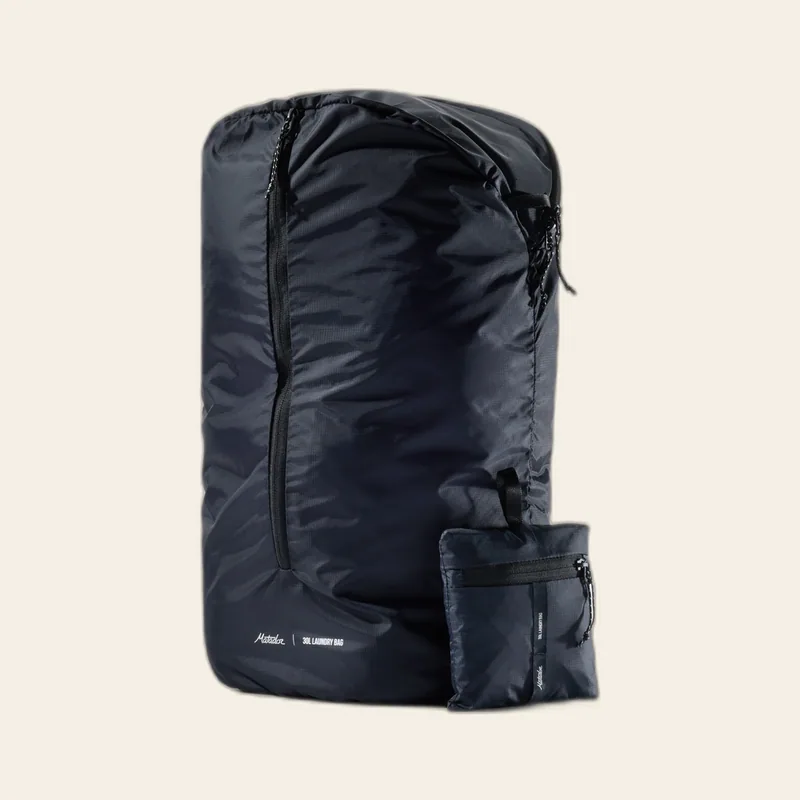
Twenty-eight rain days soak clothes, so laundry detergent lets you wash in guesthouses instead of paying.
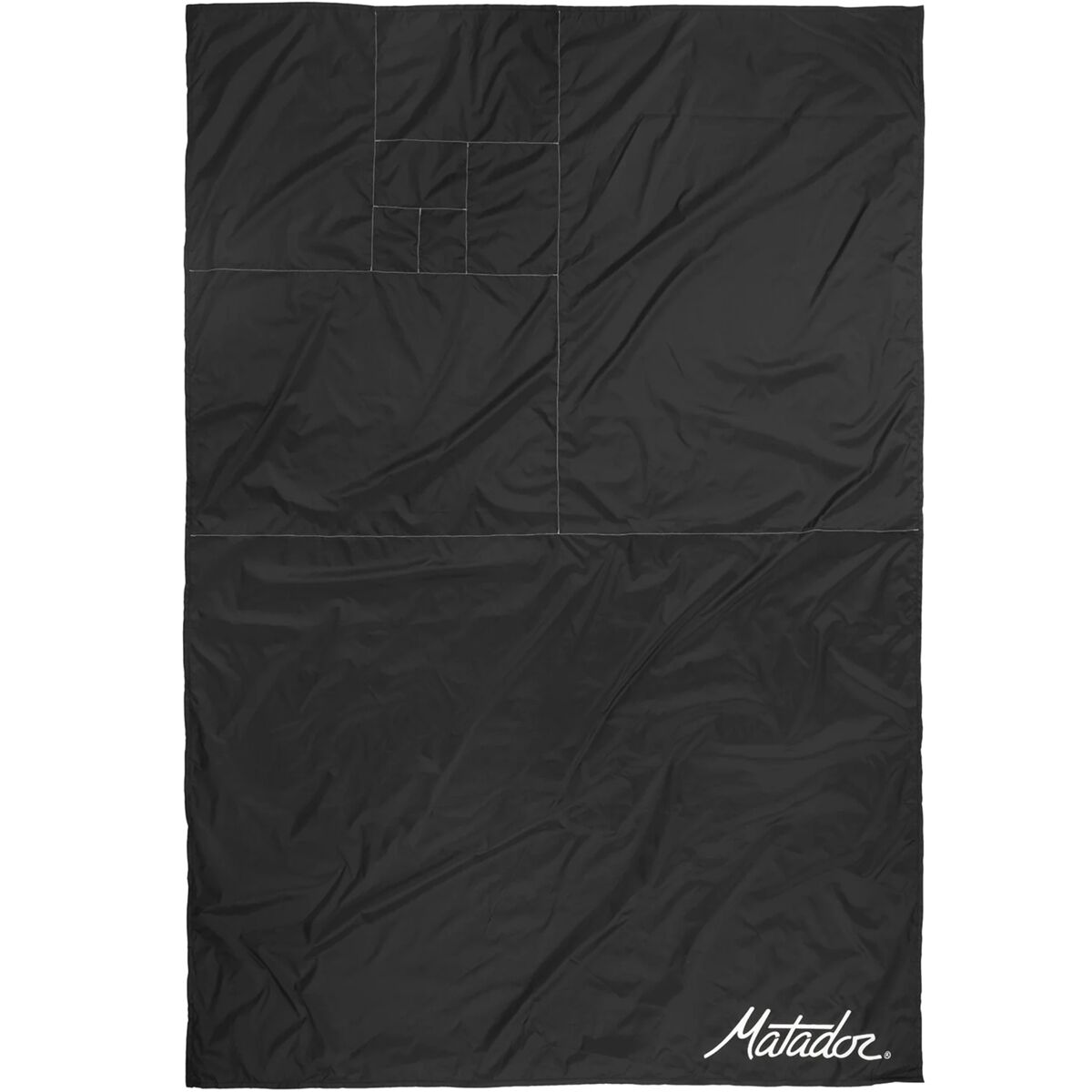
Lows around 46°F. One blanket that packs small covers the car, the campsite and the beach at sunset.
Altitude at 3347 meters disrupts sleep patterns, and blocking cabin noise helps you rest on the flight up.

Single-track mountain paths and steep terrain require poles to protect knees on descents.

Nice to have
12 items you could skip
Layering matters when mornings are 46°F but the thin mountain air won't keep you warm at night.
Twenty-eight rain days mean wet boots become a constant problem without protective spray.
Lips crack and burn at high altitude where UV index reaches 8.8 and humidity sits at 78%.
Mountain roads wind through high altitude terrain where motion sickness strikes even seasoned travelers.
Untreated tap water means hand sanitizer becomes your defense against illness before meals.
Altitude and humidity create sunburn that swells insect bites into painful welts.
Cold at night and altitude stress batteries, so short cables keep devices charged throughout the day.
A few phrases go a long way. Ten minutes a day before you leave is plenty.
International entry at 3347 meters means your passport needs protection from rain and humidity.
Shared guesthouses and hostels are common at this altitude, so bag security matters.
Humidity at 78% means toiletries stay damp in a closed bag without ventilation.
Altitude affects sleep quality, and a travel pillow helps your neck adjust on the first nights.
Basics
16 things you probably own already