Change trip
What to pack for Cusco in February
Typical February, built from ten years of weather
Some links are affiliate links. It keeps the site free.
Typical for your dates
Highs 61°F, lows 46°F, rain 27 of 28 days
wethigh UVhigh altitude
Sunset lands around 6:15pm. Wind averages 6 mph. There is paperwork on this one, so start with Before you go.
0 of 55 packed
Packing for
40 things on this list are on sale today
Essentials
13 items
27 rain days a month finds every seam. A real shell, not a windbreaker.
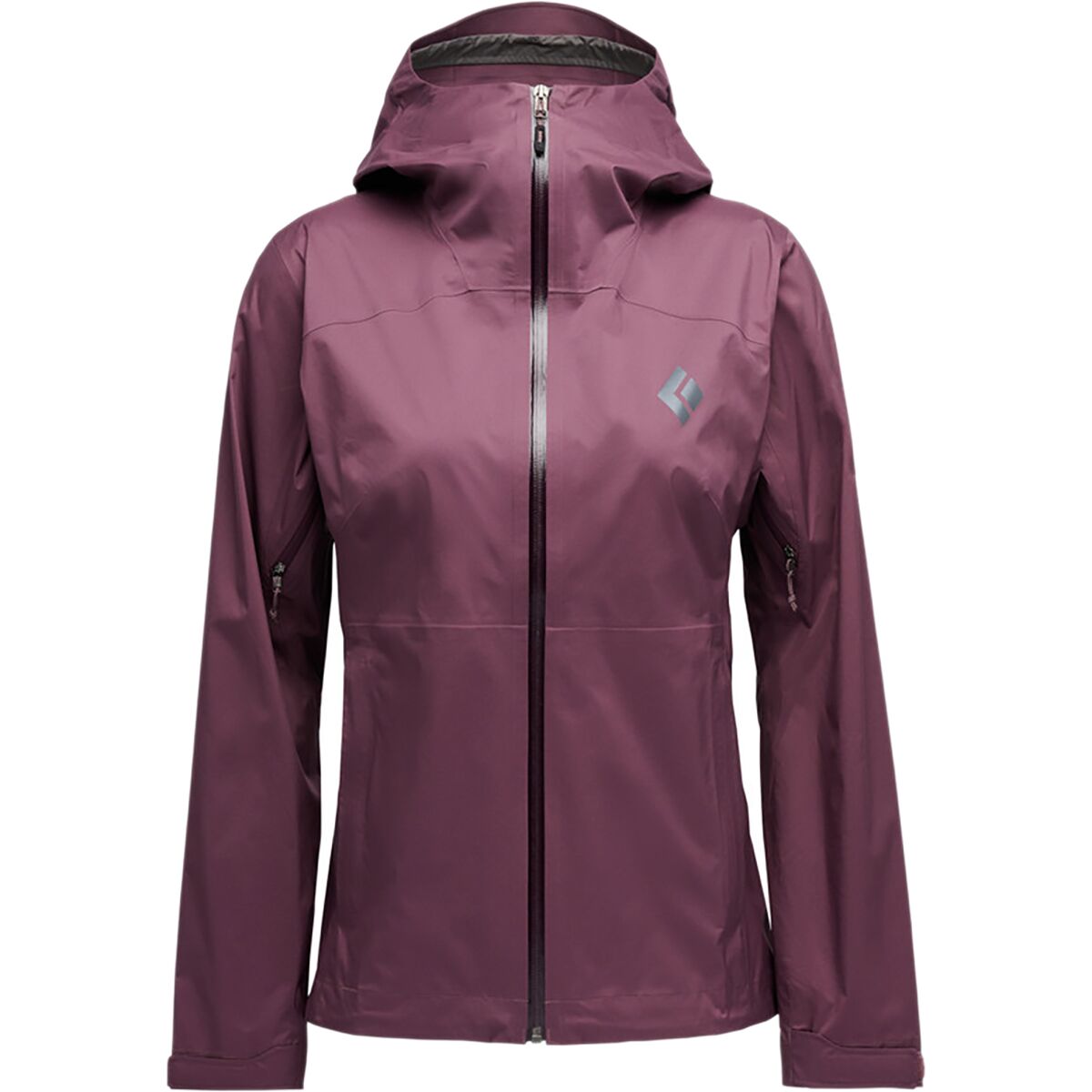
Wear one, dry one. Cotton stays wet all week here.

UV index of 8.6 at 3347 meters burns exposed skin in minutes, even on cloudy days.

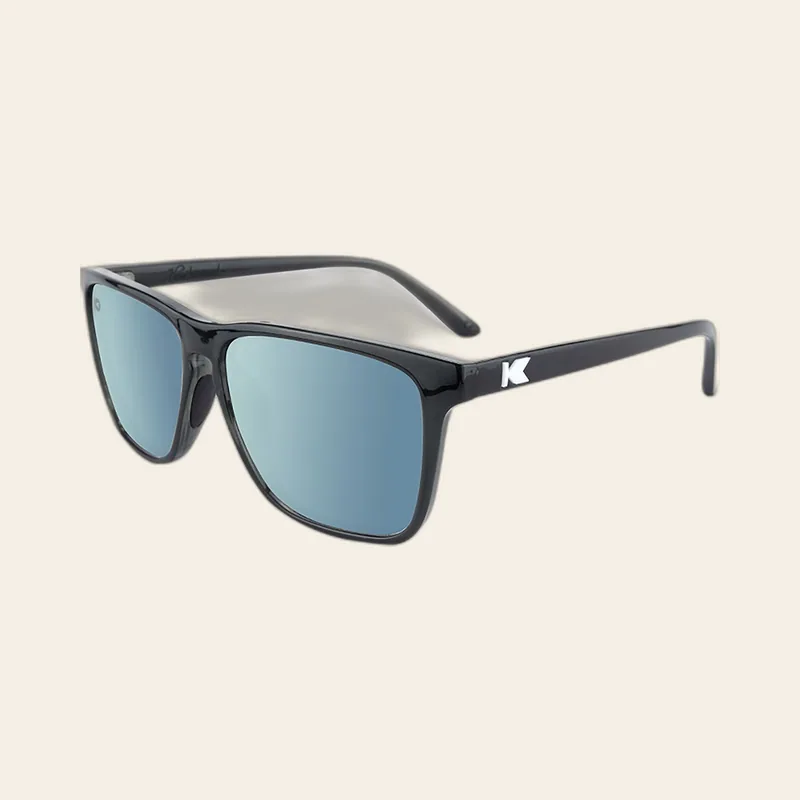
High altitude and thin air intensify glare off wet surfaces after the frequent afternoon rains.
Humidity stays near 80 percent in February, which brings insects to wet ground and standing water.

International travel plus high altitude plus unfamiliar food means cuts, stomach upset, and altitude headaches happen.

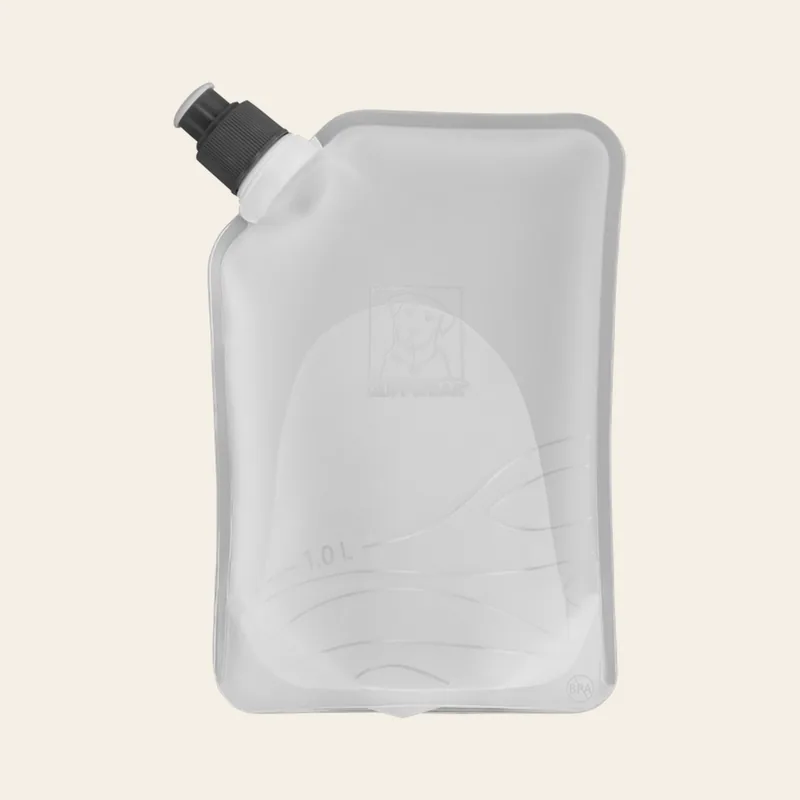
Tap water isn't safe here. A filter bottle beats buying plastic twice a day.
One outlet per guesthouse and long days of trekking mean your phone dies before sunset without extra power.

Set it up before you land. Signal drops for long stretches outside cities.

Overhead bins on regional flights to Cusco are tight, and checked bags disappear into the system for days.
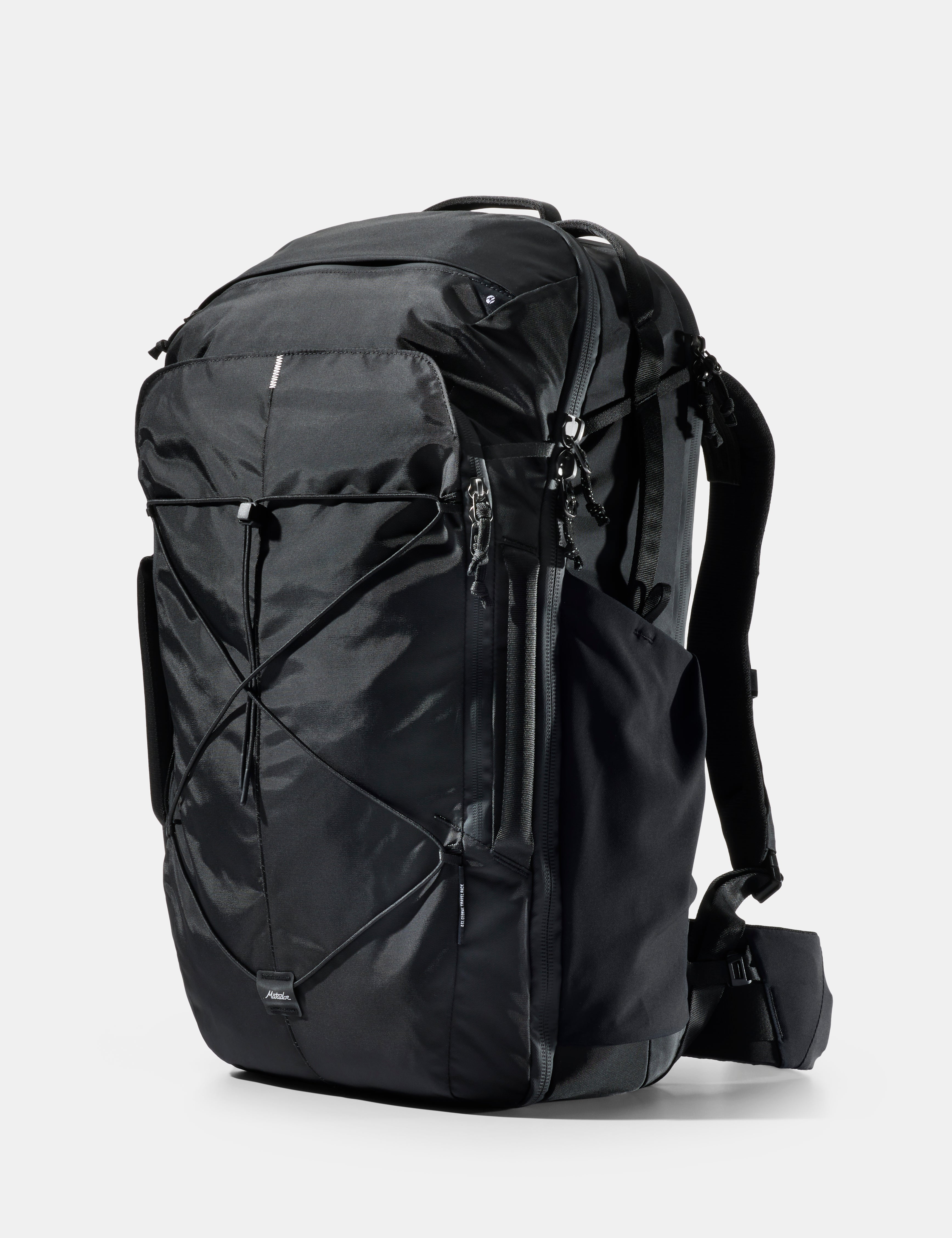
Daily hikes around Cusco and mountain trails mean you need a pack that fits your body, not your hotel room.
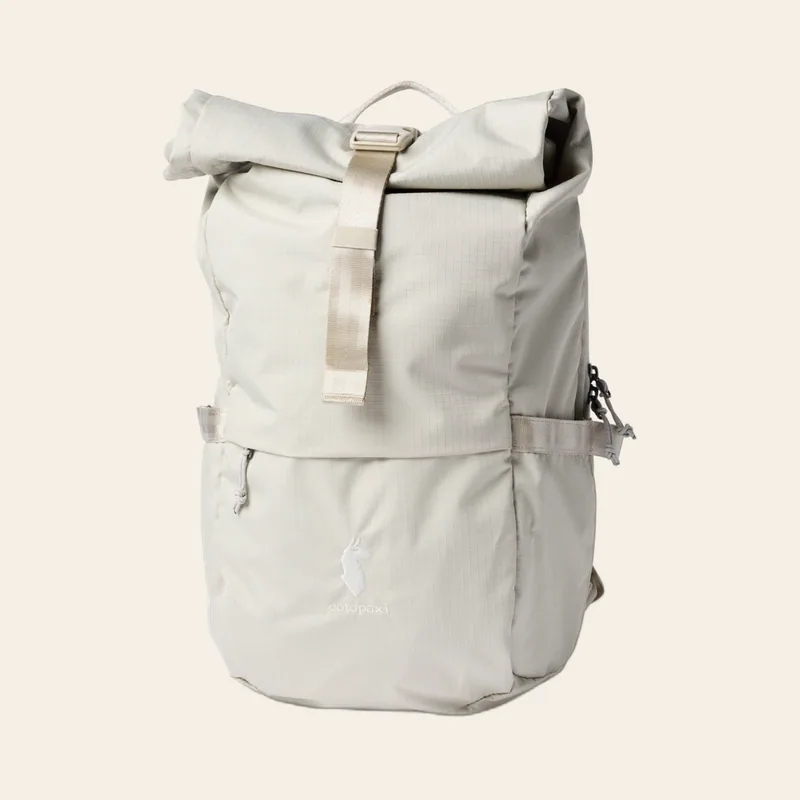
Fits the overhead on every airline that matters. Skip the checked-bag line entirely.
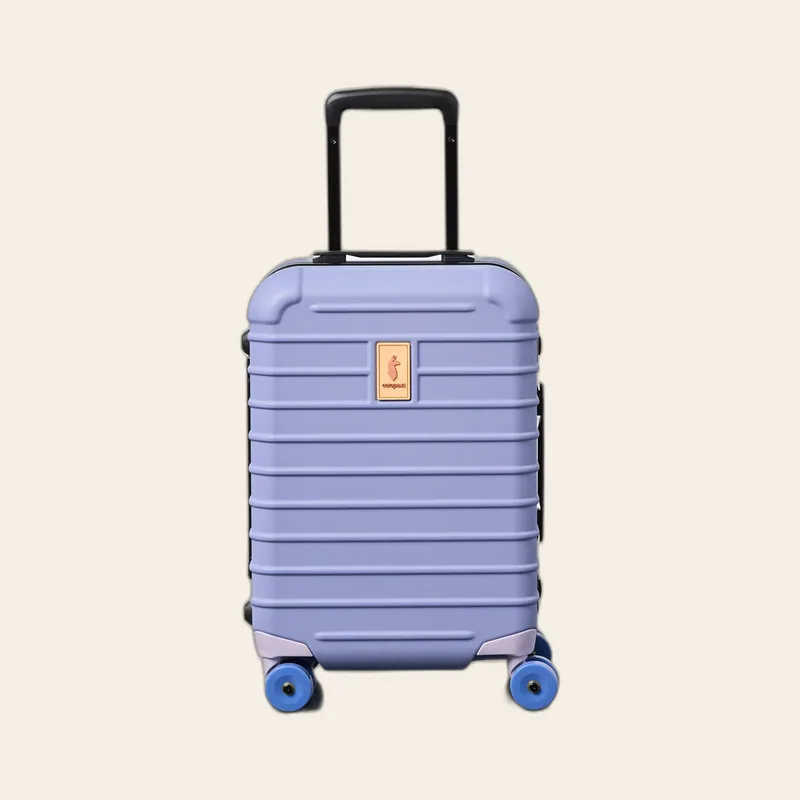
For the passport, the chargers, and the one dry pair of socks.
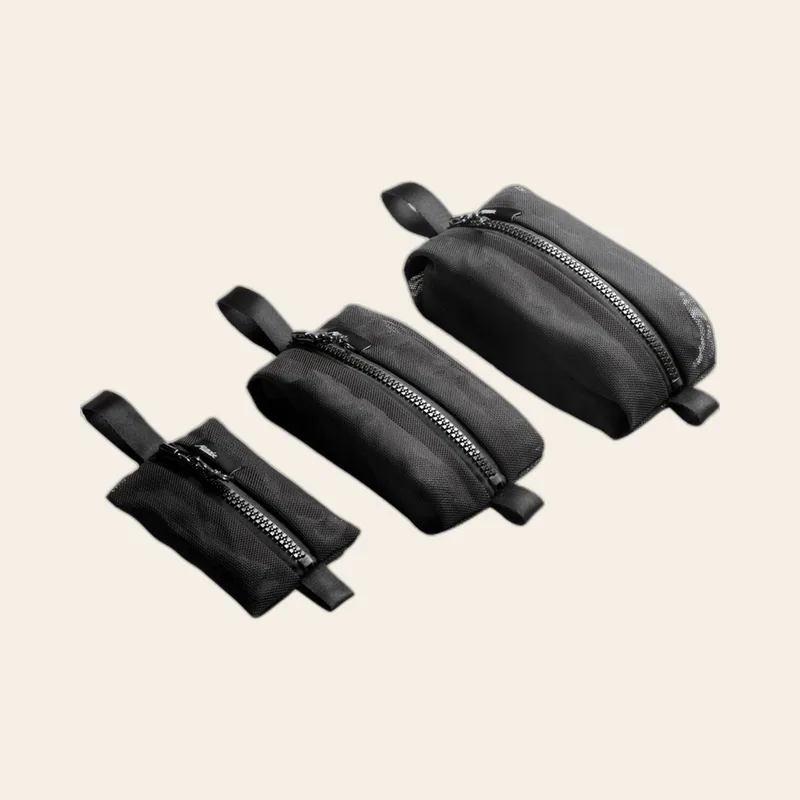
Before you go
7 to sort
Recommended
15 items
UV hits 8.6 here. Long sleeves beat reapplying sunscreen every hour.
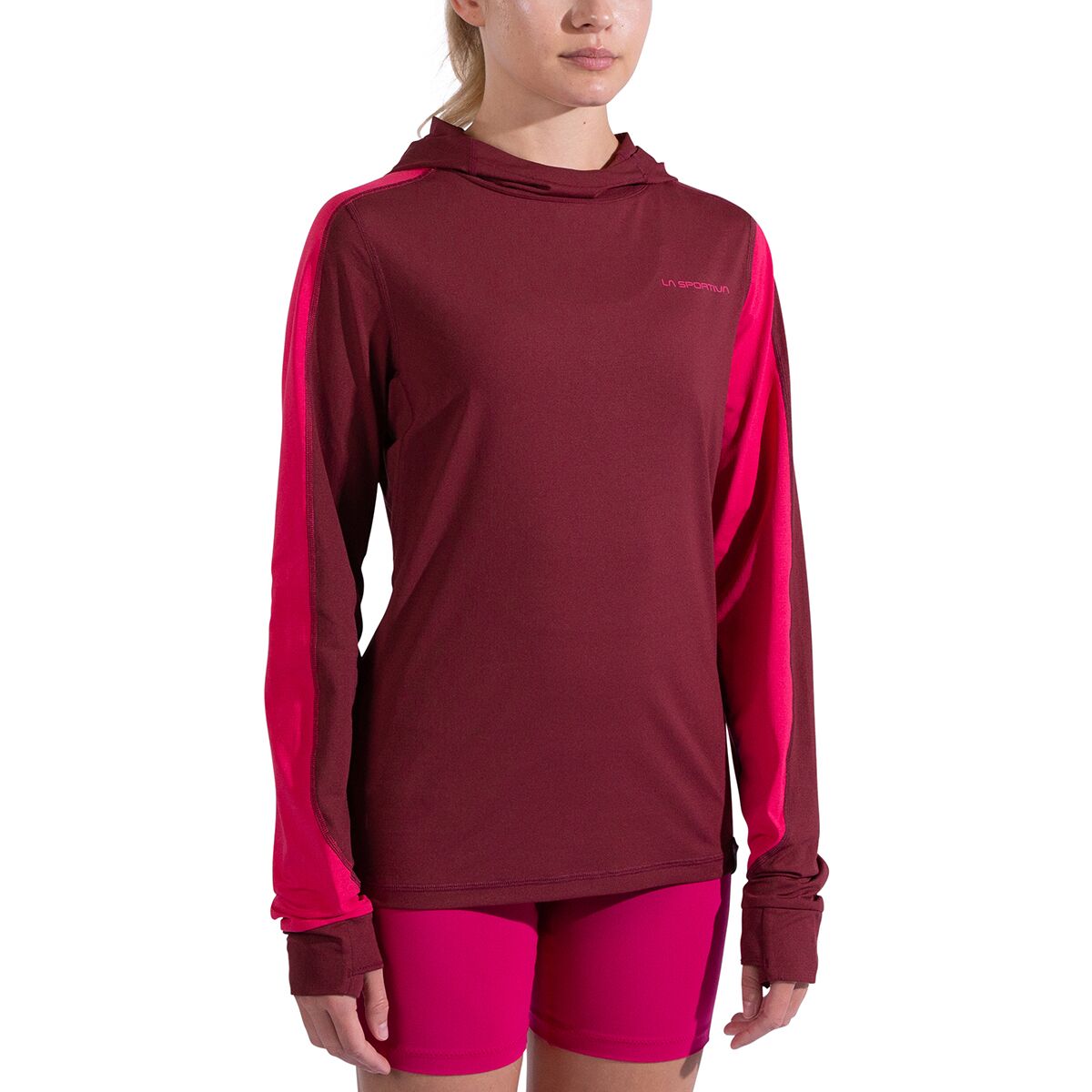
12.5 hours of daylight at this elevation means strong sun exposure during every hour you're outside.

Altitude sickness hits harder when you're dehydrated, and 3347 meters demands electrolytes from day one.
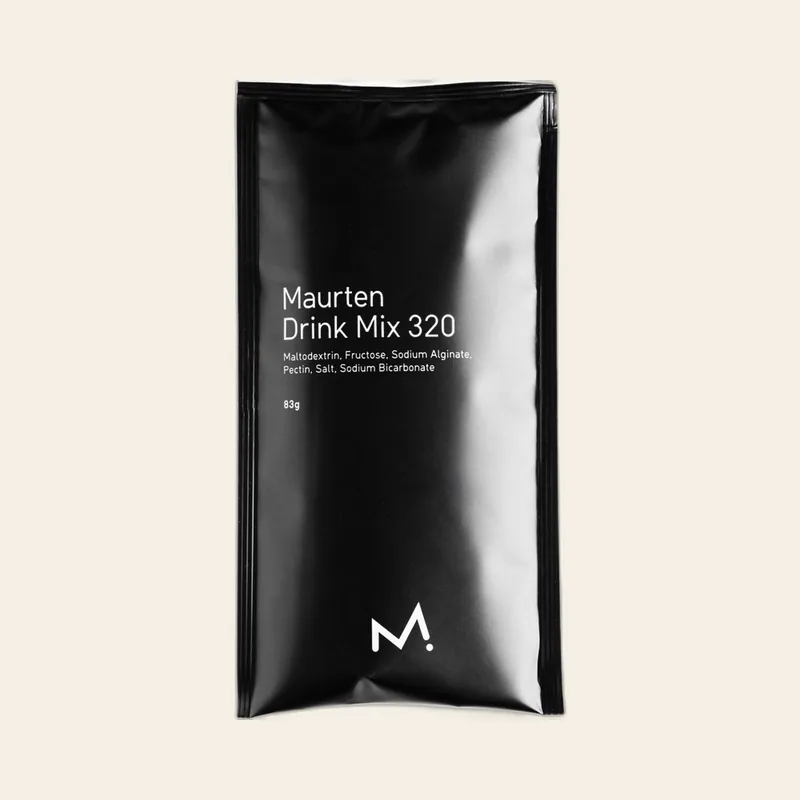
Treat the clothes once and it lasts weeks.

Tap water isn't safe here and altitude affects digestion, so oral rehydration salts prevent serious dehydration.
Cusco's elevation and new bacteria in the water cause diarrhea in most visitors during the first week.
Above 2,500 m most people feel it. Go slow the first two days.
One brick charges the laptop, phone, and camera.

Hotel and cafe wifi is shared with everyone else in the building. A VPN keeps your banking and email to yourself.
International travel and crowded markets in Cusco make theft a daily risk to cash and cards.
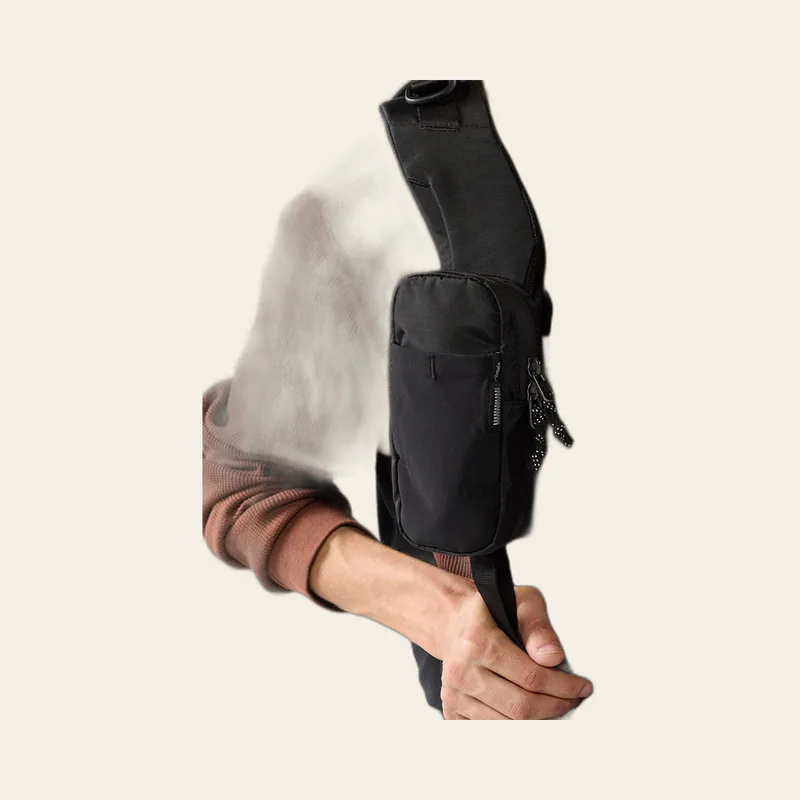
Altitude and long hikes mean bags get separated from you easily in the chaos of local transport.
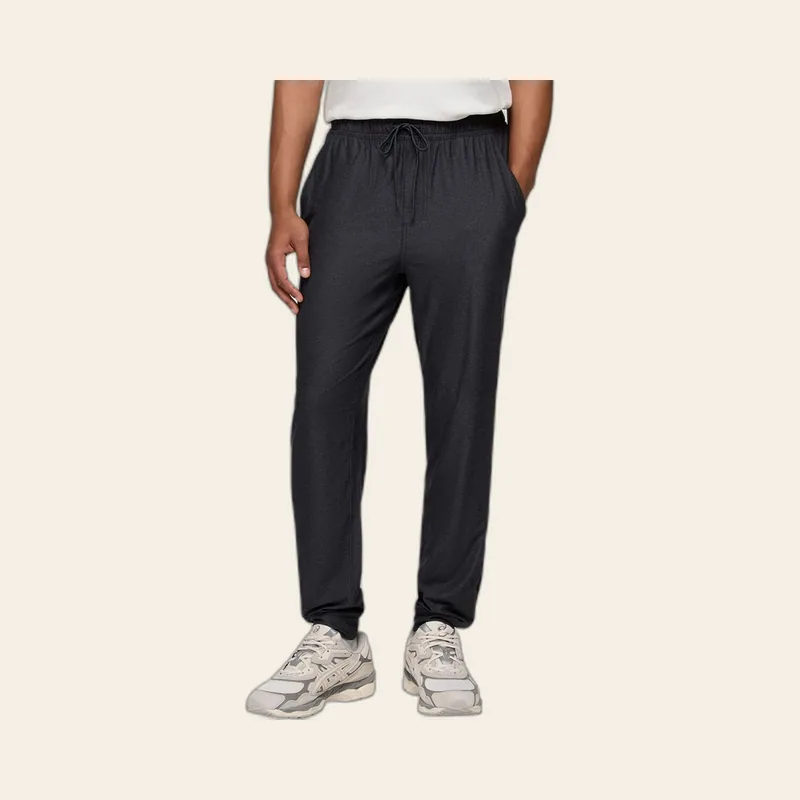
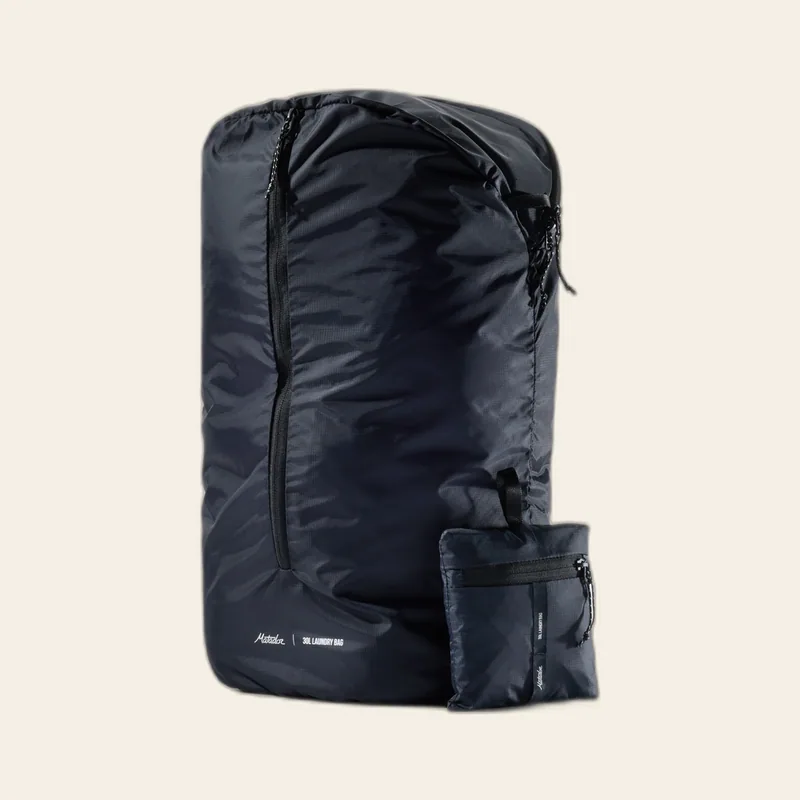
Wet gear and damp clothes from 27 rain days need separate storage so mold doesn't spread through your whole bag.
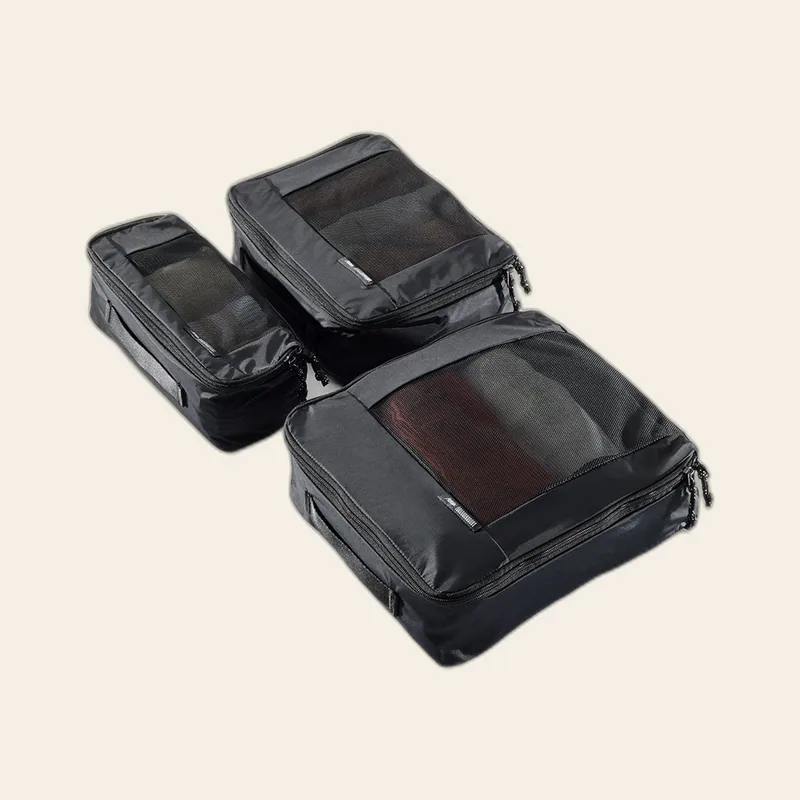
Humidity of 80 percent plus 27 rain days means clothes stay damp for days, so wash them every few days.
Altitude headaches and poor sleep are worse when outside noise keeps you awake, so silence helps recovery.

Single-track mountain terrain and 27 rain days make wet stone slippery, and poles prevent twisted ankles on descents.

Nice to have
11 items you could skip
27 rain days in February soak through regular boots, so treat leather and seams before you go.
Lips crack and peel fast at high altitude with intense UV, especially during the dry morning hours.
Winding mountain roads and thin air at 3347 meters trigger nausea in people not yet acclimated.
Tap water carries pathogens, and your hands touch your face constantly, so sanitizer stops illness before it starts.
Altitude intensifies sunburn itch, and insect bites itch more at high elevation where air is thin and dry.
Charging one device at a time wastes daylight hours, so carry short cables to charge multiple things at once.
A few phrases go a long way. Ten minutes a day before you leave is plenty.
International border and frequent document checks mean your passport gets damaged without a protective holder.
Shared hostel lockers and checked luggage on domestic flights both get opened by people who aren't you.
High humidity and altitude make skin sensitive, so toiletries need to hang dry separate from everything else.
Thin air at 3347 meters disrupts sleep on your first nights, and a pillow eases the adjustment.
Basics
16 things you probably own already