Change trip
What to pack for Berlin in January
Typical January, built from ten years of weather
Some links are affiliate links. It keeps the site free.
Typical for your dates
Highs 39°F, lows 30°F, rain 13 of 31 days
snowycoldwet
Sunset lands around 5:20pm. Wind averages 13 mph. There is paperwork on this one, so start with Before you go.
0 of 59 packed
Packing for
63 things on this list are on sale today
Essentials
18 items
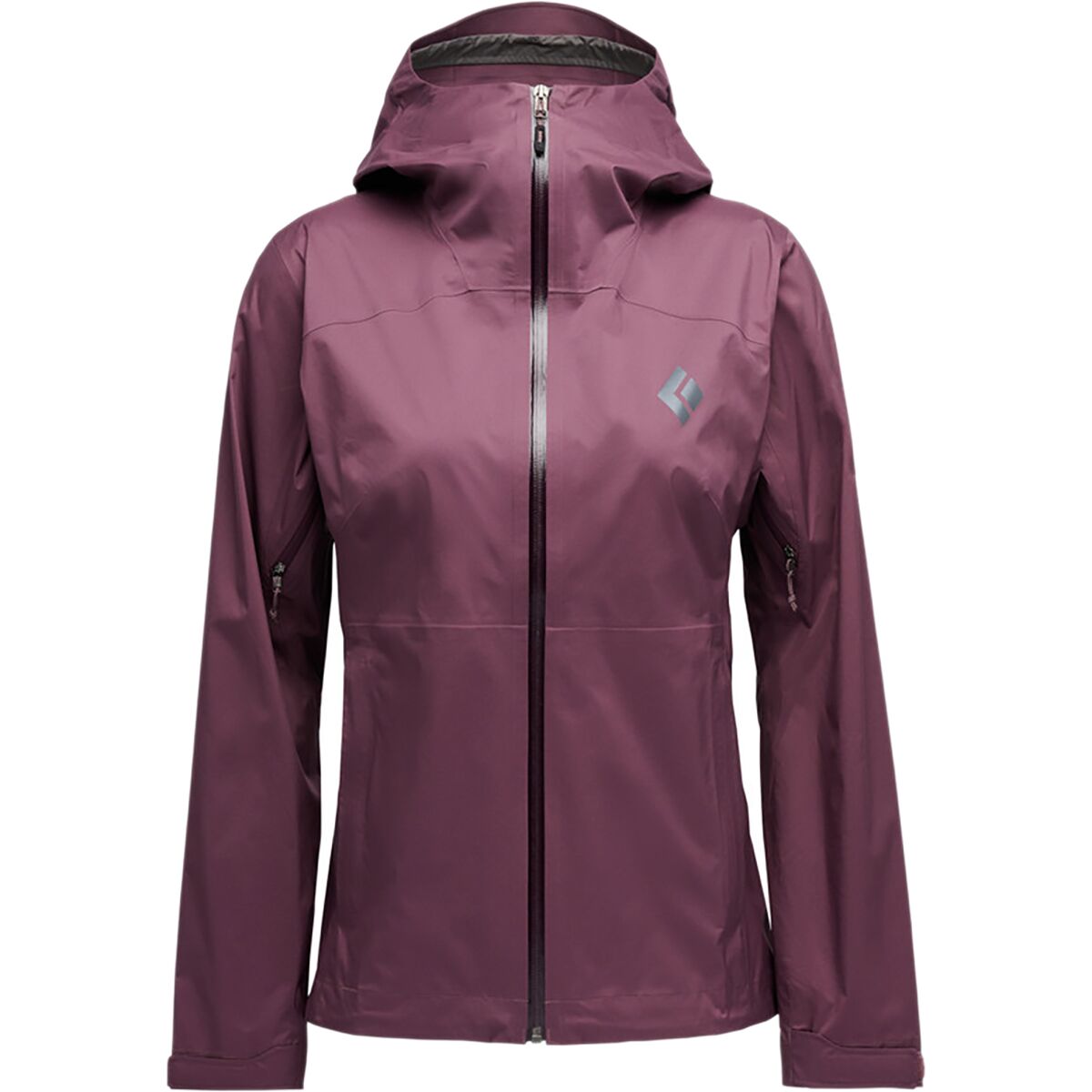
13 rain days a month finds every seam. A real shell, not a windbreaker.
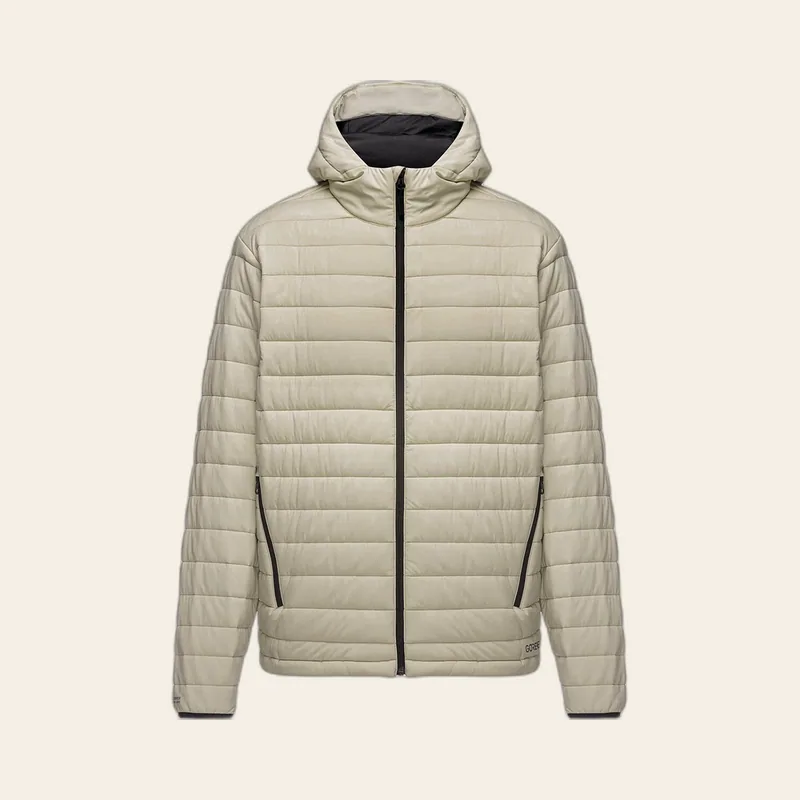
Lows around 30°F. Goes under the shell when the wind picks up.
Wear one, dry one. Cotton stays wet all week here.

Lows drop below freezing and wind reaches 21 km/h, so ears need protection.

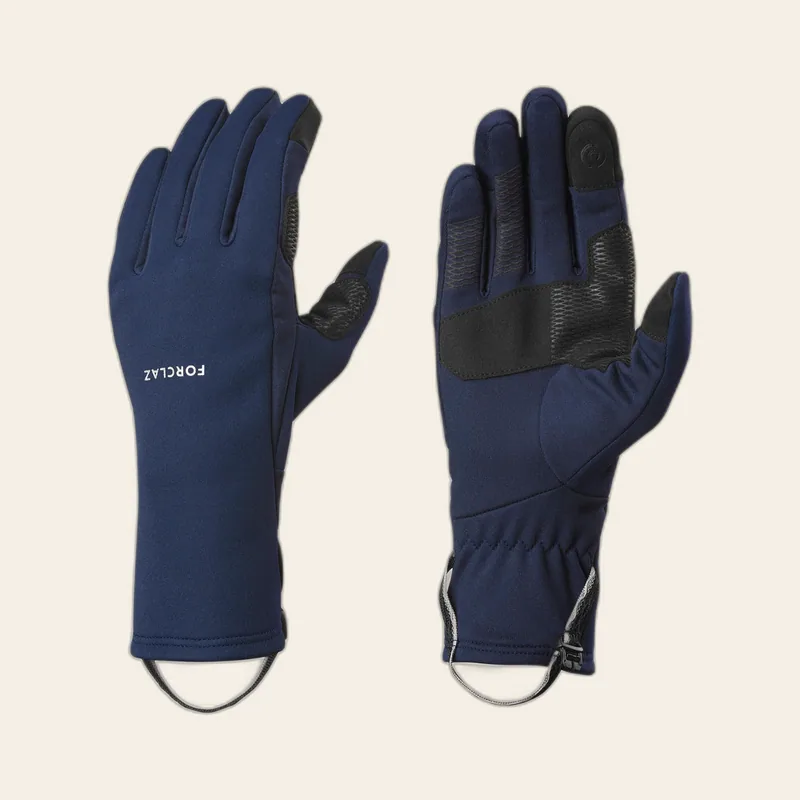
Hands lose heat fast in 30°F air with constant wind.
Snow covers Berlin streets in January, and sidewalks turn to ice.

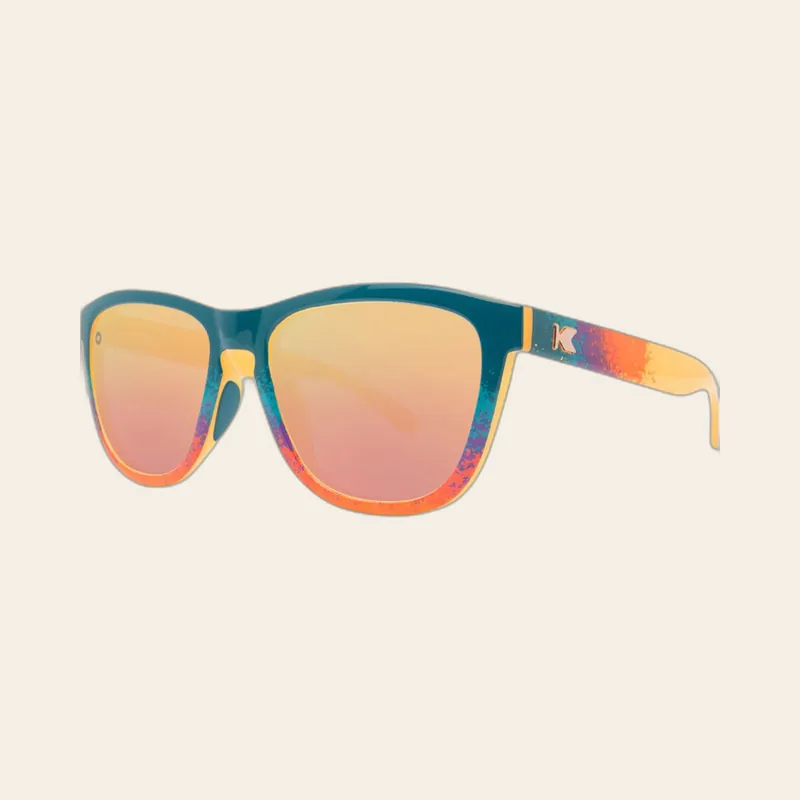
Low sun angle and snow reflection cause glare across the city.
Check ankles and, if there's a dog, paws and ears every night.
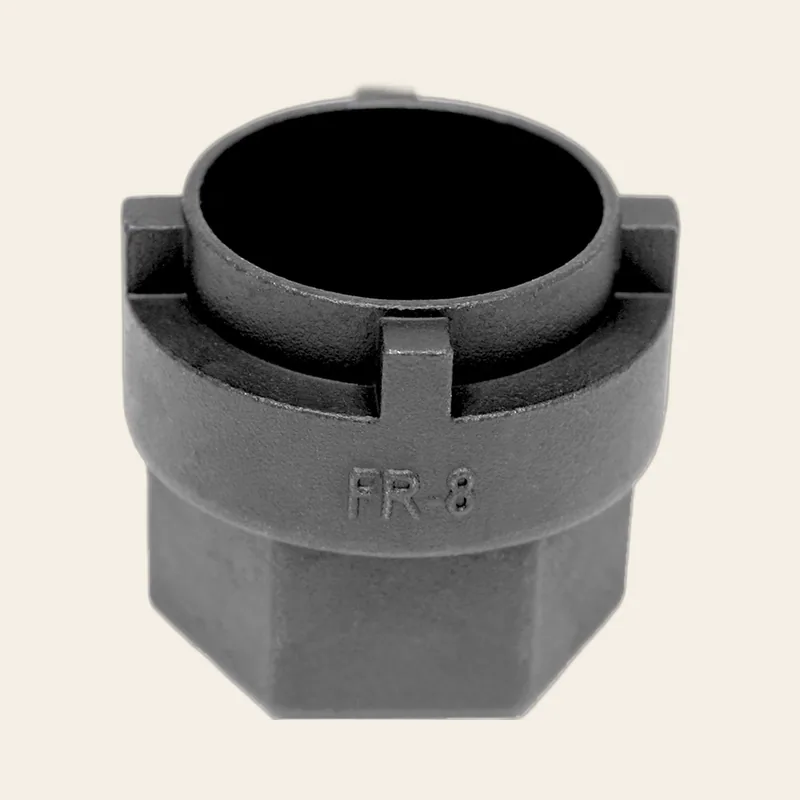
Icy conditions lead to falls and minor injuries happen quickly.

This country runs on Type C or F. Get one with USB-C so you're not fighting over the single outlet.

Eight hours of daylight means heavy phone use for navigation and photos.

Set it up before you land. Signal drops for long stretches outside cities.

Dark by 5:20pm. Every campsite chore after that is a two-hands job.
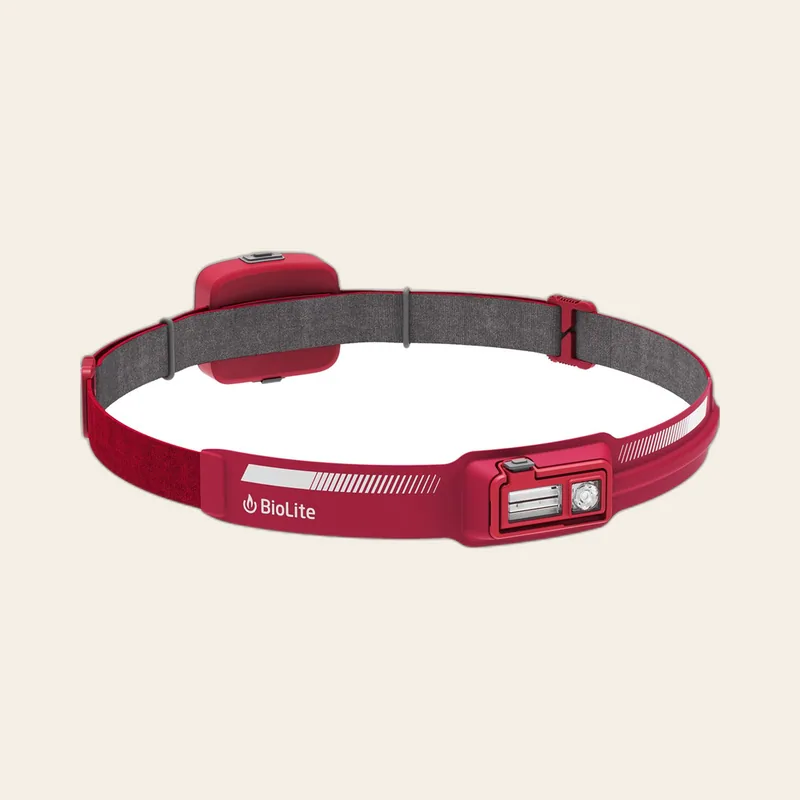
Overhead bins fill fast on busy European routes.
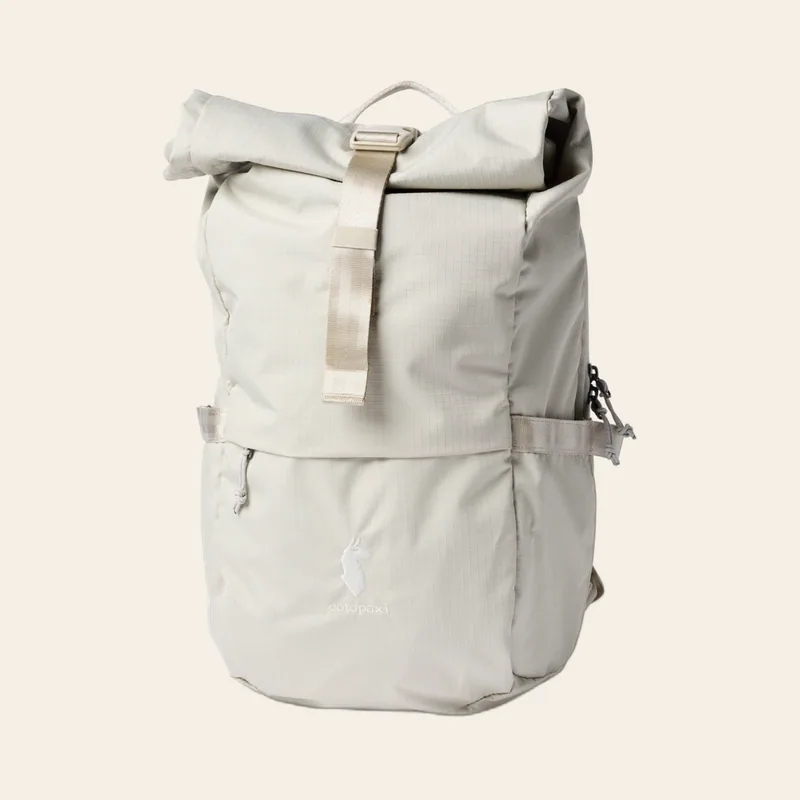
Museums and markets require a separate bag for daily exploration.
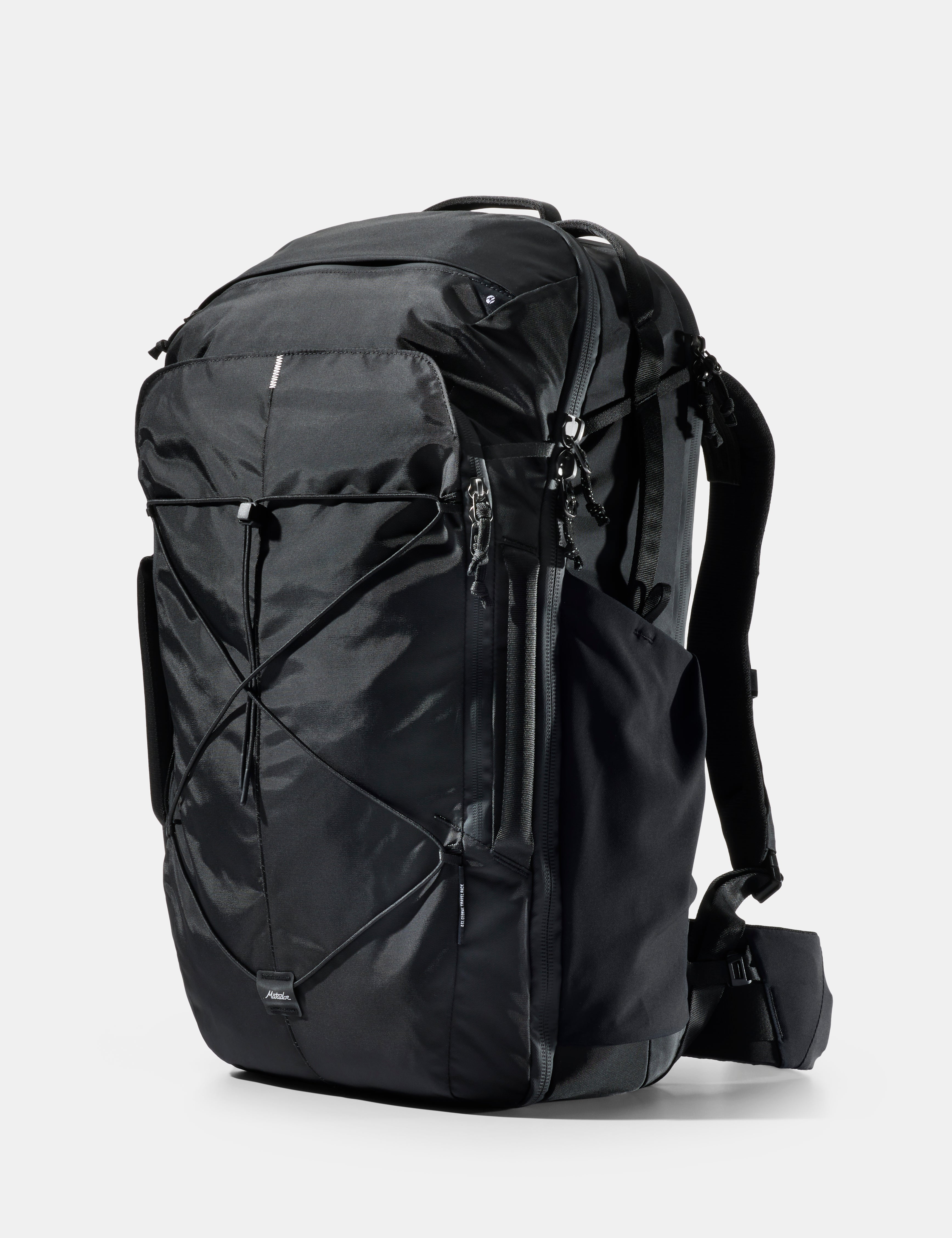
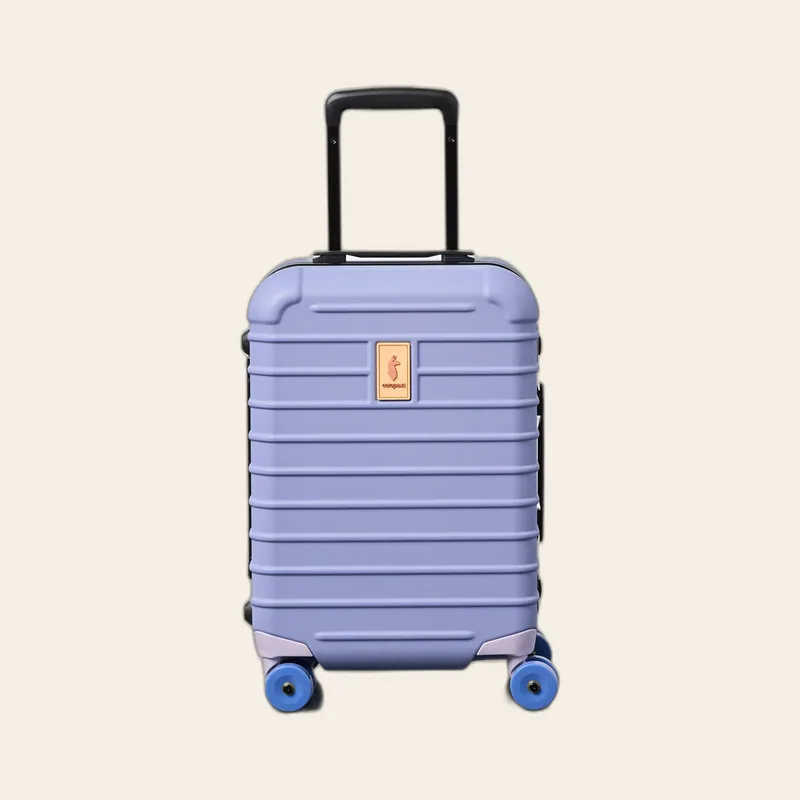
Fits the overhead on every airline that matters. Skip the checked-bag line entirely.
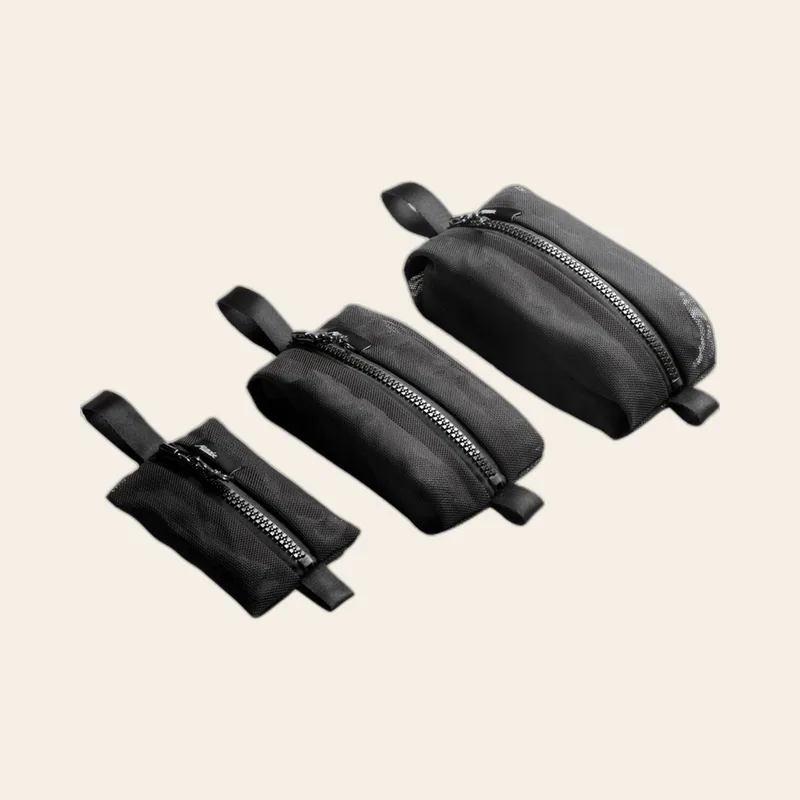
For the passport, the chargers, and the one dry pair of socks.
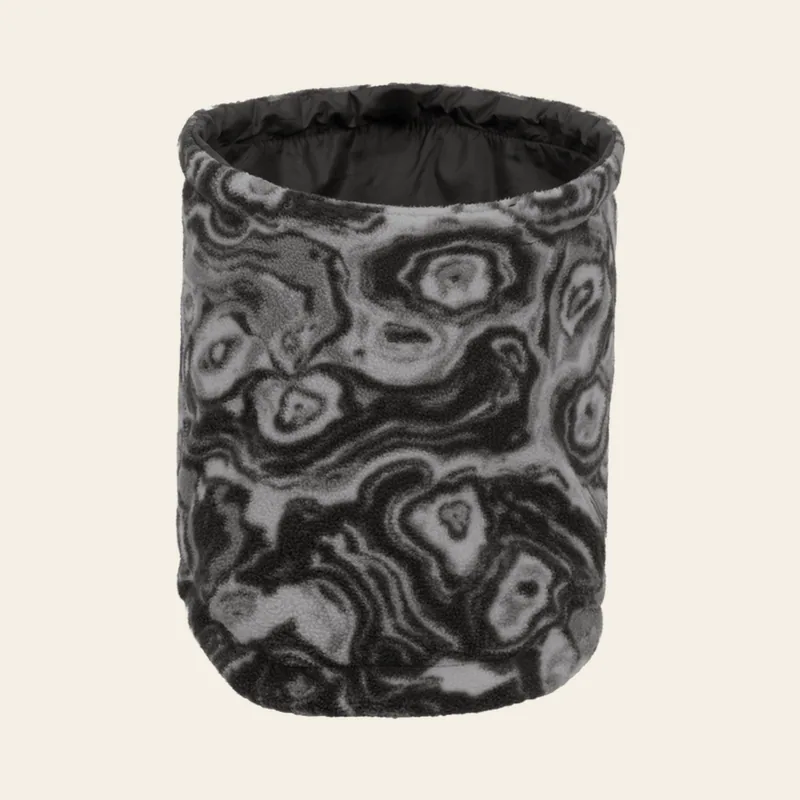
Gloves alone fail when snow soaks through and wind cuts through.

Before you go
5 to sort
Recommended
14 items
For the mornings and the nights.

Wind at 21 km/h makes exposed neck skin painful within minutes.
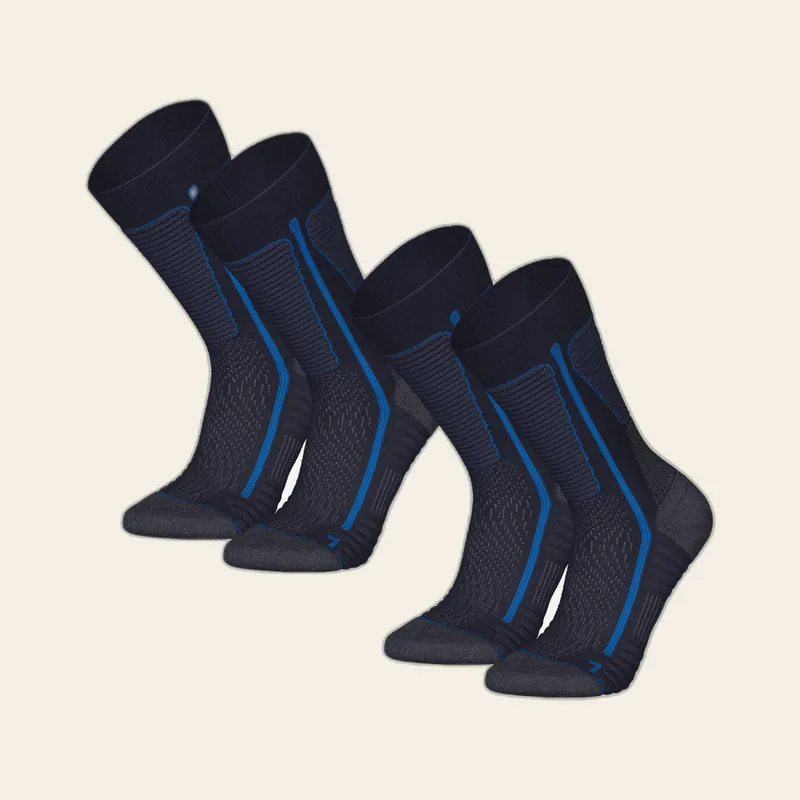
Wet snow melts into socks, and feet get cold fast at these temperatures.
Tap water is safe here, so a bottle cuts plastic waste.
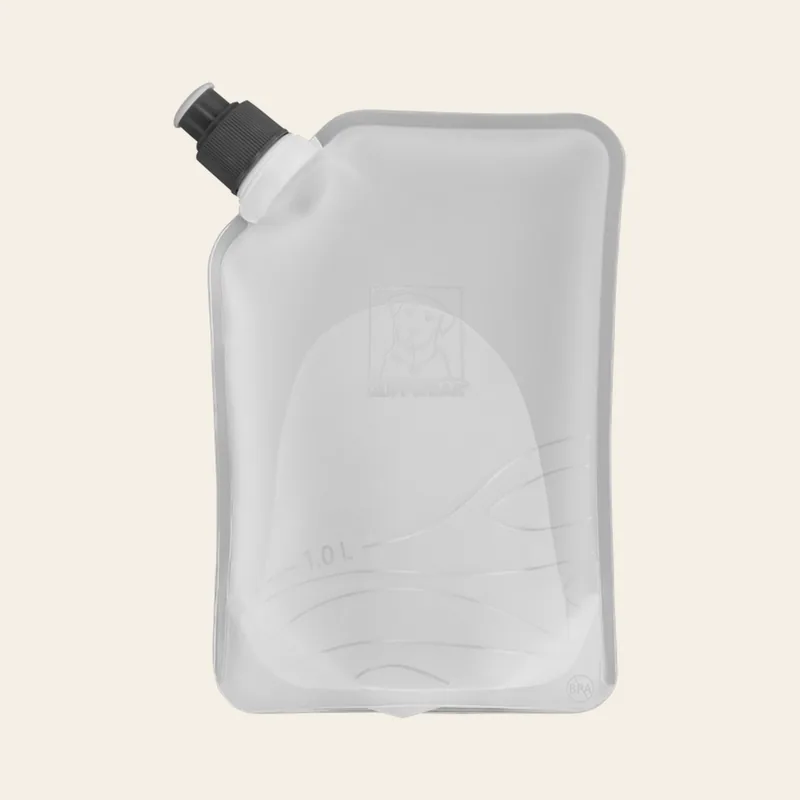
One brick charges the laptop, phone, and camera.

Hotel and cafe wifi is shared with everyone else in the building. A VPN keeps your banking and email to yourself.
Crowded transit and tourist areas create pickpocket risk.
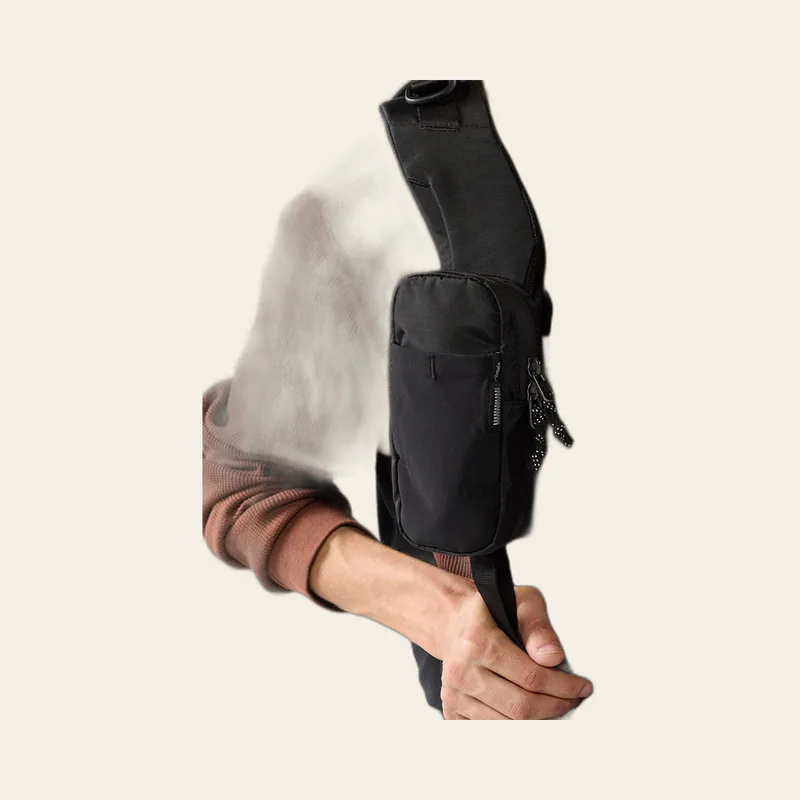
Airport crowds and train stations make bags easy to misplace.
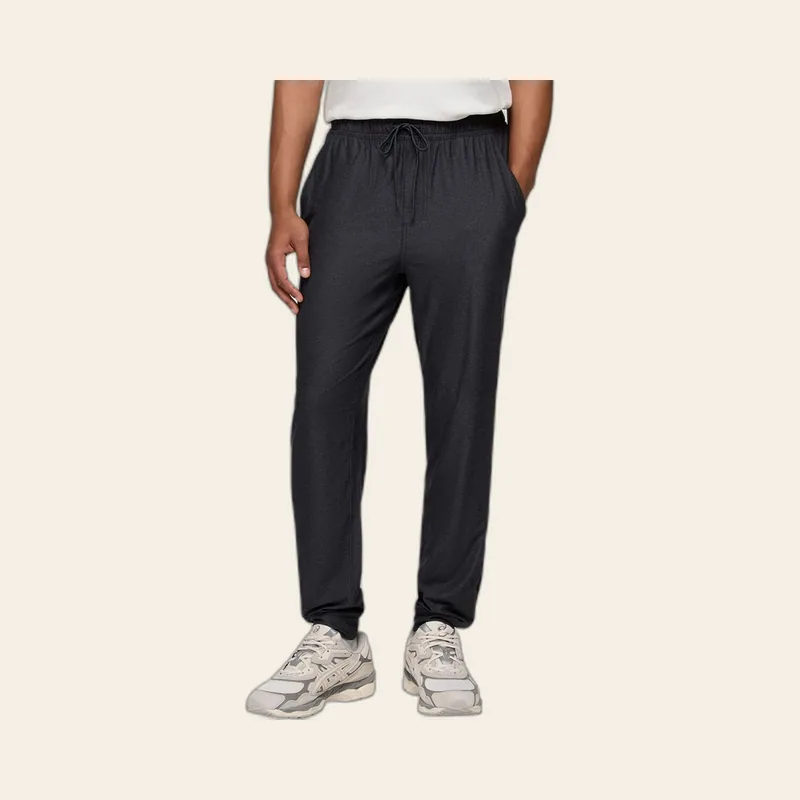
Winter gear takes up space, so checked luggage handles the bulk.

Packing cubes compress cold-weather layers into organized sections.
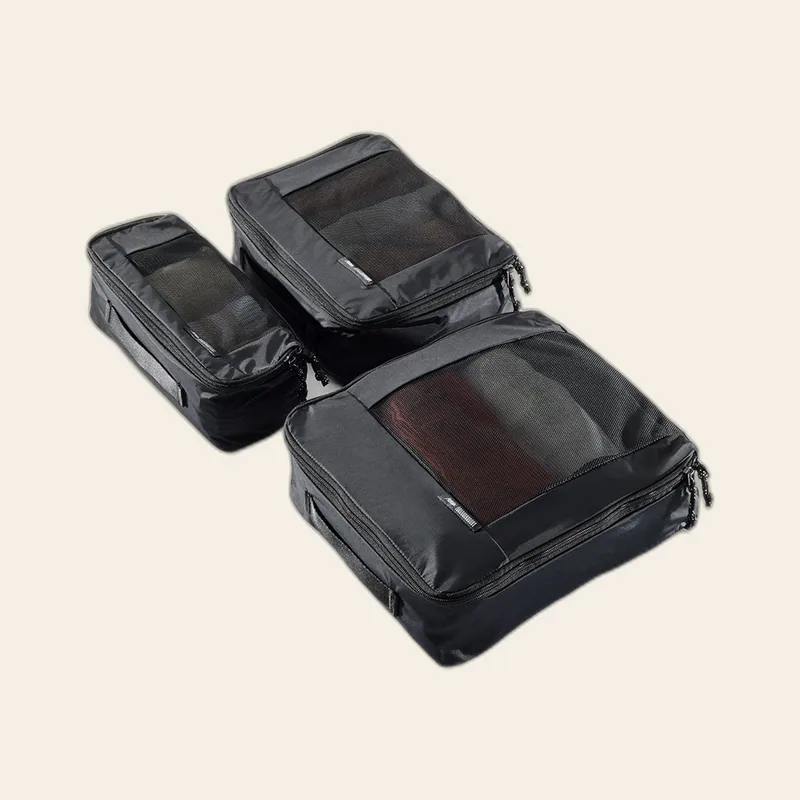
Heavy coats and boots need their own luggage space.
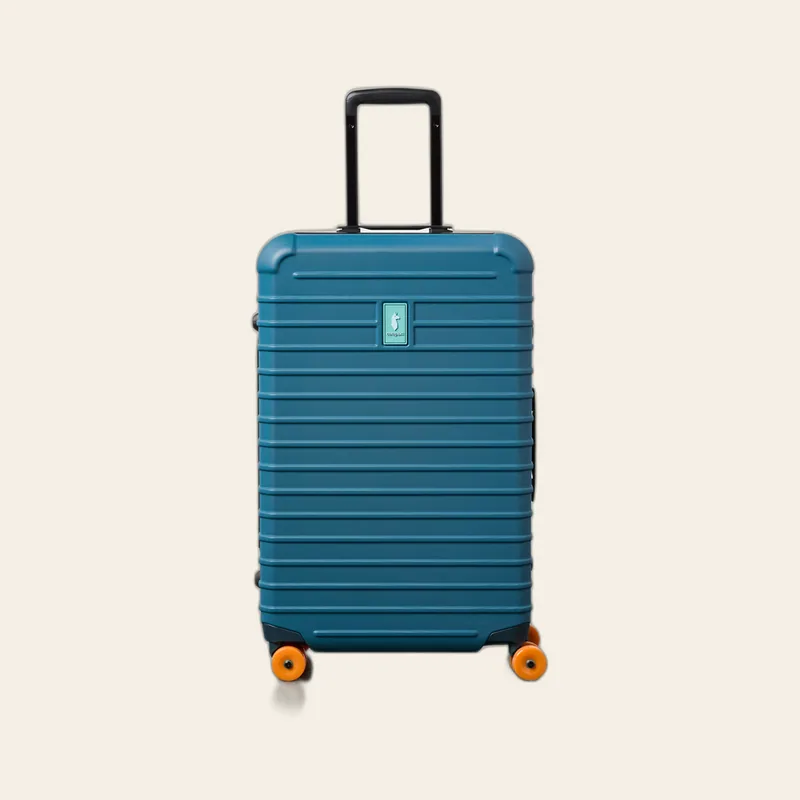
Thirteen rain days mean wet clothes need frequent washing.
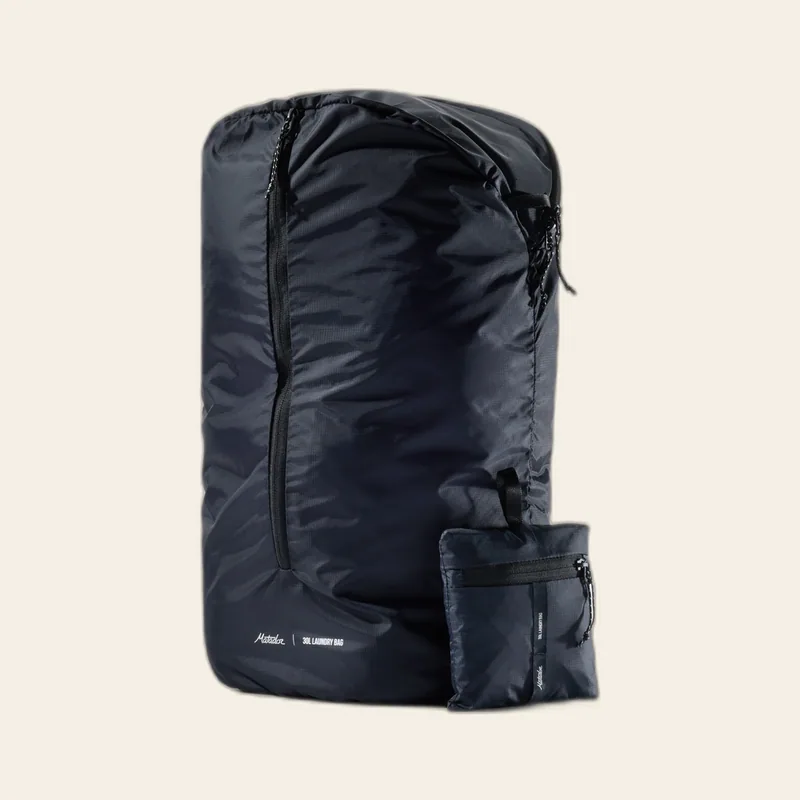
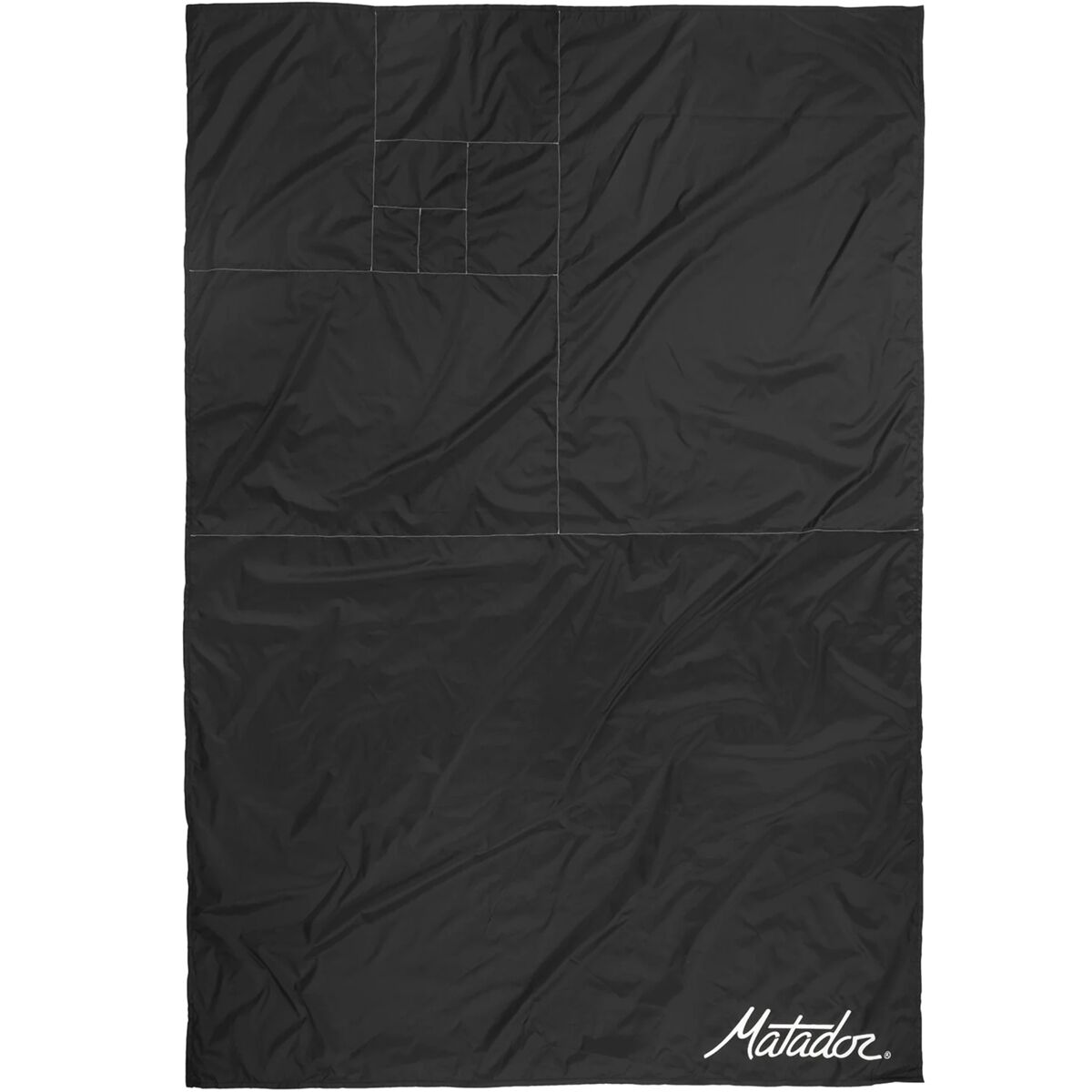
Lows around 30°F. One blanket that packs small covers the car, the campsite and the beach at sunset.
Eight daylight hours mean transit rides happen in darkness.

Nice to have
11 items you could skip
Melting snow seeps into boots where gaiters seal it out.
Slush and salt spray damage unprotected leather and suede.
Public transit is crowded and hand contact spreads germs in winter.
One outlet per room and multiple devices need charging.
A few phrases go a long way. Ten minutes a day before you leave is plenty.
International travel requires document security in transit.
Checked luggage passes through multiple hands on international routes.
Bulky thermal layers compress down to save suitcase room.
High humidity at 85% makes toiletries damp unless contained.
Long flights to Berlin are easier with neck support.
Pockets of 30°F air make hand warmers necessary comfort.
Basics
16 things you probably own already