Change trip
What to pack for Germany in January
Typical January, built from ten years of weather
Some links are affiliate links. It keeps the site free.
Typical for your dates
Highs 39°F, lows 30°F, rain 13 of 31 days
snowycoldwet
Sunset lands around 5:20pm. Wind averages 13 mph. There is paperwork on this one, so start with Before you go.
0 of 59 packed
Packing for
65 things on this list are on sale today
Essentials
18 items
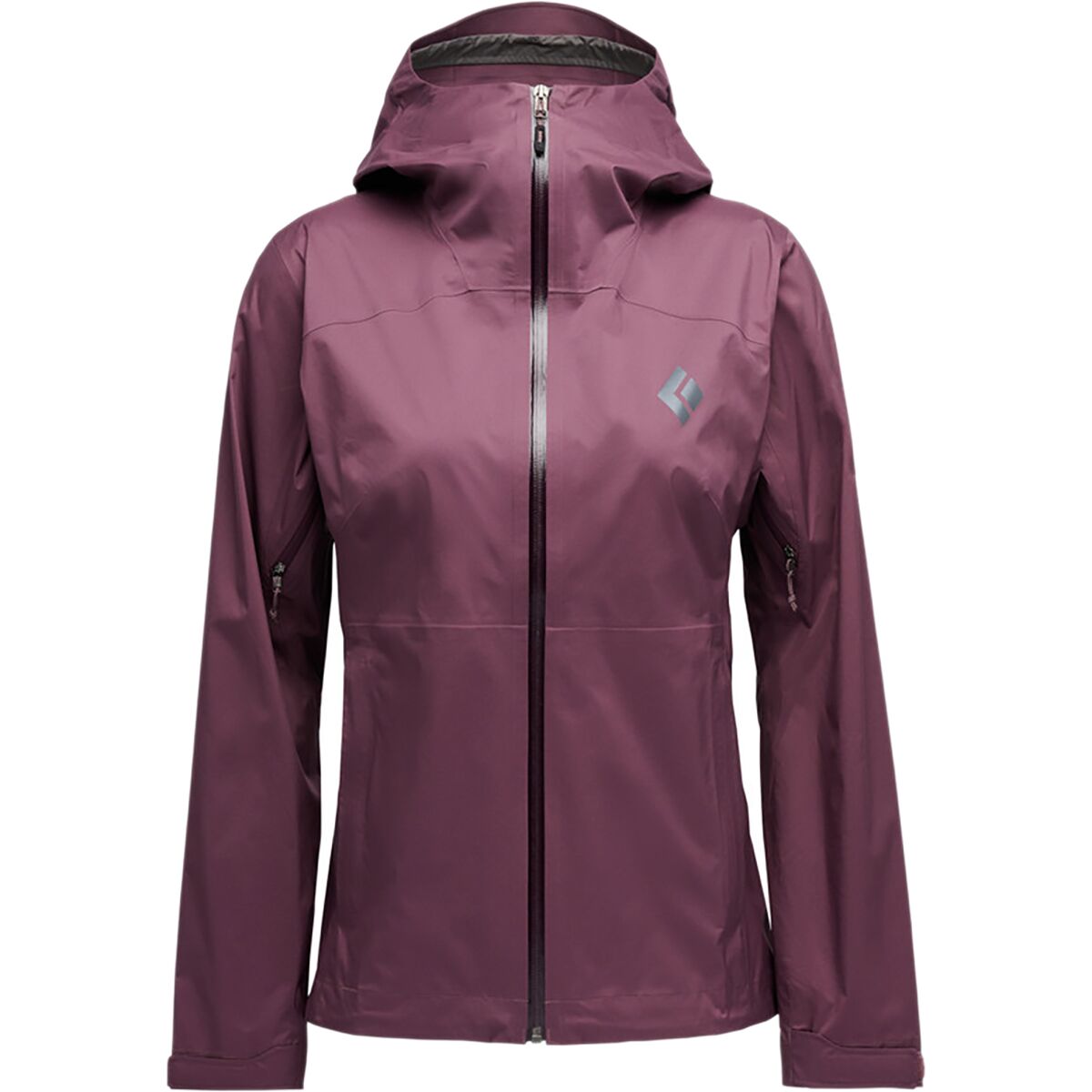
13 rain days a month finds every seam. A real shell, not a windbreaker.
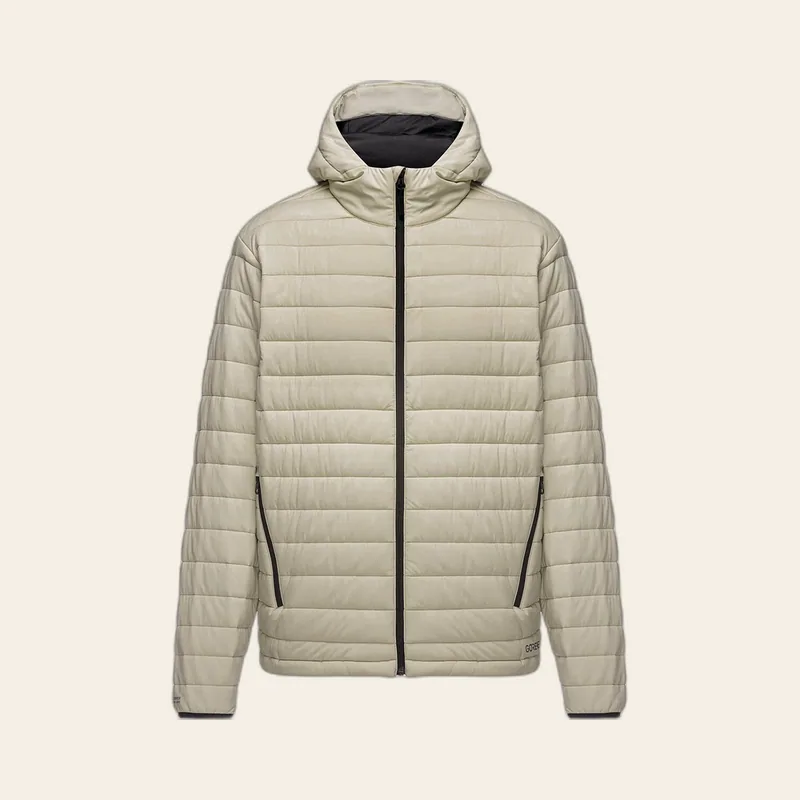
Lows around 30°F. Goes under the shell when the wind picks up.
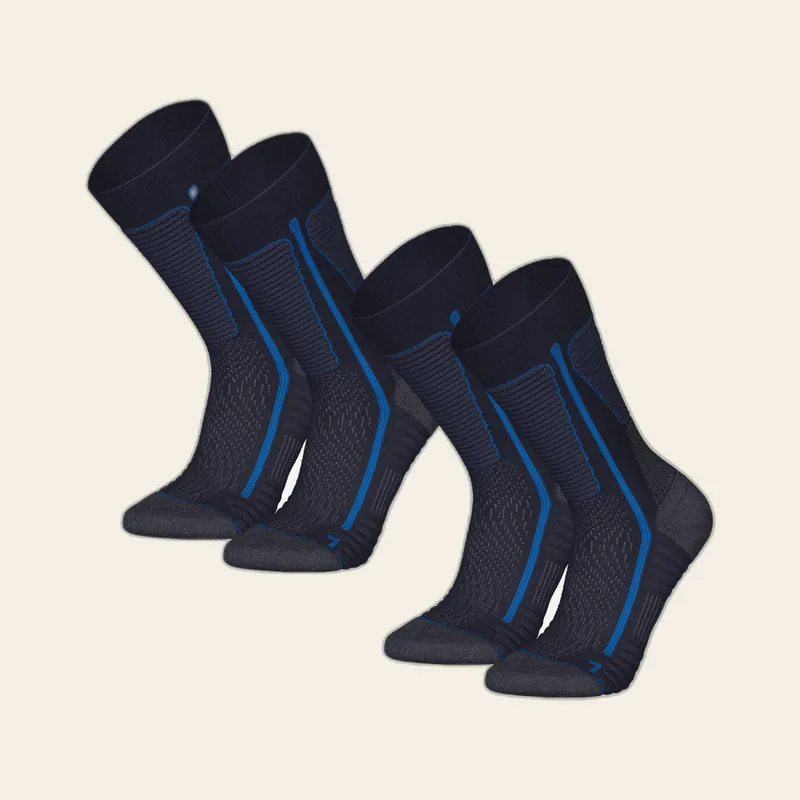
Wear one, dry one. Cotton stays wet all week here.


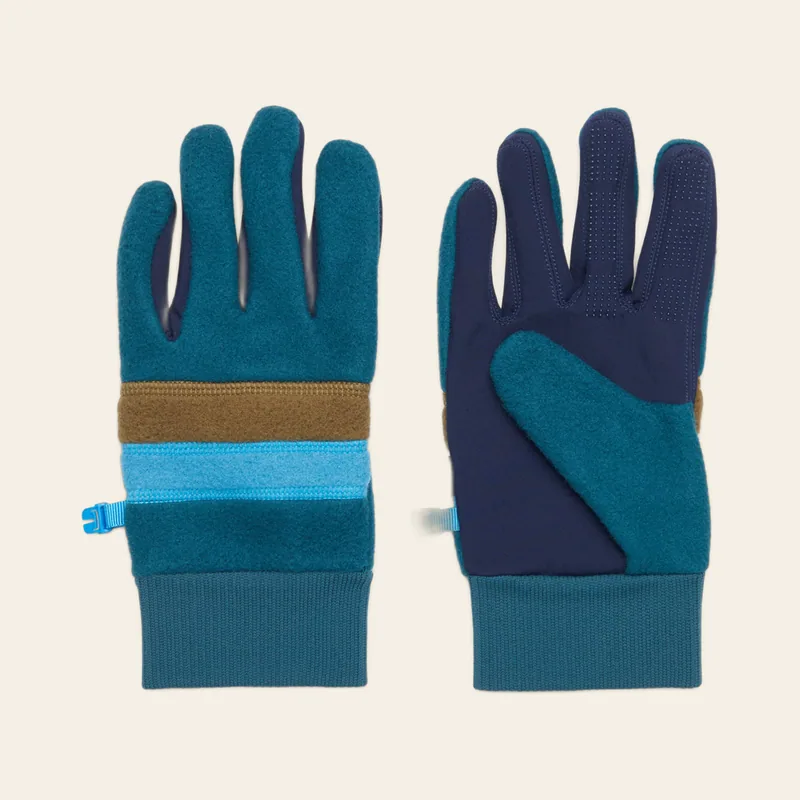
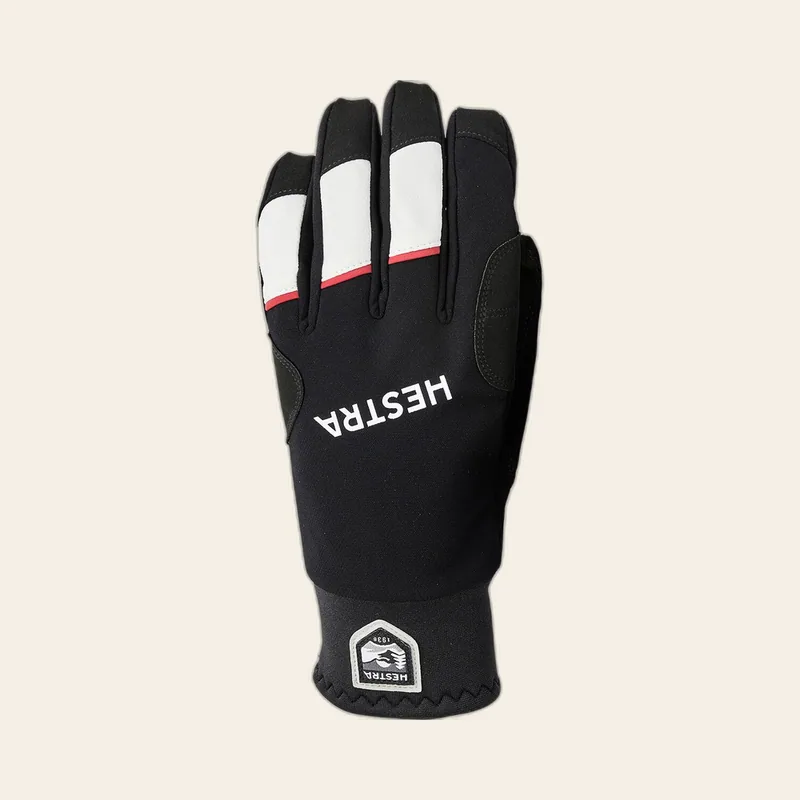
Freezing temperatures make bare fingers numb within minutes on city streets.
Slush and ice coat the streets when snow melts and refreezes overnight.

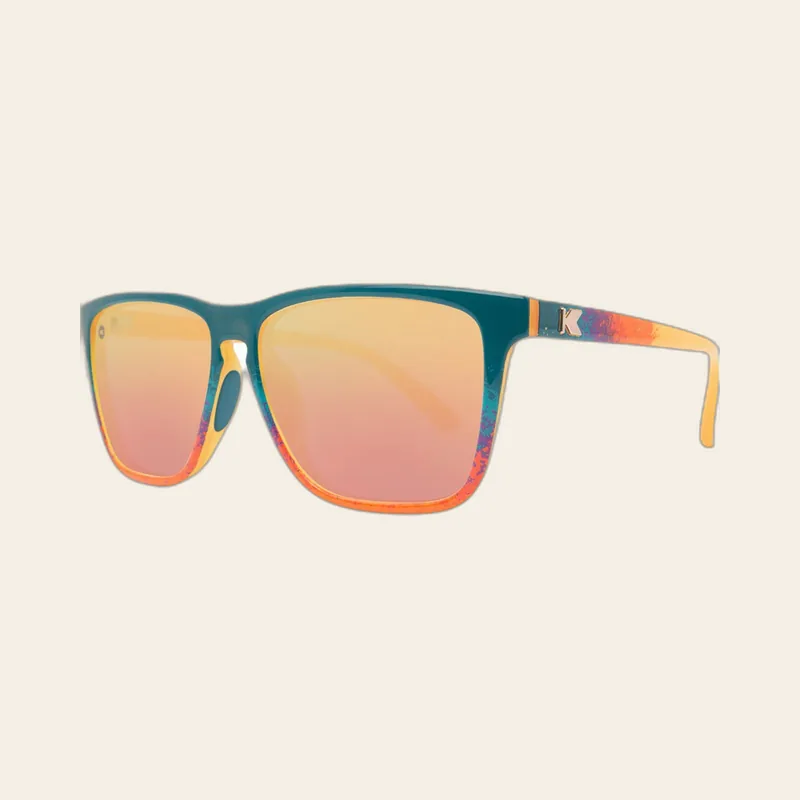
The 0.8 UV index still reflects hard off snow and wet pavement.
Check ankles and, if there's a dog, paws and ears every night.
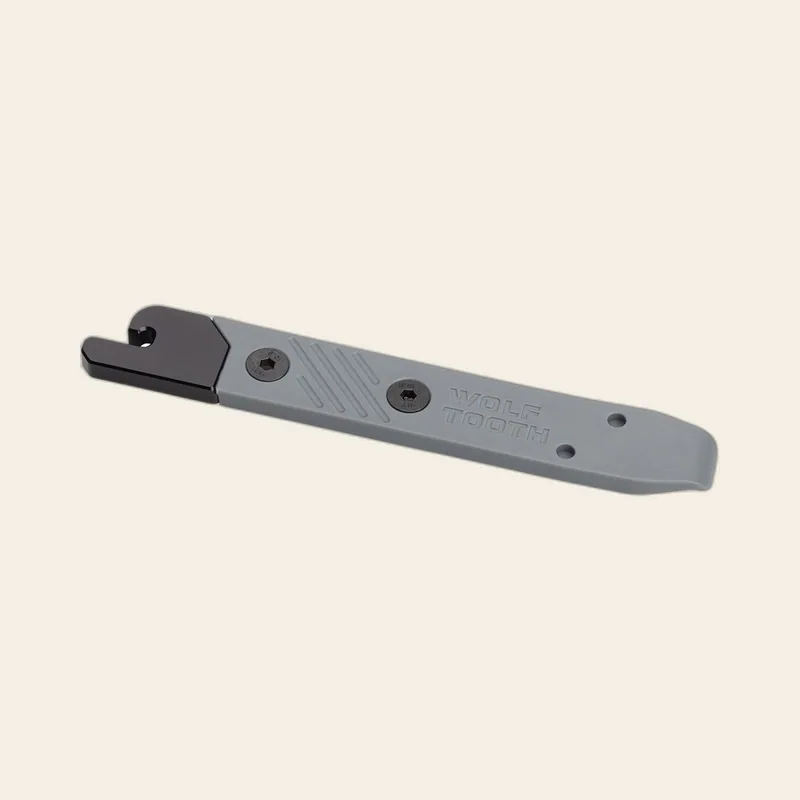
Falls on ice happen fast in January cities.

This country runs on Type C or F. Get one with USB-C so you're not fighting over the single outlet.


Set it up before you land. Signal drops for long stretches outside cities.

Dark by 5:20pm. Every campsite chore after that is a two-hands job.
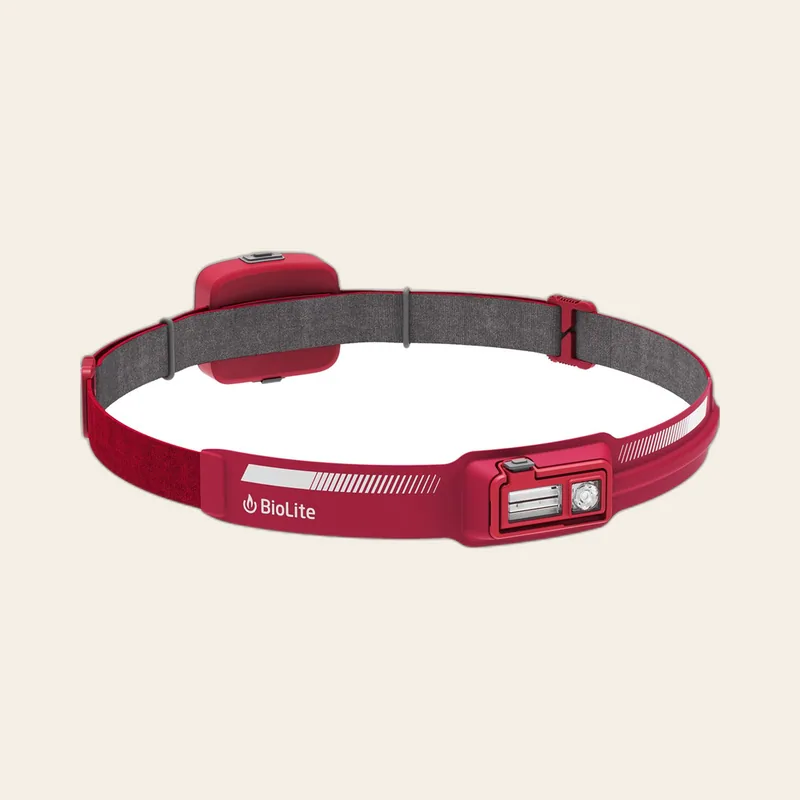
Overhead bins fill fast on busy winter routes through Germany.
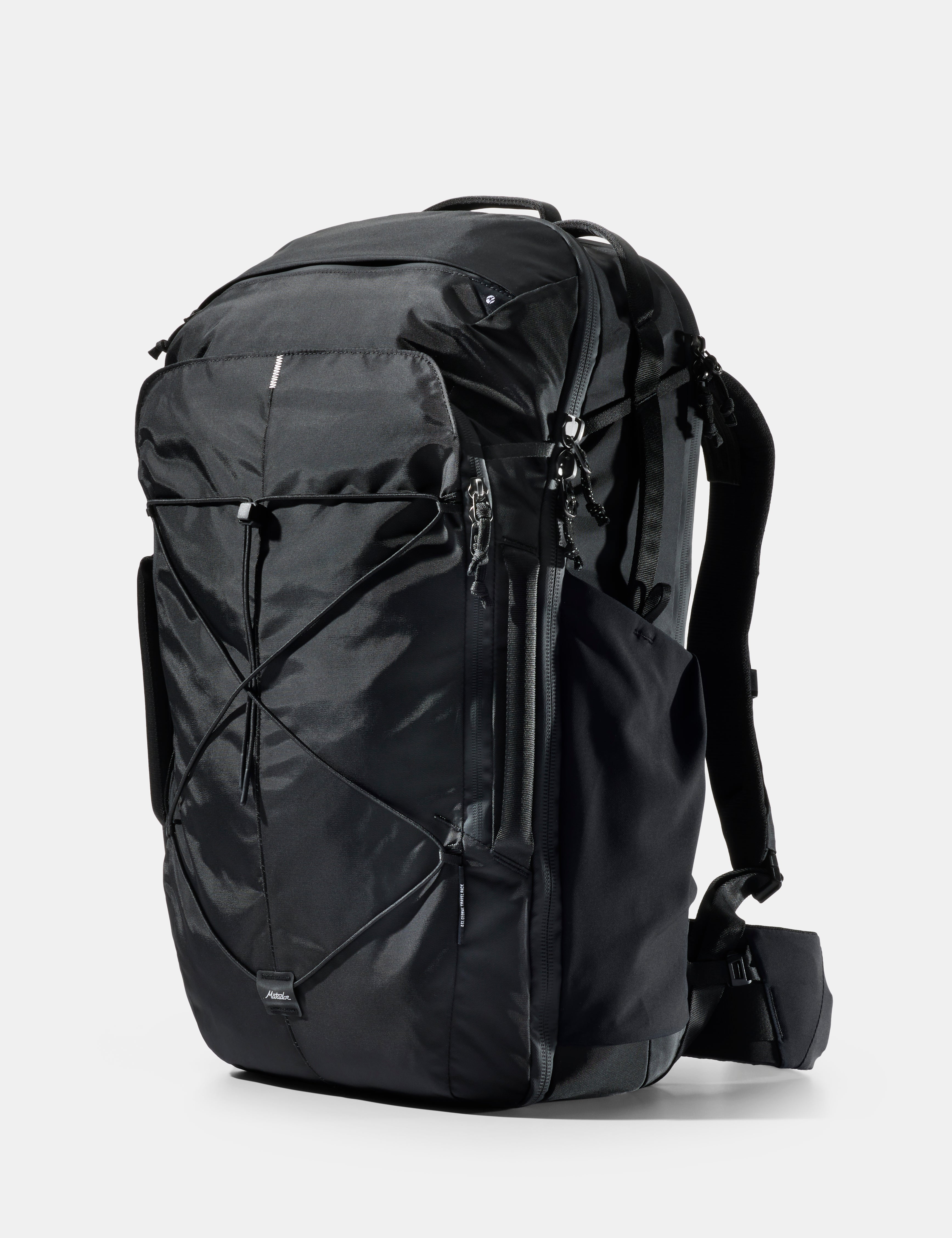
Day trips from cities mean carrying layers, water, and a map.
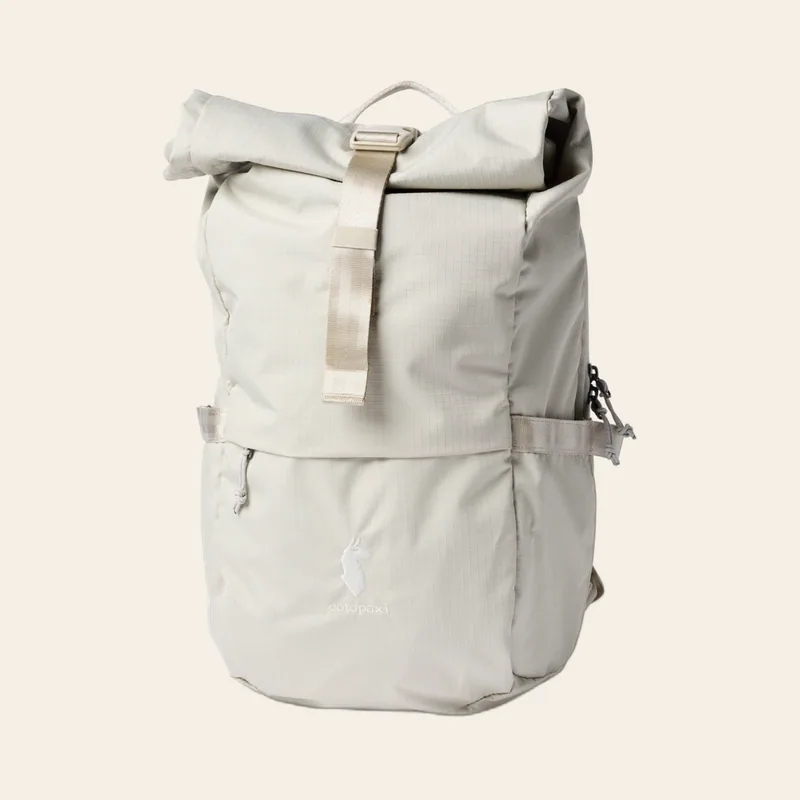
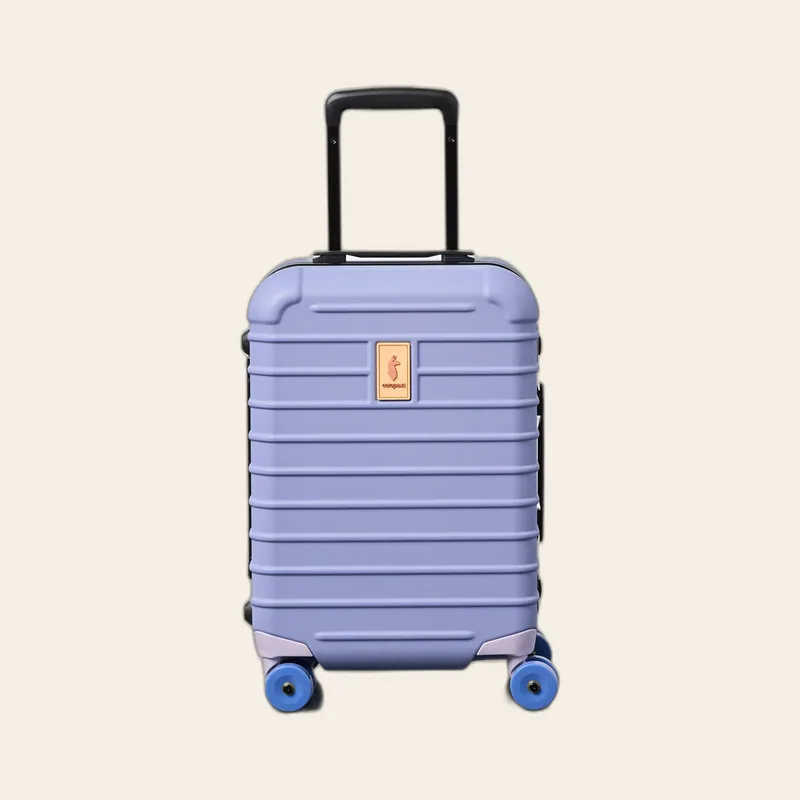
Fits the overhead on every airline that matters. Skip the checked-bag line entirely.
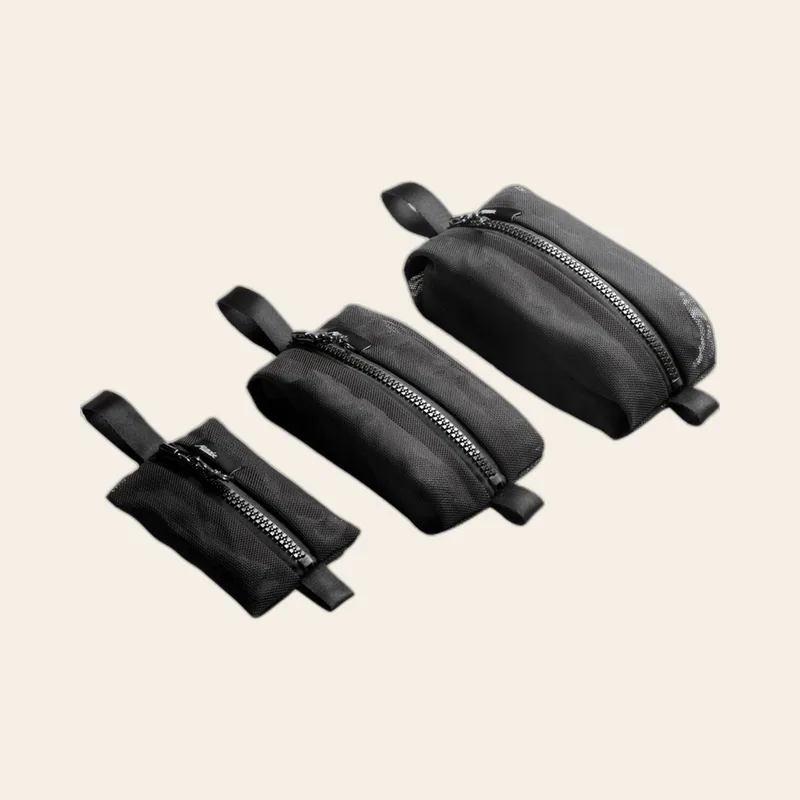
For the passport, the chargers, and the one dry pair of socks.
Wet gloves lose grip and insulation both, so backups are essential.

Before you go
5 to sort
Recommended
14 items
For the mornings and the nights.

Wind chill at 30°F turns exposed skin painful during the 8.2 hours of daylight.
Snow cover and wet sidewalks mean damp feet all day without insulation.
Tap water is safe here, so a bottle refills free and cuts plastic waste.

One brick charges the laptop, phone, and camera.

Hotel and cafe wifi is shared with everyone else in the building. A VPN keeps your banking and email to yourself.
Pickpockets work busy German train stations year-round.
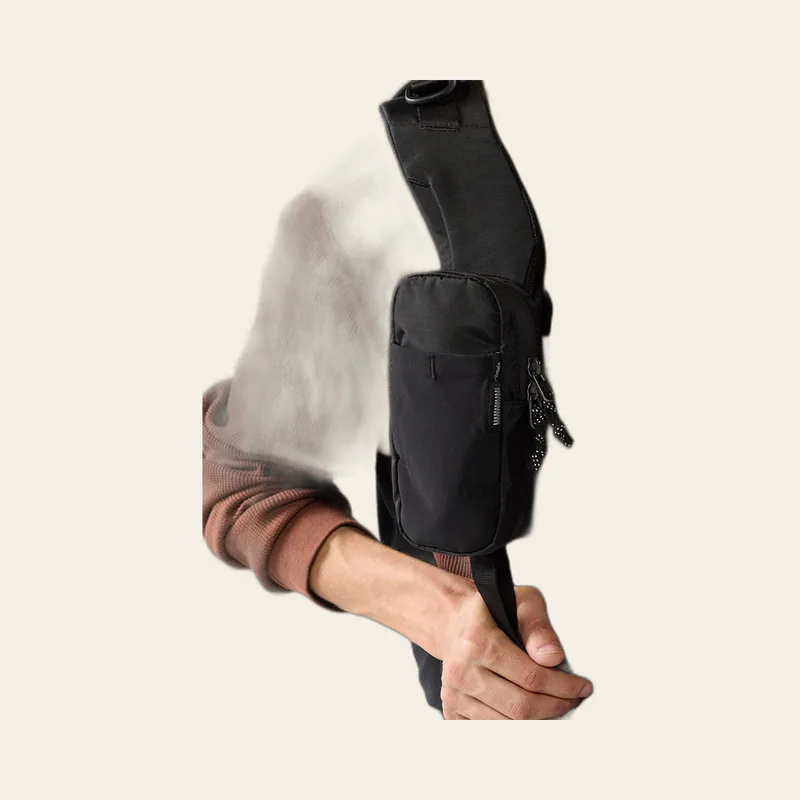
Train stations and crowded markets make bags targets for theft.
Two weeks in Germany calls for more than a carry-on holds.

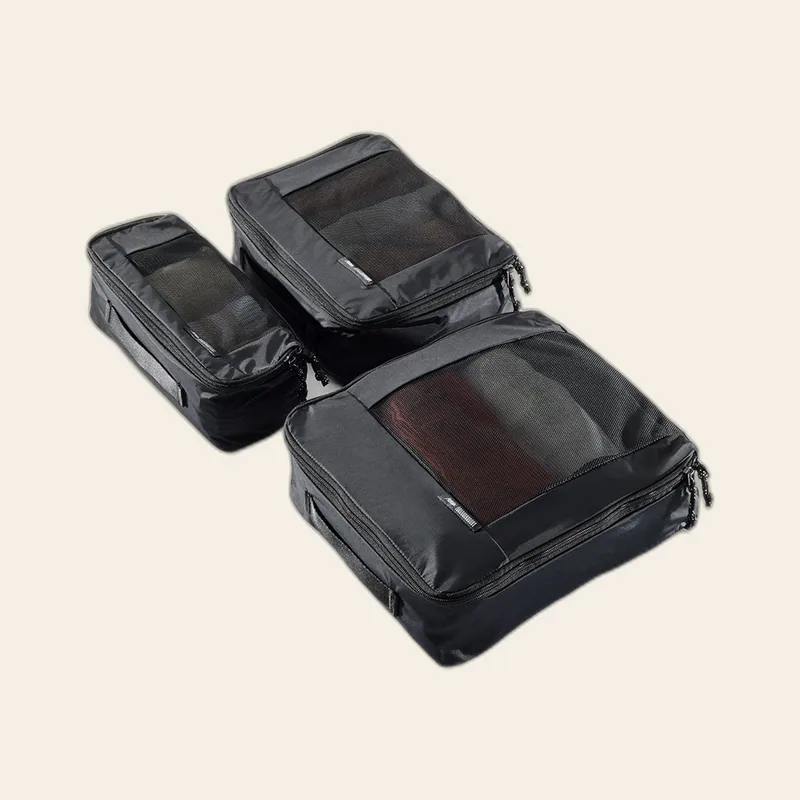
Damp clothes and gear need sorting to dry properly in tight rooms.
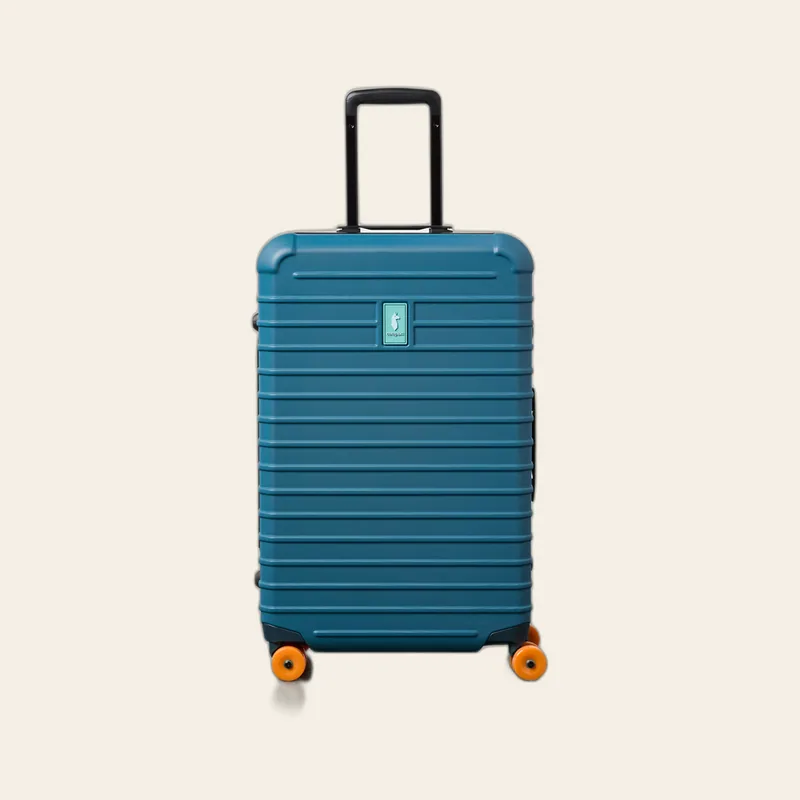
Winter trips longer than a week need rolling luggage for ease.
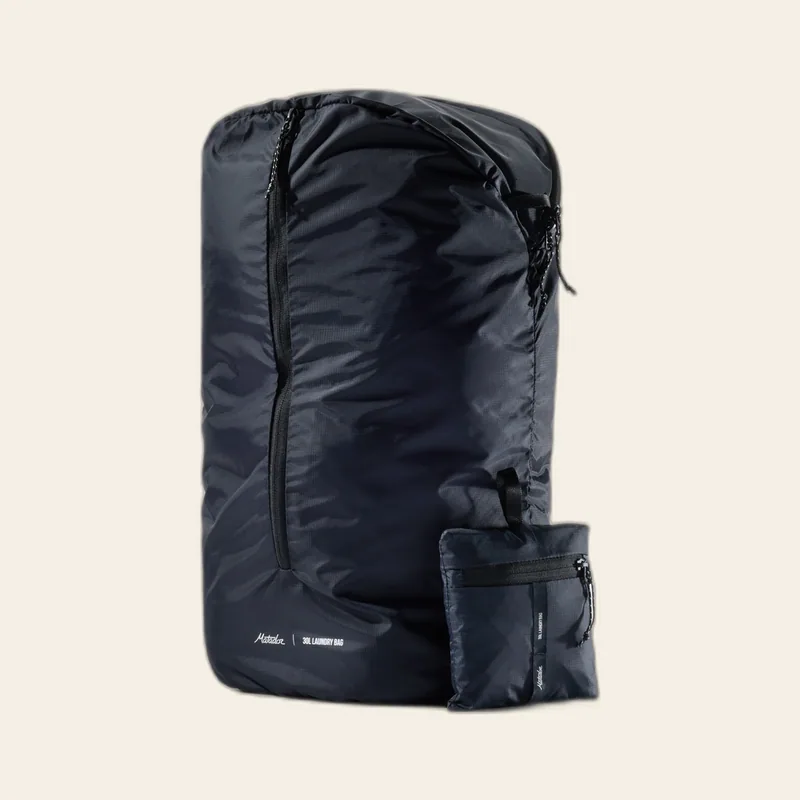
Thirteen rain days means clothes stay damp without daily washing.
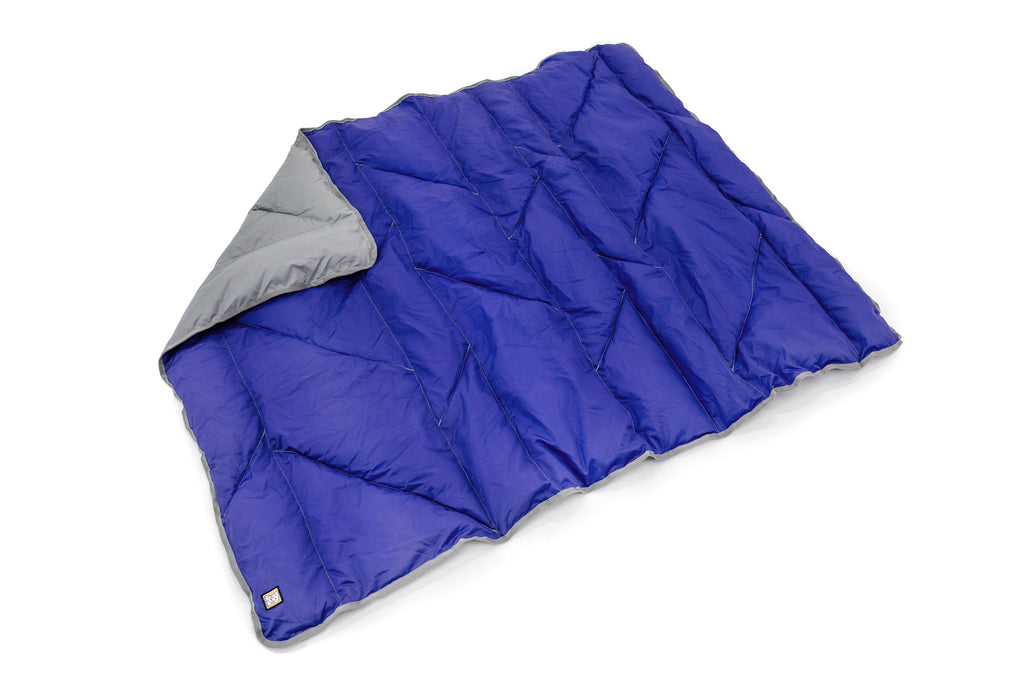
Lows around 30°F. One blanket that packs small covers the car, the campsite and the beach at sunset.
Long train rides across Germany call for sound blocking and focus.

Nice to have
11 items you could skip
Snow creeps into boot tops on urban walks through slushy streets.
Wet snow sticks to leather and salt eats through untreated seams.
Crowded indoor spaces in winter spread colds quickly.
Humidity at 85 percent fogs screens and corrodes connections without short cables to swap.
A few phrases go a long way. Ten minutes a day before you leave is plenty.
Border controls at German entry points require your passport ready.
Checked luggage moves through multiple handlers on international routes.
Backpacks compress better when gear sits in tight quarters.
Humid air and wet coats make bathrooms steamy and cluttered.
Eight hours of daylight means trains and buses are your bed some nights.
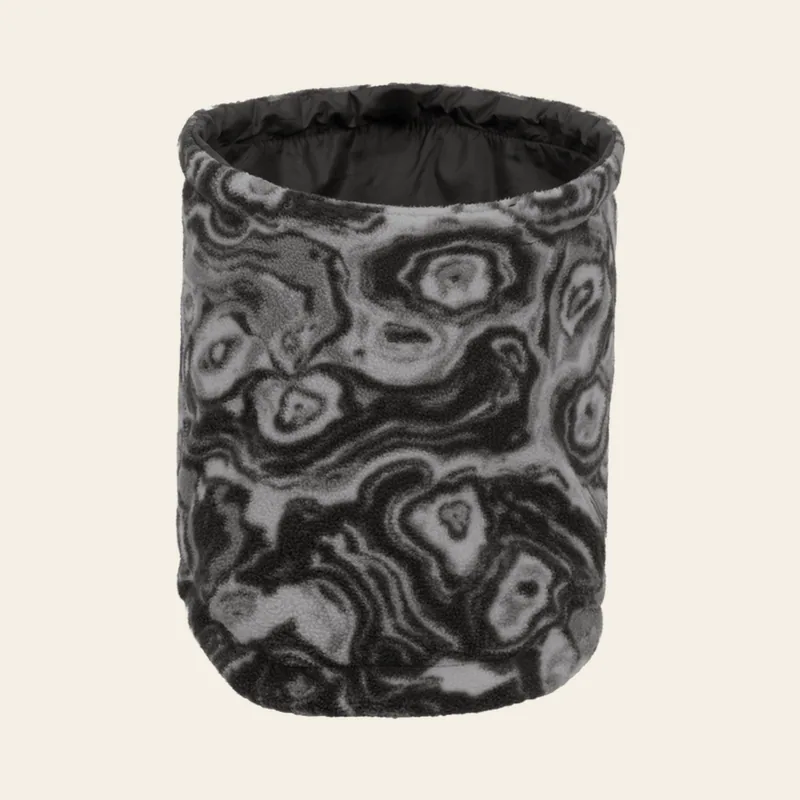
Pockets of warmth matter when you're outside during short daylight hours.
Basics
16 things you probably own already