Change trip
What to pack for Yellowstone in May
Typical May, built from ten years of weather
Some links are affiliate links. It keeps the site free.
Typical for your dates
Highs 46°F, lows 28°F, rain 12 of 31 days
snowycoldwet
Sunset lands around 8:40pm. Wind averages 10 mph. No border paperwork on this one.
0 of 60 packed
Packing for
75 things on this list are on sale today
Essentials
18 items
12 rain days a month finds every seam. A real shell, not a windbreaker.
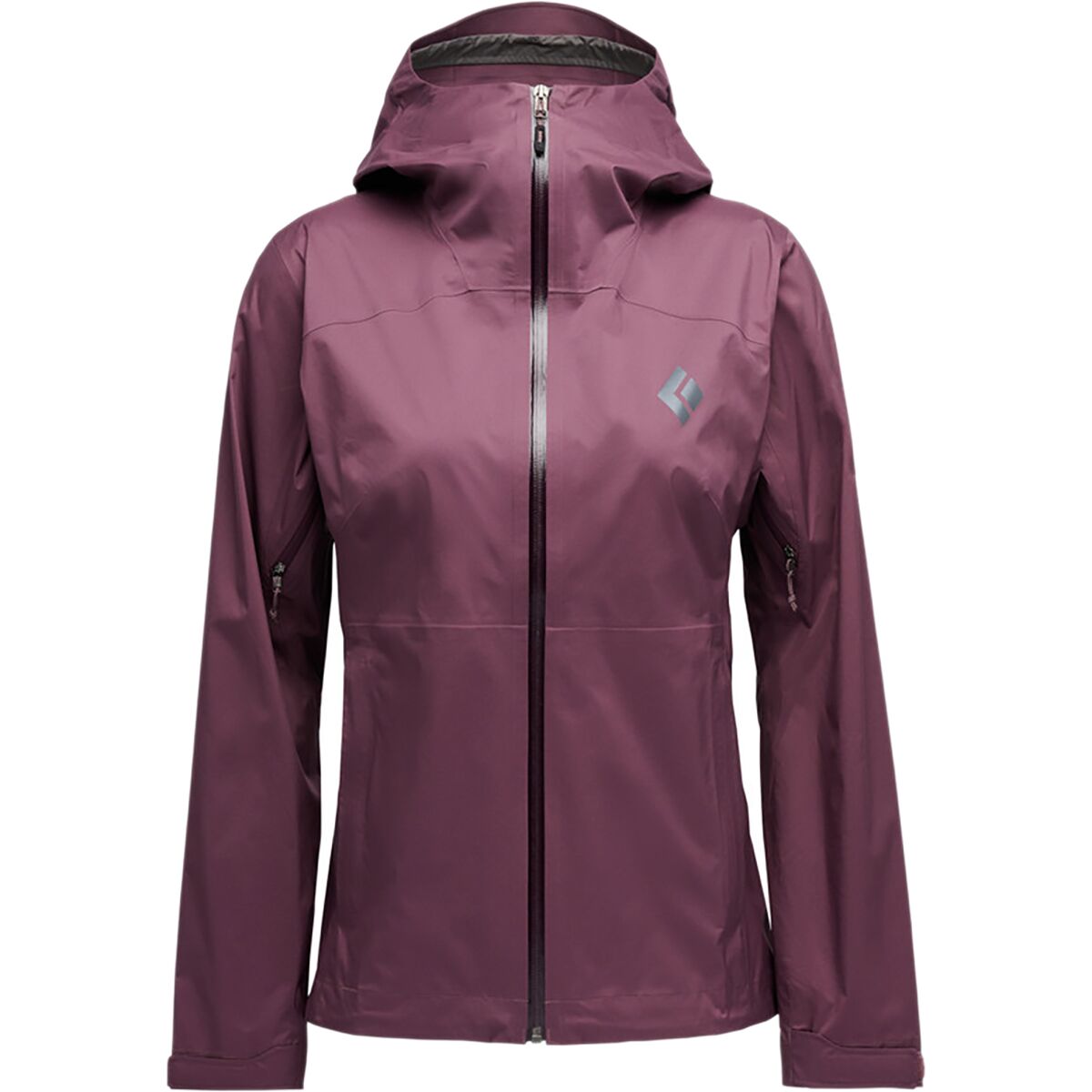
Lows around 28°F. Goes under the shell when the wind picks up.
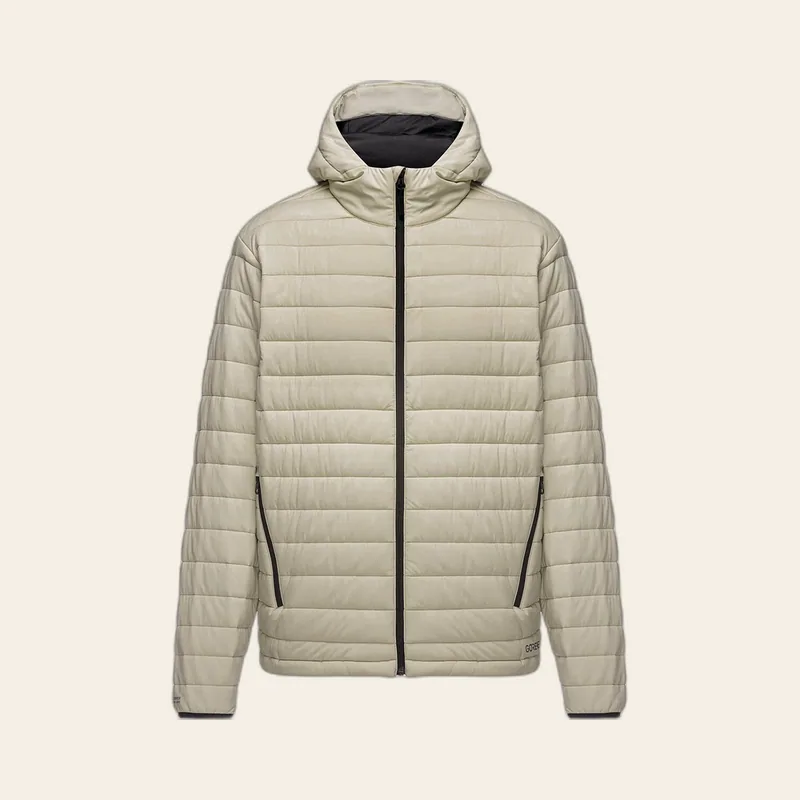
Wear one, dry one. Cotton stays wet all week here.

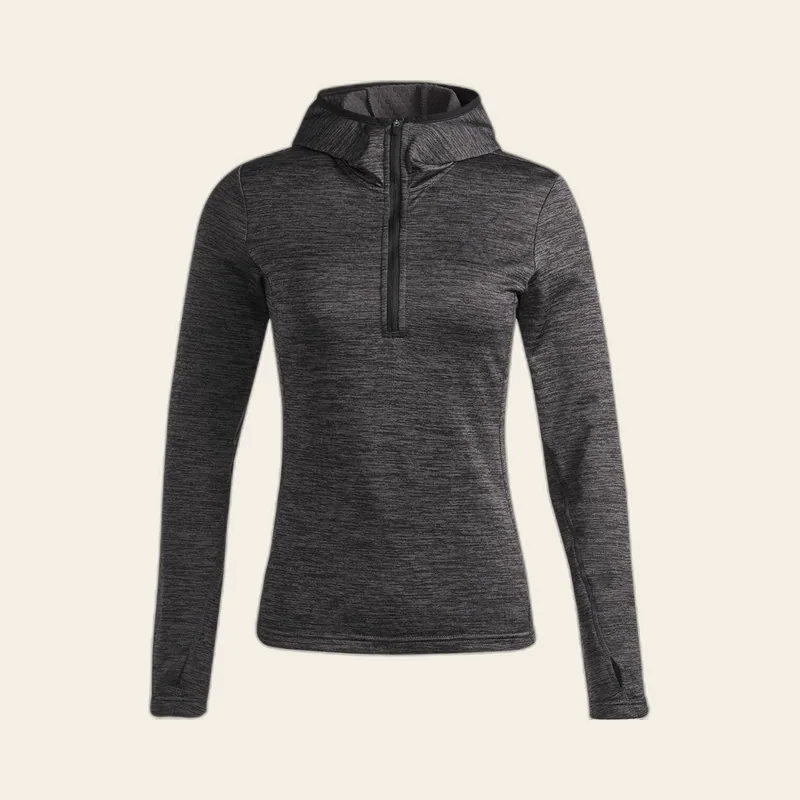
The layer you'll wear more than any other.
Lows dip to minus 2 degrees Celsius, so a beanie keeps your head warm during early morning hikes.

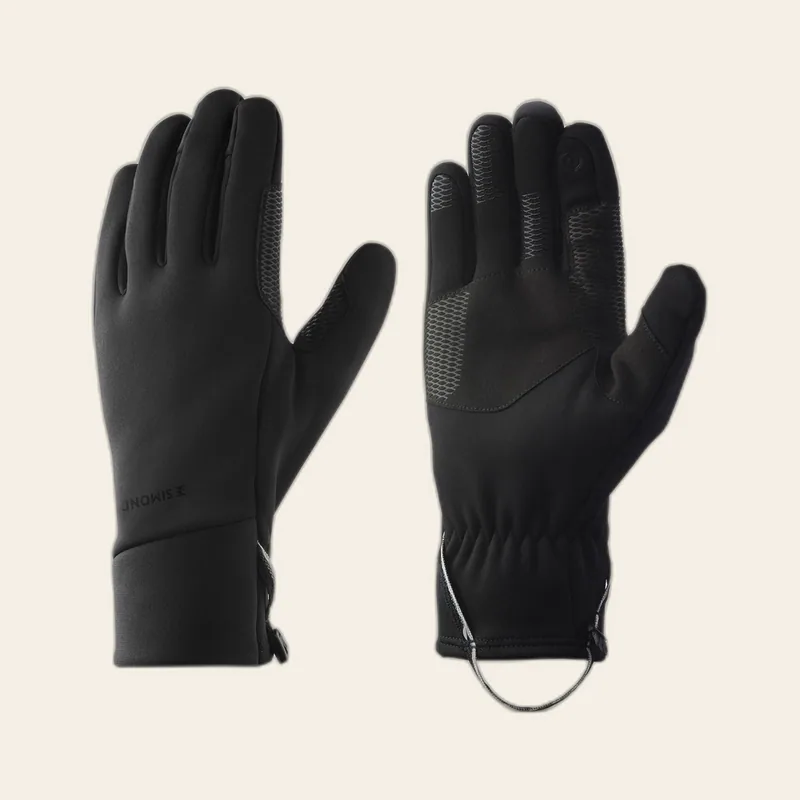
Wind gusts at 16 kilometers per hour and freezing temperatures make exposed fingers numb within minutes.
Insulated boots rated below minus 2 degrees prevent frostbite when snow lingers on higher trails.
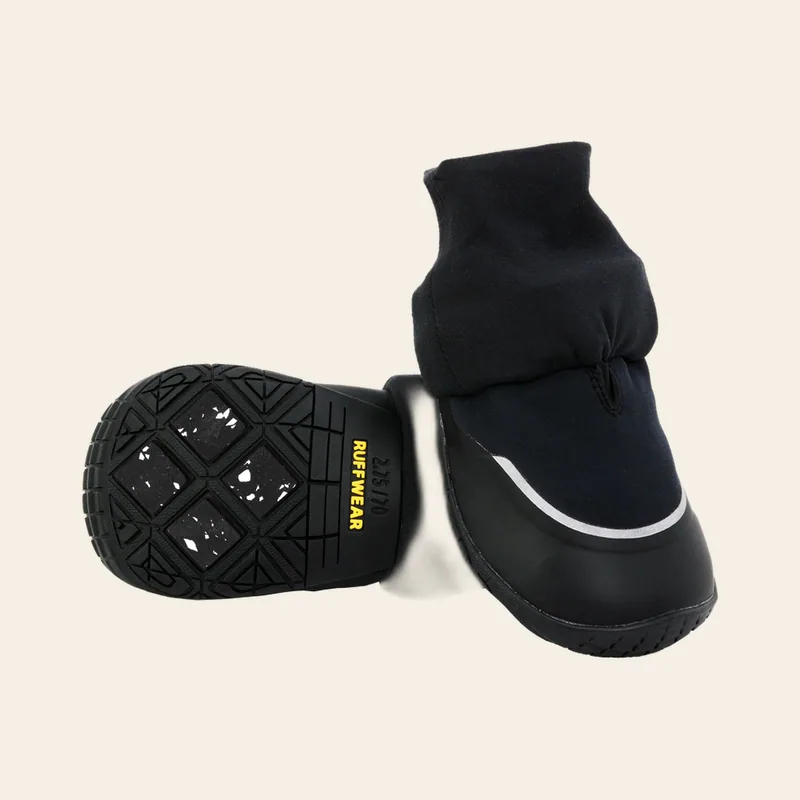
At 2479 meters, ultraviolet exposure jumps to 9.8, burning skin in under twenty minutes without protection.

Snow reflects ultraviolet rays upward, so polarized lenses cut glare on bright mountain days.
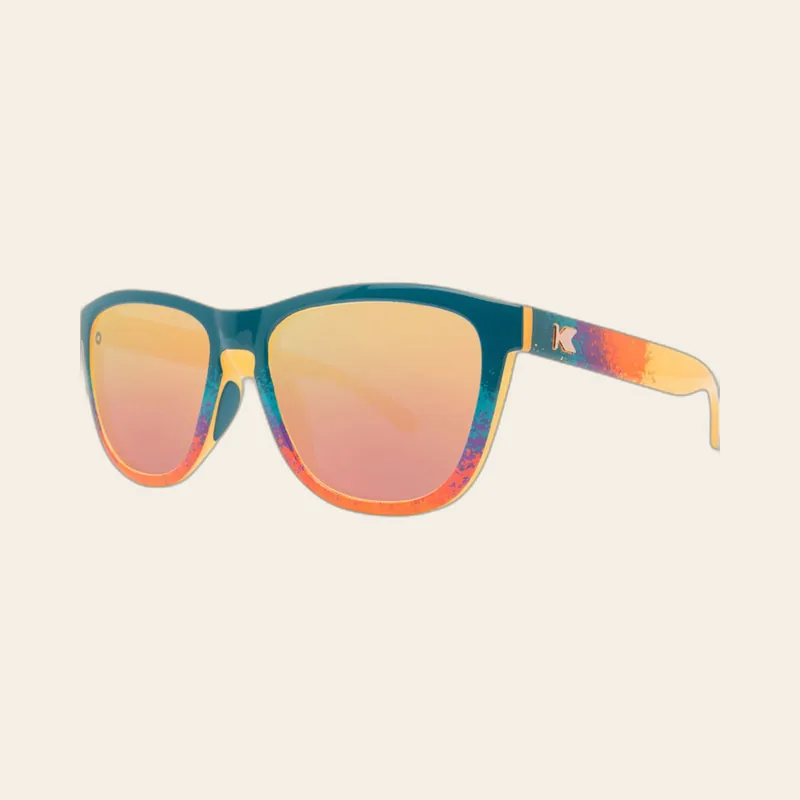
Insects emerge as snow melts, and 70 percent humidity keeps them active through evening hours.

Check ankles and, if there's a dog, paws and ears every night.
Altitude sickness and minor injuries happen faster when you are hours from the nearest town.

Fourteen hours of daylight drain your phone and camera battery before sunset.

Yellowstone spans vast distances, so a 35 to 45 liter pack holds layers and water without checked baggage.
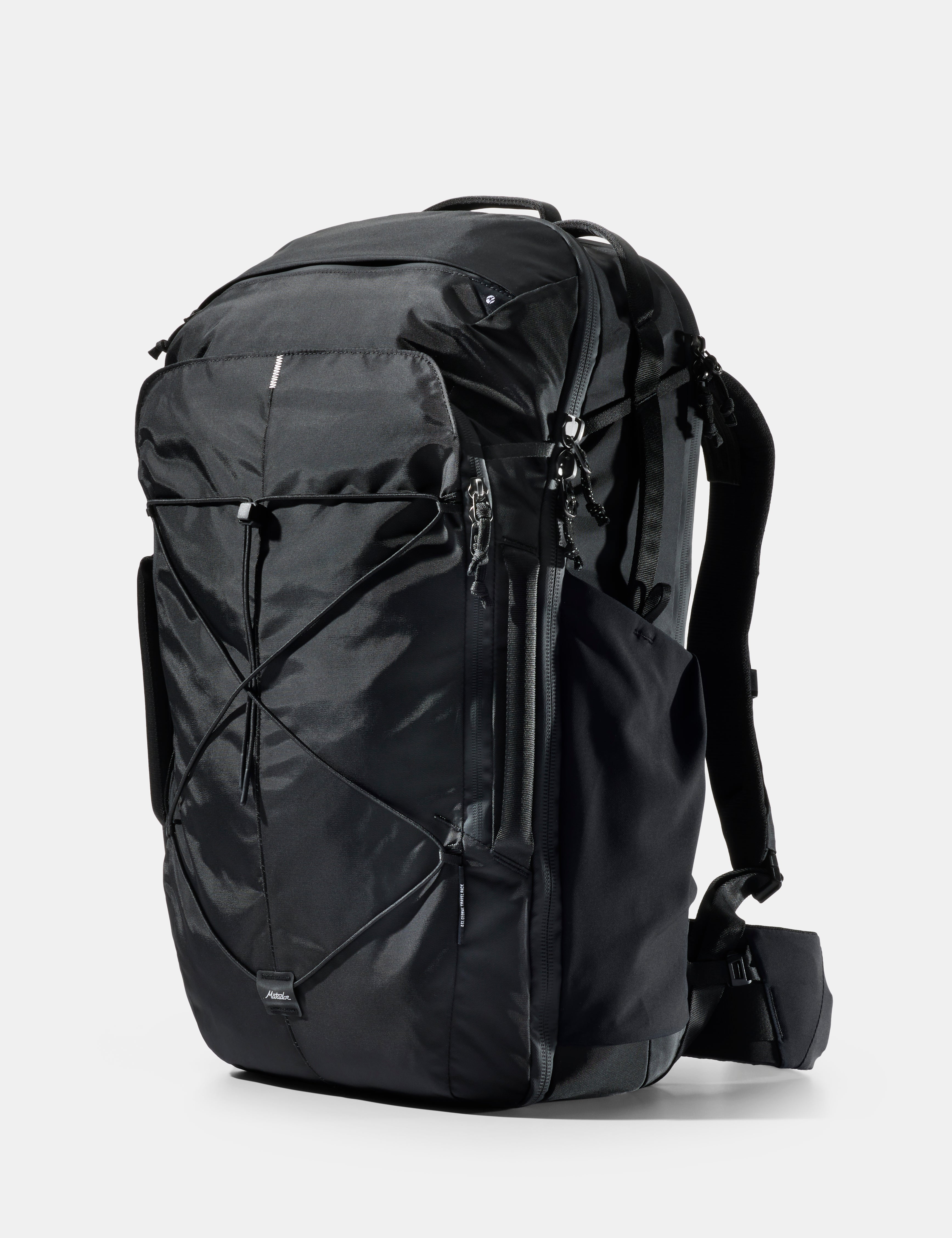
Daily hikes from your lodge require a separate pack for water, snacks, and a rain jacket.
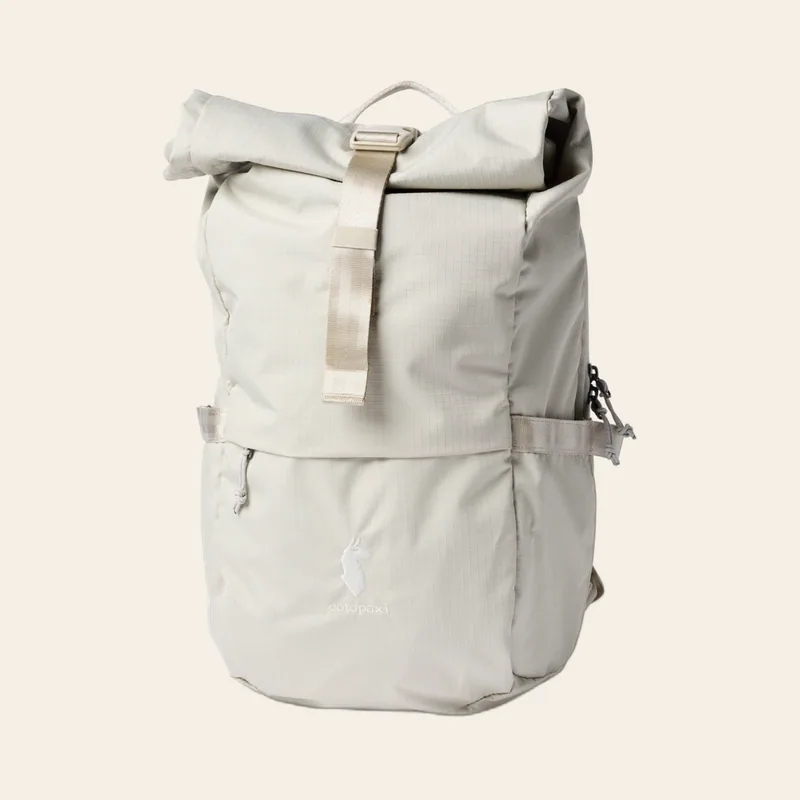
Fits the overhead on every airline that matters. Skip the checked-bag line entirely.
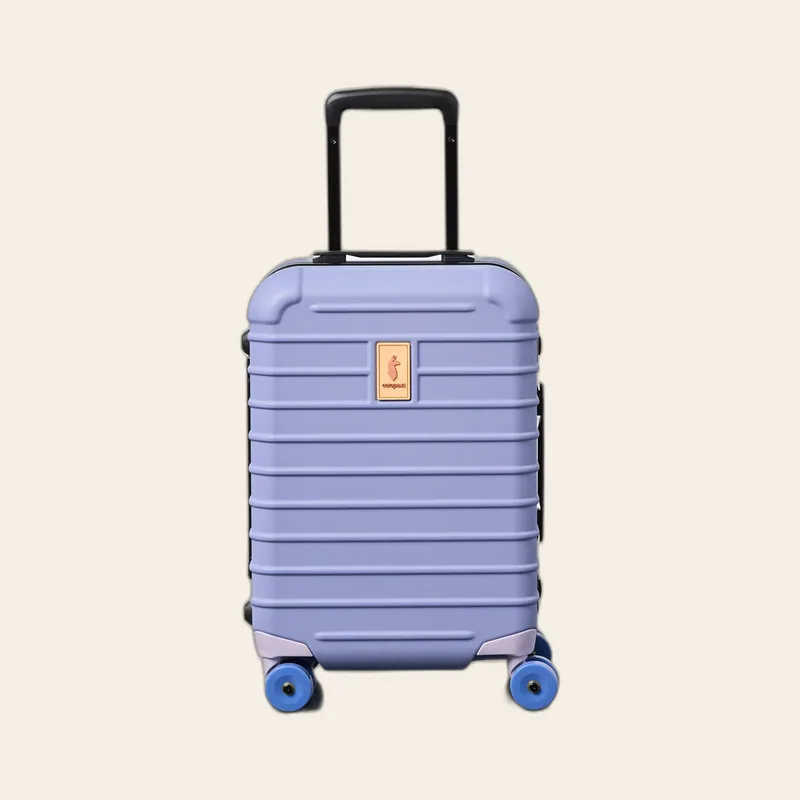
For the passport, the chargers, and the one dry pair of socks.
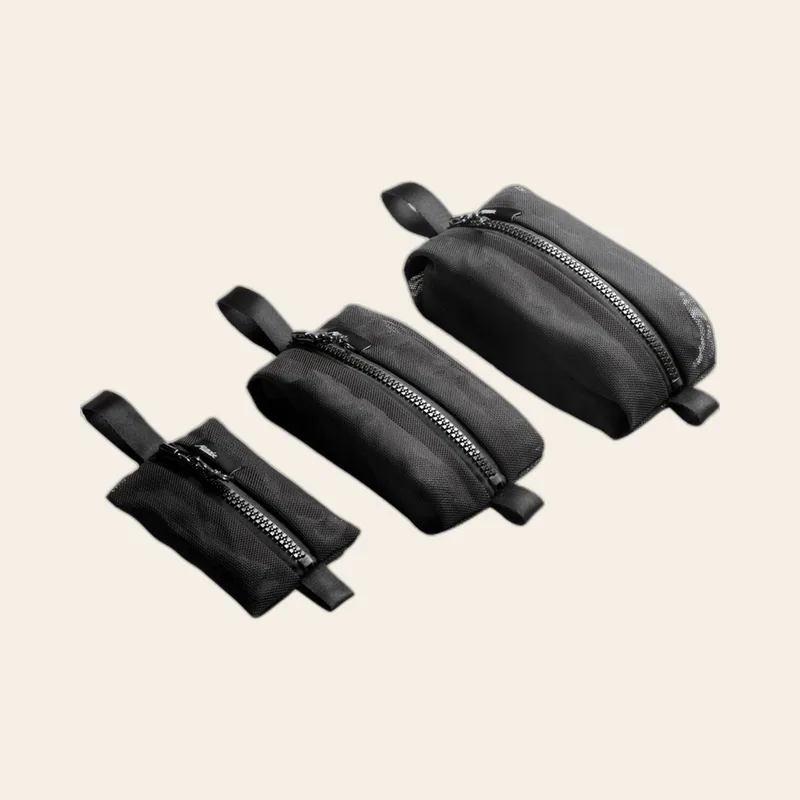
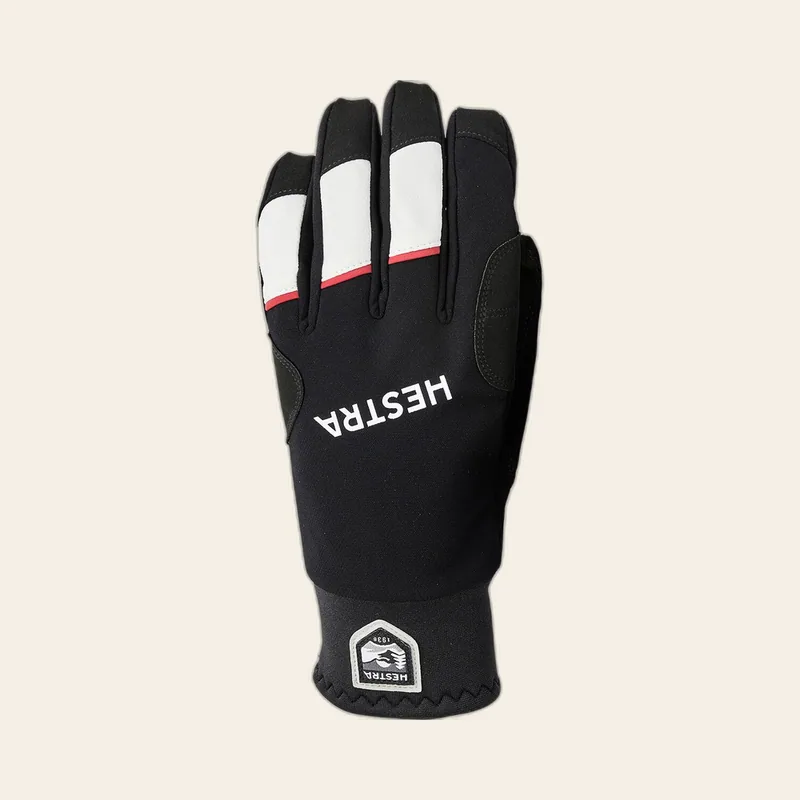
Wet snow and wind at 16 kilometers per hour soak regular gloves within an hour.

Before you go
3 to sort
Recommended
15 items
For the mornings and the nights.

At 2479 meters altitude, the air is thin and cold enough that your neck loses heat rapidly.
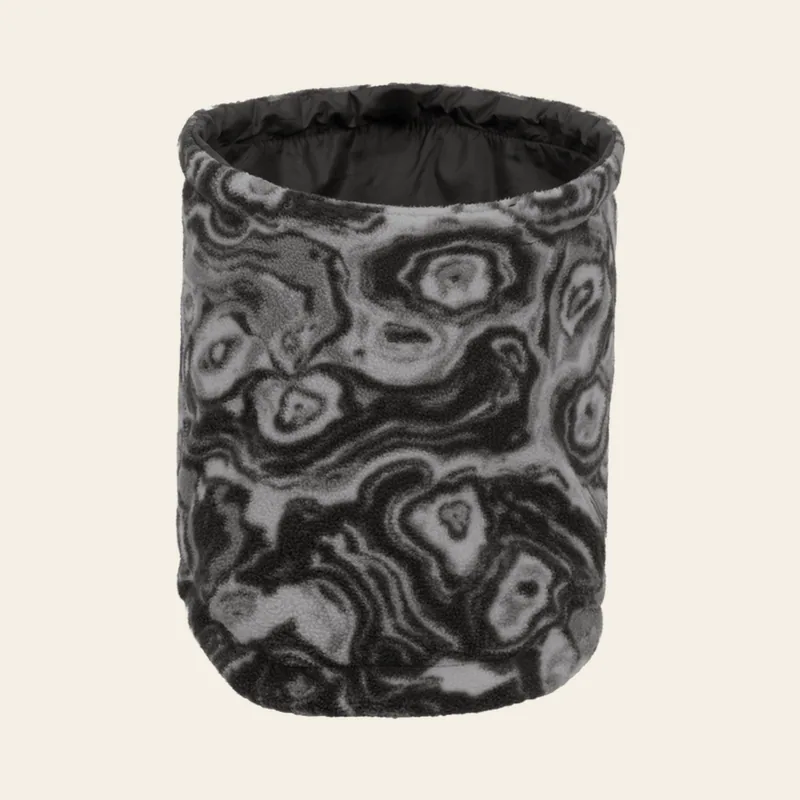
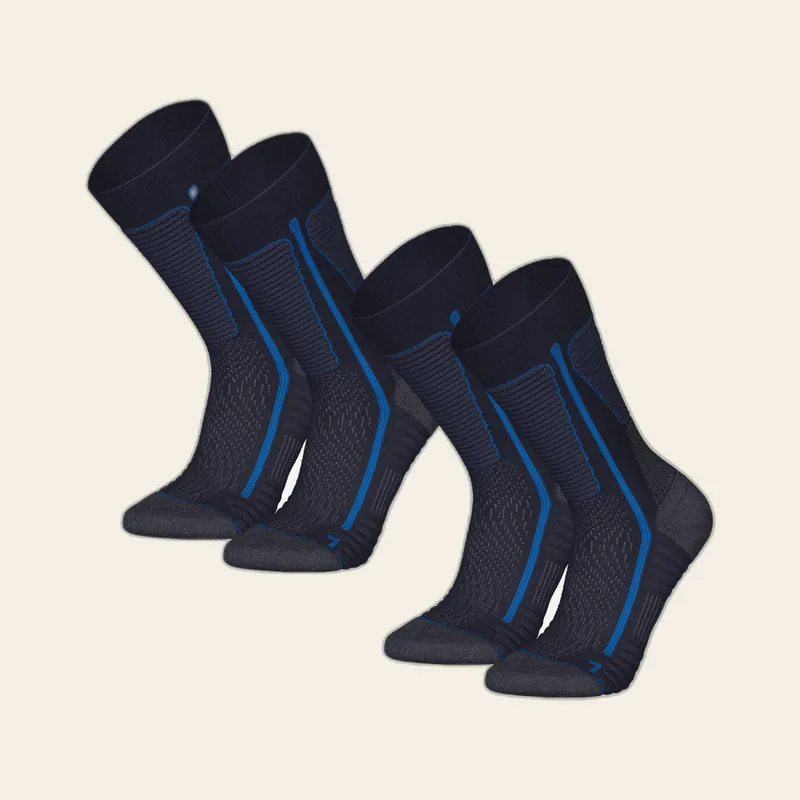
Wet snow and melting patches soak regular socks, leaving your feet cold for the rest of the day.
UV hits 9.8 here. Long sleeves beat reapplying sunscreen every hour.
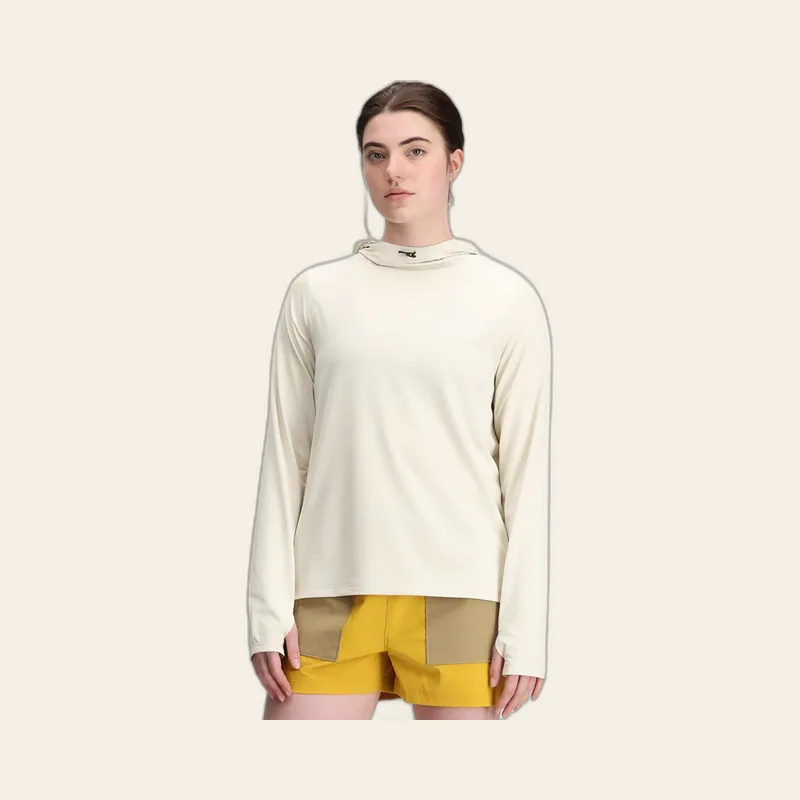
Fourteen hours of May daylight at high altitude means extended sun exposure across your face and scalp.

Treat the clothes once and it lasts weeks.

Tap water is safe, but carrying it means you drink enough to stay hydrated at altitude.

One brick charges the laptop, phone, and camera.

Remote mountain terrain makes losing a bag to theft or misdirection a serious problem.
Checked luggage holds your winter gear while you day-pack lighter on the trail.

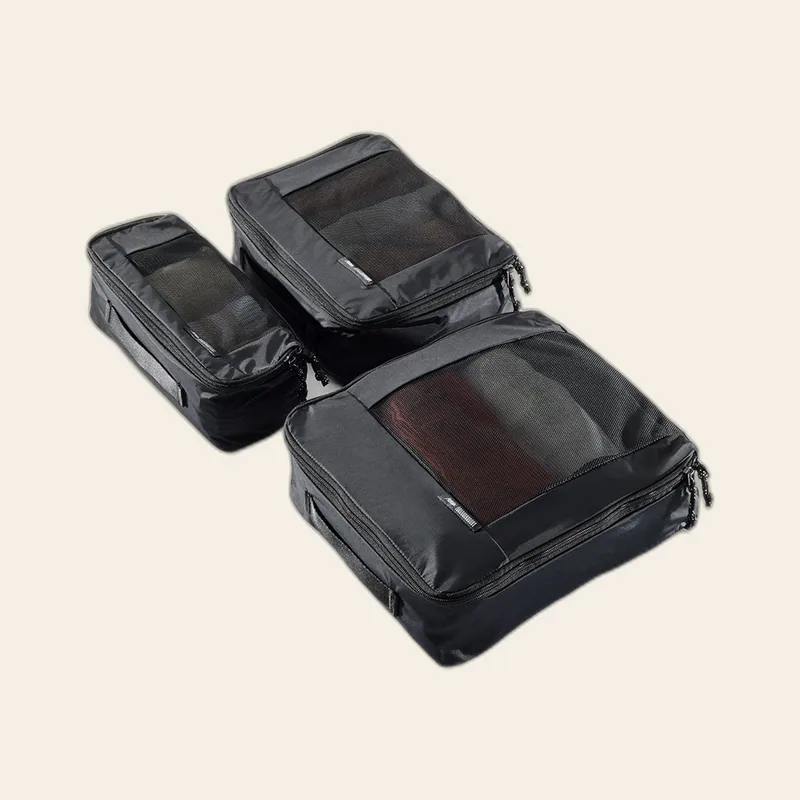
Packing cubes separate clean clothes from damp hiking gear in tight guesthouse rooms.
A rolling suitcase protects fragile items and reduces strain on your shoulders during transfers.
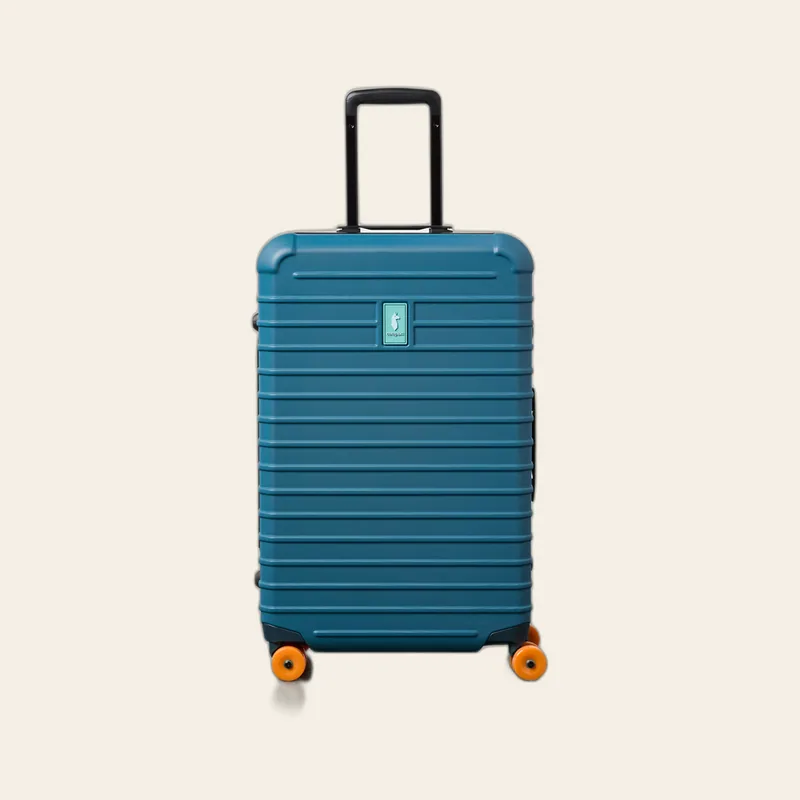
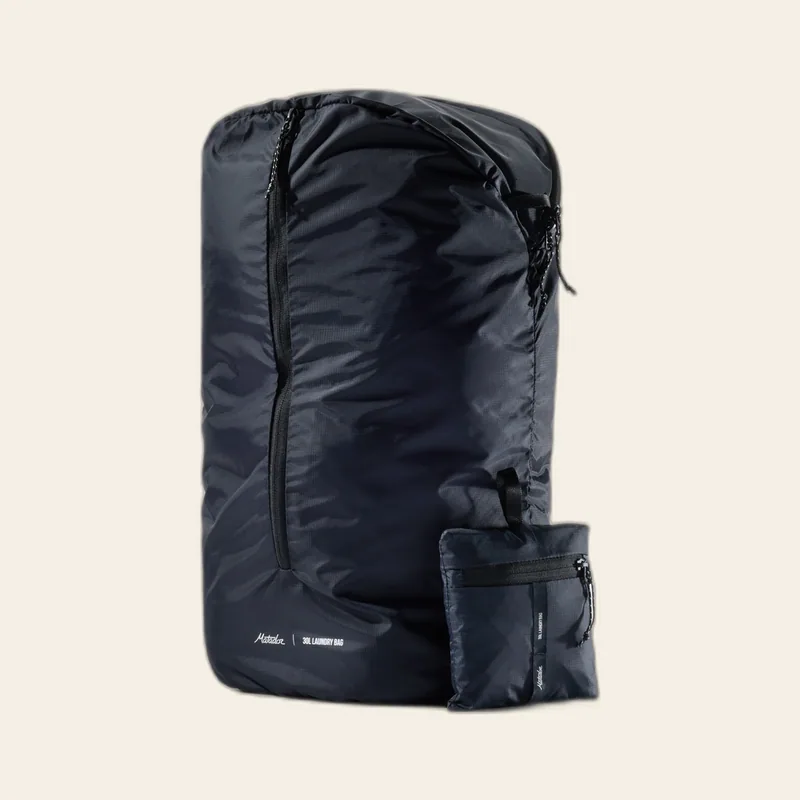
Twelve rain days and constant moisture mean washing clothes twice as often as usual.
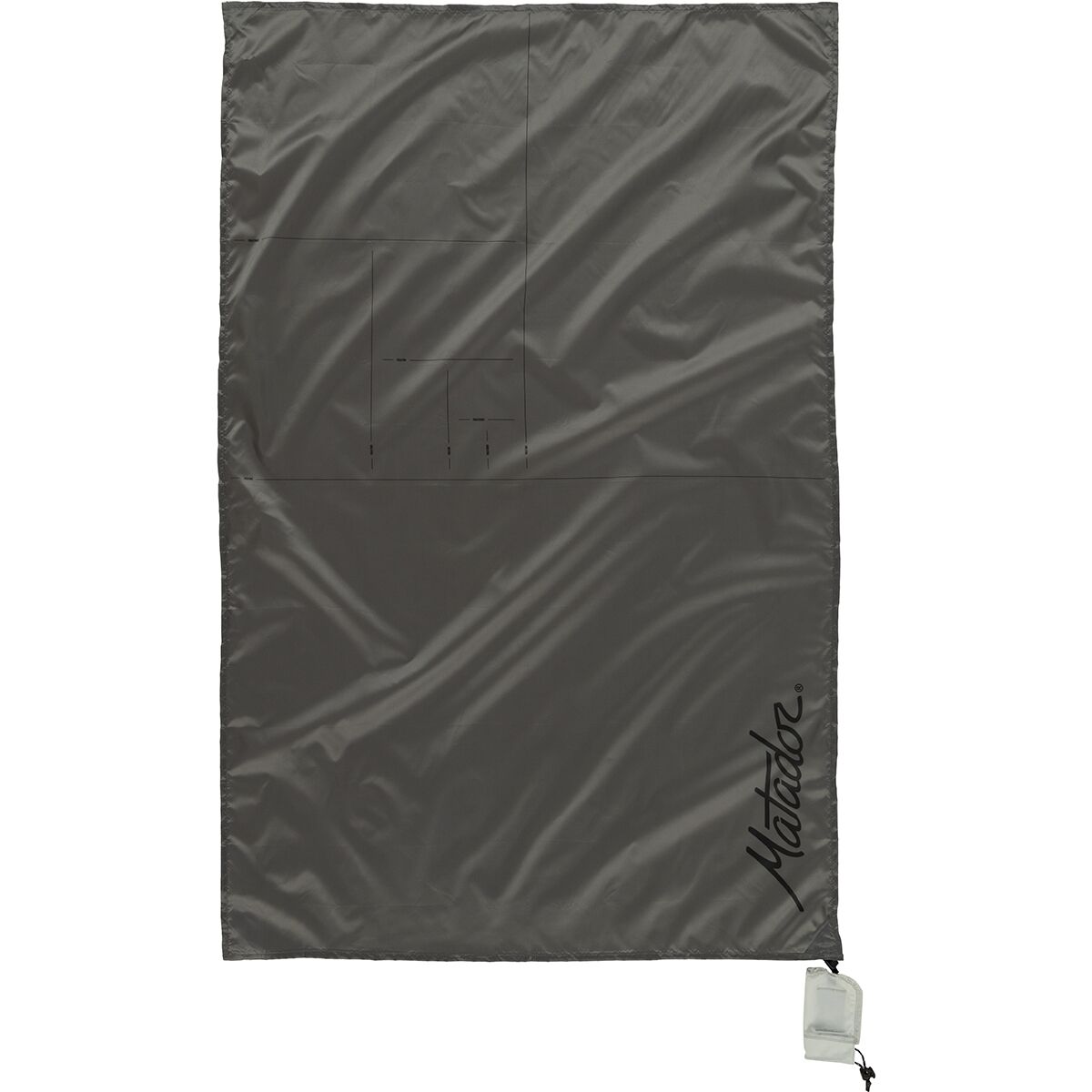
Lows around 28°F. One blanket that packs small covers the car, the campsite and the beach at sunset.
Mountain terrain and lingering snow patches require trekking poles to prevent ankle injuries on uneven ground.

Nice to have
11 items you could skip
Twelve rain days in May mean snow melt and mud creeping into your boots at every step.
Waterproofing your boots before the trip stops salt damage and extends their life through the wet season.
Thin mountain air and a UV index of 9.8 leave lips cracked and blistered by day three.
Winding mountain roads and high altitude combine to trigger nausea in many travelers.
Guesthouses and shared facilities mean frequent hand contact with surfaces touched by dozens of people.
Sunburn and insect bites both itch intensely, but standard relief burns sensitive sun-damaged skin.
A short cable charges your phone from your power bank without adding bulk to your pack.
Domestic travel to a national park still requires securing your luggage against opportunistic theft.
Compression sacks squeeze bulky insulated jackets and sleeping bags into your carry-on space.
A hanging toiletry bag keeps your sunscreen and lip balm accessible without unpacking everything.
Lows drop to minus two degrees Celsius, and your fingers go numb within minutes without a heat source.
Basics
16 things you probably own already