Change trip
What to pack for The Yucatán in March
Typical March, built from ten years of weather
Some links are affiliate links. It keeps the site free.
Typical for your dates
Highs 91°F, lows 70°F, rain 3 of 31 days
hothigh UVdry
Sunset lands around 6:00pm. Wind averages 11 mph. There is paperwork on this one, so start with Before you go.
0 of 55 packed
Packing for
54 things on this list are on sale today
Essentials
11 items
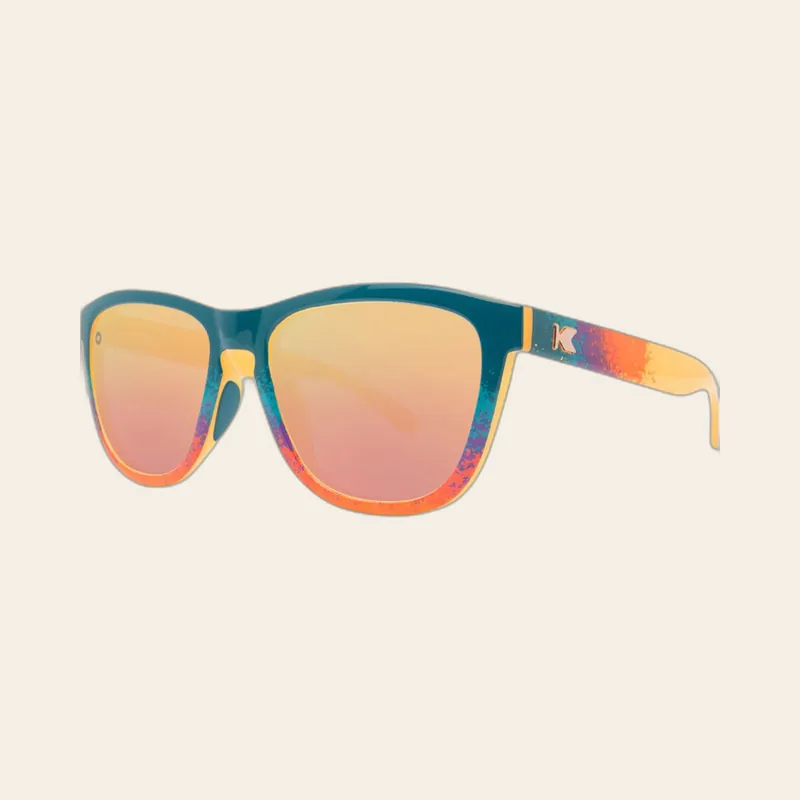
A UV index of 10.1 burns exposed skin in under 15 minutes without protection.

Water reflection off the Caribbean intensifies glare across the coast and inland cenotes.
Mosquitoes breed year-round in wetlands near the Yucatán's cenotes and lagoons.

Rural terrain and distance from clinics make a full kit essential, not optional.

Tap water isn't safe here. A filter bottle beats buying plastic twice a day.

Twelve daylight hours mean phones and cameras drain faster than one charger handles.

Set it up before you land. Signal drops for long stretches outside cities.

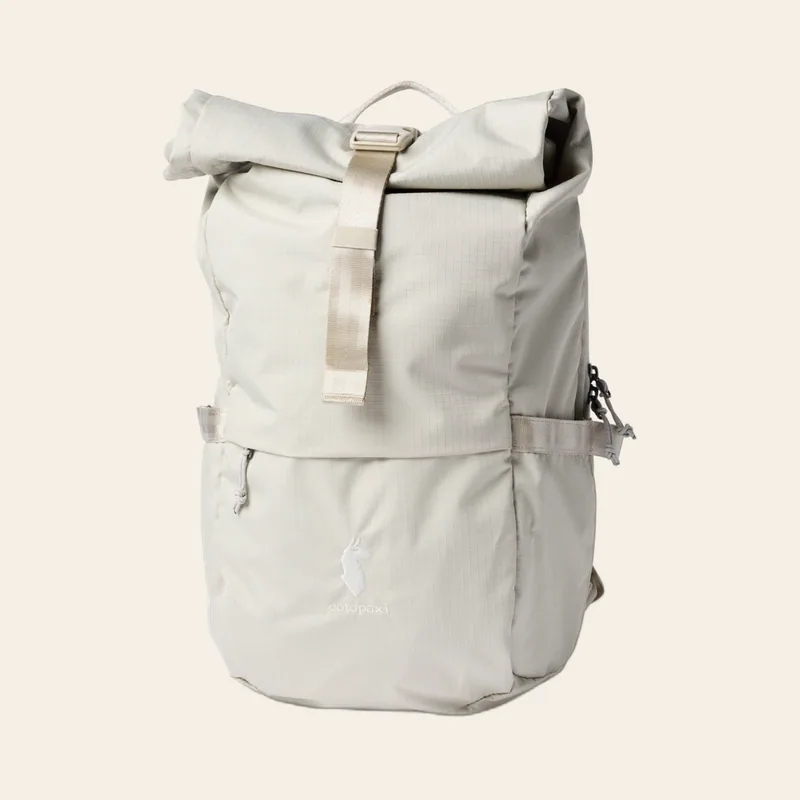
Day trips to cenotes, ruins, and parks mean a pack for water, snacks, and sun gear.
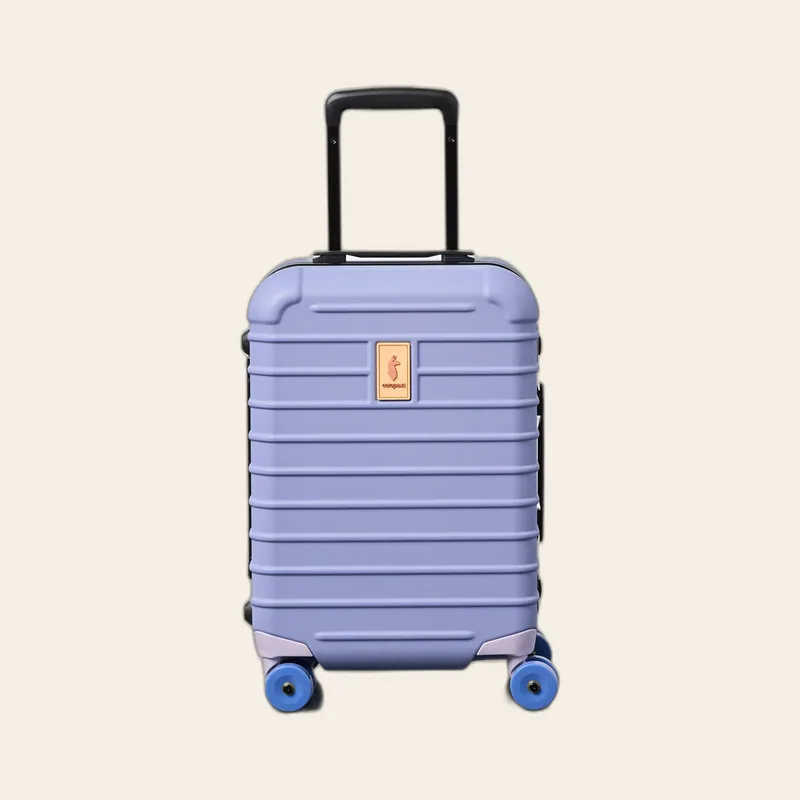
Fits the overhead on every airline that matters. Skip the checked-bag line entirely.
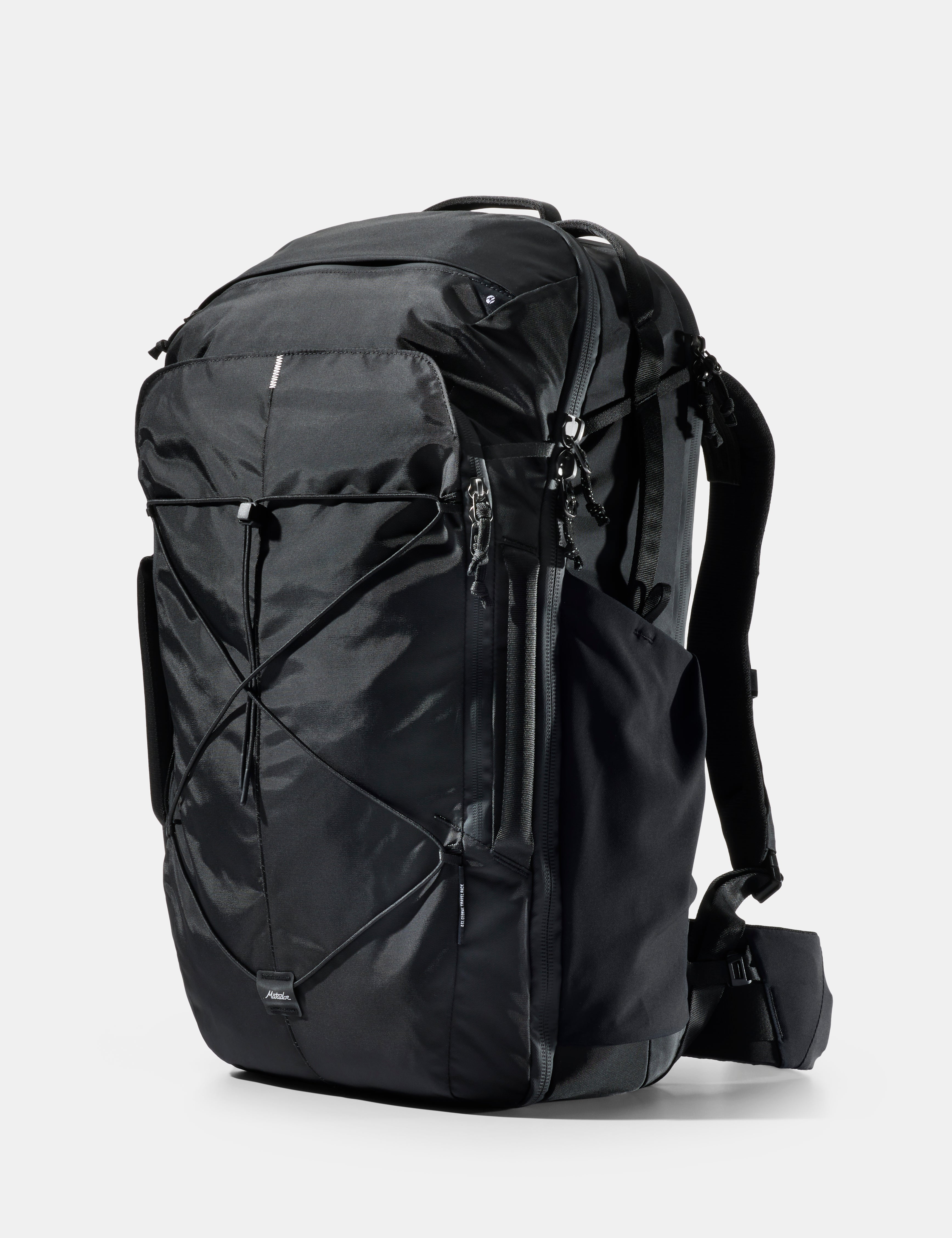
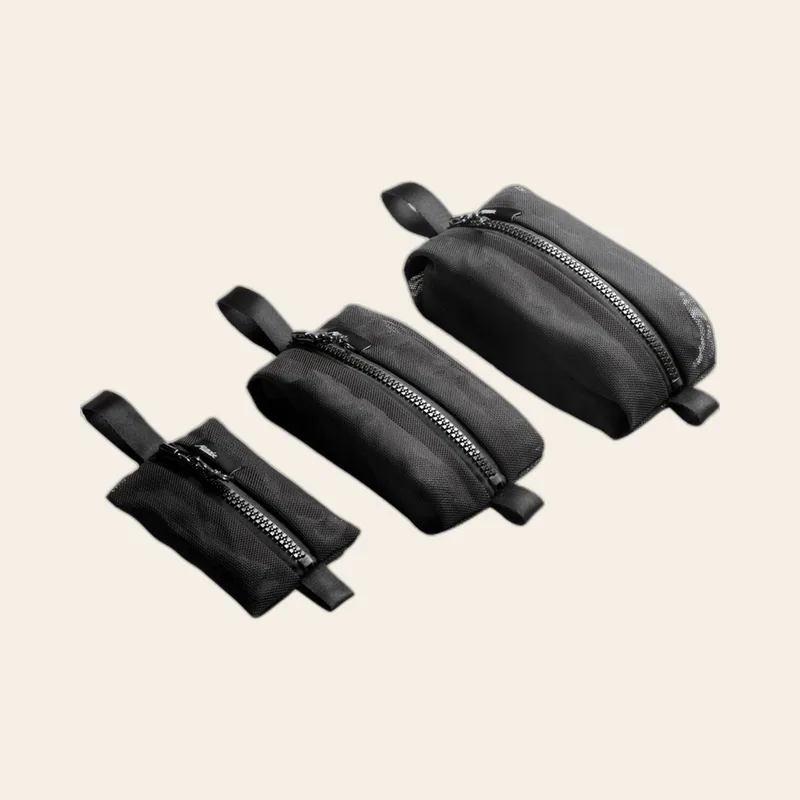
For the passport, the chargers, and the one dry pair of socks.
Before you go
7 to sort
SafetyWing Nomad Insurance, Month-to-month cover you can start after you leave
Going, Cheap cash fares, emailed when they droppoint.me, Finds the flight your points will actually book
AllTrails, Download your trails before you lose signal.
Recommended
18 items
Anything heavier than linen is a mistake at 91°F.
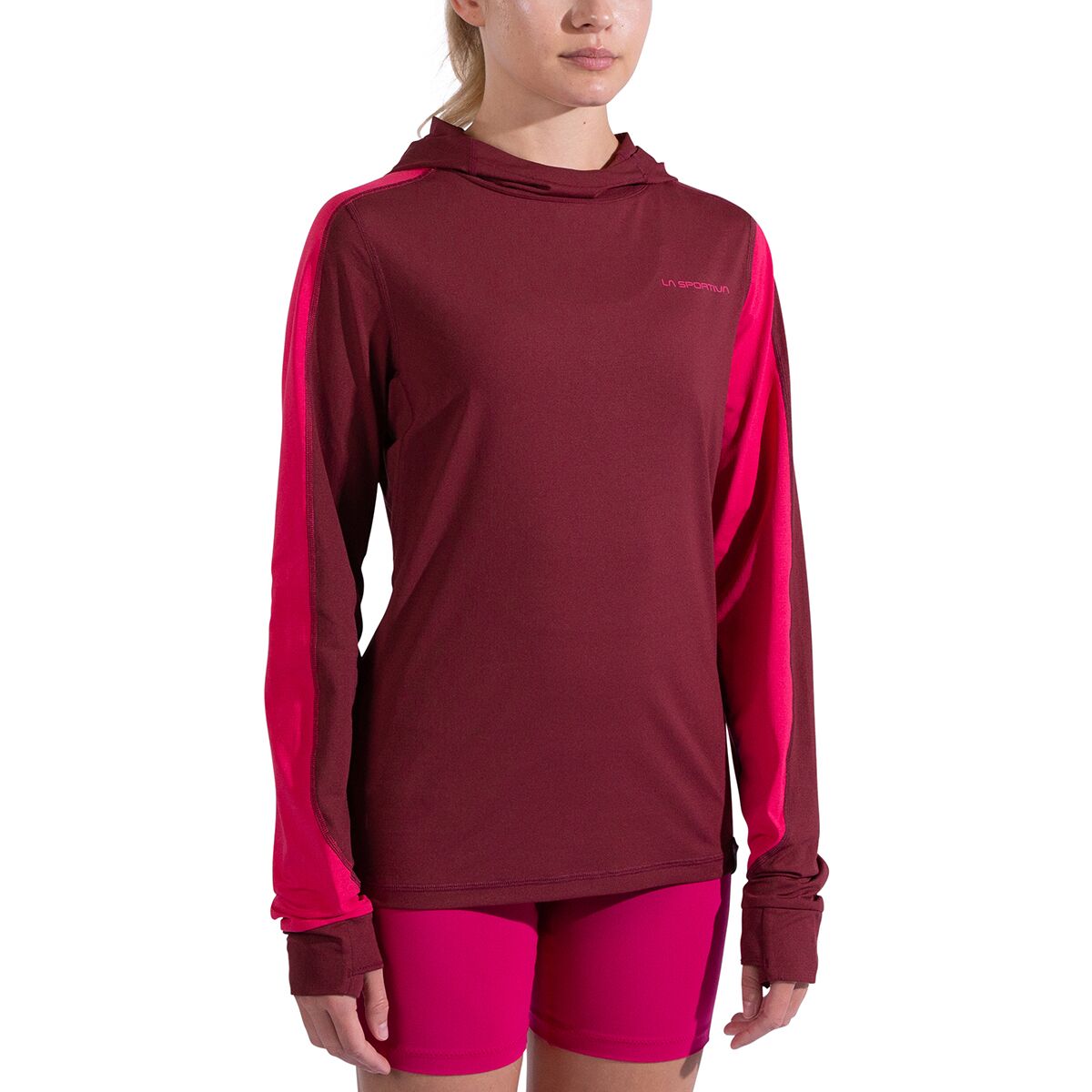
Sweat dries slowly in 66% humidity, so moisture-wicking fibers keep skin from staying wet all day.

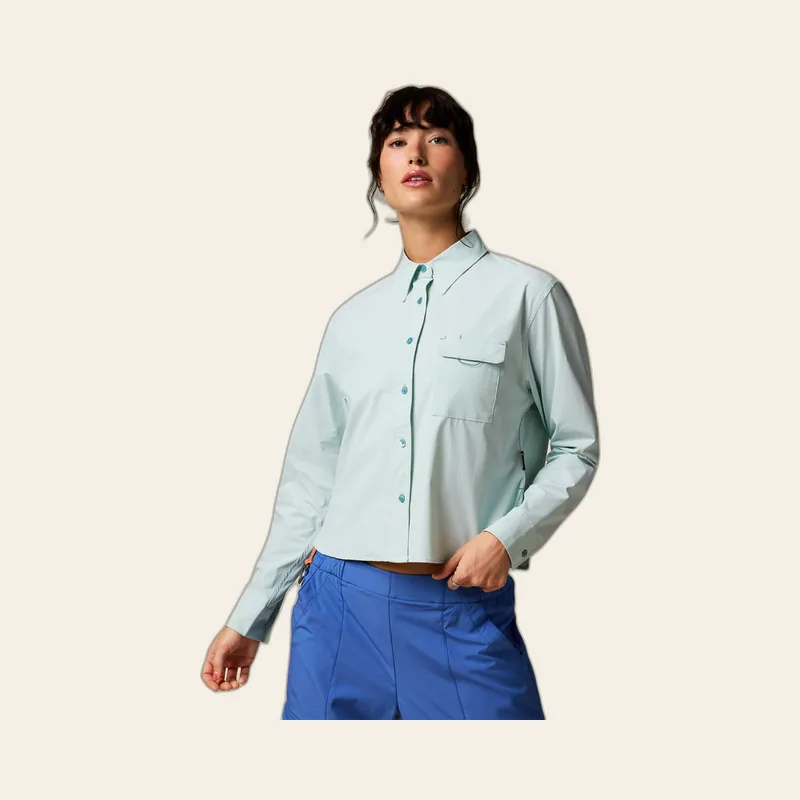
UV hits 10.1 here. Long sleeves beat reapplying sunscreen every hour.
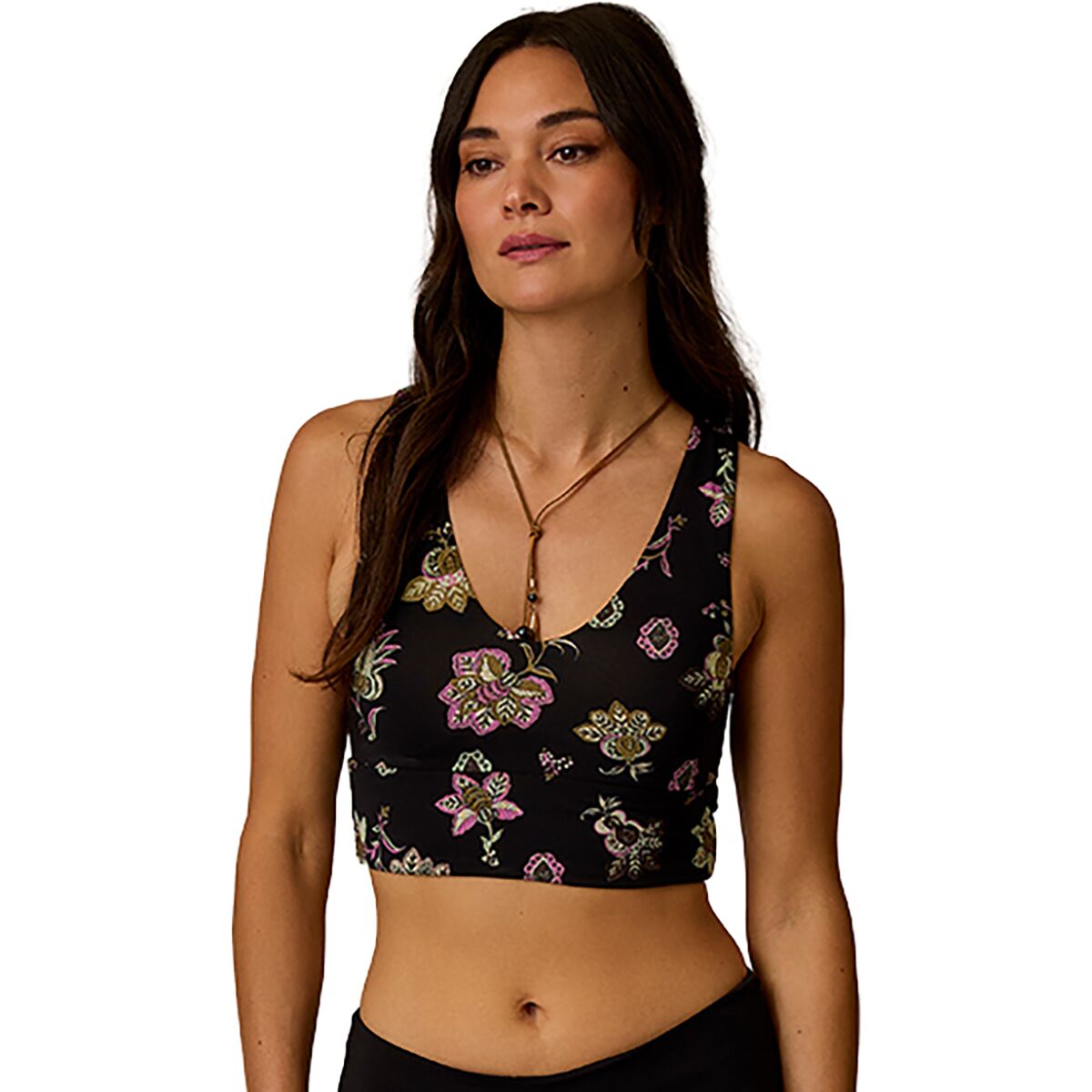
Coastal access and warm water make swimming a daily option from March's first week onward.
Wet ground and water crossings are common, so sport sandals grip better than flip-flops.

Twelve hours of daylight with no shade in rural areas means continuous sun exposure.

Heat and 18 km/h wind combine to dehydrate faster than thirst signals arrive.
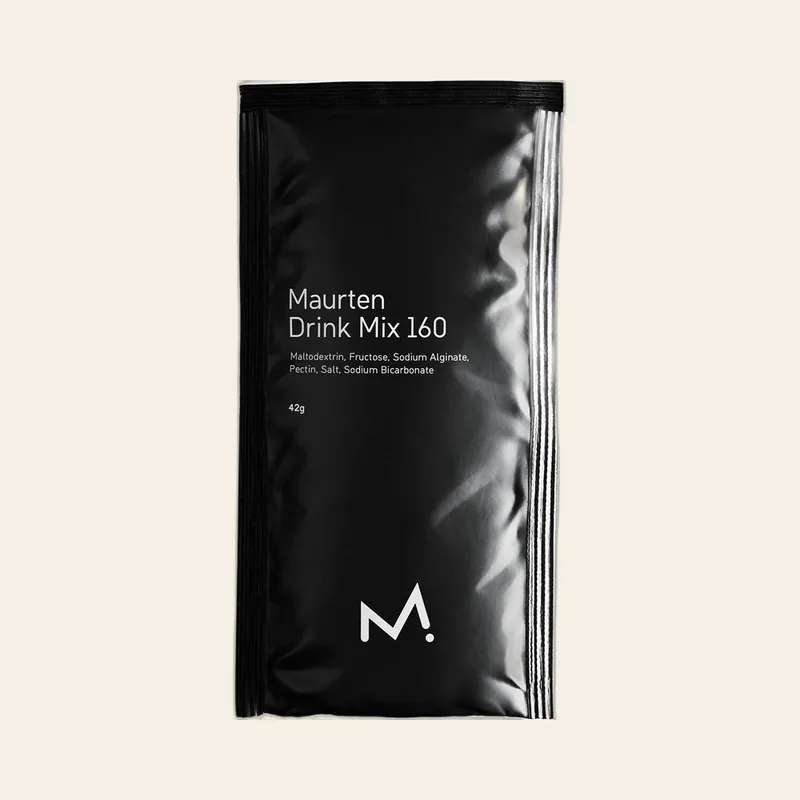
Cold water at 3pm is worth the weight.

Treat the clothes once and it lasts weeks.

Dehydration from heat and wind can turn a mild illness into a serious one fast.
Tap water carries parasites here, and traveler's diarrhea peaks in warm coastal regions.
One brick charges the laptop, phone, and camera.

Hotel and cafe wifi is shared with everyone else in the building. A VPN keeps your banking and email to yourself.
International border crossing and rural areas with fewer secure options make RFID wallets worthwhile.
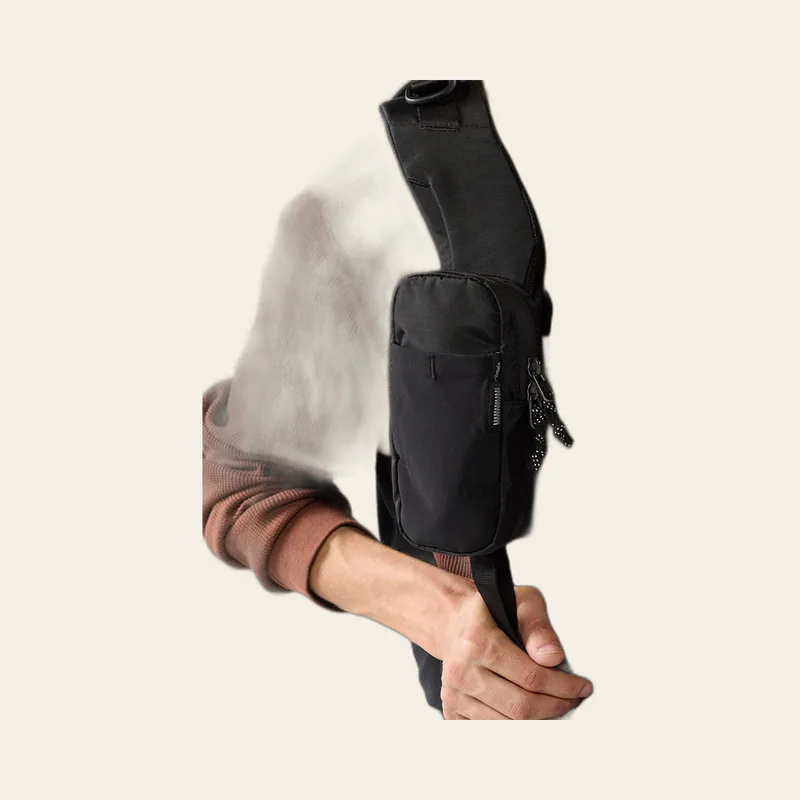
Bag theft rises in tourist zones near parks and coastal towns.
Packing cubes compress clothes in humid climates and speed up daily changes.
Cenote swimming and boat rides put phones at risk of saltwater and splash damage.

Laundry dries slowly in 66% humidity, so detergent lets you wash every few days instead.
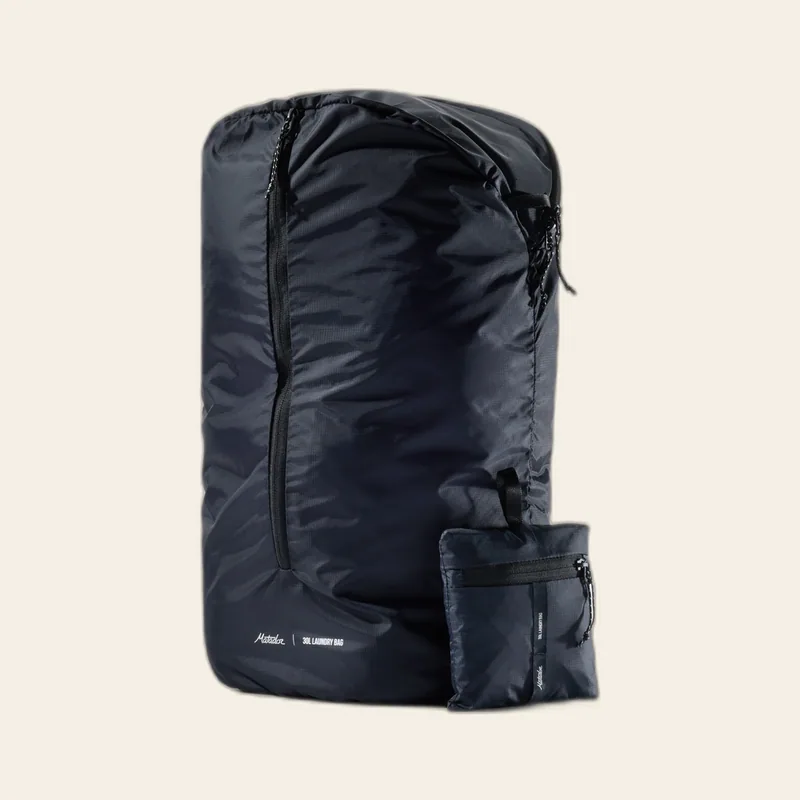
Nice to have
10 items you could skip
Highs of 91°F rule out long pants for anyone moving through rural terrain on foot.
Lips crack and blister at this UV level, especially on boats and beaches.
Cooling towels work when shade is scarce and sweating never fully stops.
No safe tap water means hand sanitizer fills the gap between washings.
Sunburned skin swells, so standard bug-bite itch relief causes more pain, not less.
Multiple devices and one guesthouse outlet require short cables to share power.
A few phrases go a long way. Ten minutes a day before you leave is plenty.
Border crossing to Mexico requires passport access at checkpoints and lodging check-ins.
Shared guesthouses and open luggage storage are the norm in rural tourism areas.
Humidity and mold grow fast in closed toiletry bags, so hanging ventilation matters.
Basics
16 things you probably own already