Change trip
What to pack for The Alps in February
Typical February, built from ten years of weather
Some links are affiliate links. It keeps the site free.
Typical for your dates
Highs 30°F, lows 14°F, rain 10 of 28 days
snowyfreezingcold
Sunset lands around 6:45pm. Wind averages 5 mph. There is paperwork on this one, so start with Before you go.
0 of 60 packed
Packing for
68 things on this list are on sale today
Essentials
18 items
Lows around 14°F. Goes under the shell when the wind picks up.
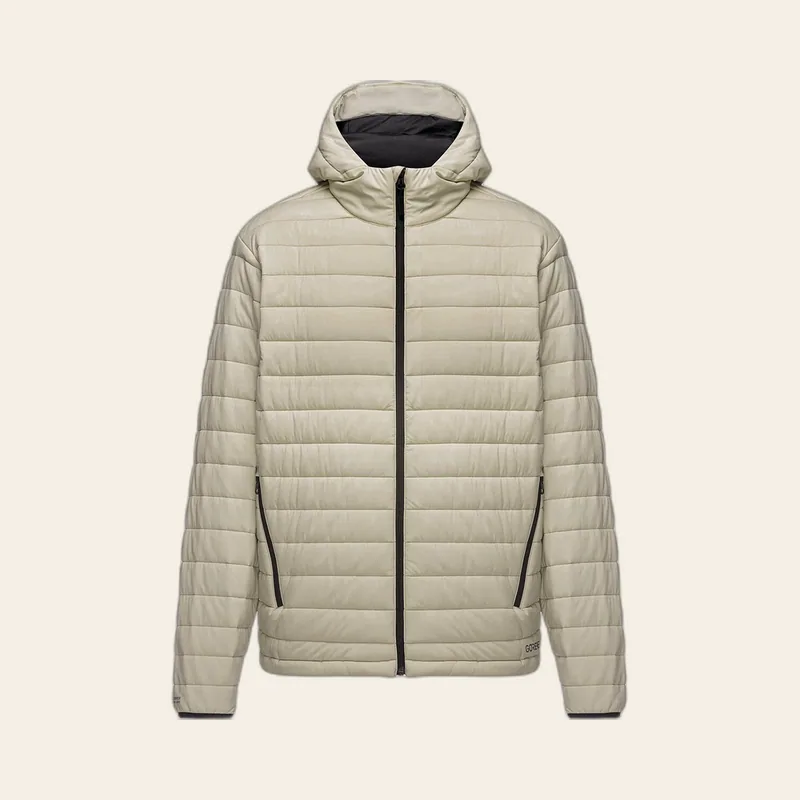
Highs below freezing. A puffy alone won't do it.
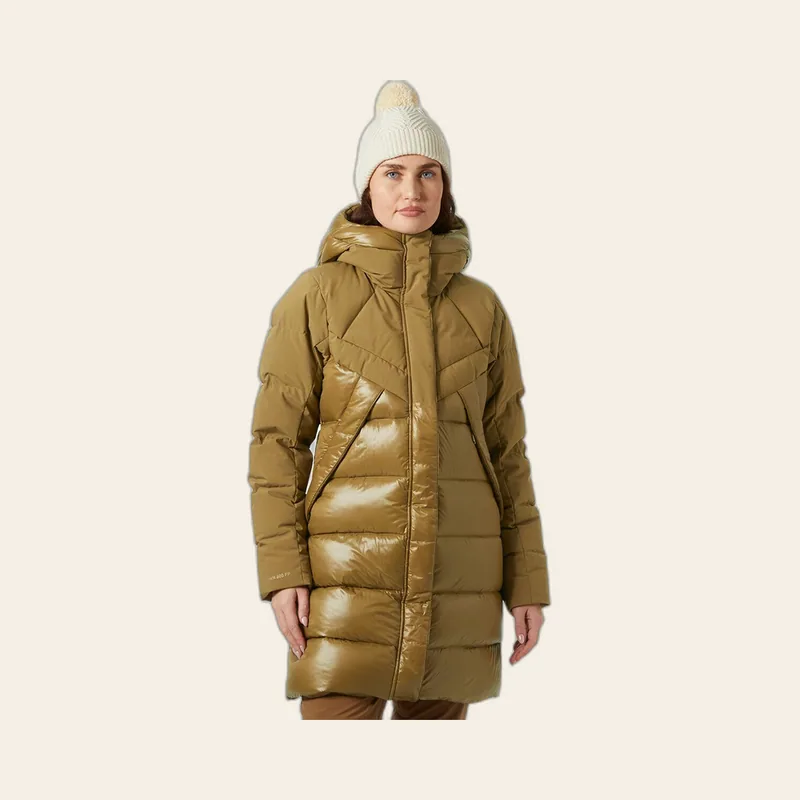
Wear one, dry one. Cotton stays wet all week here.

Lows hit 14°F. Exposed skin loses heat fast at altitude.

Wind and cold combine. Fingers go numb without insulation.
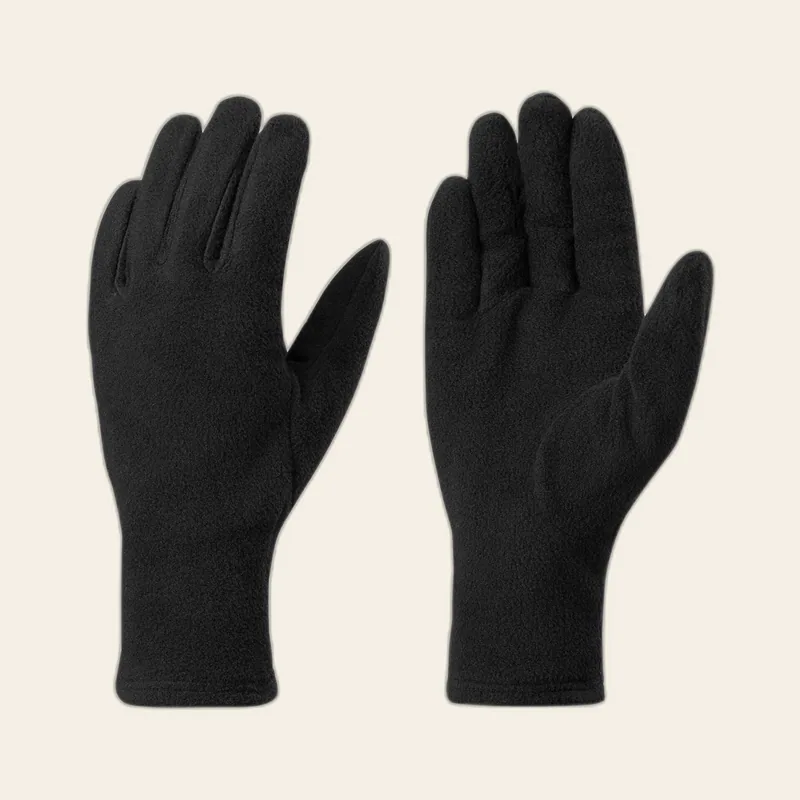
Snow covers the terrain. Regular boots soak through by midday.

Ten hours of daylight bounce off snow and ice. Eyes burn without protection.
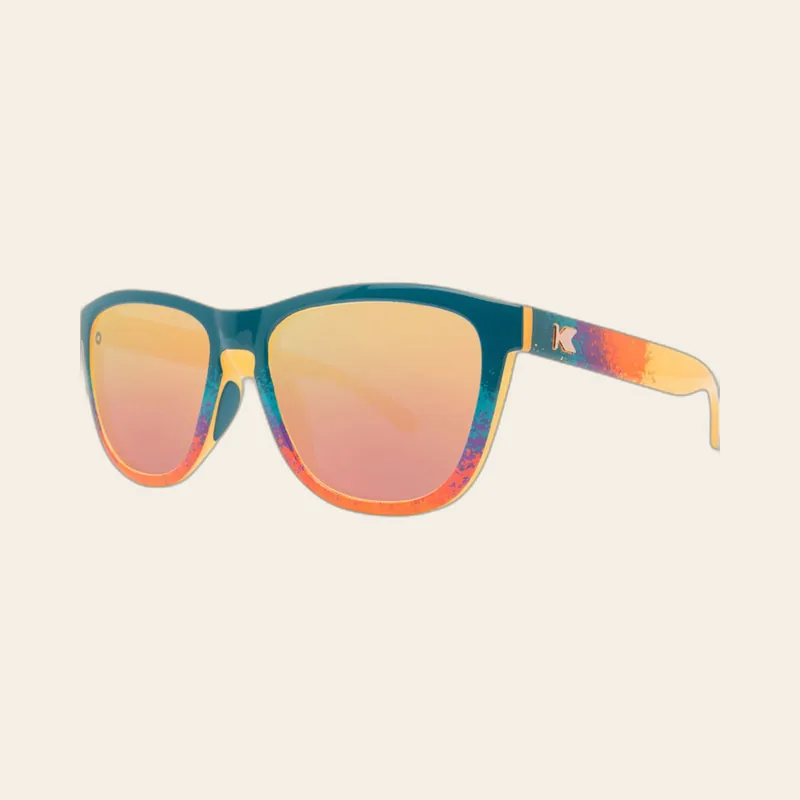
Check ankles and, if there's a dog, paws and ears every night.

Remote terrain at 2055 meters. Injuries need treatment before descent.

This country runs on Type C or J. Get one with USB-C so you're not fighting over the single outlet.


Set it up before you land. Signal drops for long stretches outside cities.

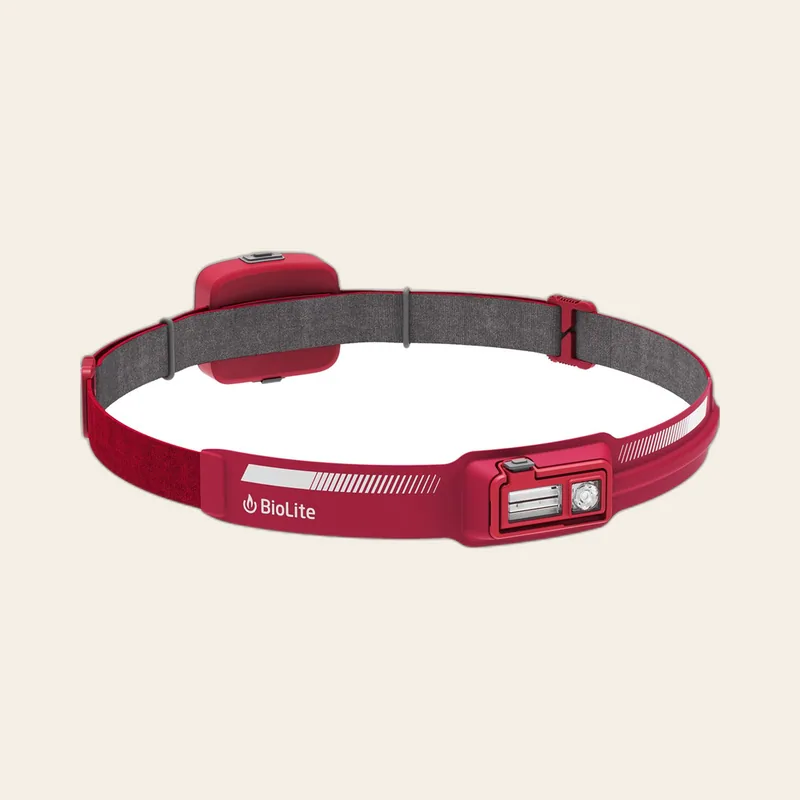
Dark by 6:45pm. Every campsite chore after that is a two-hands job.
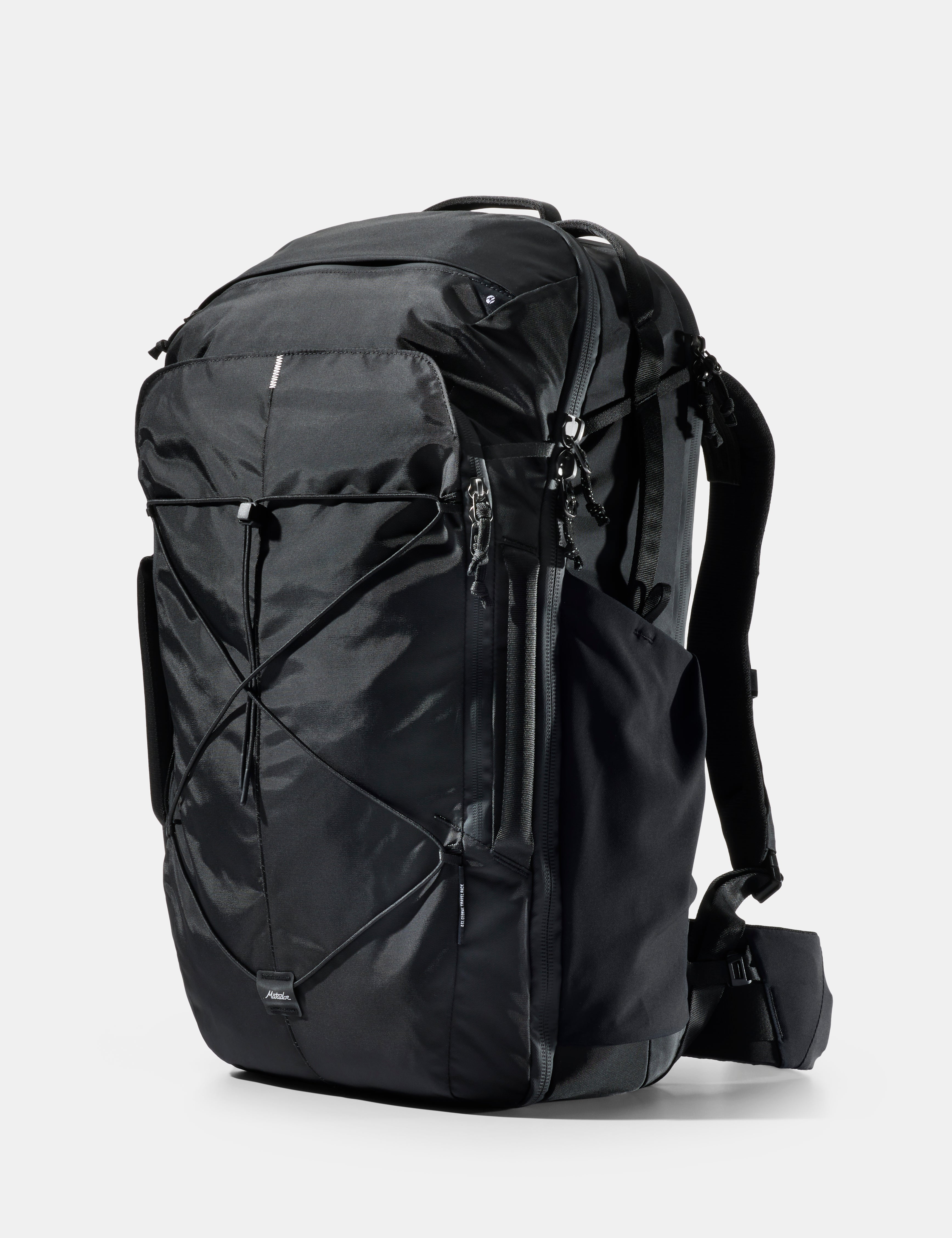
Overhead bins fill fast on connecting flights. A sized pack fits every time.
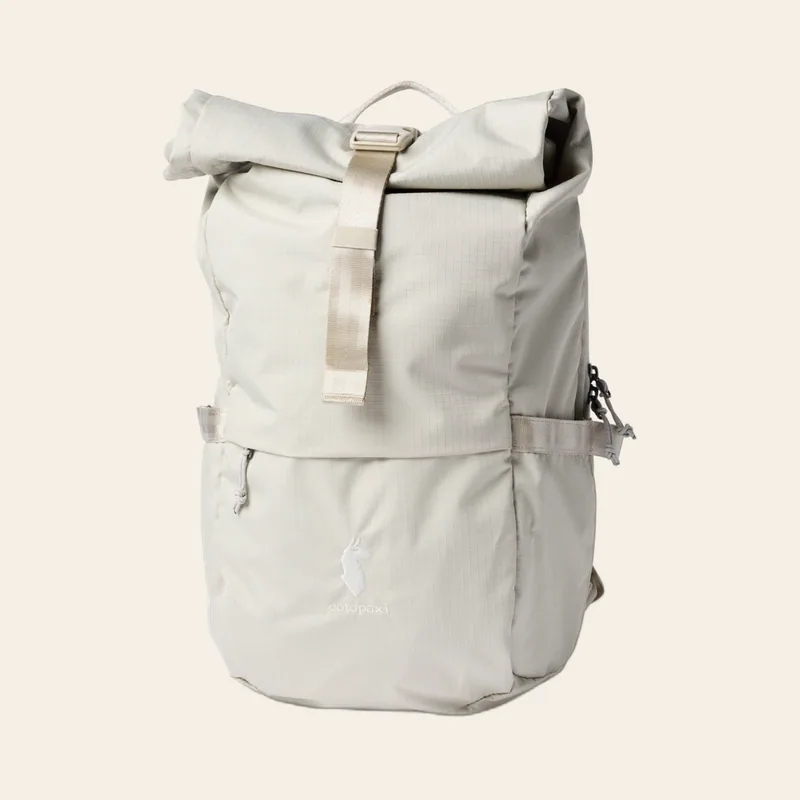
Day hikes in snow require layers and water. A daypack carries both.
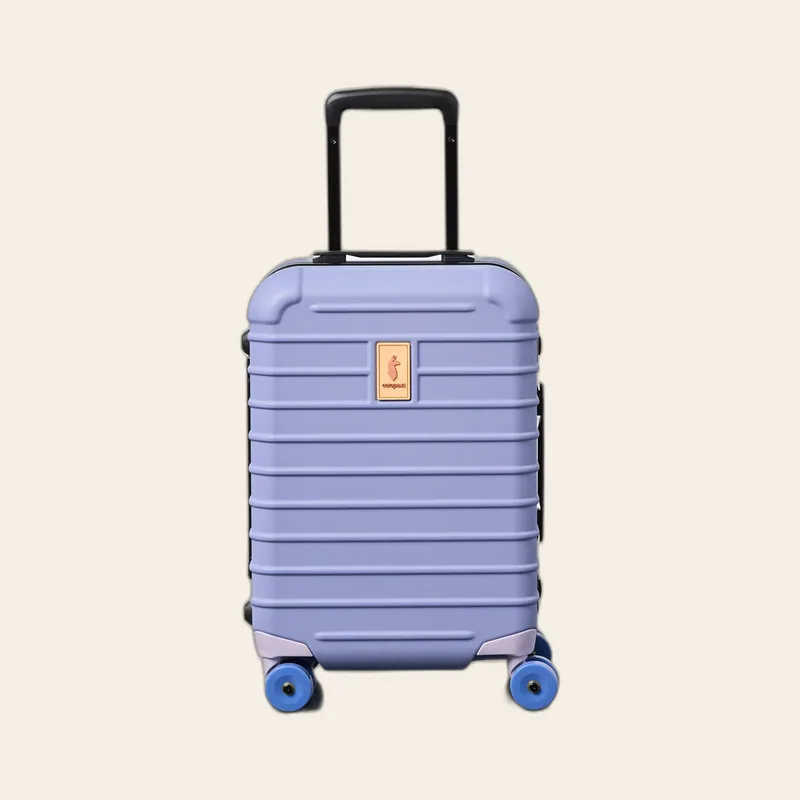
Fits the overhead on every airline that matters. Skip the checked-bag line entirely.
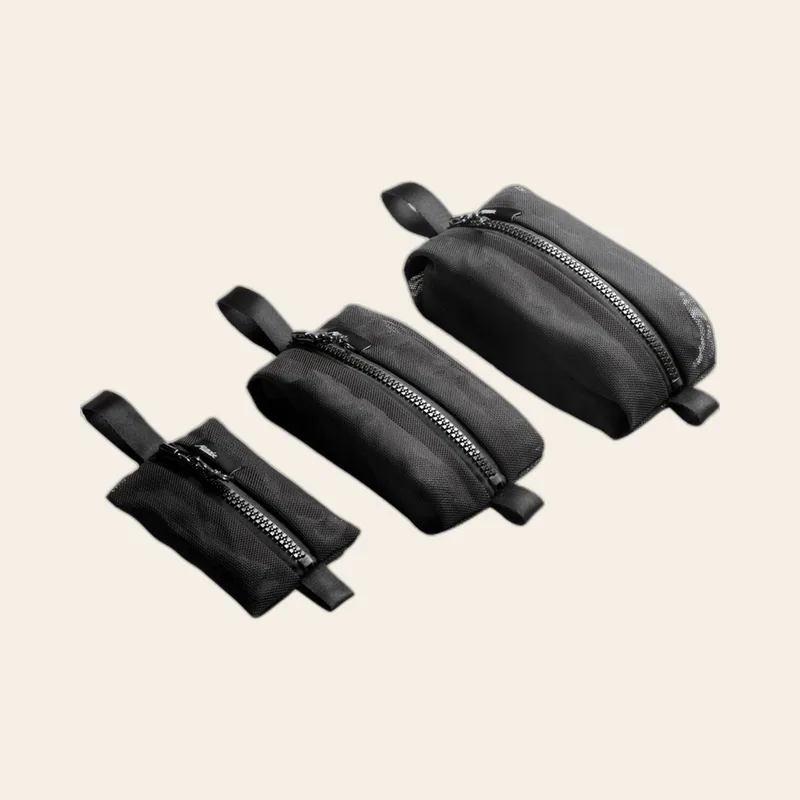
For the passport, the chargers, and the one dry pair of socks.
Snow soaks regular gloves. Insulated waterproof gloves keep hands dry.

Before you go
7 to sort
SafetyWing Nomad Insurance, Month-to-month cover you can start after you leave
Going, Cheap cash fares, emailed when they droppoint.me, Finds the flight your points will actually book
AllTrails, Download your trails before you lose signal.
Recommended
14 items
For the mornings and the nights.

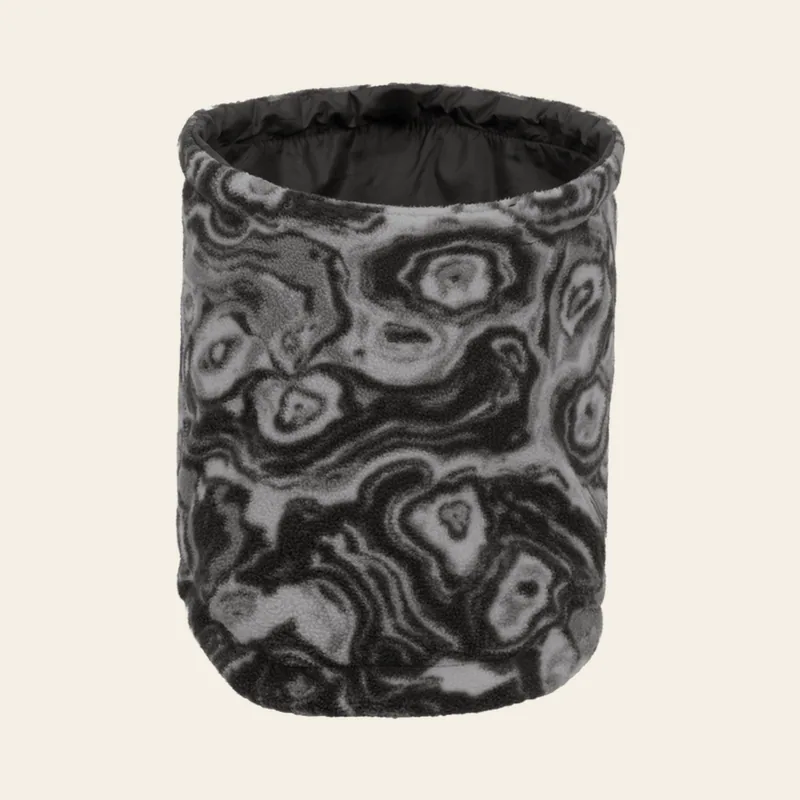
Breath freezes on fabric. A gaiter keeps your face from ice.
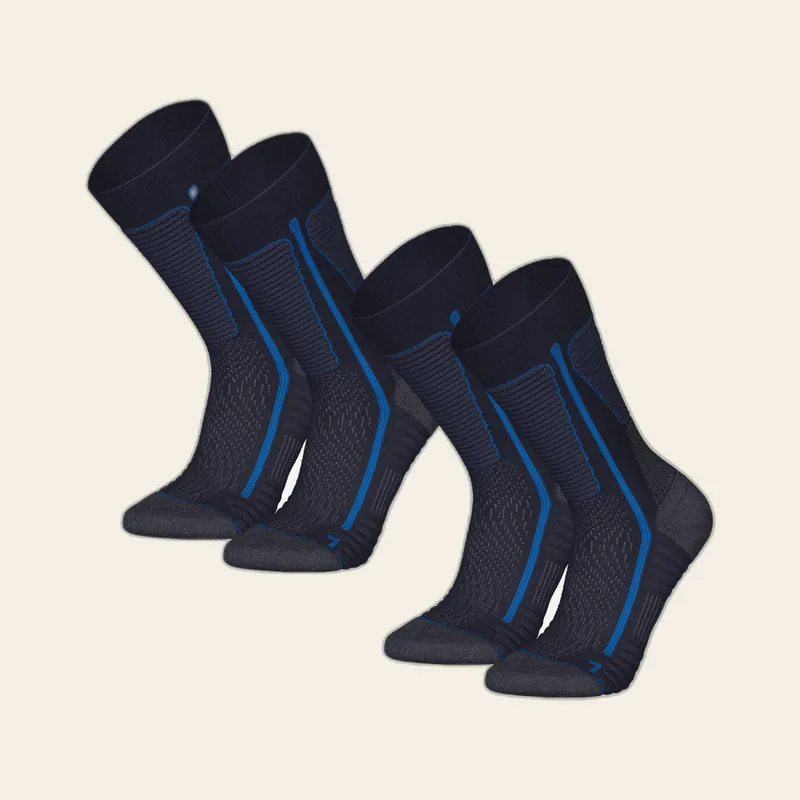
Snow and wet socks end hikes. Thermal layers stay dry longer.
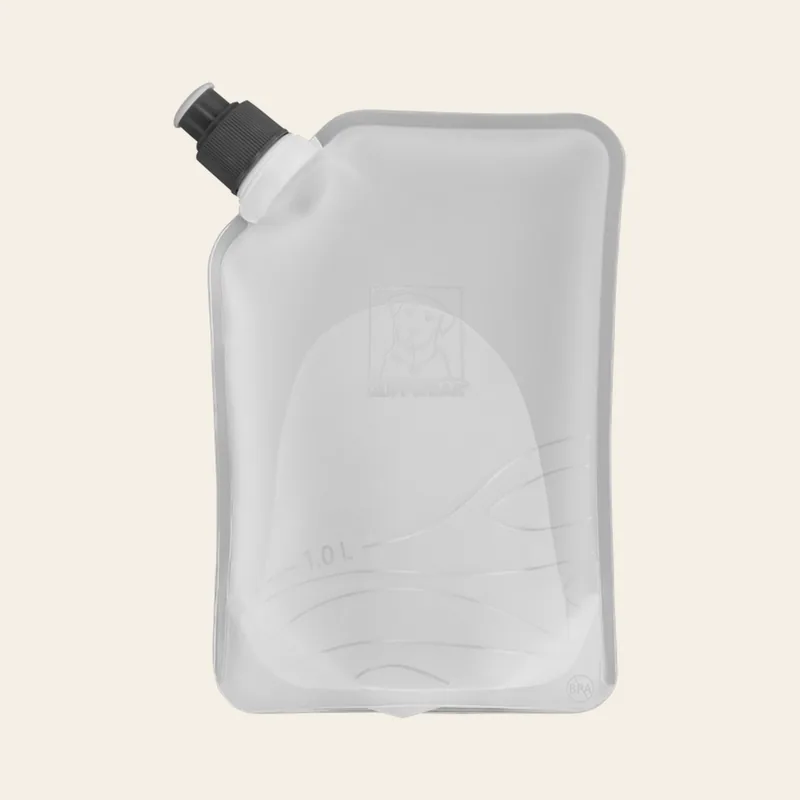
Tap water is safe here. A bottle avoids single-use plastic.
One brick charges the laptop, phone, and camera.

Hotel and cafe wifi is shared with everyone else in the building. A VPN keeps your banking and email to yourself.
International travel and mountain terrain. A tracker locates lost bags fast.
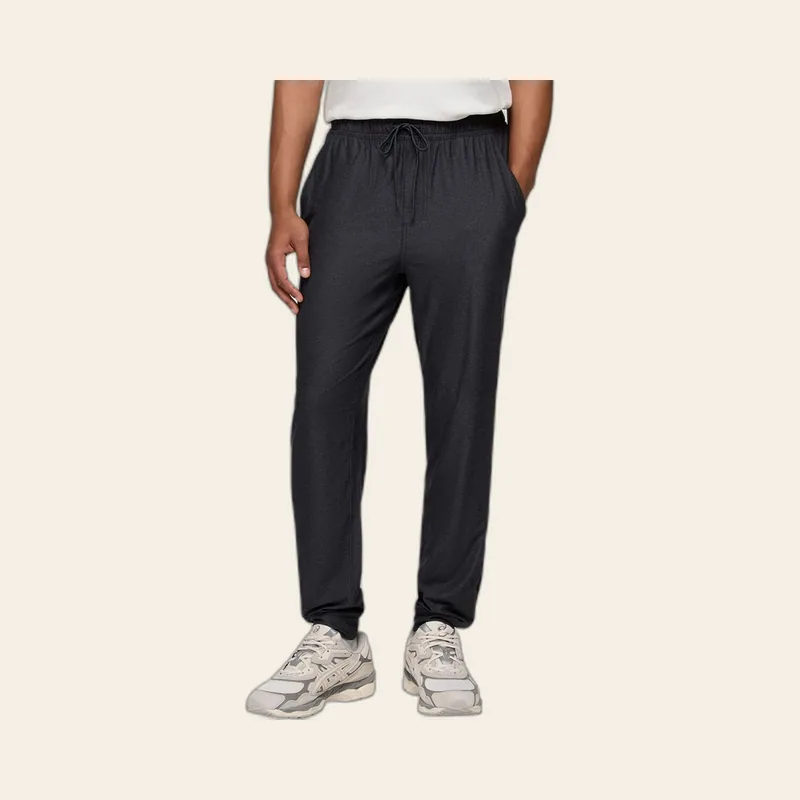
Snow gear takes space. Rolling luggage handles mountain roads.

Winter clothes compress poorly. Cubes keep layers organized and separated.
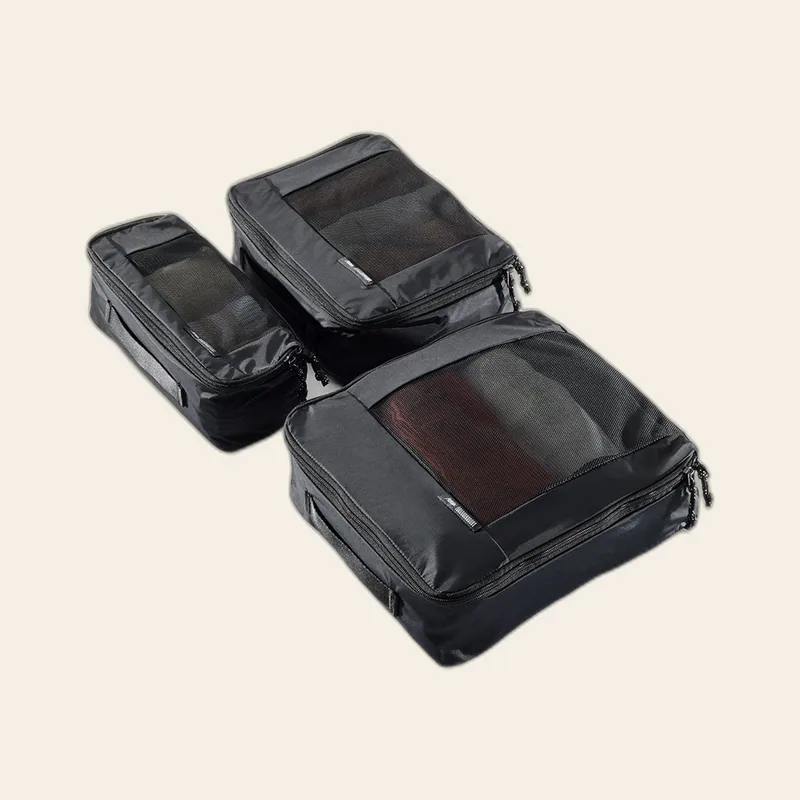
Heavy boots and insulated gear add weight. A suitcase distributes load.
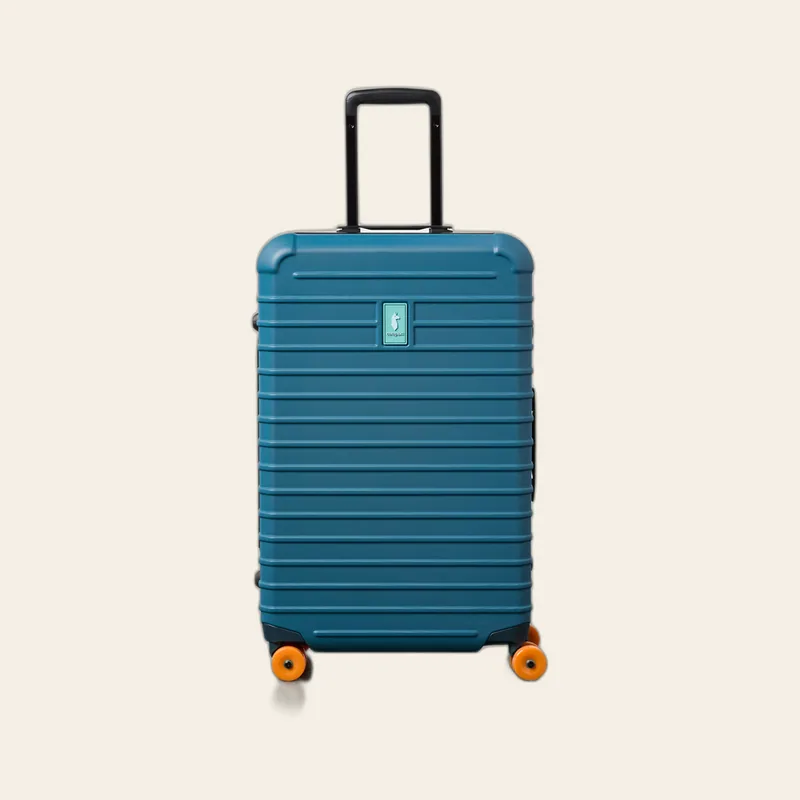
Cold weather means fewer laundry days. Detergent keeps clothes fresh longer.
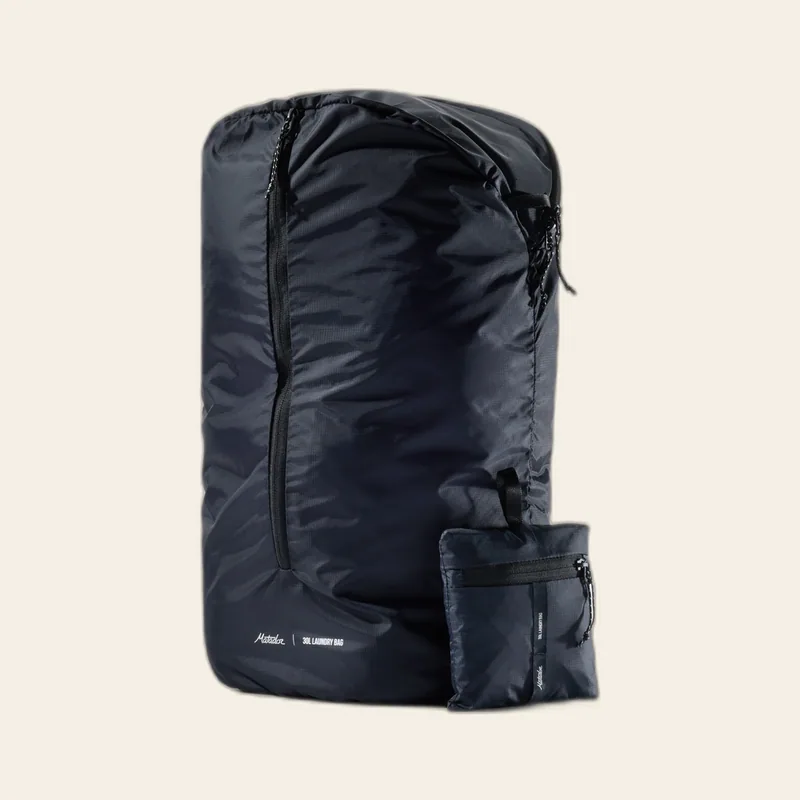
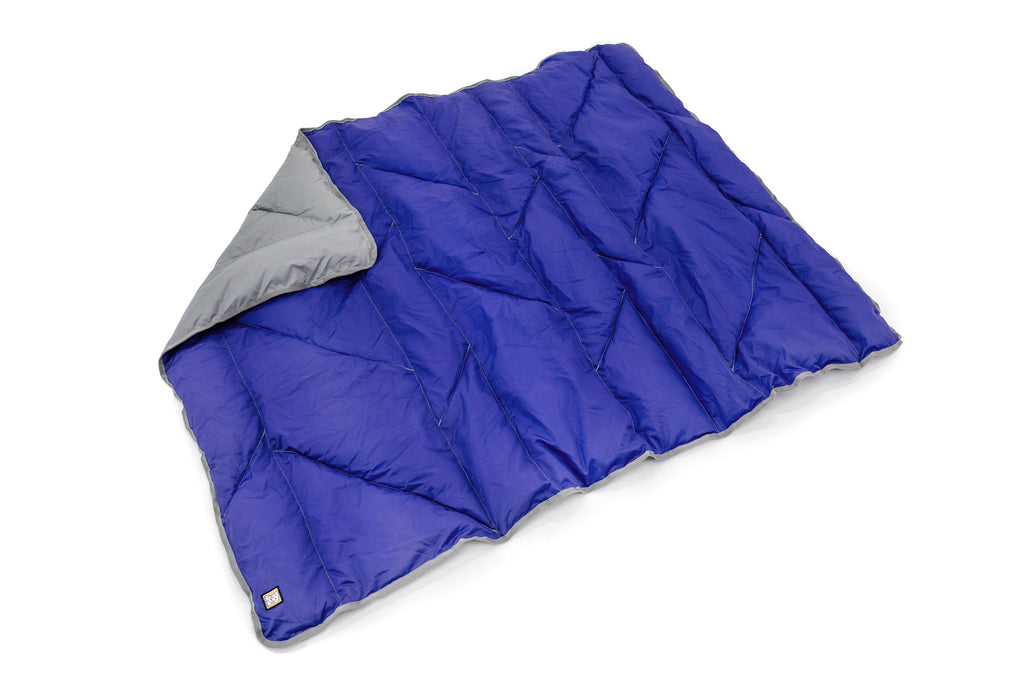
Lows around 14°F. One blanket that packs small covers the car, the campsite and the beach at sunset.
Altitude and thin air cause headaches. Quiet helps you sleep.

Snow and steep slopes demand stability. Poles prevent falls and knee strain.

Nice to have
12 items you could skip
Snow creeps into boots and socks. Gaiters seal the gap.
Altitude and snow reflection burn lips raw. SPF prevents cracking.
Winding mountain roads cause nausea. Prevention works better than cure.
Guesthouses share facilities. Hand sanitizer stops illness fast.
One outlet per guesthouse. Short cables charge multiple devices at once.
A few phrases go a long way. Ten minutes a day before you leave is plenty.
International border crossings happen here. A holder protects your passport.
Multiple countries and shared guesthouses. Locks secure your luggage.
Snow compresses in a pack and takes up half the space of loose winter layers.
Humidity sits at 72 percent. A hanging bag keeps toiletries dry.
Altitude and cold disrupt sleep. A pillow helps you rest.
Pockets aren't enough at 14°F. Hand warmers add hours of comfort.
Basics
16 things you probably own already