Change trip
What to pack for Switzerland in November
Typical November, built from ten years of weather
Some links are affiliate links. It keeps the site free.
Typical for your dates
Highs 48°F, lows 37°F, rain 16 of 30 days
snowycoldwet
Sunset lands around 5:50pm. Wind averages 4 mph. There is paperwork on this one, so start with Before you go.
0 of 60 packed
Packing for
66 things on this list are on sale today
Essentials
19 items
16 rain days a month finds every seam. A real shell, not a windbreaker.
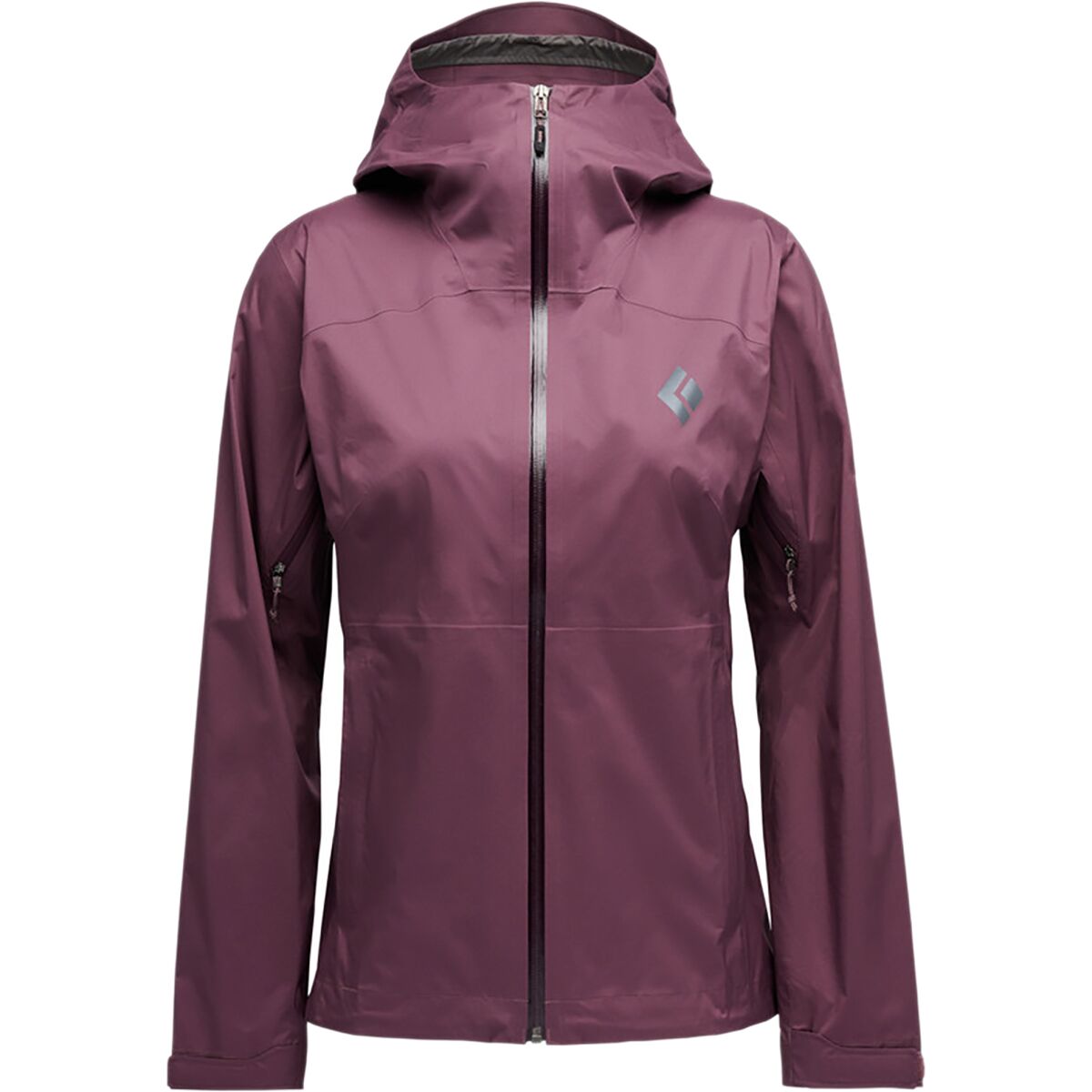
Lows around 37°F. Goes under the shell when the wind picks up.
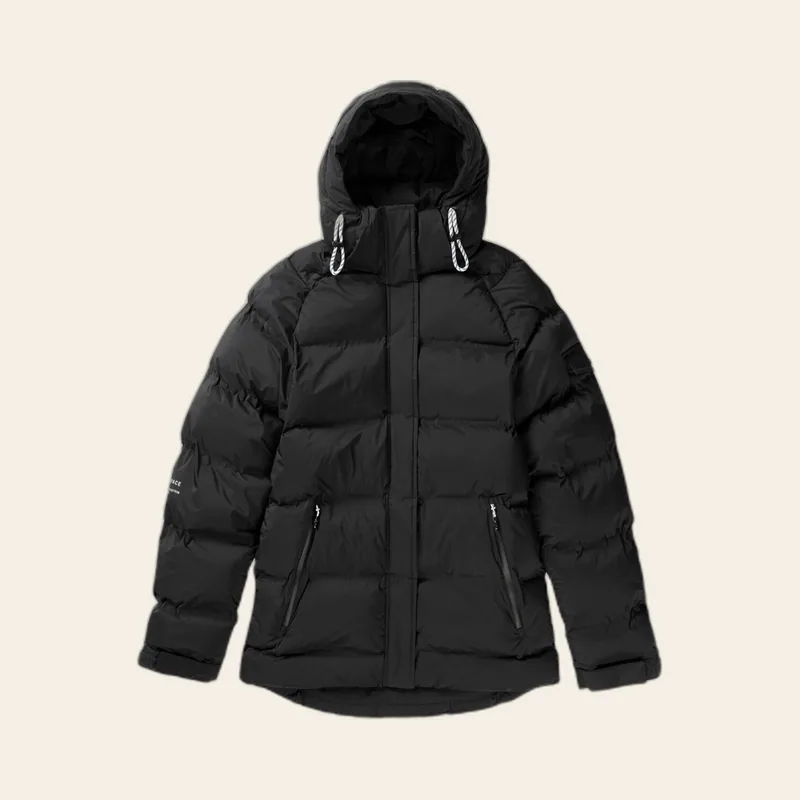
Wear one, dry one. Cotton stays wet all week here.

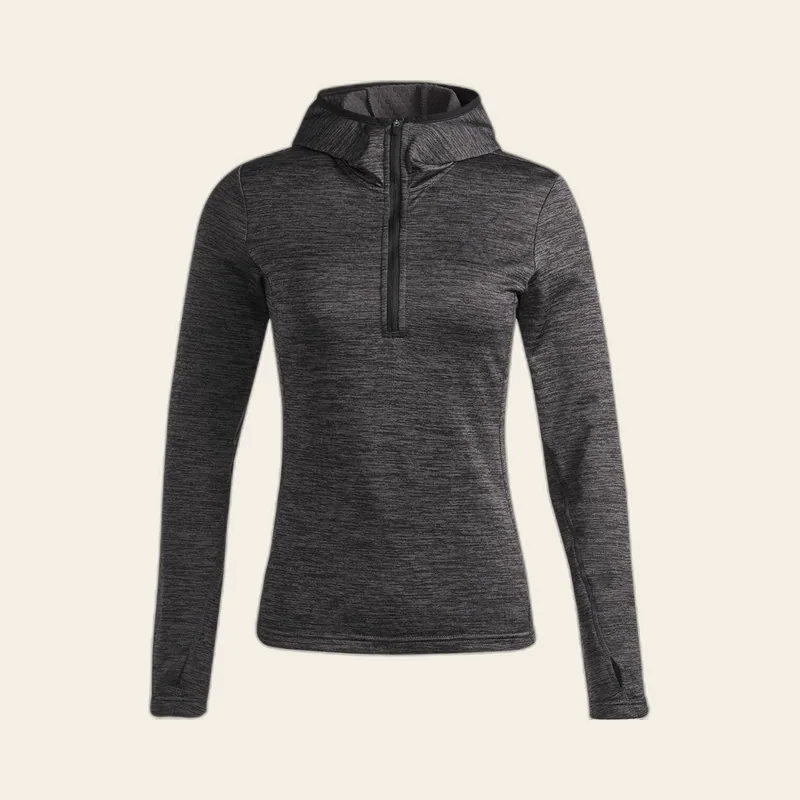
The layer you'll wear more than any other.

Snow arrives in November. Wet boots on day one means cold feet for the rest.
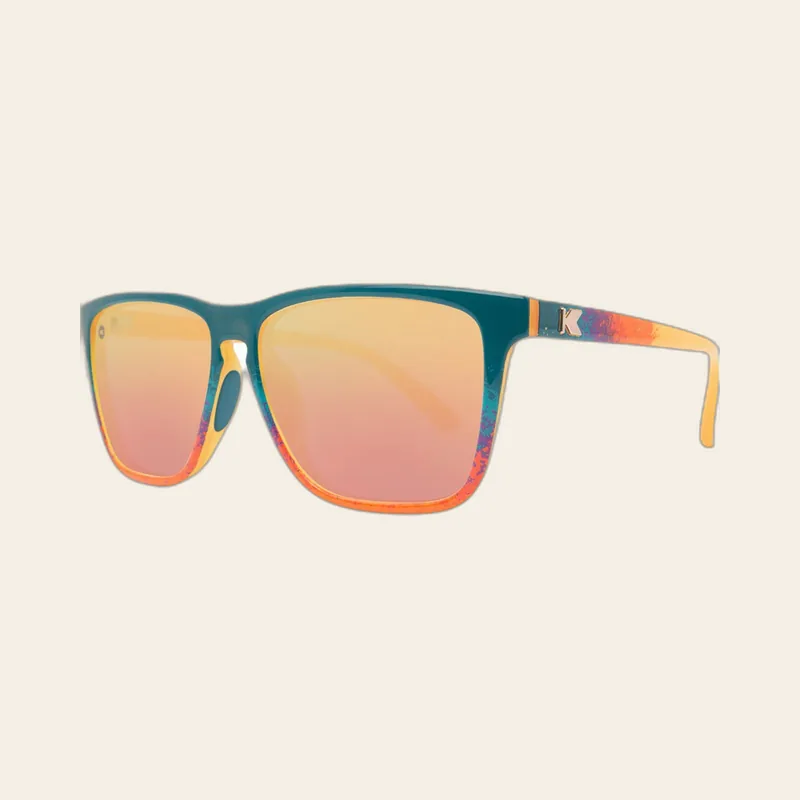
Low UV doesn't mean safe; snow reflects glare back at your eyes.
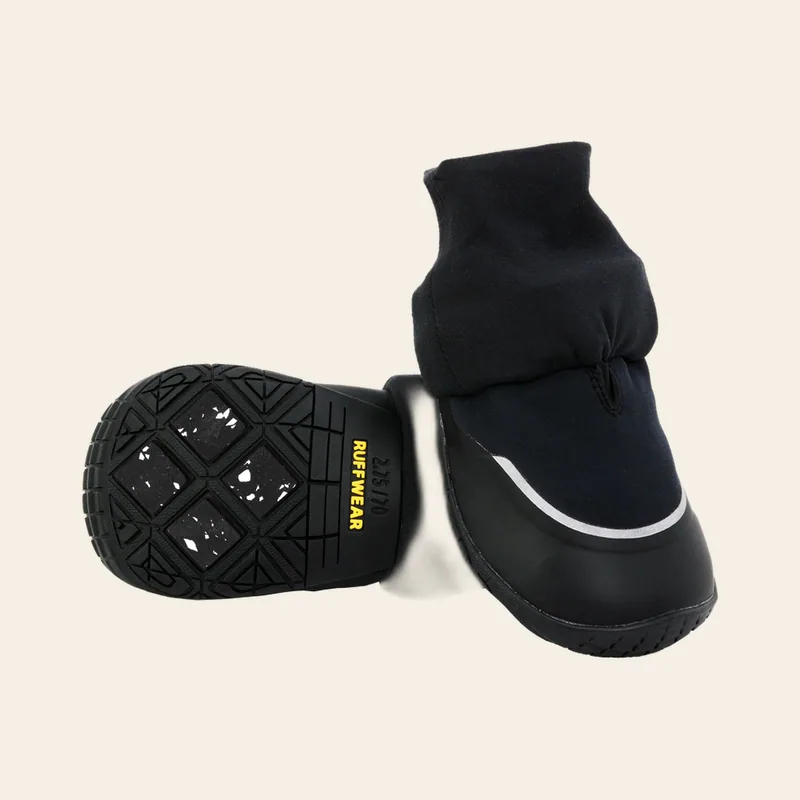
Check ankles and, if there's a dog, paws and ears every night.
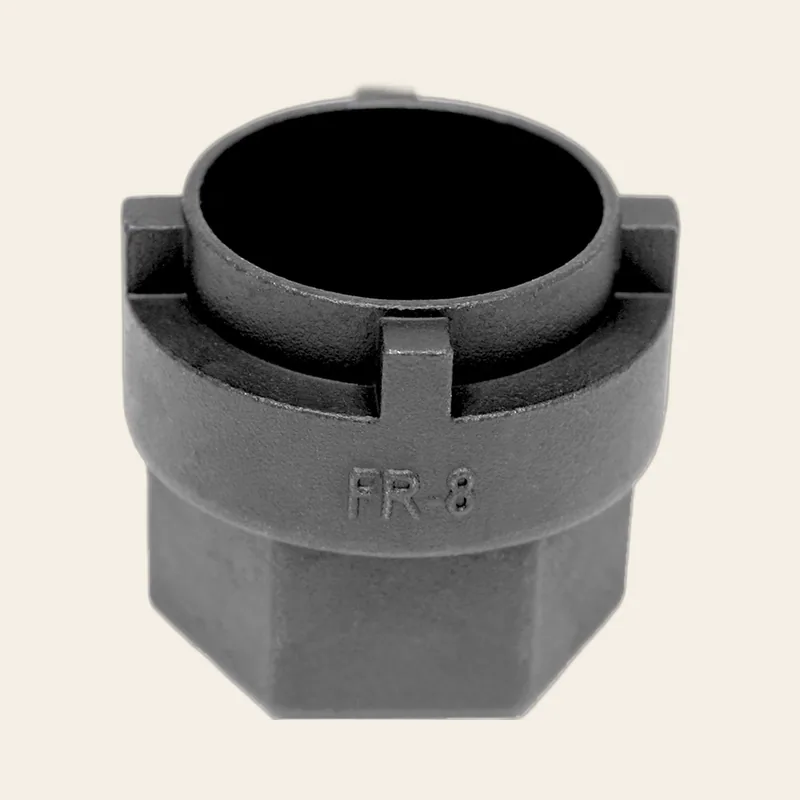
Remote mountain terrain and cold weather make minor injuries serious fast.

This country runs on Type C or J. Get one with USB-C so you're not fighting over the single outlet.

Nine hours of daylight means cameras and phones drain faster than summer.

Set it up before you land. Signal drops for long stretches outside cities.

Dark by 5:50pm. Every campsite chore after that is a two-hands job.

Fits overhead on every airline, so you skip the checked-bag line entirely.
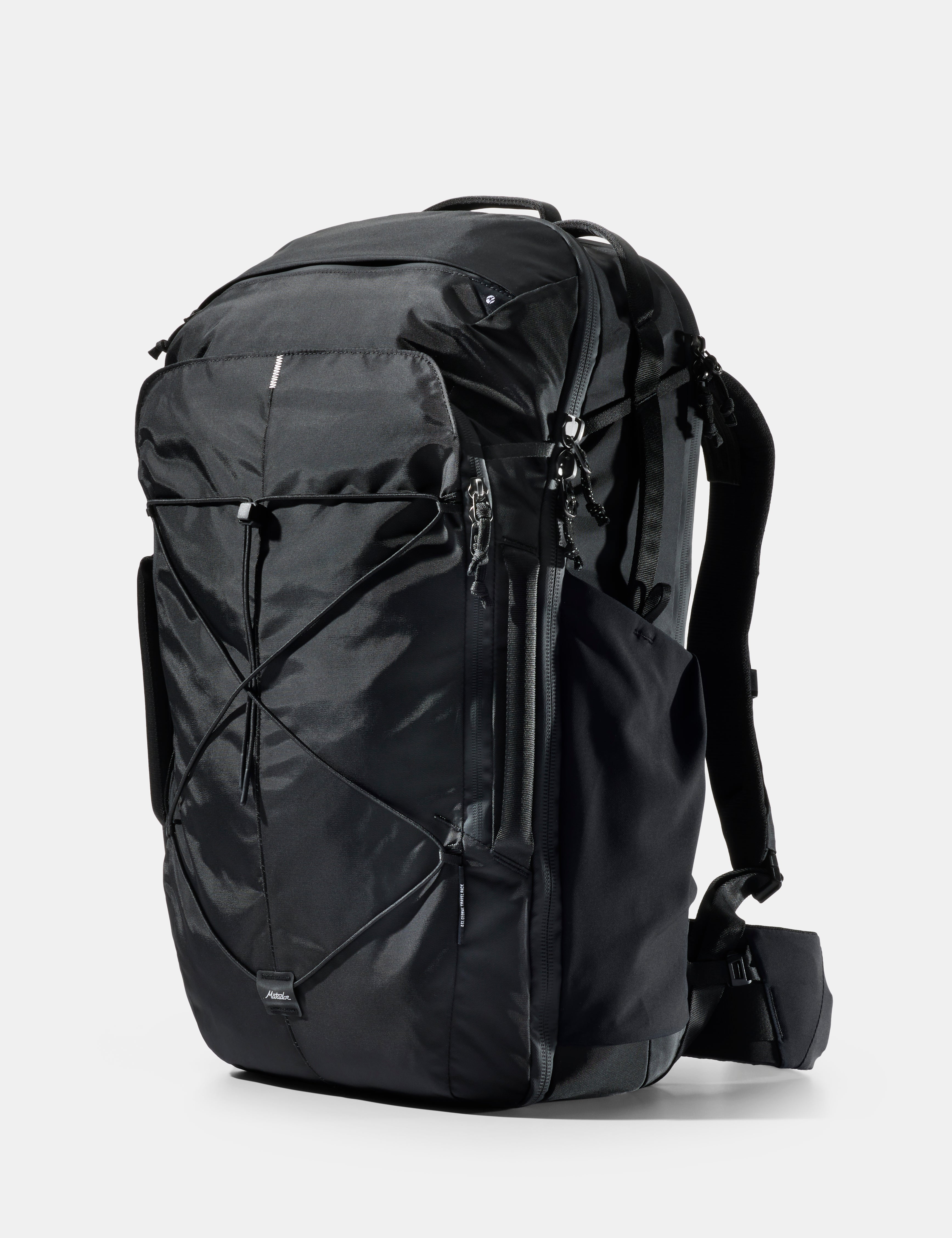
Day hikes on snowy terrain require a separate pack for layers and safety gear.
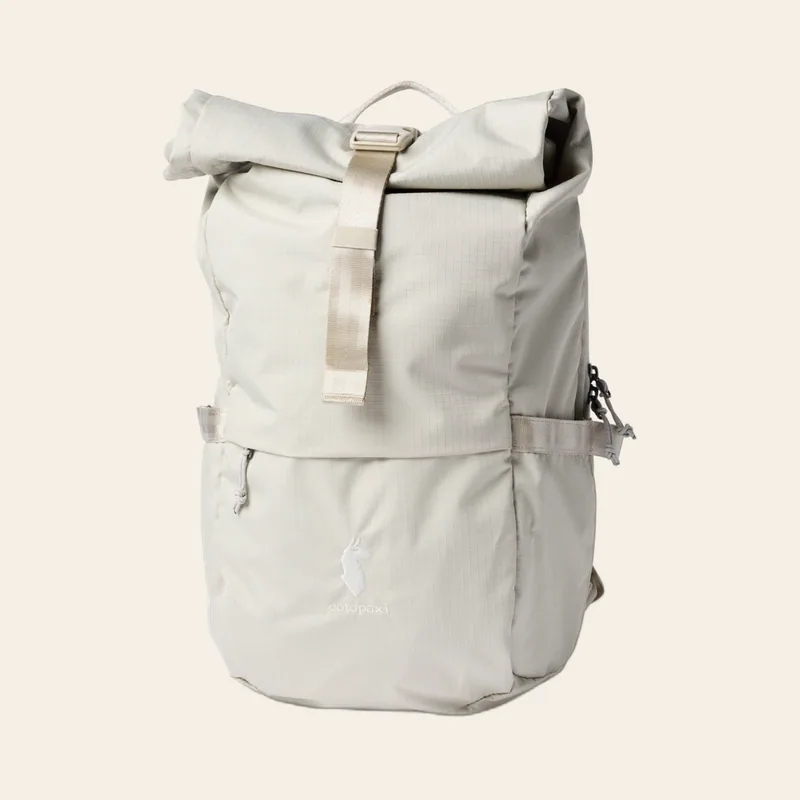
Fits the overhead on every airline that matters. Skip the checked-bag line entirely.
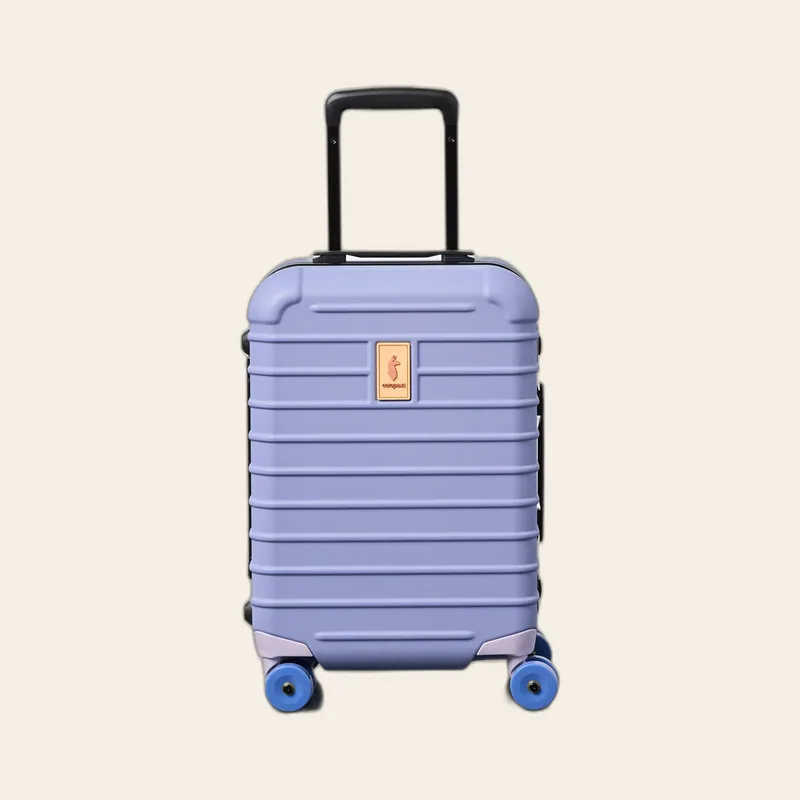
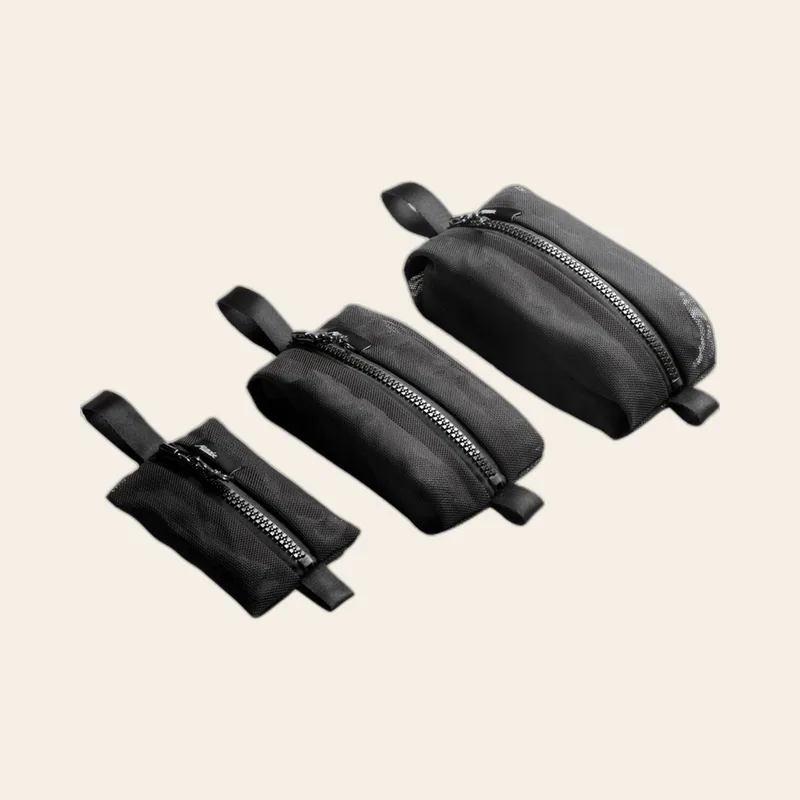
For the passport, the chargers, and the one dry pair of socks.
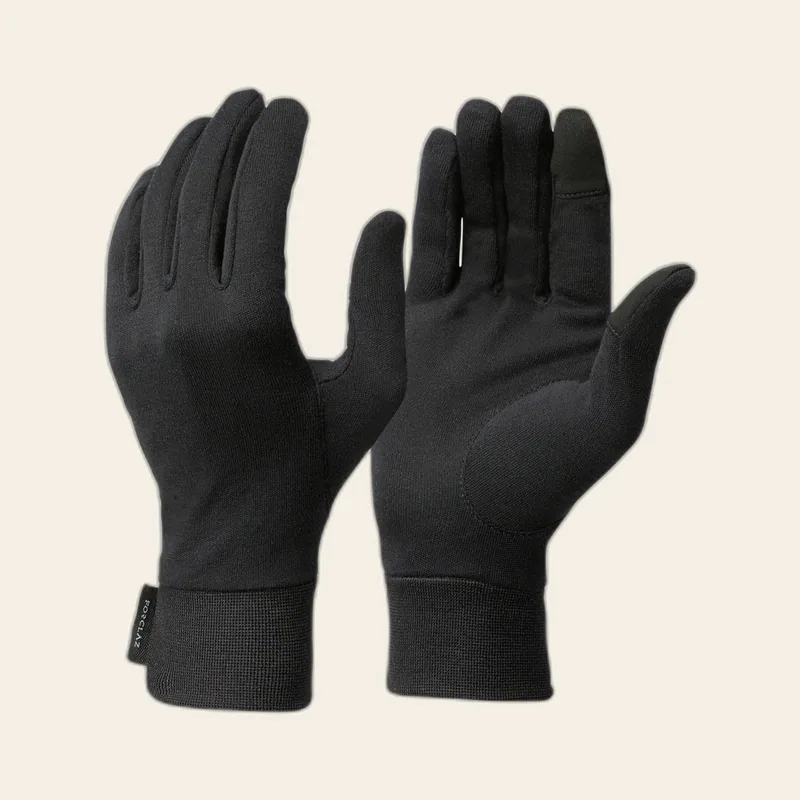
Three degrees Celsius and wet snow require insulation that regular gloves lack.

Before you go
6 to sort
Recommended
14 items
For the mornings and the nights.

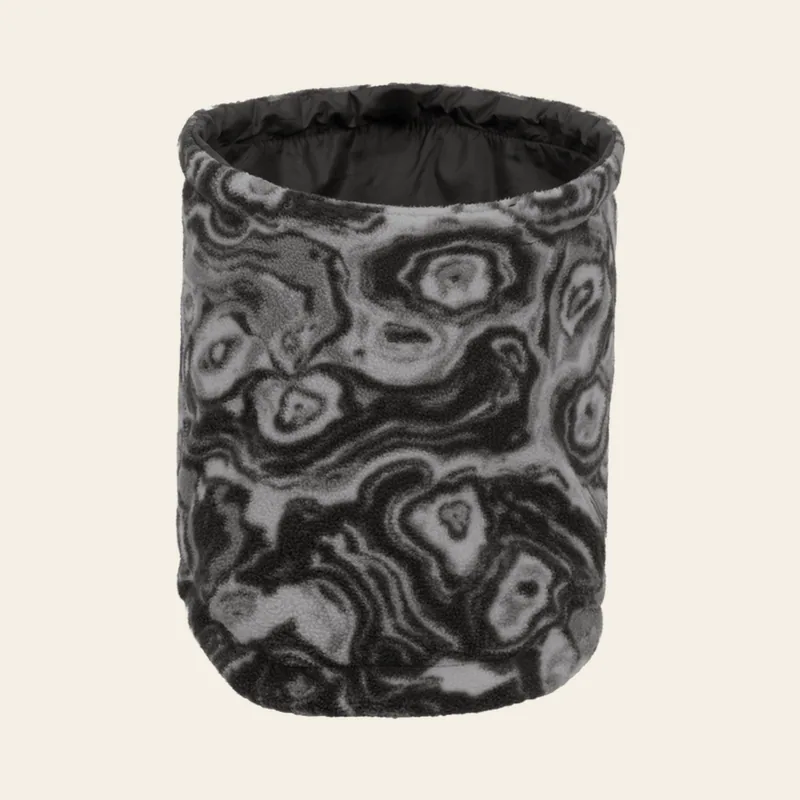
Neck skin stays exposed between hat and jacket, vulnerable in cold and wind.
Wet snow melts into socks; thermal ones keep feet functional when damp.
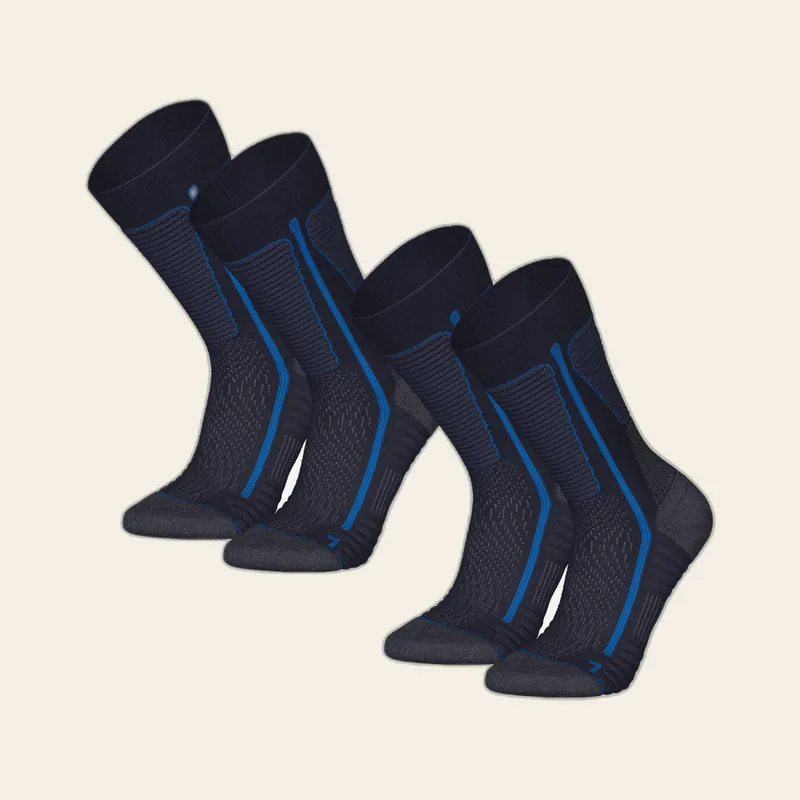
Tap water is safe, so a bottle eliminates single-use plastic waste.

One brick charges the laptop, phone, and camera.

Hotel and cafe wifi is shared with everyone else in the building. A VPN keeps your banking and email to yourself.
International travel and shared accommodations increase bag loss risk.
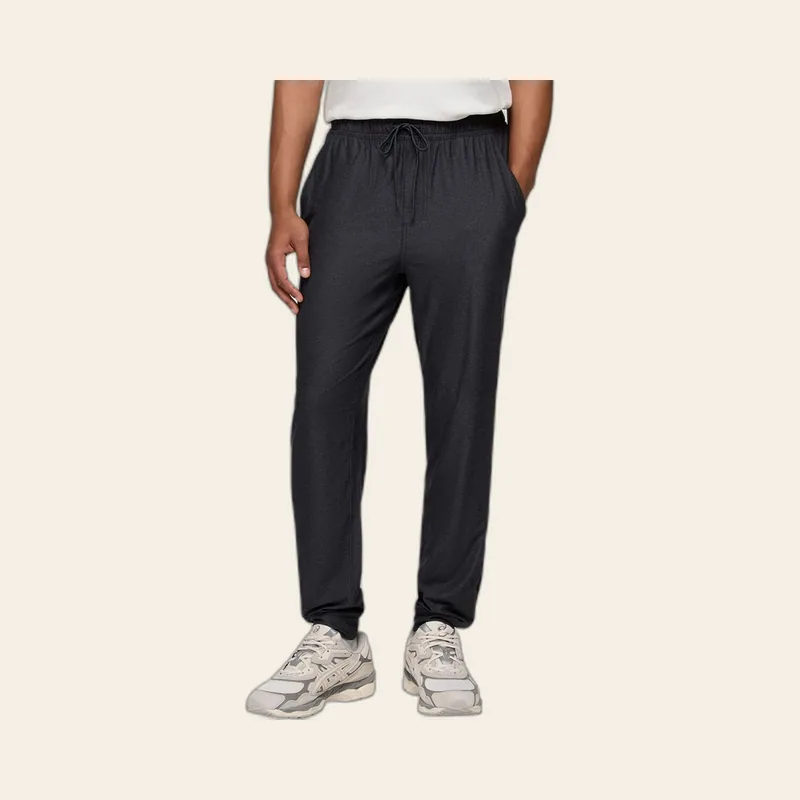
Two weeks of cold-weather clothes need more volume than a carry-on allows.

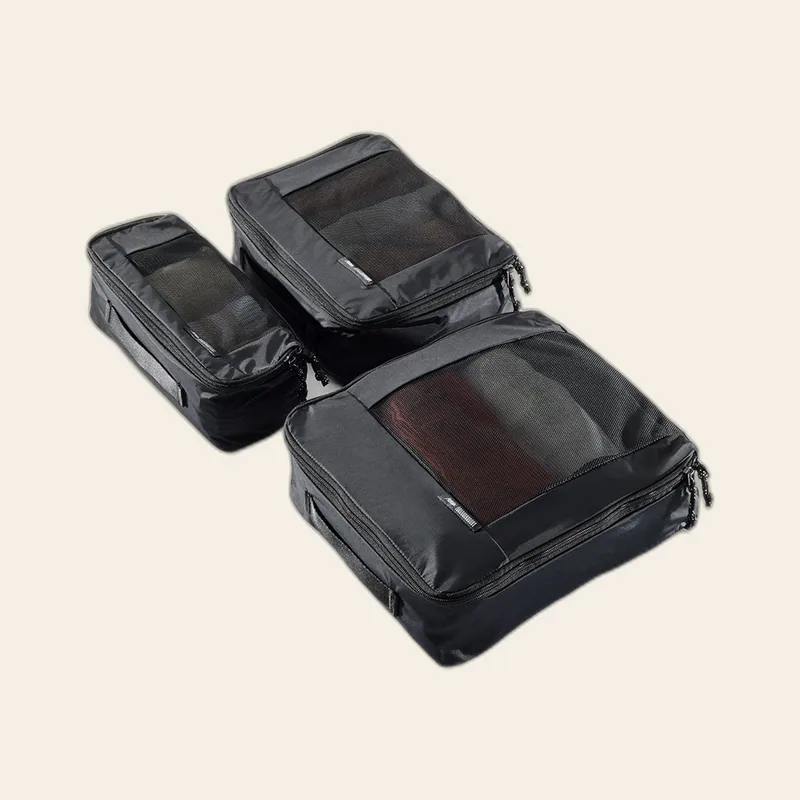
Damp clothes trapped together in a bag grow mold at 88% humidity.
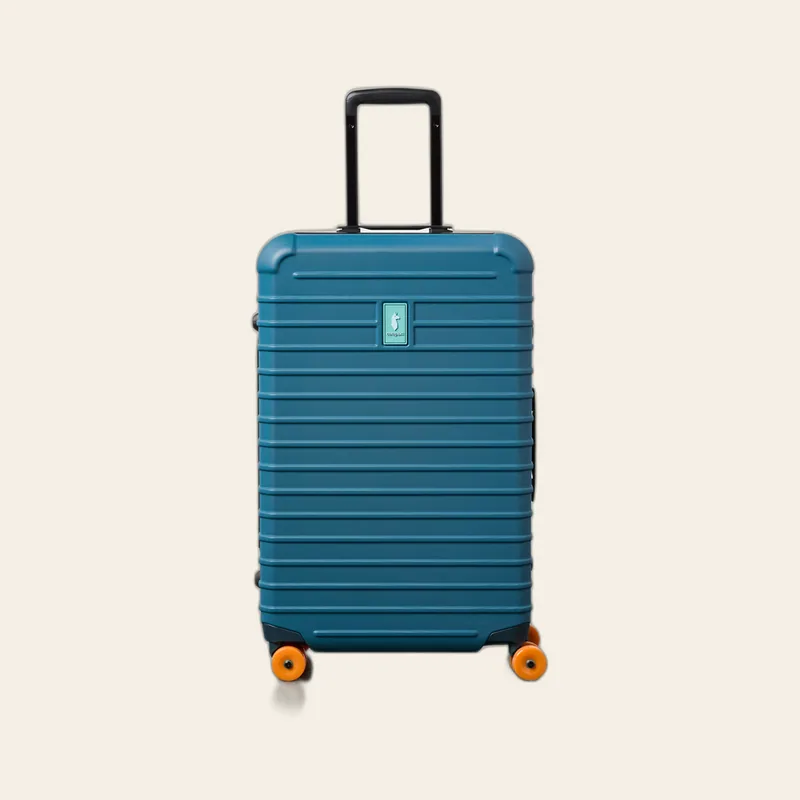
Checked luggage holds the bulk of cold-weather gear for a month-long trip.
Treating clothes once lets them last two weeks without rewashing.
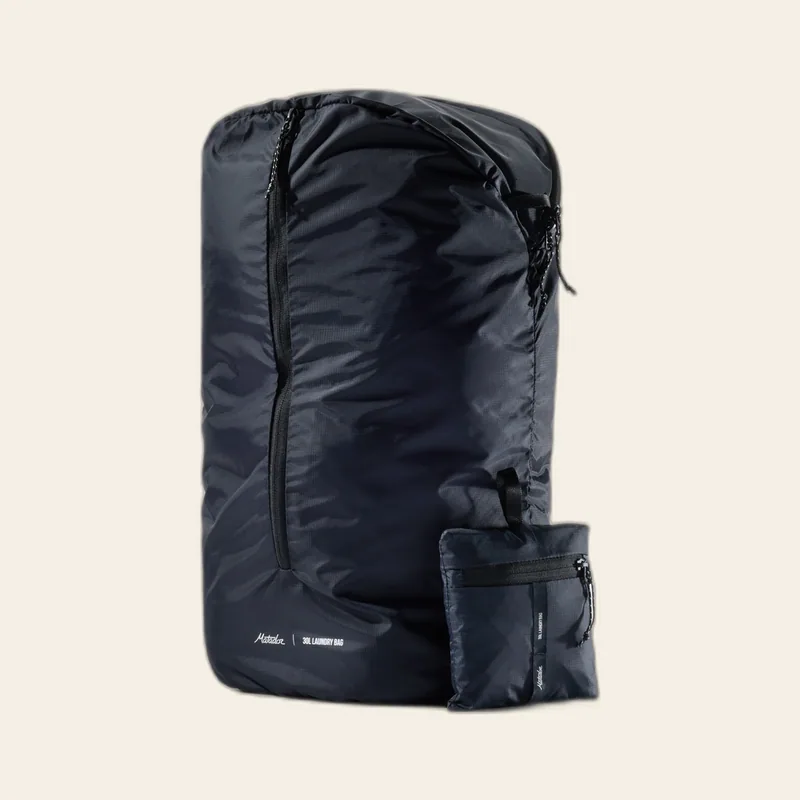
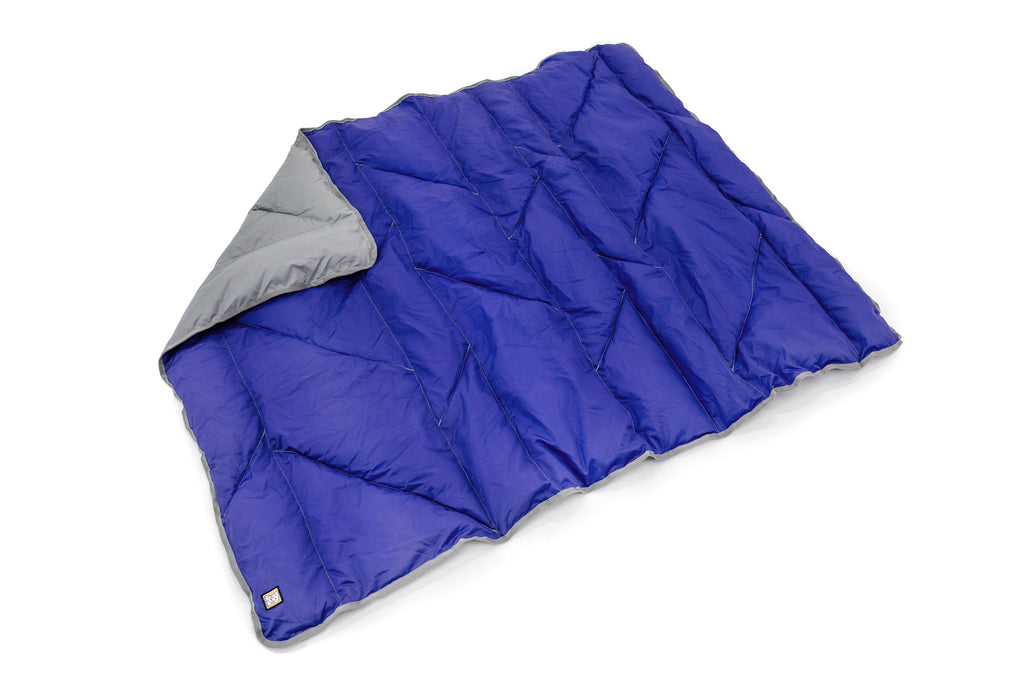
Lows around 37°F. One blanket that packs small covers the car, the campsite and the beach at sunset.
Mountain valleys funnel wind and aircraft noise into guesthouses at night.

Snow on single-track mountain paths makes footing unstable without poles.

Nice to have
11 items you could skip
Gaiters seal the gap where snow enters boots on snowy mountain paths.
Thirteen rain days plus snow means leather absorbs moisture constantly.
One guesthouse outlet and shared facilities mean hand sanitizer prevents illness spread.
One outlet at the guesthouse charges three devices if cables stay short.
A few phrases go a long way. Ten minutes a day before you leave is plenty.
Crossing into Switzerland requires documents safe from the 88% humidity.
International travel means luggage passes through multiple hands and airports.
Down jackets and thermal layers pack to half size when compressed.
Humidity at 88% grows mold in damp toiletries left loose in bags.
Basics
16 things you probably own already