Change trip
What to pack for South Korea in February
Typical February, built from ten years of weather
Some links are affiliate links. It keeps the site free.
Typical for your dates
Highs 41°F, lows 23°F, rain 4 of 28 days
snowycoldshort days
Sunset lands around 6:10pm. Wind averages 11 mph. There is paperwork on this one, so start with Before you go.
0 of 60 packed
Packing for
66 things on this list are on sale today
Essentials
18 items
Lows around 23°F. Goes under the shell when the wind picks up.
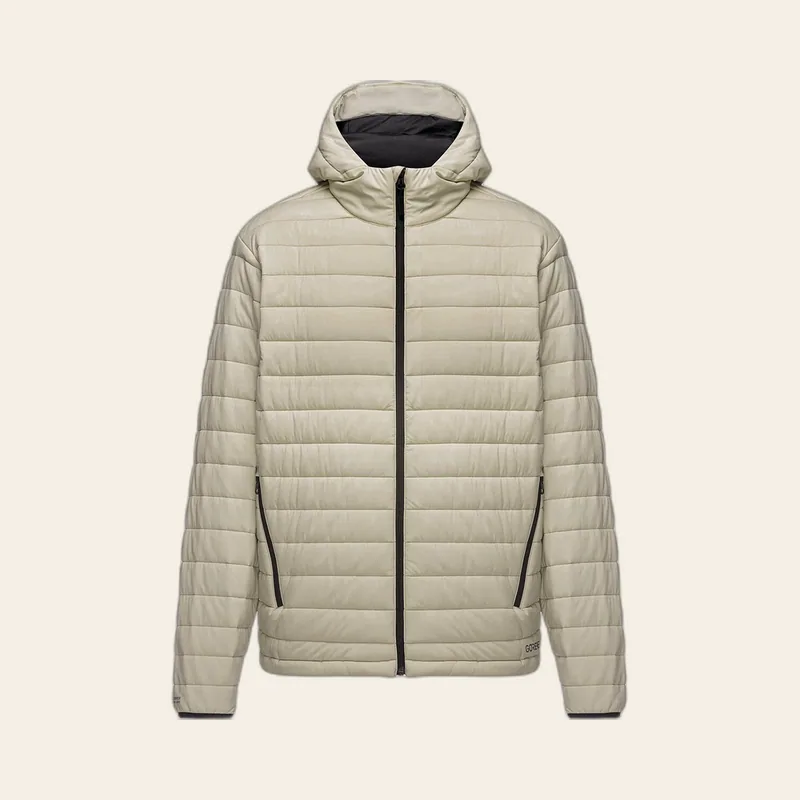
Wear one, dry one. Cotton stays wet all week here.


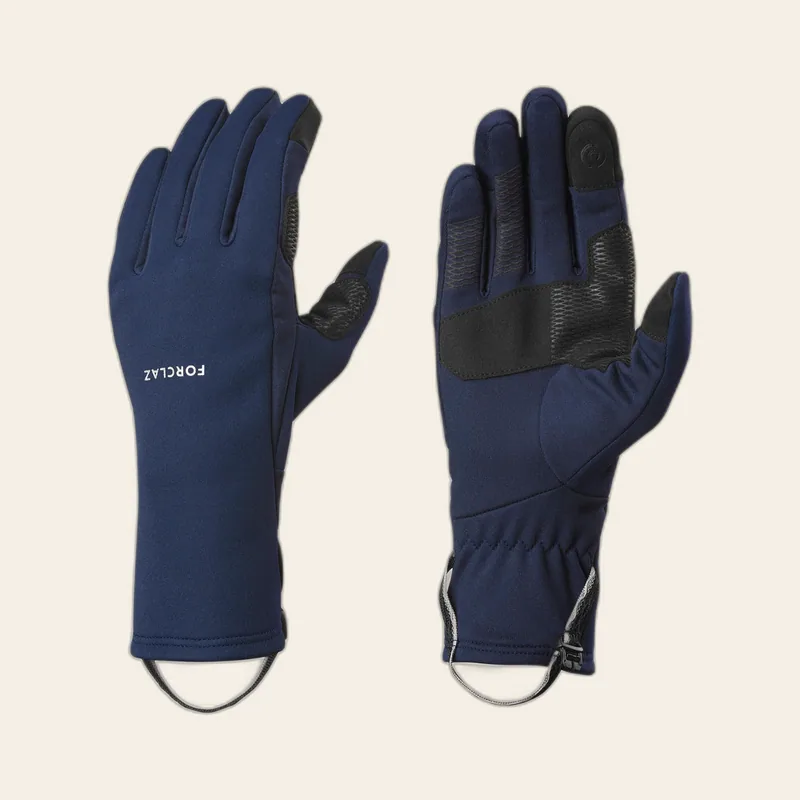
Fingers go numb in 23°F air, especially on the walk between subway stops.
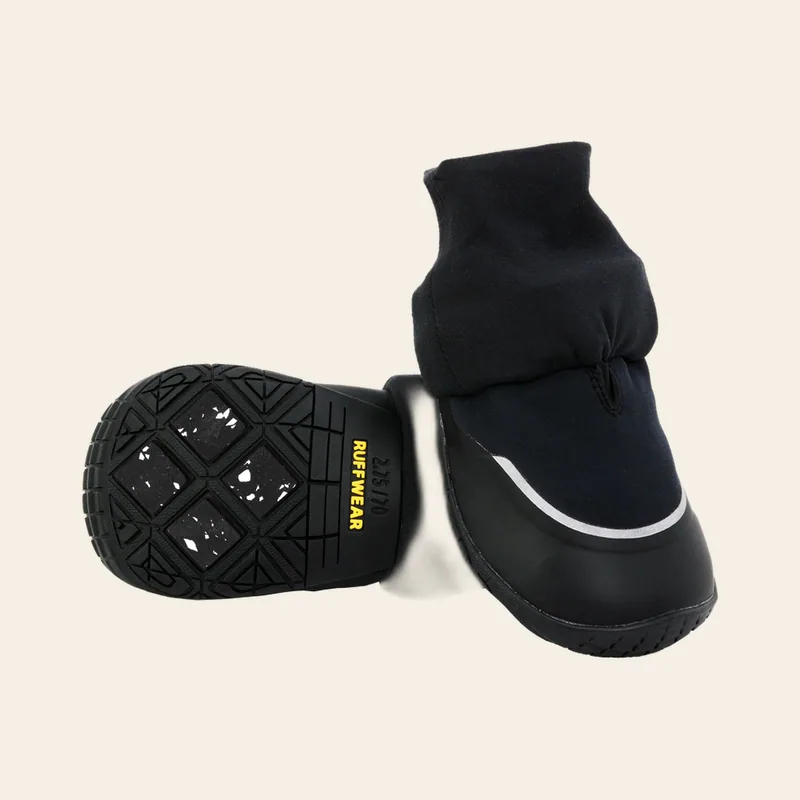
Sidewalks ice over and packed snow hardens into slick surfaces by day two.
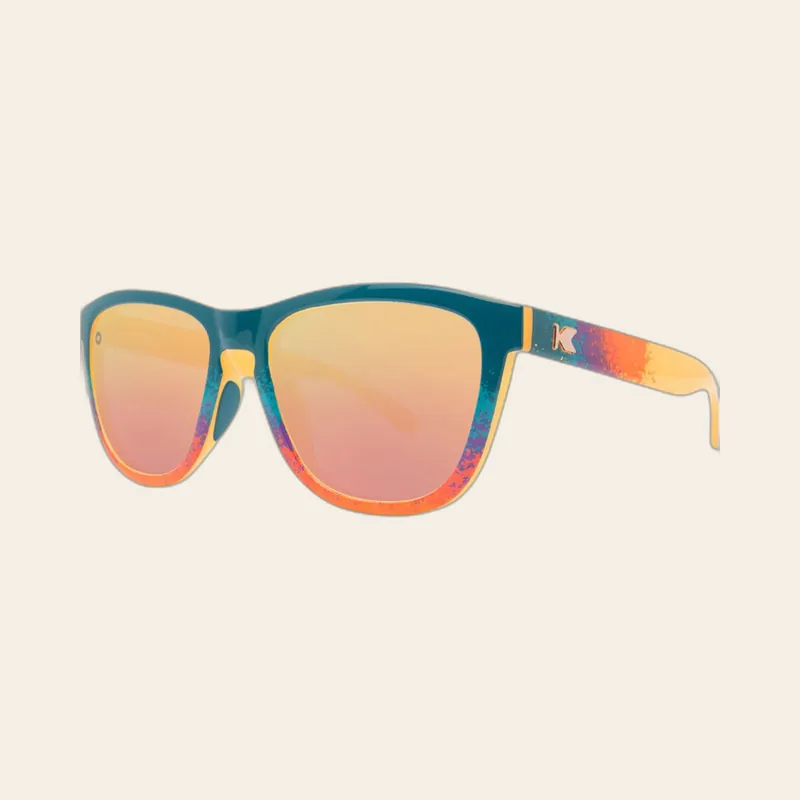
UV index hits 4.7 and reflects off snow, burning eyes and cheeks alike.
Insects don't vanish entirely in February, and bites itch in dry heated rooms.

Check ankles and, if there's a dog, paws and ears every night.
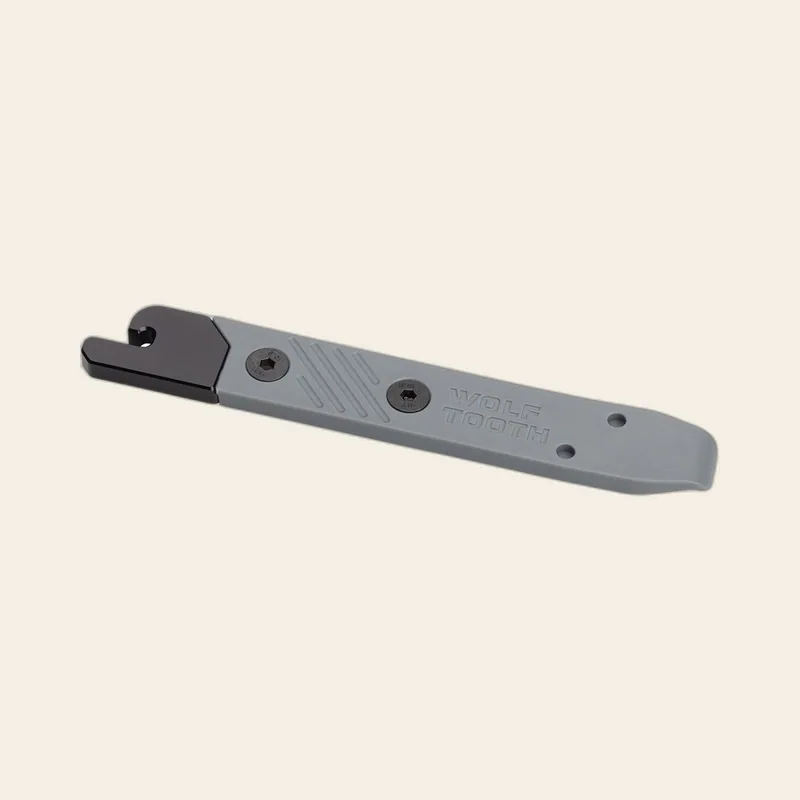
Slips on ice happen to visitors unfamiliar with the terrain.

This country runs on Type C or F. Get one with USB-C so you're not fighting over the single outlet.

Daylight ends by 5 PM and phone batteries drain in the cold.

Set it up before you land. Signal drops for long stretches outside cities.

Dark by 6:10pm. Every campsite chore after that is a two-hands job.

Overhead bins fill fast on Seoul routes, so a 35-45L pack stays with you.
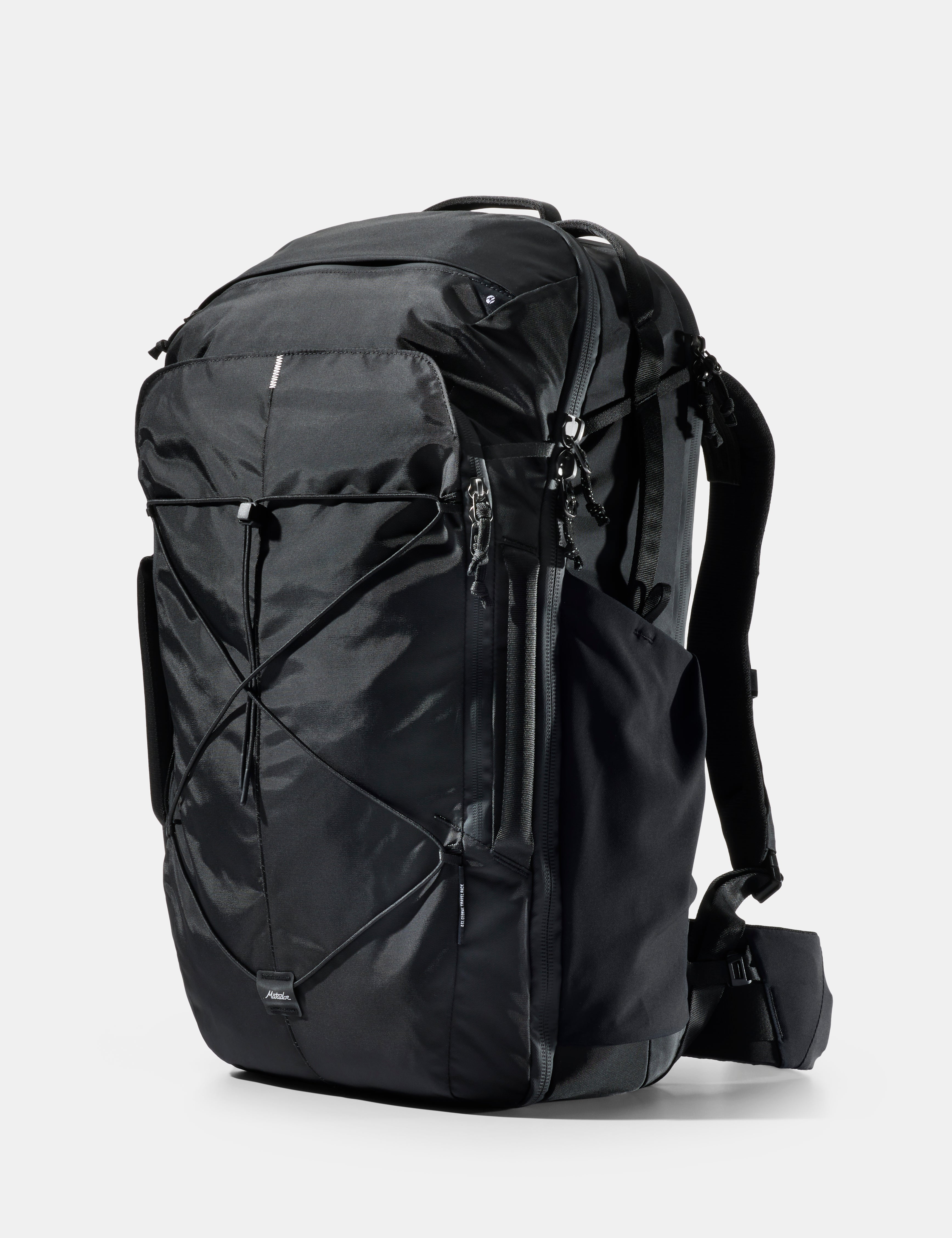
Day trips to the national park need a pack for layers and a thermos.
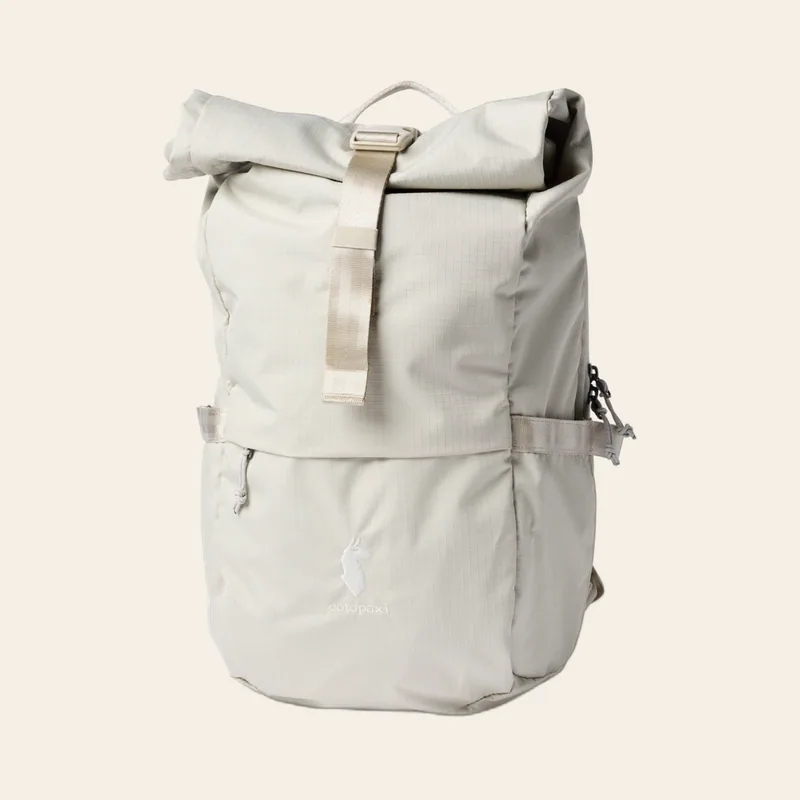
Fits the overhead on every airline that matters. Skip the checked-bag line entirely.
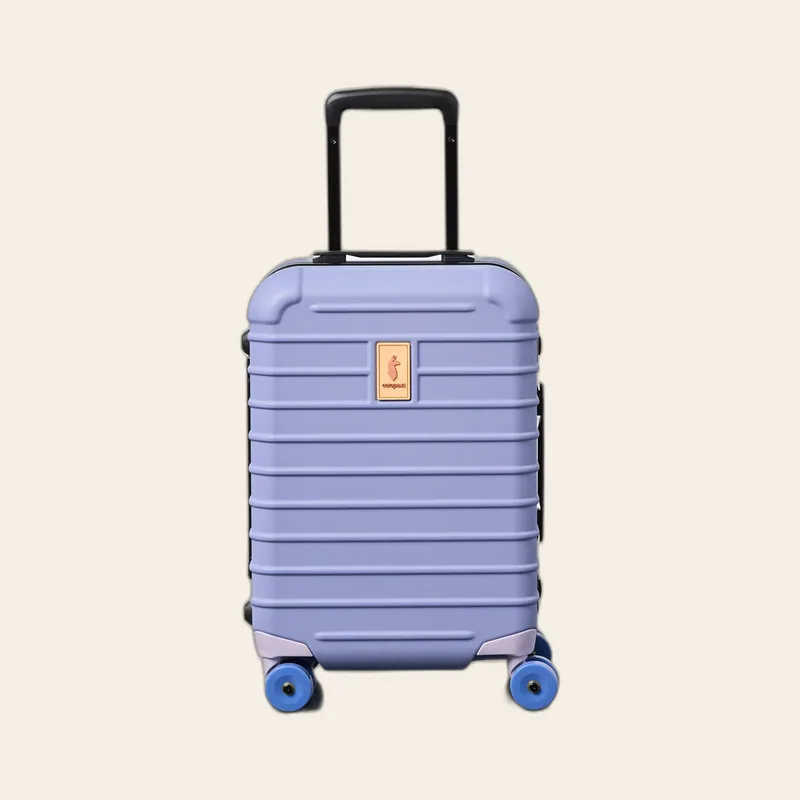
For the passport, the chargers, and the one dry pair of socks.
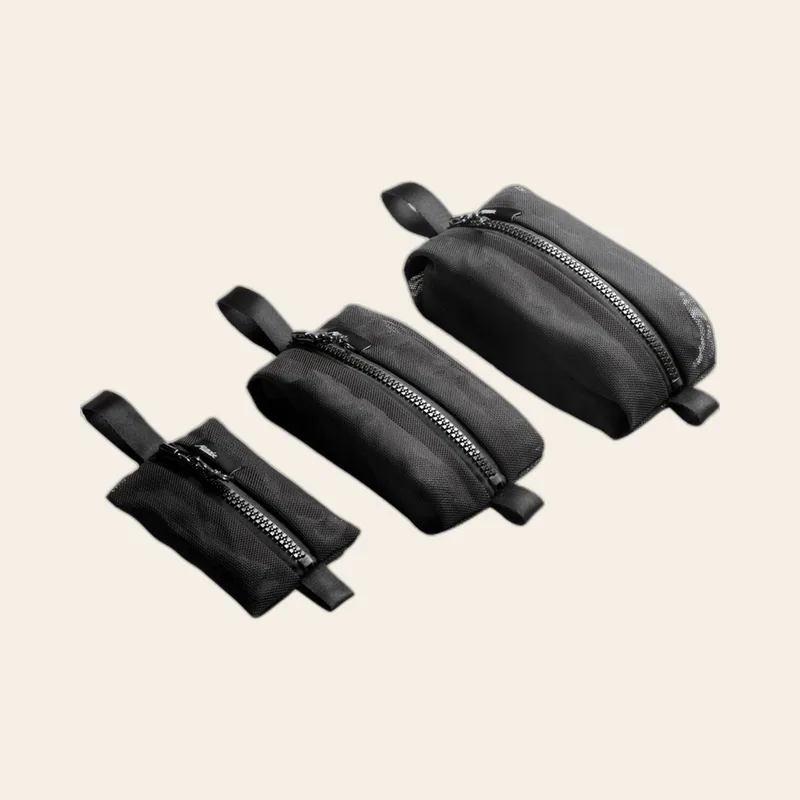
Wet snow soaks through regular gloves and bare hands go numb in minutes.

Before you go
4 to sort
SafetyWing Nomad Insurance, Month-to-month cover you can start after you leave
Going, Cheap cash fares, emailed when they droppoint.me, Finds the flight your points will actually book
AllTrails, Download your trails before you lose signal.
Recommended
14 items
For the mornings and the nights.

Wind at 18 km/h cuts across your face on coastal paths and makes bare skin sting.
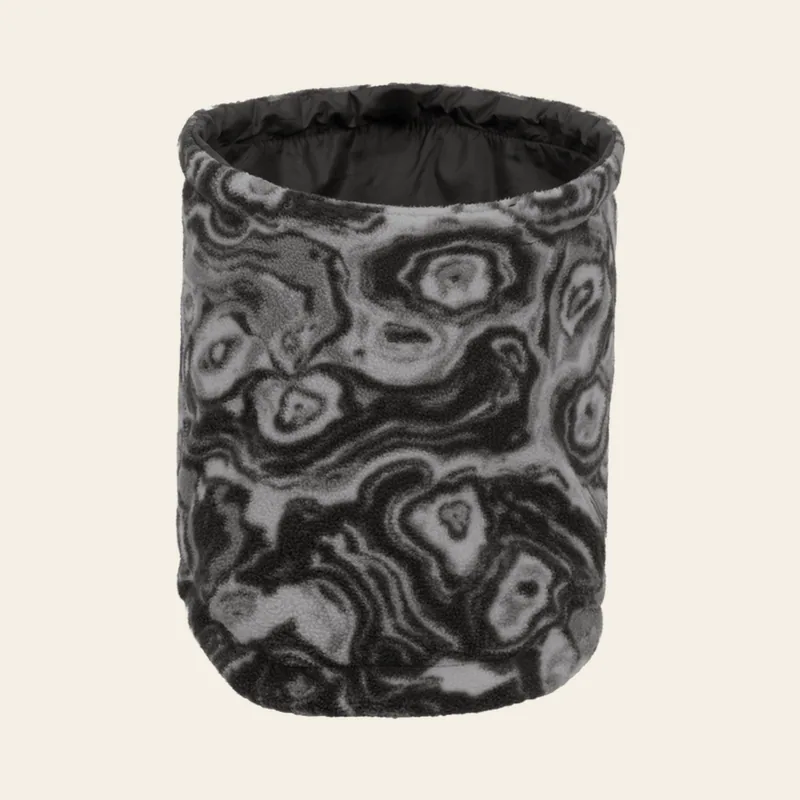
Snow falls in February and wet socks turn feet cold within an hour.
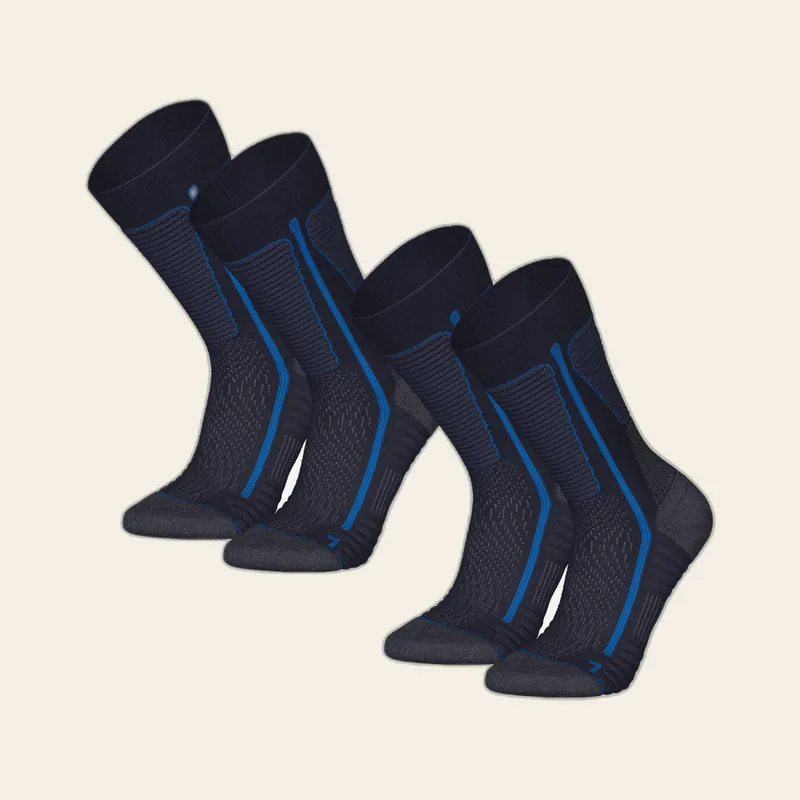
Treat the clothes once and it lasts weeks.

Tap water is safe but carrying a bottle beats finding fountains in winter.

One brick charges the laptop, phone, and camera.

Hotel and cafe wifi is shared with everyone else in the building. A VPN keeps your banking and email to yourself.
Luggage gets lost on international routes and tracking it matters.
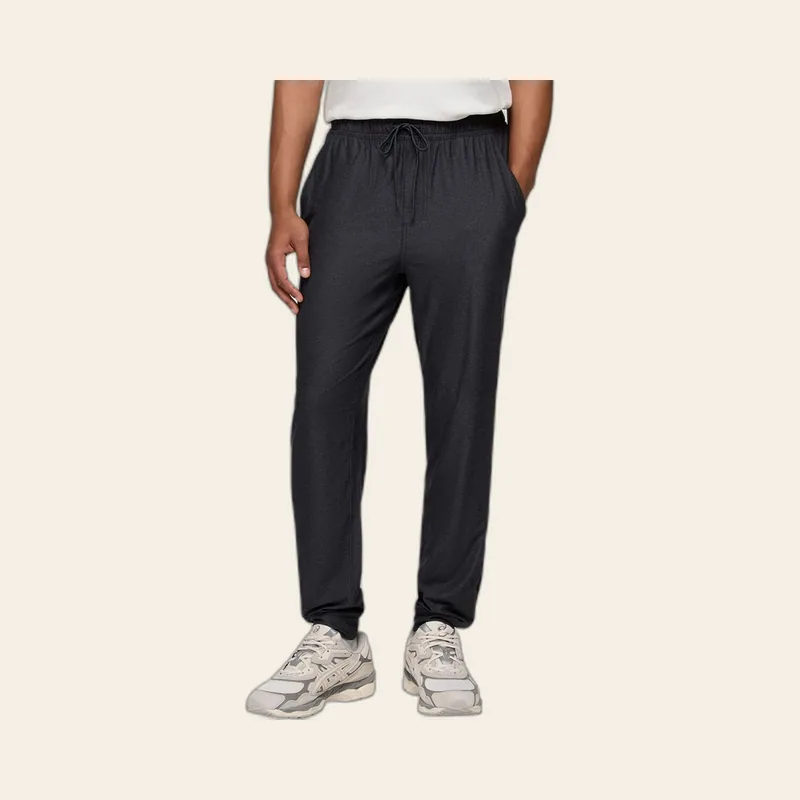
A week in South Korea means packing for both urban nights and snowy trails.

Separating dry clothes from damp snow gear prevents mildew in tight spaces.
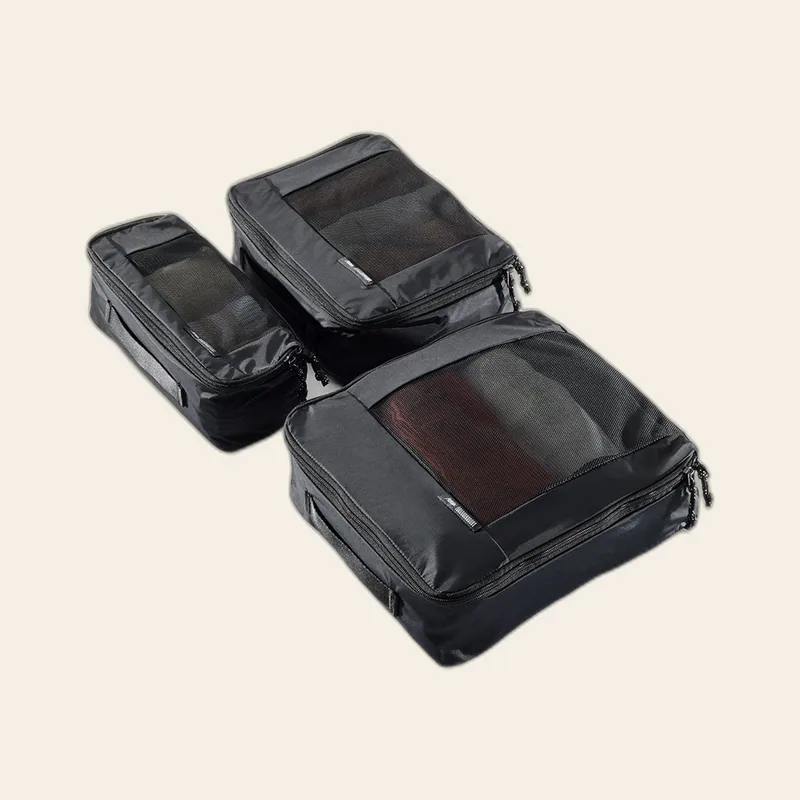
Winter gear takes up space and checked luggage lets you bring boots without sacrifice.
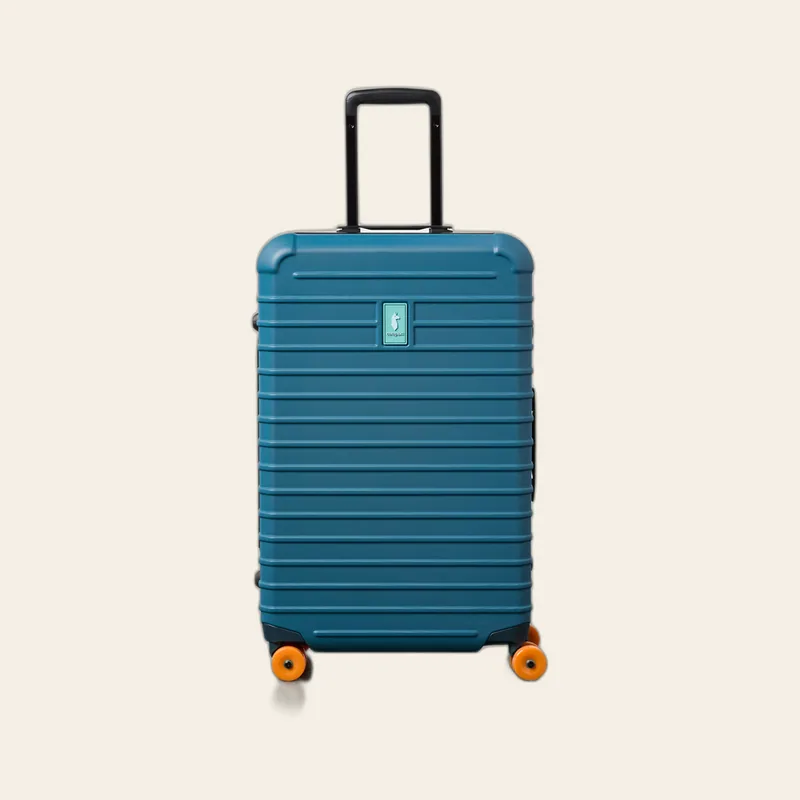
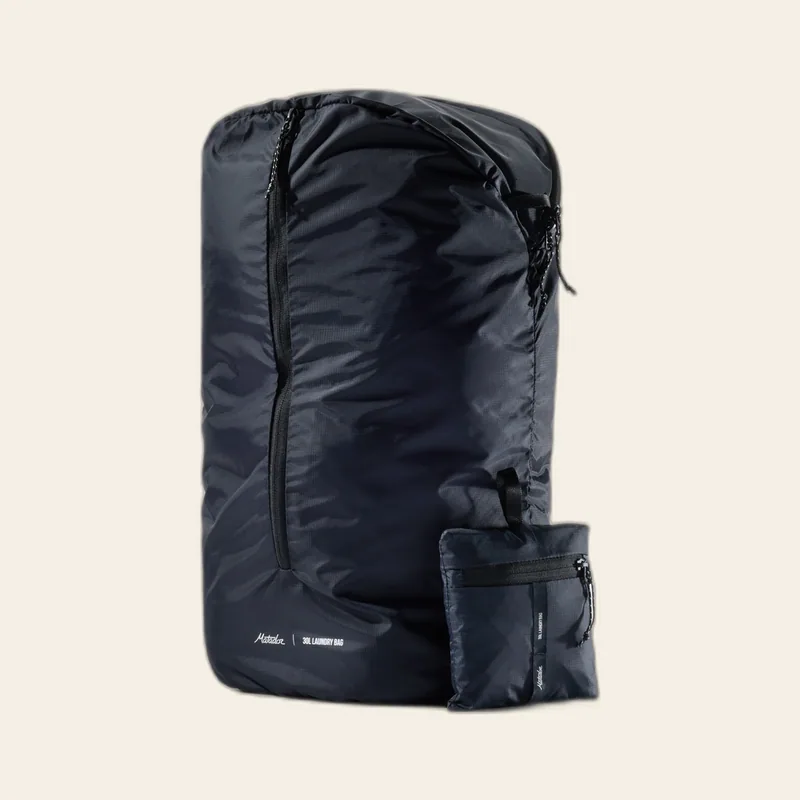
Heated indoor air dries sweat into clothes, so washing happens twice weekly.
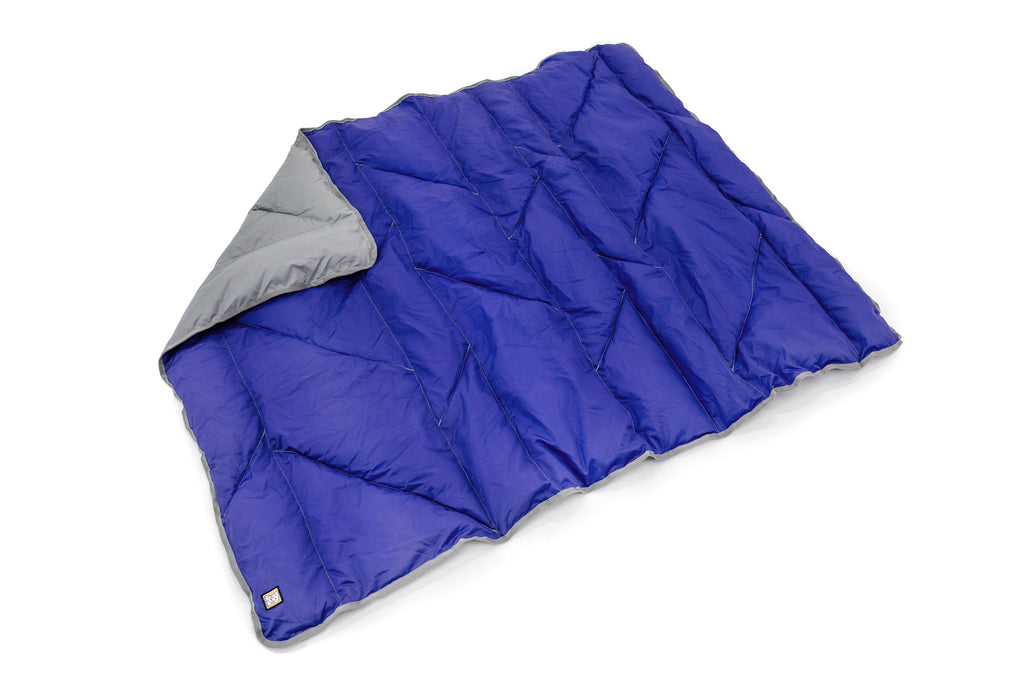
Lows around 23°F. One blanket that packs small covers the car, the campsite and the beach at sunset.
Subway noise runs constant and flights here are long.

Nice to have
12 items you could skip
Snow creeps into boots on trails near the national park without a barrier.
Ten hours of winter sun still bounces harsh light off white ground.
Crowded subways and shared guesthouses mean germs spread fast in winter.
A bite scratched raw in 60% humidity gets infected without treatment.
One outlet per room means cables need to be short enough to share.
A few phrases go a long way. Ten minutes a day before you leave is plenty.
Entry requires a passport and keeping it dry in snow is essential.
International travel means bags pass through multiple hands.
Snow gear compresses poorly, so compression sacks save room in luggage.
Toiletries freeze in unheated guesthouses unless you keep them close.
Long flights to South Korea and short daylight hours make rest matter.
Pockets empty fast in 23°F, so hand warmers stay tucked in gloves.
Basics
16 things you probably own already