Change trip
What to pack for South Africa in September
Typical September, built from ten years of weather
Some links are affiliate links. It keeps the site free.
Typical for your dates
Highs 77°F, lows 50°F, rain 3 of 30 days
windyhigh UVdry
Sunset lands around 6:00pm. Wind averages 13 mph. There is paperwork on this one, so start with Before you go.
0 of 54 packed
Packing for
47 things on this list are on sale today
Essentials
13 items
UV index hits 10.5 in September, the threshold where sunburn happens in minutes.

Glare off rural terrain and water intensifies at this altitude and latitude.
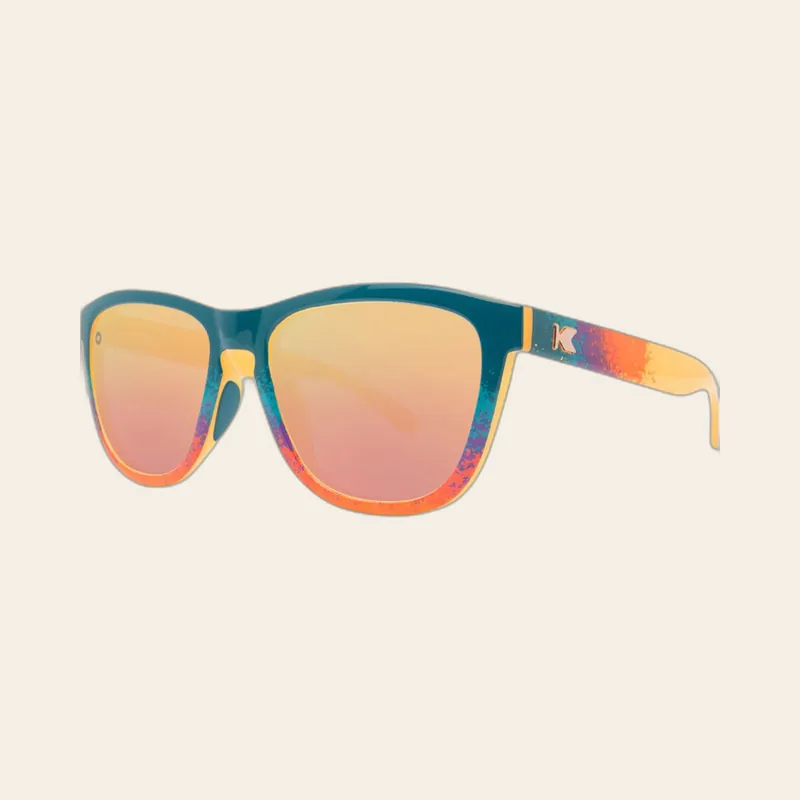
Spring rains and rural terrain breed insects that carry disease.

Check ankles and, if there's a dog, paws and ears every night.
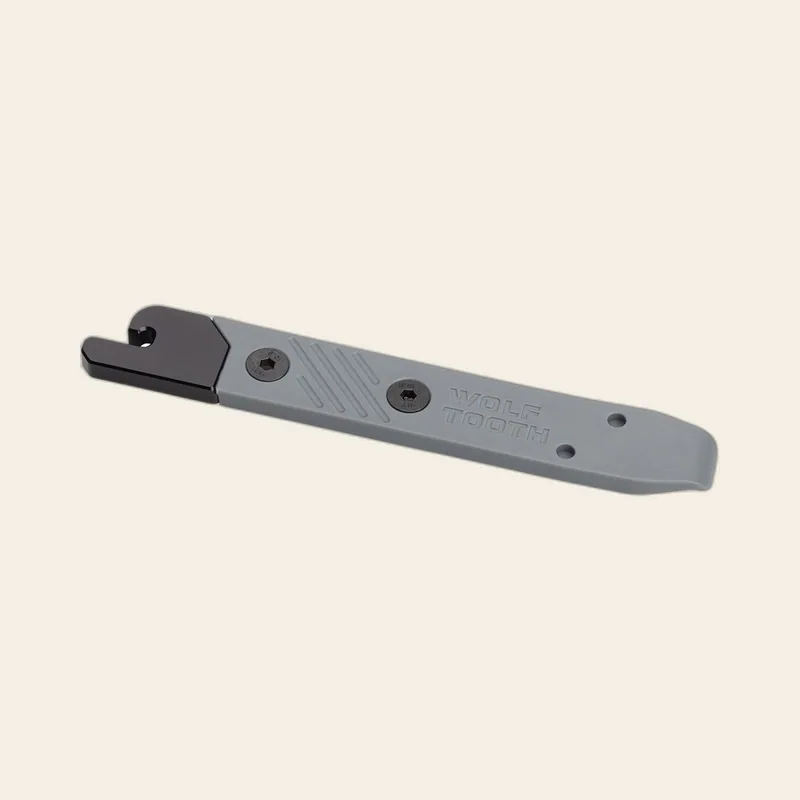
Remote location and tap water risk mean cuts and stomach trouble need treatment.

Tap water isn't safe here. A filter bottle beats buying plastic twice a day.

This country runs on Type C, D, G or N. Get one with USB-C so you're not fighting over the single outlet.

Daylight lasts 11.9 hours, so devices drain before you reach camp.

Set it up before you land. Signal drops for long stretches outside cities.

Overhead bins on regional flights are tight, so 45L is the real maximum.
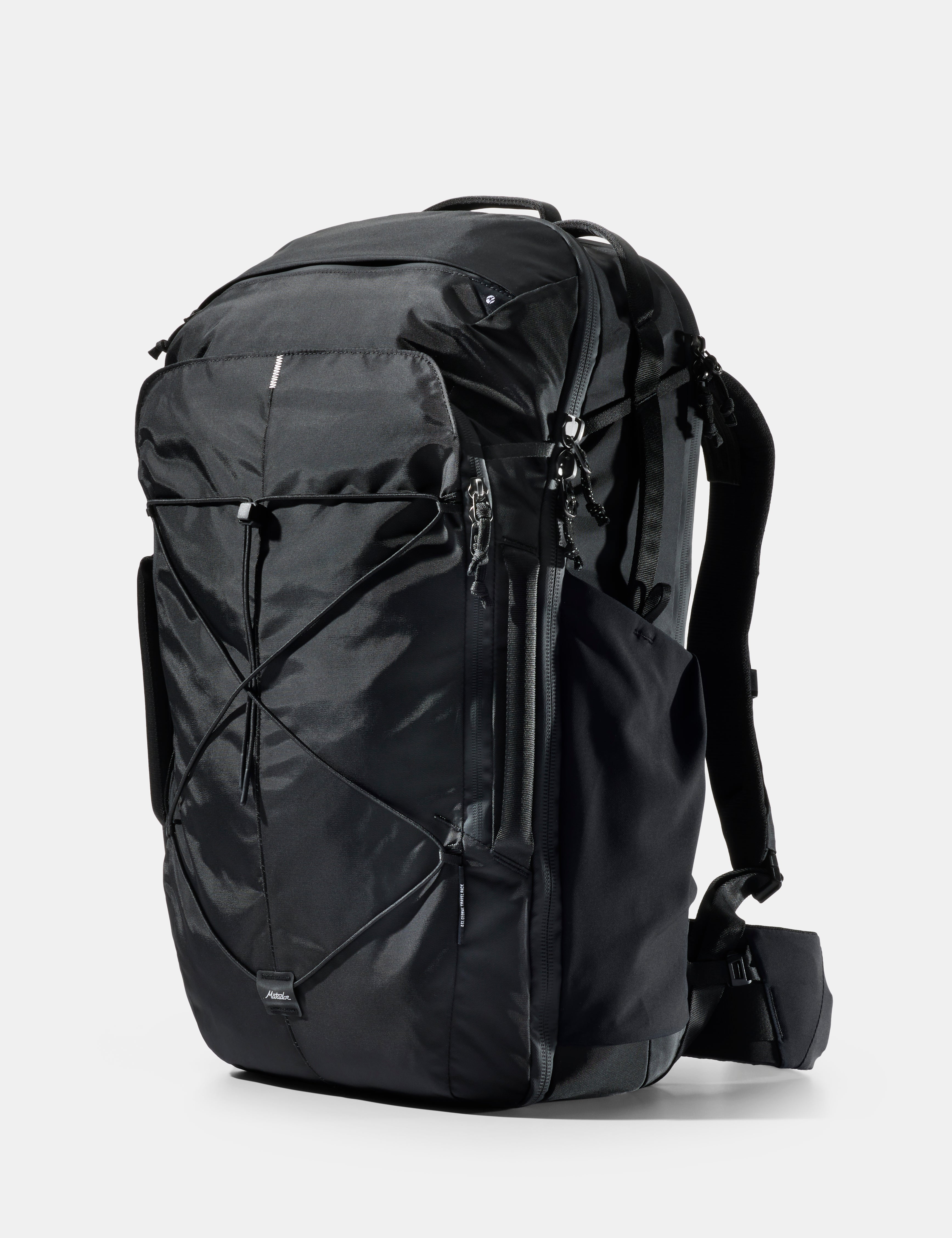
Day hikes on rural trails and distances between towns need a separate pack.
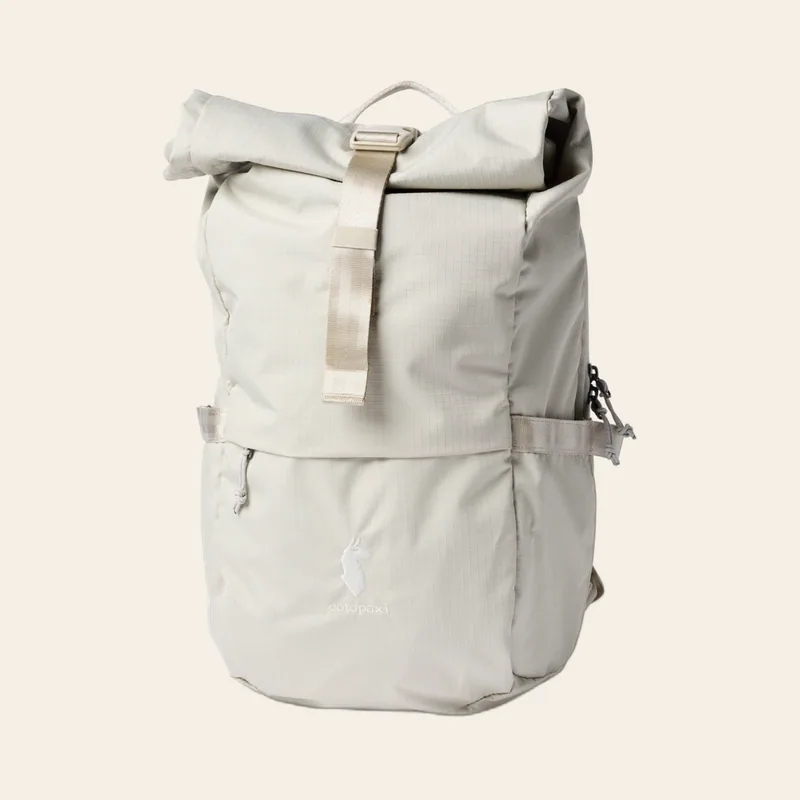
Fits the overhead on every airline that matters. Skip the checked-bag line entirely.
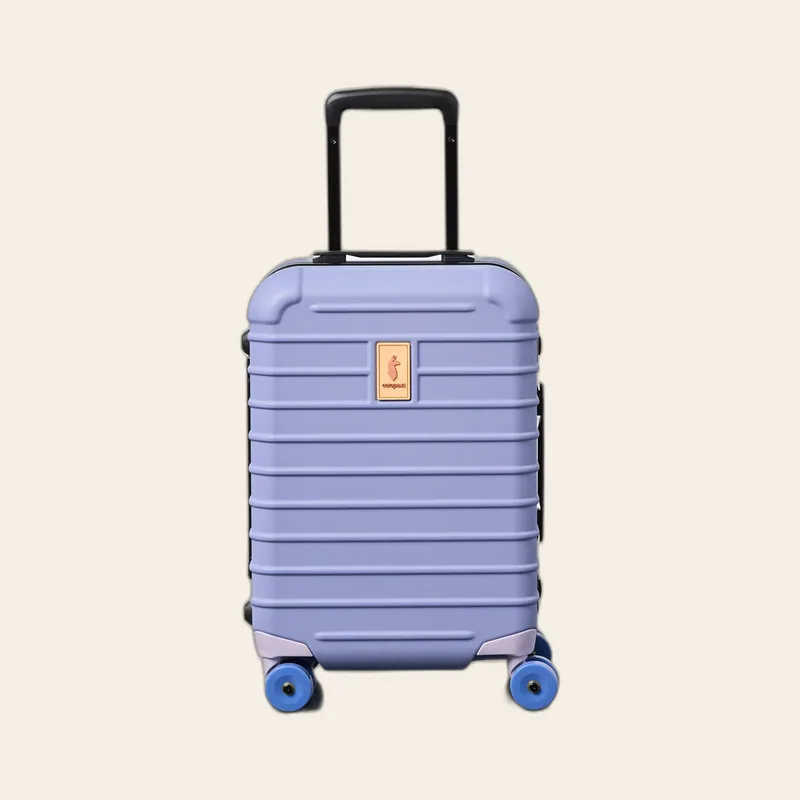
For the passport, the chargers, and the one dry pair of socks.
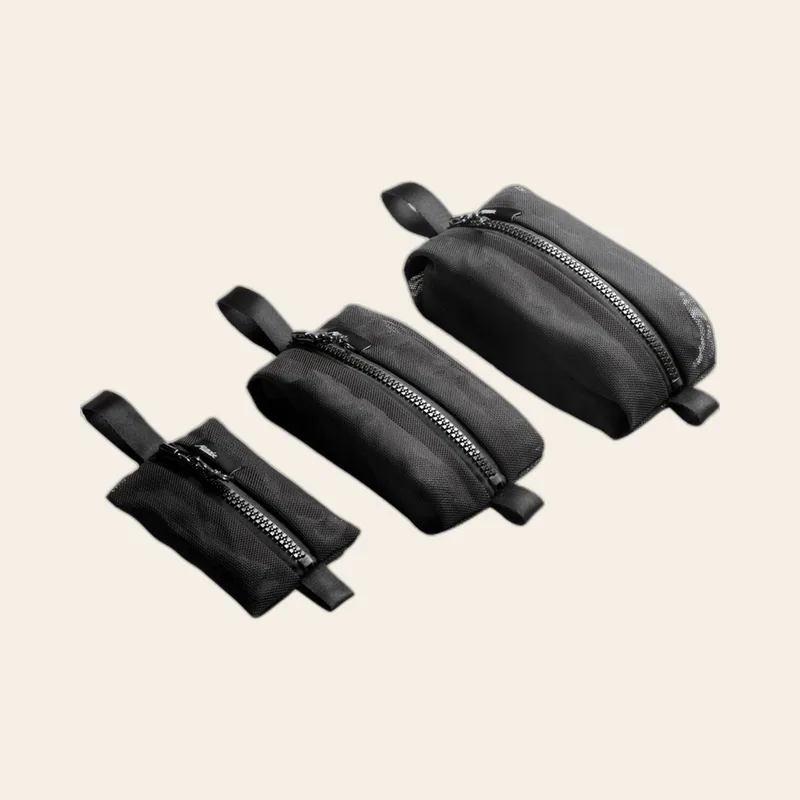
Before you go
9 to sort
Recommended
16 items
Coastal wind cuts through a t-shirt fast.
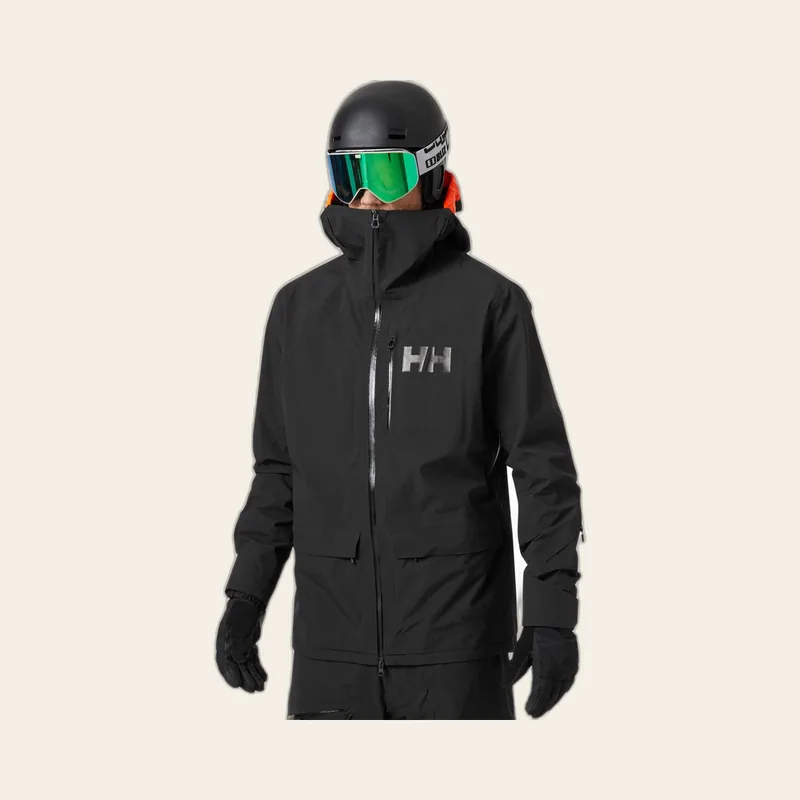

UV hits 10.5 here. Long sleeves beat reapplying sunscreen every hour.
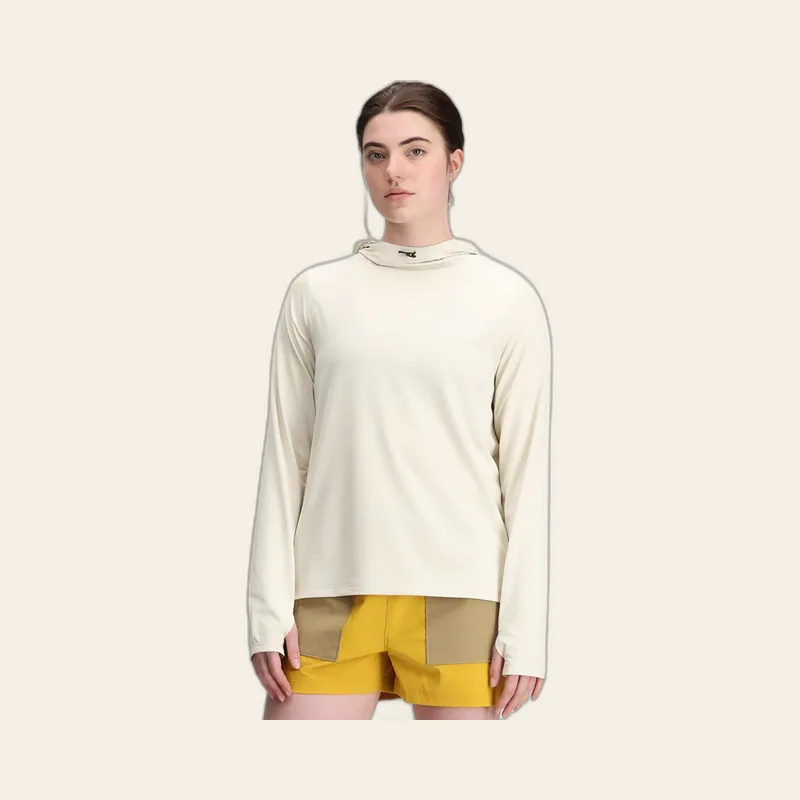
Coastal access and warm highs of 77°F make swimming viable most days.

Eleven hours of direct sun daily at 1749 meters means exposed scalp burns.

Treat the clothes once and it lasts weeks.

Altitude, heat, and unsafe water combine to dehydrate fast.
Tap water here causes diarrhea in most travelers within the first week.
One brick charges the laptop, phone, and camera.

Hotel and cafe wifi is shared with everyone else in the building. A VPN keeps your banking and email to yourself.
Rural terrain and international travel increase theft risk at guesthouses.
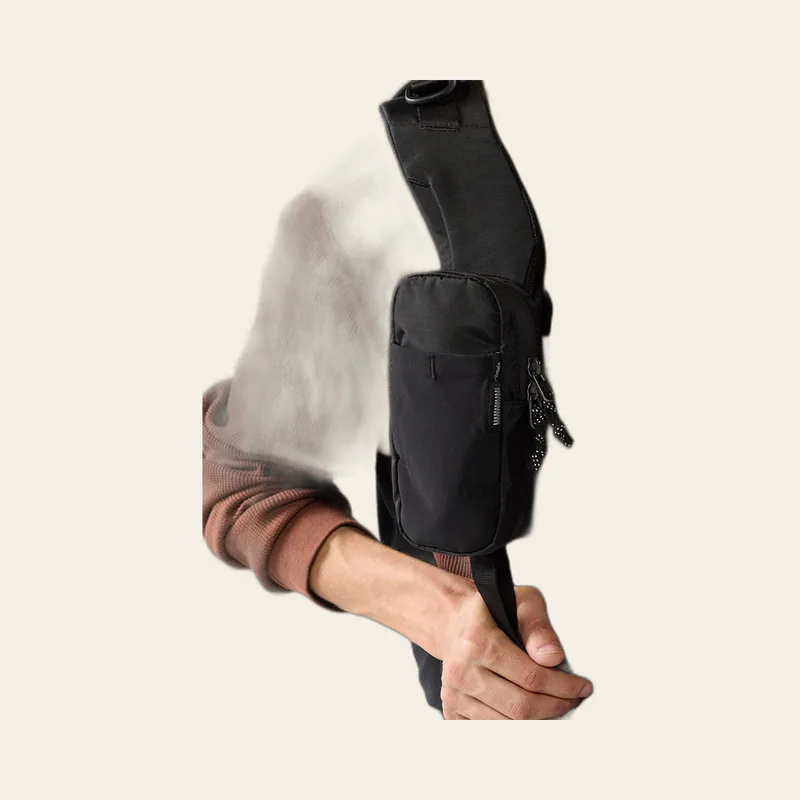
Roads are single-track and distances long, so bag loss happens without warning.
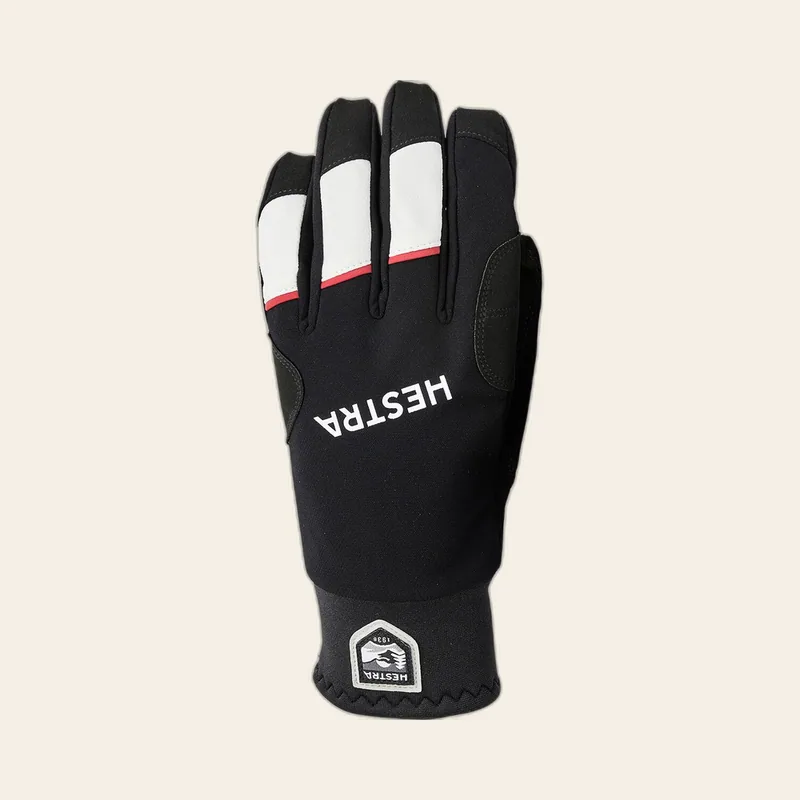
Dry climate means clothes stay fresh longer if sealed away from dust.
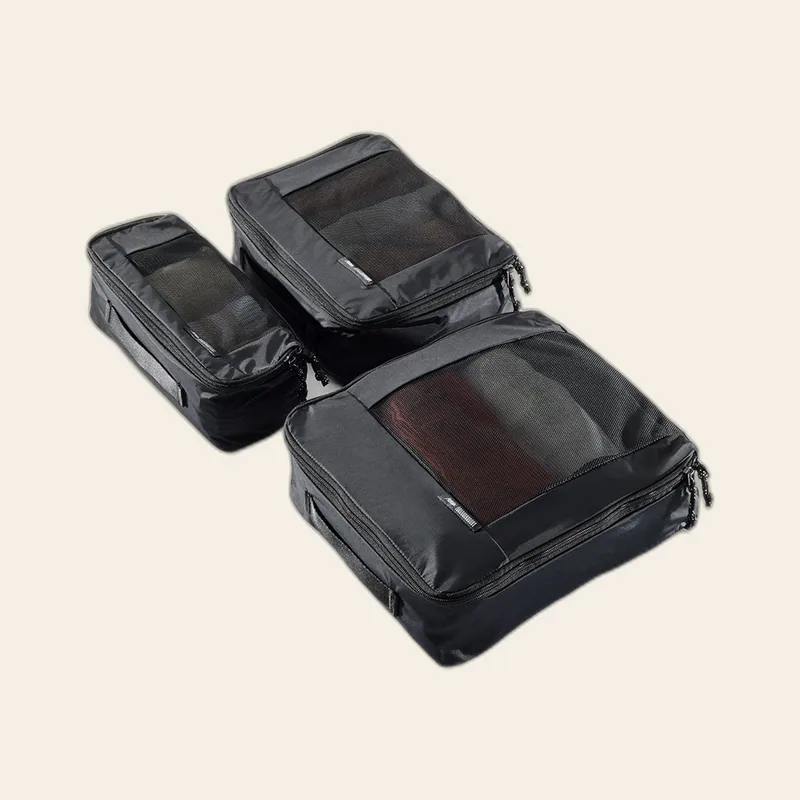
Coastal access and rural water crossings put phones at constant risk.

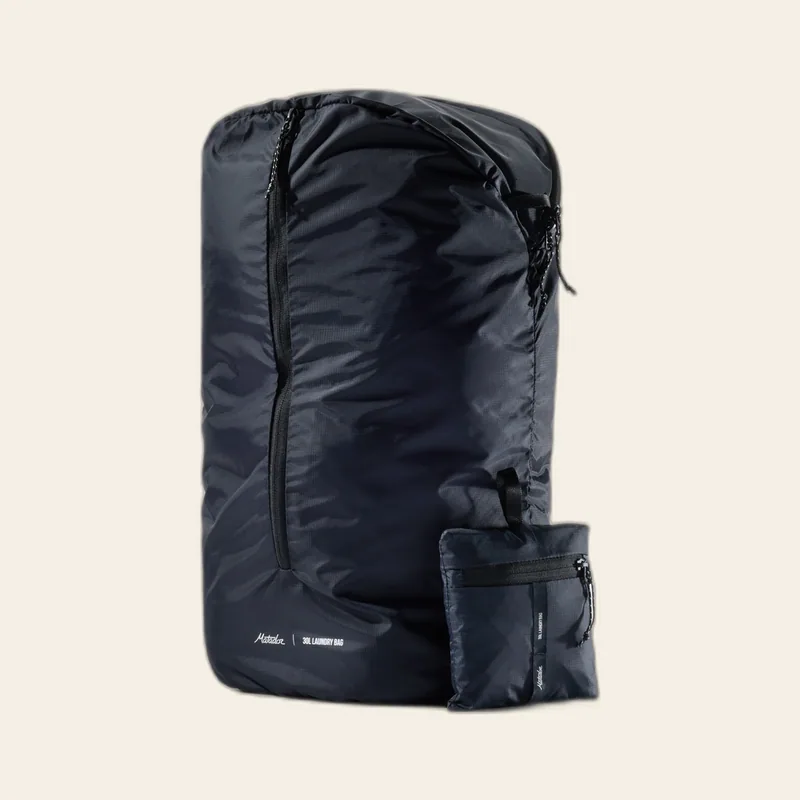
Long drives on rural roads and basic lodging make quiet time valuable.

Nice to have
9 items you could skip
Temperatures between 50°F and 77°F suit bare legs during daylight hours.
Lips crack in dry wind and high altitude without protection from UV.
Rural setting and contaminated water make hand washing critical between meals.
Insect bites itch worse when skin is already burned by the sun.
A single outlet at lodging means charging cables must be short and shared.
Border crossing and international travel require documents kept separate from cash.
Shared accommodation and rural theft patterns make luggage locks standard here.
Hanging storage keeps toiletries off shared bathroom surfaces where mold grows.
Guesthouse beds are basic and 11-hour daylight means early sunrise.
Basics
16 things you probably own already