Change trip
What to pack for South Africa in June
Typical June, built from ten years of weather
Some links are affiliate links. It keeps the site free.
Typical for your dates
Highs 63°F, lows 39°F, rain 1 of 30 days
coldshort daysdry
Sunset lands around 5:20pm. Wind averages 10 mph. There is paperwork on this one, so start with Before you go.
0 of 57 packed
Packing for
54 things on this list are on sale today
Essentials
18 items
Lows around 39°F. Goes under the shell when the wind picks up.
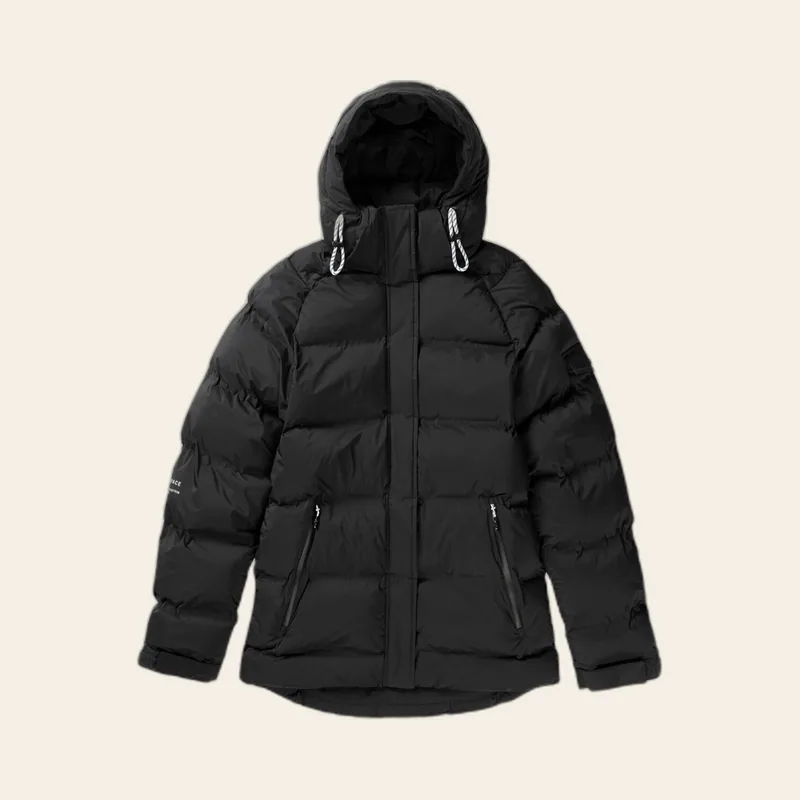
Wear one, dry one. Cotton stays wet all week here.

Lows drop to 39°F, so mornings bite before the sun climbs high enough to warm the day.

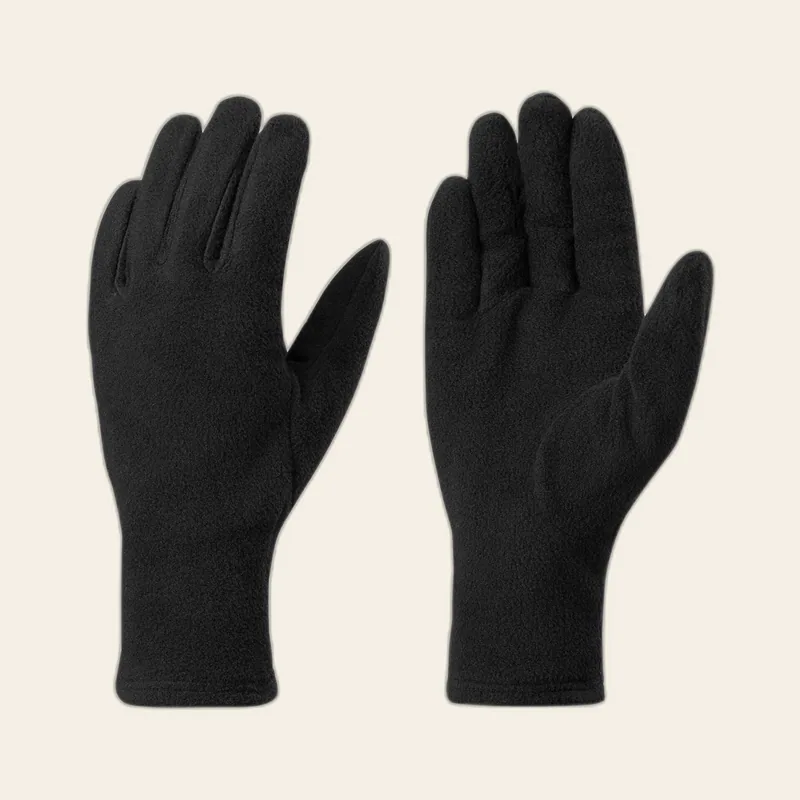
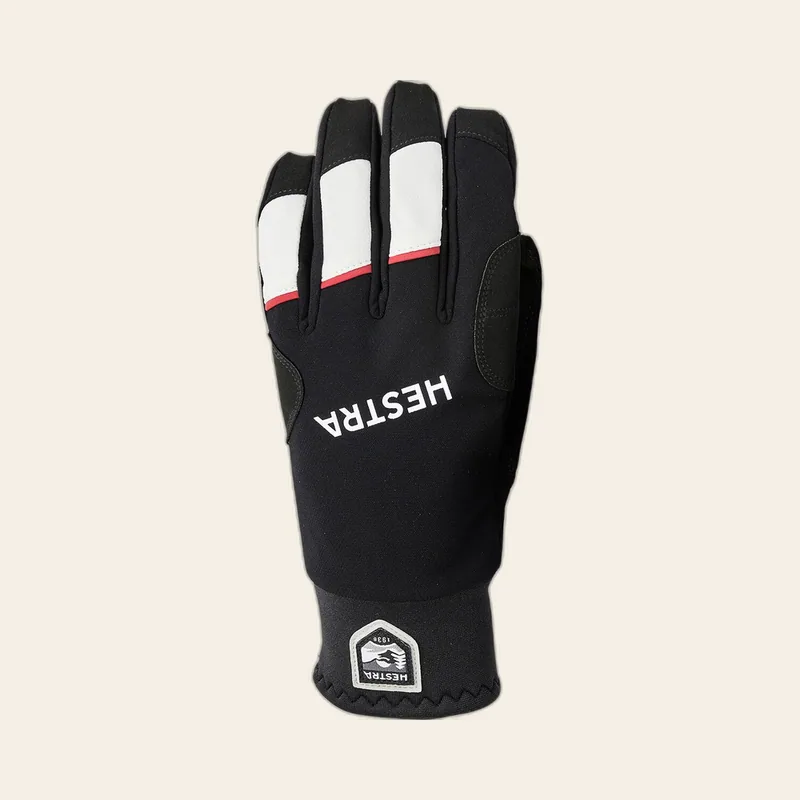
Wind gusts at 16 km/h across rural terrain, and bare hands go numb fast at 39°F.
UV index hits 6.0 in June, high enough to burn through cloud cover and altitude haze.

Coastal glare bounces off water and pale soil, turning eyes into targets for UV damage.

One rain day in June leaves standing water where insects breed, and altitude doesn't stop them.

Check ankles and, if there's a dog, paws and ears every night.

Rural terrain means clinics are far away, so a kit handles cuts, blisters, and minor wounds on site.

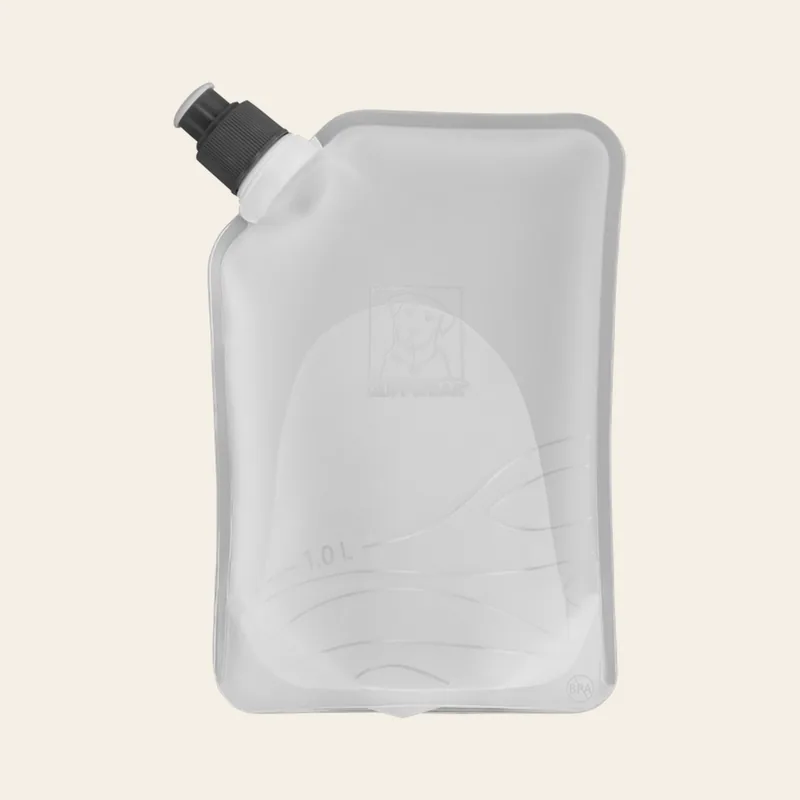
Tap water isn't safe here. A filter bottle beats buying plastic twice a day.
This country runs on Type C, D, G or N. Get one with USB-C so you're not fighting over the single outlet.

Limited outlets at rural lodges drain batteries, so a power bank keeps devices alive for days.

Set it up before you land. Signal drops for long stretches outside cities.

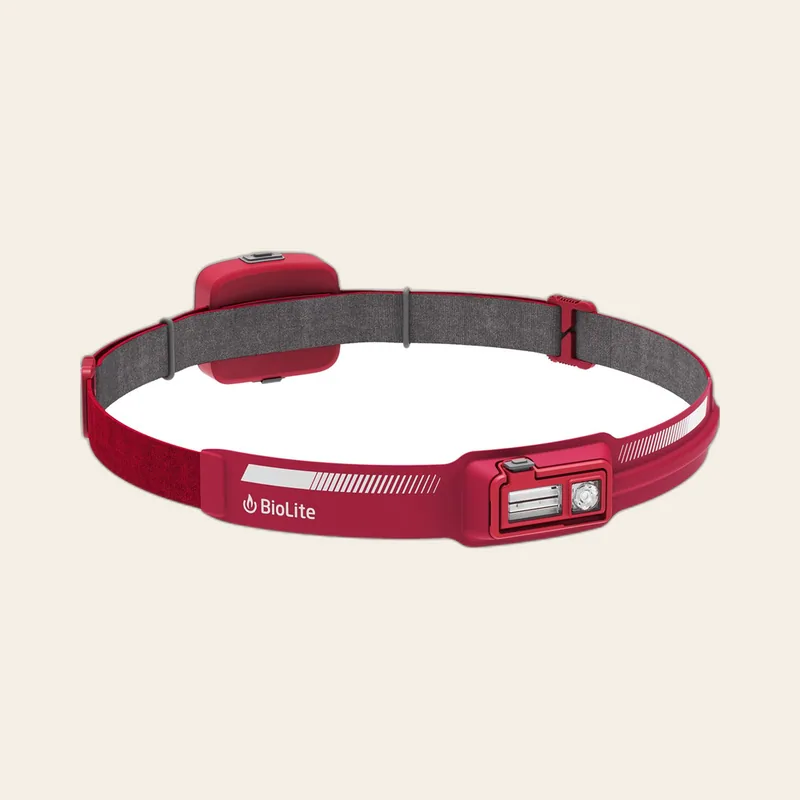
Dark by 5:20pm. Every campsite chore after that is a two-hands job.
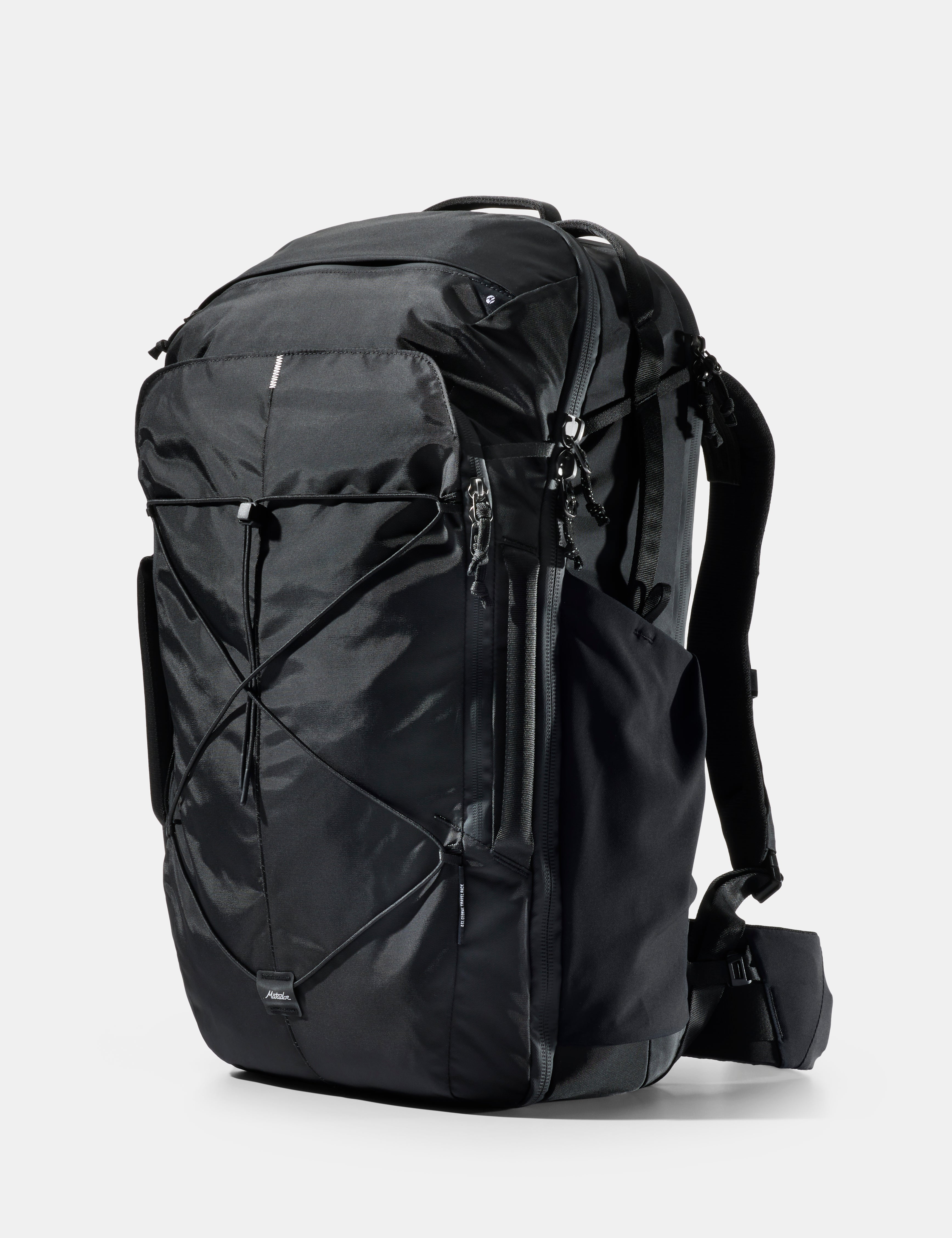
Rural terrain and national parks need a daypack for water, snacks, and layers you shed as temps rise.
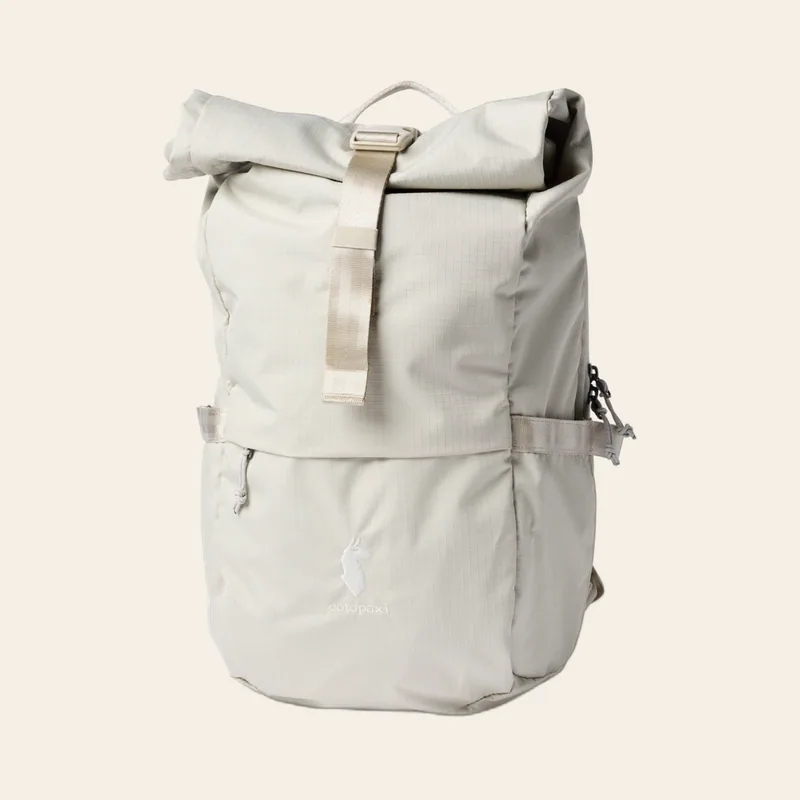
Fits the overhead on every airline that matters. Skip the checked-bag line entirely.
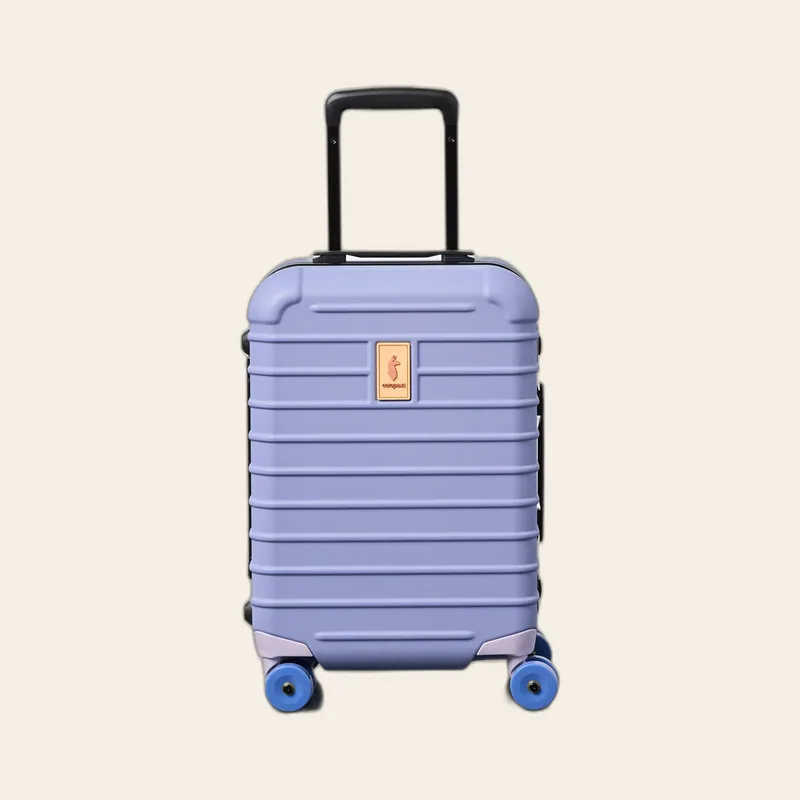
For the passport, the chargers, and the one dry pair of socks.
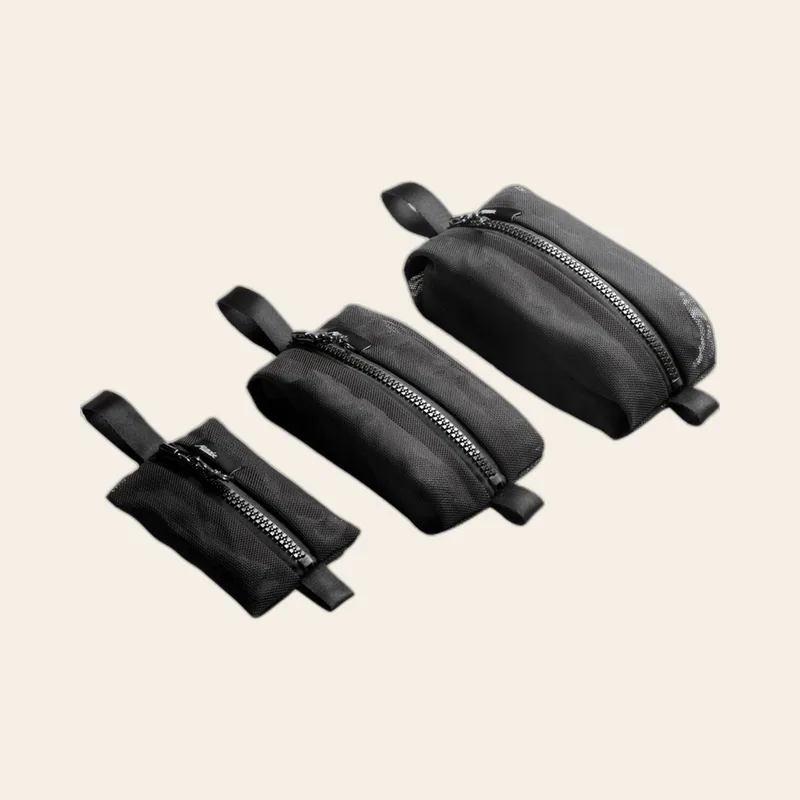
Before you go
9 to sort
Recommended
13 items
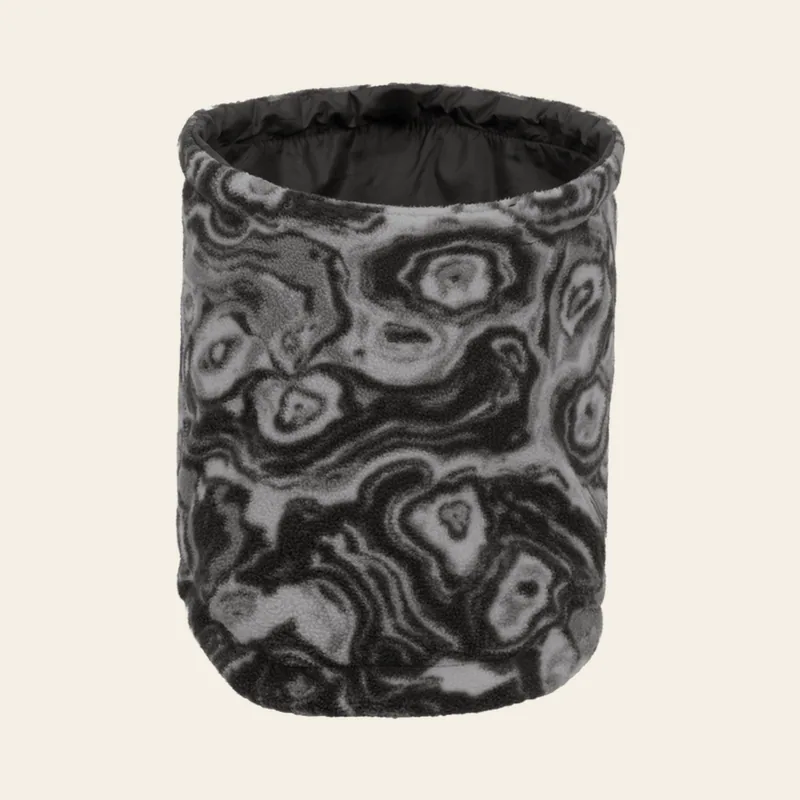
Neck skin burns at UV 6.0 even when the air feels cool enough to need a layer.
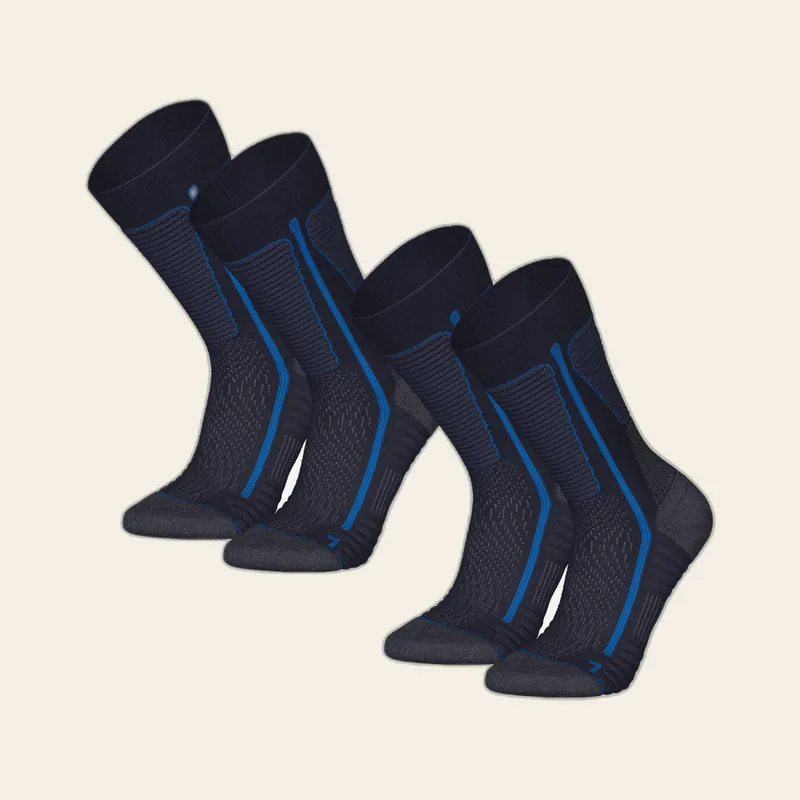
Thermal socks keep feet from going numb during the 10.5-hour daylight when you're hiking at 1749 meters.
Treat the clothes once and it lasts weeks.

Tap water isn't safe, and dehydration creeps in at altitude even when the air feels dry.
Unfamiliar water causes stomach trouble, and rural areas have few pharmacies within reach.
One brick charges the laptop, phone, and camera.

Hotel and cafe wifi is shared with everyone else in the building. A VPN keeps your banking and email to yourself.
International travel and rural isolation both invite theft, so valuables stay hidden and close.
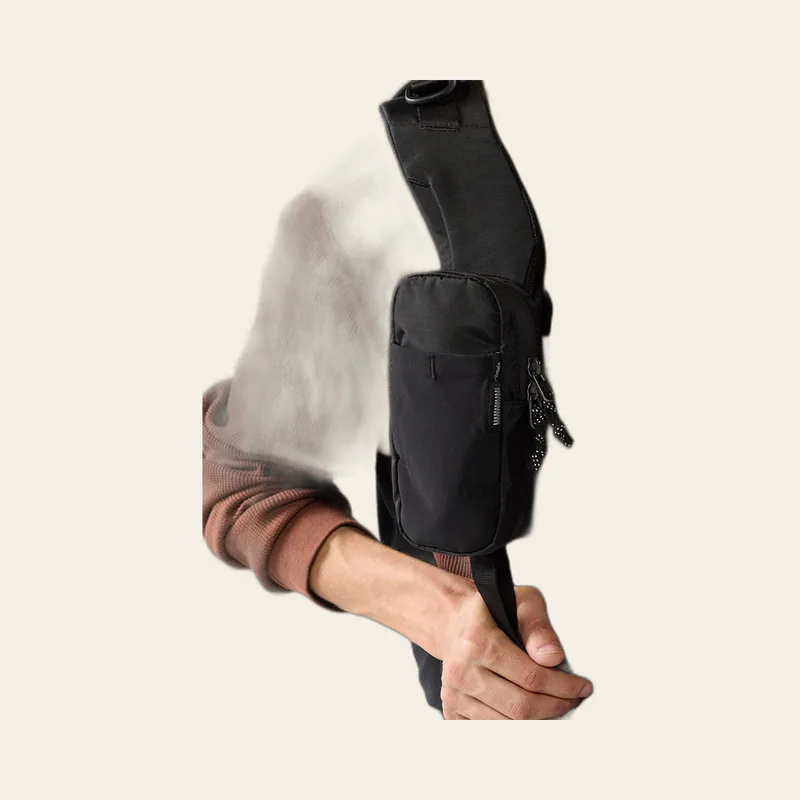
Rural roads and small towns mean bags get lost easier, and tracking helps you find them.
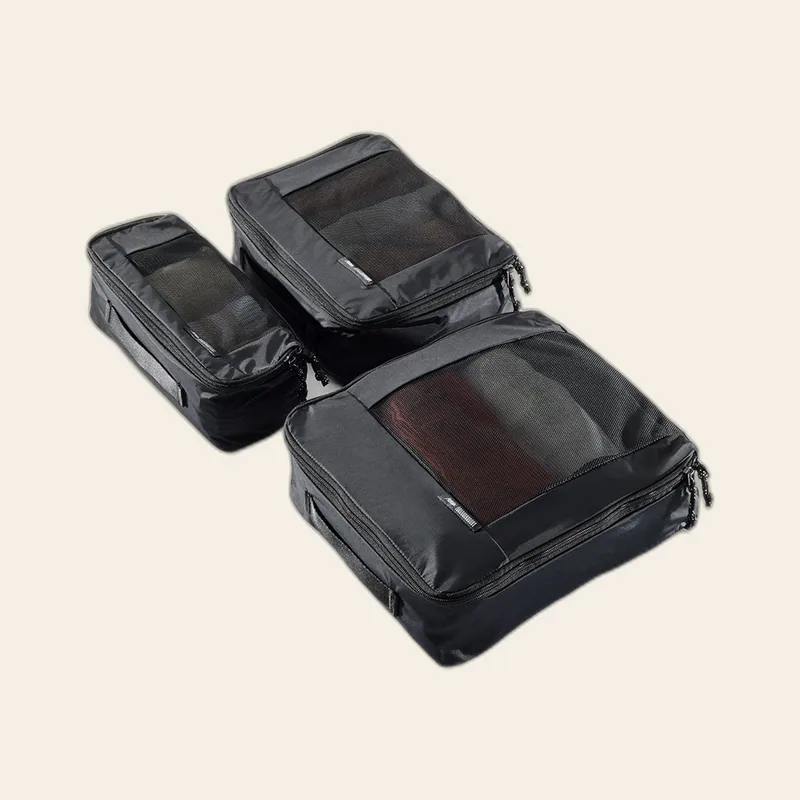
One bag for a week means clothes stack tight, so cubes keep outfits separated and compact.
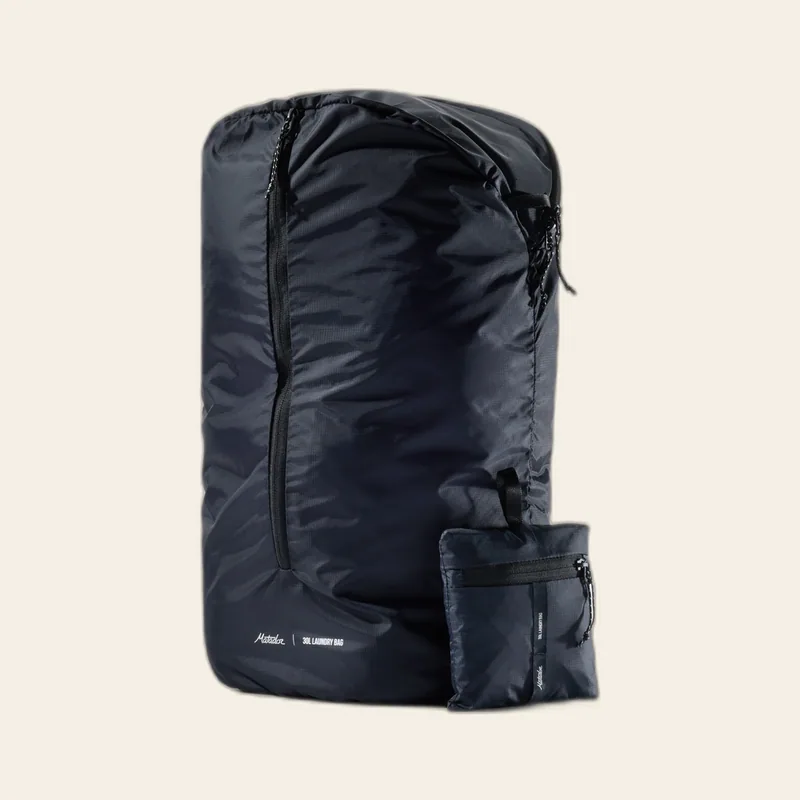
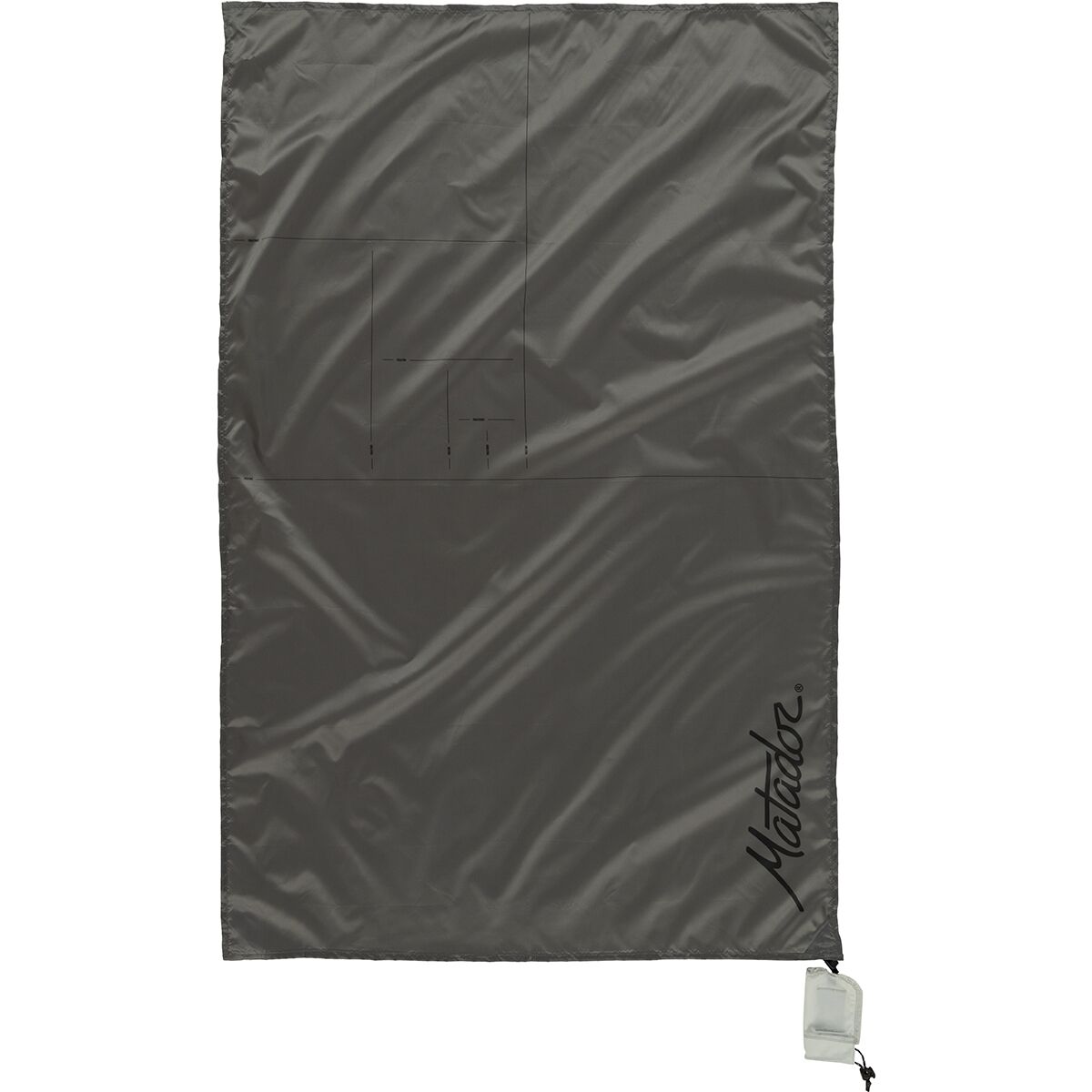
Lows around 39°F. One blanket that packs small covers the car, the campsite and the beach at sunset.
Long flights and shared rural guesthouses mean noise, so headphones give you quiet when you need it.

Nice to have
10 items you could skip
The gap between 63°F highs and 39°F lows means a thin insulating layer stays packed all day.
Ten and a half hours of direct sun at this altitude means the scalp burns if left bare.
Tap water contamination spreads through hands, so sanitizer fills the gap between washings.
One outlet shared between phone, camera, and laptop means cables stay plugged in and tangled.
Border crossings into South Africa require passport checks, so a holder keeps it safe and dry.
International travel means luggage passes through multiple hands, and locks deter casual theft.
Hanging bags keep toiletries off wet surfaces in small guesthouses with shared bathroom space.
Ten-hour flights to South Africa mean neck strain, and a pillow lets you sleep on the way.
Basics
16 things you probably own already