Change trip
What to pack for South Africa in February
Typical February, built from ten years of weather
Some links are affiliate links. It keeps the site free.
Typical for your dates
Highs 77°F, lows 59°F, rain 14 of 28 days
wethumidhigh UV
Sunset lands around 6:50pm. Wind averages 10 mph. There is paperwork on this one, so start with Before you go.
0 of 55 packed
Packing for
48 things on this list are on sale today
Essentials
14 items
14 rain days a month finds every seam. A real shell, not a windbreaker.
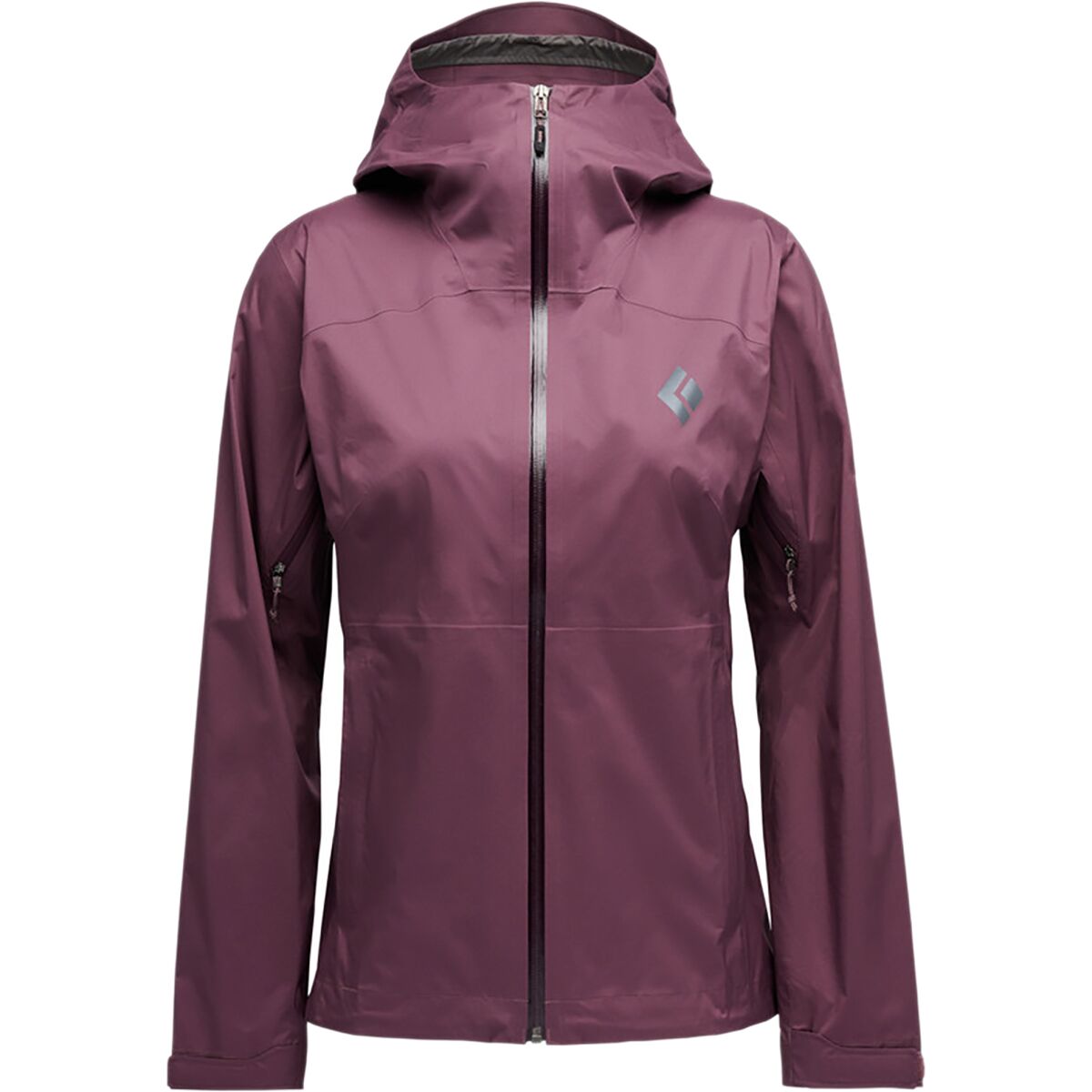
UV index hits 11.4, which burns exposed skin in under fifteen minutes.

Bright sun and 70% humidity reflect off water and pale soil.
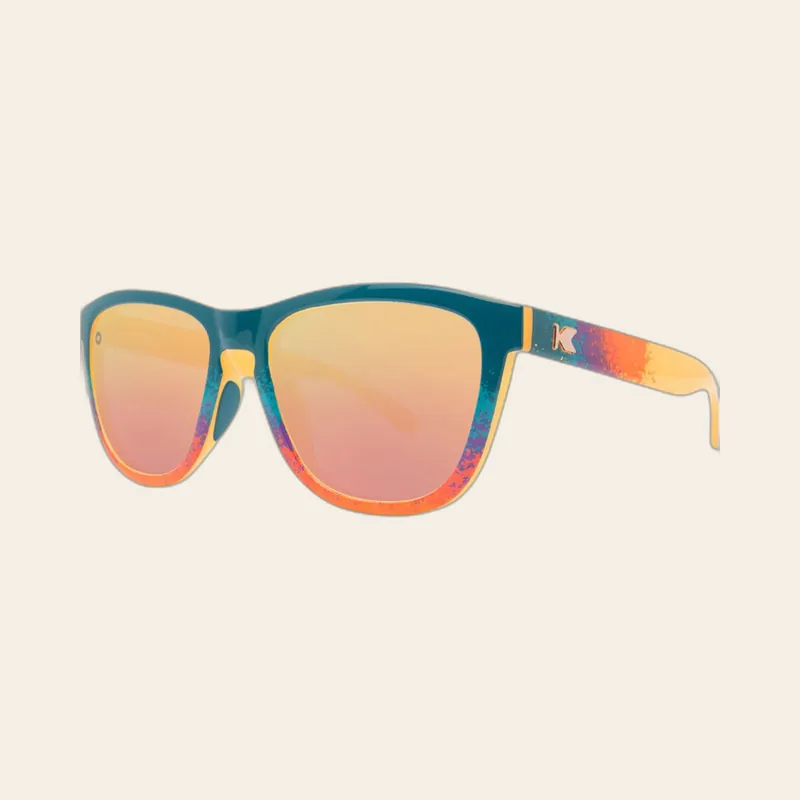
Warm nights and rain pools breed mosquitoes across rural areas.

Check ankles and, if there's a dog, paws and ears every night.

Remote terrain and fourteen rain days mean cuts and sprains happen far from help.

Tap water isn't safe here. A filter bottle beats buying plastic twice a day.

This country runs on Type C, D, G or N. Get one with USB-C so you're not fighting over the single outlet.

Thirteen daylight hours mean cameras and phones drain batteries faster.

Set it up before you land. Signal drops for long stretches outside cities.

Fourteen rain days mean carry-on space for wet gear matters.
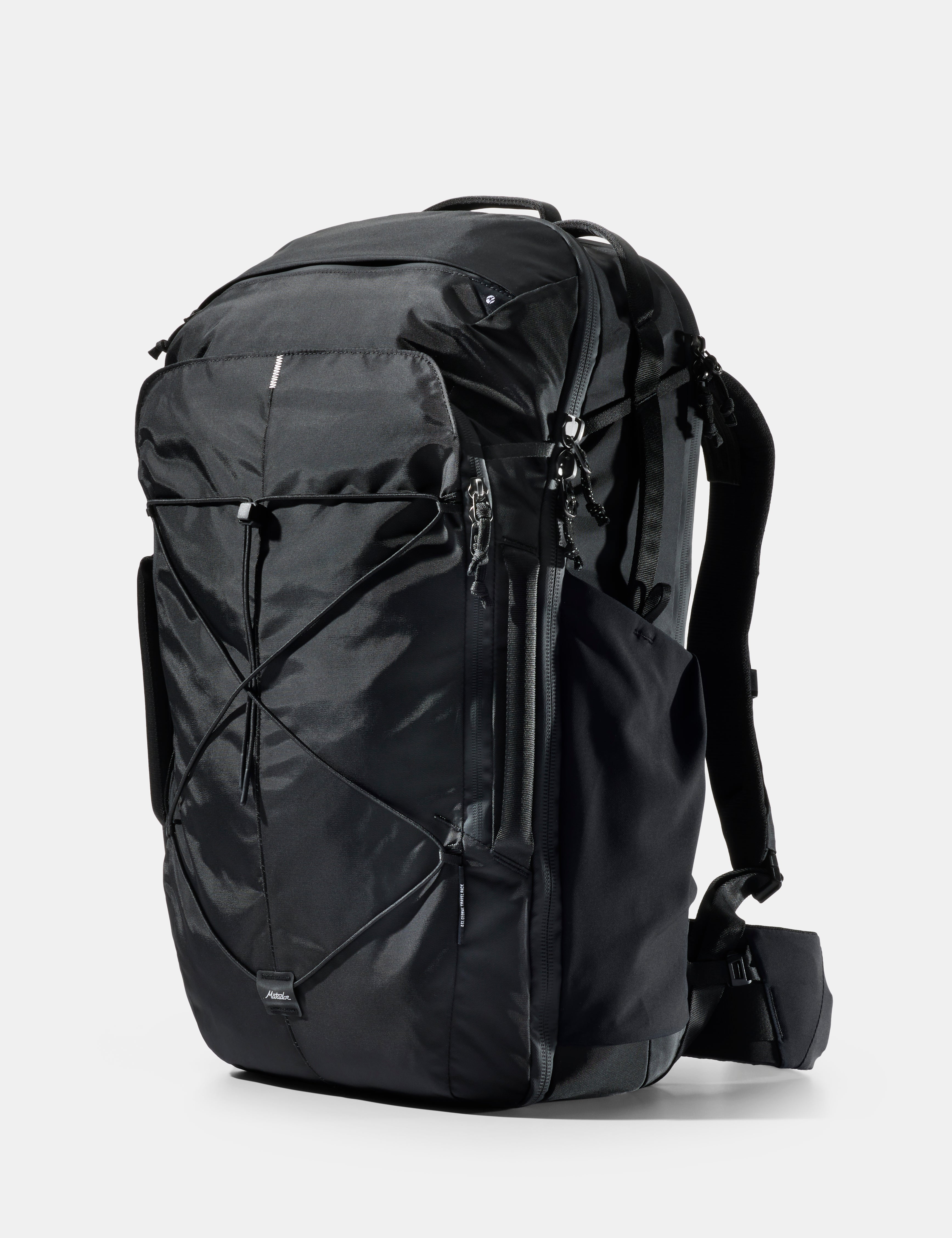
Rural exploration requires a daypack for water, sun protection, and repairs.
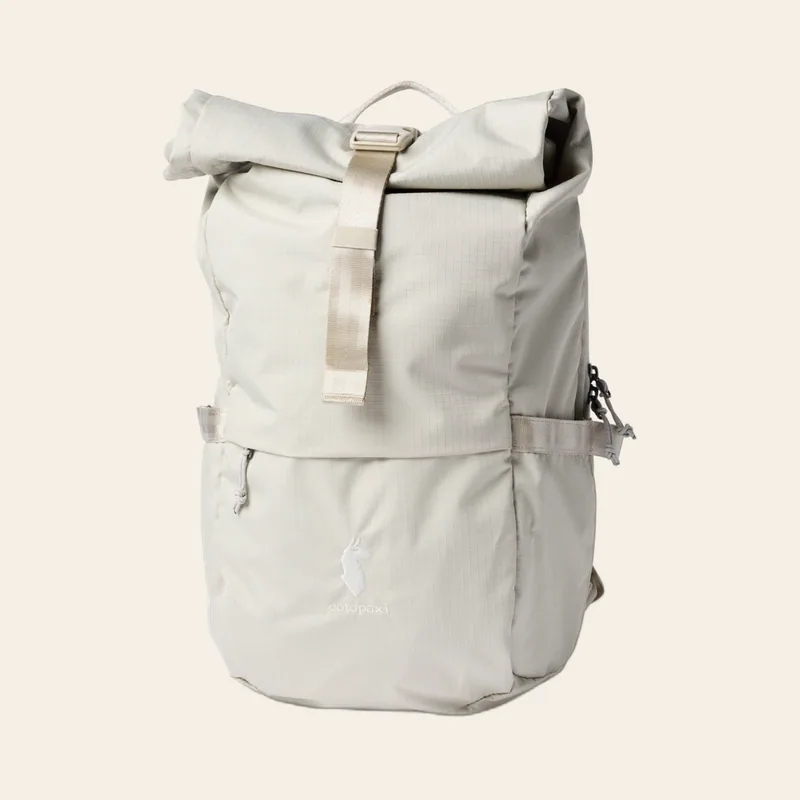
Fits the overhead on every airline that matters. Skip the checked-bag line entirely.
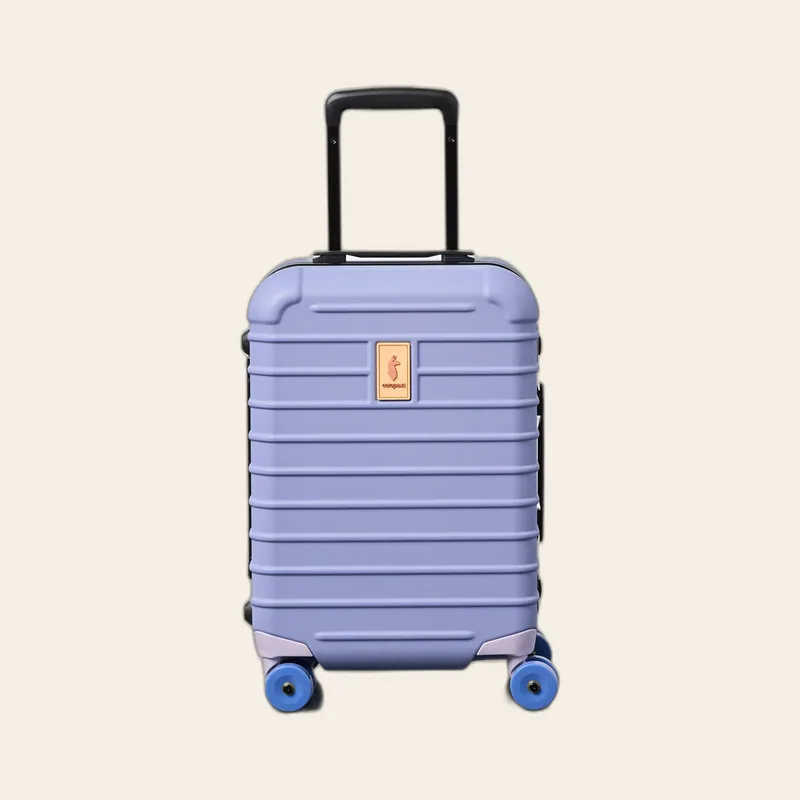
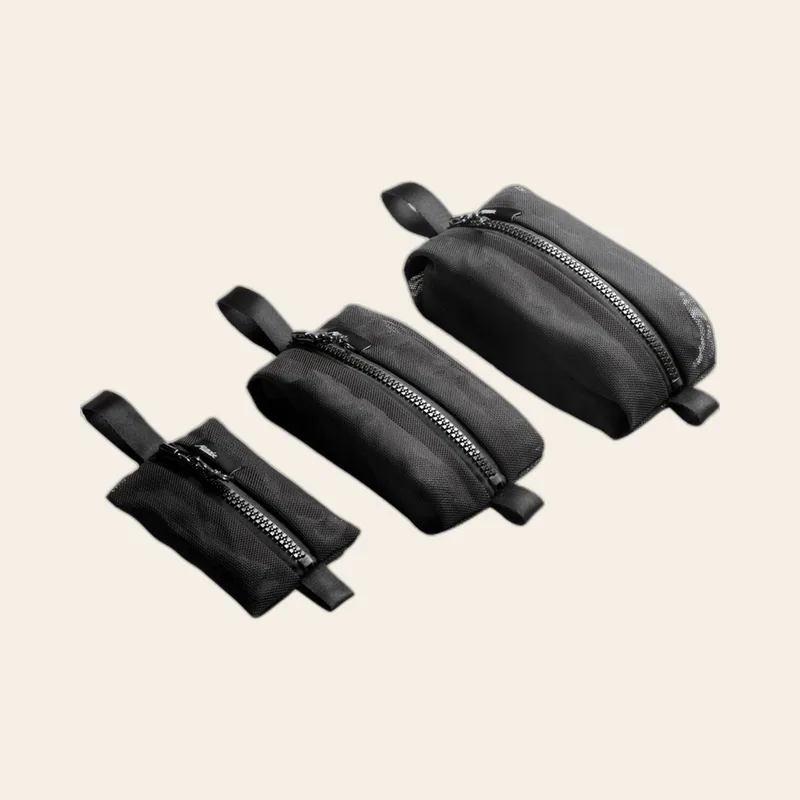
For the passport, the chargers, and the one dry pair of socks.
Before you go
9 to sort
Recommended
15 items
Fourteen rain days a month and 70% humidity mean sweat dries slowly on skin.

UV hits 11.4 here. Long sleeves beat reapplying sunscreen every hour.
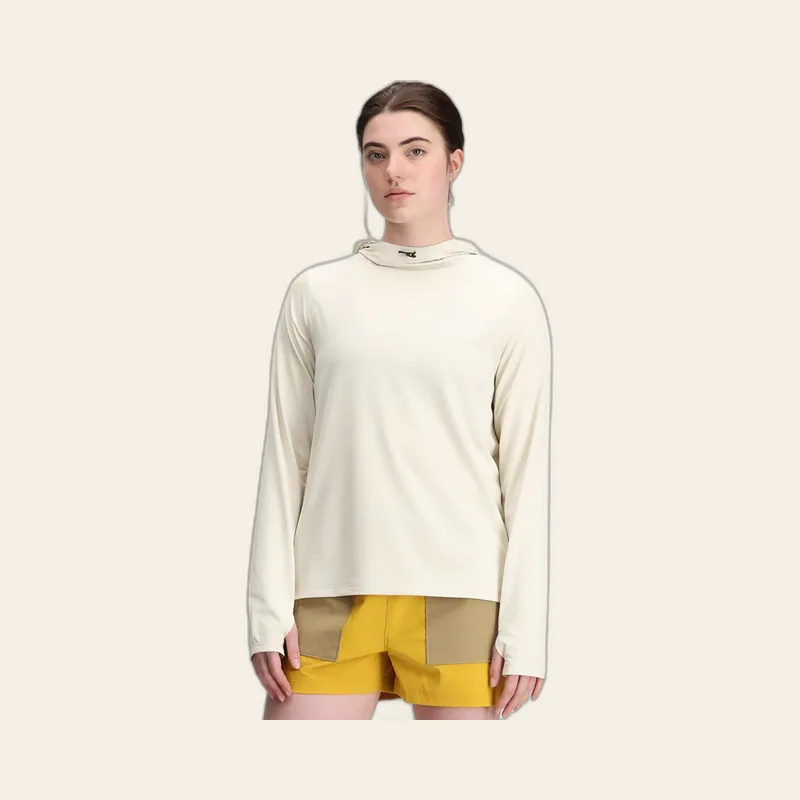
Coastal access and a 77°F high make swimming appealing most days.

Thirteen hours of daylight and UV 11.4 expose the scalp and ears.

Treat the clothes once and it lasts weeks.

Heat, altitude, and unsafe tap water dehydrate travelers quickly.
Unfamiliar water and food trigger diarrhea in visitors within days.
One brick charges the laptop, phone, and camera.

Hotel and cafe wifi is shared with everyone else in the building. A VPN keeps your banking and email to yourself.
International travel and cash-only rural areas require secure money storage.
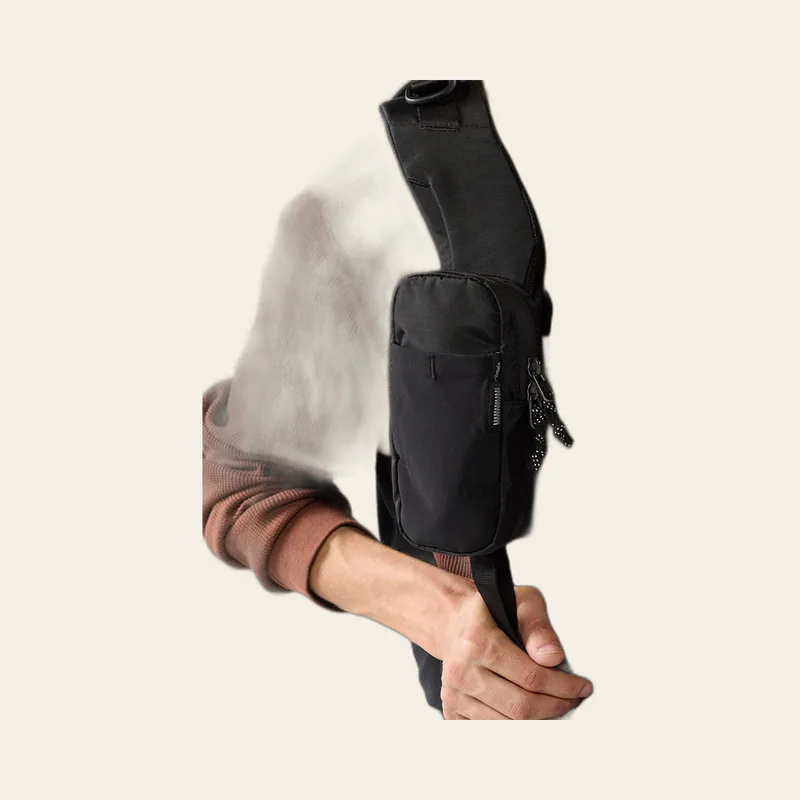
Remote terrain and long drives make bag tracking essential.
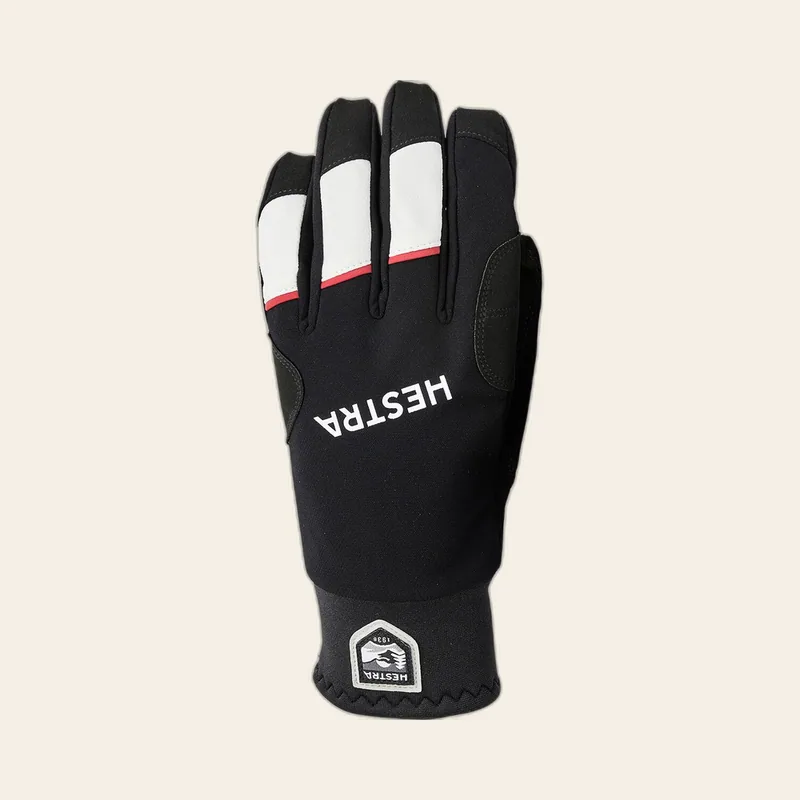
Moisture and mud mean clothes need sorting and airing between wears.
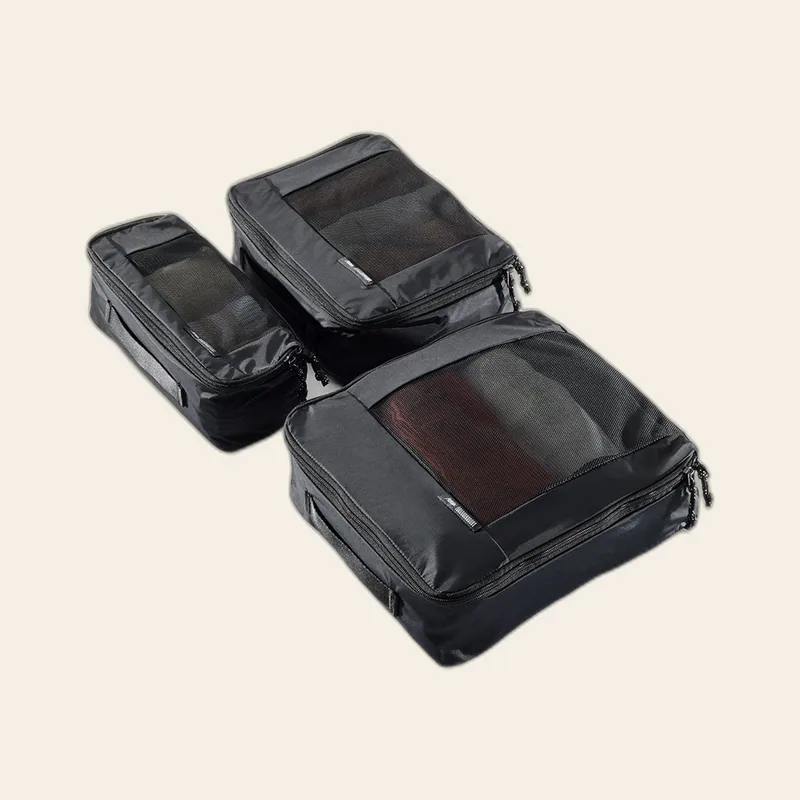
Coastal access and fourteen rain days threaten phones constantly.

Seventy percent humidity and fourteen rain days mean laundry stays damp for days.
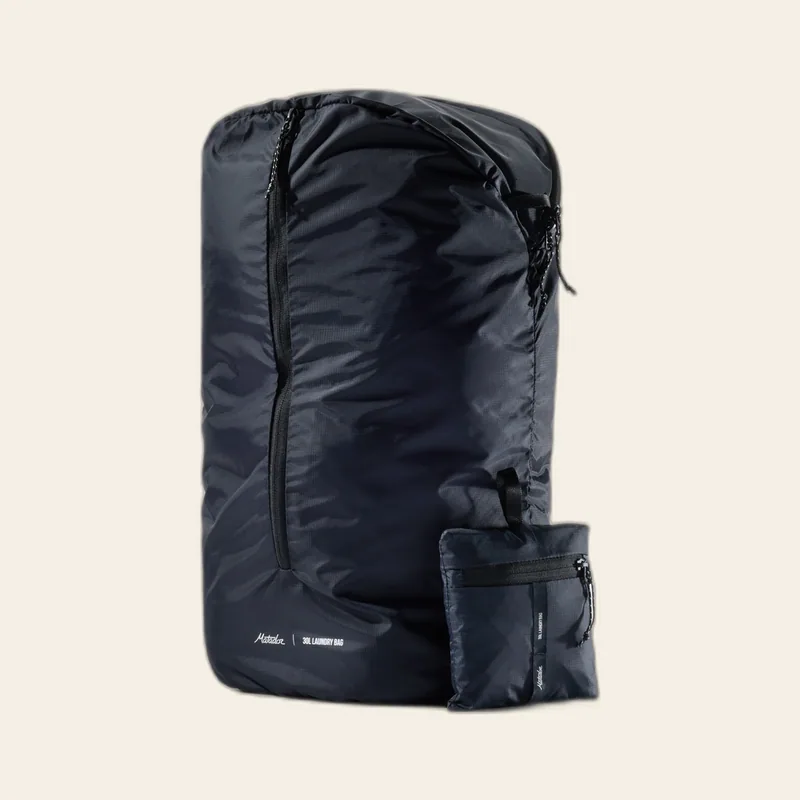
Long single-track drives with early sunrises leave drivers exhausted.

Nice to have
10 items you could skip
The typical high of 77°F rules out long pants for most of the month.
Fourteen rain days soak boots through regular leather.
Lips crack faster at altitude and under high UV without protection.
Tap water isn't safe; hands touch food and face constantly.
Insect bites itch worse when sunburned skin is already inflamed.
Rural guesthouses have one outlet; short cables let you charge while moving.
Documents cross borders repeatedly in rural South Africa.
International borders and shared accommodations mean luggage gets opened.
One guesthouse outlet forces toiletries to hang dry instead.
Long drives on single-track roads and early sunrises demand rest.
Basics
16 things you probably own already