Change trip
What to pack for Queenstown in August
Typical August, built from ten years of weather
Some links are affiliate links. It keeps the site free.
Typical for your dates
Highs 46°F, lows 36°F, rain 13 of 31 days
snowycoldwet
Sunset lands around 5:55pm. Wind averages 4 mph. There is paperwork on this one, so start with Before you go.
0 of 59 packed
Packing for
66 things on this list are on sale today
Essentials
19 items
13 rain days a month finds every seam. A real shell, not a windbreaker.
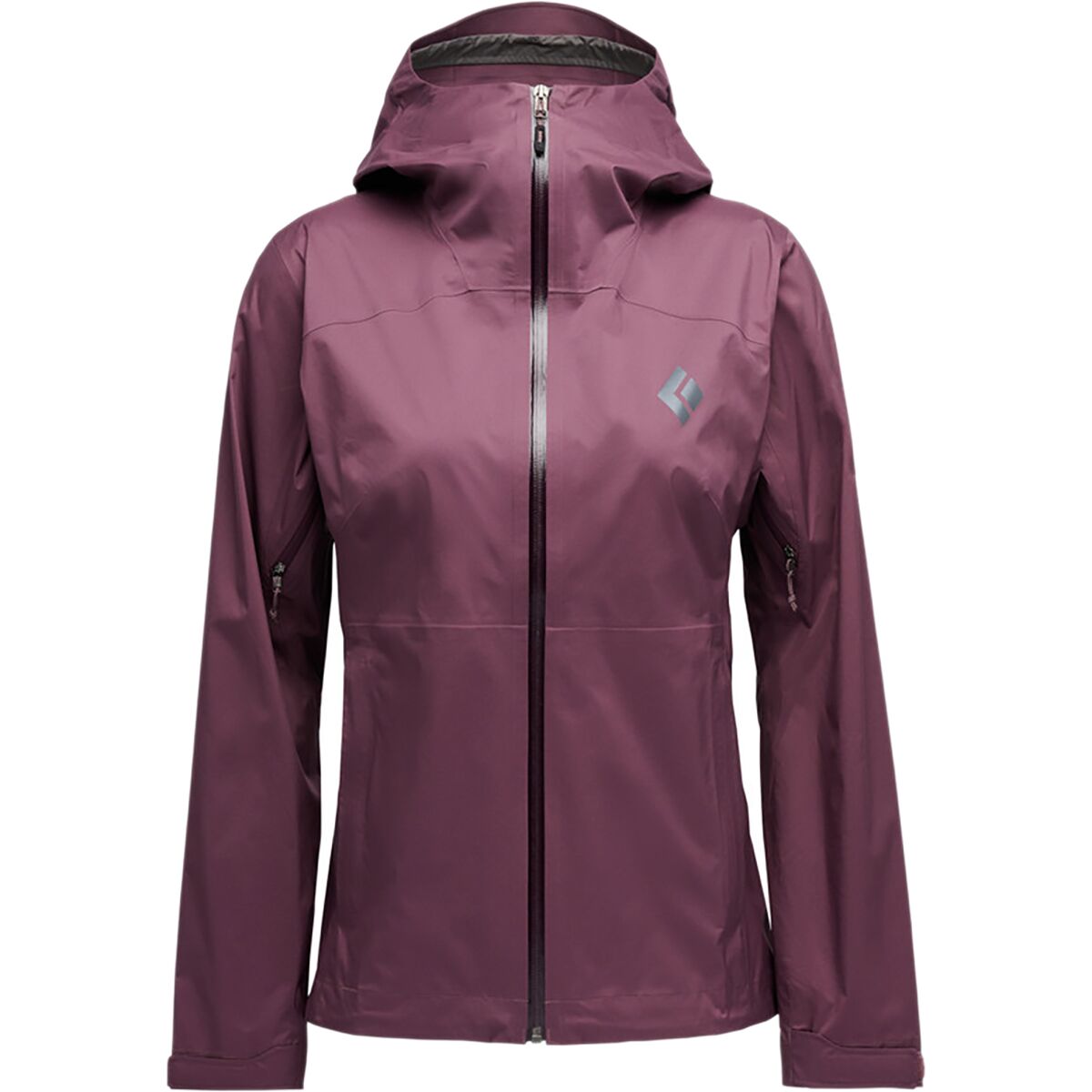
Lows around 36°F. Goes under the shell when the wind picks up.
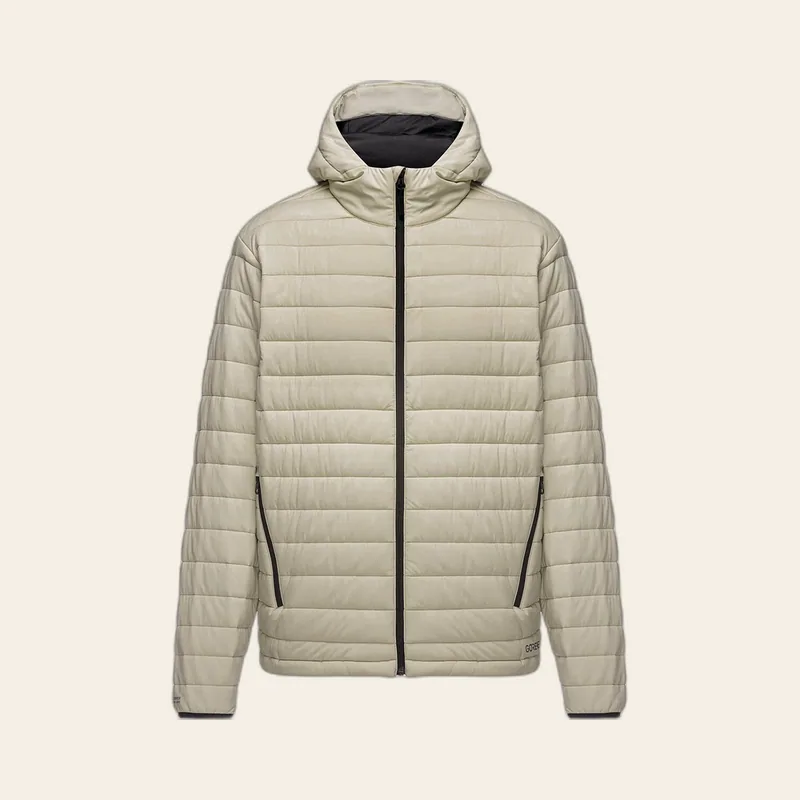
Wear one, dry one. Cotton stays wet all week here.

The layer you'll wear more than any other.
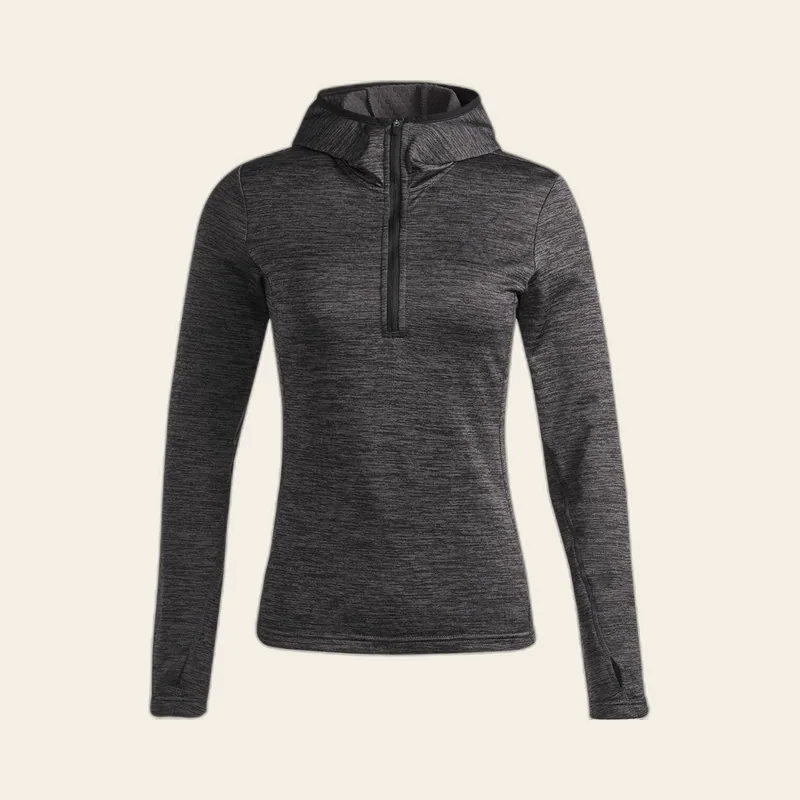
Lows hit 36°F. A beanie keeps your head warm through the cold.

Freezing temperatures mean exposed fingers go numb fast.
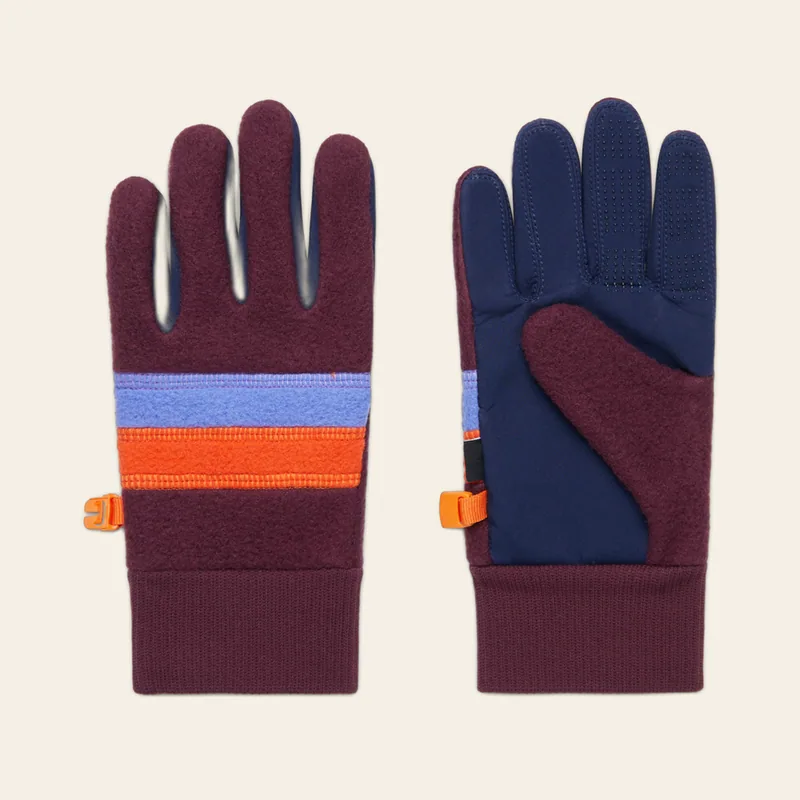
Sidewalks ice over. New boots plus wet feet is how day two goes sideways.

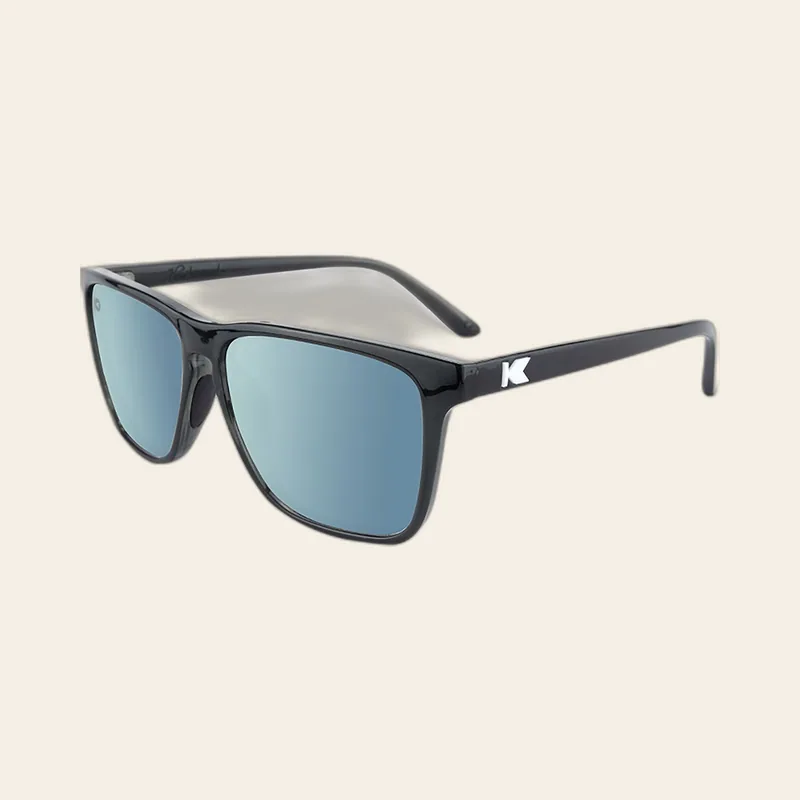
UV index of 2.4 bounces off snow and still damages unprotected eyes.
Check ankles and, if there's a dog, paws and ears every night.
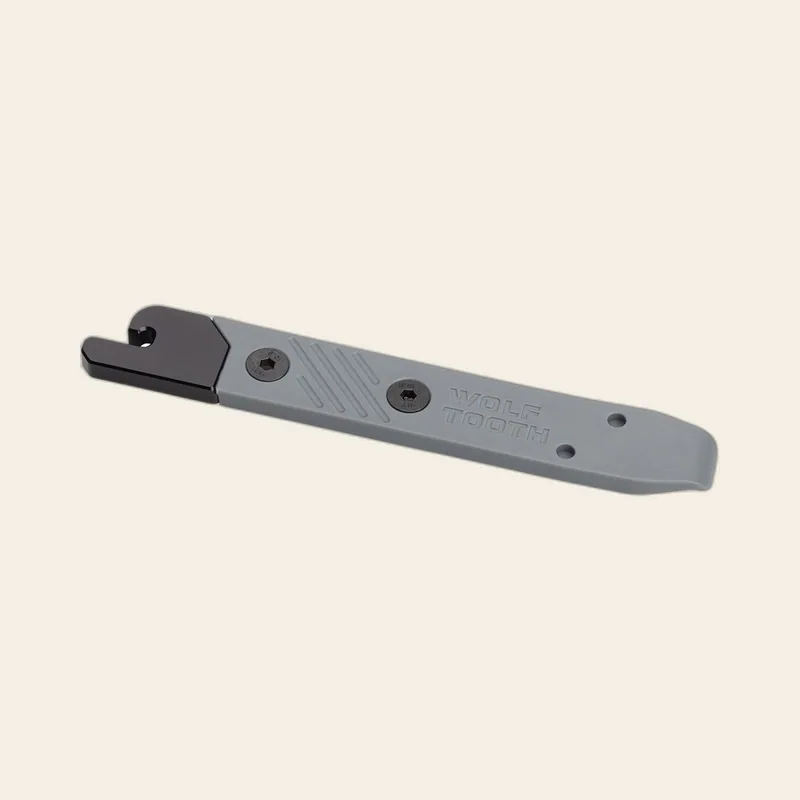
Mountain terrain and snow increase the risk of cuts and minor injuries.

This country runs on Type I. Get one with USB-C so you're not fighting over the single outlet.

Ten-hour flights drain devices fast. A power bank keeps them running through layovers and mountain roads.

Set it up before you land. Signal drops for long stretches outside cities.

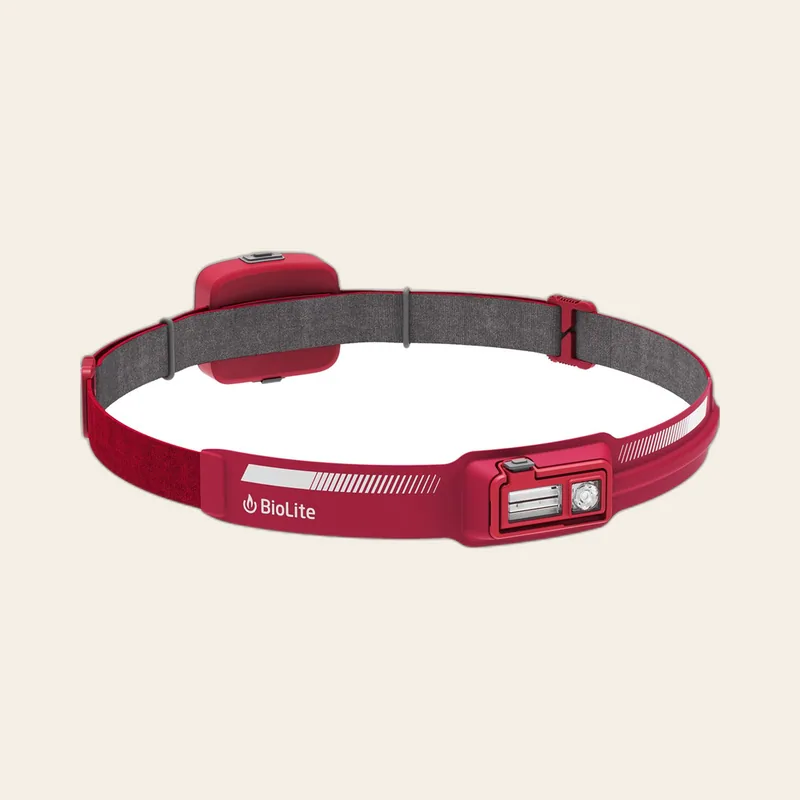
Dark by 5:55pm. Every campsite chore after that is a two-hands job.
Ten hours of daylight means you need snacks and layers for each outing.
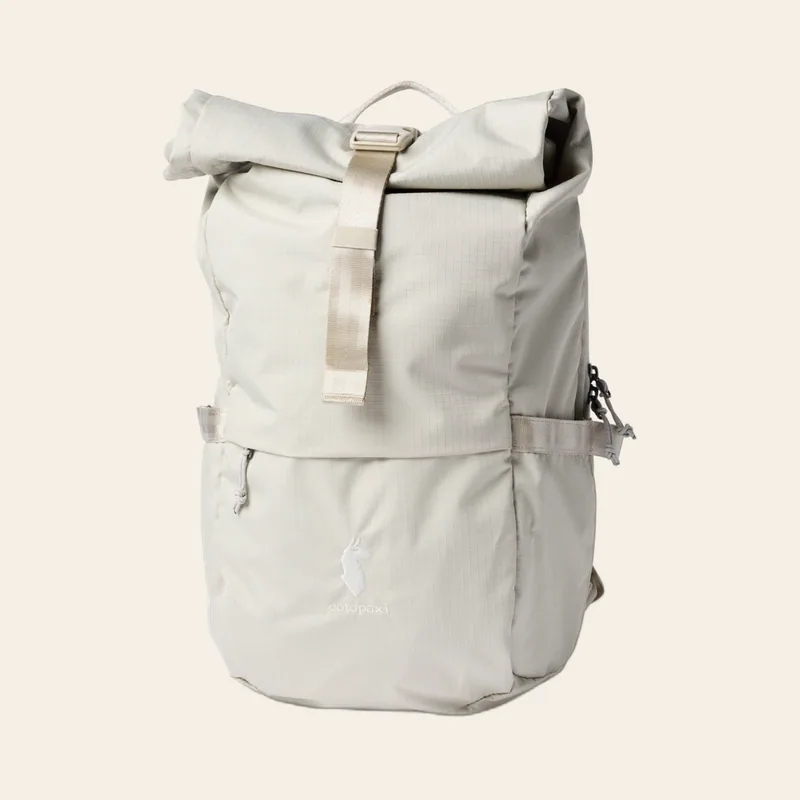
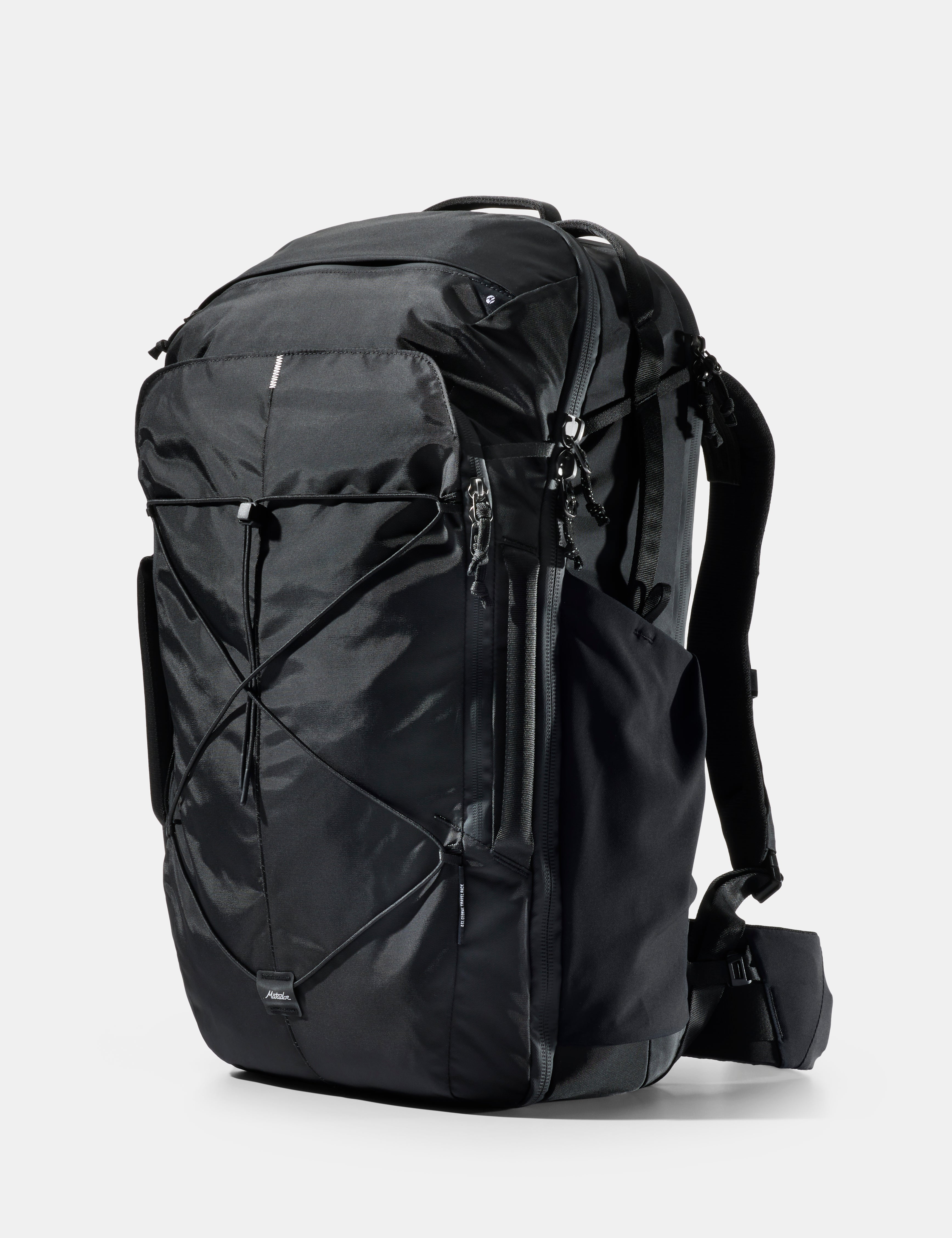
Fits the overhead on every airline that matters. Skip the checked-bag line entirely.
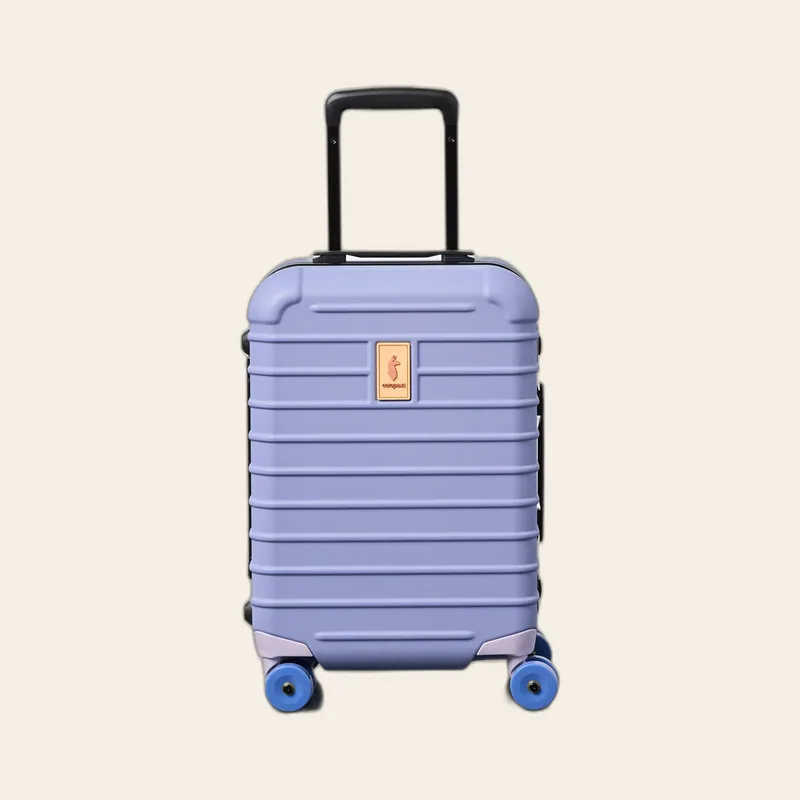
For the passport, the chargers, and the one dry pair of socks.
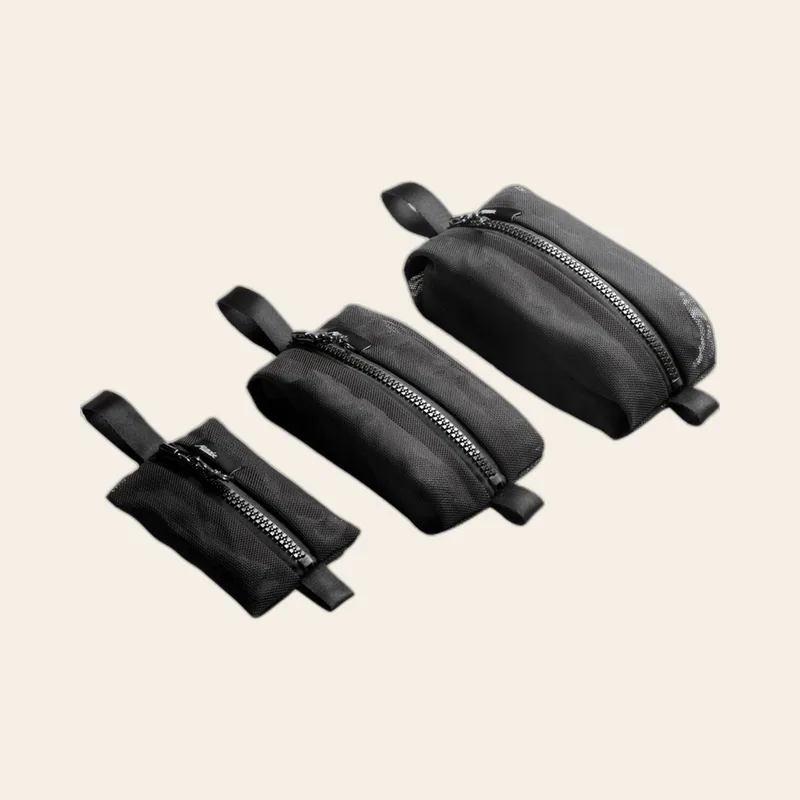
Wet snow sticks to regular gloves. Waterproof insulation keeps hands warm.

Before you go
7 to sort
Recommended
14 items
For the mornings and the nights.

Wind at 6 km/h cuts across your face on mountain trails.
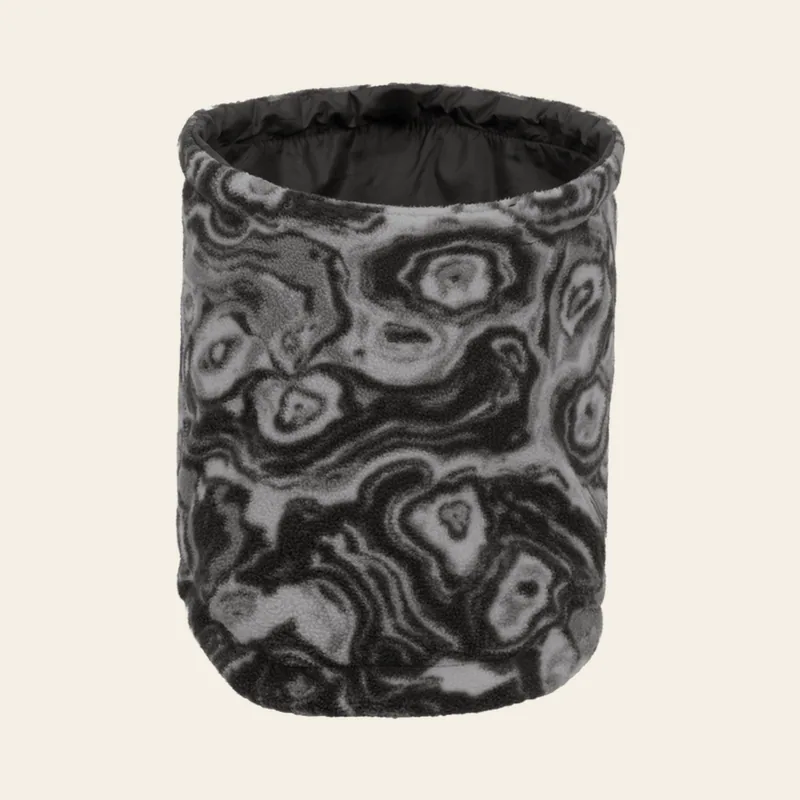
Snow on the ground and 36°F lows require thick socks to stay dry.
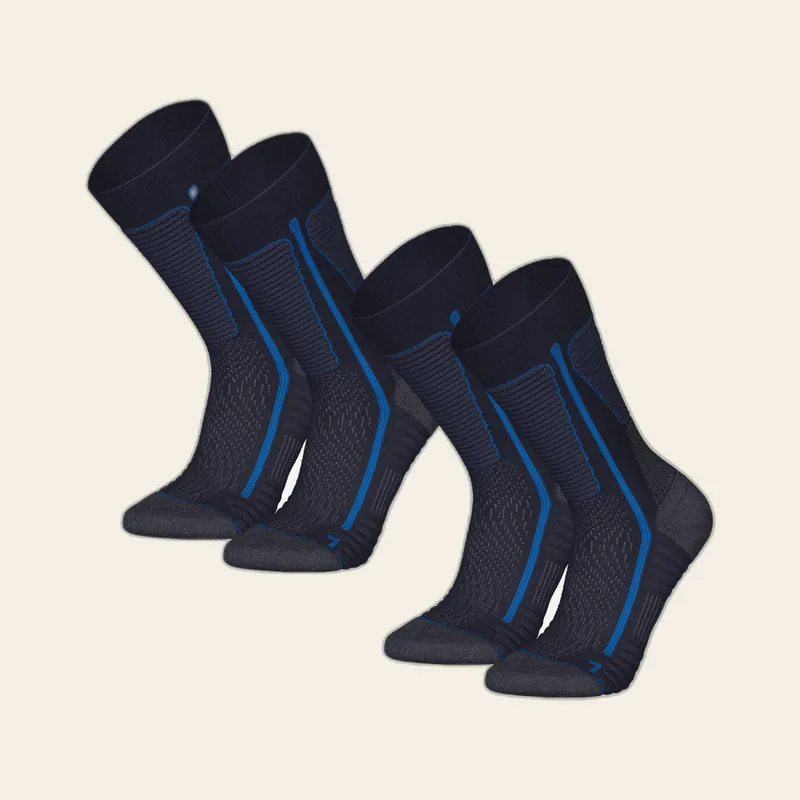
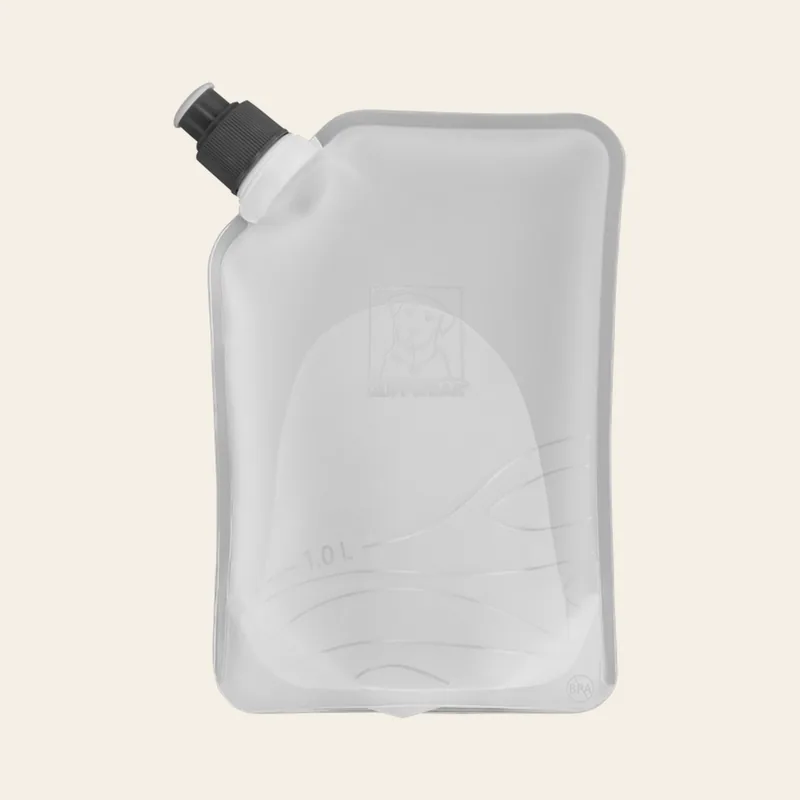
One brick charges the laptop, phone, and camera.

Hotel and cafe wifi is shared with everyone else in the building. A VPN keeps your banking and email to yourself.
International travel increases the risk of lost luggage at transfer points.
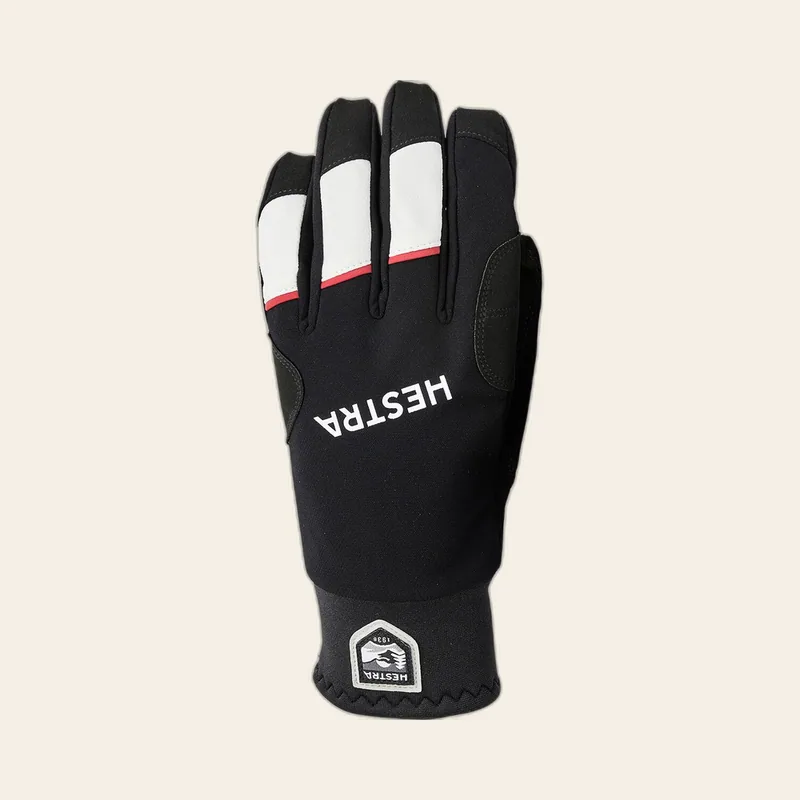
Checked luggage carries your winter gear without weighing down your carry-on.

Packing cubes compress bulky thermal clothes into tight carry-on space.
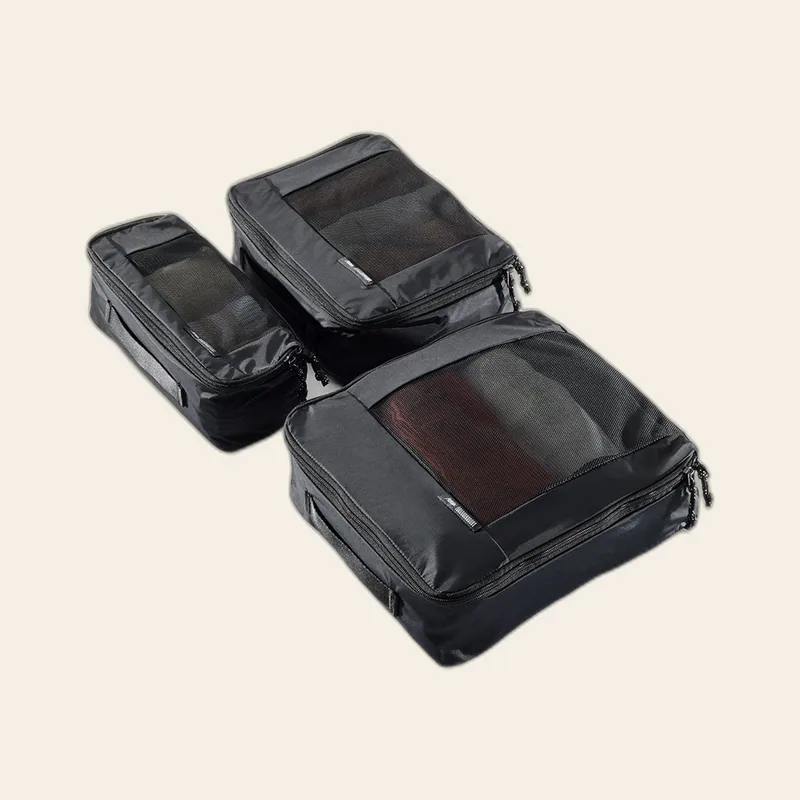
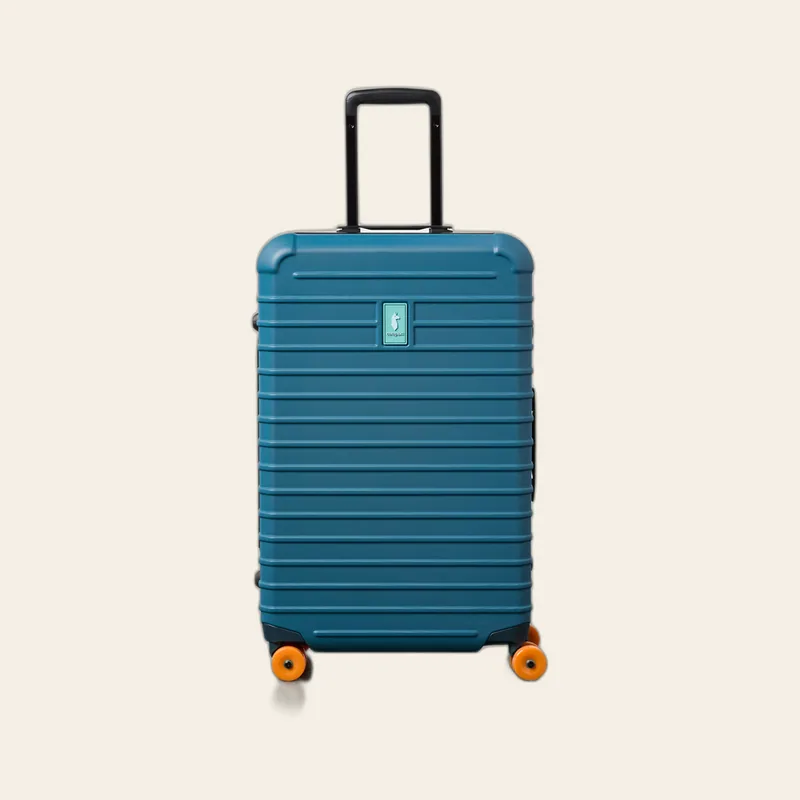
Heavy winter gear and snow boots need their own rolling case.
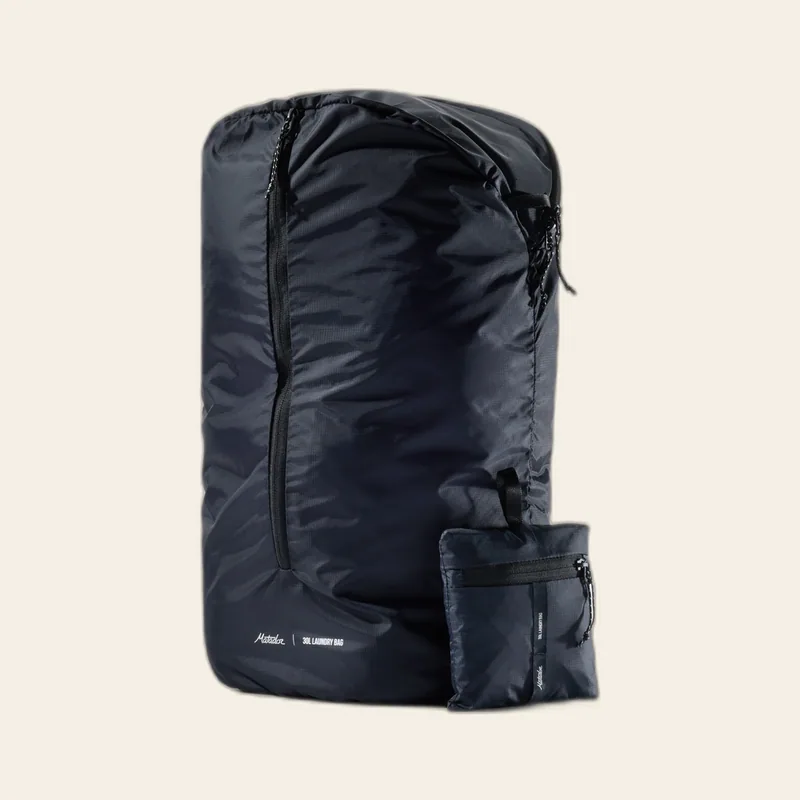
Eighty-seven percent humidity and wet snow soil clothes faster than usual.
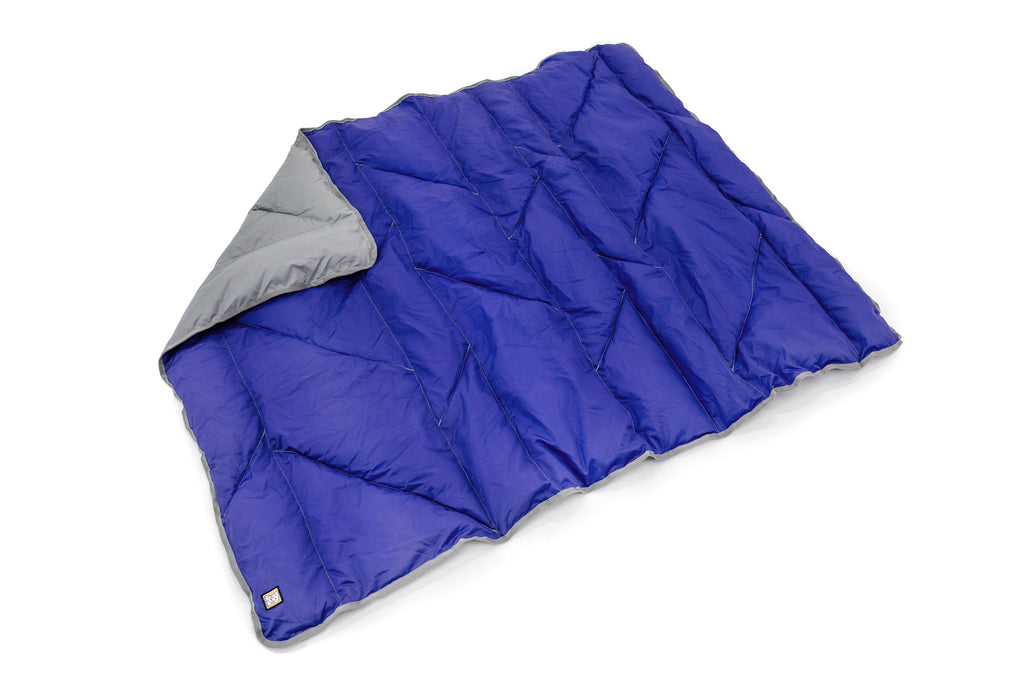
Lows around 36°F. One blanket that packs small covers the car, the campsite and the beach at sunset.
Ten-hour flights and mountain roads benefit from noise cancellation.

Snow on slopes and icy trails require trekking poles for balance.

Nice to have
10 items you could skip
Snow everywhere and gaiters stop it from filling your boots.
Thirteen rain days a month finds every seam in your footwear.
Winding roads through mountains cause motion sickness in many travelers.
Tap water is safe here, but hand sanitizer prevents illness from surfaces.
Limited outlets at lodges mean short cables help you share power.
International border crossing requires your passport at hand at all times.
International flights mean TSA locks secure your checked bags from tampering.
Compression sacks squeeze insulated jackets down to half their size.
A hanging bag keeps toiletries accessible in small guesthouse bathrooms.
Long flights to this international destination make neck support essential.
Basics
16 things you probably own already