Change trip
What to pack for Patagonia in October
Typical October, built from ten years of weather
Some links are affiliate links. It keeps the site free.
Typical for your dates
Highs 50°F, lows 32°F, rain 9 of 31 days
snowycoldwindy
Sunset lands around 8:10pm. Wind averages 14 mph. There is paperwork on this one, so start with Before you go.
0 of 63 packed
Packing for
69 things on this list are on sale today
Essentials
18 items
Lows around 32°F. Goes under the shell when the wind picks up.
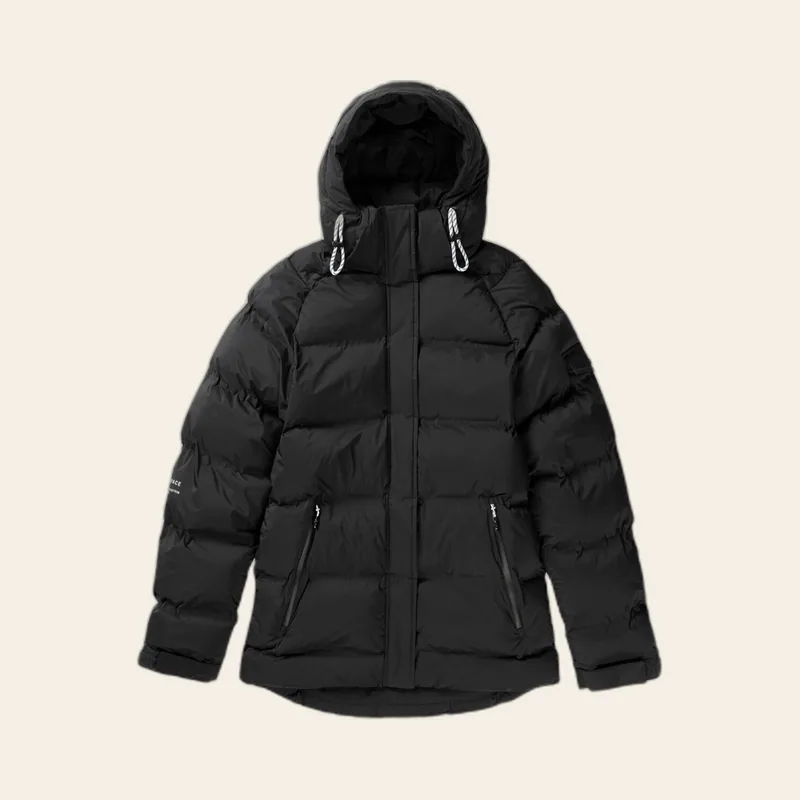
Wear one, dry one. Cotton stays wet all week here.

The layer you'll wear more than any other.
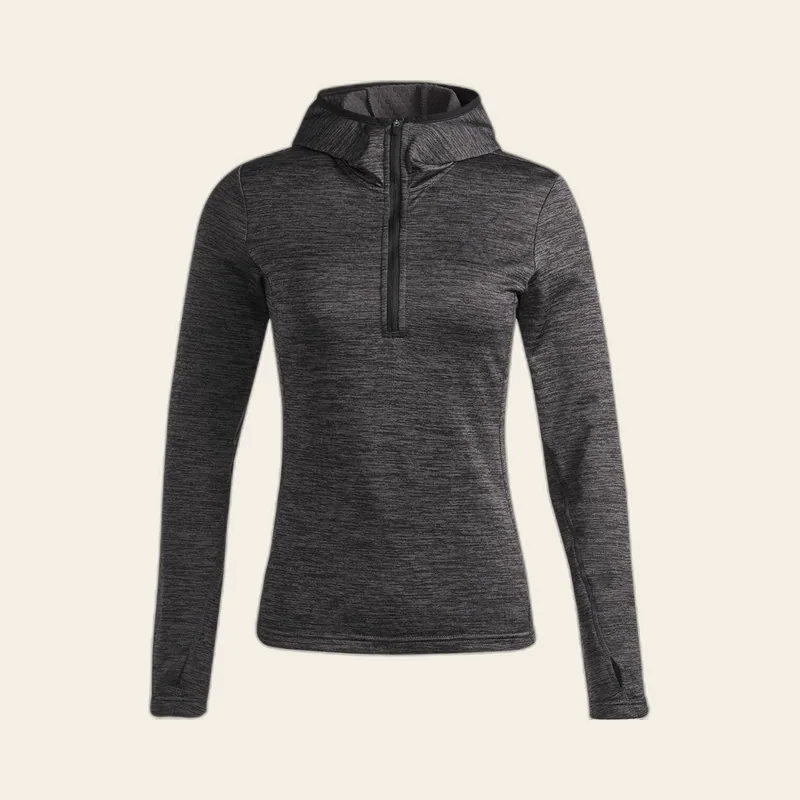
Lows hit 32°F and wind gusts reach 22 km/h, so exposed skin chills fast.

Freezing temperatures and constant wind make bare hands painful within minutes.
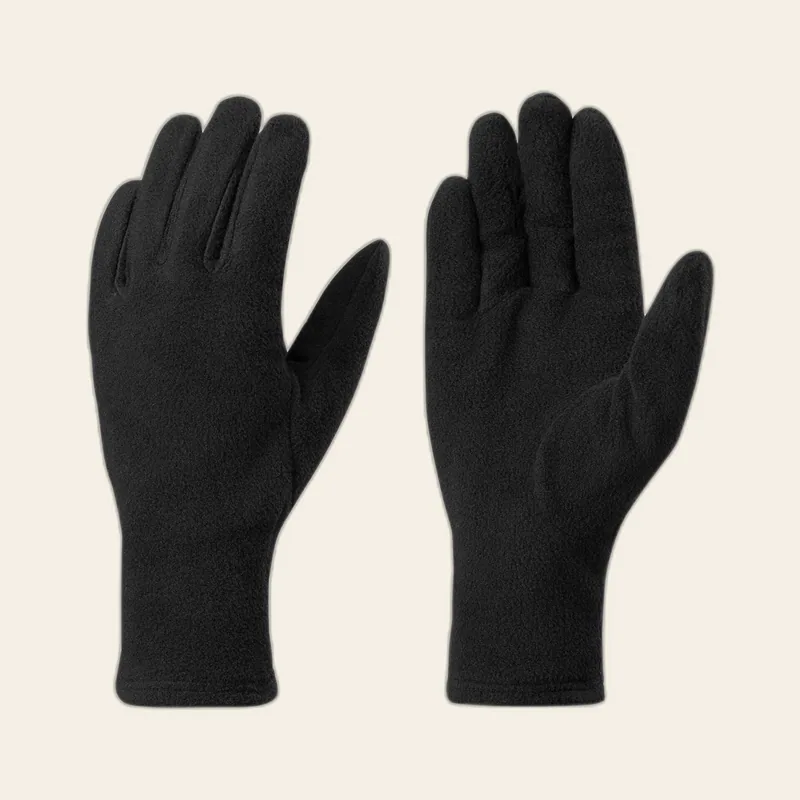
Snow is on the ground and terrain is mountainous and wet.

UV index hits 7.1 at 853 meters altitude, even in October cold.

High altitude and snow reflection double the UV burn risk.
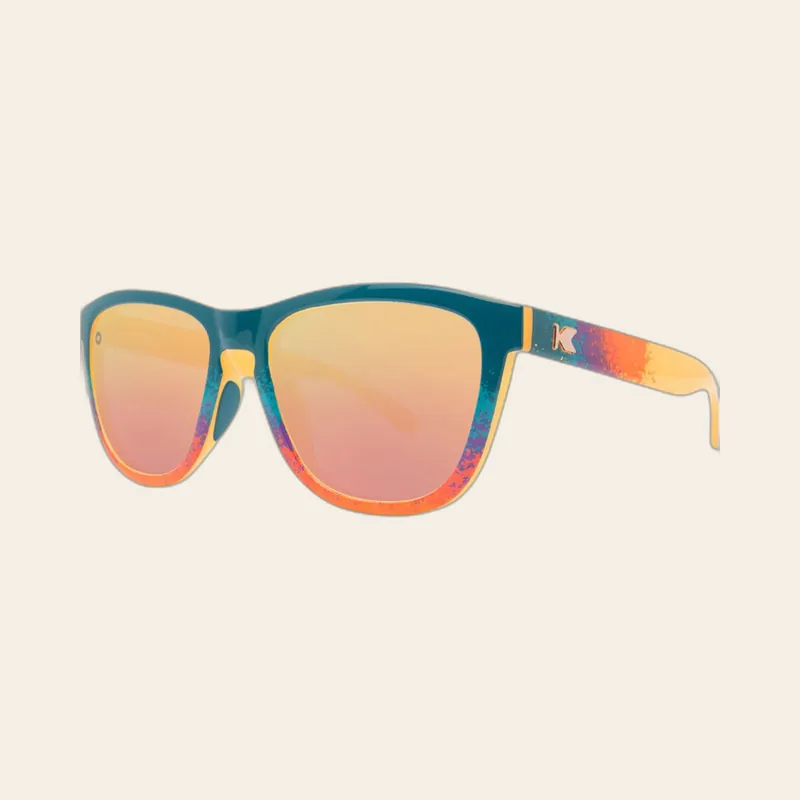
Insects thrive in 70% humidity despite the cold mountain air.

Check ankles and, if there's a dog, paws and ears every night.

Remote mountain terrain at altitude means help is hours away.

This country runs on Type C or L. Get one with USB-C so you're not fighting over the single outlet.

Daylight runs 13.4 hours and you'll shoot photos the entire time.

Set it up before you land. Signal drops for long stretches outside cities.

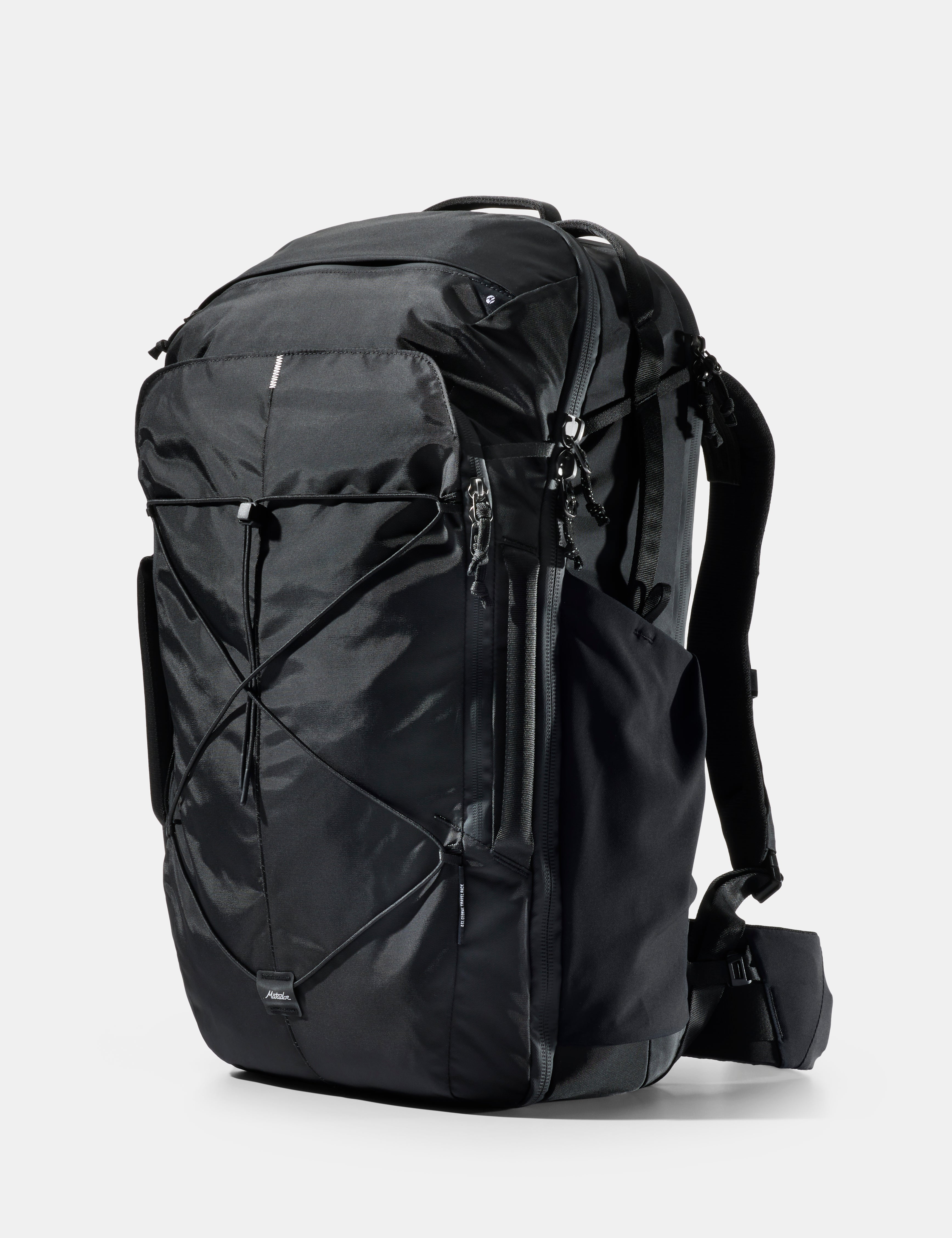
Bulky layers and nine rainy days mean a 35 to 45 liter bag fits airline overhead bins.
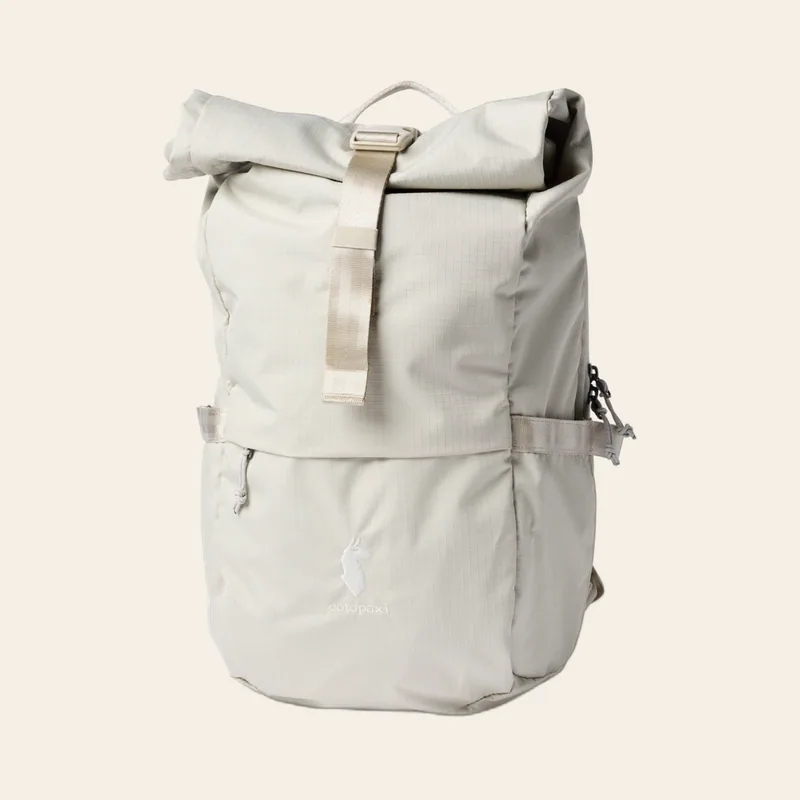
Daily mountain hikes soil clothes fast, so a 15 to 25 liter pack carries clean layers between camp and trail.
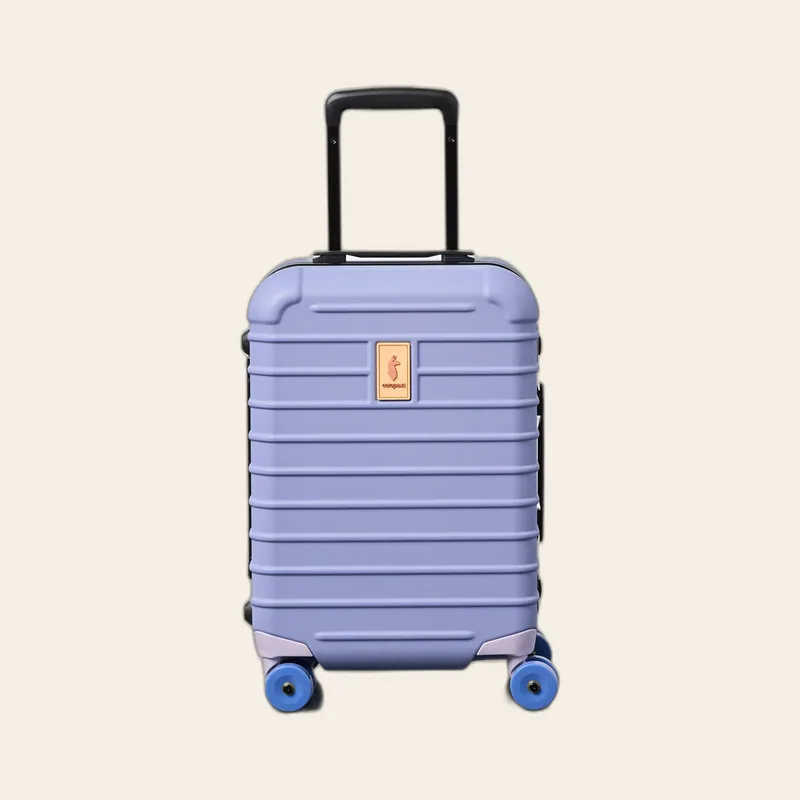
Fits the overhead on every airline that matters. Skip the checked-bag line entirely.
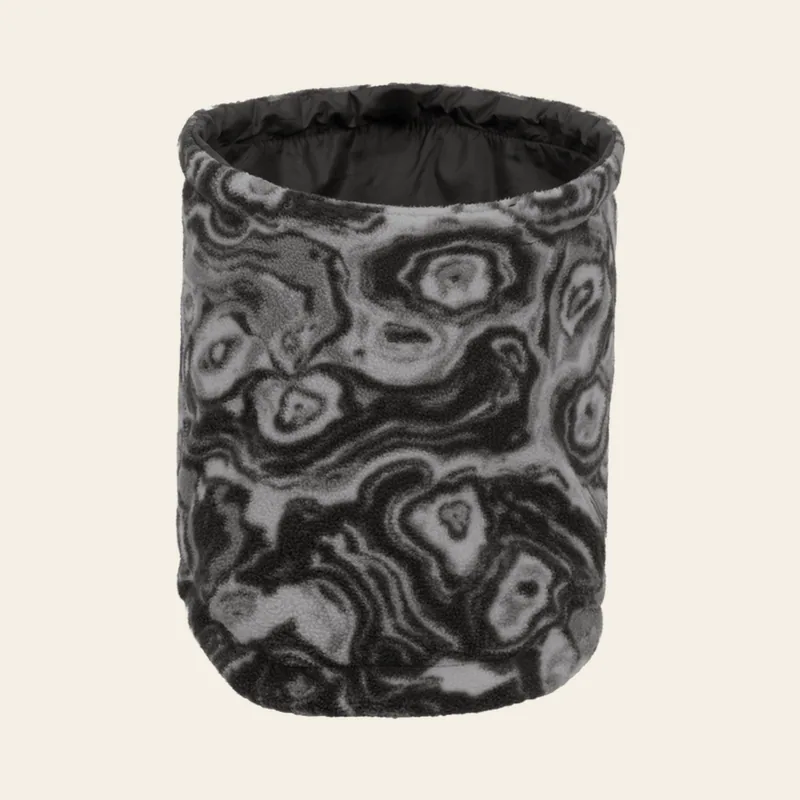
Temperatures drop to 0 degrees Celsius and rain falls nine days a month, so wet hands lose warmth quickly on exposed ridges.

Before you go
7 to sort
SafetyWing Nomad Insurance, Month-to-month cover you can start after you leave
Going, Cheap cash fares, emailed when they droppoint.me, Finds the flight your points will actually book
AllTrails, Download your trails before you lose signal.
Recommended
17 items
For the mornings and the nights.

Wind at 22 km/h cuts through gaps between hat and jacket collar.
Snow covers the ground and lows drop to 32°F, so wet feet go numb.
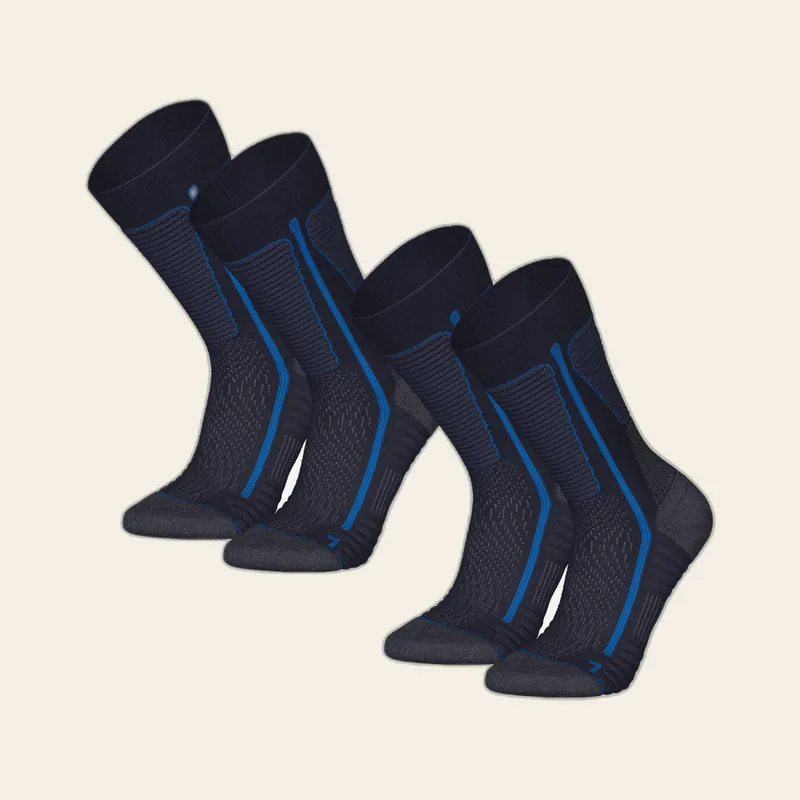
UV hits 7.1 here. Long sleeves beat reapplying sunscreen every hour.
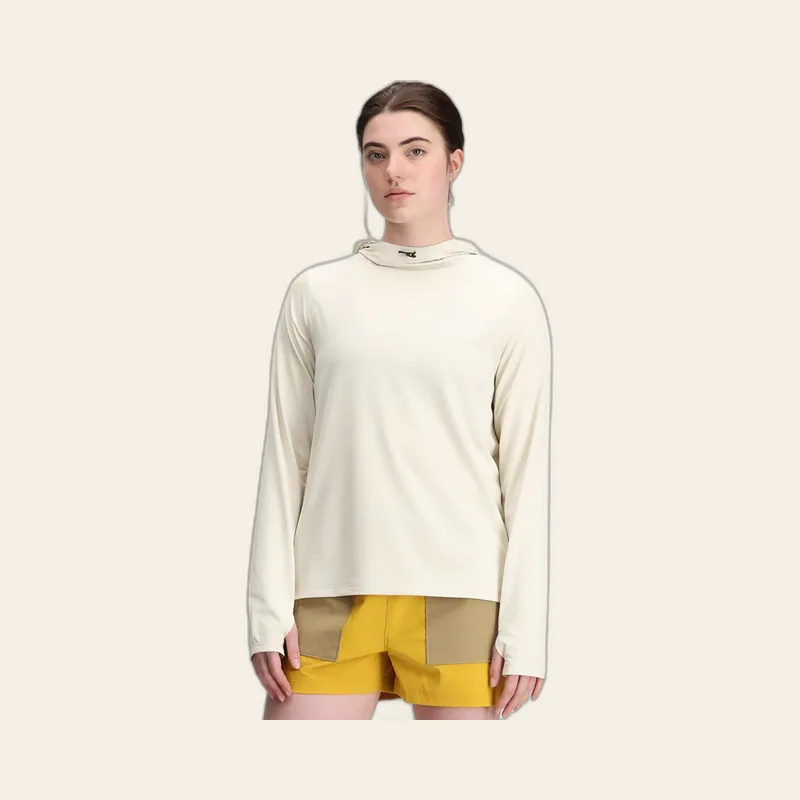
Sun exposure runs 13.4 hours daily across open mountain terrain.

Treat the clothes once and it lasts weeks.


One brick charges the laptop, phone, and camera.

Hotel and cafe wifi is shared with everyone else in the building. A VPN keeps your banking and email to yourself.
Remote terrain and international borders make bag tracking worth the space.
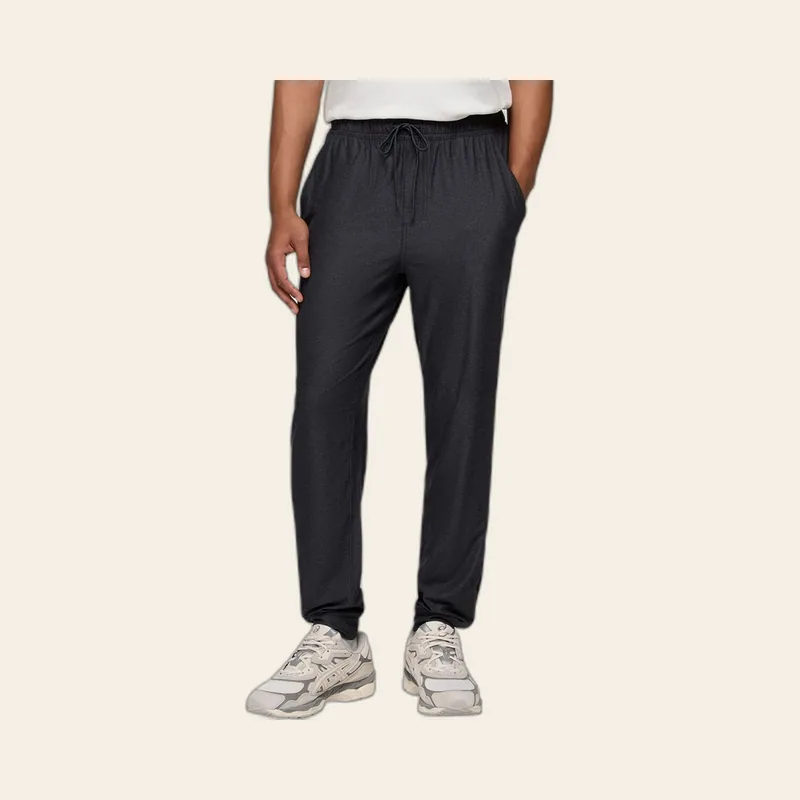
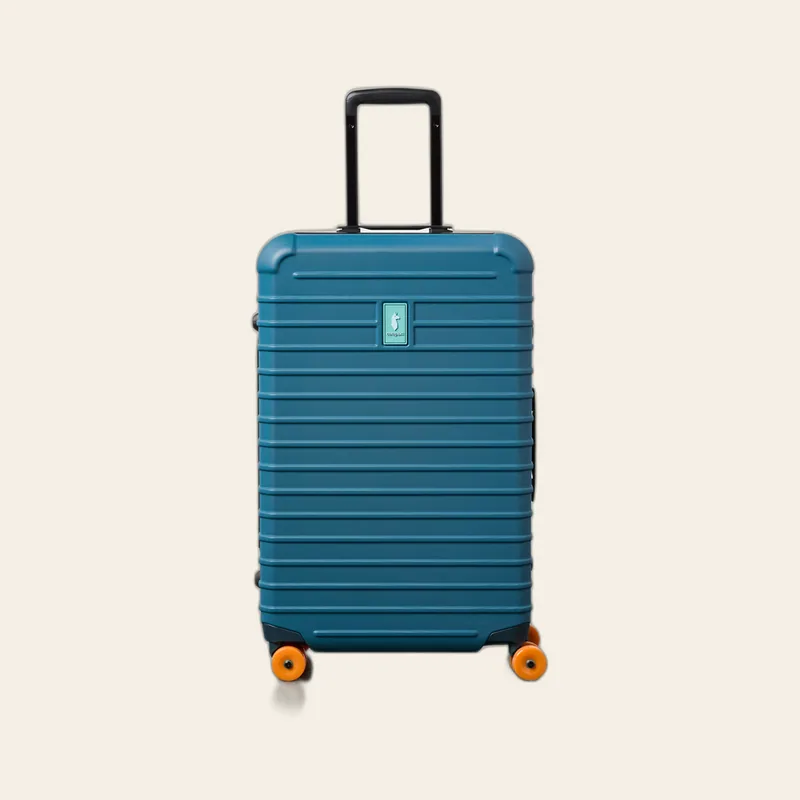
Nine rain days in October soak gear, so checked luggage holds extras.

Multiple gear layers for cold, sun, and rain need sorting in your bag.
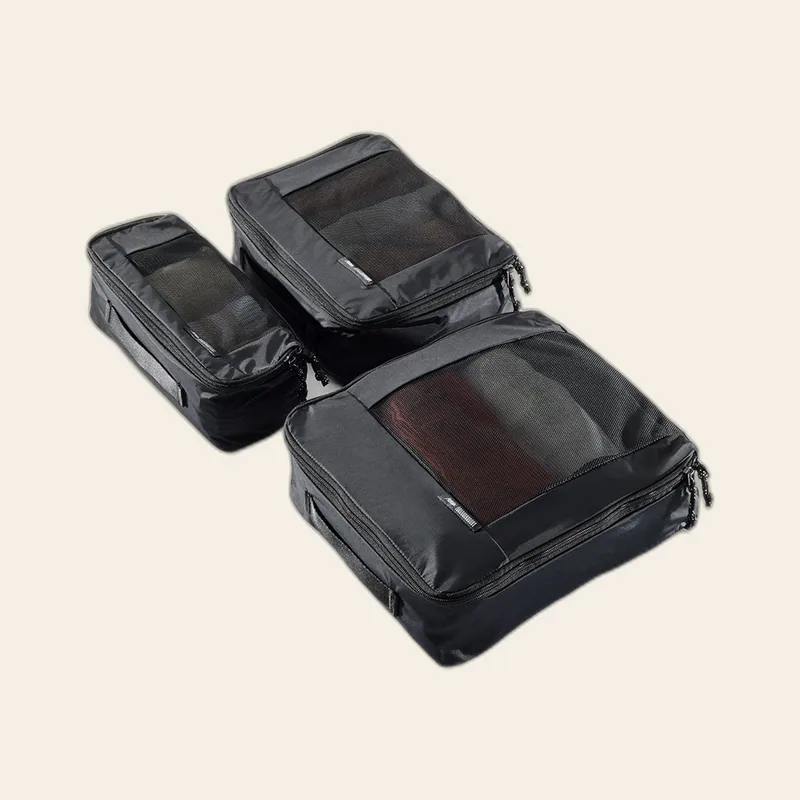
Nine rain days and snow mean wet clothes pile up fast.
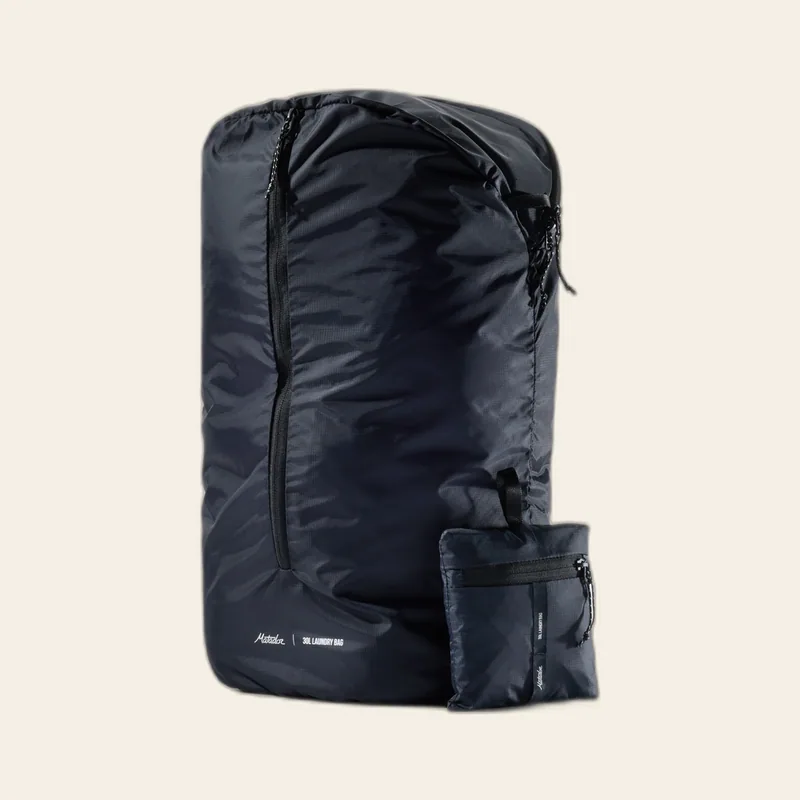
Rain nine days a month and mountain hiking soil clothes daily.
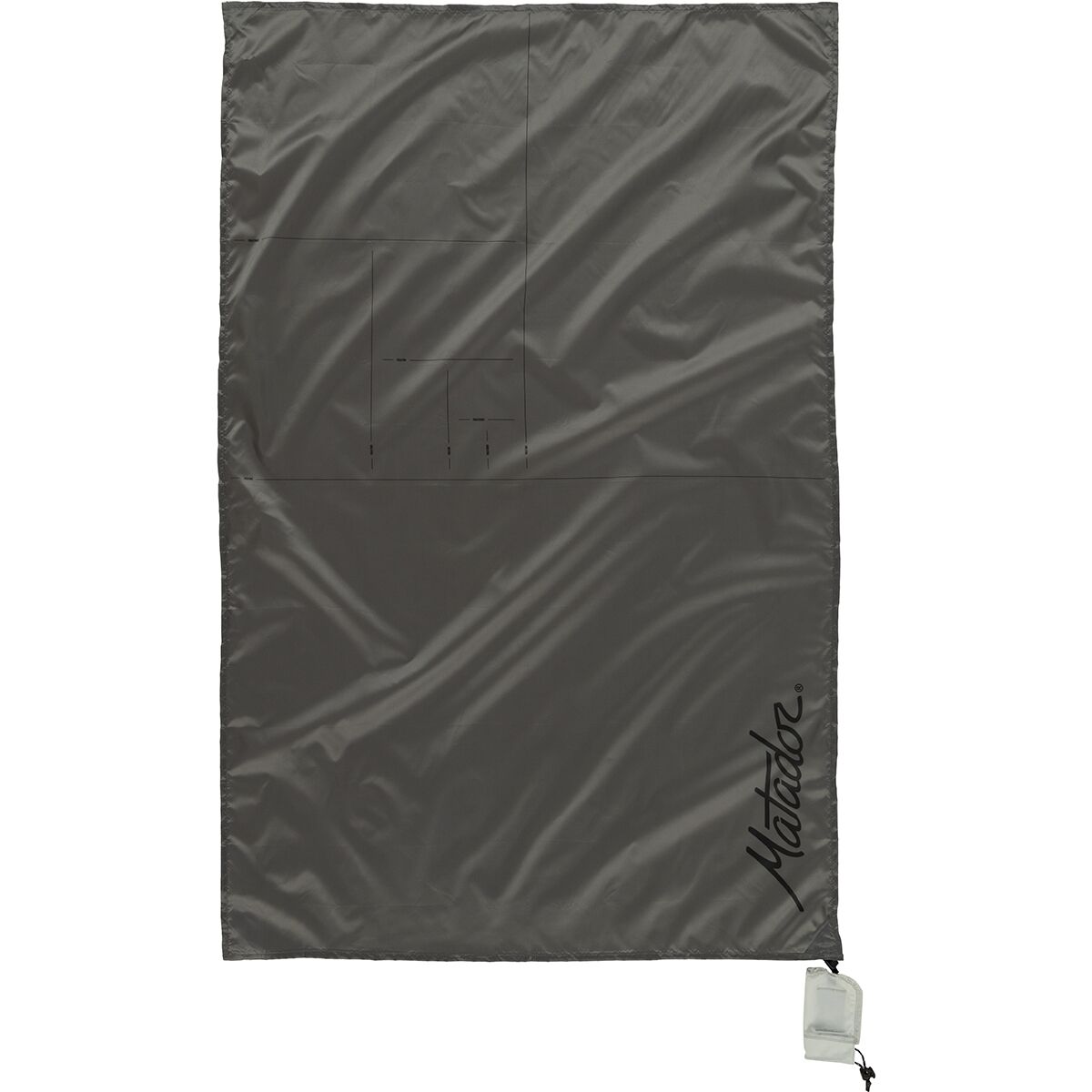
Lows around 32°F. One blanket that packs small covers the car, the campsite and the beach at sunset.
Thirteen-hour days of wind noise make quiet moments valuable on the trail.

Mountain terrain at 853 meters altitude and snow require trekking poles for balance.

Nice to have
12 items you could skip
Gaiters stop snow from falling into boots on steep mountain slopes.
Thin air at 853 meters and 7.1 UV index hit lips hard.
Single-track mountain roads and 13.4 hours of daily light cause motion sickness.
Tap water is safe here, but hand sanitizer matters on the trail.
Sun damage and insect bites both happen in Patagonia's October mountains.
Long days mean devices drain fast in the cold mountain air.
A few phrases go a long way. Ten minutes a day before you leave is plenty.
International travel to Patagonia requires your passport at every border crossing.
International travel means luggage moves through multiple hands and airports.
Bulky cold-weather layers compress down to fit carry-on limits.
Sunscreen, lip balm, and insect relief all need organized access daily.
Thin mountain air and high altitude disrupt sleep the first few nights.
Basics
16 things you probably own already