Change trip
What to pack for Patagonia in April
Typical April, built from ten years of weather
Some links are affiliate links. It keeps the site free.
Typical for your dates
Highs 50°F, lows 36°F, rain 11 of 30 days
snowycoldwet
Sunset lands around 7:05pm. Wind averages 11 mph. There is paperwork on this one, so start with Before you go.
0 of 61 packed
Packing for
65 things on this list are on sale today
Essentials
19 items
Lows around 36°F. Goes under the shell when the wind picks up.
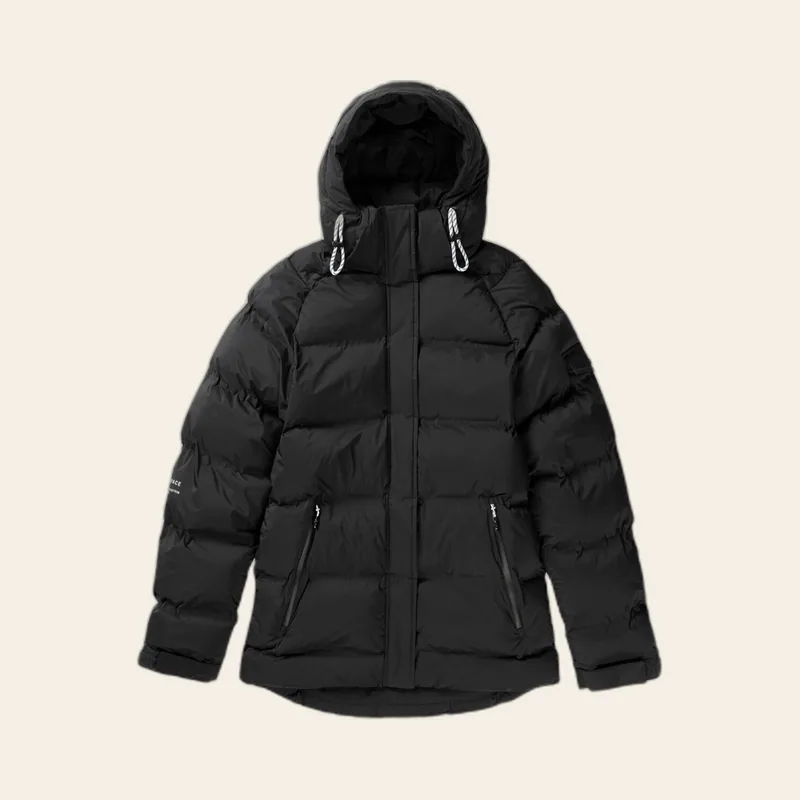
Wear one, dry one. Cotton stays wet all week here.

The layer you'll wear more than any other.
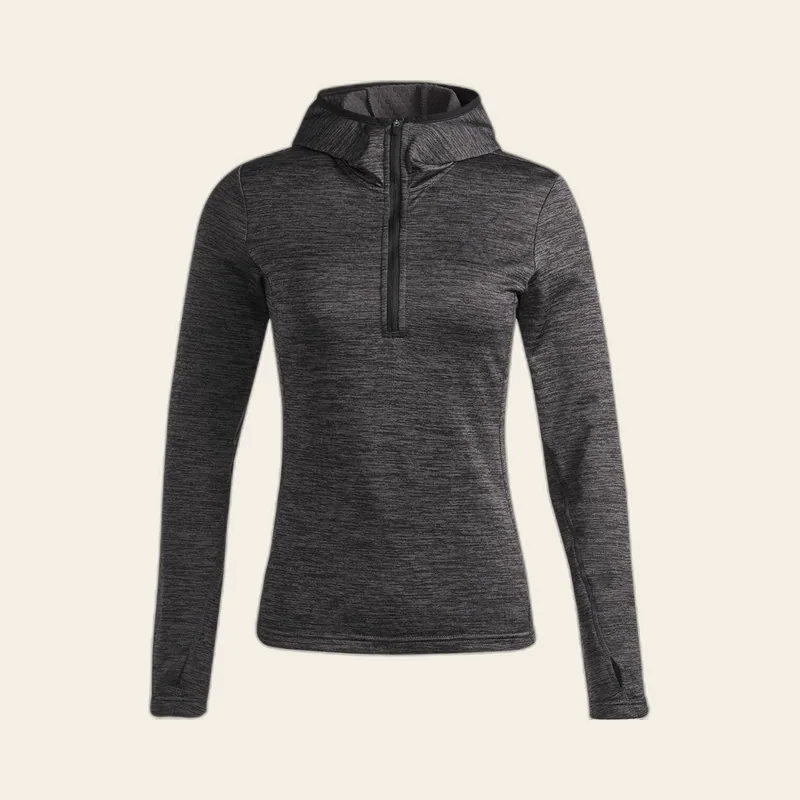
Lows of 36°F mean exposed skin loses heat fast on the trail.

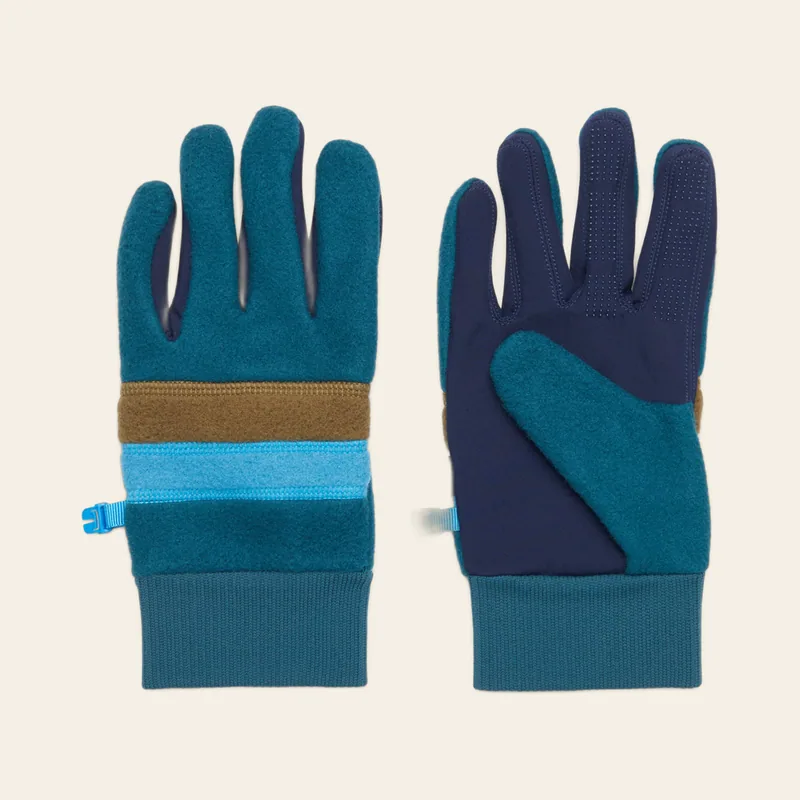
Wind at 18 km/h turns fingers numb within minutes without insulation.
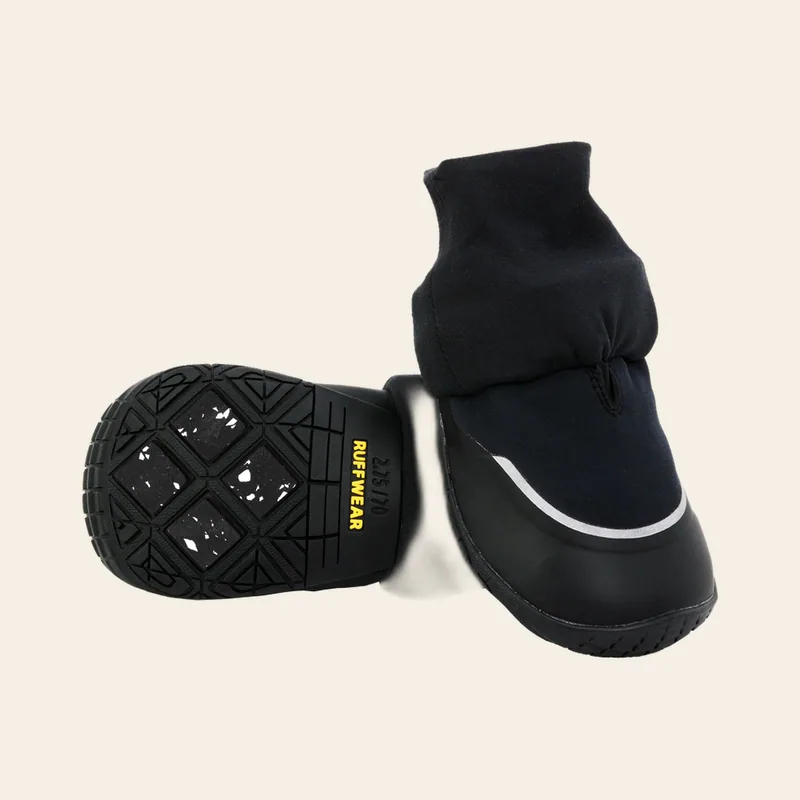
Snow lies on the ground here and boots must grip it.
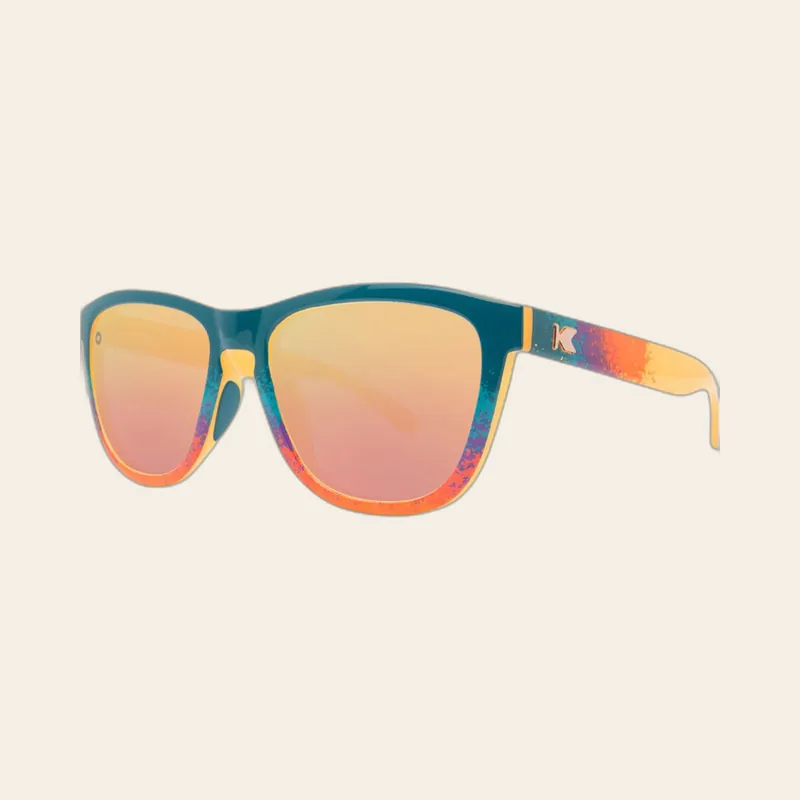
UV index of 3.7 reflects hard off snow and burns eyes.
Insects bite at 78% humidity, and scratching wounds gets infected.

Check ankles and, if there's a dog, paws and ears every night.

Altitude and cold make blisters worse, and cuts take longer to heal.

This country runs on Type C or L. Get one with USB-C so you're not fighting over the single outlet.

Daylight ends at 10.8 hours, so cameras and phones drain fast.

Set it up before you land. Signal drops for long stretches outside cities.

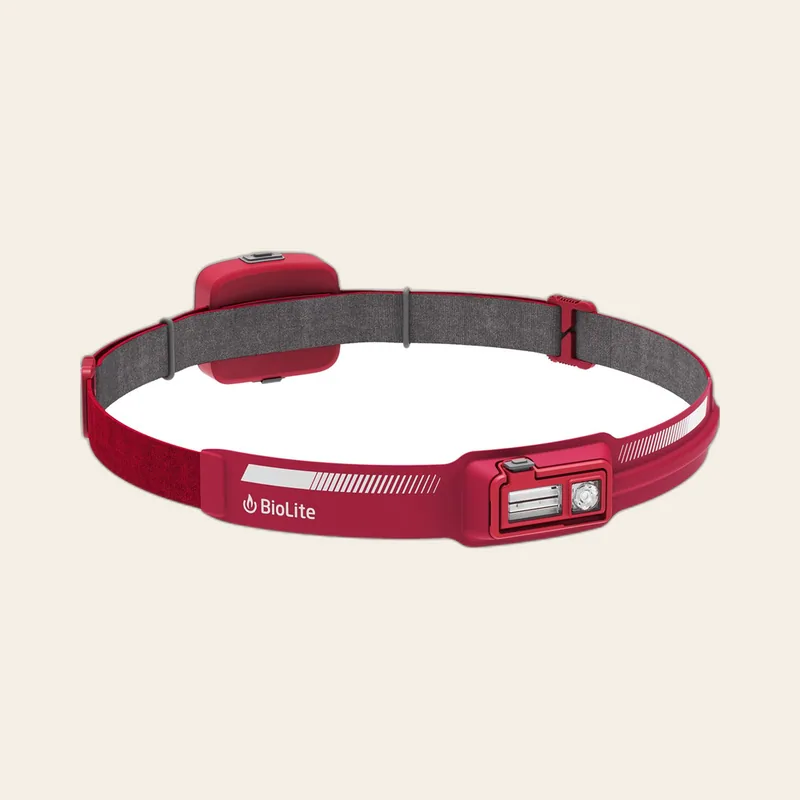
Dark by 7:05pm. Every campsite chore after that is a two-hands job.
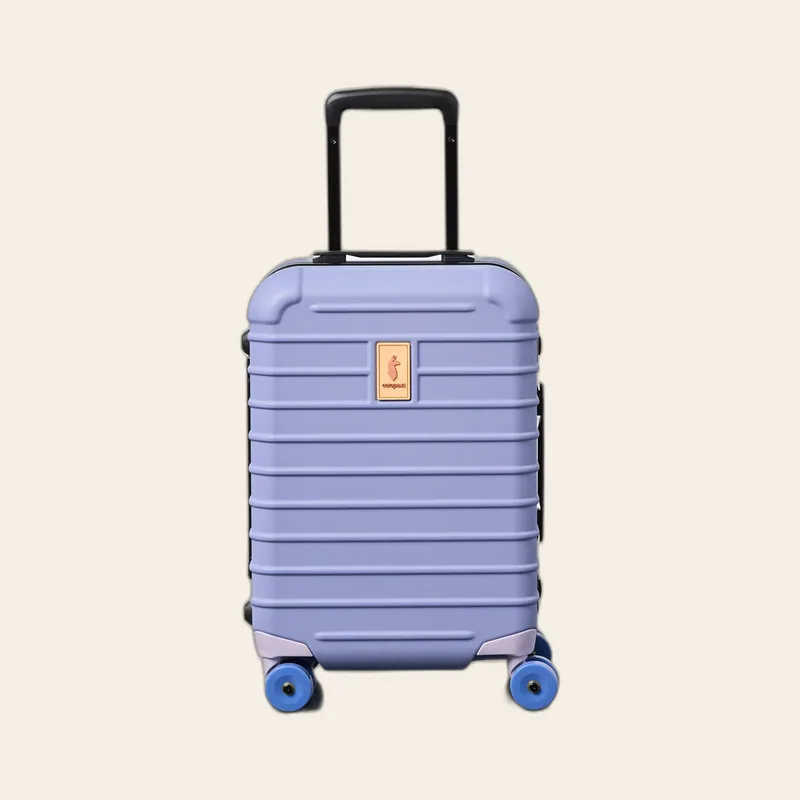
Mountain terrain means trails start from town, so carry-on holds a week's gear.
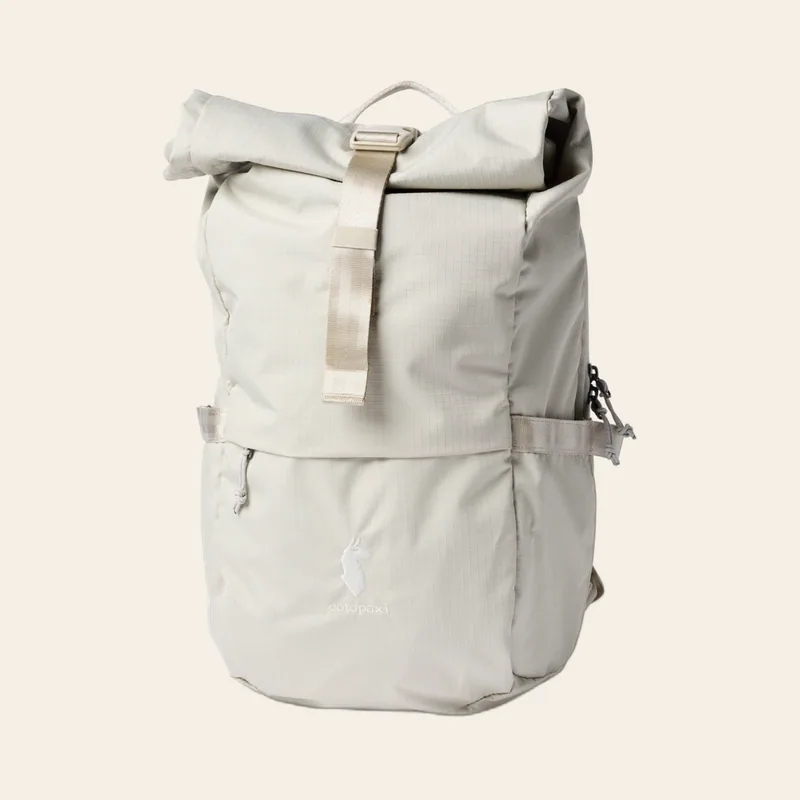
Day hikes from camp need a pack for water, layers, and a map.
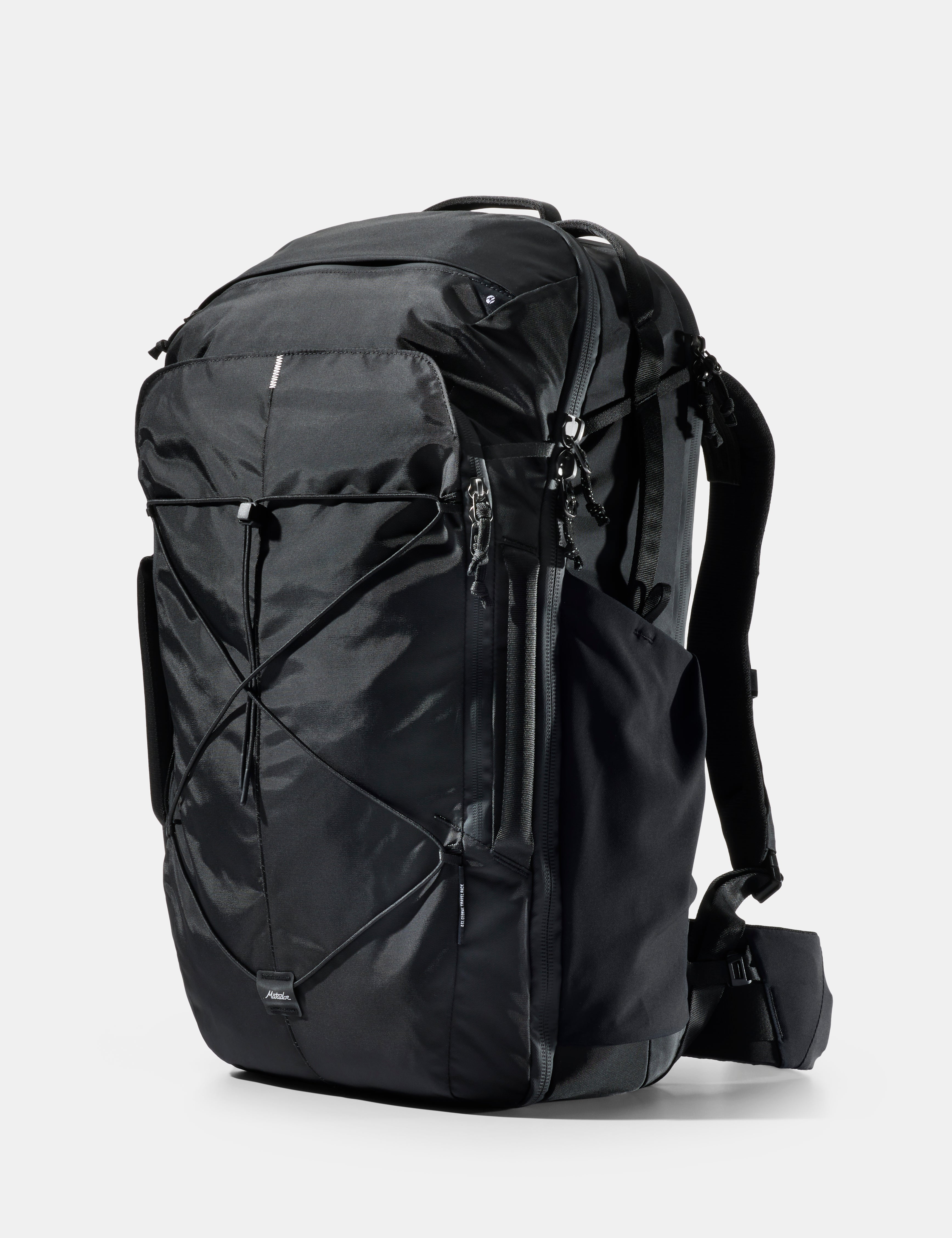
Fits the overhead on every airline that matters. Skip the checked-bag line entirely.
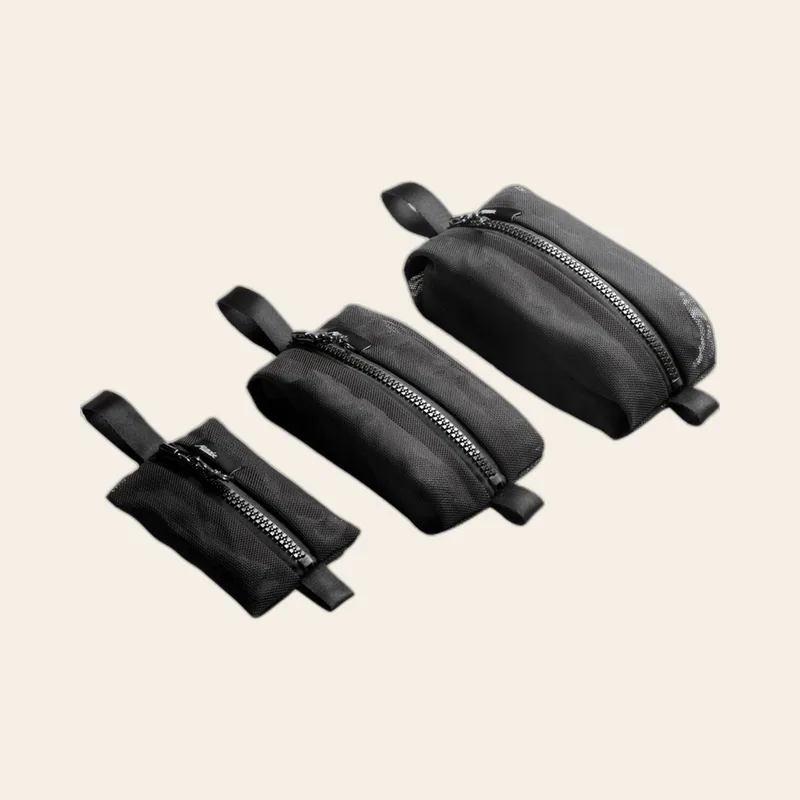
For the passport, the chargers, and the one dry pair of socks.
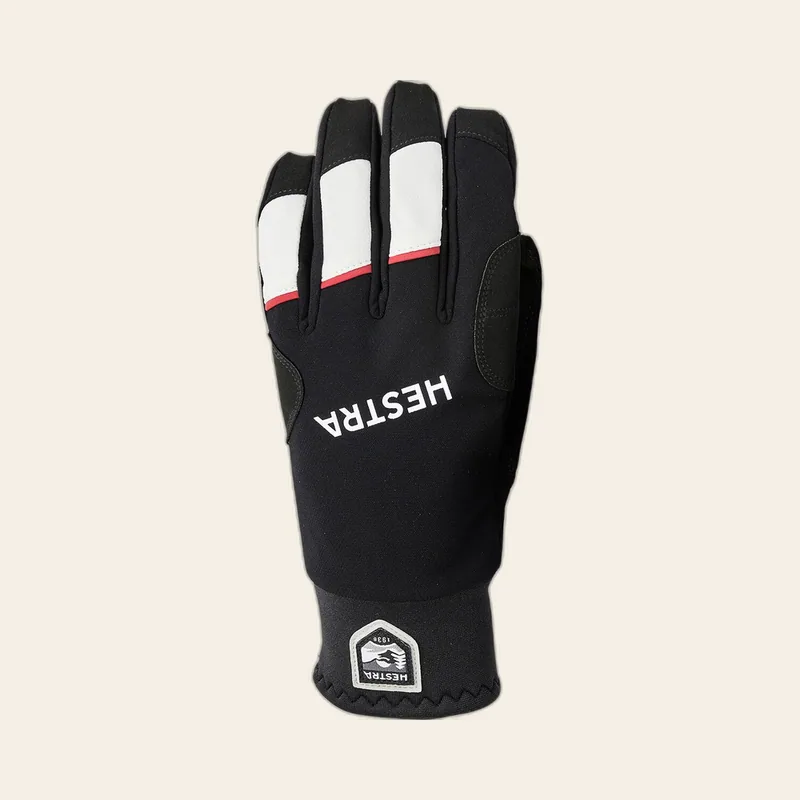
Wet gloves freeze stiff in wind, so insulated ones stay functional.

Before you go
7 to sort
SafetyWing Nomad Insurance, Month-to-month cover you can start after you leave
Going, Cheap cash fares, emailed when they droppoint.me, Finds the flight your points will actually book
AllTrails, Download your trails before you lose signal.
Recommended
15 items
For the mornings and the nights.

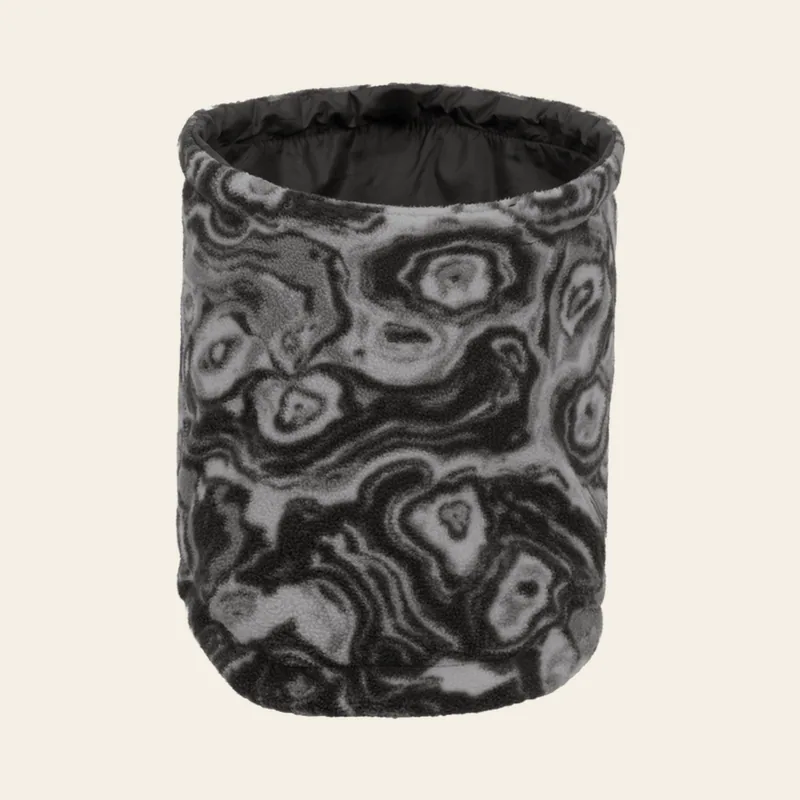
Neck and face stay exposed while hiking, and cold air burns.
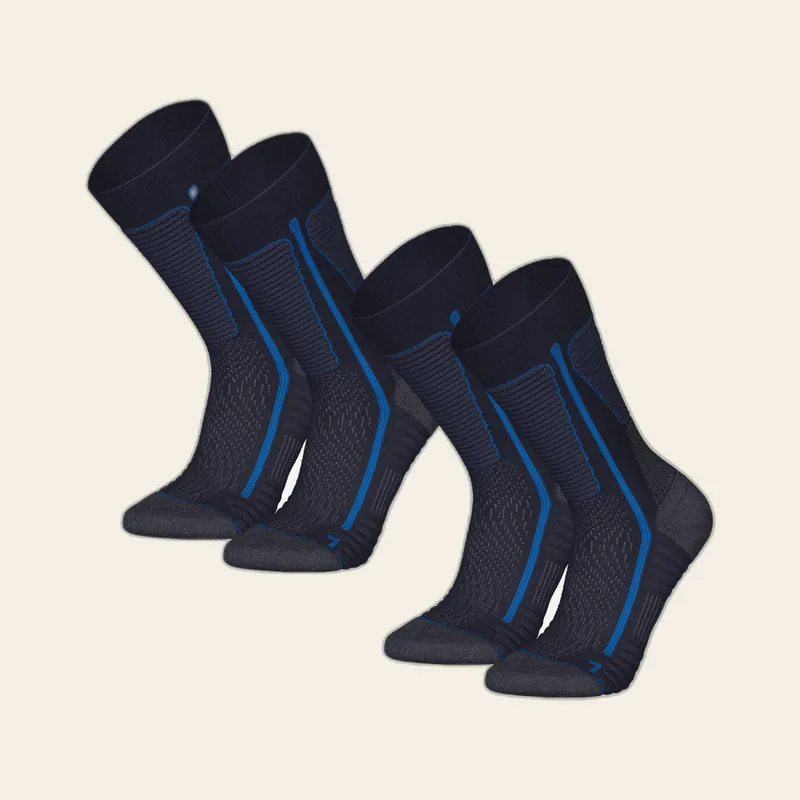
Wet feet at altitude cool faster than anywhere else, causing hypothermia.
Treat the clothes once and it lasts weeks.

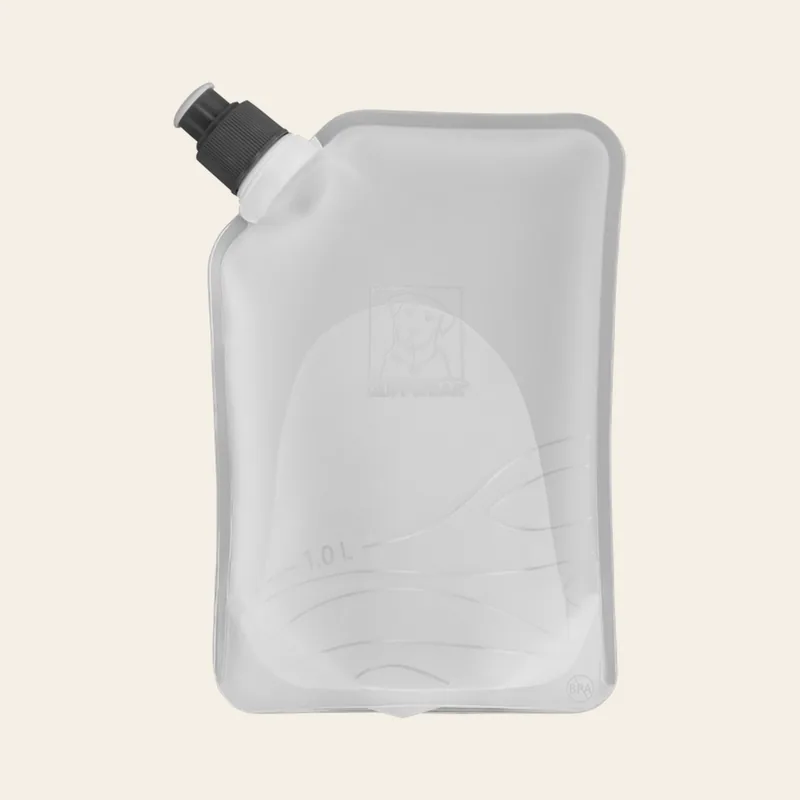
One brick charges the laptop, phone, and camera.

Hotel and cafe wifi is shared with everyone else in the building. A VPN keeps your banking and email to yourself.
International travel to remote areas makes lost luggage hard to recover.
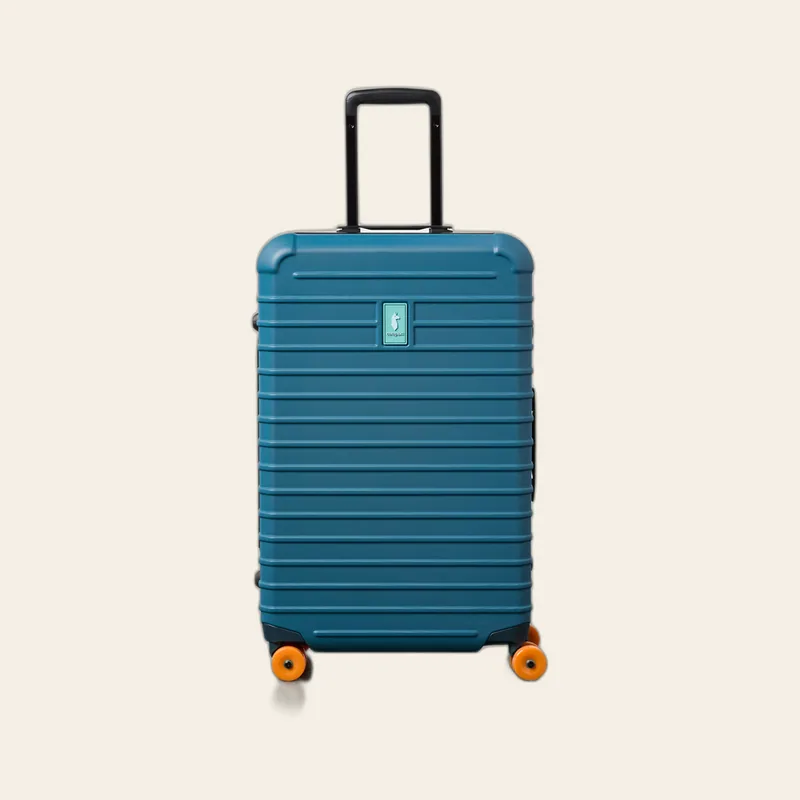
National park lodges have limited storage, so one rolling bag stacks easier.

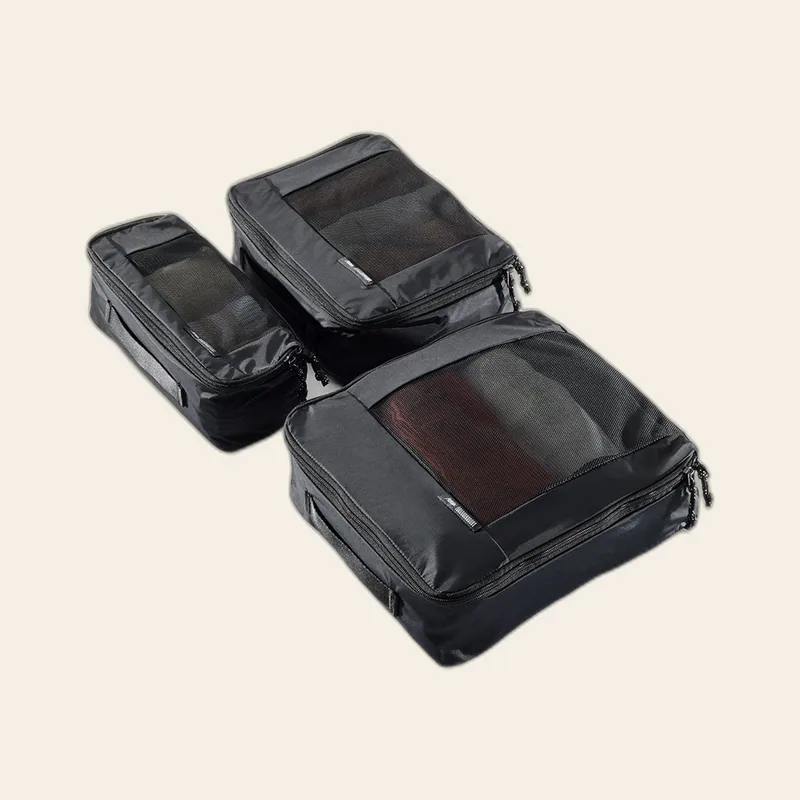
Packing cubes compress layered clothes and separate damp items from dry ones.
Checked suitcase holds the bulk while carry-on stays light for hiking.
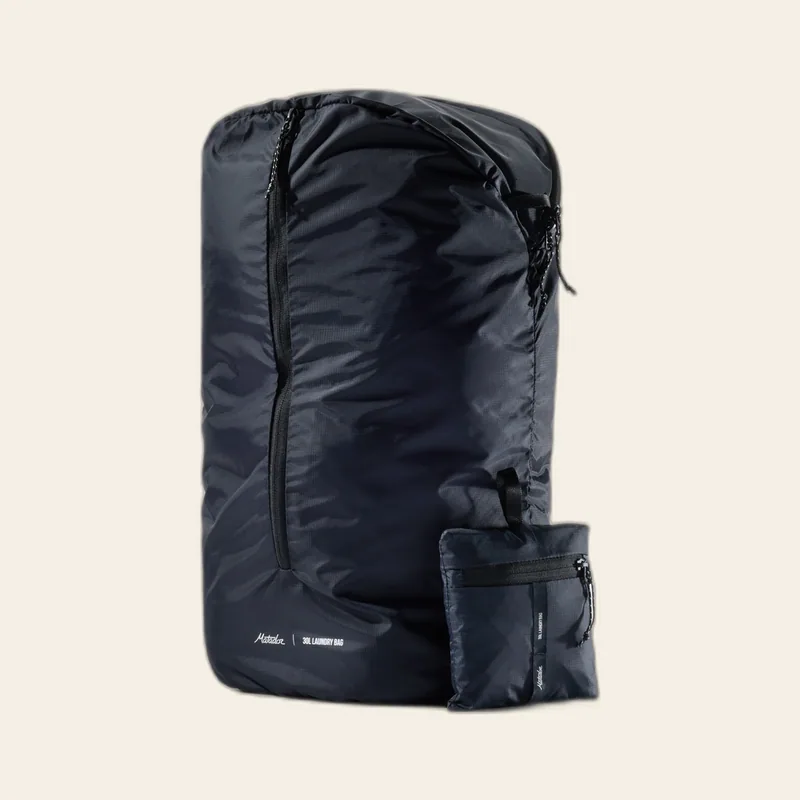
Rain on 11 days means clothes stay damp, and detergent treats them.
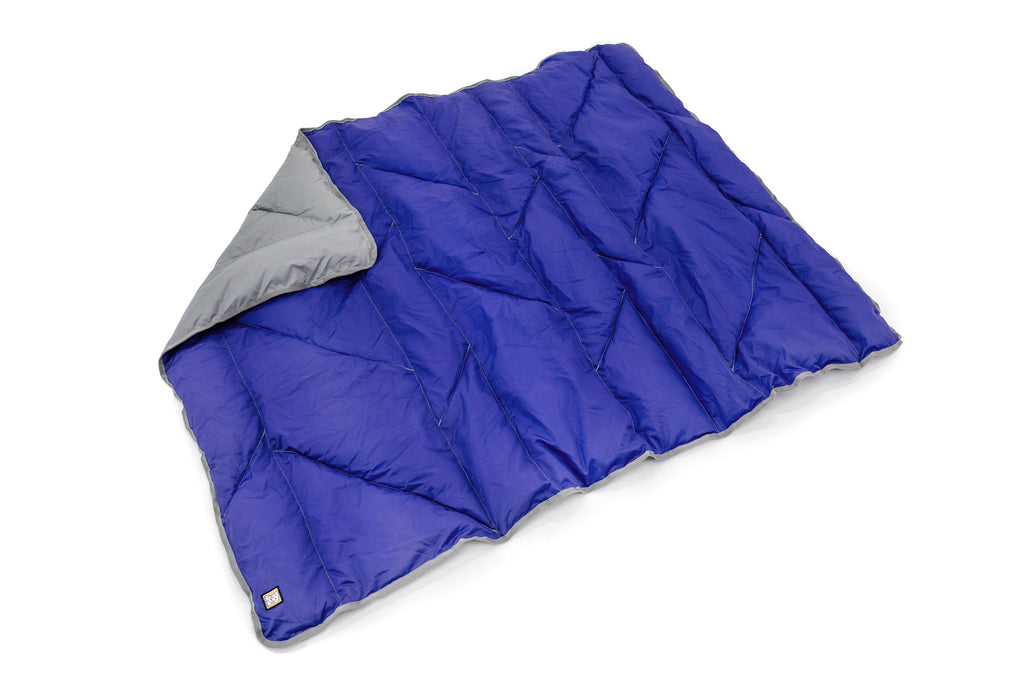
Lows around 36°F. One blanket that packs small covers the car, the campsite and the beach at sunset.
Long drives on single-track roads tire the mind, and quiet helps rest.

Mountain terrain at 853 m elevation steepens every descent and strains knees.

Nice to have
11 items you could skip
Snow creeps into boots from the sides unless gaiters seal them.
Single-track mountain roads wind constantly and motion sickness starts early.
Tap water is safe here, but hands touch everything on the trail.
Bites itch in cold, and scratching them open in low oxygen.
One outlet at the guesthouse means charging happens in sequence, not parallel.
A few phrases go a long way. Ten minutes a day before you leave is plenty.
International border crossing requires papers to stay accessible and dry.
Checked bags cross borders and locks prevent theft at every stop.
Compression sacks squeeze wet gear small enough to fit in the pack.
One outlet means toiletries sit in a bag while other things charge.
Ten hours of daylight means early mornings, and a pillow helps sleep.
Basics
16 things you probably own already