Change trip
What to pack for New Zealand in April
Typical April, built from ten years of weather
Some links are affiliate links. It keeps the site free.
Typical for your dates
Highs 68°F, lows 59°F, rain 12 of 30 days
wetwindymild
Sunset lands around 5:55pm. Wind averages 14 mph. There is paperwork on this one, so start with Before you go.
0 of 43 packed
Packing for
27 things on this list are on sale today
Essentials
12 items
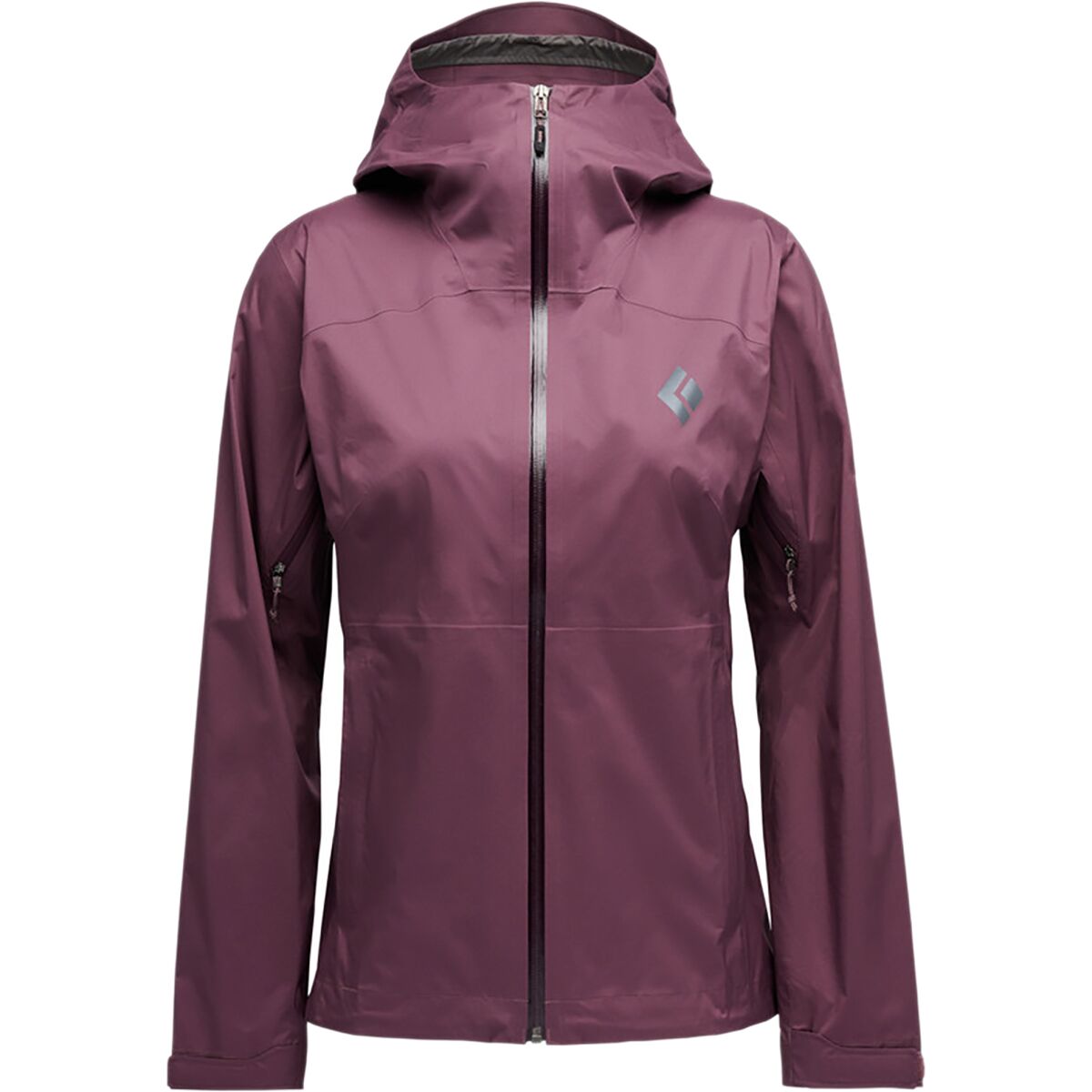
12 rain days a month finds every seam. A real shell, not a windbreaker.
UV index of 5.2 burns skin fast even under cloud cover.

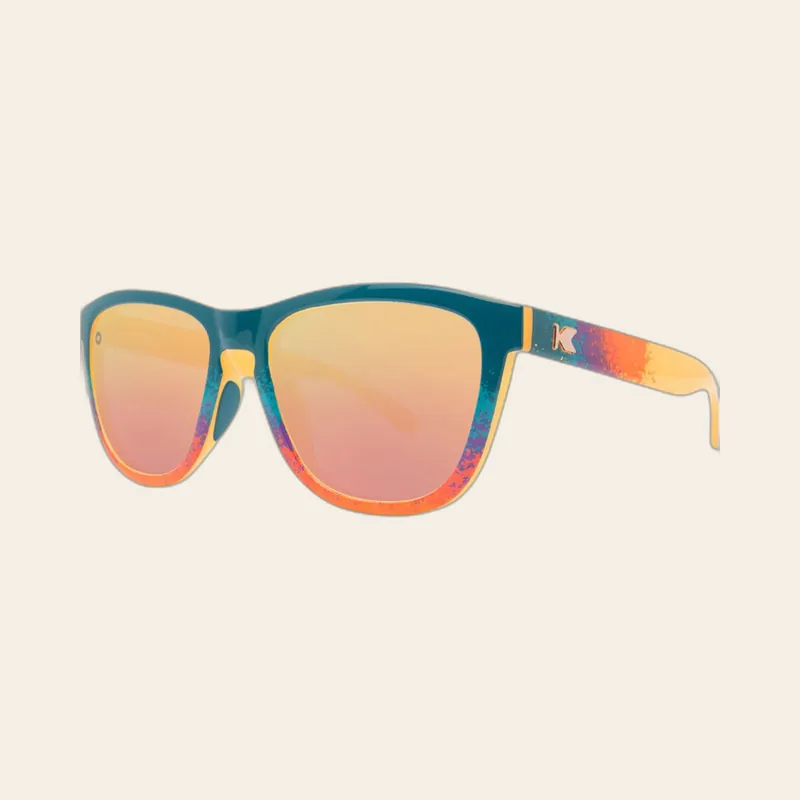
Coastal glare off water and sand cuts visibility without polarized lenses.
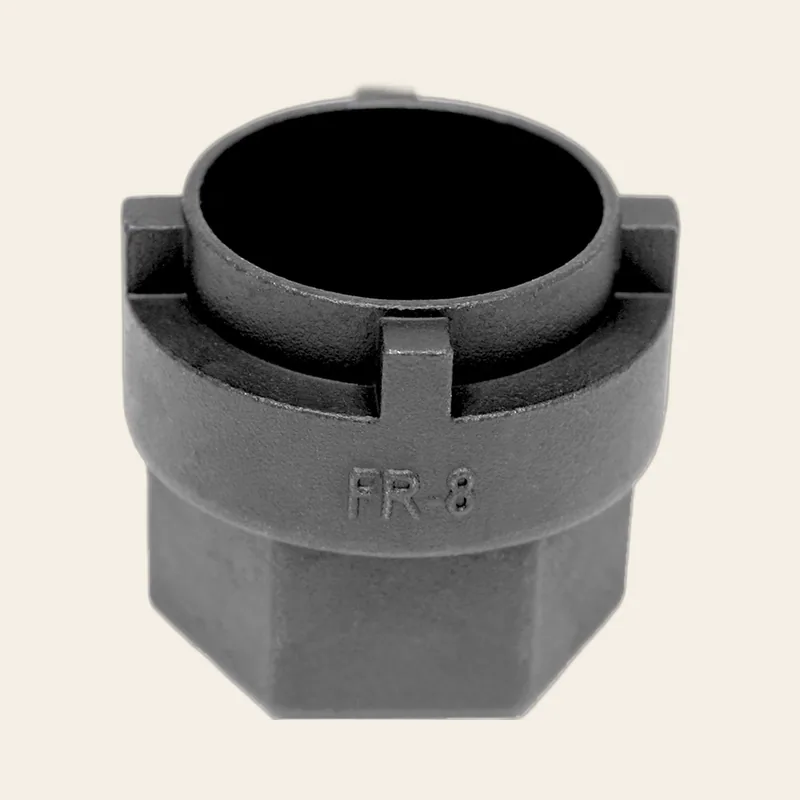
Check ankles and, if there's a dog, paws and ears every night.
Urban hiking near national parks puts distance between you and medical help.

This country runs on Type I. Get one with USB-C so you're not fighting over the single outlet.

Eleven-hour days drain batteries faster than outlets appear at your lodging.

Set it up before you land. Signal drops for long stretches outside cities.

Overhead bins on international flights require a pack under 45 liters.
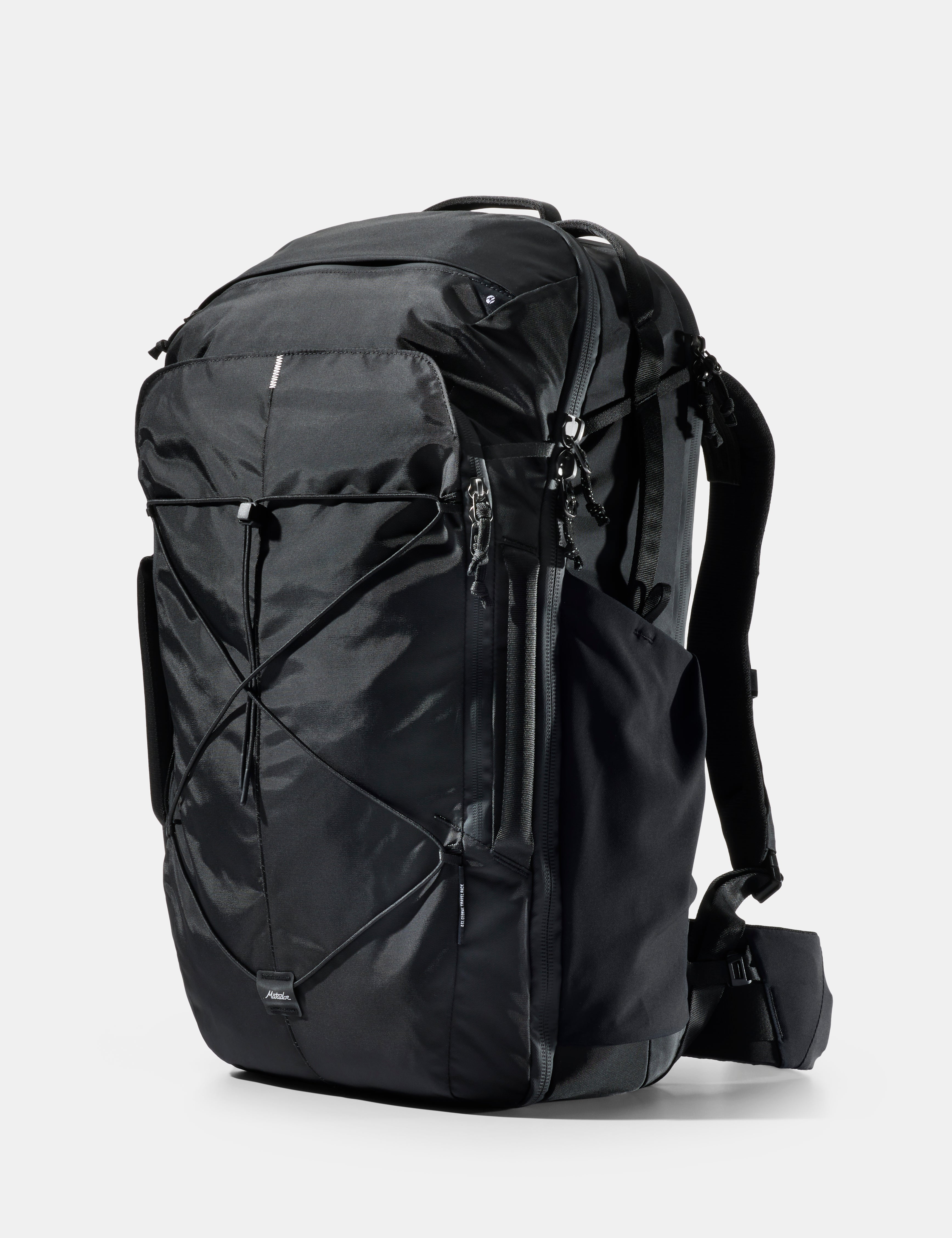
Eleven-hour days mean carrying water, snacks, and layers from your lodging.
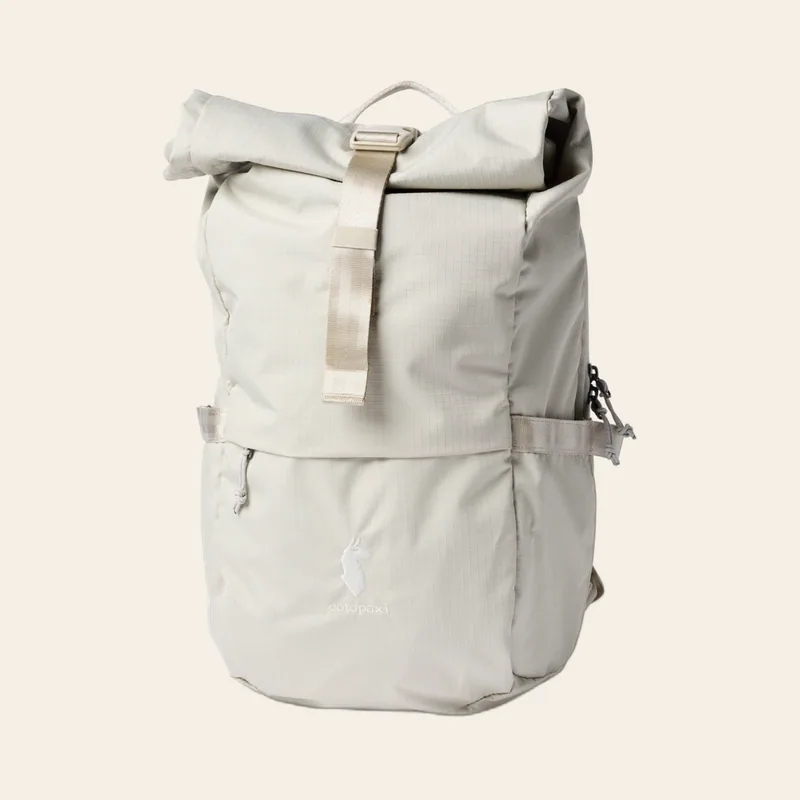
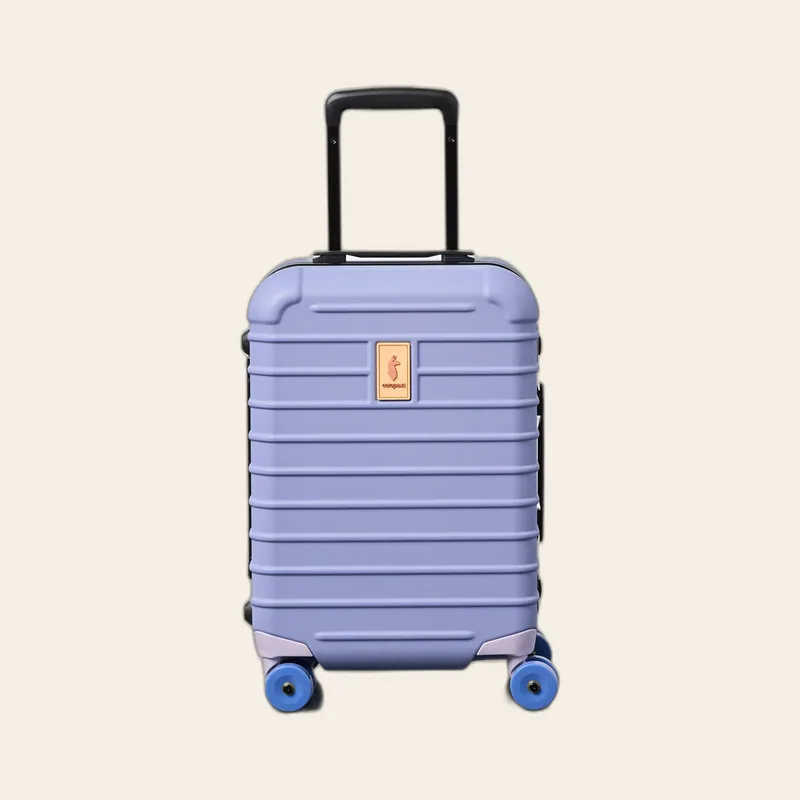
Fits the overhead on every airline that matters. Skip the checked-bag line entirely.
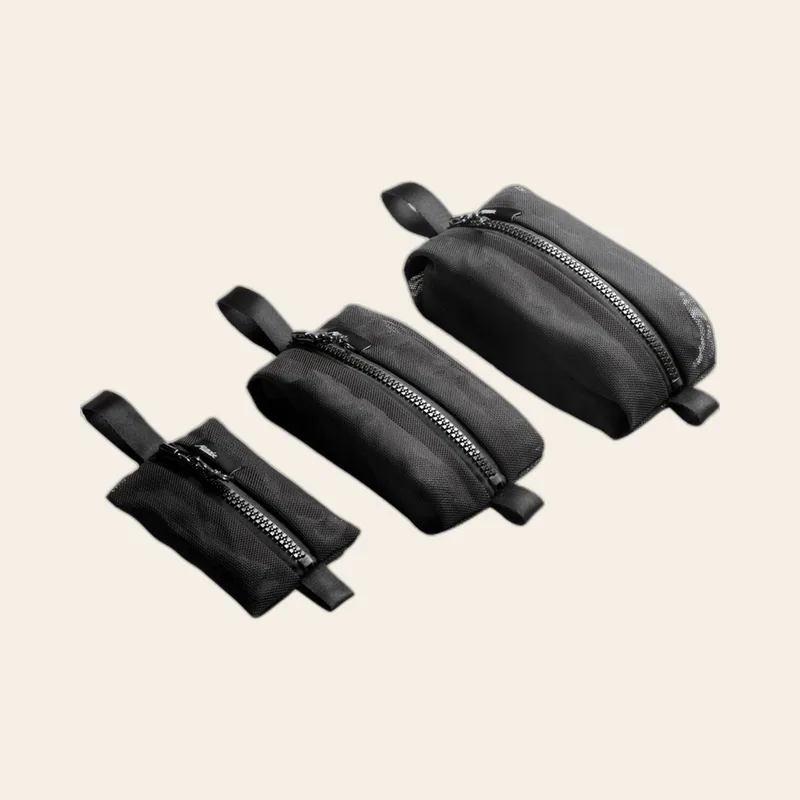
For the passport, the chargers, and the one dry pair of socks.
Before you go
7 to sort
SafetyWing Nomad Insurance, Month-to-month cover you can start after you leave
Going, Cheap cash fares, emailed when they droppoint.me, Finds the flight your points will actually book
AllTrails, Download your trails before you lose signal.
Recommended
7 items

One brick charges the laptop, phone, and camera.

Hotel and cafe wifi is shared with everyone else in the building. A VPN keeps your banking and email to yourself.
International travel through urban areas increases bag-theft risk at transit points.
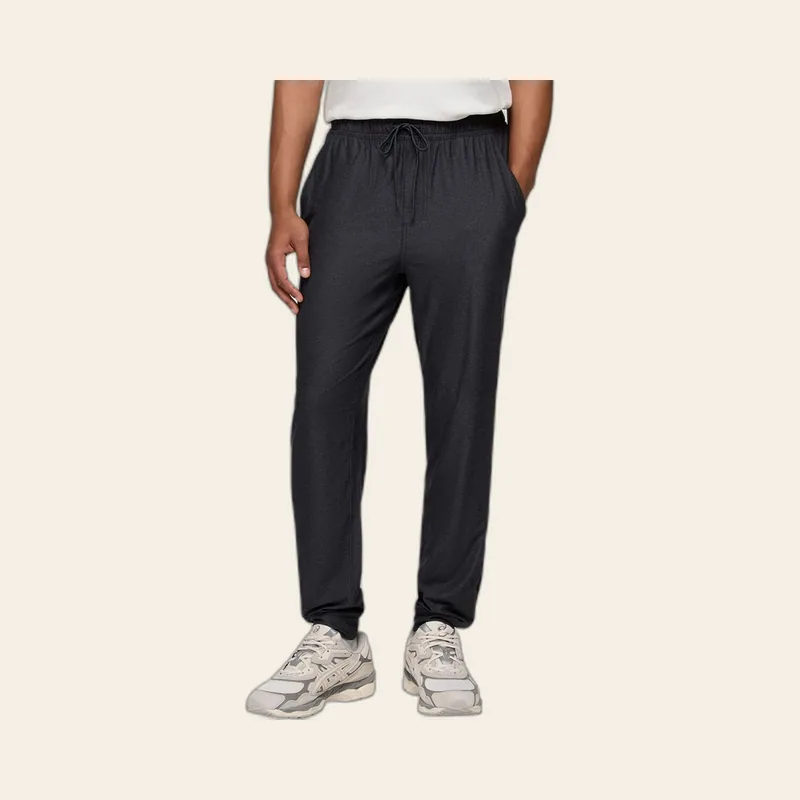
Packing cubes compress clothes and separate damp items from dry ones.
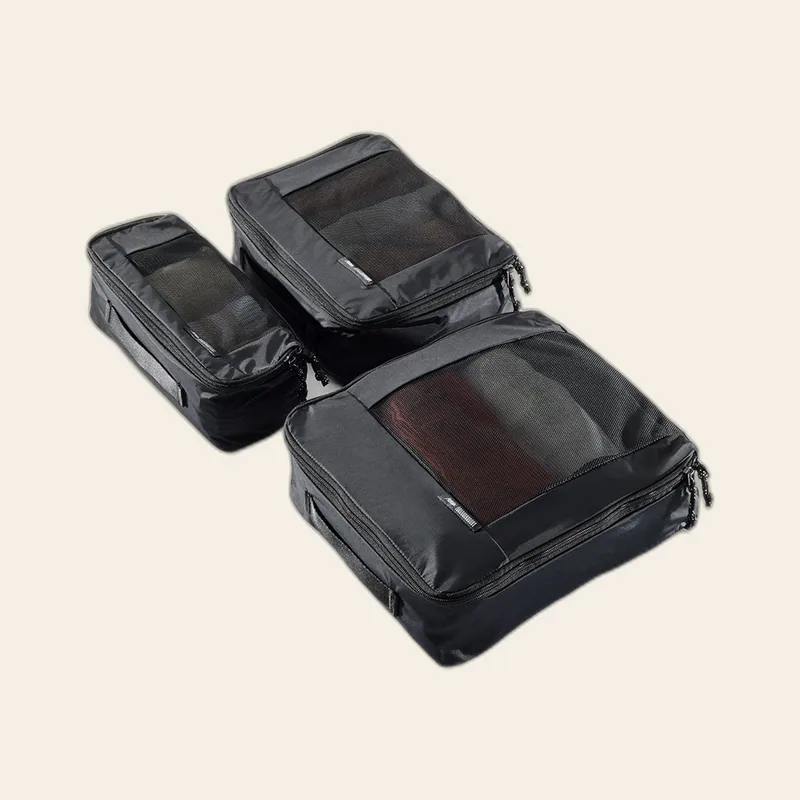
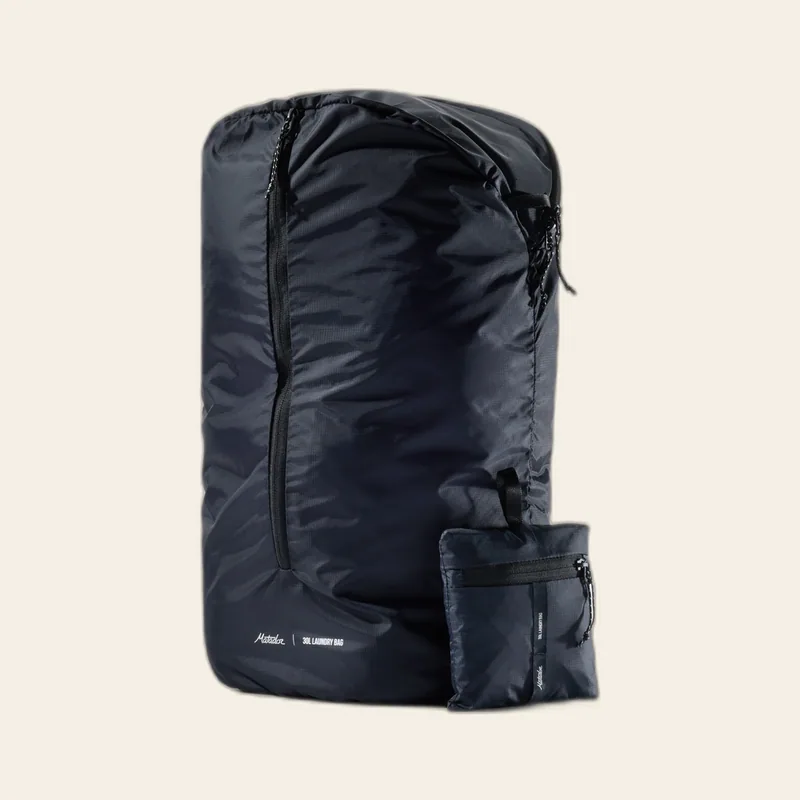
Long flights to New Zealand require noise blocking for rest.

Nice to have
8 items you could skip
Twelve rain days in April means wet boots become the norm without treatment.
Eleven hours of daylight leaves you exposed during most of your day.
Tap water is safe but shared surfaces in hostels are not.
Multiple devices and one guesthouse outlet means you need a splitter.
Border crossings require your passport accessible but protected from 79% humidity.
Shared hostels and airport terminals mean your luggage needs its own lock.
Seventy-nine percent humidity fogs lenses and grows mold on gear.
Eleven-hour days shift your sleep schedule on arrival and between islands.
Basics
16 things you probably own already