Change trip
What to pack for Montana in November
Typical November, built from ten years of weather
Some links are affiliate links. It keeps the site free.
Typical for your dates
Highs 41°F, lows 23°F, rain 8 of 30 days
snowycoldshort days
Sunset lands around 5:50pm. Wind averages 8 mph. No border paperwork on this one.
0 of 54 packed
Packing for
63 things on this list are on sale today
Essentials
16 items
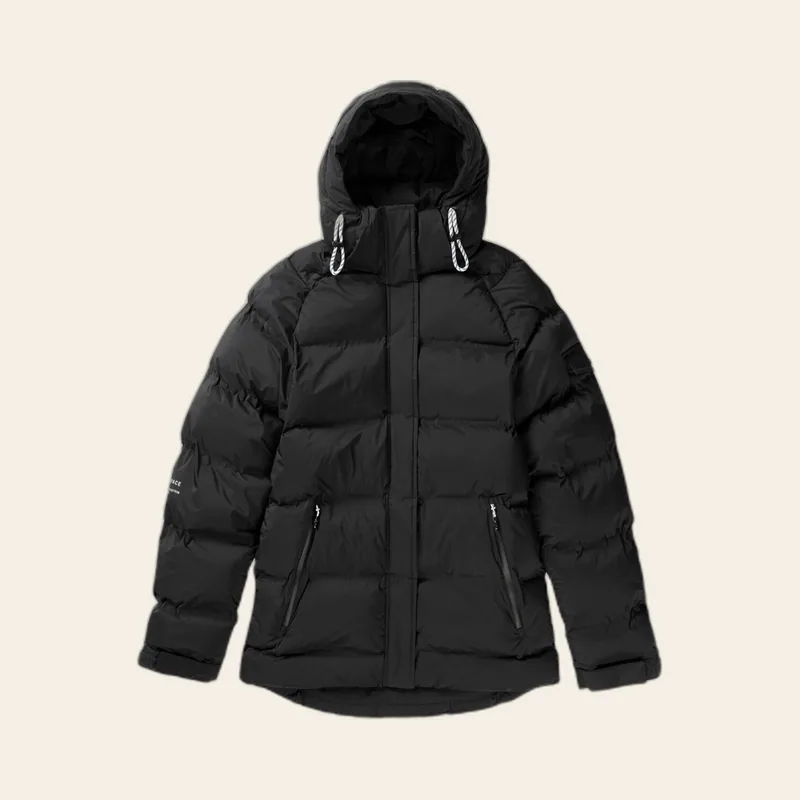
Lows around 23°F. Goes under the shell when the wind picks up.
Wear one, dry one. Cotton stays wet all week here.

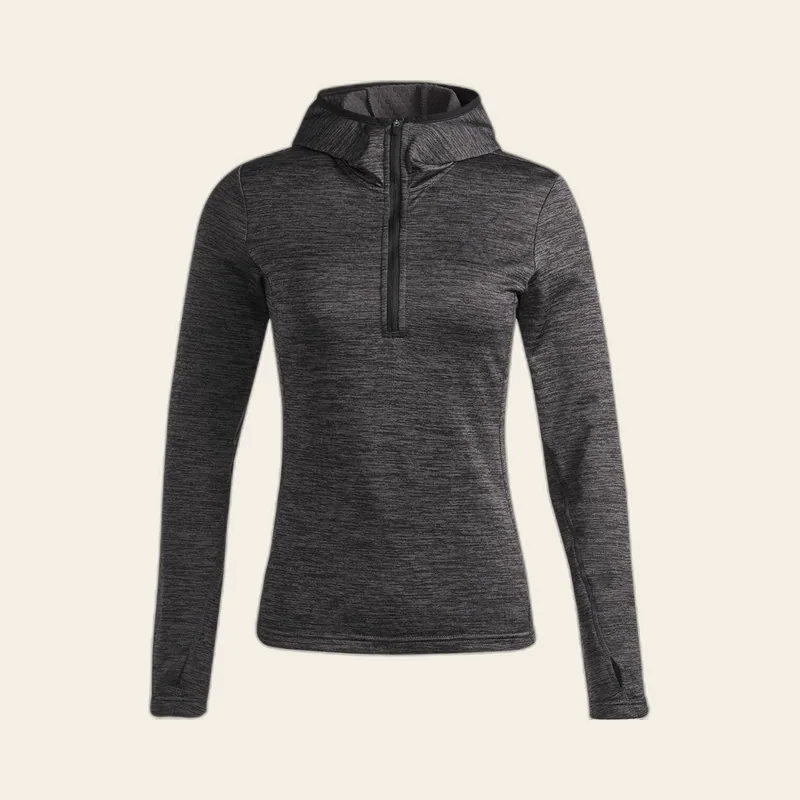
The layer you'll wear more than any other.
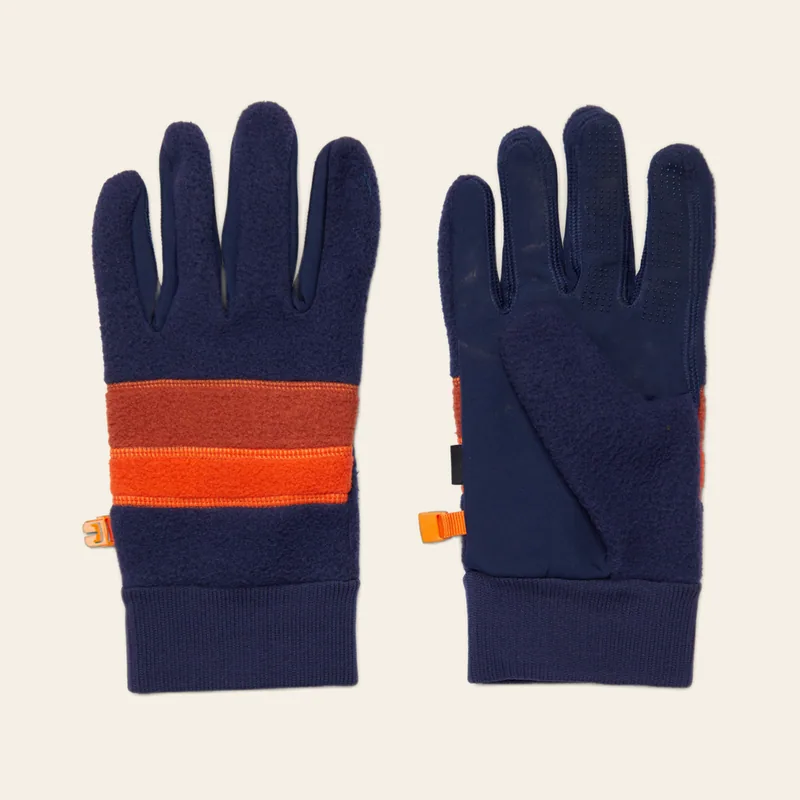
Lows hit 23°F and wind gusts to 13 km/h strip heat from exposed skin.

Fingers go numb fast when the temperature drops below freezing in mountain wind.
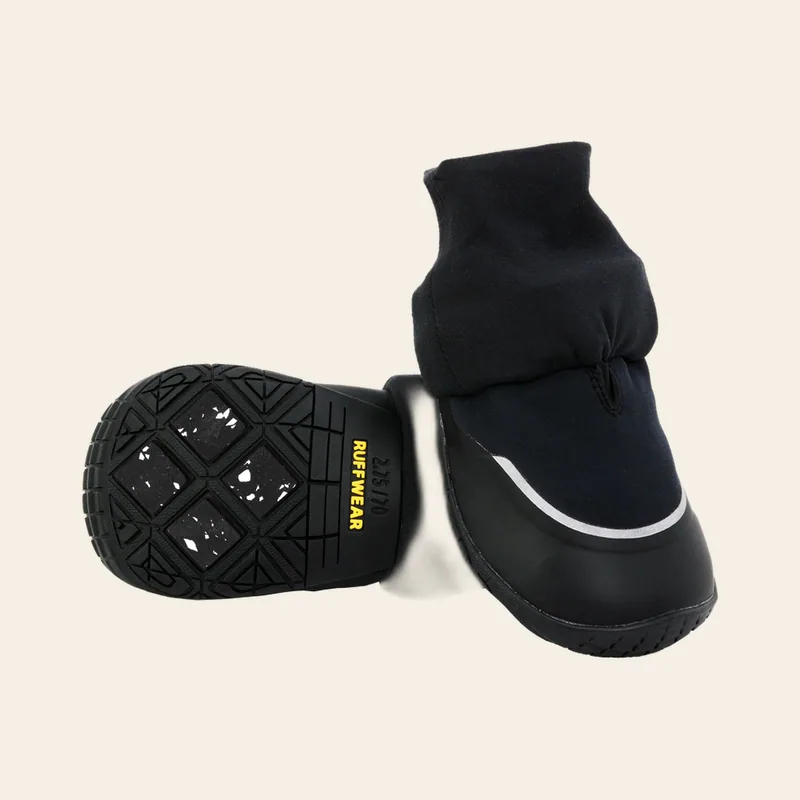
Snow covers the terrain and lows reach 23°F, so boots rated for both matter.
Altitude sits at 1470 m and UV index is 2.2, enough to burn eyes on snow.
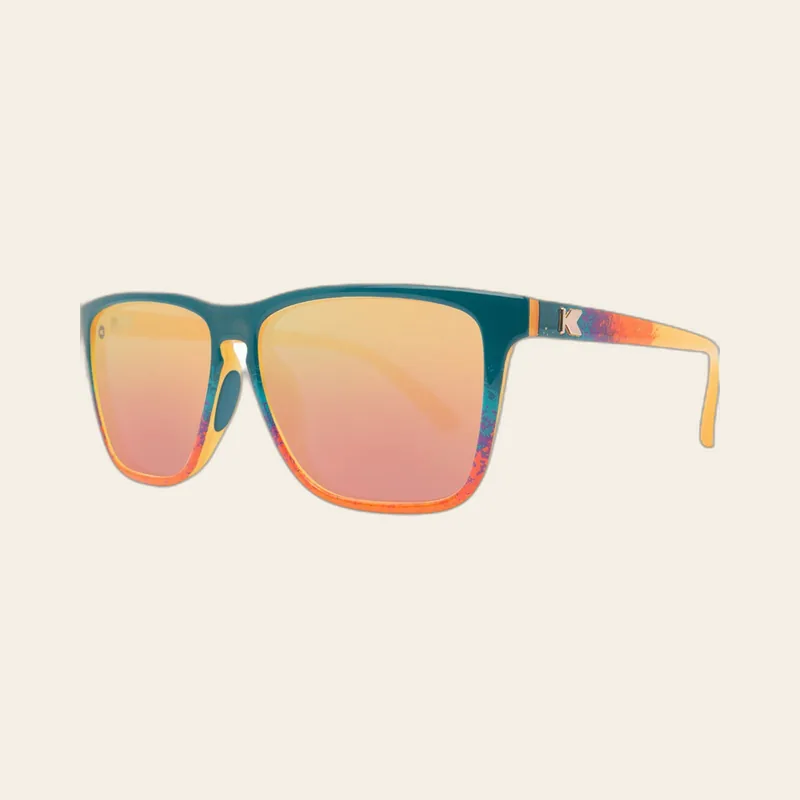
Insects don't vanish in November, and Montana still has them in pockets of warmth.

Check ankles and, if there's a dog, paws and ears every night.
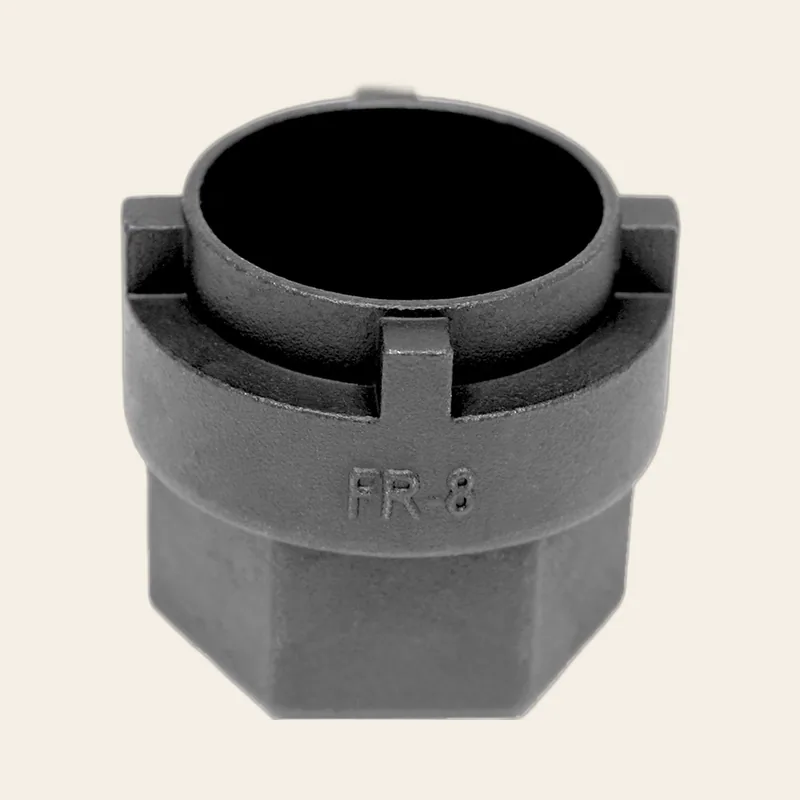
Altitude, cold, and remote terrain mean injuries are harder to treat on the spot.

Daylight drops to 9.5 hours, so the camera and phone drain fast in the cold.

Dark by 5:50pm. Every campsite chore after that is a two-hands job.
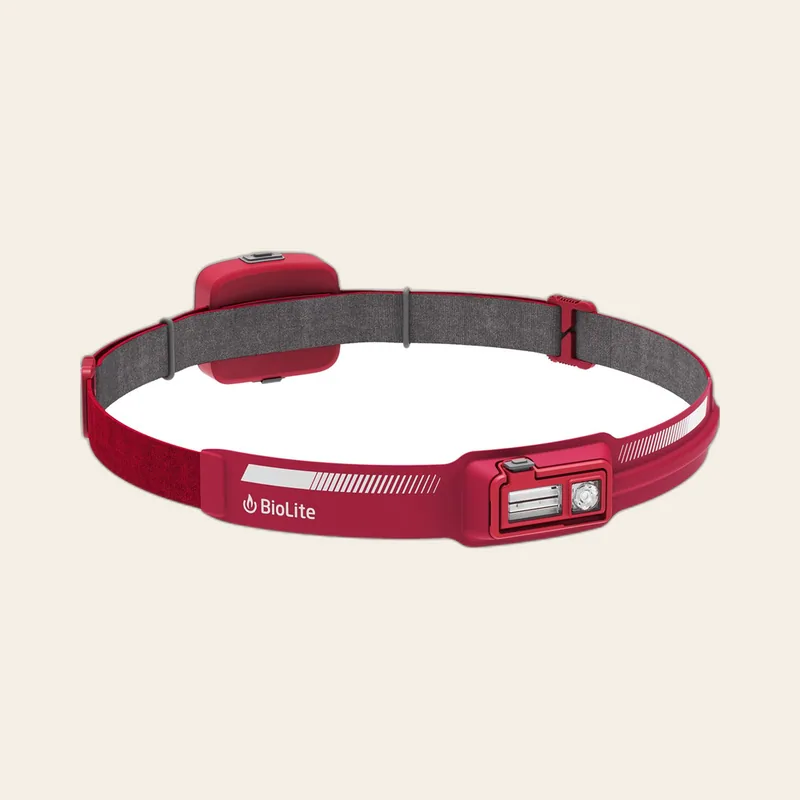
Nine and a half hours of daylight means you pack gear for the dark too.
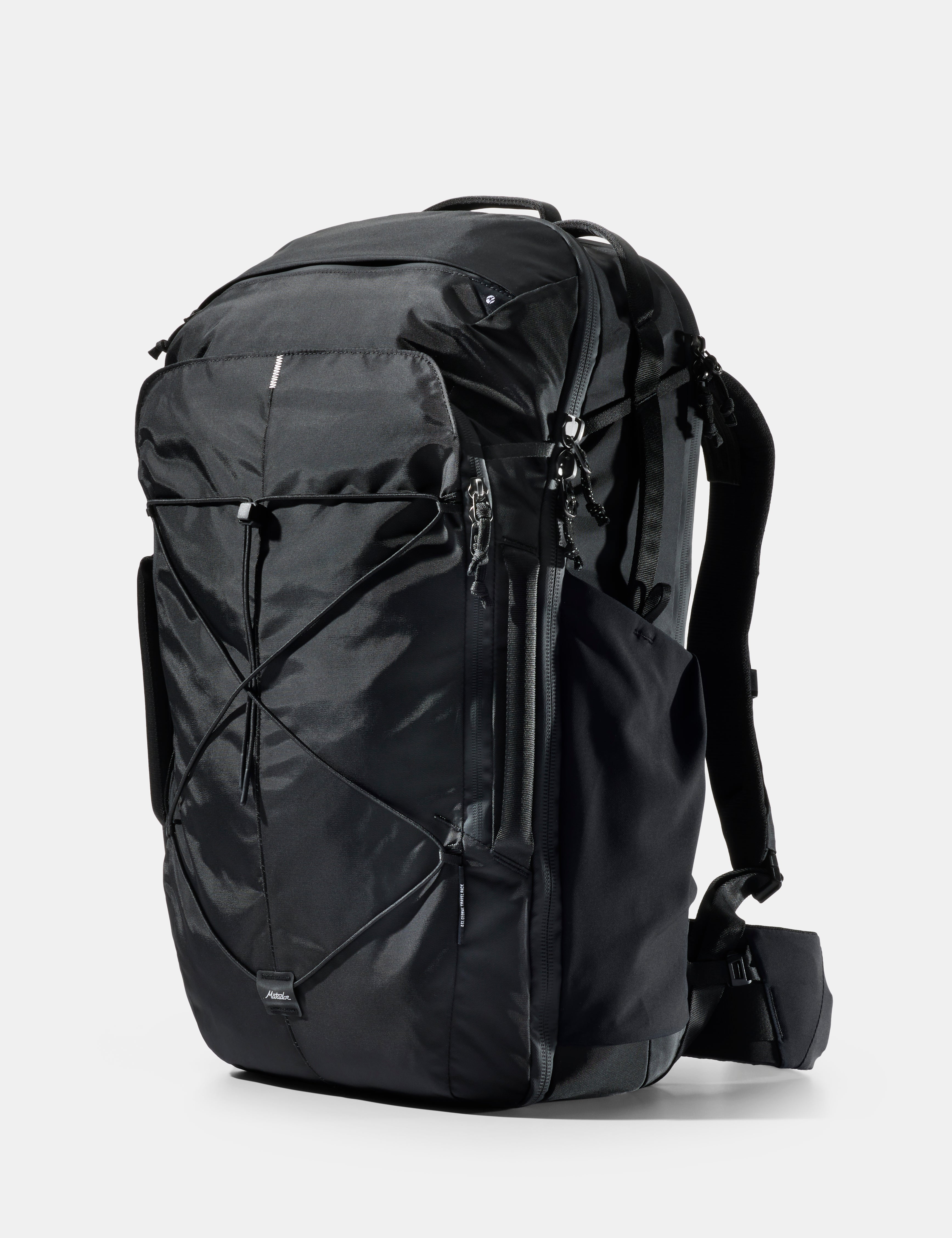
Mountain hikes from the lodge need layers, snacks, and water in a small pack.
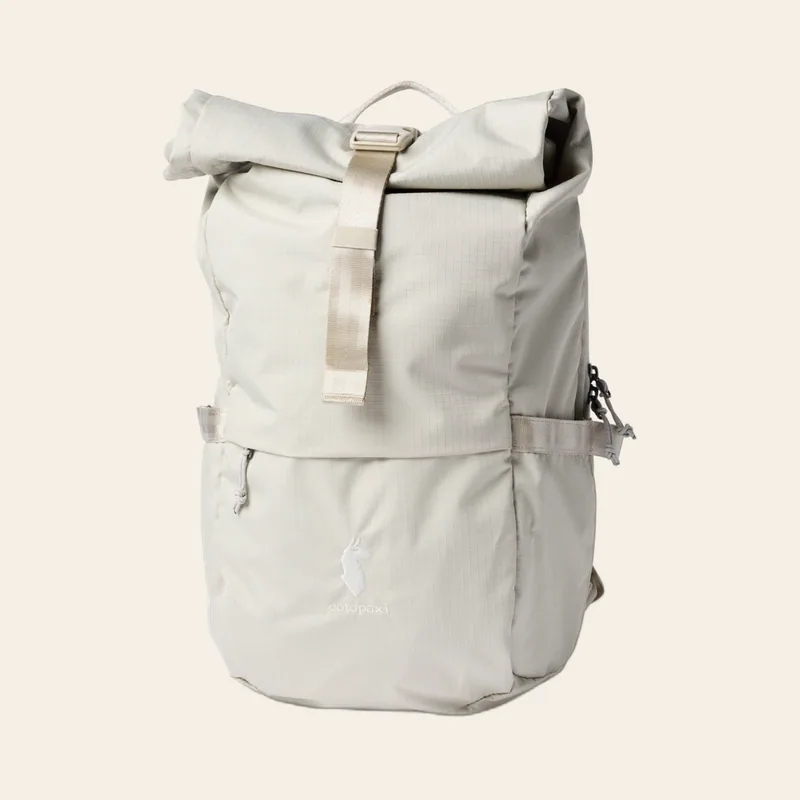
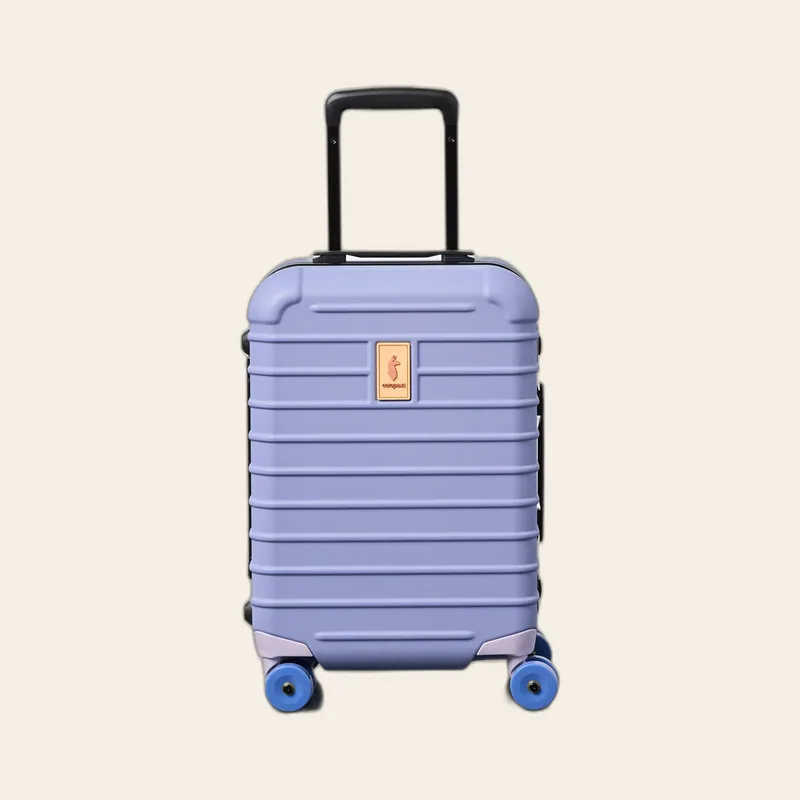
Fits the overhead on every airline that matters. Skip the checked-bag line entirely.
Snow and wet terrain demand gloves that block both water and wind chill.

Before you go
3 to sort
Recommended
13 items
For the mornings and the nights.

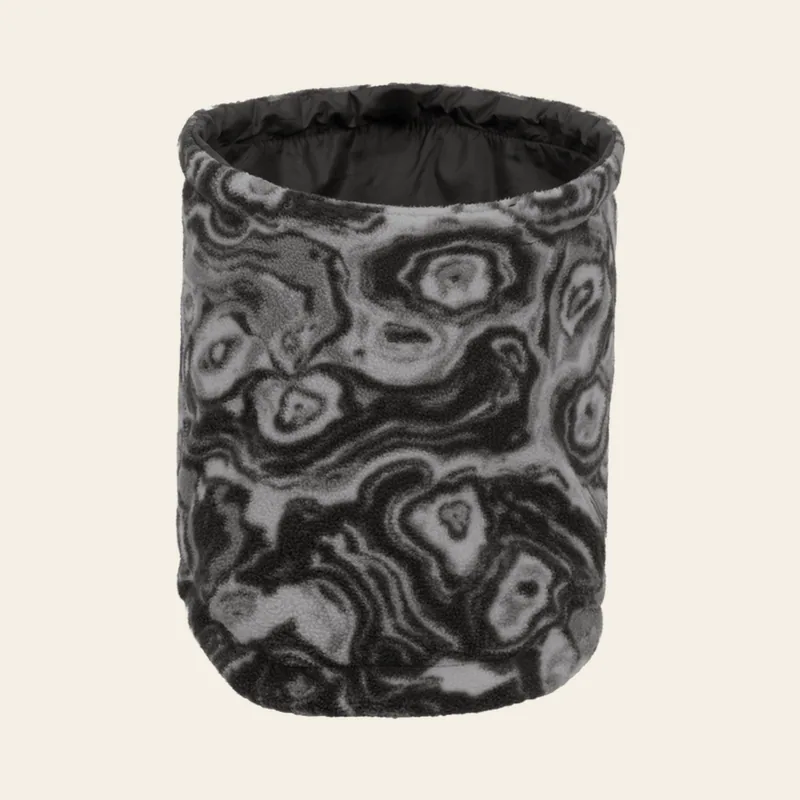
Wind at 13 km/h cuts through exposed skin on the neck during the 9.5-hour daylight window.
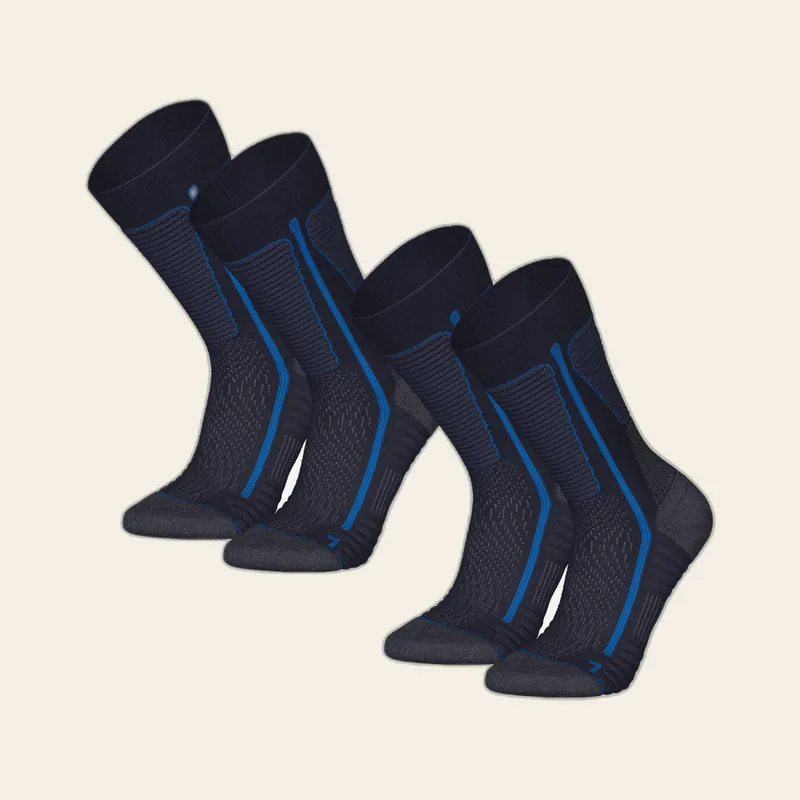
Wet feet in 23°F conditions lead to frostbite within hours on the trail.
Treat the clothes once and it lasts weeks.

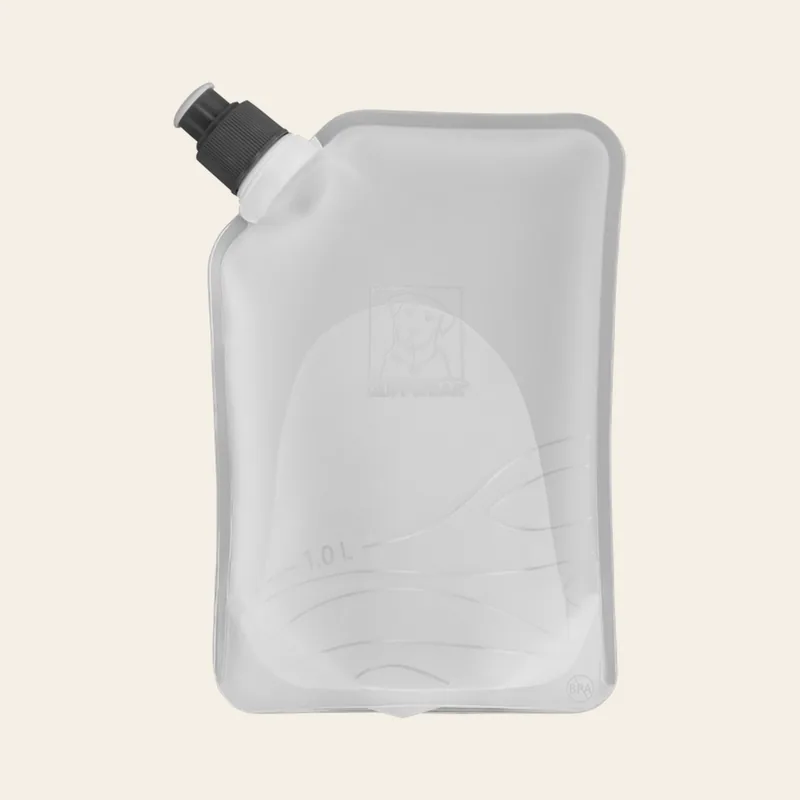
One brick charges the laptop, phone, and camera.

Roads are single-track and remote, so losing a bag means a long walk out.
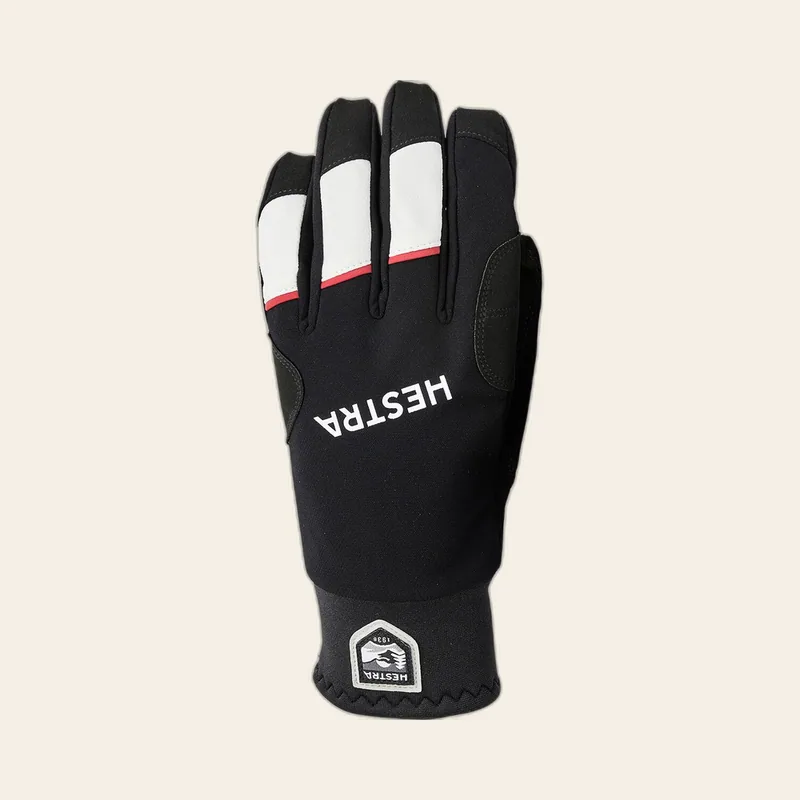
Snow terrain and cold mean extra insulation takes space, so checked luggage helps.

Cold-weather gear bunches up, so cubes keep boots separate from thermal layers.
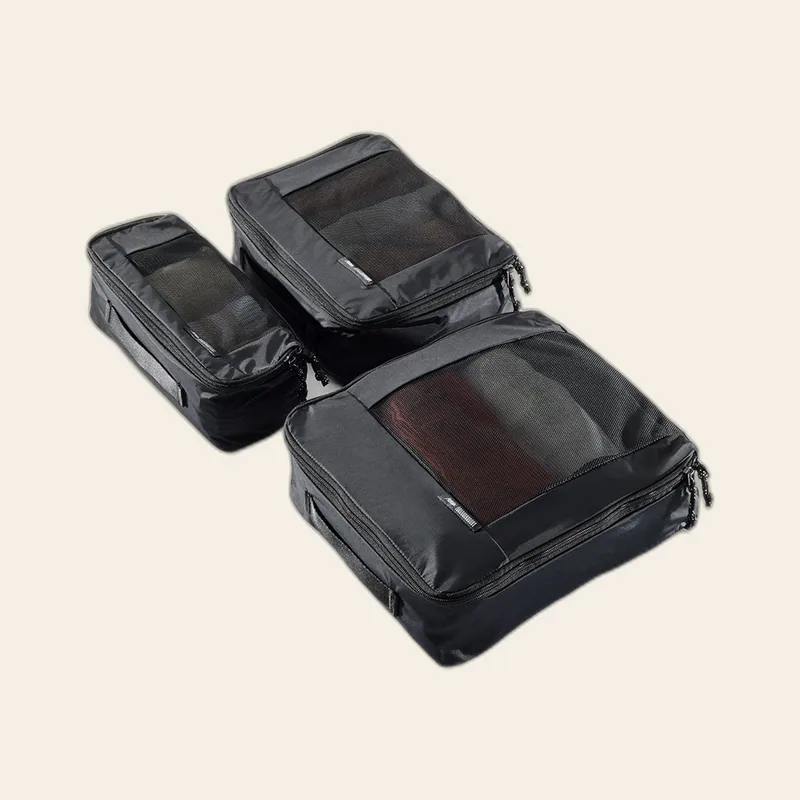
Winter clothes and boots take volume, and a suitcase fits more than a duffel.
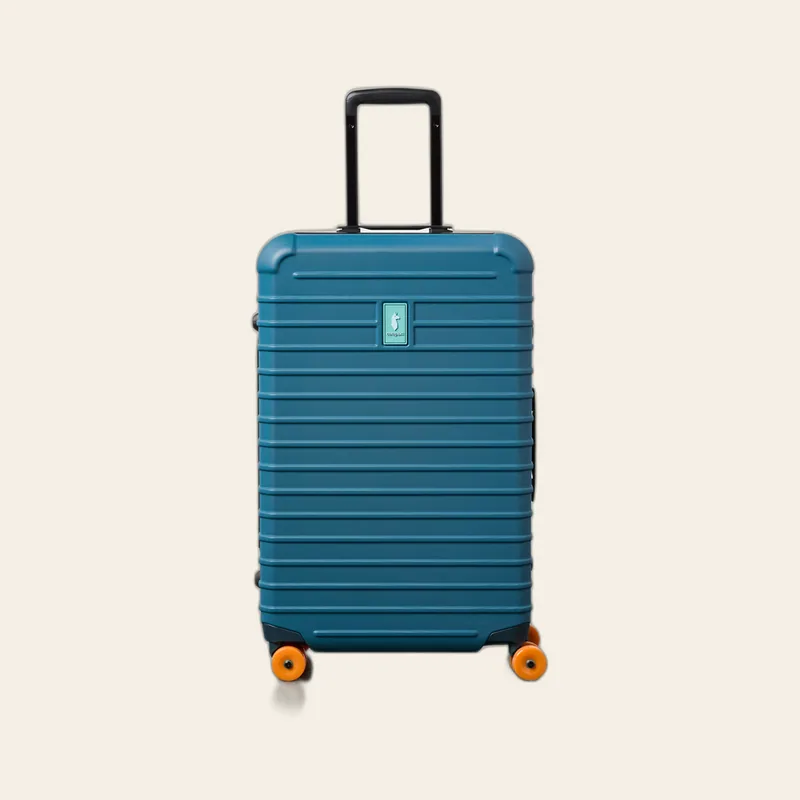
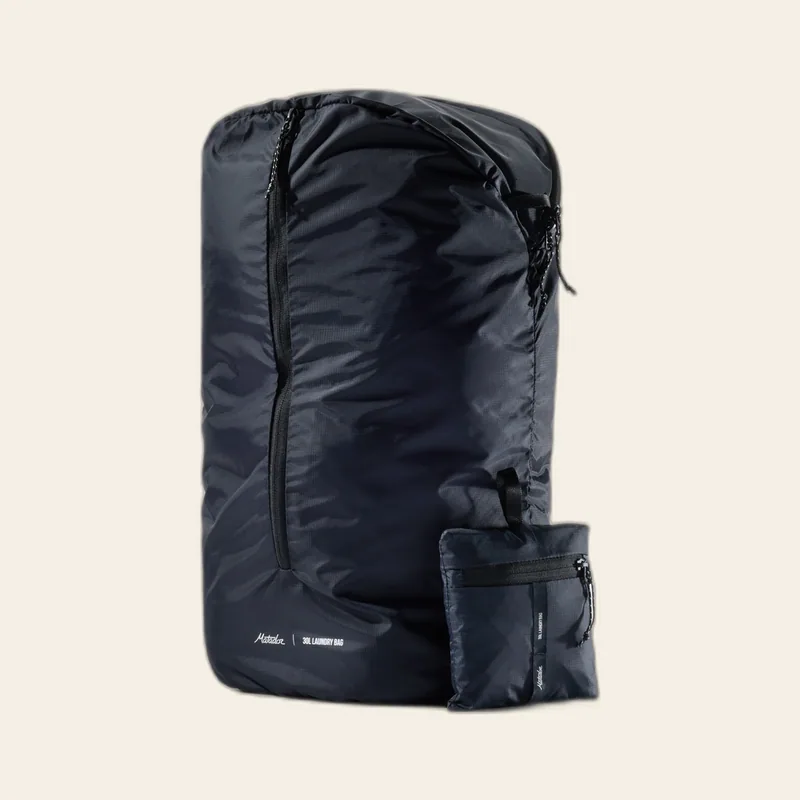
Eight rain days in November soak clothes, and detergent lets you wash twice instead.
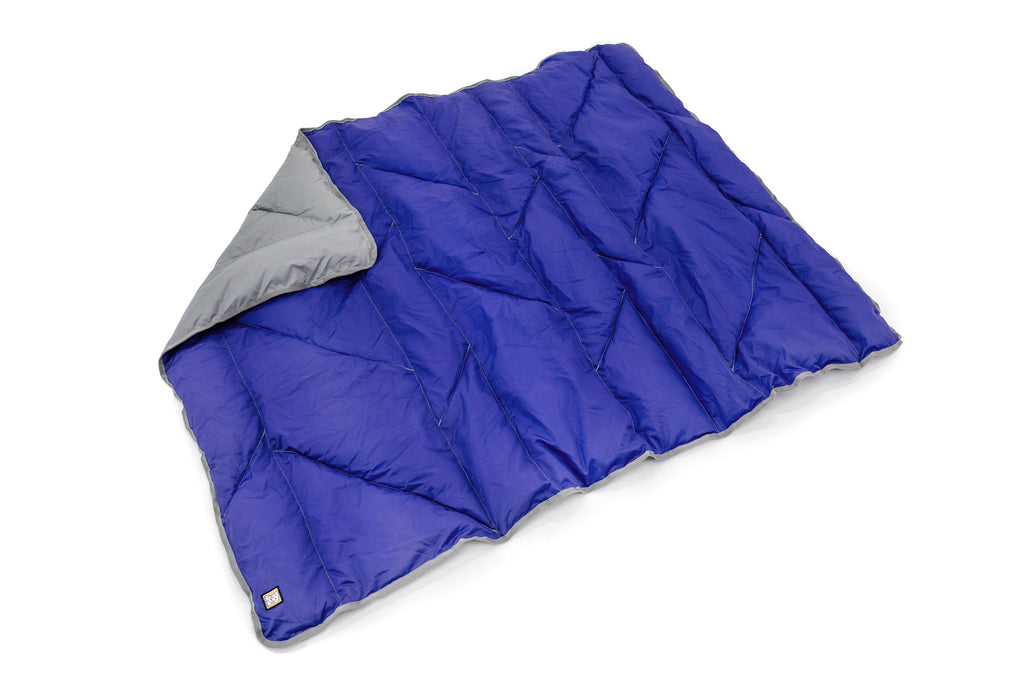
Lows around 23°F. One blanket that packs small covers the car, the campsite and the beach at sunset.
Snow terrain at 1470 m elevation makes steep descents treacherous without poles for balance.

Nice to have
9 items you could skip
Snow works into socks and boots, so gaiters keep the wet out.
Mountain roads wind through 1470 m elevation and cause nausea in some travelers.
Tap water is safe, but sanitizer handles surfaces touched by dozens of hands daily.
Insect bites itch worse in cold, and sun reflects hard off snow at this altitude.
One outlet at the lodge charges three devices, and short cables reach it from bed.
Domestic travel means TSA locks work, and they secure bags on shuttle rides.
Insulated jackets and sleeping bags compress down, freeing space for boots and extras.
Hanging bags keep toiletries away from wet gear in a shared bathroom.
Lows of 23°F and 9.5 hours of daylight mean hands get cold on short hikes.
Basics
16 things you probably own already