Change trip
What to pack for Montana in March
Typical March, built from ten years of weather
Some links are affiliate links. It keeps the site free.
Typical for your dates
Highs 43°F, lows 21°F, rain 11 of 31 days
snowycoldwet
Sunset lands around 7:30pm. Wind averages 9 mph. No border paperwork on this one.
0 of 56 packed
Packing for
68 things on this list are on sale today
Essentials
17 items
Lows around 21°F. Goes under the shell when the wind picks up.
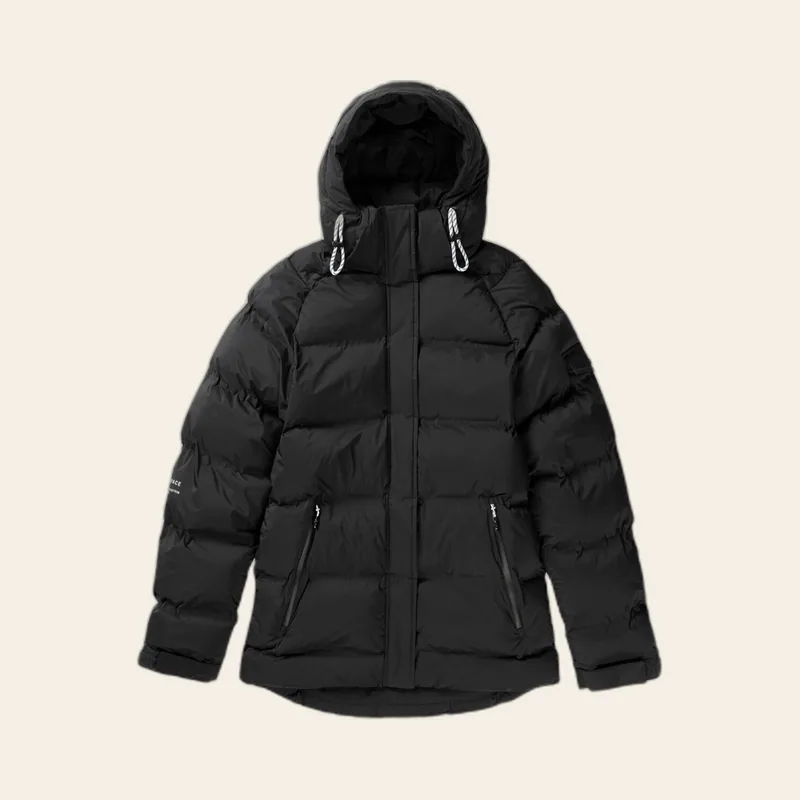
Wear one, dry one. Cotton stays wet all week here.

The layer you'll wear more than any other.
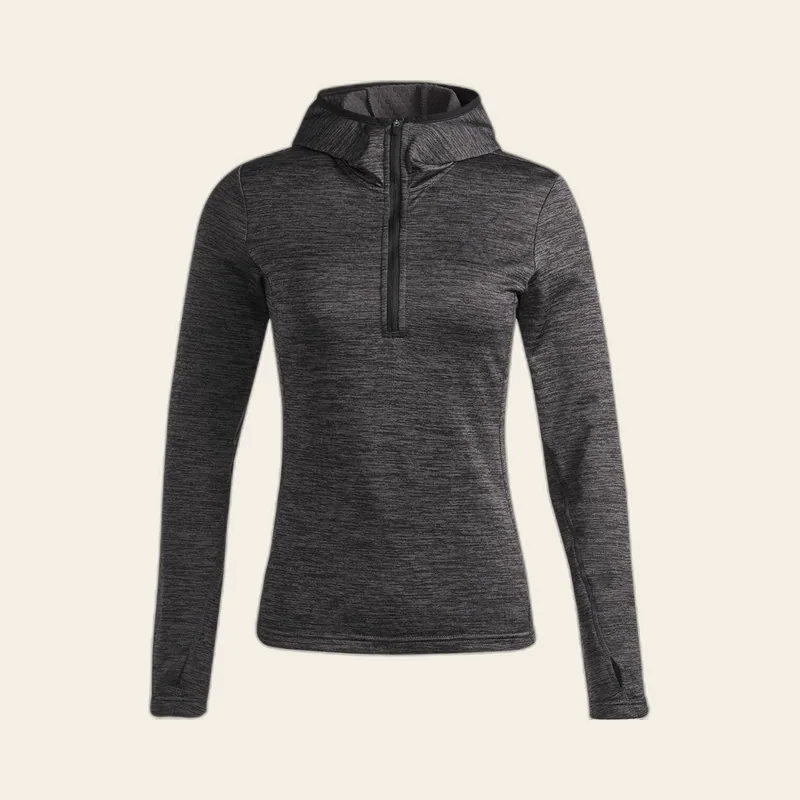
Lows drop to minus 6 degrees Celsius, so exposed skin loses heat fast.

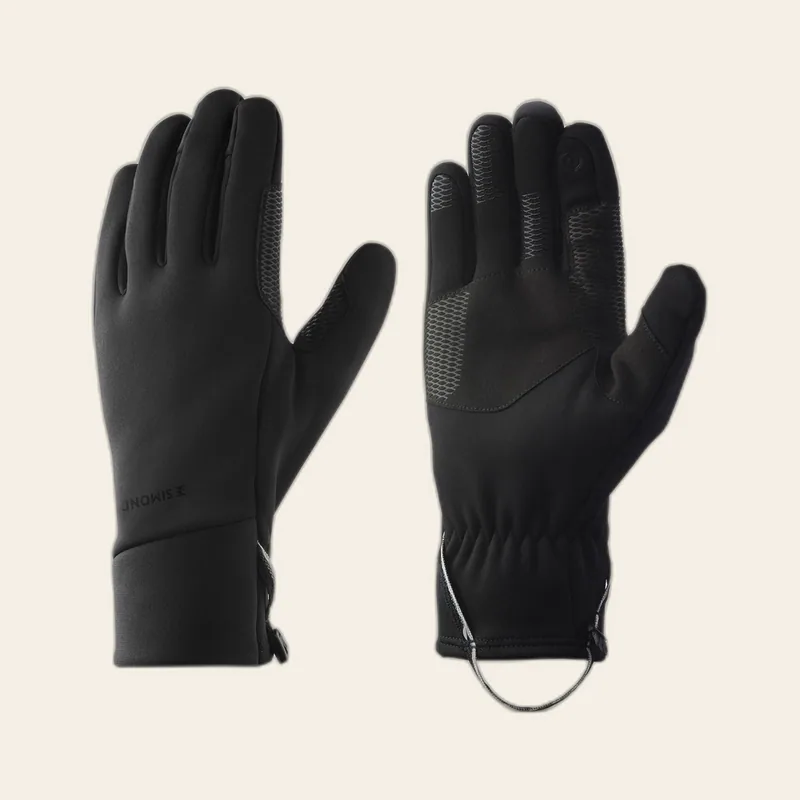
Wind at 14 kilometers per hour chills fingers without insulation.
Snow covers the terrain and ice forms where boots break through.
At 1470 meters altitude, UV index 5.0 burns skin even in winter.

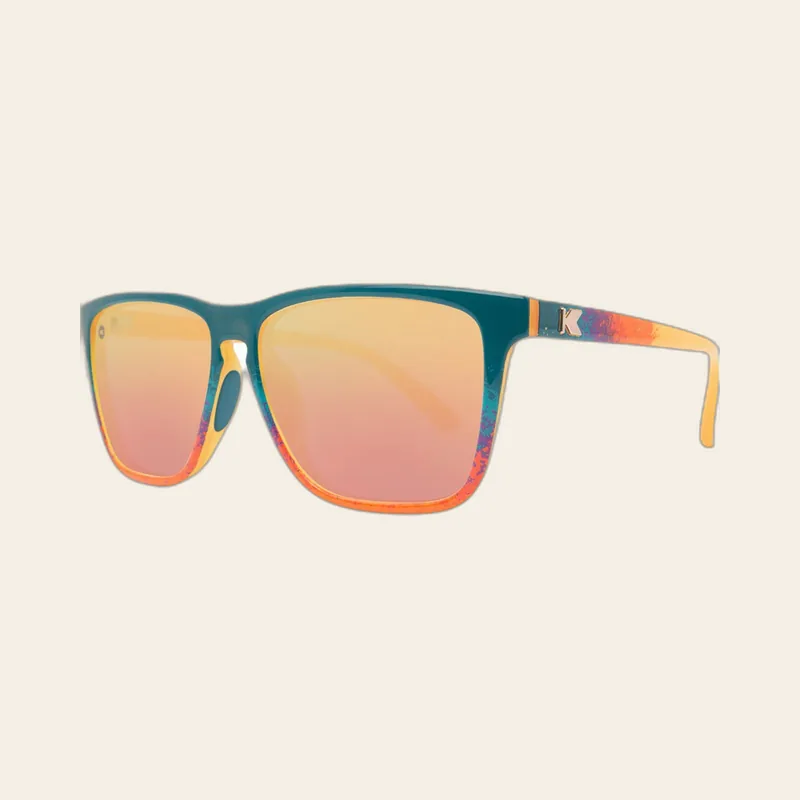
Snow reflects sunlight and glare damages eyes on bright days.
March snow melts into standing water where insects breed.

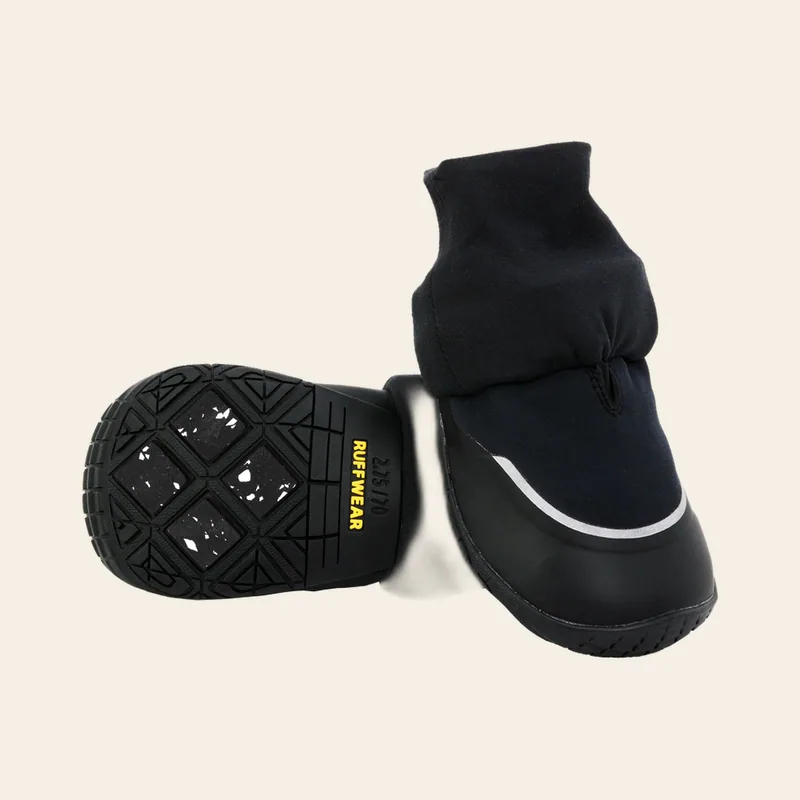
Check ankles and, if there's a dog, paws and ears every night.
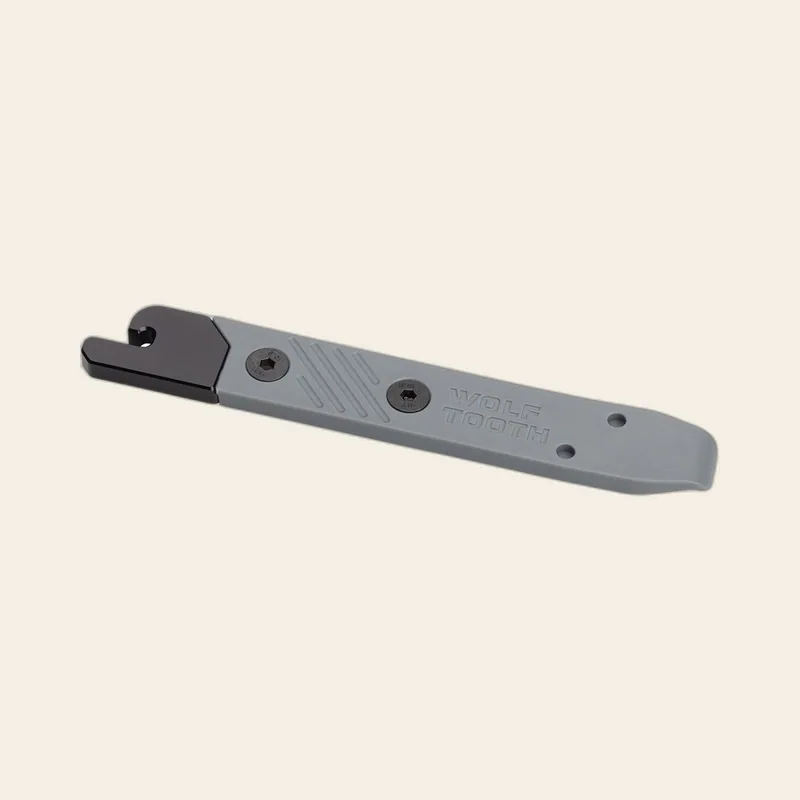
Altitude and cold increase injury risk on mountain terrain.

Eleven rain days mean wet gear drying slowly in 11.9 hours of daylight.

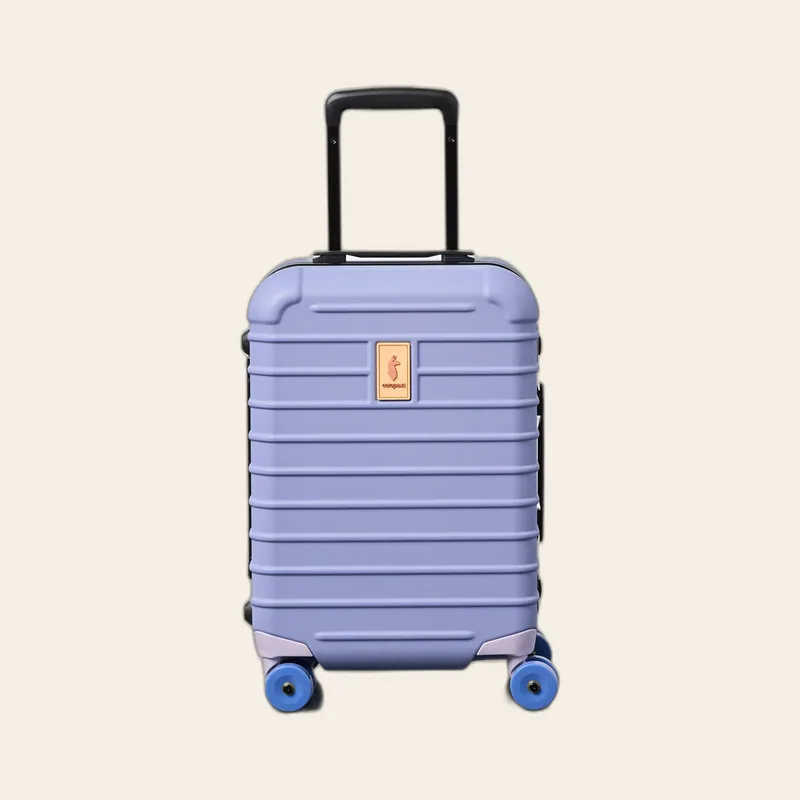
Overhead bins on regional flights to Montana are tight.
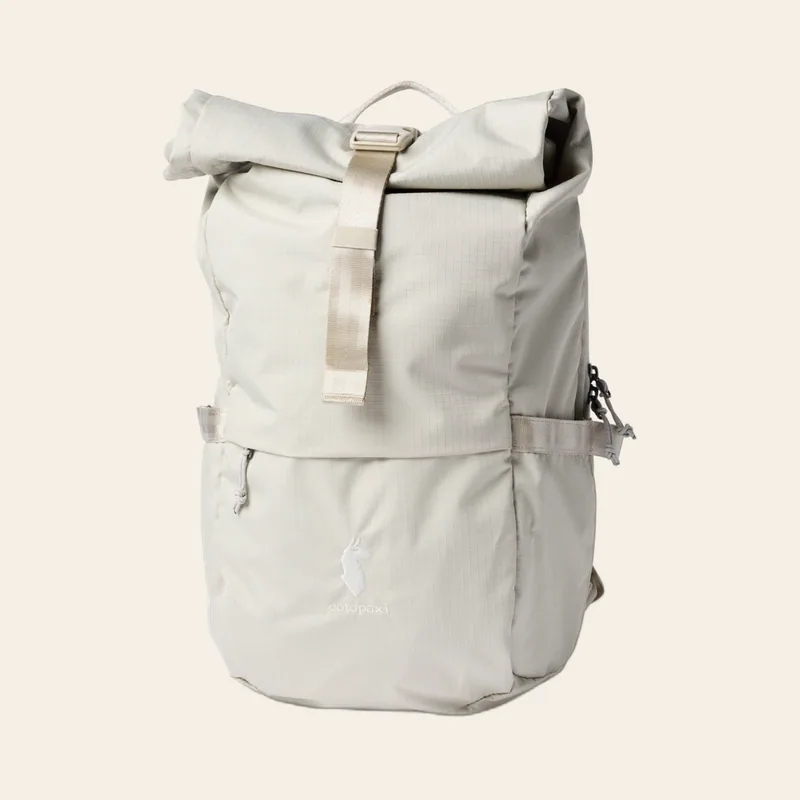
Day hikes from base camp need a separate pack for gear.
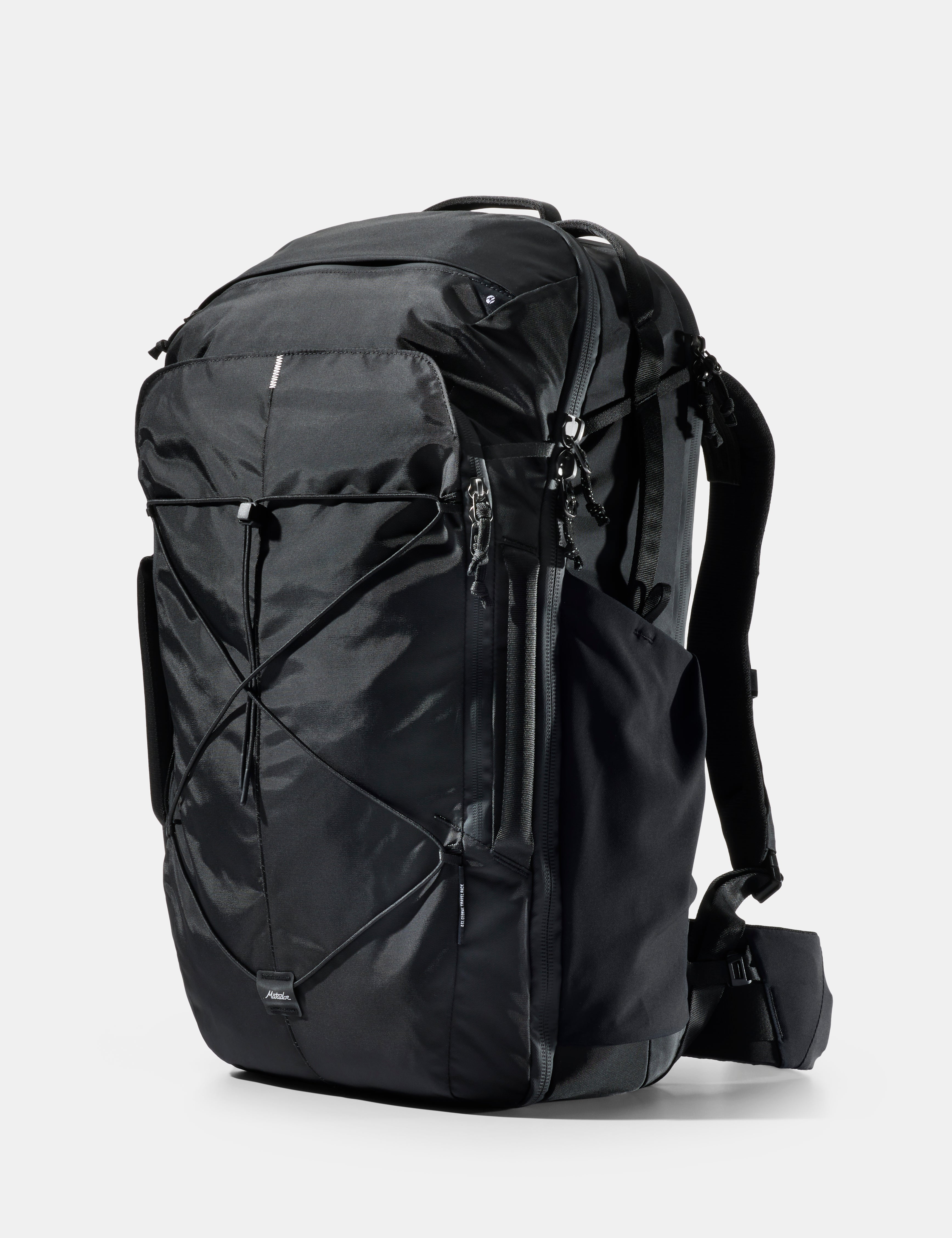
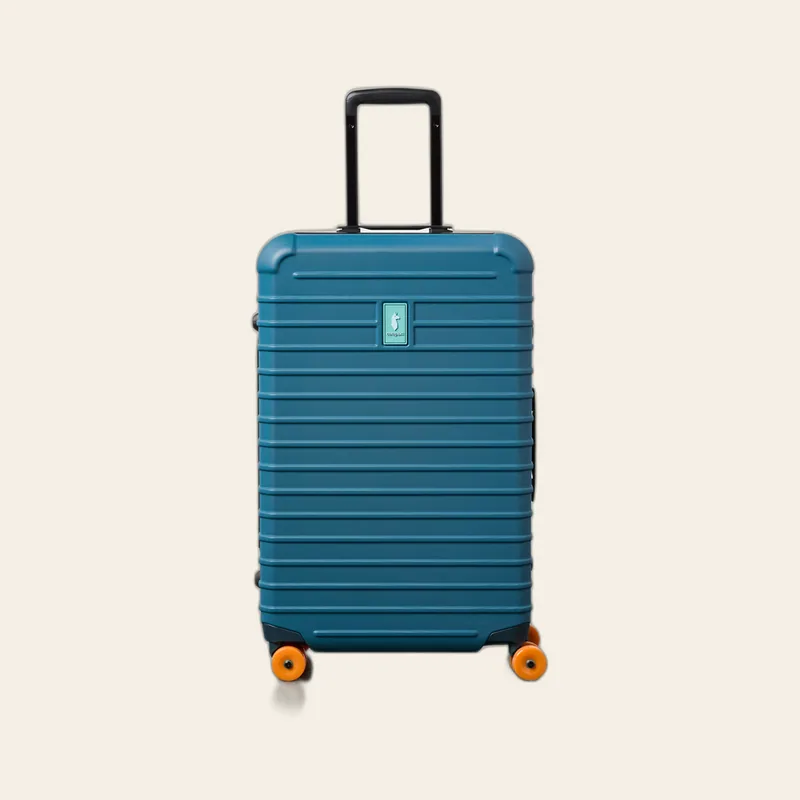
Fits the overhead on every airline that matters. Skip the checked-bag line entirely.
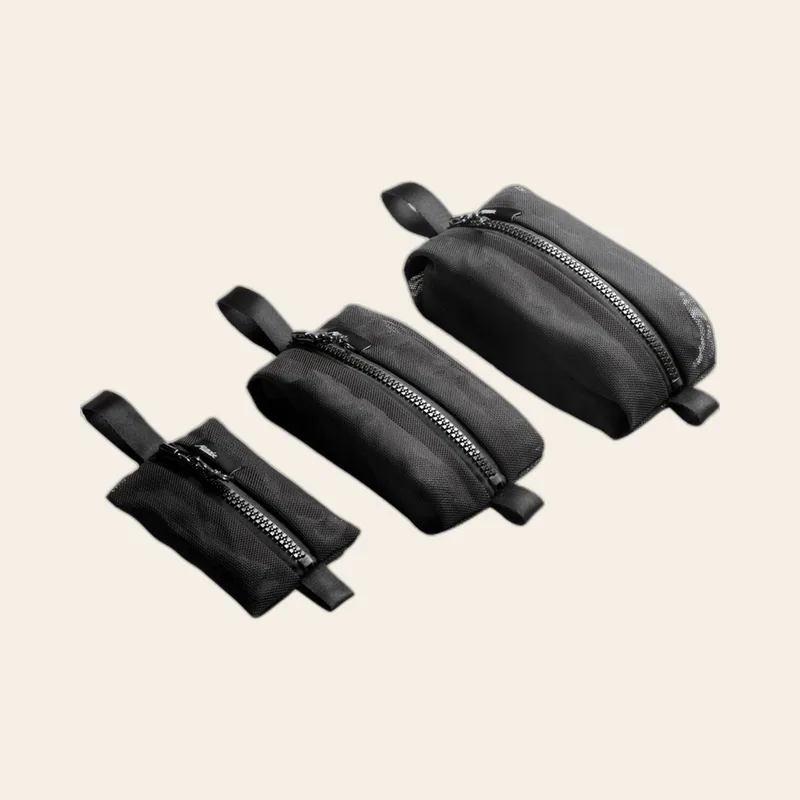
For the passport, the chargers, and the one dry pair of socks.
Wet gloves in freezing wind cause hypothermia faster than bare hands.

Before you go
3 to sort
Recommended
13 items
For the mornings and the nights.

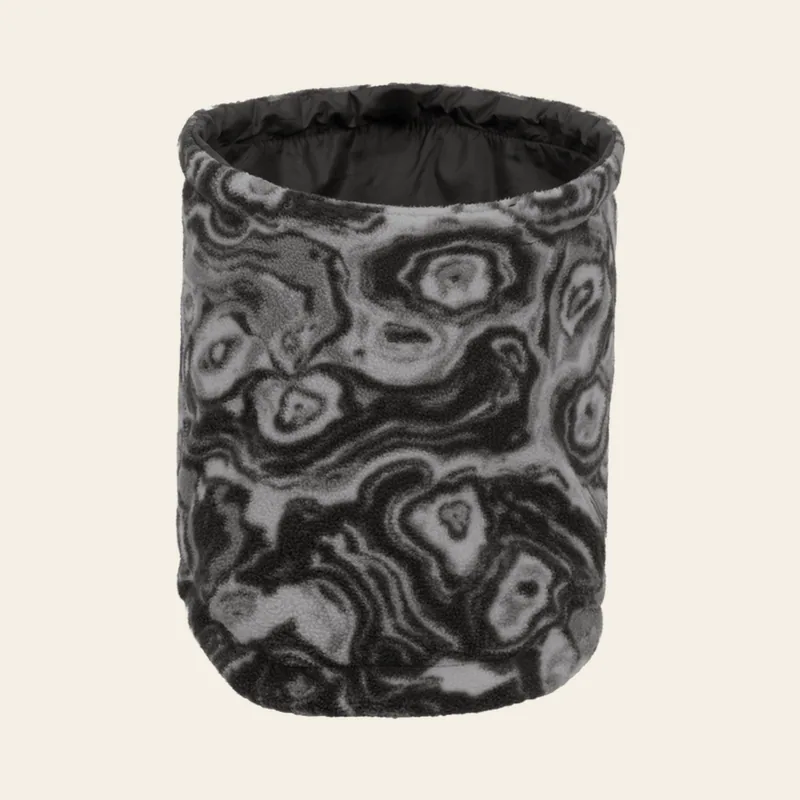
Your neck radiates heat constantly in mountain air below freezing.
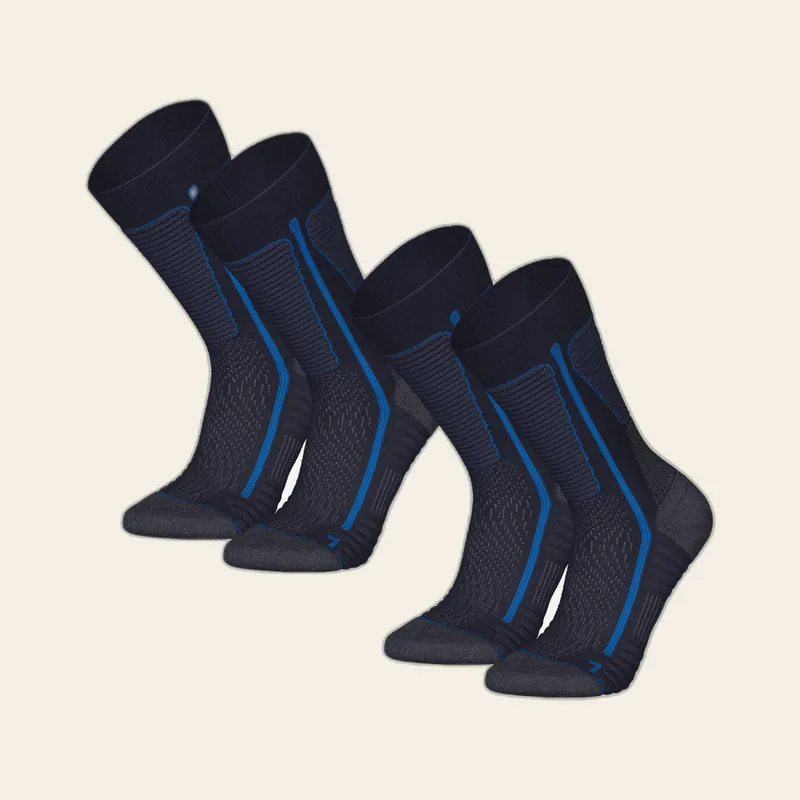
Wet feet in snow become frostbite risk within hours.
Treat the clothes once and it lasts weeks.

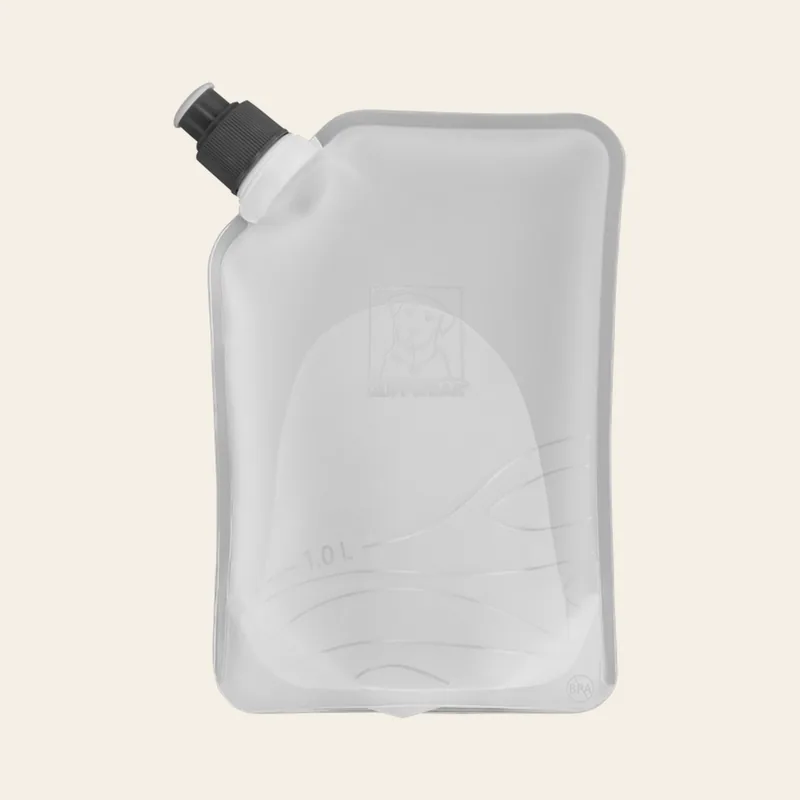
Tap water is safe but carrying it keeps you hydrated at elevation.
One brick charges the laptop, phone, and camera.

Remote mountain areas make lost luggage harder to retrieve.
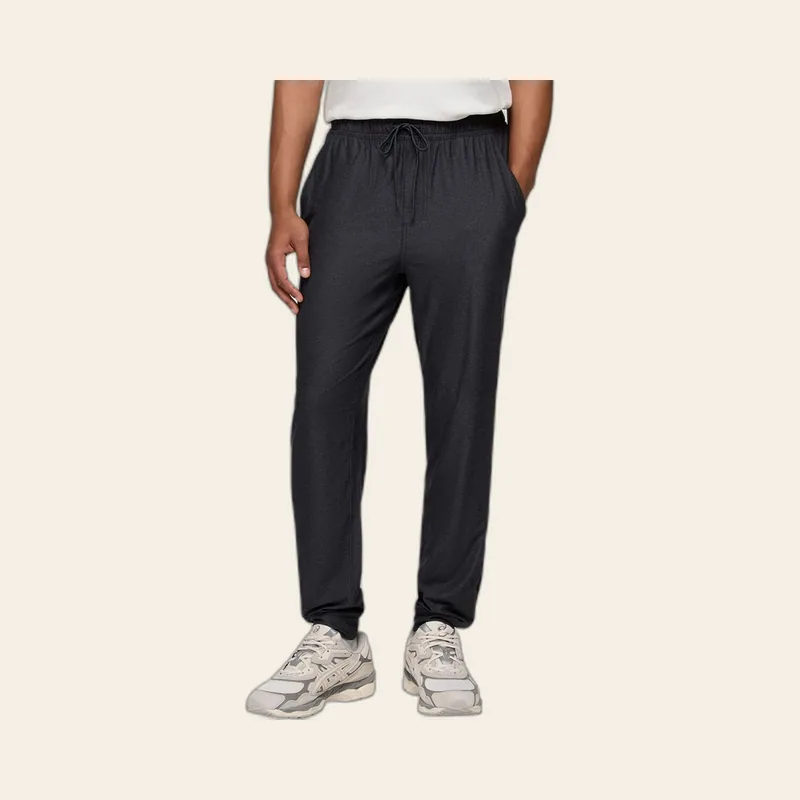
Winter gear weighs more than summer packing allows in carry-on.

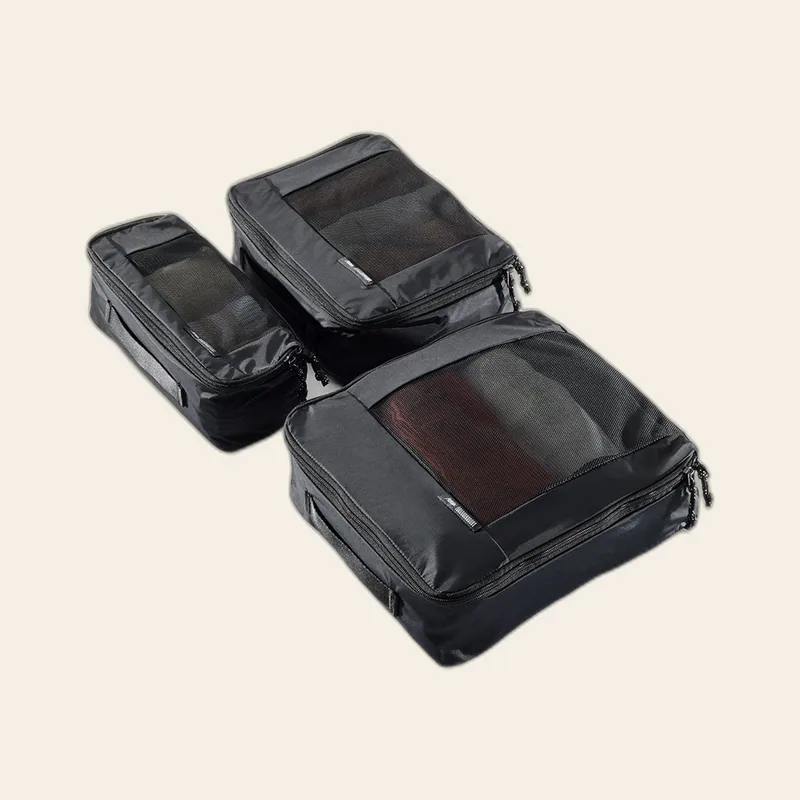
Multiple layers and bulky clothes compress better when organized.
Heavy boots and insulated jackets require checked luggage space.
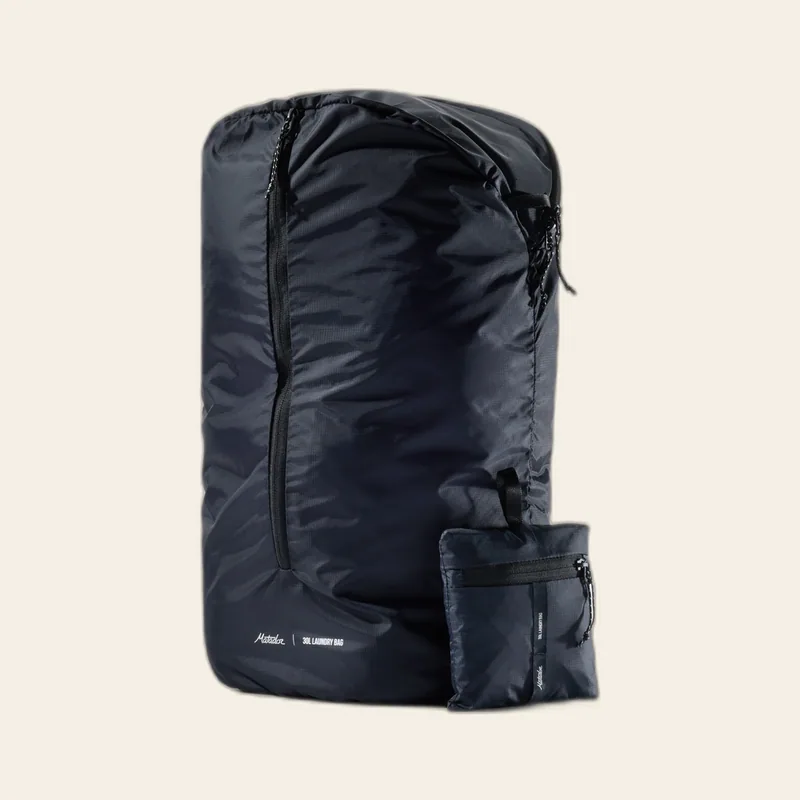
Two weeks of mountain dust and sweat needs washing halfway through.
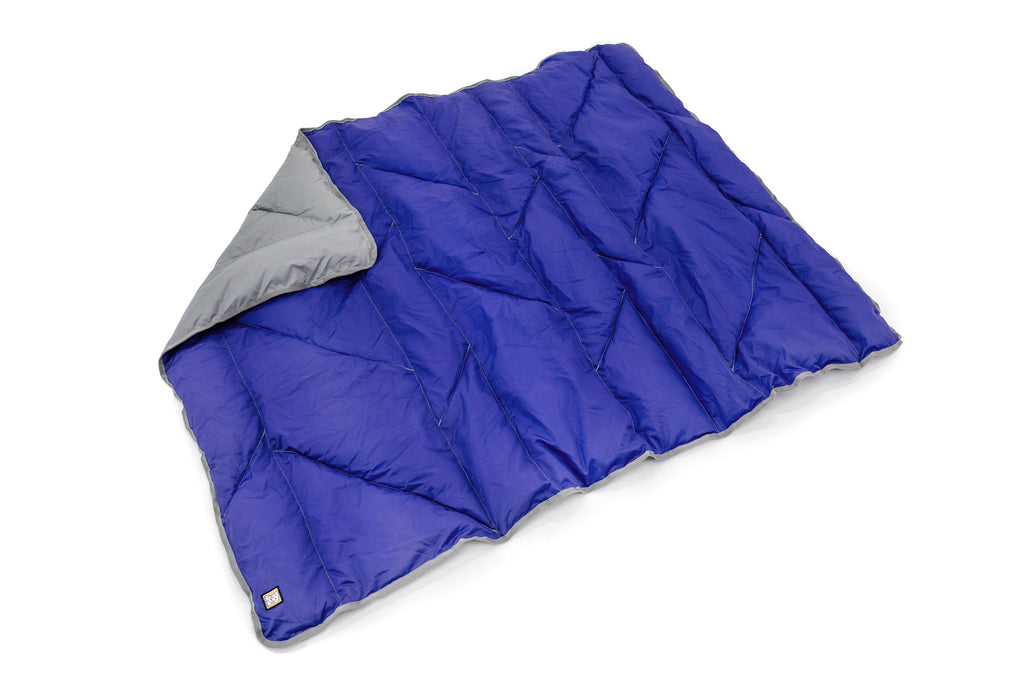
Lows around 21°F. One blanket that packs small covers the car, the campsite and the beach at sunset.
Snow-covered slopes and scree demand poles for stability and descent.

Nice to have
10 items you could skip
Gaiters seal the gap where snow enters boots at the ankle.
Eleven hours of daylight means afternoon sun exposure on ridges.
Winding mountain roads and thin air trigger nausea.
Backcountry water sources carry bacteria despite safe tap water.
Bites itch worse when sunburned skin is already inflamed.
Short cables fit backpack pockets better than long ones do.
National parks attract crowds and theft happens in parking lots.
Thick insulation compresses down and frees backpack volume.
Hanging bags keep toiletries organized when guesthouses offer one shelf.
Temperatures at minus 6 degrees make hand warmers necessary after dark.
Basics
16 things you probably own already