Change trip
What to pack for Montana in July
Typical July, built from ten years of weather
Some links are affiliate links. It keeps the site free.
Typical for your dates
Highs 82°F, lows 54°F, rain 3 of 31 days
high UVdrywarm
Sunset lands around 9:10pm. Wind averages 9 mph. No border paperwork on this one.
0 of 44 packed
Packing for
45 things on this list are on sale today
Essentials
9 items
UV index hits 10.9 at 1470 meters altitude, burning skin in under fifteen minutes.

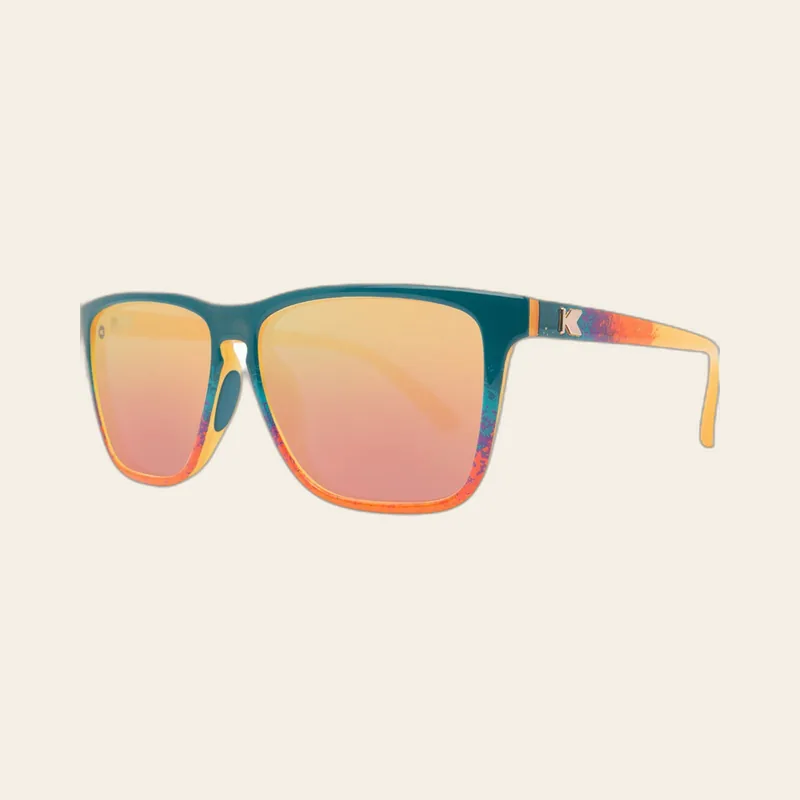
Glare off mountain water and rock at high altitude strains unprotected eyes.
Mountain terrain at 1470 meters still hosts mosquitoes and biting insects in July.

Check ankles and, if there's a dog, paws and ears every night.
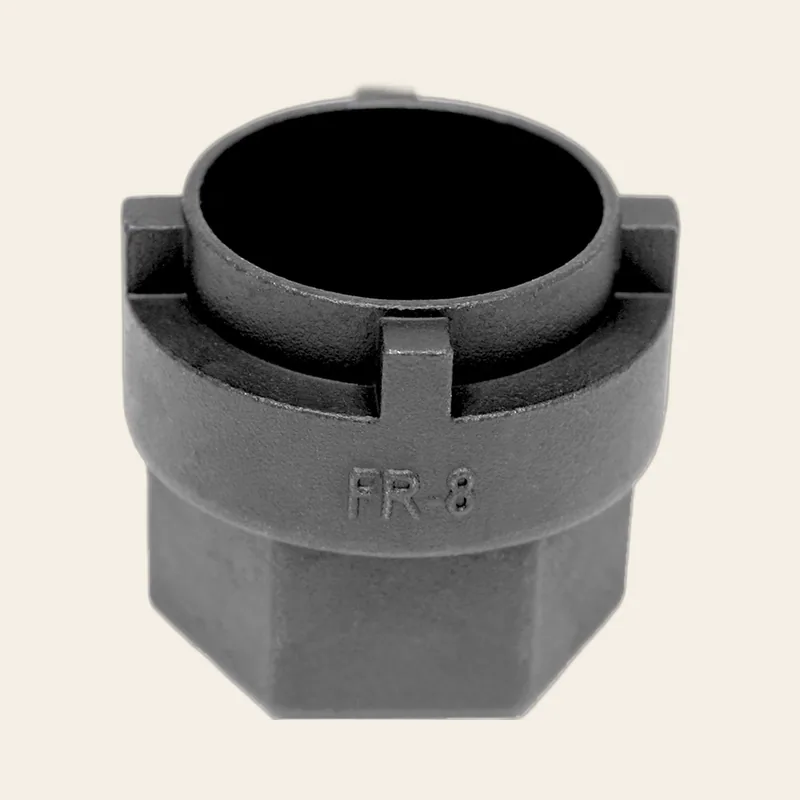
Remote terrain means help is hours away if a blister or cut turns bad.

Fifteen-hour days mean camera and phone batteries drain before sunset.

Domestic travel and park entry points mean no checked-bag delays.
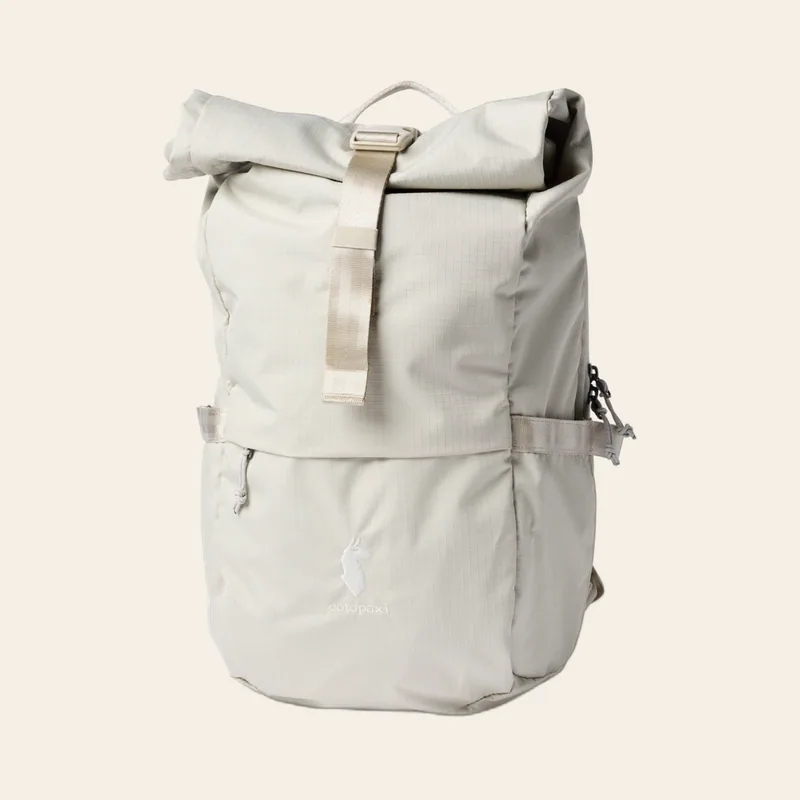
Day hikes from base camp need separate storage for water, snacks, and layers.
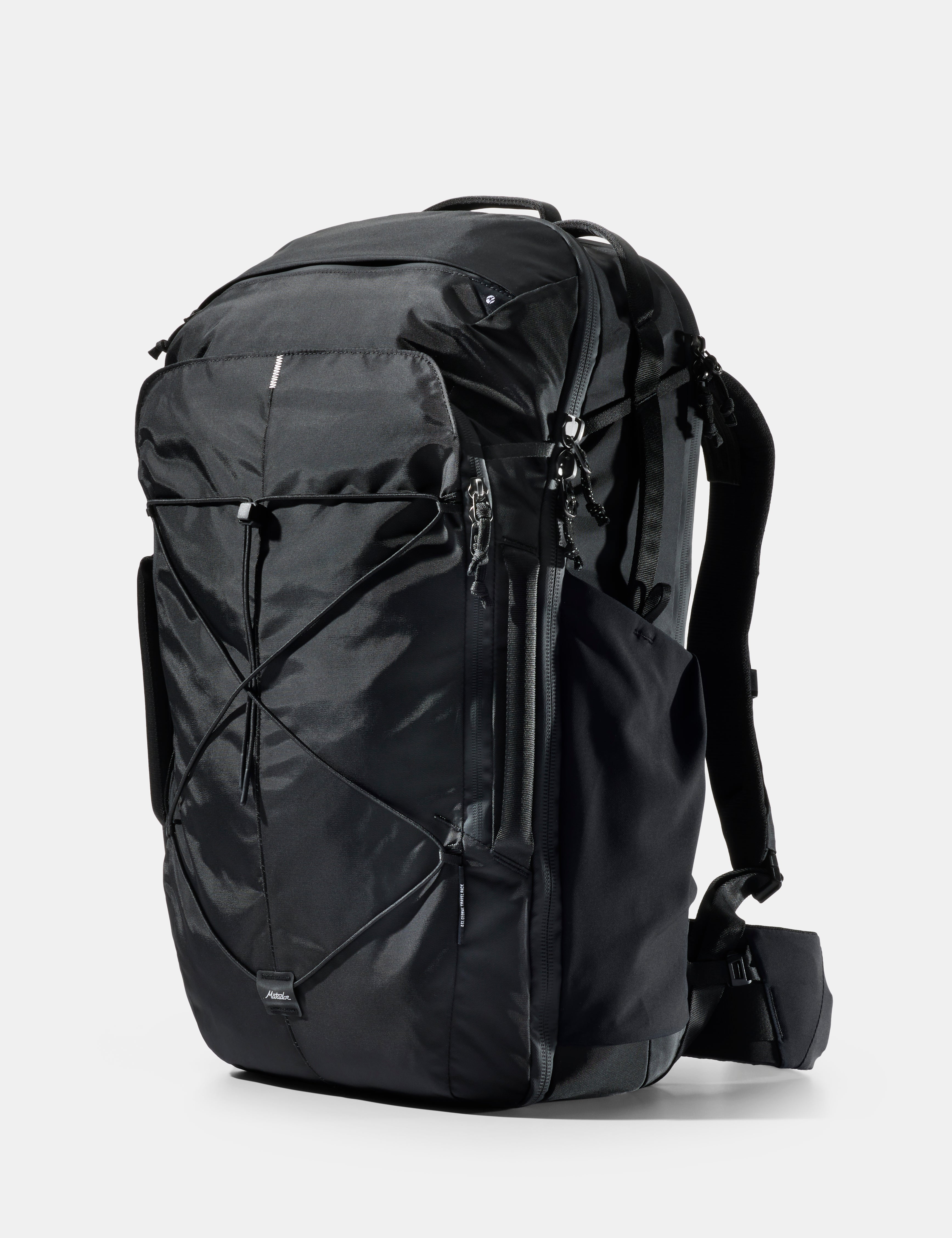
Fits the overhead on every airline that matters. Skip the checked-bag line entirely.
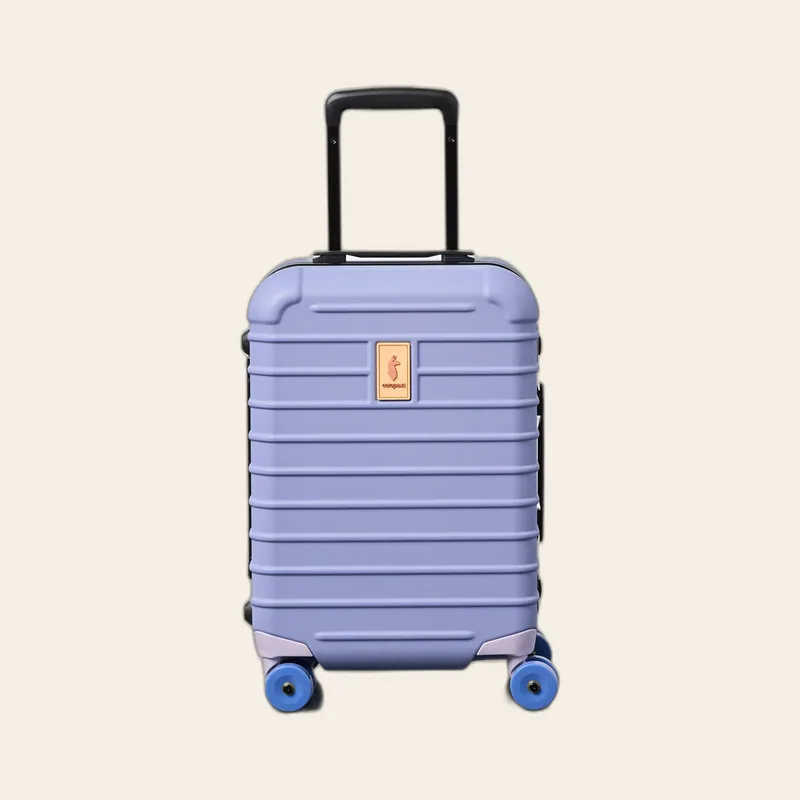
Before you go
3 to sort
Recommended
11 items
Fifteen hours of daylight and 82°F highs mean constant sweating on the trail.

UV hits 10.9 here. Long sleeves beat reapplying sunscreen every hour.
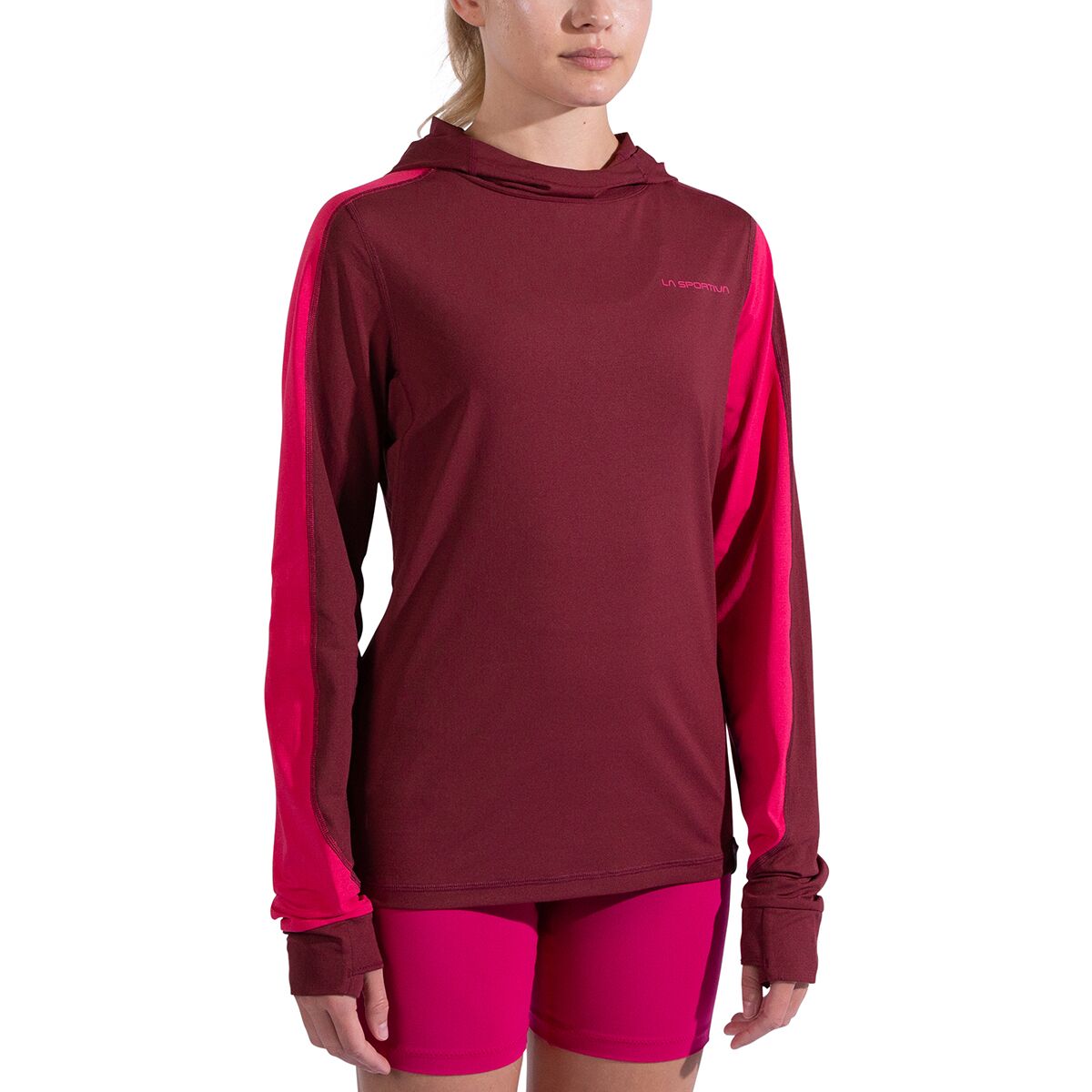
With only three rain days expected, open footwear works for stream crossings and camp.

Fifteen hours of sun exposure daily at high altitude requires constant head coverage.

Treat the clothes once and it lasts weeks.

Altitude and dry air at 1470 meters dehydrate faster than lowland hiking.

One brick charges the laptop, phone, and camera.

Mountain shuttles and ranger stations see lost bags; tracking prevents that loss.
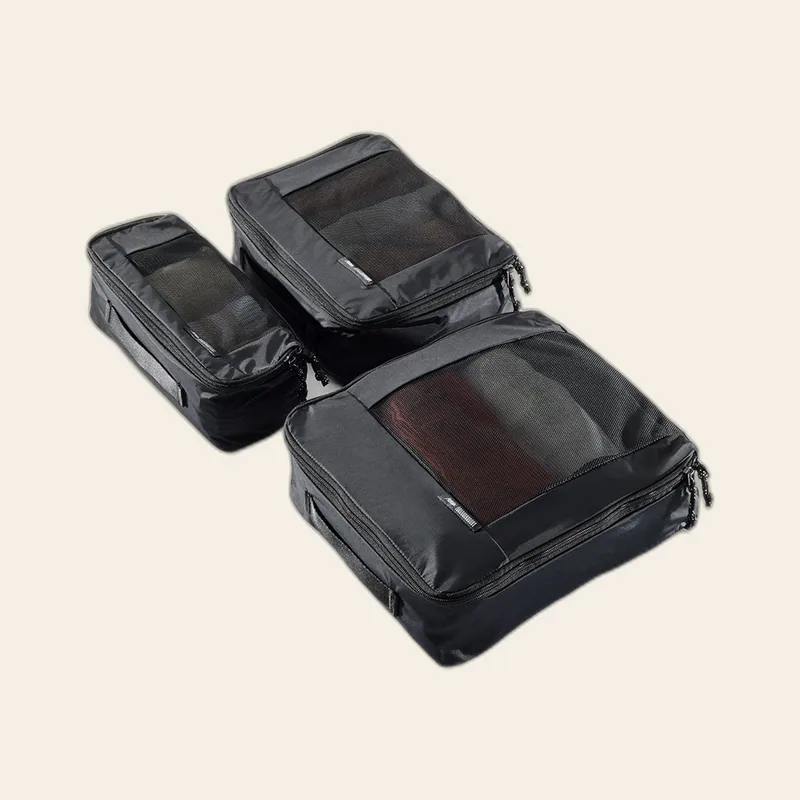
Packing cubes keep dust and moisture from gear during multi-day mountain stays.
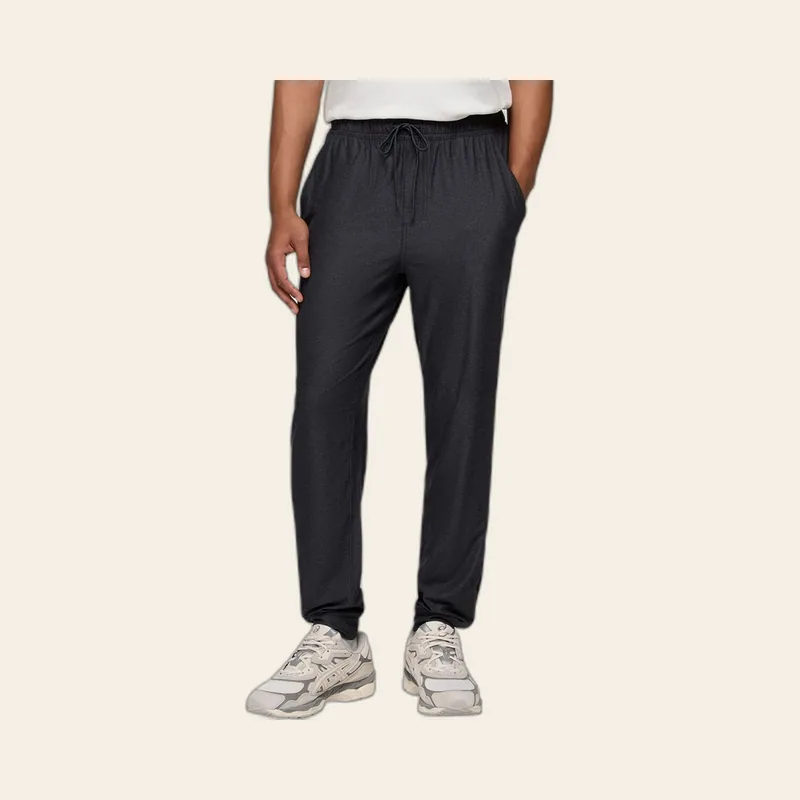
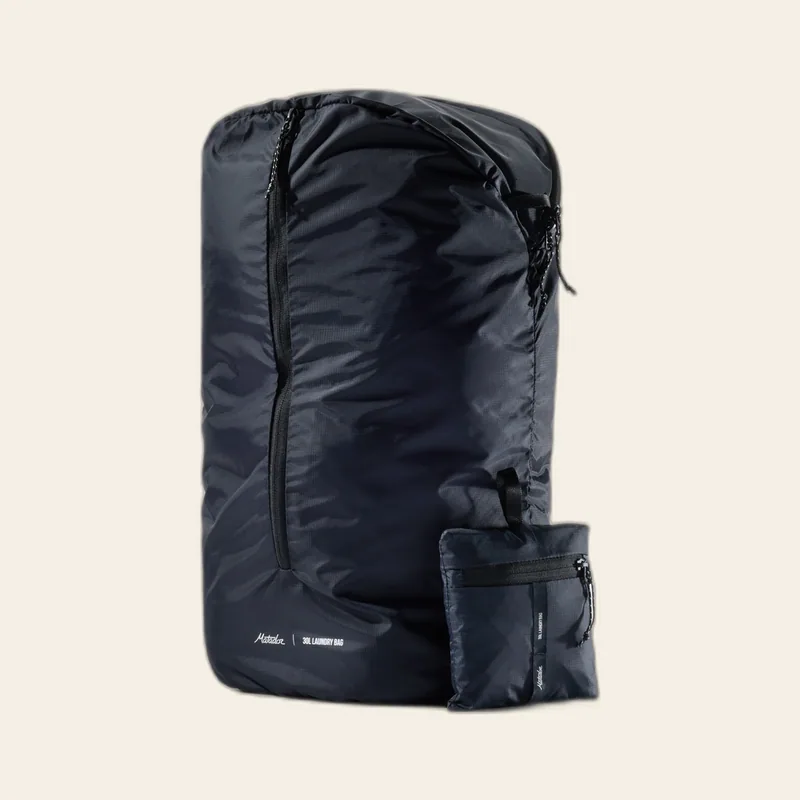
Three rain days in a month mean clothes dry fast; wash every few days.
Mountain terrain and altitude gain of 1470 meters demand joint support on long days.

Nice to have
8 items you could skip
Highs reach 82°F while nights drop to 54°F, so layers that shed are essential.
Altitude and UV 10.9 damage lips faster than body skin, even on cool days.
Single-track mountain roads and switchbacks trigger motion sickness in susceptible travelers.
Tap water is safe, but hands touch gear and food constantly on the trail.
Insect bites itch worse when sunburned skin is already inflamed and sensitive.
Dust and moisture in mountain camps corrode charging ports without protection.
Shared guesthouses and outfitter lodges require lockable luggage for valuables.
Hanging storage keeps toiletries accessible and off damp cabin floors.
Basics
16 things you probably own already