Change trip
What to pack for Montana in January
Typical January, built from ten years of weather
Some links are affiliate links. It keeps the site free.
Typical for your dates
Highs 32°F, lows 14°F, rain 8 of 31 days
snowycoldshort days
Sunset lands around 6:05pm. Wind averages 7 mph. No border paperwork on this one.
0 of 53 packed
Packing for
64 things on this list are on sale today
Essentials
15 items
Lows around 14°F. Goes under the shell when the wind picks up.
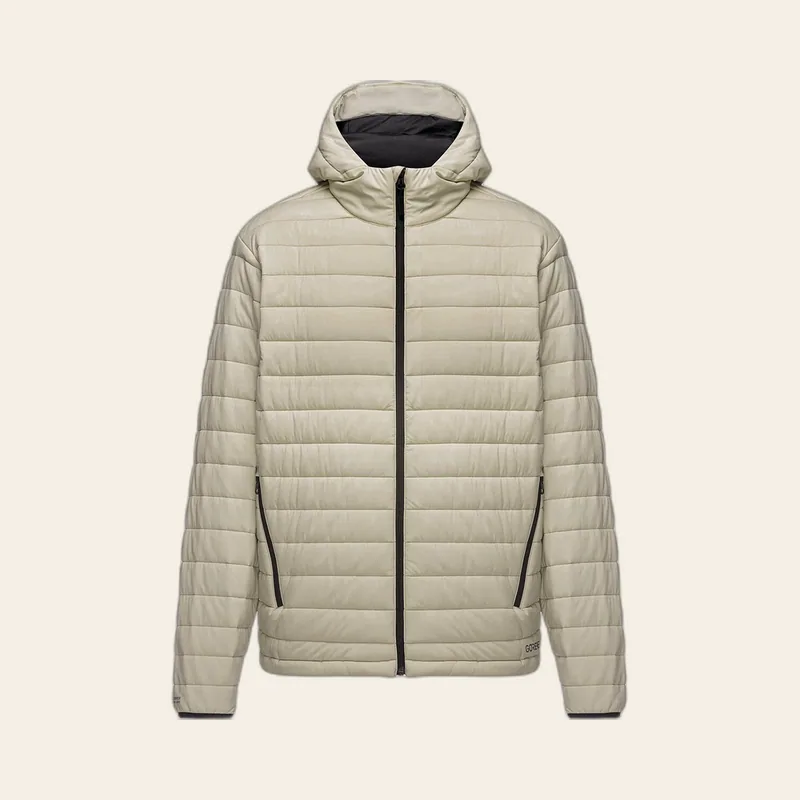
Wear one, dry one. Cotton stays wet all week here.

Lows hit minus 10 Celsius. A beanie stops heat loss from your head in cold that severe.

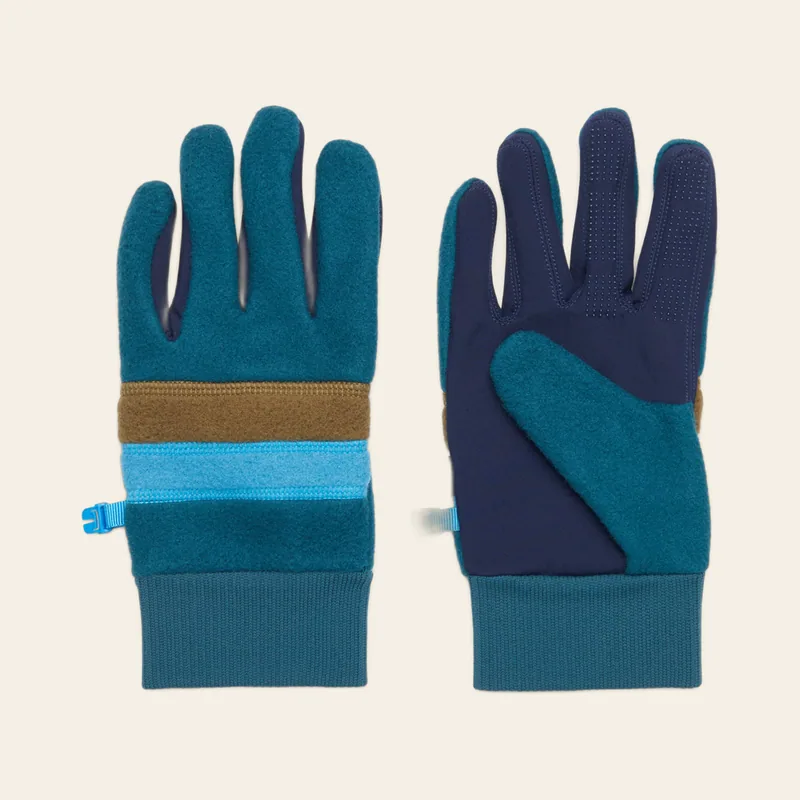
Wind chill turns exposed skin numb in minutes. Gloves are non-negotiable.
Sidewalks and trails ice over. Insulated boots with grip are how you stay upright.

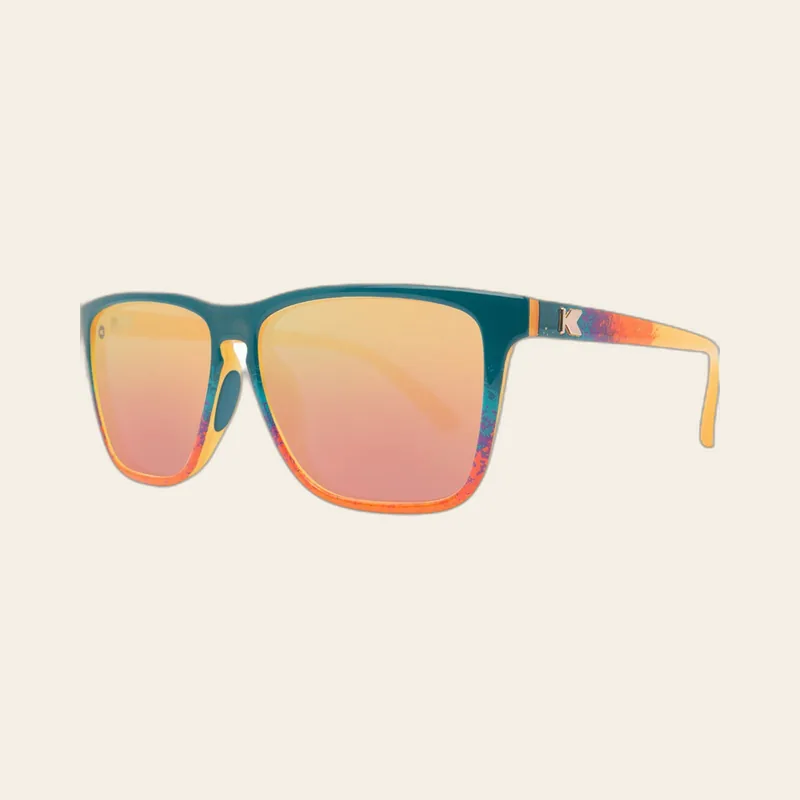
Snow reflects light and UV travels farther at altitude. Polarized lenses cut the glare.
Insects go dormant in January. This line stays on the list for other months.

Check ankles and, if there's a dog, paws and ears every night.
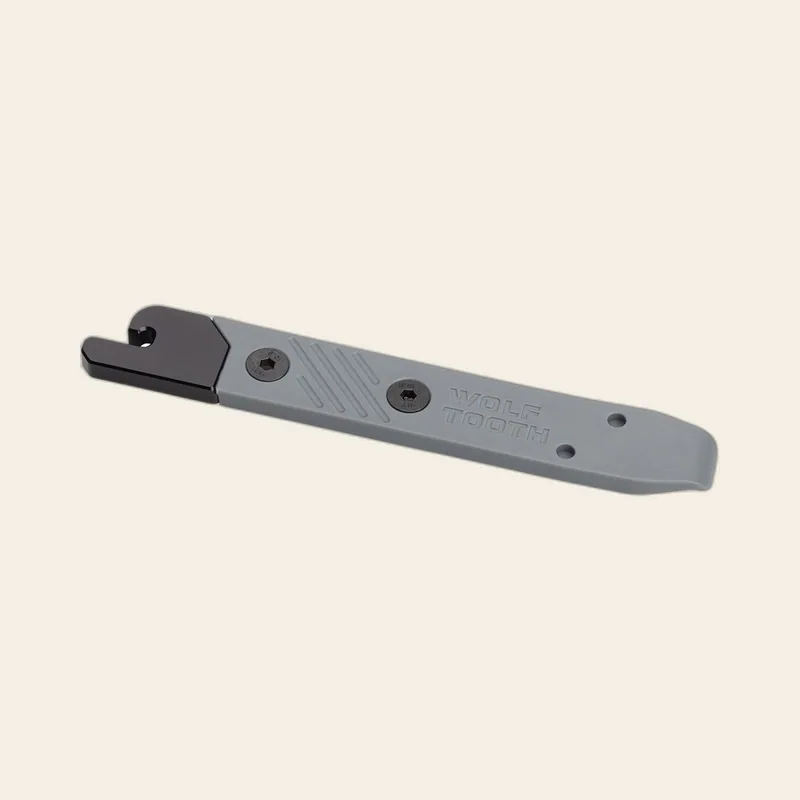
Altitude is 1474 meters and cold makes injuries slower to heal. A first aid kit handles minor wounds.


Dark by 6:05pm. Every campsite chore after that is a two-hands job.

Fits overhead on every airline. Skip the checked-bag line entirely.
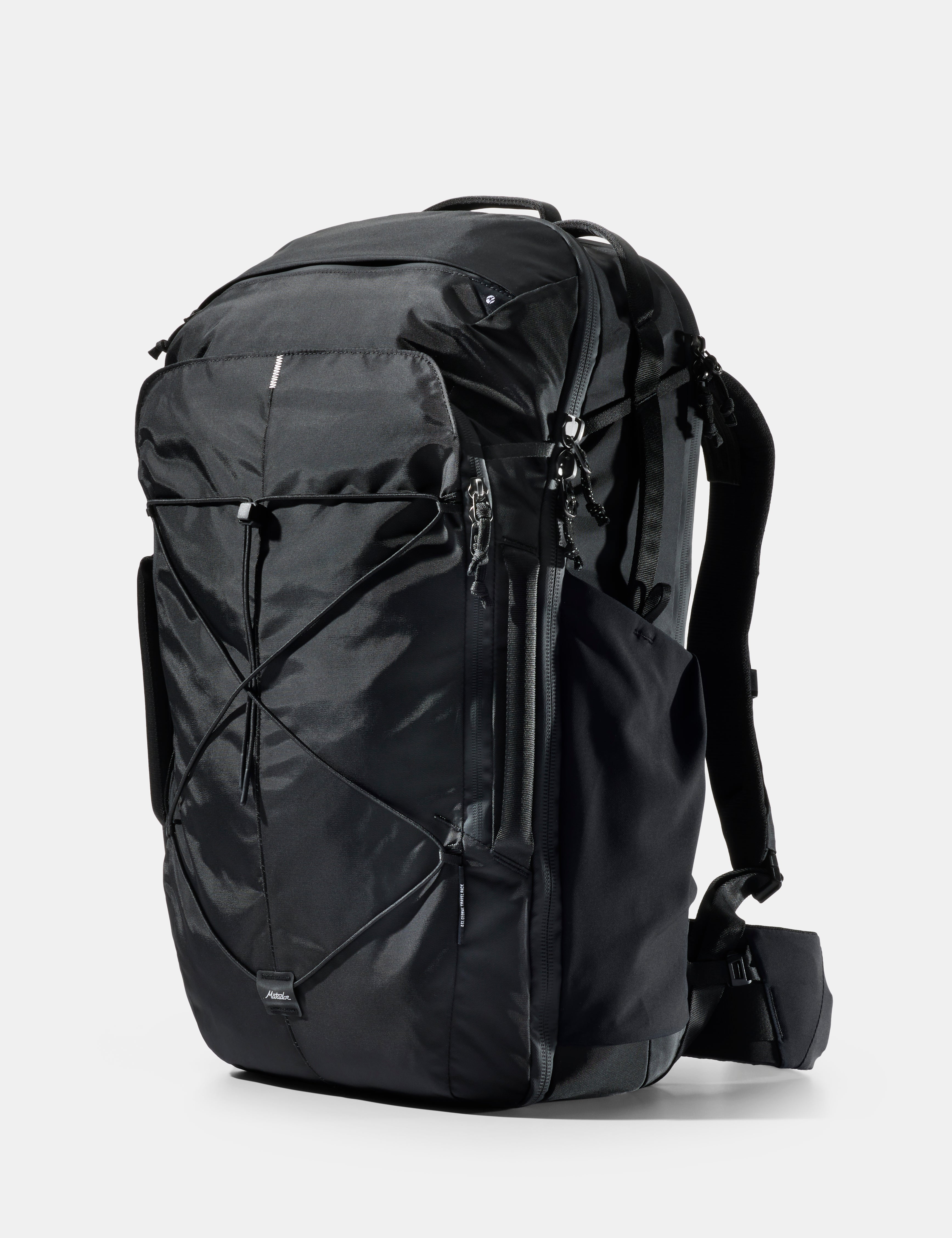
Day hikes into mountains need a pack for layers and water. Fifteen to twenty-five liters holds both.
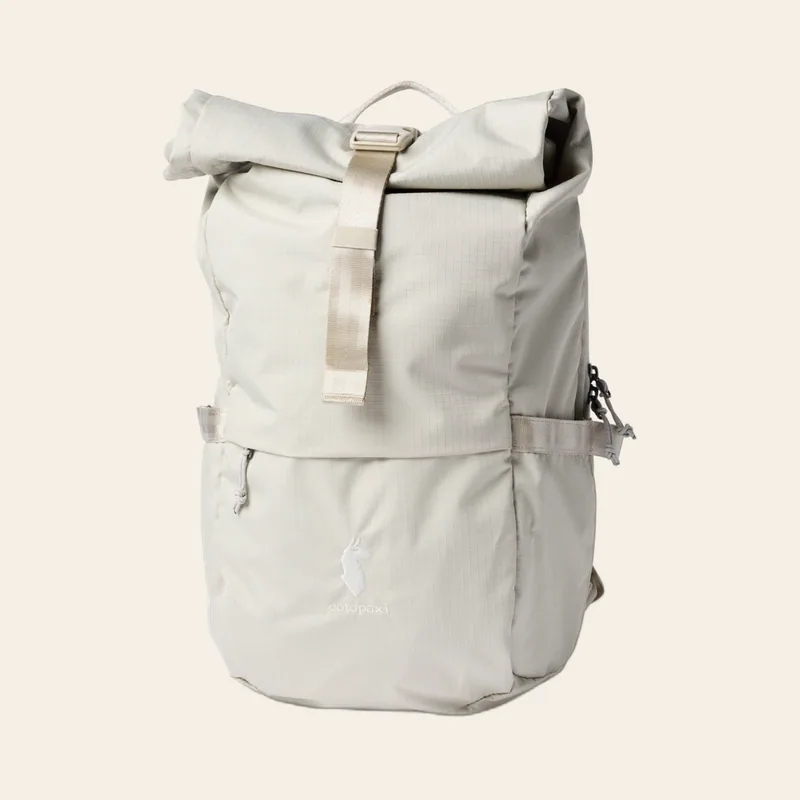
Fits the overhead on every airline that matters. Skip the checked-bag line entirely.
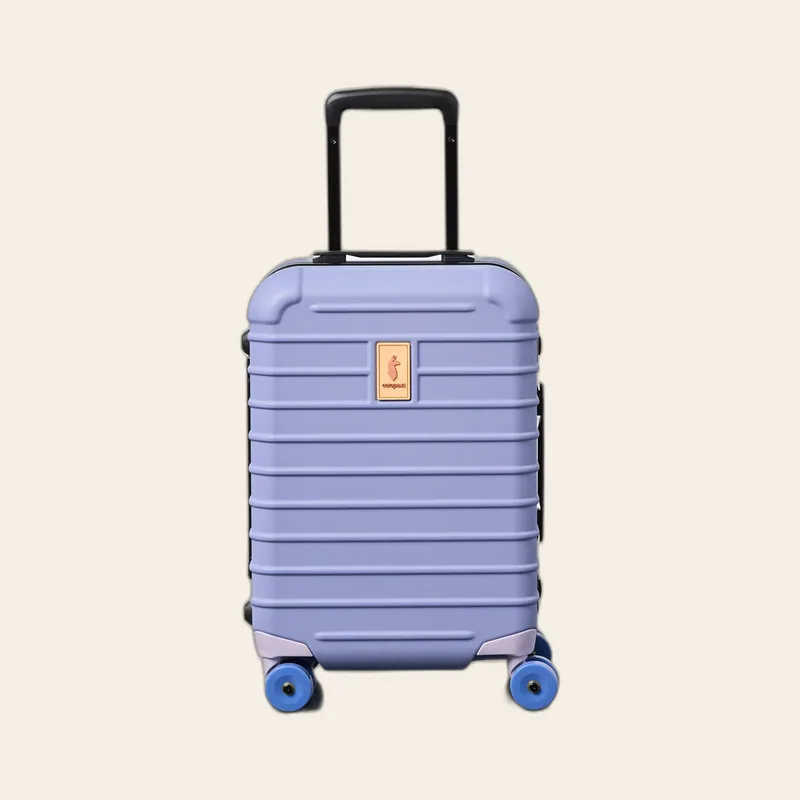
Regular gloves get wet in snow. Waterproof insulated gloves keep hands dry and warm.

Before you go
3 to sort
Recommended
13 items
For the mornings and the nights.

Nine hours of daylight means most time outdoors is in deep cold. A neck gaiter blocks wind from your throat.
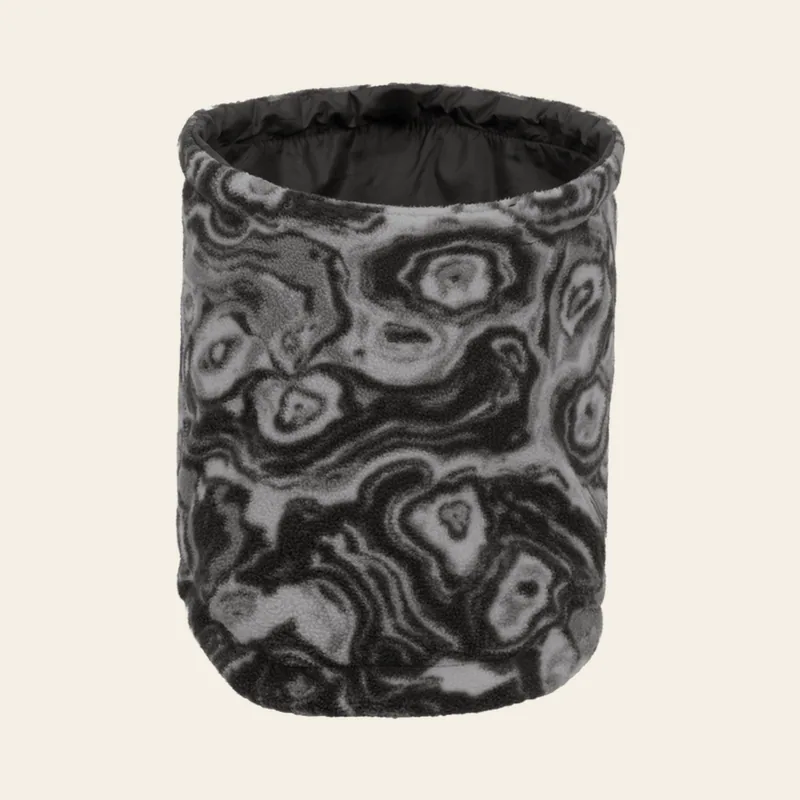
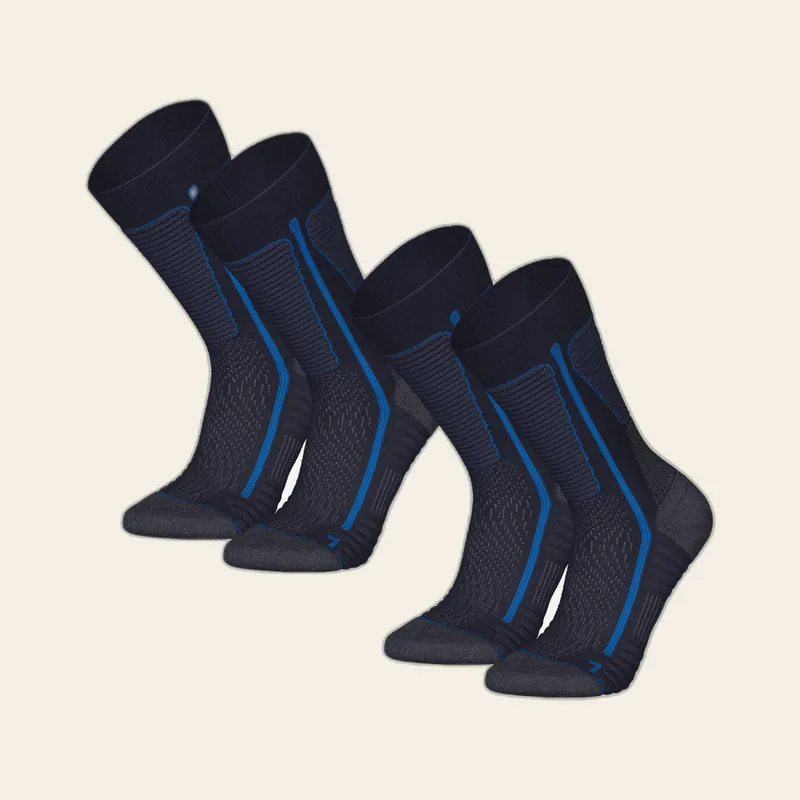
Snow and ice mean wet feet. Thermal socks keep toes from going numb.
Treat the clothes once and it lasts weeks.

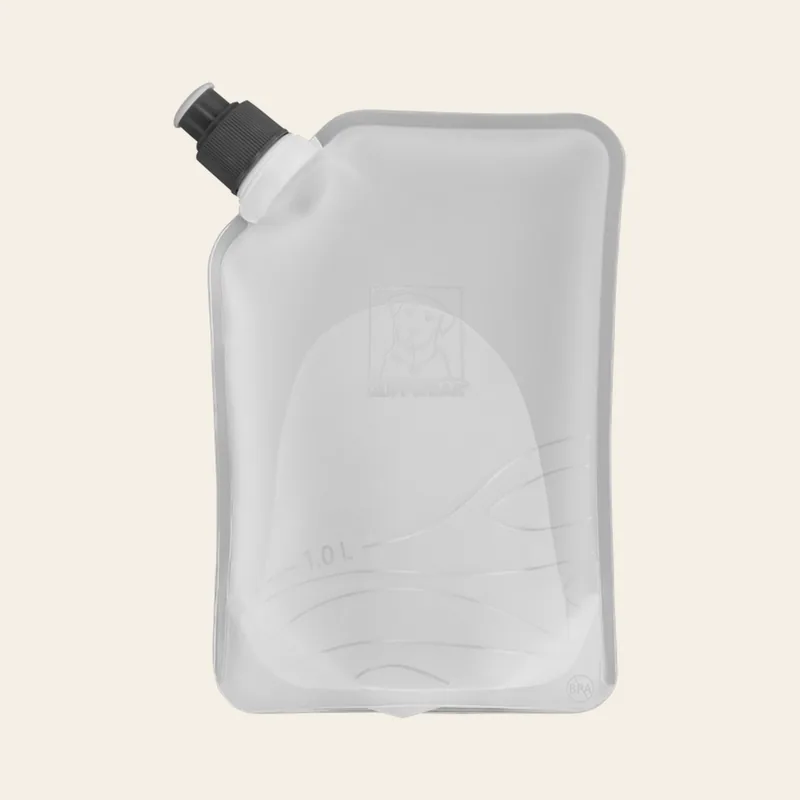
Tap water is safe. A reusable bottle cuts plastic waste over weeks of travel.
One brick charges the laptop, phone, and camera.

Mountain terrain and snow make trails easy to lose. A tracker finds a lost bag fast.
Two weeks of winter clothes take volume. Rolling duffels compress better than rigid cases.

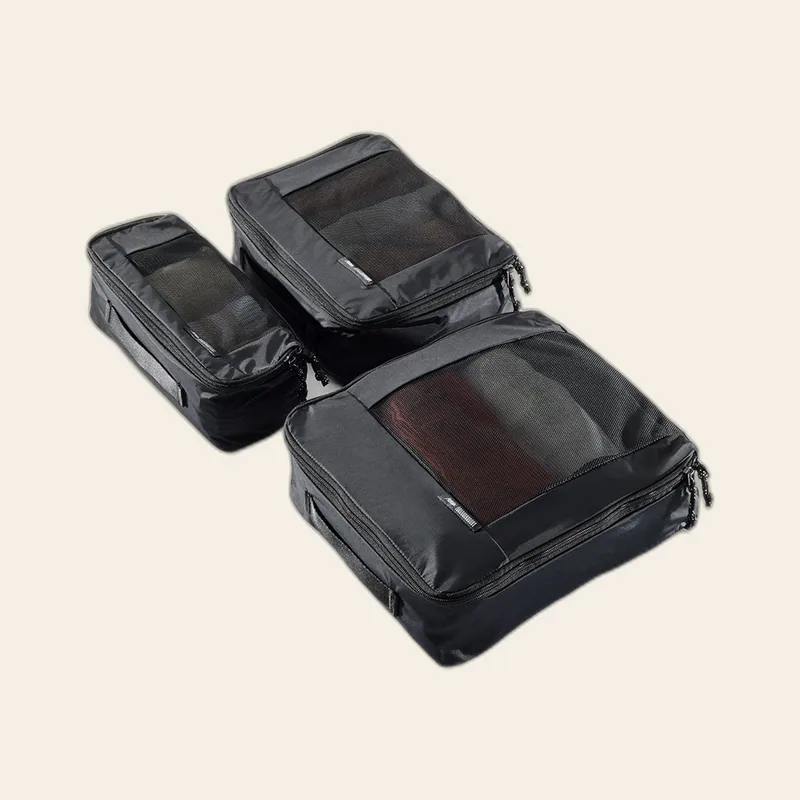
Packing cubes separate clean from dirty and compress clothes down. They fit tight spaces in bags.
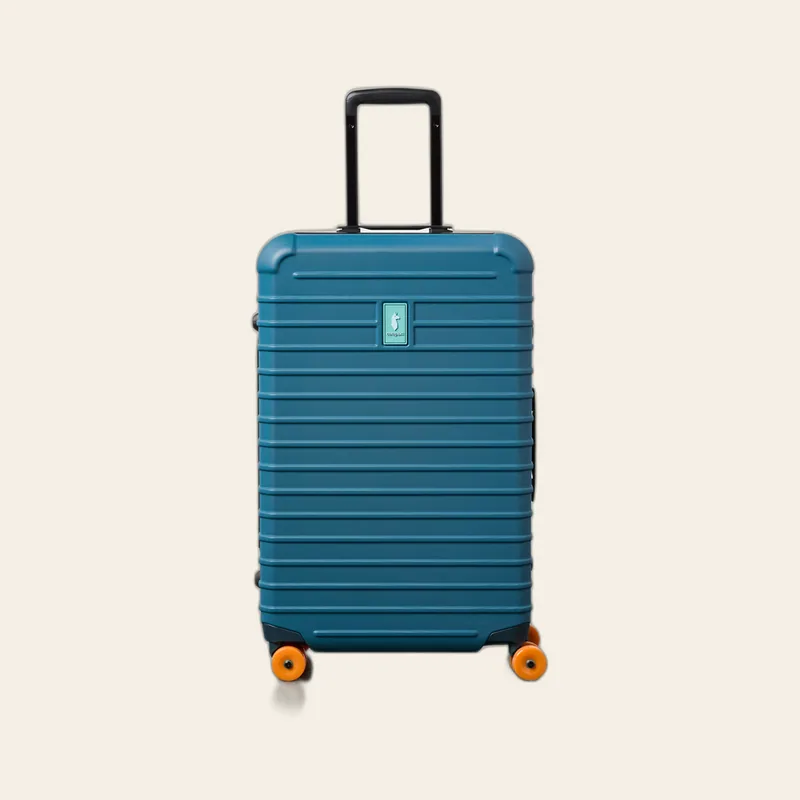
A suitcase holds a month of gear for one person. Rolling wheels beat dragging through snow.
Thermal layers worn daily need washing. Detergent packets weigh less than bottles.
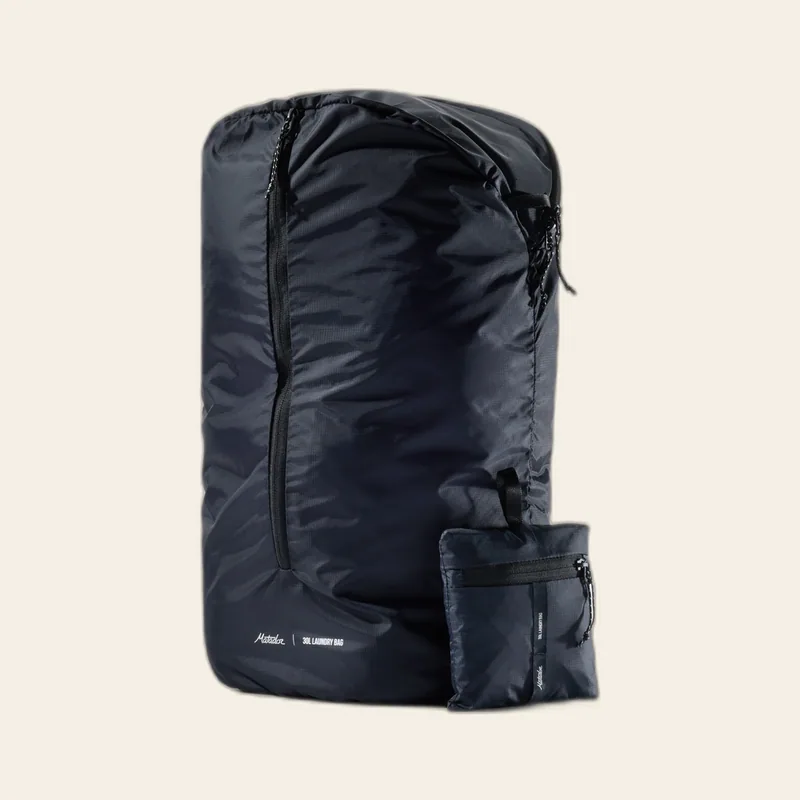
Lows around 14°F. One blanket that packs small covers the car, the campsite and the beach at sunset.
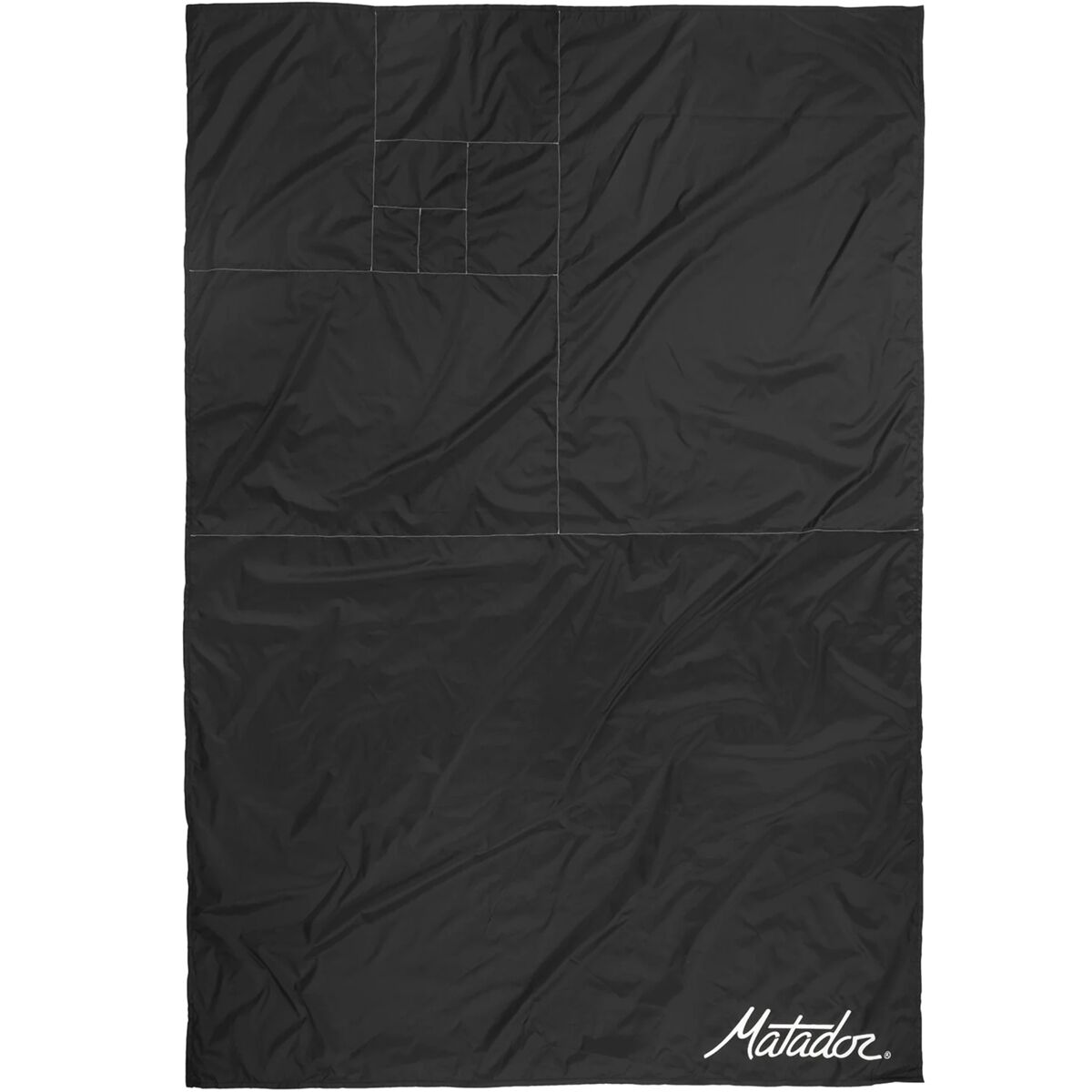
Snow and ice make steep slopes treacherous. Trekking poles anchor you on descents.

Nice to have
9 items you could skip
Snow works into boot tops and soaks socks. Gaiters seal the gap.
Mountain roads wind through passes. Motion sickness hits some people on these drives.
Twelve kilometer winds spread germs in close quarters. Hand sanitizer fills gaps between washing.
Insects dormant now, but this kit covers bites from warmer months. Keep it packed.
One outlet per room is standard. Short cables let you charge multiple devices at once.
Domestic travel means TSA locks work. They secure checked bags without a key.
Bulky insulated jackets compress down in sacks. They expand again when unpacked.
A hanging toiletry bag uses wall space and keeps items within reach. Guesthouses have one outlet, not many.
Minus ten degrees and wind chill make fingers and toes vulnerable. Hand warmers buy hours of comfort.
Basics
16 things you probably own already