Change trip
What to pack for Marrakech in October
Typical October, built from ten years of weather
Some links are affiliate links. It keeps the site free.
Typical for your dates
Highs 86°F, lows 61°F, rain 3 of 31 days
hotdrywarm
Sunset lands around 6:55pm. Wind averages 8 mph. There is paperwork on this one, so start with Before you go.
0 of 55 packed
Packing for
41 things on this list are on sale today
Essentials
12 items
UV index of 6.9 means unprotected skin burns fast, even in October.

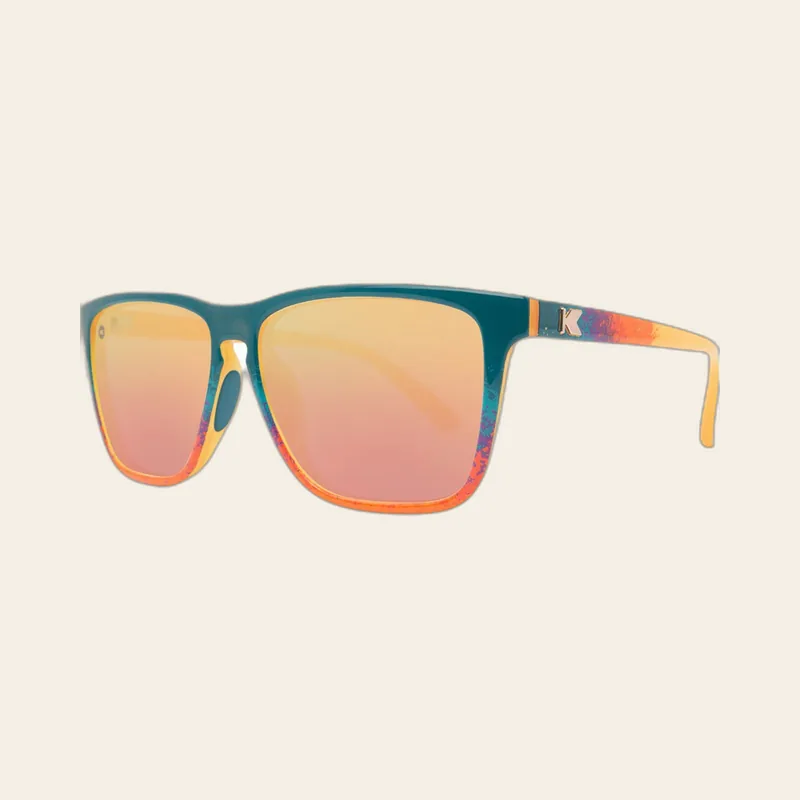
Glare off sand and pale buildings causes eye strain without polarized lenses.
October is the tail end of mosquito season in Marrakech.

Check ankles and, if there's a dog, paws and ears every night.
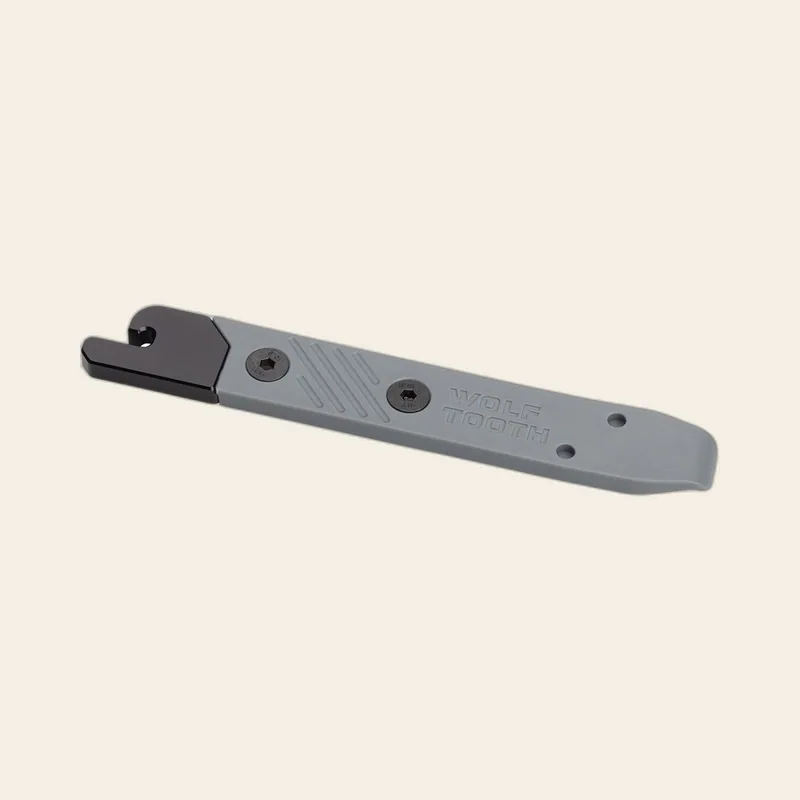
Desert heat, unfamiliar food, and insects make a first aid kit practical.

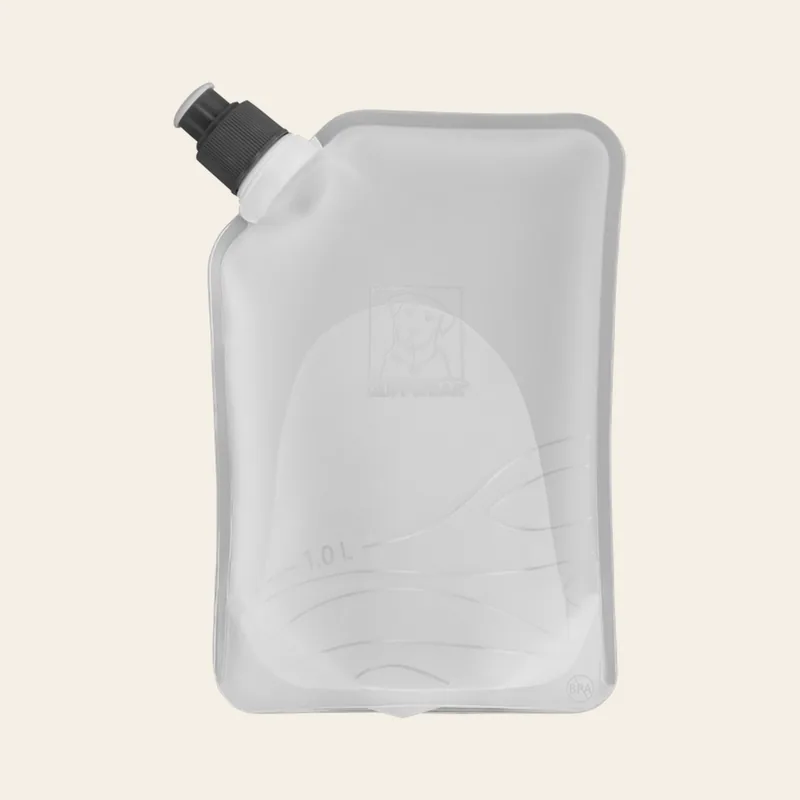
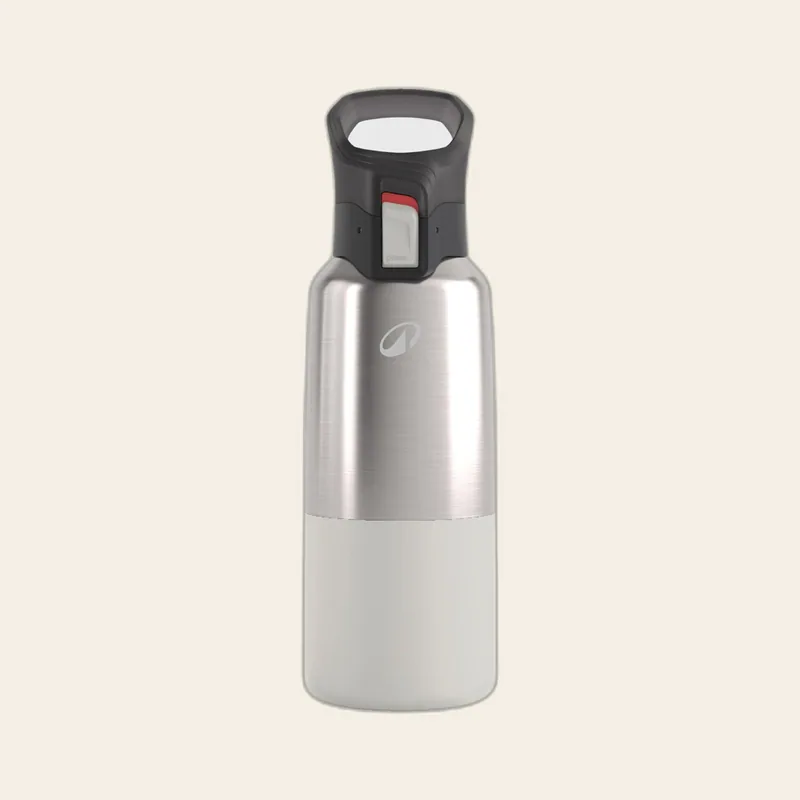
Tap water isn't safe here. A filter bottle beats buying plastic twice a day.
This country runs on Type C or E. Get one with USB-C so you're not fighting over the single outlet.

Eleven hours of daylight drain phone batteries fast if you're photographing the medina.

Set it up before you land. Signal drops for long stretches outside cities.

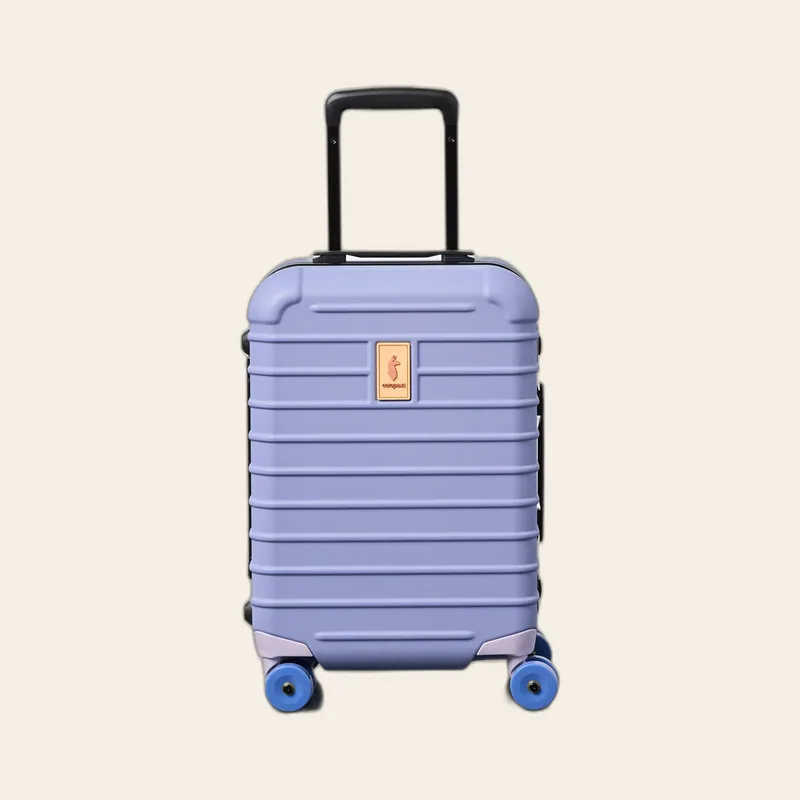
Carry-on avoids checked-bag waits and keeps your gear with you in transit.
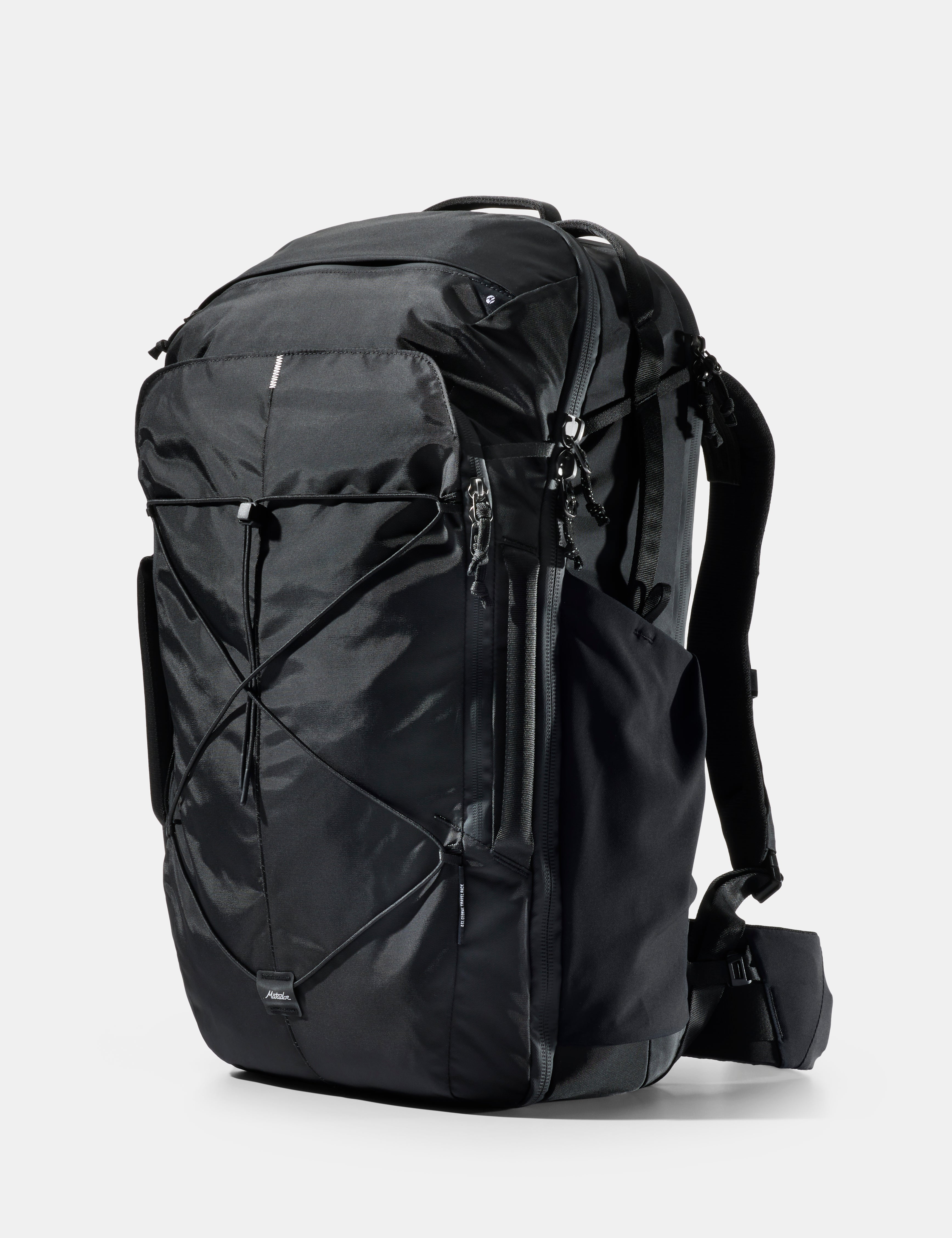
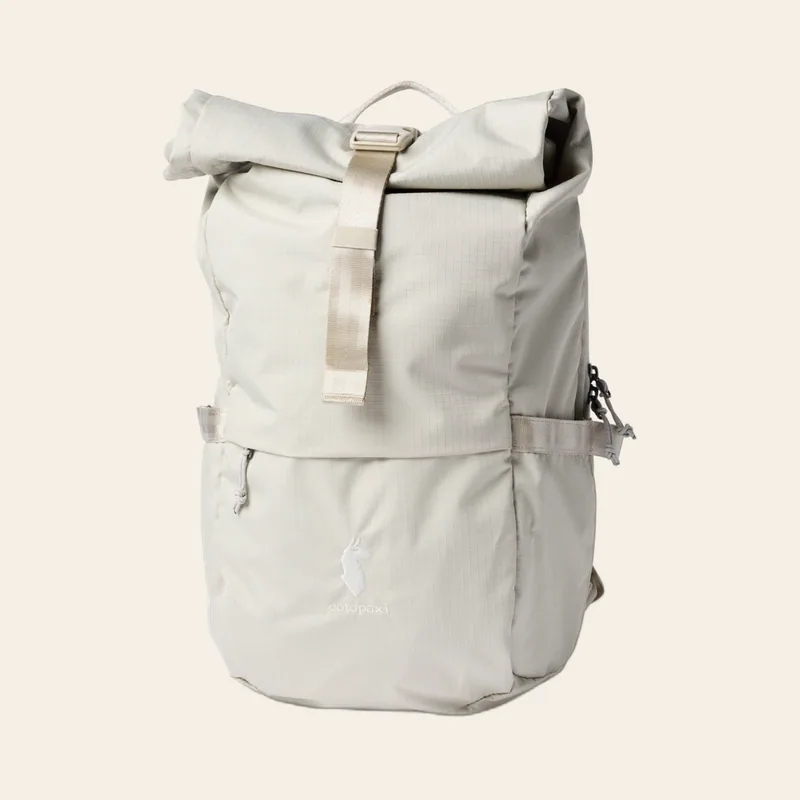
Daytrips into the desert and souks need a pack that holds water and layers.
Fits the overhead on every airline that matters. Skip the checked-bag line entirely.
Before you go
7 to sort
Recommended
17 items
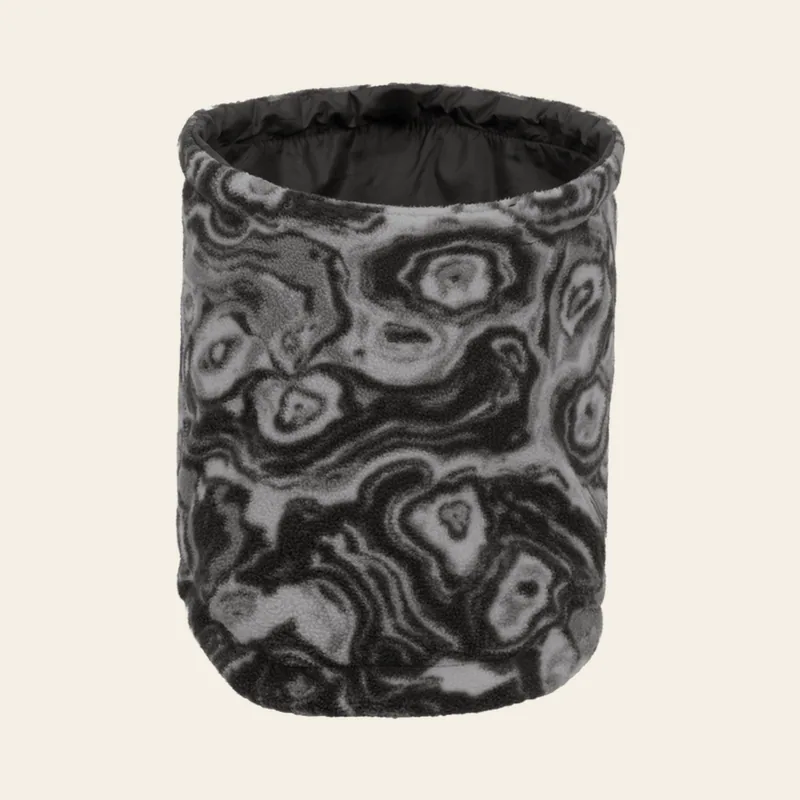
Dust storms blow through the desert at 13 km/h and coat exposed skin and hair.
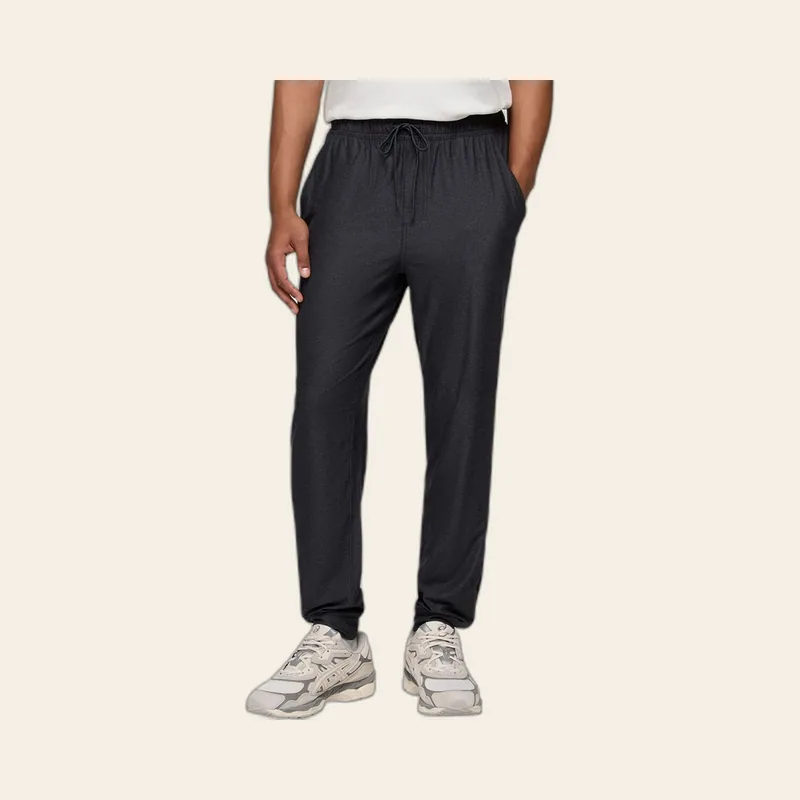
Anything heavier than linen is a mistake at 86°F.
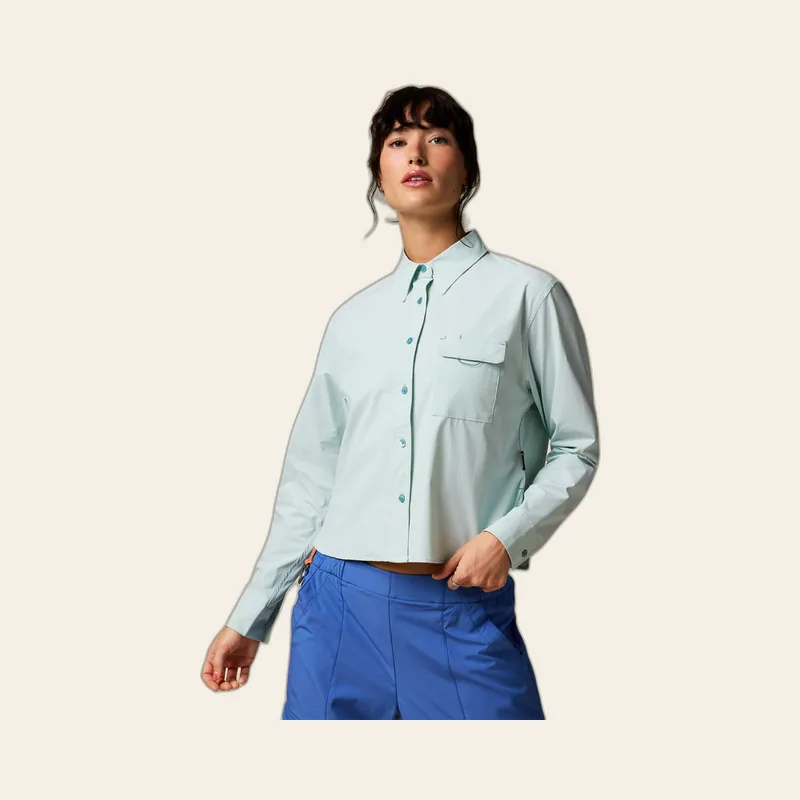
Sweat evaporates quickly in 49% humidity, so moisture-wicking fabric keeps you dry and comfortable.

For temples, mosques, and churches that check at the door.
Sand gets everywhere on desert terrain, and sport sandals let you shake it out easily.

Three rain days mean most days are dry and hot, draining fluids quickly.
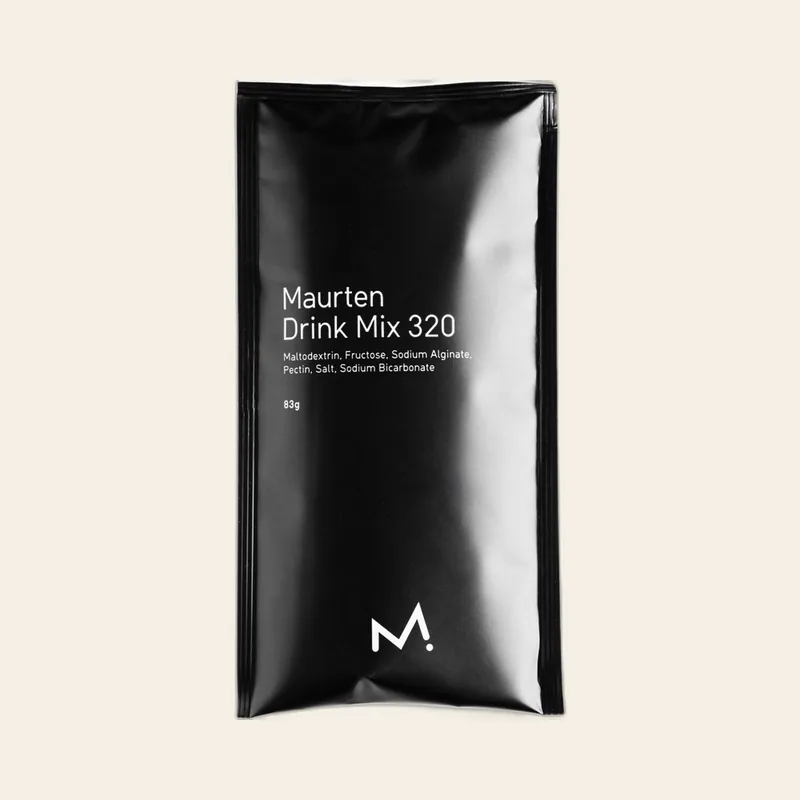
Cold water at 3pm is worth the weight.
Treat the clothes once and it lasts weeks.

Tap water isn't safe, so oral rehydration salts help if you get sick.
Eating street food and drinking bottled water creates digestive risk.
One brick charges the laptop, phone, and camera.

Hotel and cafe wifi is shared with everyone else in the building. A VPN keeps your banking and email to yourself.
Crowded souks and pickpockets make an RFID wallet worth carrying.
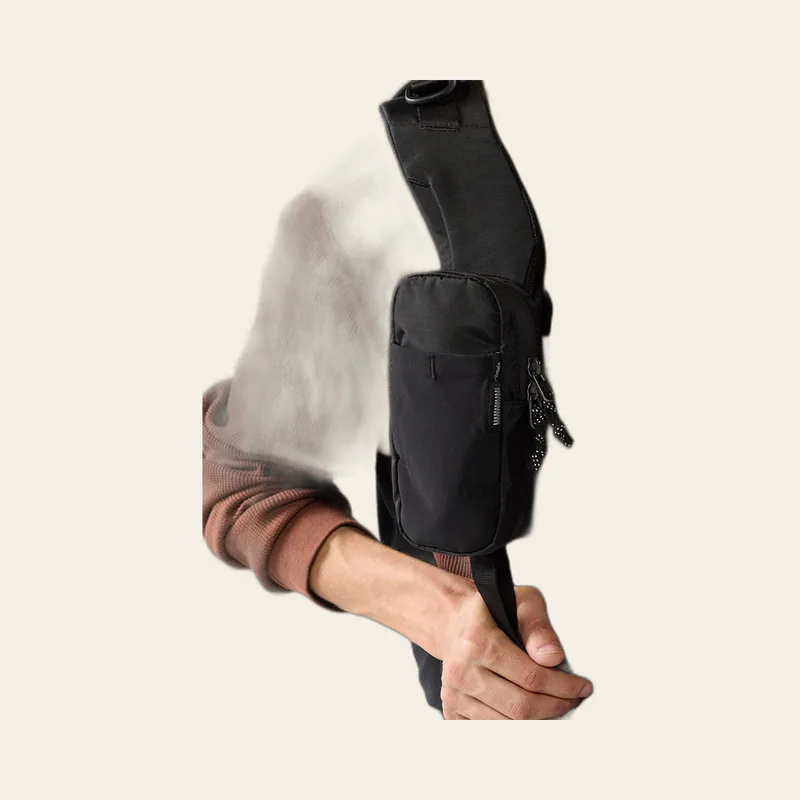
Airport transfers and medina wandering make bag tracking useful.
Sand works into everything, so cubes keep clean clothes separate from dirty ones.
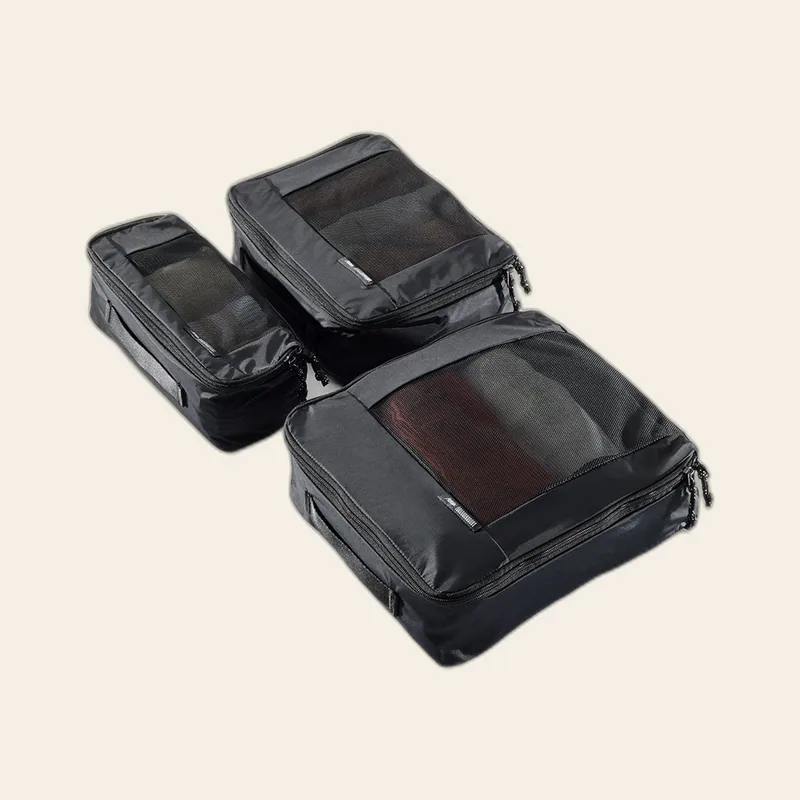
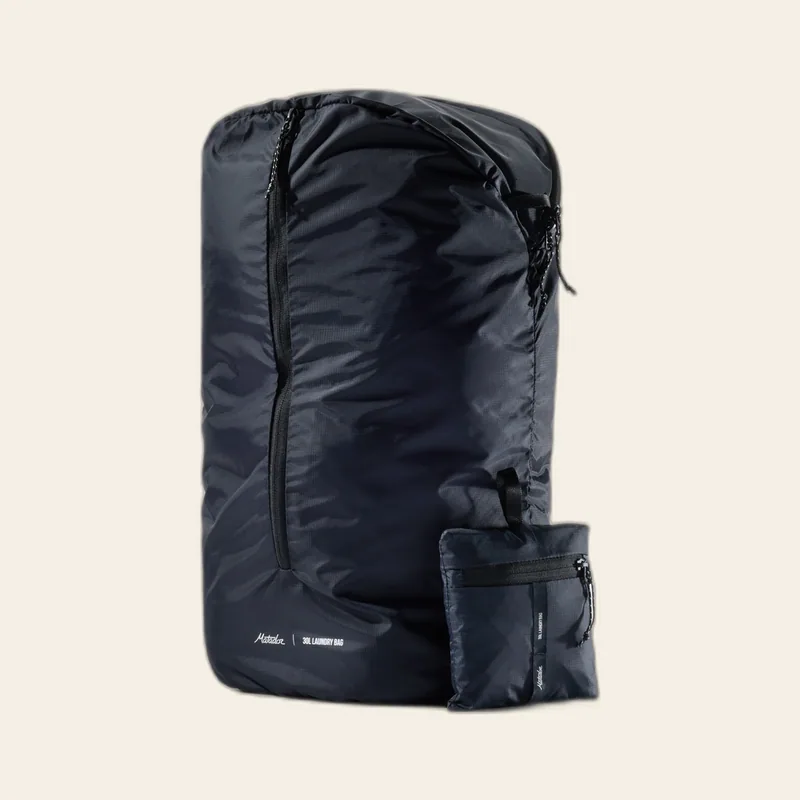
Three rain days and 11 hours of sun mean clothes dry fast but need washing often.
Crowded souks and call-to-prayer broadcasts are loud, making quiet time valuable.

Nice to have
10 items you could skip
Daytime highs reach 86°F, making shorts the practical choice for moving through the city.
Lips crack and blister at this UV level without SPF protection.
Tap water safety means hand sanitizer bridges the gap between washings.
Sun exposure and insect bites happen together, requiring relief that won't burn skin.
One outlet per room means short cables let multiple devices charge at once.
A few phrases go a long way. Ten minutes a day before you leave is plenty.
International travel requires a passport holder that resists sand and sweat.
Shared accommodation means locking your luggage when you leave the room.
Humidity and sand require hanging storage to keep toiletries organized and dry.
Guesthouse noise and early calls to prayer make a travel pillow helpful.
Basics
16 things you probably own already