Change trip
What to pack for Chile in February
Typical February, built from ten years of weather
Some links are affiliate links. It keeps the site free.
Typical for your dates
Highs 86°F, lows 61°F, rain 1 of 28 days
hothigh UVdry
Sunset lands around 8:30pm. Wind averages 10 mph. There is paperwork on this one, so start with Before you go.
0 of 56 packed
Packing for
58 things on this list are on sale today
Essentials
12 items
UV index of 11.4 burns skin in under 15 minutes without protection.

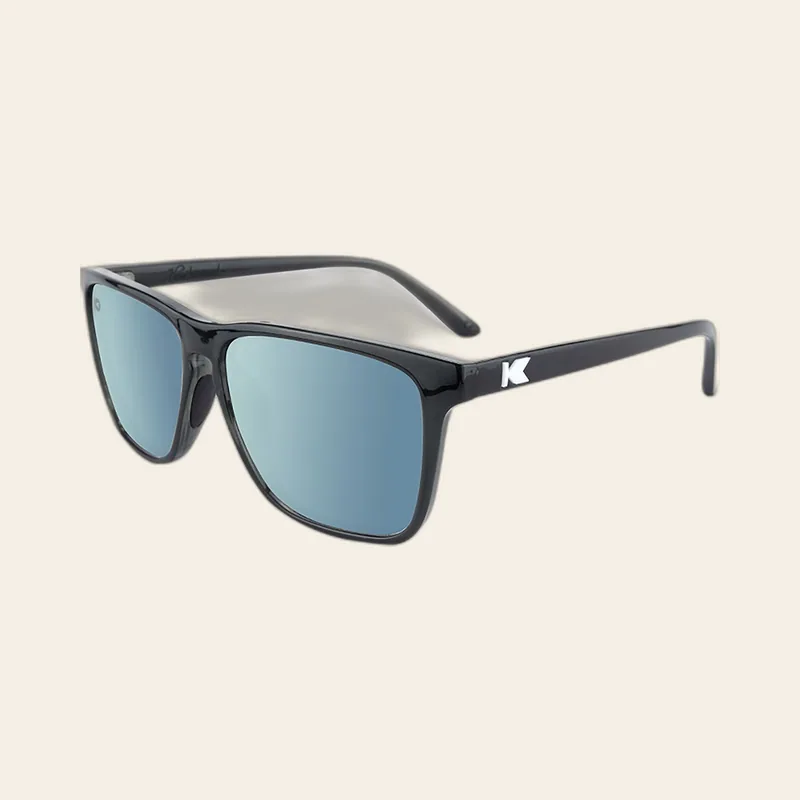
Water and mountain slopes reflect intense sun into your eyes for hours.

Check ankles and, if there's a dog, paws and ears every night.

Remote terrain and altitude mean medical help is hours away if needed.

This country runs on Type C or L. Get one with USB-C so you're not fighting over the single outlet.

Mountain guesthouses have few outlets and trekking days run 13 hours without power access.

Set it up before you land. Signal drops for long stretches outside cities.

Mountain park access and coastal routes span weeks, so carry enough for multiple climates in one bag.
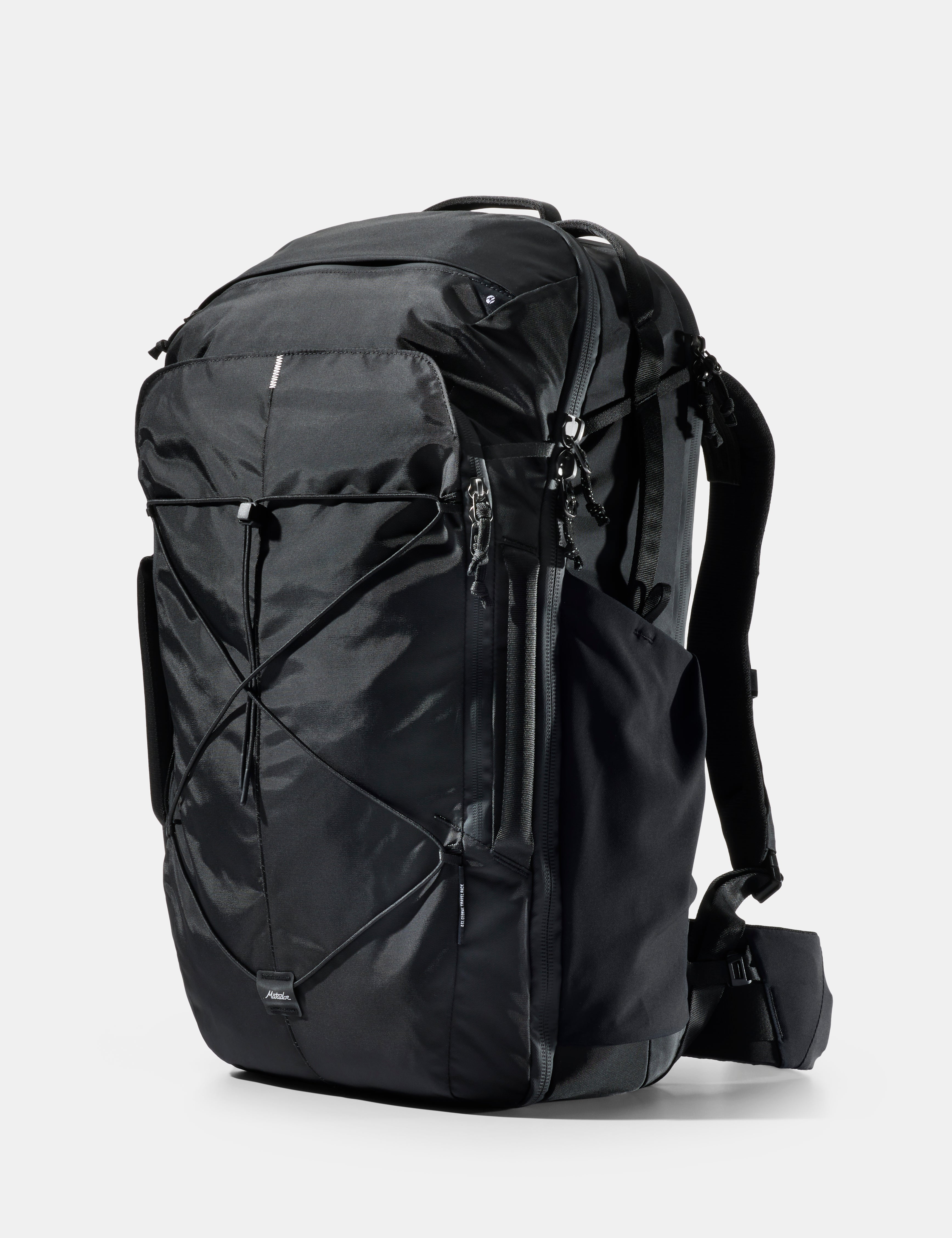
Day treks from base camps need water, layers, and sun gear without a full pack.
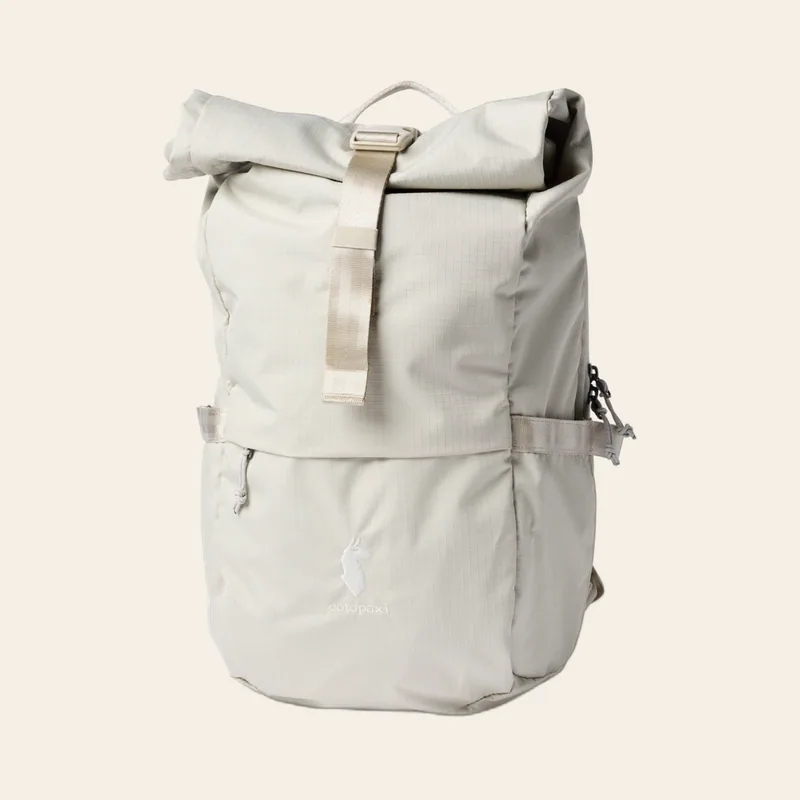
Fits the overhead on every airline that matters. Skip the checked-bag line entirely.
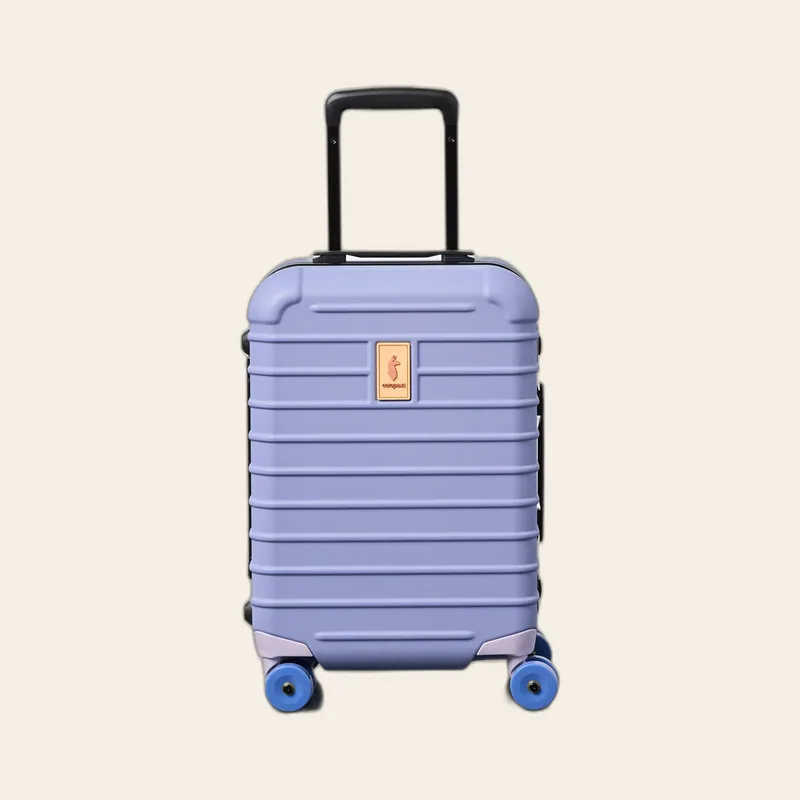
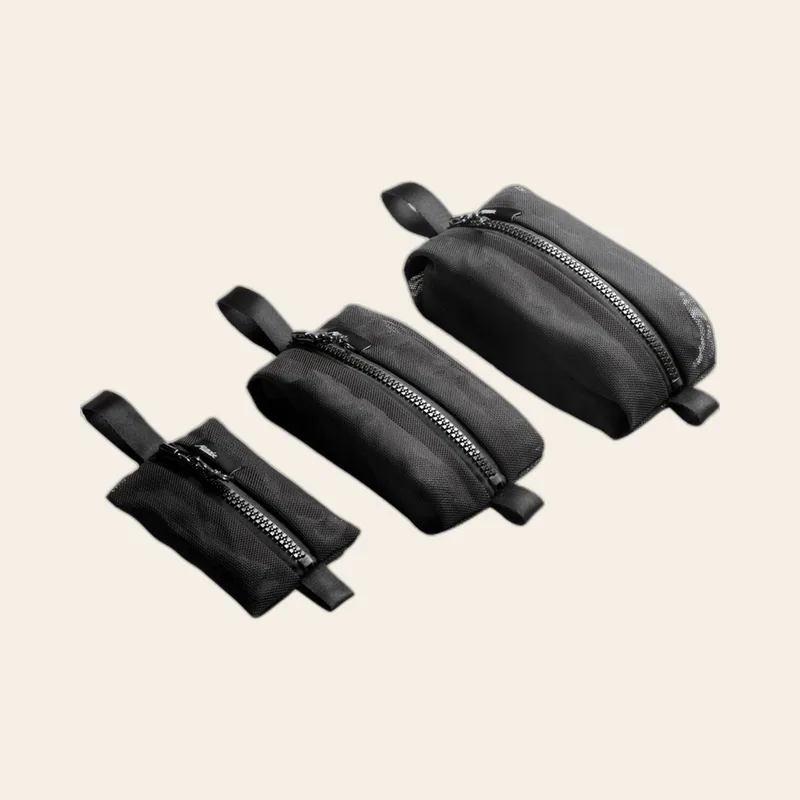
For the passport, the chargers, and the one dry pair of socks.
Before you go
7 to sort
SafetyWing Nomad Insurance, Month-to-month cover you can start after you leave
Going, Cheap cash fares, emailed when they droppoint.me, Finds the flight your points will actually book
AllTrails, Download your trails before you lose signal.
Recommended
17 items
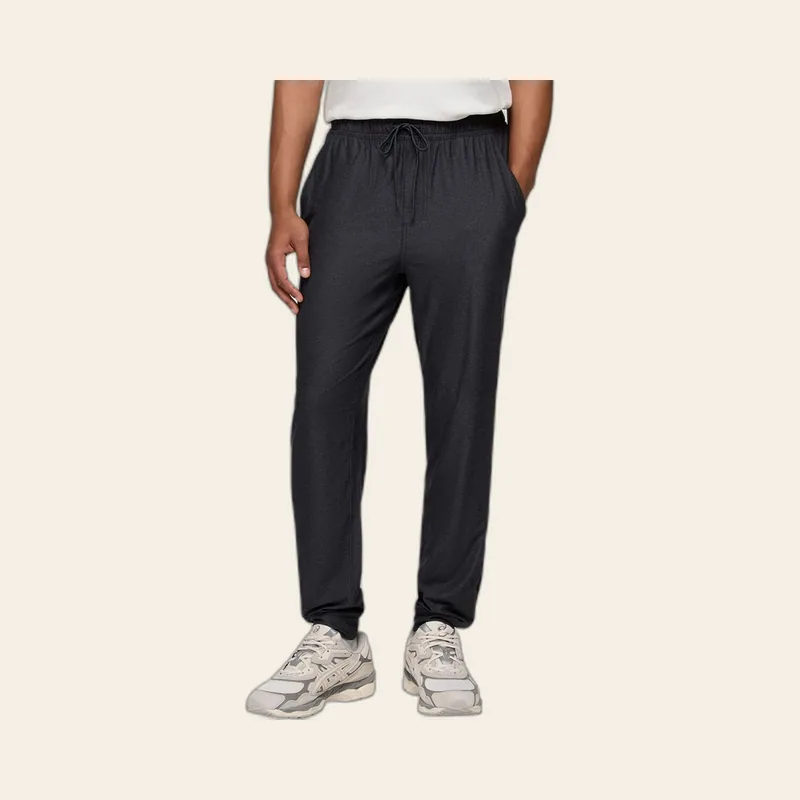
Anything heavier than linen is a mistake at 86°F.
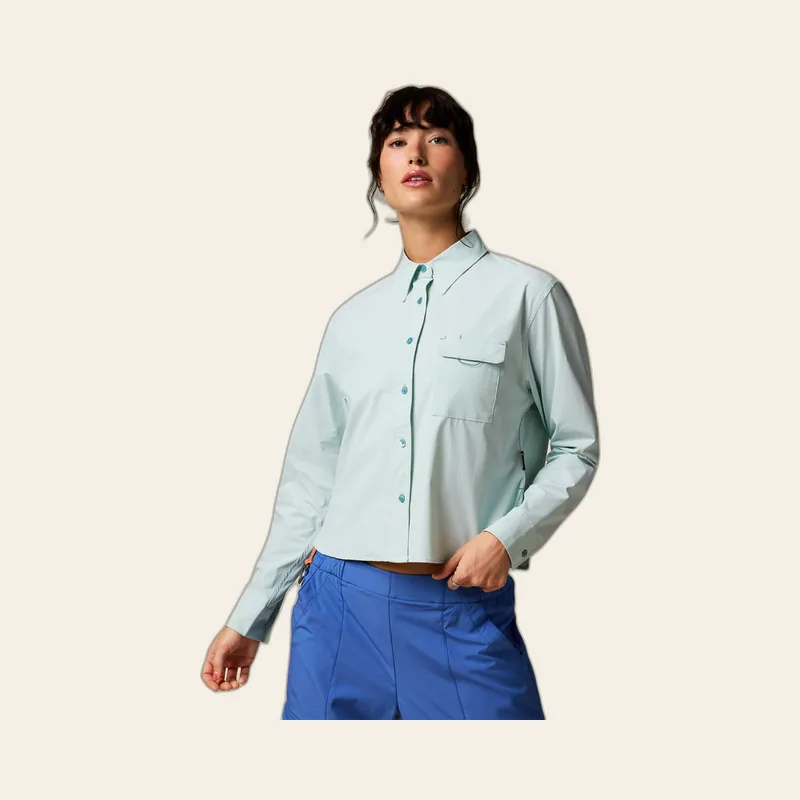
Heat and low rainfall mean sweat dries fast, but moisture-wicking keeps skin from chafing during mountain hikes.

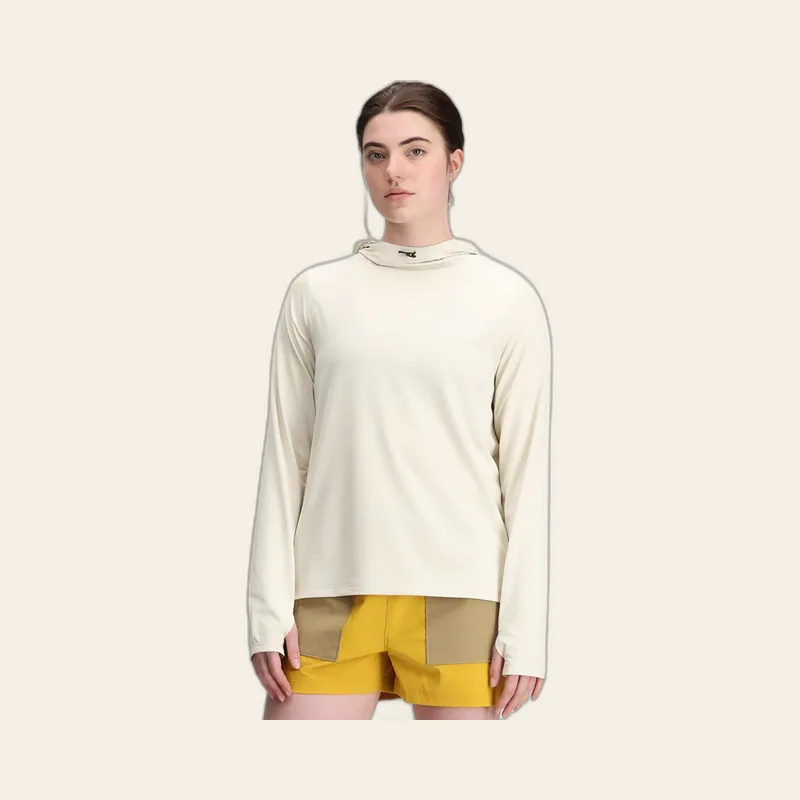
UV hits 11.4 here. Long sleeves beat reapplying sunscreen every hour.
Coastal access and warm temperatures make swimming viable most days in February.

Rocky terrain and coastal trails require secure footwear that sheds water quickly.

Thirteen hours of daylight at high altitude means prolonged exposure to UV rays.

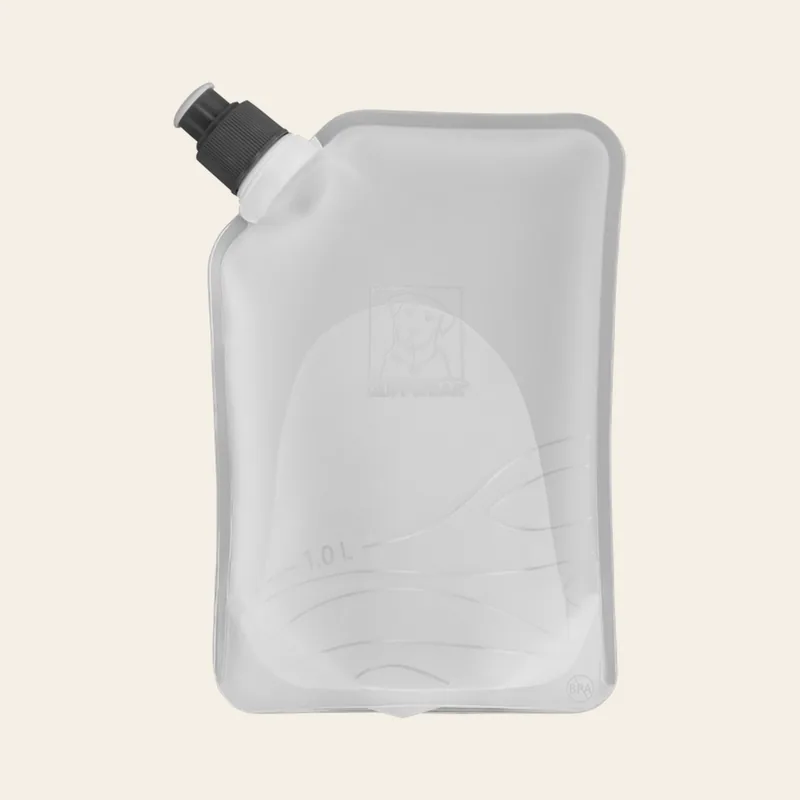
Cold water at 3pm is worth the weight.

Treat the clothes once and it lasts weeks.

One rain day means water sources are reliable, but carrying reserves prevents dehydration at altitude.
One brick charges the laptop, phone, and camera.

Hotel and cafe wifi is shared with everyone else in the building. A VPN keeps your banking and email to yourself.
International travel and mountain trailheads increase the risk of bag loss or theft.
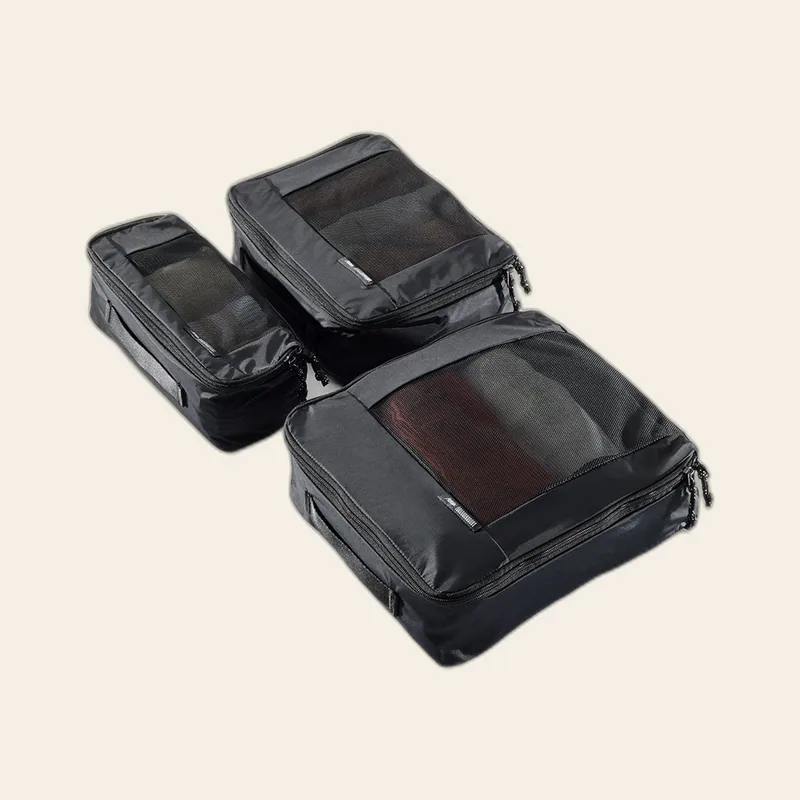
Multiple terrain types and temperature ranges require organized clothing separation within limited luggage.
Coastal proximity and mountain streams create splash and rain hazards for electronics.

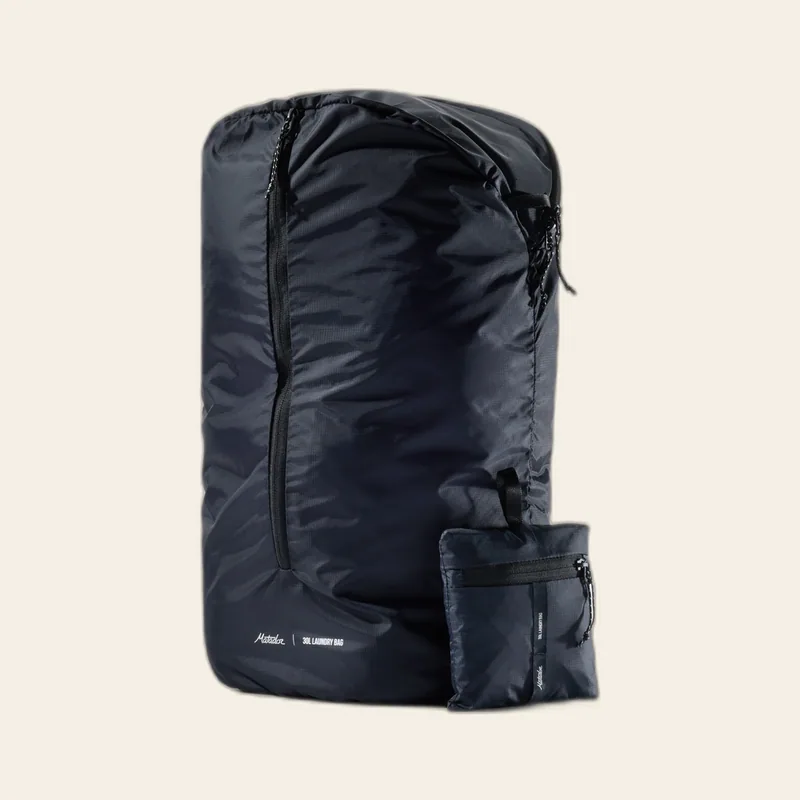
Extended stays at guesthouses without laundry service mean rewearing clothes becomes necessary.
Mountain roads wind for hours and airport terminals run loud, disrupting sleep before early starts.

Steep mountain slopes and rocky terrain require poles to reduce joint strain over multiple days.

Nice to have
11 items you could skip
Highs near 86°F call for legs uncovered during daytime mountain exploration.
Lips at altitude and near water face both wind and UV damage.
Winding mountain roads and coastal drives trigger nausea in sensitive travelers.
Tap water is safe but hands touch animals, soil, and shared surfaces.
High UV index makes insect bites itch worse and scar more visibly.
Extended hiking and coastal days drain phones faster than a single outlet can replace.
A few phrases go a long way. Ten minutes a day before you leave is plenty.
Border crossing into Chile requires passport documentation kept separate from luggage.
International travel and shared accommodations make bag security essential throughout the trip.
Long bus rides and basic guesthouse beds make neck support valuable for rest.
Basics
16 things you probably own already