Change trip
What to pack for Cairo in August
Typical August, built from ten years of weather
Some links are affiliate links. It keeps the site free.
Typical for your dates
Highs 100°F, lows 75°F, rain 0 of 31 days
hotwindyhigh UV
Sunset lands around 7:35pm. Wind averages 11 mph. There is paperwork on this one, so start with Before you go.
0 of 57 packed
Packing for
48 things on this list are on sale today
Essentials
12 items
UV index hits 11.6, high enough to burn skin in under fifteen minutes.

Reflected glare off sand and stone strains eyes in intense sunlight.
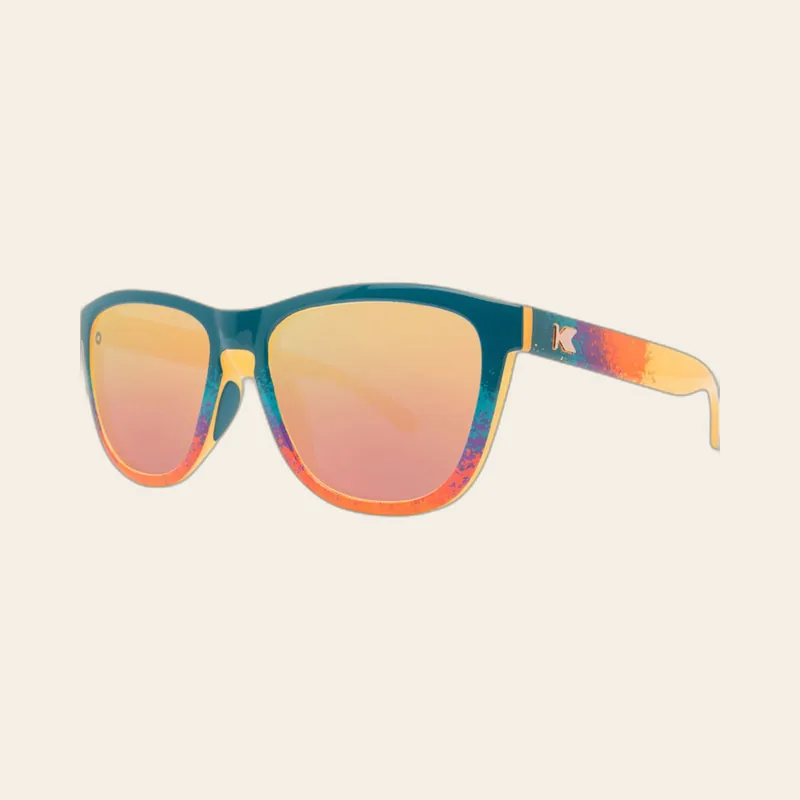
Nile mosquitoes carry dengue and malaria, active through the long summer nights.

Check ankles and, if there's a dog, paws and ears every night.
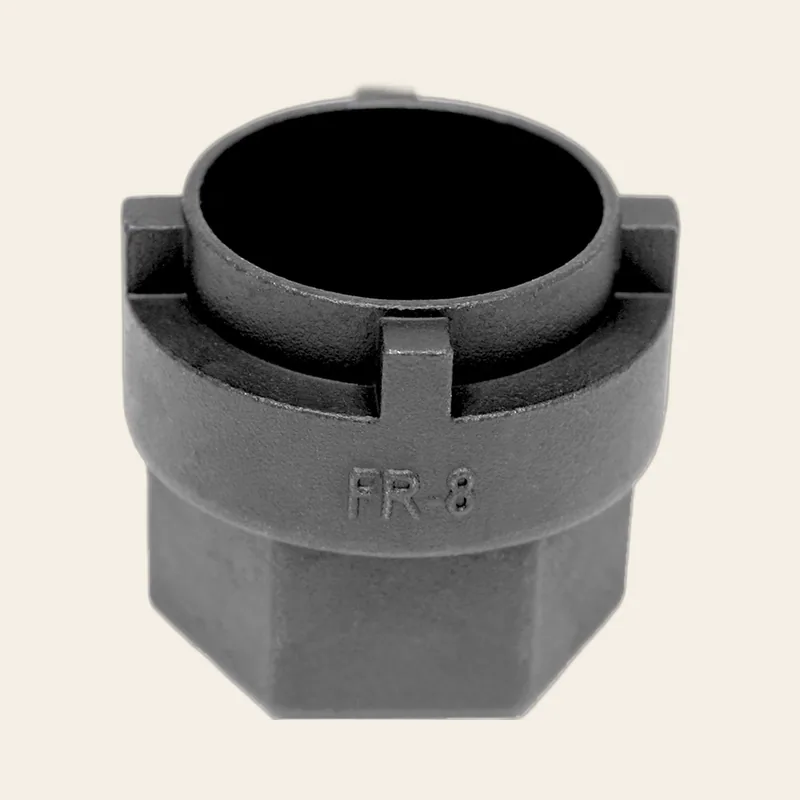
Heat exhaustion, dehydration, and insect bites are common in August Cairo.

Tap water isn't safe here. A filter bottle beats buying plastic twice a day.

This country runs on Type C or F. Get one with USB-C so you're not fighting over the single outlet.

Thirteen hours of daylight drain phone batteries fast, especially with navigation apps.

Set it up before you land. Signal drops for long stretches outside cities.

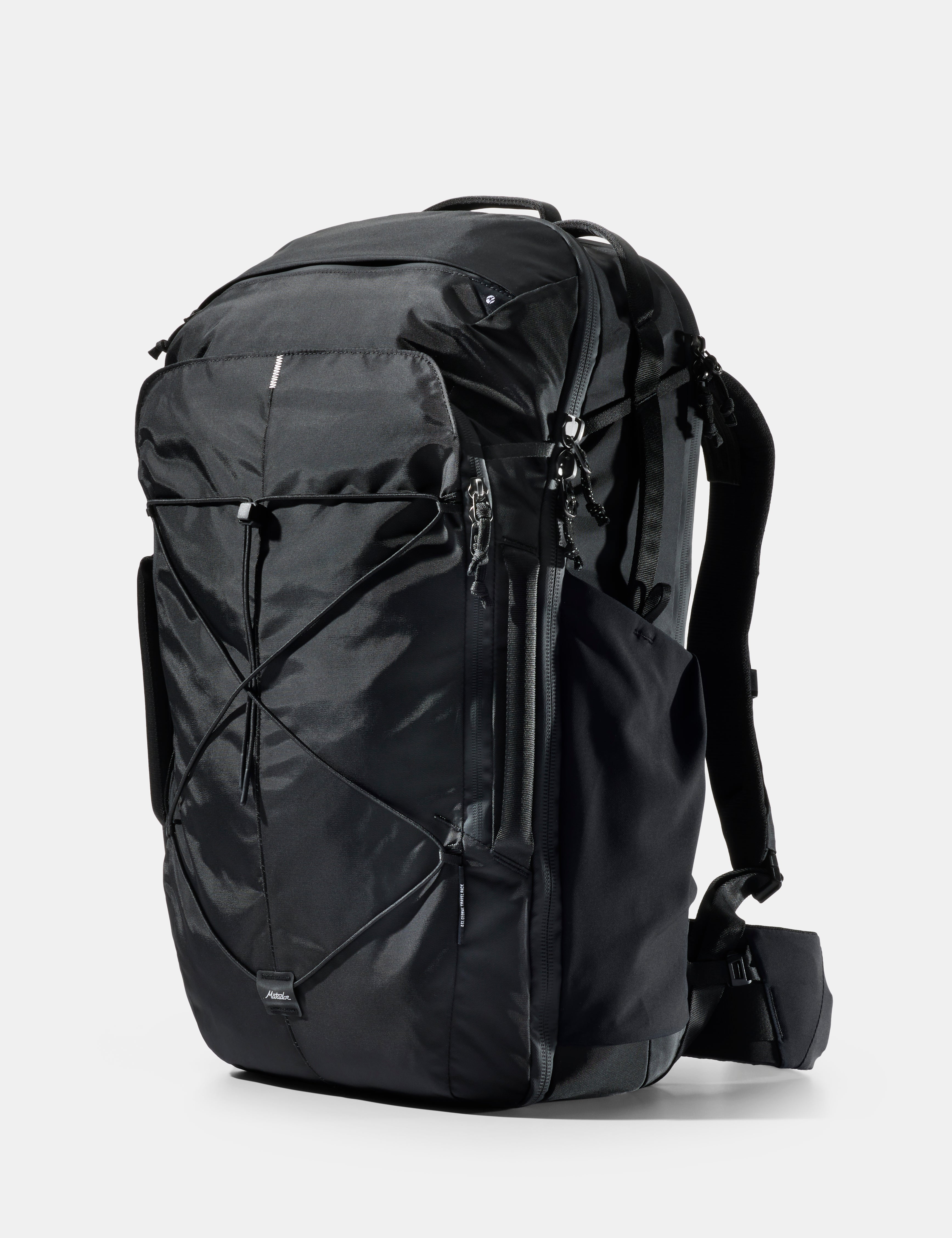
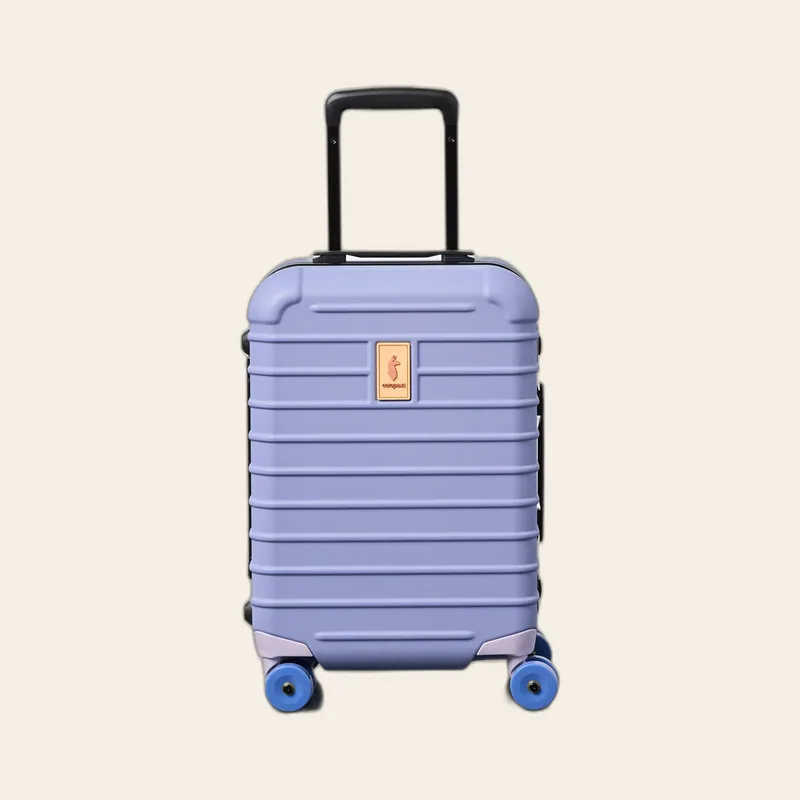
Overhead bins fill fast on regional flights, and checked bags cost extra.
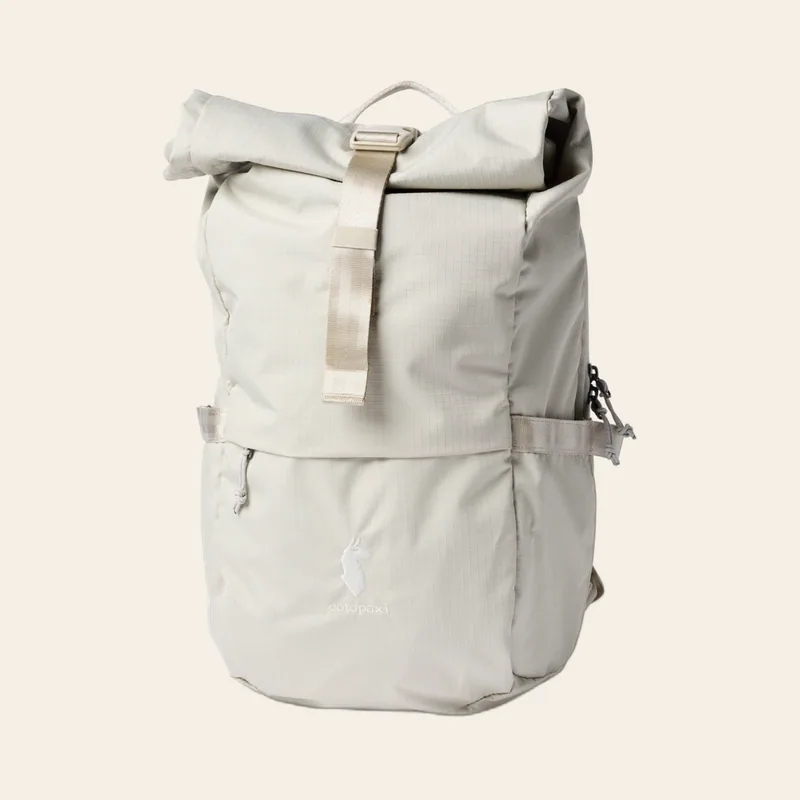
Day trips to pyramids and museums mean you carry water, sun protection, and a camera.
Fits the overhead on every airline that matters. Skip the checked-bag line entirely.
Before you go
9 to sort
SafetyWing Nomad Insurance, Month-to-month cover you can start after you leave
Going, Cheap cash fares, emailed when they droppoint.me, Finds the flight your points will actually book
AllTrails, Download your trails before you lose signal.
Recommended
19 items
Sand and wind blow hard across open desert, coating exposed skin and eyes.
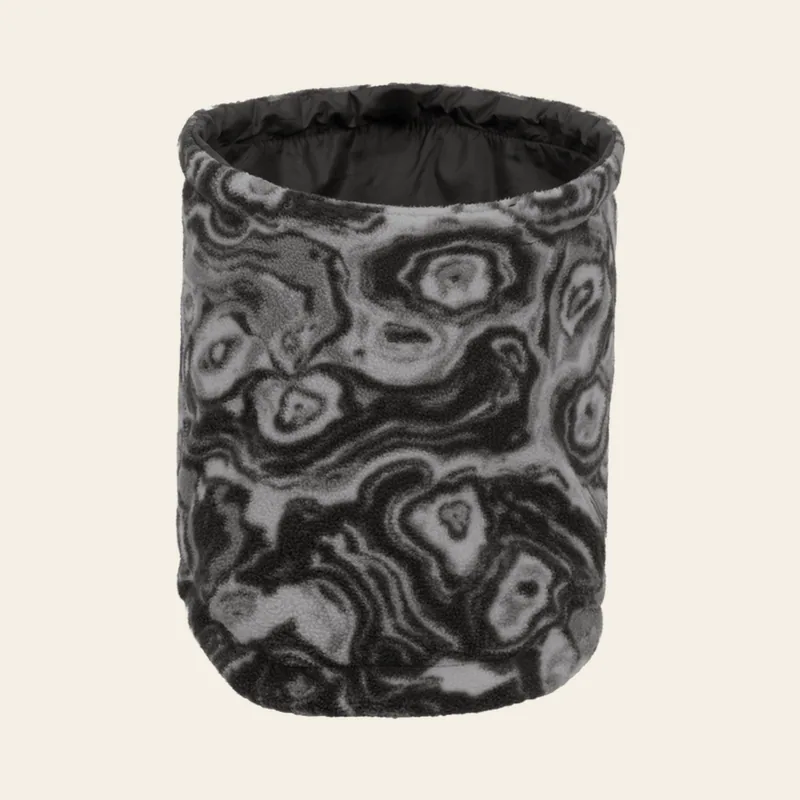
Anything heavier than linen is a mistake at 100°F.
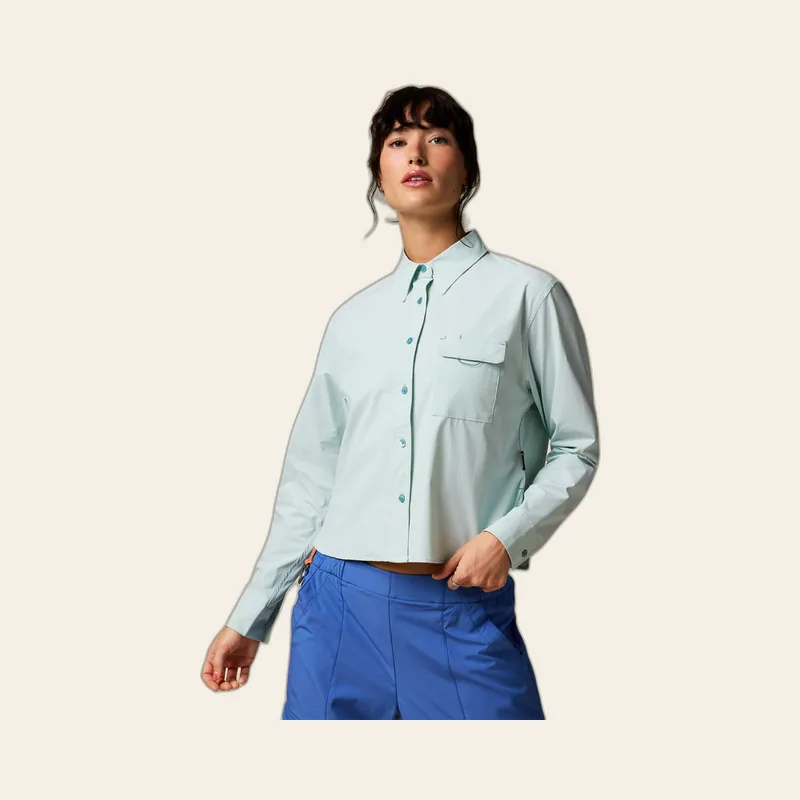
Sweat dries fast in 47 percent humidity, but the salt stays behind on fabric.

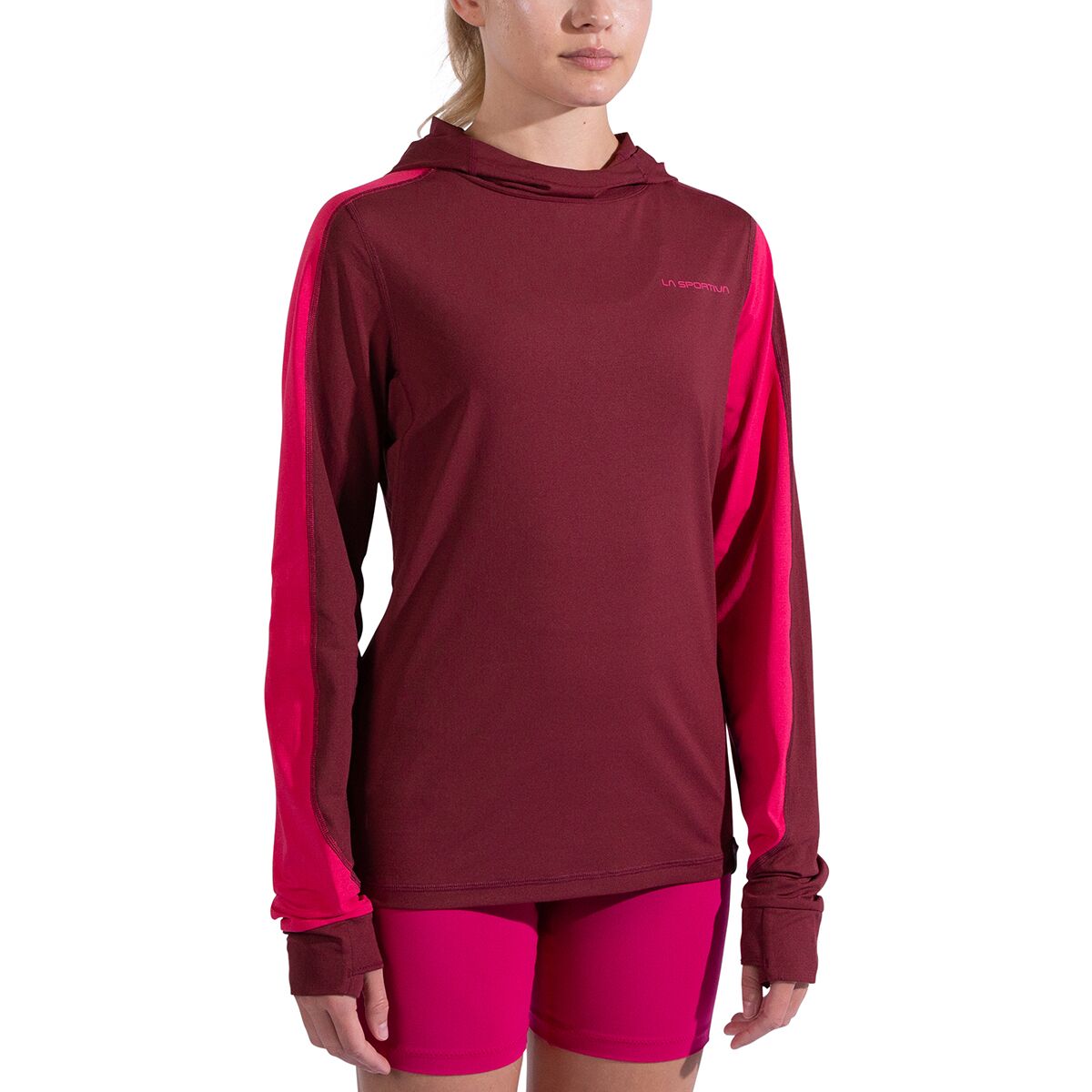
UV hits 11.6 here. Long sleeves beat reapplying sunscreen every hour.
For temples, mosques, and churches that check at the door.
Walking on hot sand and stone for hours requires footwear that breathes.
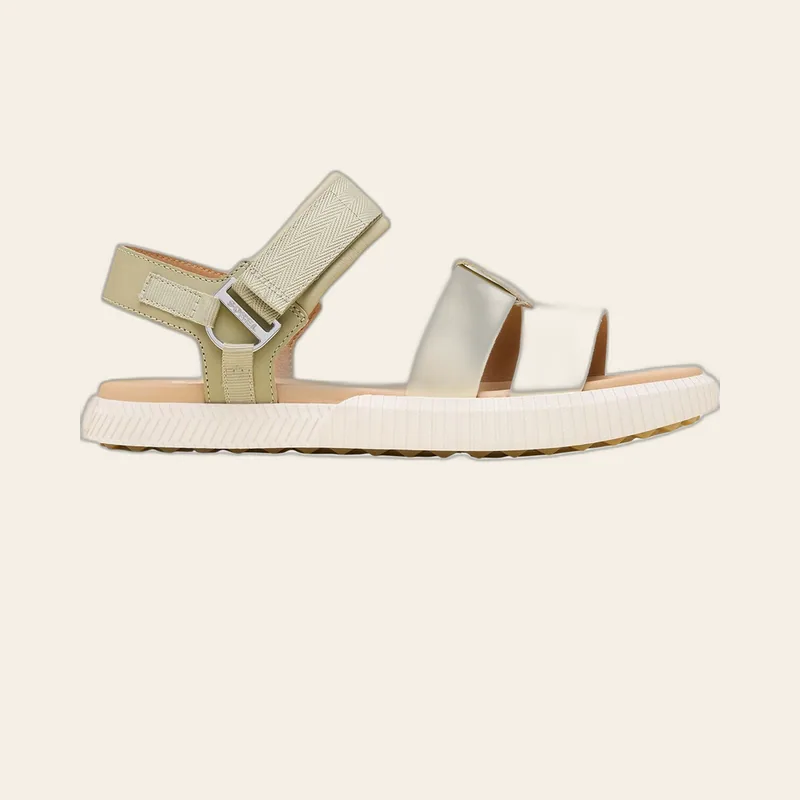
Thirteen hours of direct sun daily means constant exposure to extreme radiation.

The heat and low humidity pull moisture from your body faster than thirst signals.
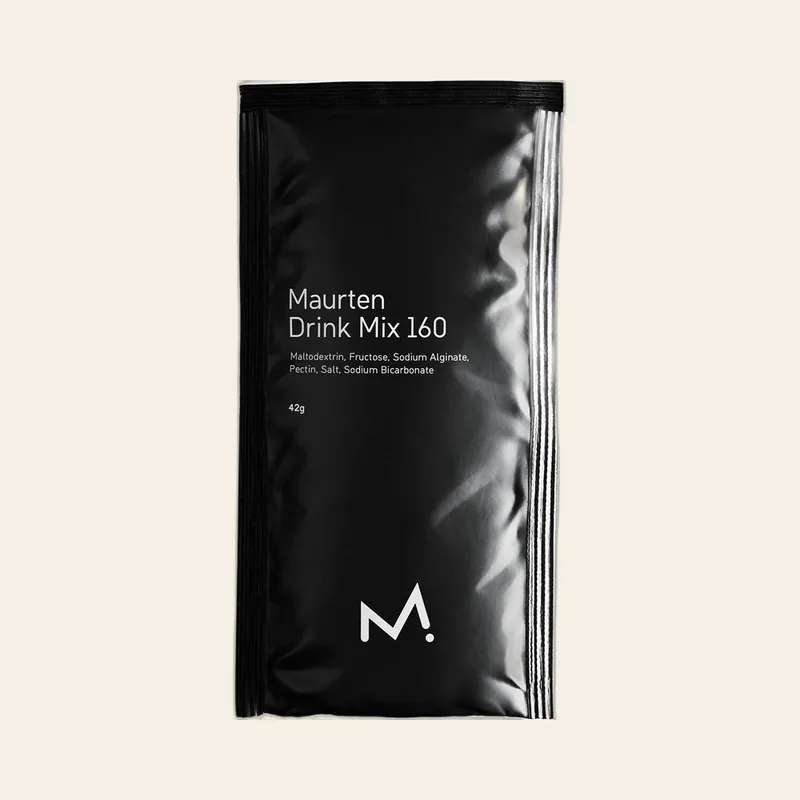
Cold water at 3pm is worth the weight.
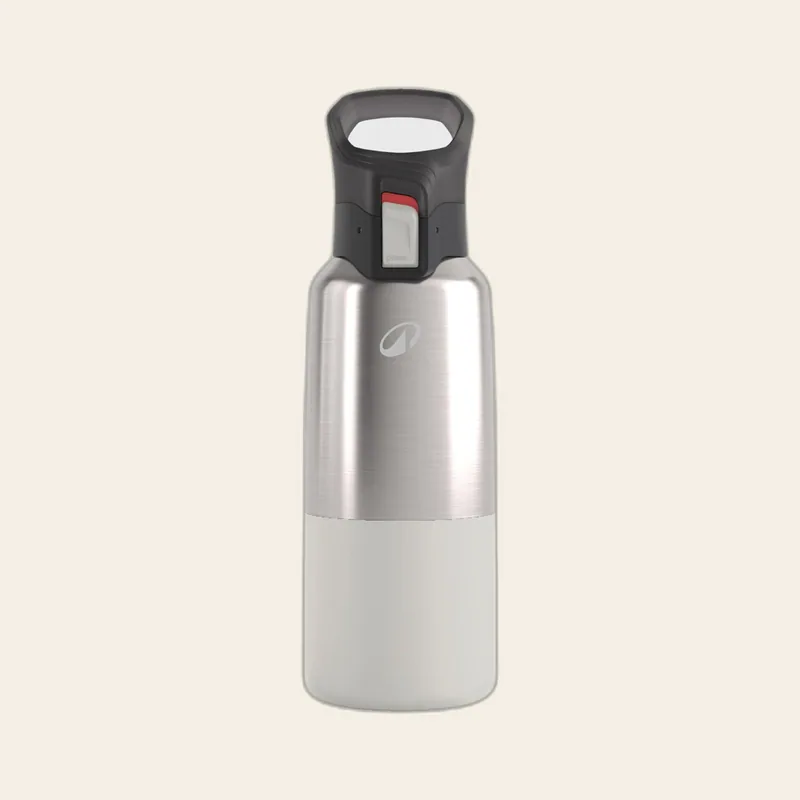
Treat the clothes once and it lasts weeks.

Tap water triggers severe gastroenteritis in visitors unaccustomed to local microbes.
Traveler's diarrhea strikes hard in places where water safety is uncertain.
One brick charges the laptop, phone, and camera.

Hotel and cafe wifi is shared with everyone else in the building. A VPN keeps your banking and email to yourself.
Crowded markets and transit hubs attract pickpockets working the tourist routes.
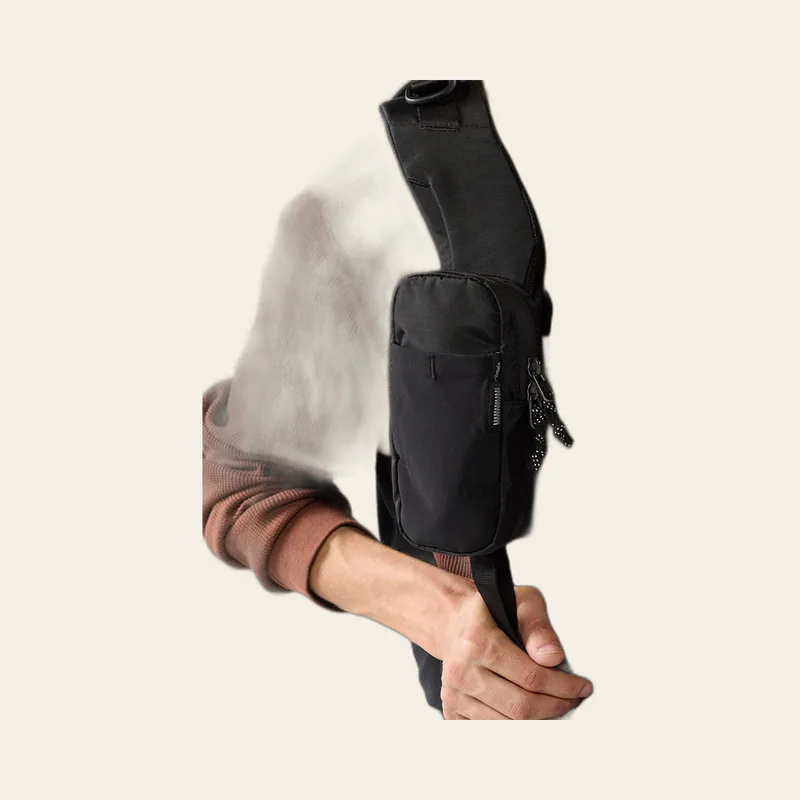
Airport and hotel staff handle bags roughly, and items go missing.
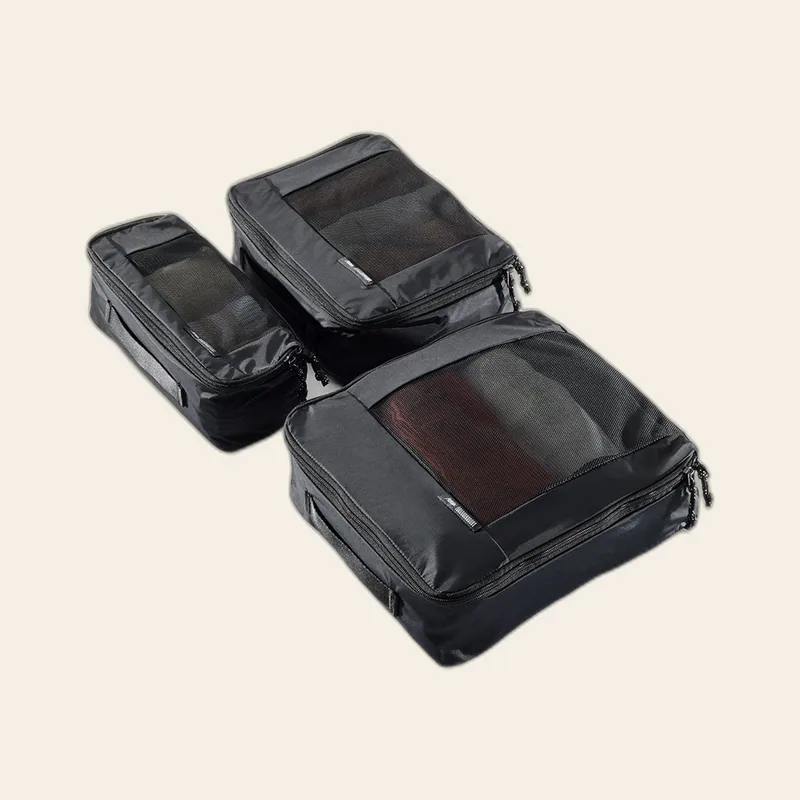
Dry desert air won't wrinkle clothes, but organized packing saves space.
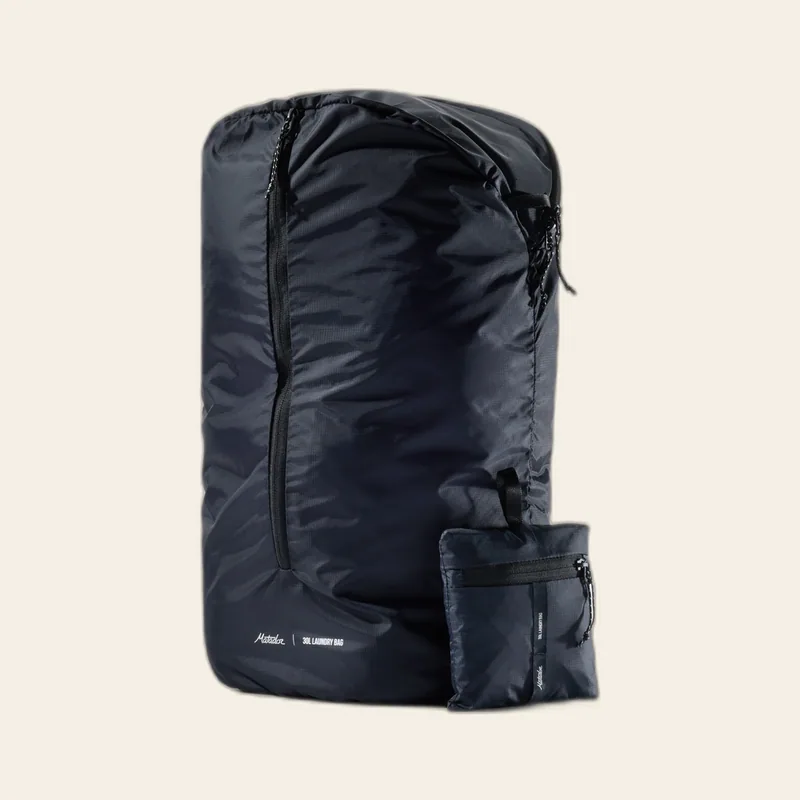
Laundry dries in hours in the heat, cutting the need for many changes.
Crowded streets and call to prayer five times daily mean constant noise.

Nice to have
10 items you could skip
Highs of 100°F demand bare legs, and long pants trap lethal heat.
Lips crack and peel in dry desert air and intense UV exposure.
Tap water isn't safe and surfaces collect bacteria in the heat.
Sunburned skin swells and itches, making any insect bite worse.
One outlet per guesthouse and dozens of devices means cables stay plugged in.
A few phrases go a long way. Ten minutes a day before you leave is plenty.
Officials check documents at checkpoints, borders, and archaeological sites throughout the country.
Shared guesthouse rooms and luggage racks require locks to protect valuables.
Humidity stays low, so mold doesn't grow on damp toiletries.
Hotel beds are hard and pillows are thin across budget and mid-range places.
Basics
16 things you probably own already