Change trip
What to pack for Banff and Lake Louise in January
Typical January, built from ten years of weather
Some links are affiliate links. It keeps the site free.
Typical for your dates
Highs 14°F, lows 3°F, rain 9 of 31 days
snowyfreezingcold
Sunset lands around 6:00pm. Wind averages 7 mph. There is paperwork on this one, so start with Before you go.
0 of 55 packed
Packing for
65 things on this list are on sale today
Essentials
16 items
Lows around 3°F. Goes under the shell when the wind picks up.
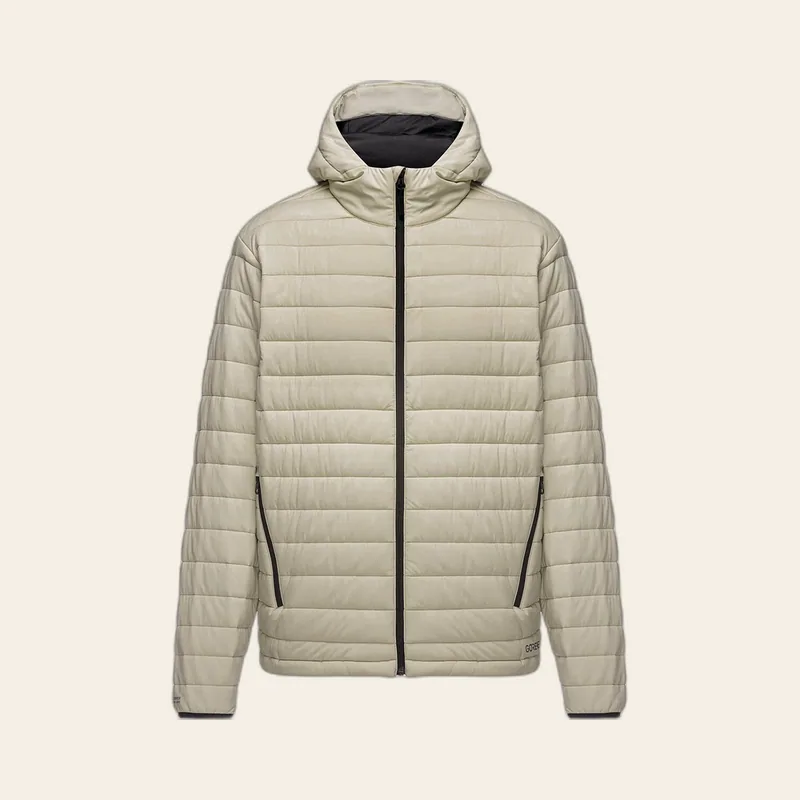
Highs below freezing. A puffy alone won't do it.

Wear one, dry one. Cotton stays wet all week here.

Lows drop to 3°F and wind chill makes exposed skin numb within minutes.

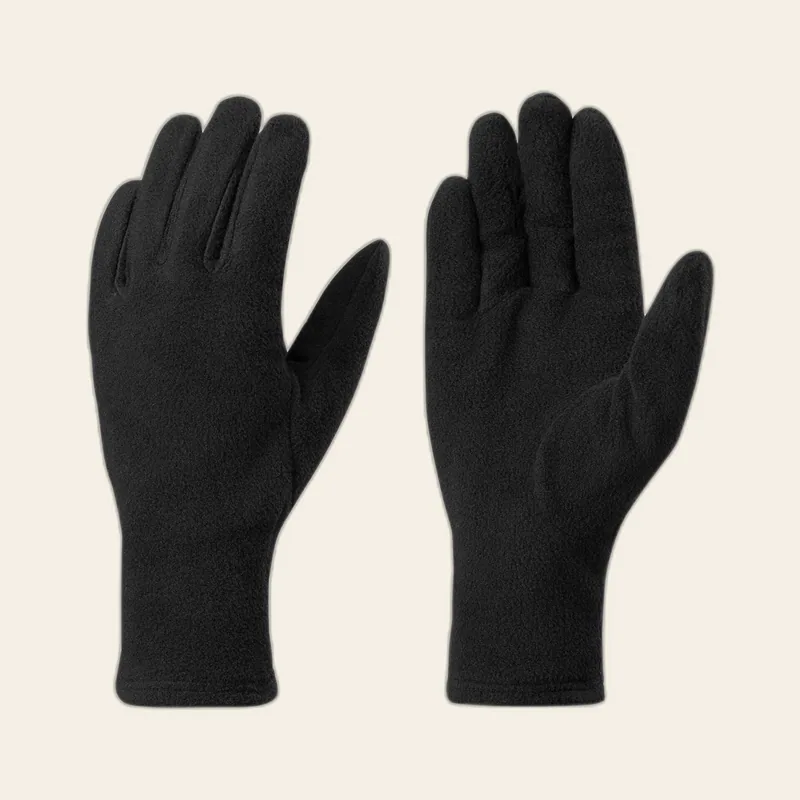
Bare hands freeze in 3°F air, especially on chairlifts and during photography.
New boots plus snow and altitude of 2126 meters means blisters on steep terrain.
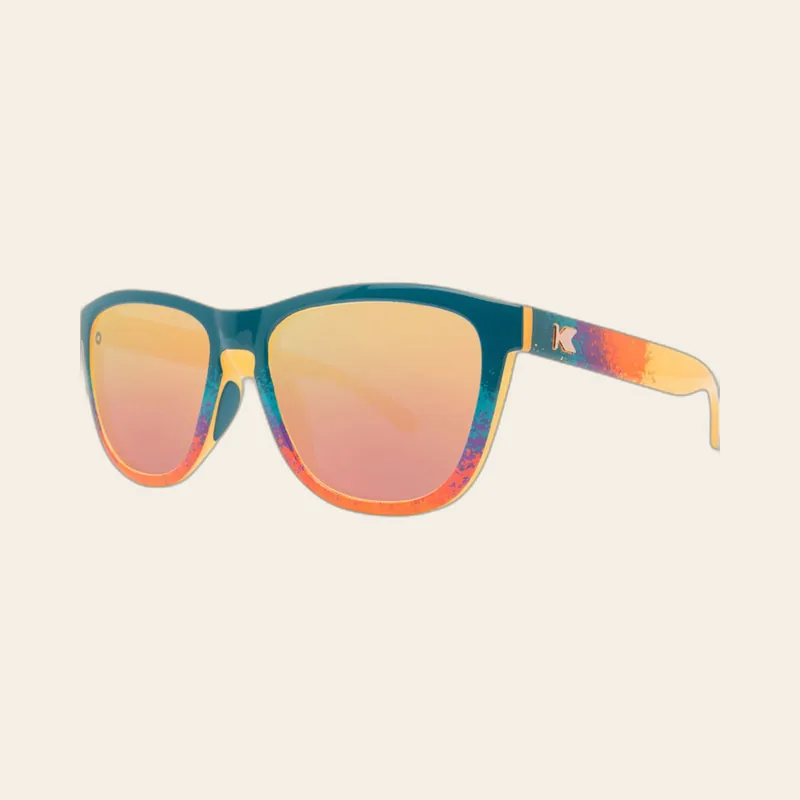
Reflection off snow at this altitude intensifies UV even when the index reads low.
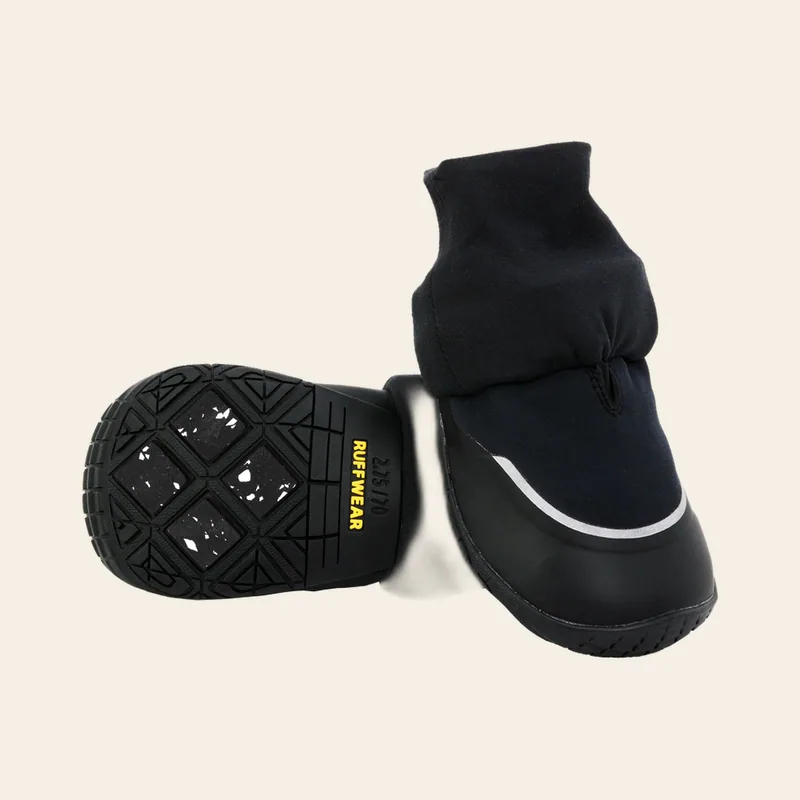
Check ankles and, if there's a dog, paws and ears every night.
Altitude sickness hits some people at 2126 meters, and slips on ice send others to clinics.

Eight hours of daylight and cold drain phone batteries twice as fast as normal.

Set it up before you land. Signal drops for long stretches outside cities.

Dark by 6:00pm. Every campsite chore after that is a two-hands job.
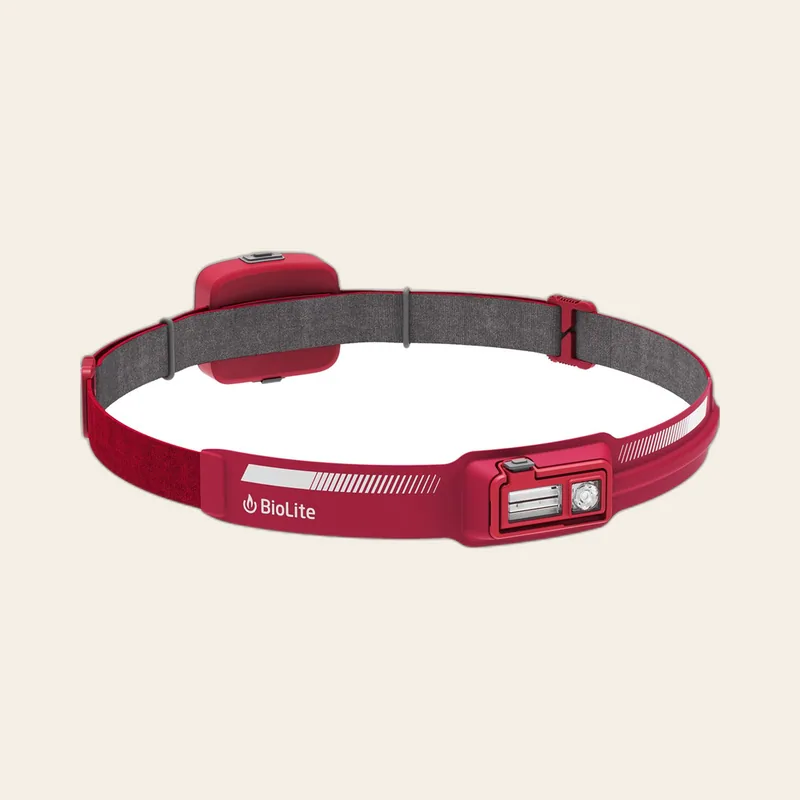
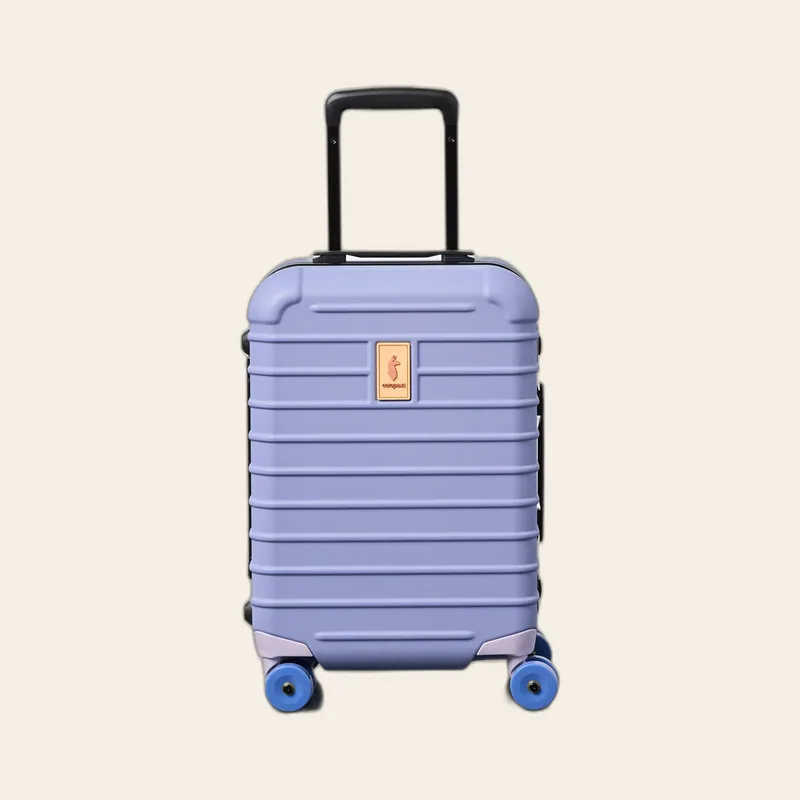
Overhead bins on flights to Canada fill fast, so pack light and carry on.
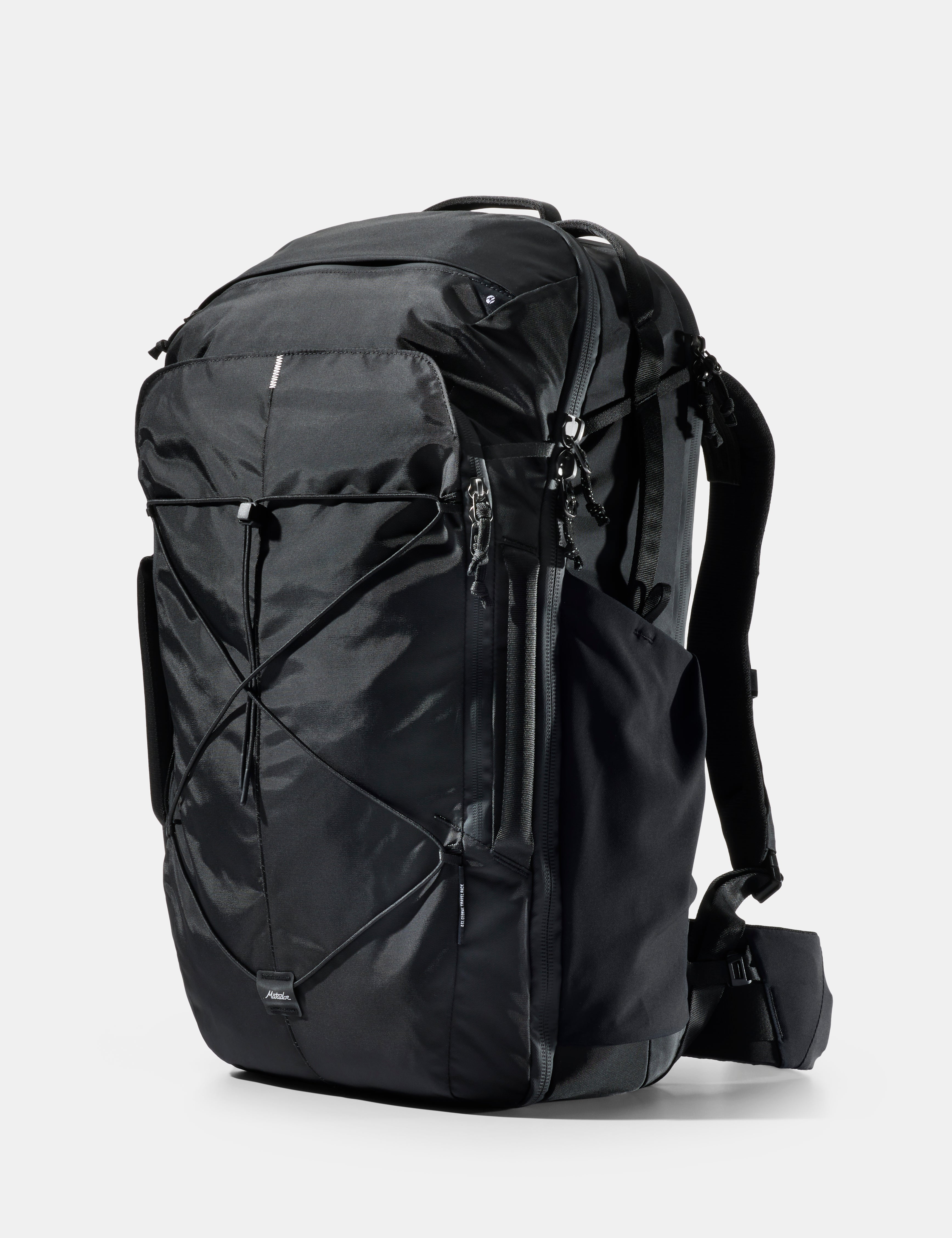
Day hikes from Lake Louise mean carrying layers, water, and a map without a backpack.
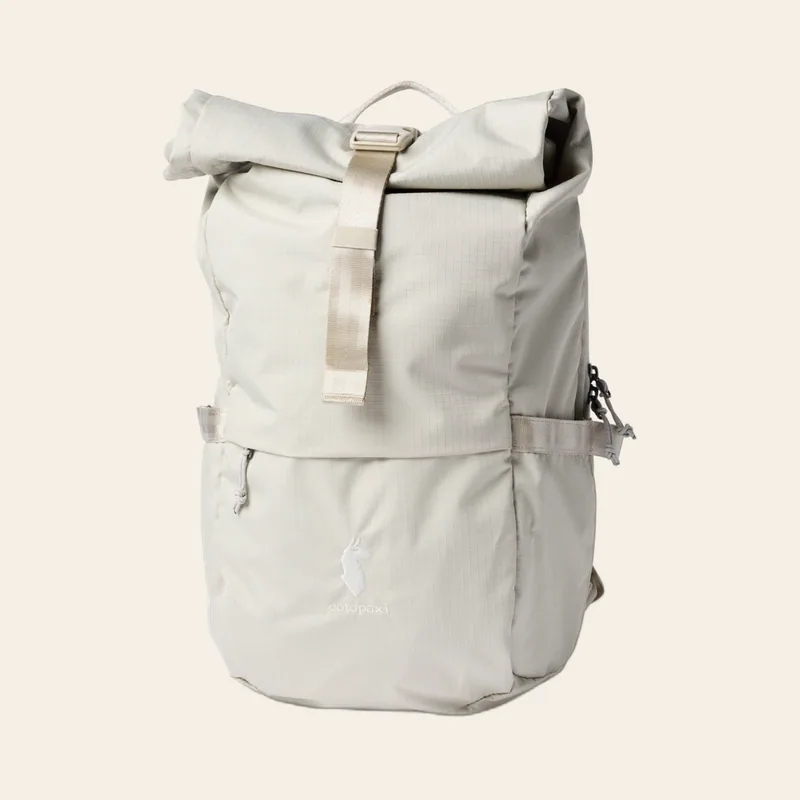
Fits the overhead on every airline that matters. Skip the checked-bag line entirely.
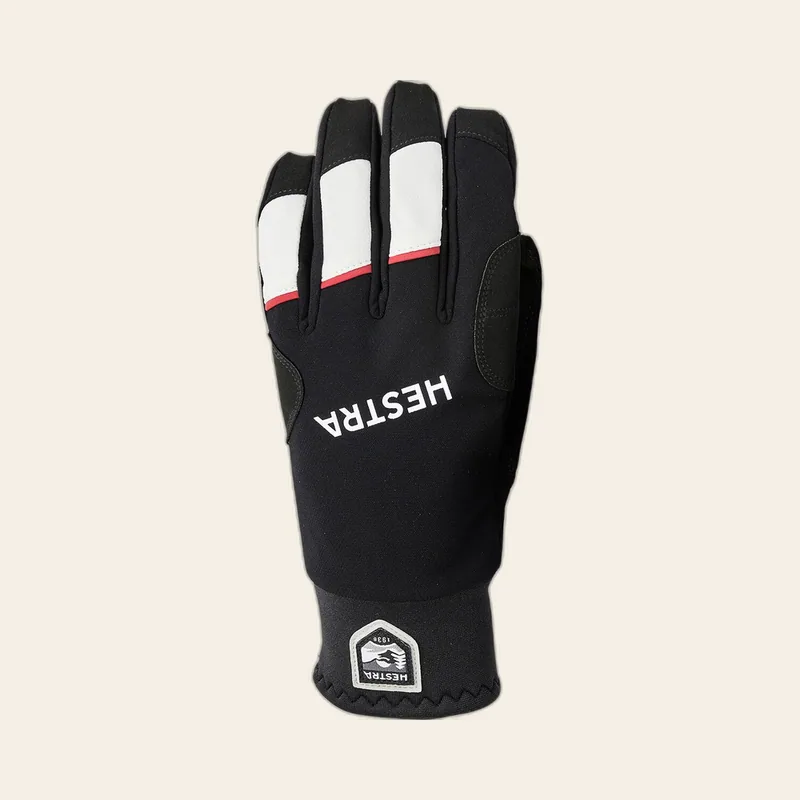
Regular gloves soak through in snow, and wet fingers go numb in minutes.

Before you go
5 to sort
SafetyWing Nomad Insurance, Month-to-month cover you can start after you leave
Going, Cheap cash fares, emailed when they droppoint.me, Finds the flight your points will actually book
AllTrails, Download your trails before you lose signal.
Recommended
13 items
For the mornings and the nights.

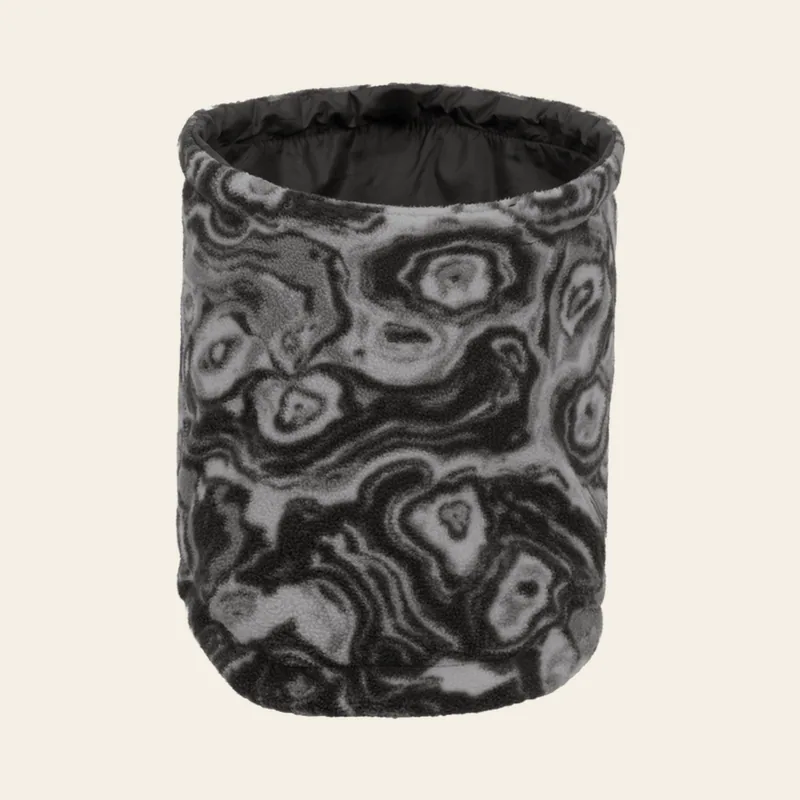
Wind at 12 km/h cuts through face protection, so layered coverage matters.
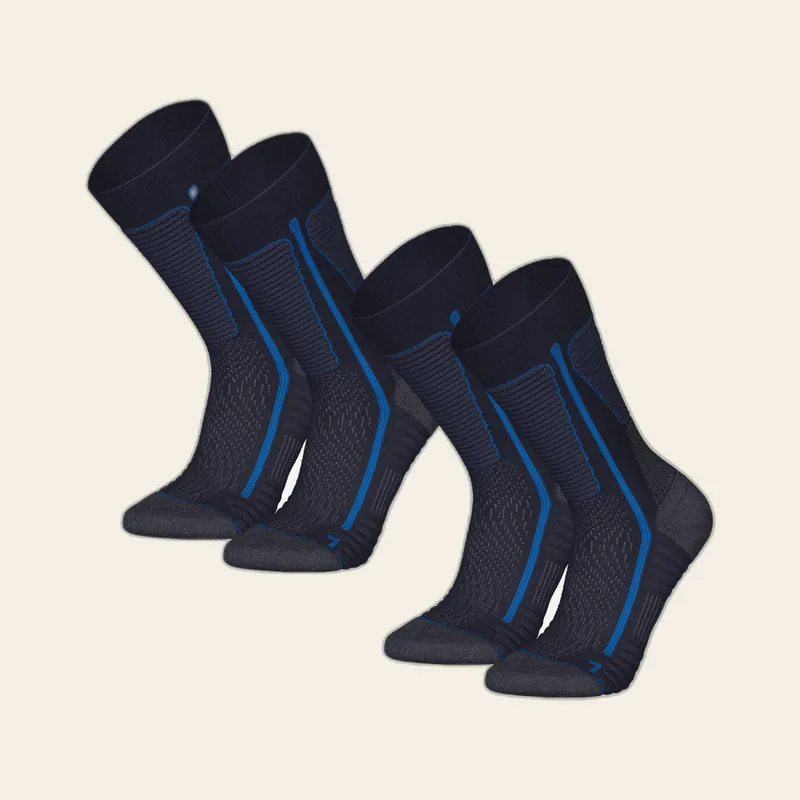
Snow and ice mean wet feet from day one without insulation between boot and ground.
Tap water is safe but a bottle keeps you hydrated at altitude where dehydration sneaks up.

One brick charges the laptop, phone, and camera.

Hotel and cafe wifi is shared with everyone else in the building. A VPN keeps your banking and email to yourself.
International travel and checked bags crossing borders benefit from tracking.
Winter gear takes volume, so rolling duffels pack more than soft bags.

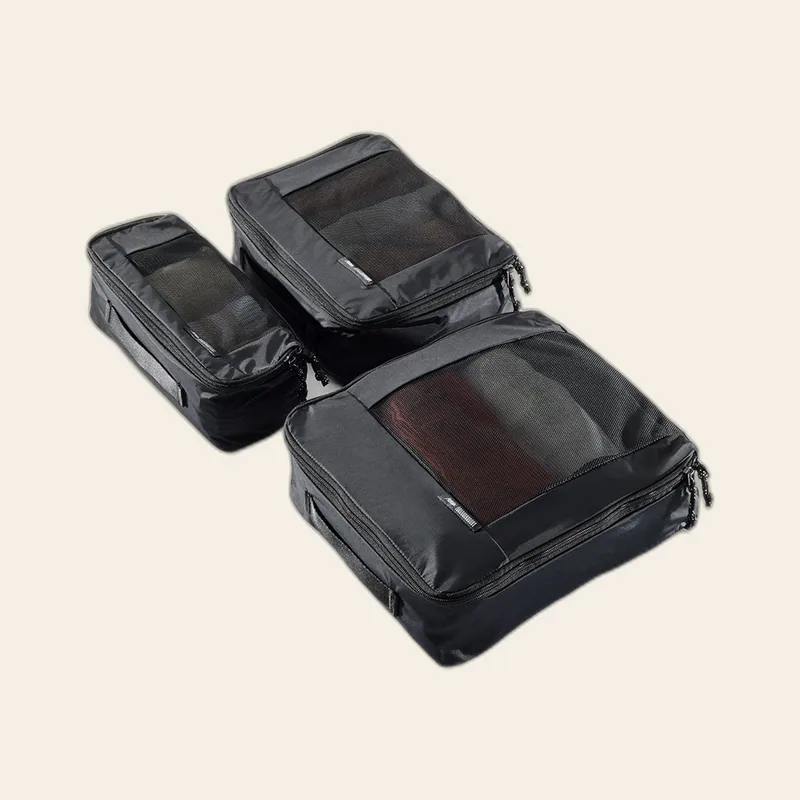
Packing cubes compress bulky insulation and separate clean from damp gear.
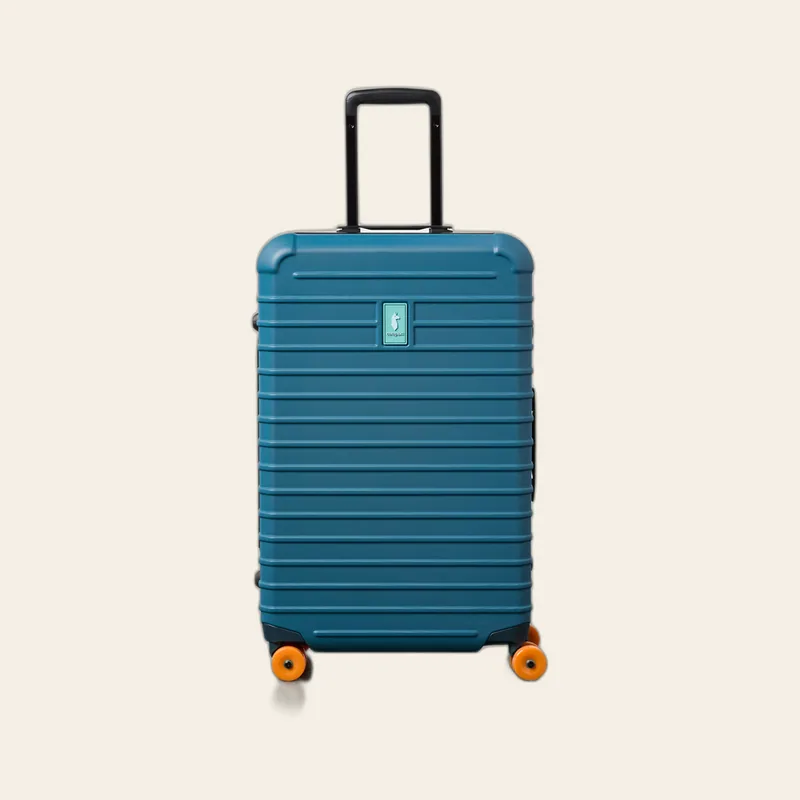
Checked suitcases hold the bulk of winter coats and boots for two weeks.
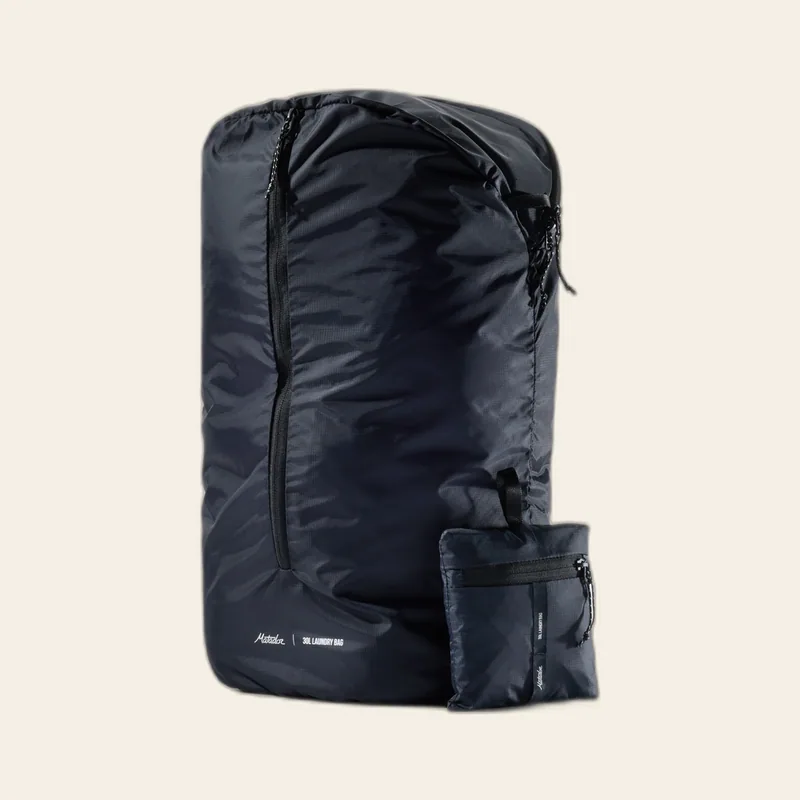
Humidity at 85 percent and sweat from exertion mean clothes need washing twice a week.
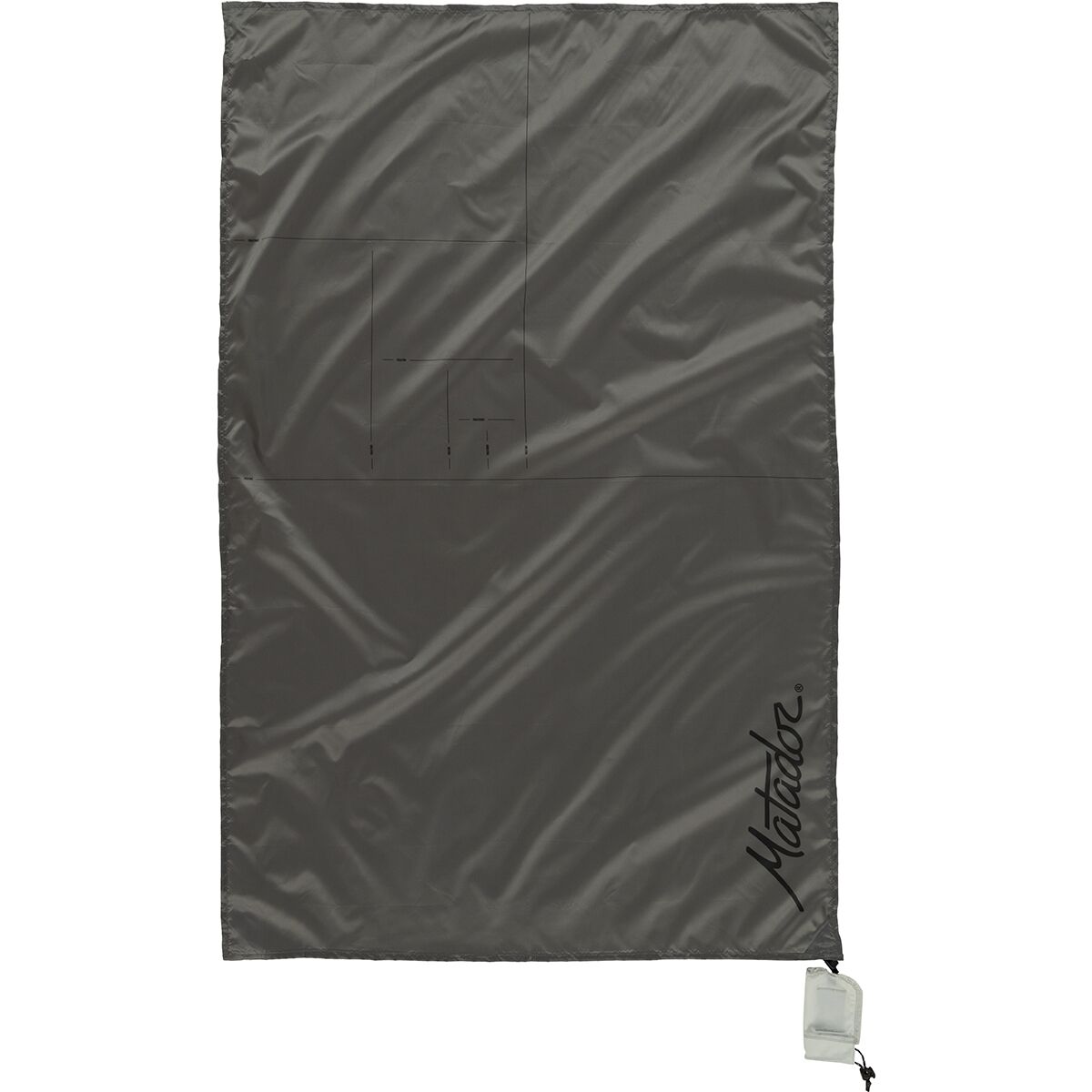
Lows around 3°F. One blanket that packs small covers the car, the campsite and the beach at sunset.
Single-track snow trails and steep slopes around Lake Louise demand traction and balance aids.

Nice to have
10 items you could skip
Snow works into boots at the ankle where gaiters seal the gap.
Thin air and snow glare burn lips raw by afternoon, SPF blocks it.
Winding mountain roads to Lake Louise trigger nausea in susceptible travelers.
Shared lodge bathrooms and high-touch surfaces spread illness faster in January cold.
Charging gear matters when one outlet serves a whole guesthouse.
Crossing into Canada requires documents protected from snow melt and lodge humidity.
Checked luggage on international flights needs locks that TSA can open.
Compression sacks squeeze winter layers into carry-on space.
Hanging bags keep toiletries accessible in shared lodge bathrooms.
Hands numb at 3°F even inside gloves, so chemical warmers extend outdoor time.
Basics
16 things you probably own already