Change trip
What to pack for Austria in January
Typical January, built from ten years of weather
Some links are affiliate links. It keeps the site free.
Typical for your dates
Highs 39°F, lows 28°F, rain 9 of 31 days
snowycoldwindy
Sunset lands around 5:25pm. Wind averages 14 mph. There is paperwork on this one, so start with Before you go.
0 of 58 packed
Packing for
62 things on this list are on sale today
Essentials
16 items
Lows around 28°F. Goes under the shell when the wind picks up.
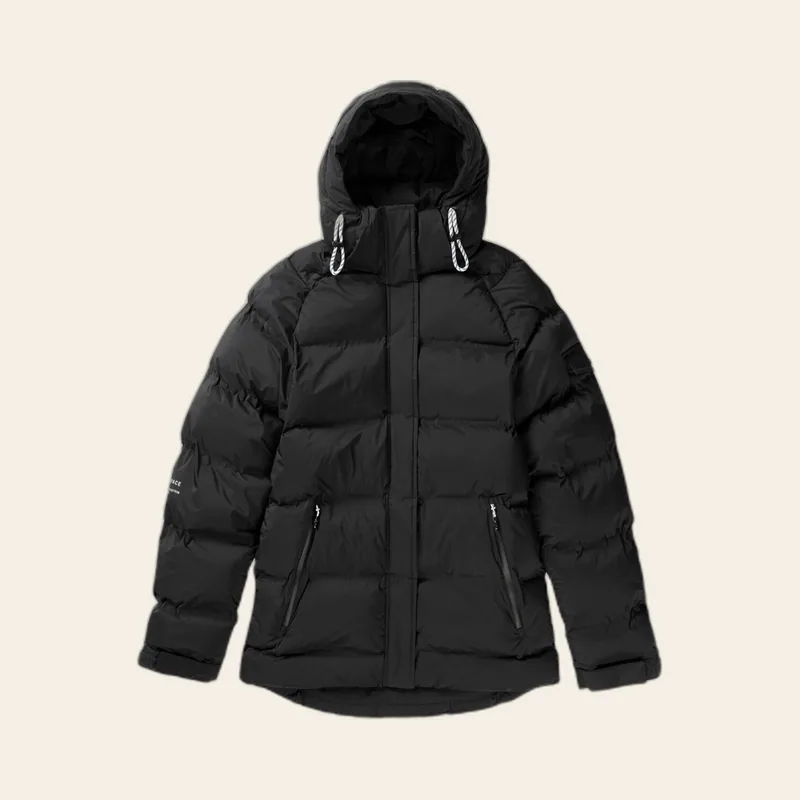
Wear one, dry one. Cotton stays wet all week here.


Wind runs at twenty-three kilometers per hour across exposed skin.
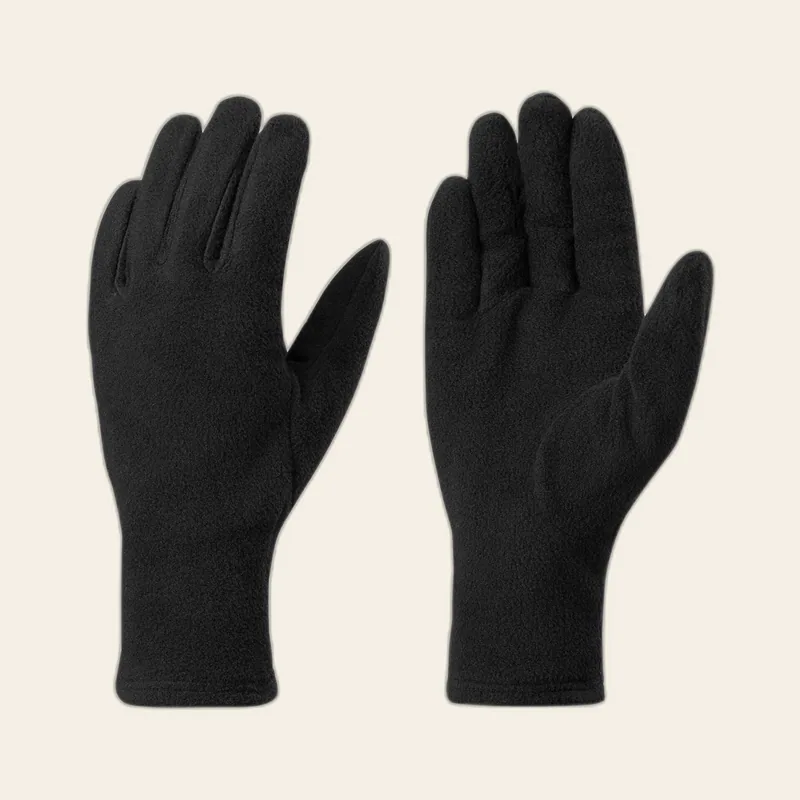
Sidewalks ice over. New boots plus wet feet is how day two goes sideways.
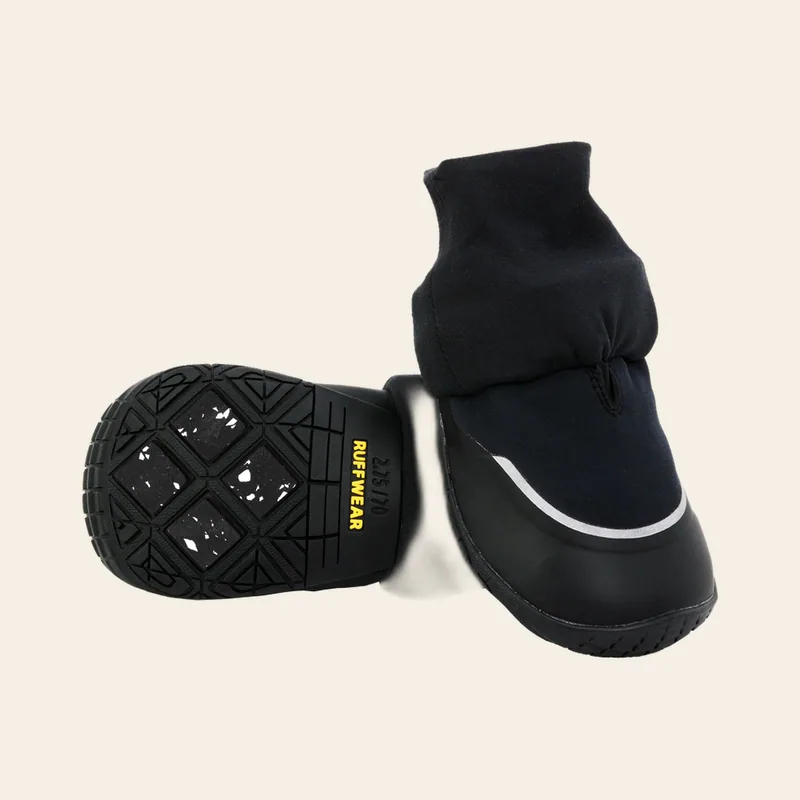
Glare bounces off snow and ice even under nine hours of daylight.
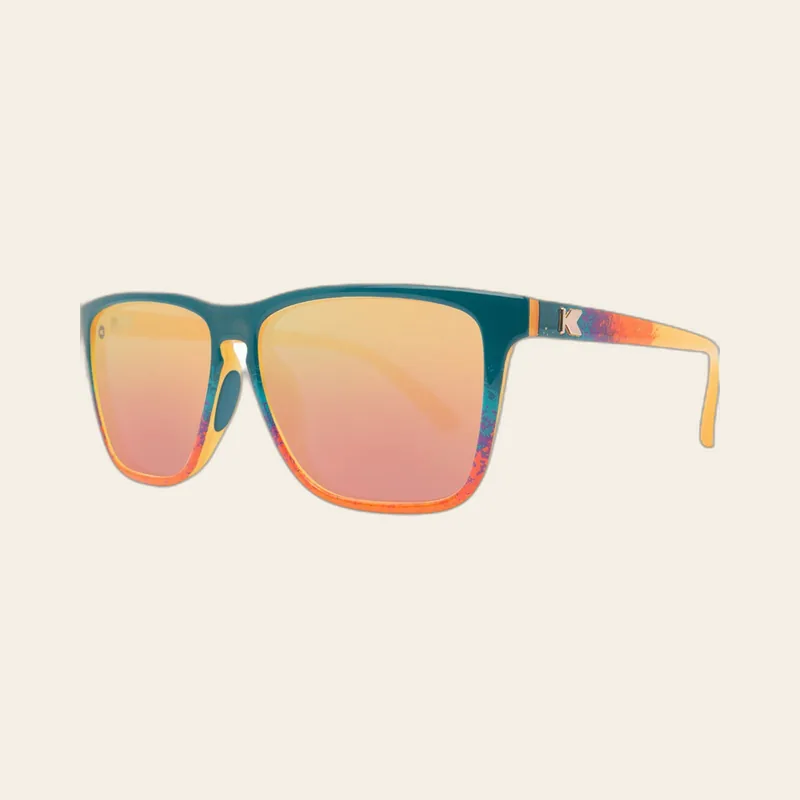
Check ankles and, if there's a dog, paws and ears every night.

Mountain terrain at altitude means distance to help if something goes wrong.

This country runs on Type C or F. Get one with USB-C so you're not fighting over the single outlet.

Eight hours of daylight means your phone dies before sunset if you photograph snow.

Set it up before you land. Signal drops for long stretches outside cities.

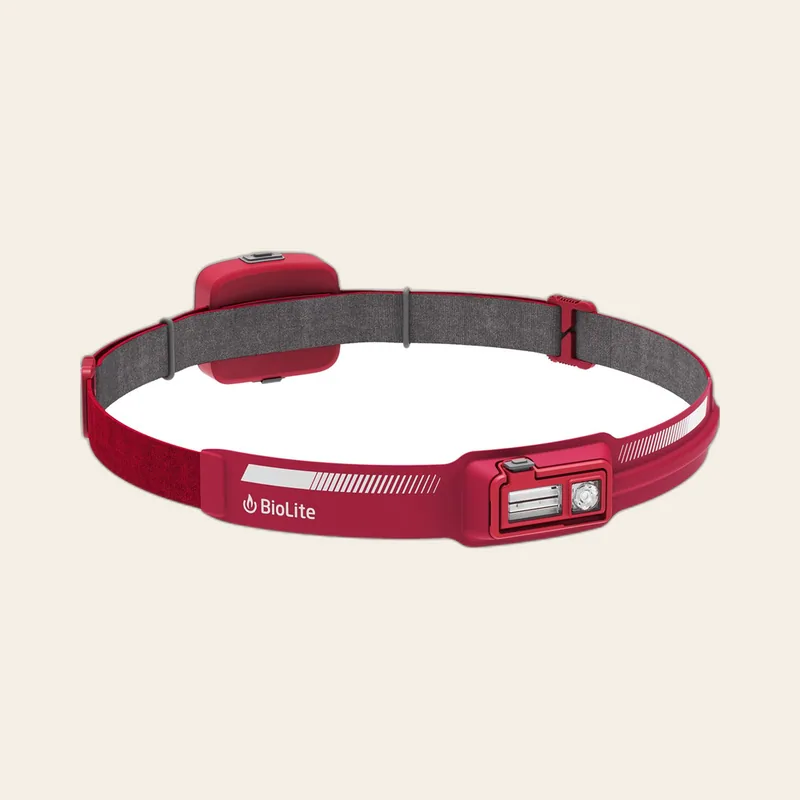
Dark by 5:25pm. Every campsite chore after that is a two-hands job.
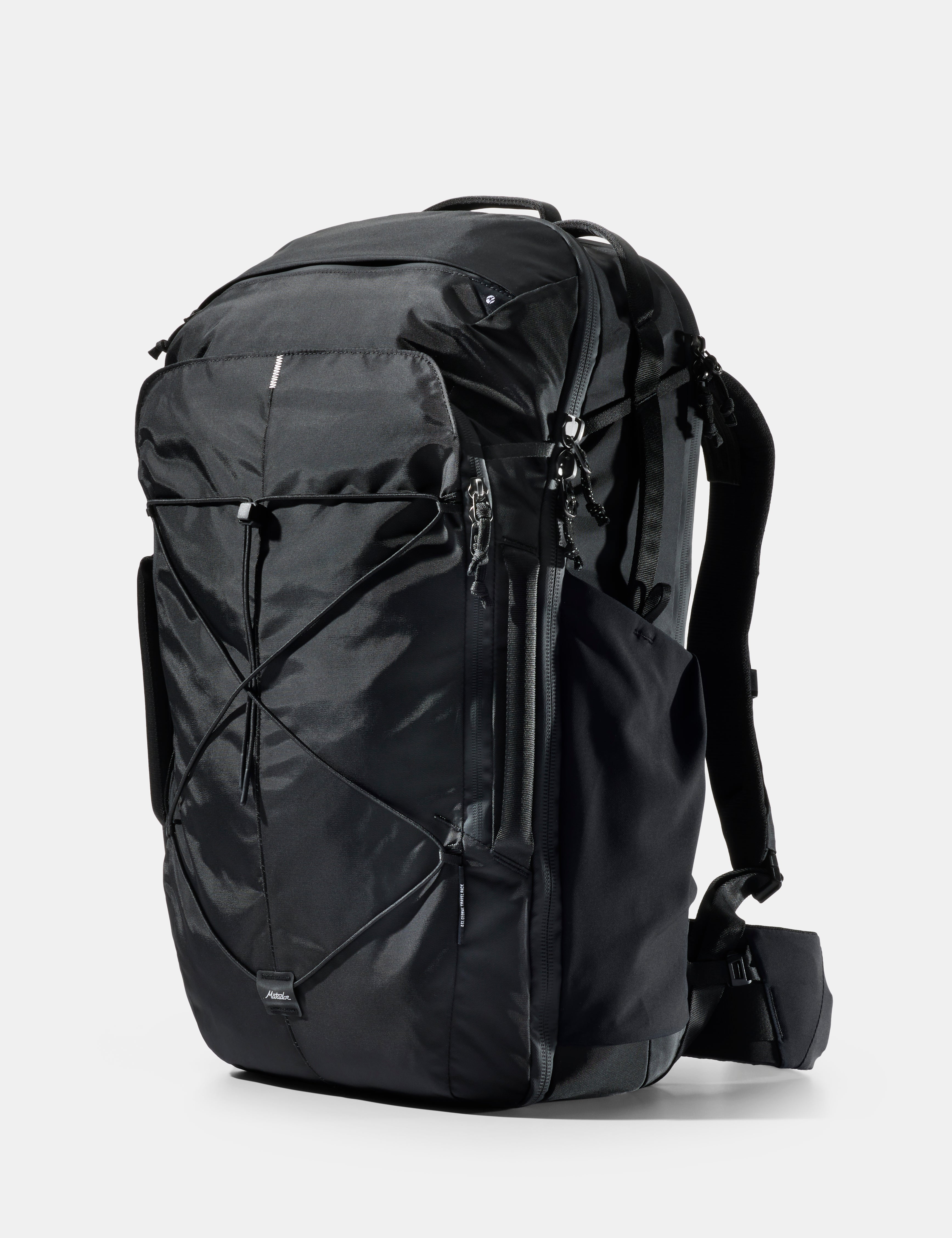
Winter gear and two weeks of clothes need compression to fit overhead bins.
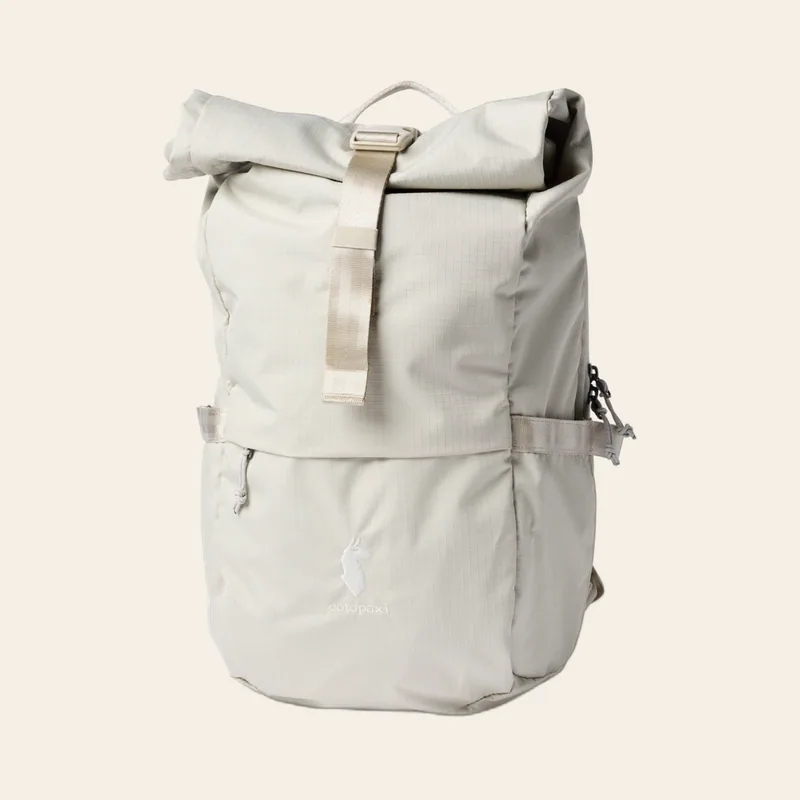
Day hikes through snowy terrain require a pack that leaves hands free for poles.
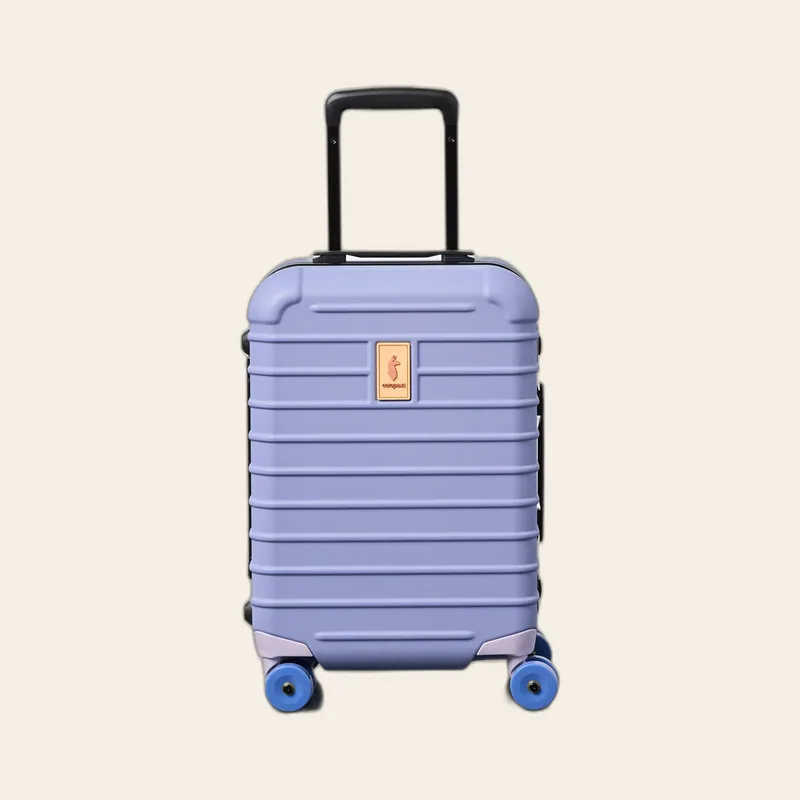
Fits the overhead on every airline that matters. Skip the checked-bag line entirely.
Snow melts on contact with skin. Waterproof insulated gloves are non-negotiable.

Before you go
9 to sort
SafetyWing Nomad Insurance, Month-to-month cover you can start after you leave
Going, Cheap cash fares, emailed when they droppoint.me, Finds the flight your points will actually book
AllTrails, Download your trails before you lose signal.
Recommended
15 items
For the mornings and the nights.

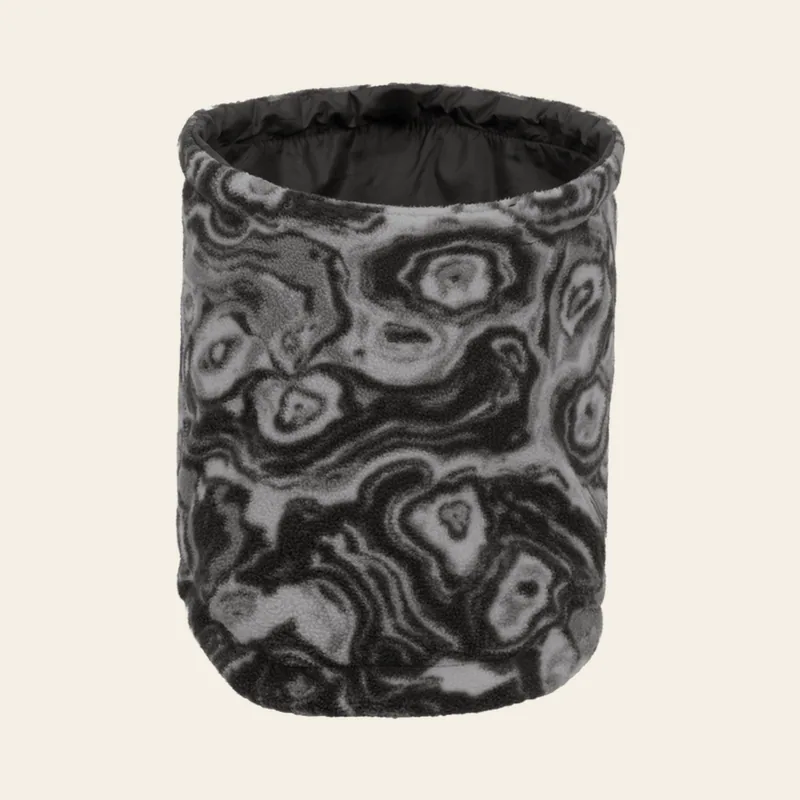
January cold and wind together demand neck coverage on the mountain.
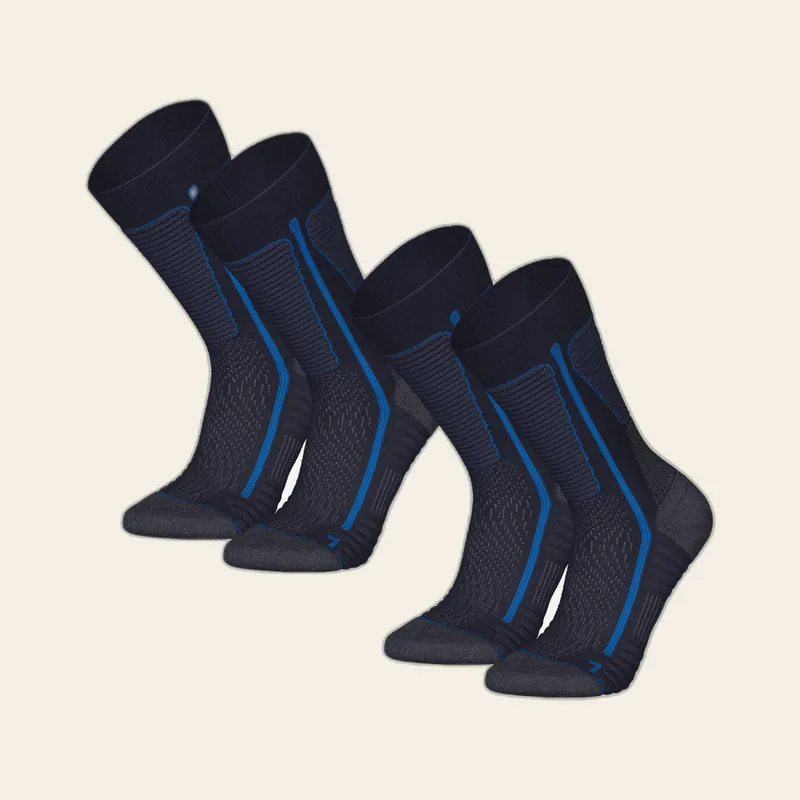
Snow lies on the ground for weeks. Wet feet in thin socks leads to frostbite.
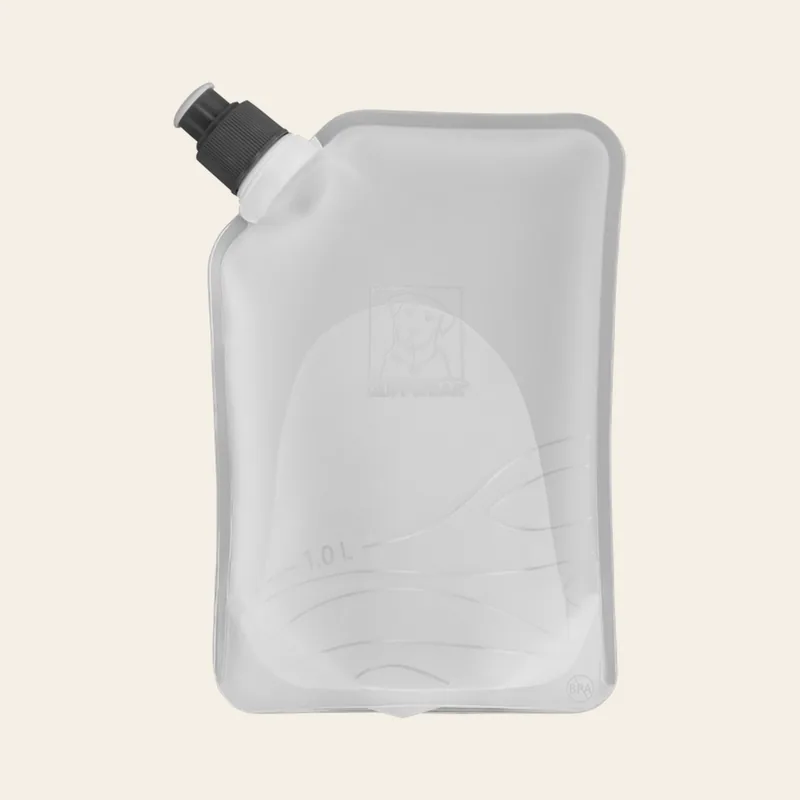
One brick charges the laptop, phone, and camera.

Hotel and cafe wifi is shared with everyone else in the building. A VPN keeps your banking and email to yourself.
International travel requires documents. A wallet keeps your passport secure and dry.
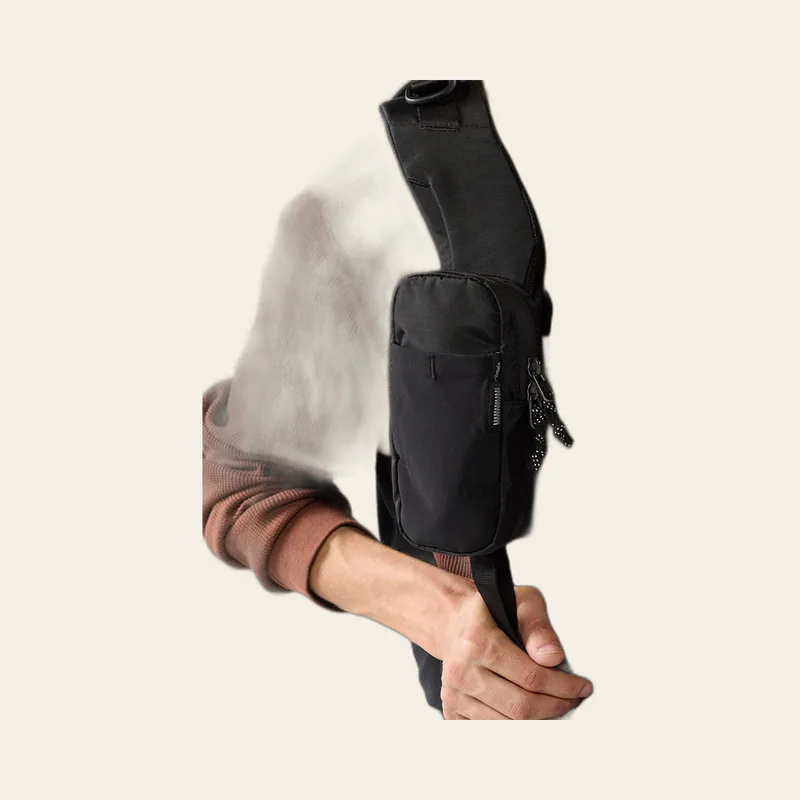
Checked luggage crosses borders. A tracker tells you where it is if airlines lose it.
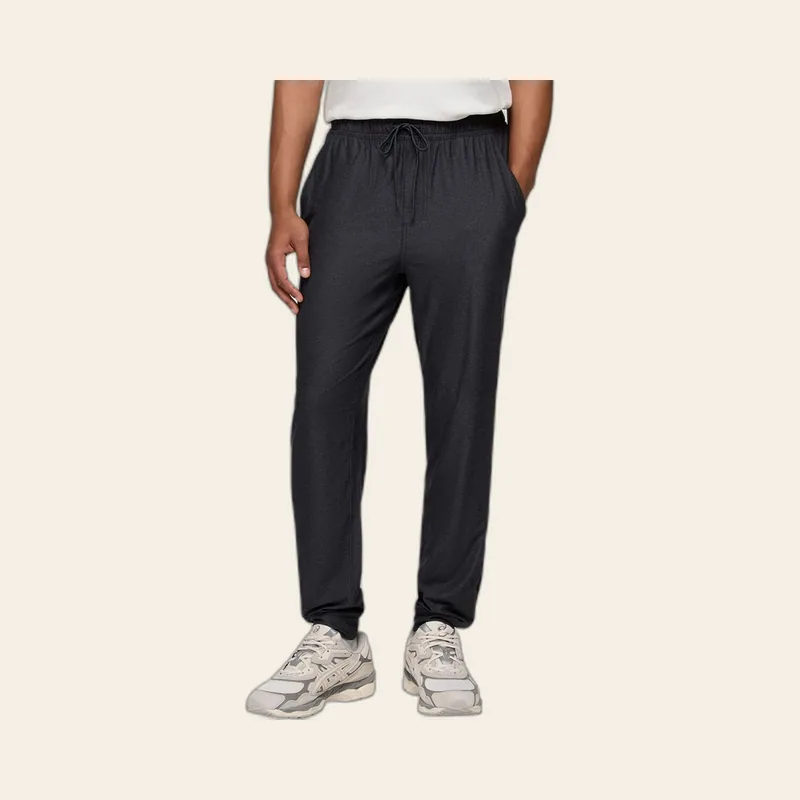
Mountain snow adds weight to everything. Rolling luggage moves easier than a backpack.

Wet clothes from snow melt take days to dry. Cubes keep damp items separate.
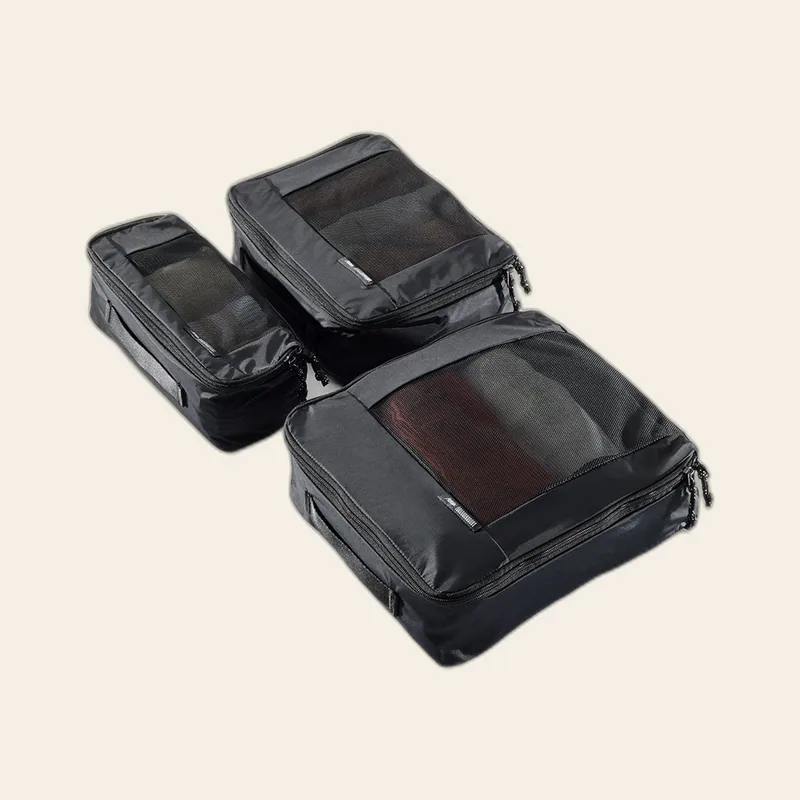
Two weeks in one place means you need room for winter gear and nothing more.
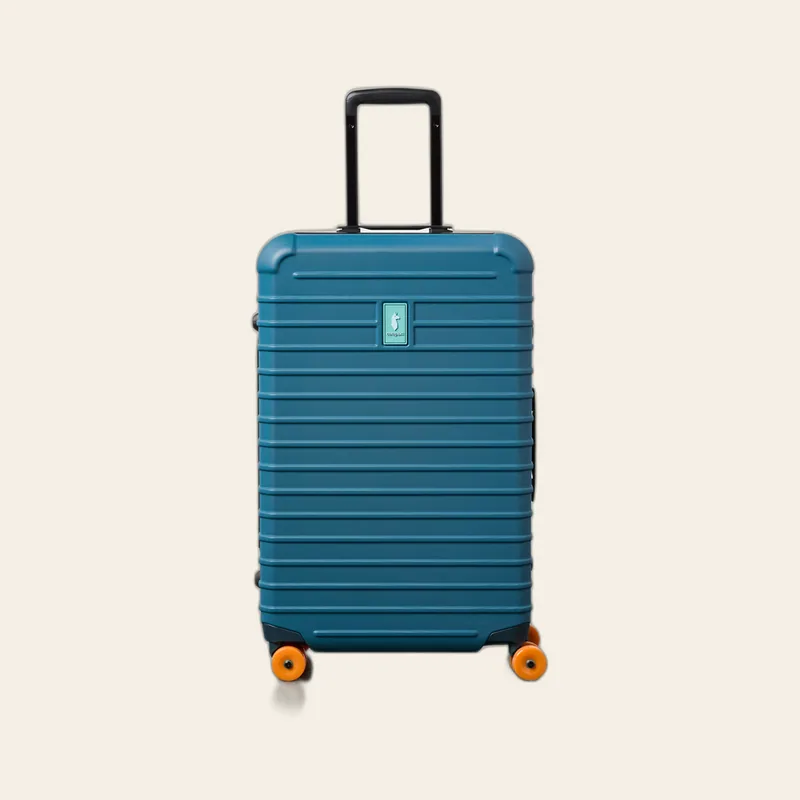
Snow melt soaks clothes daily, so detergent lets you wash every few days instead.
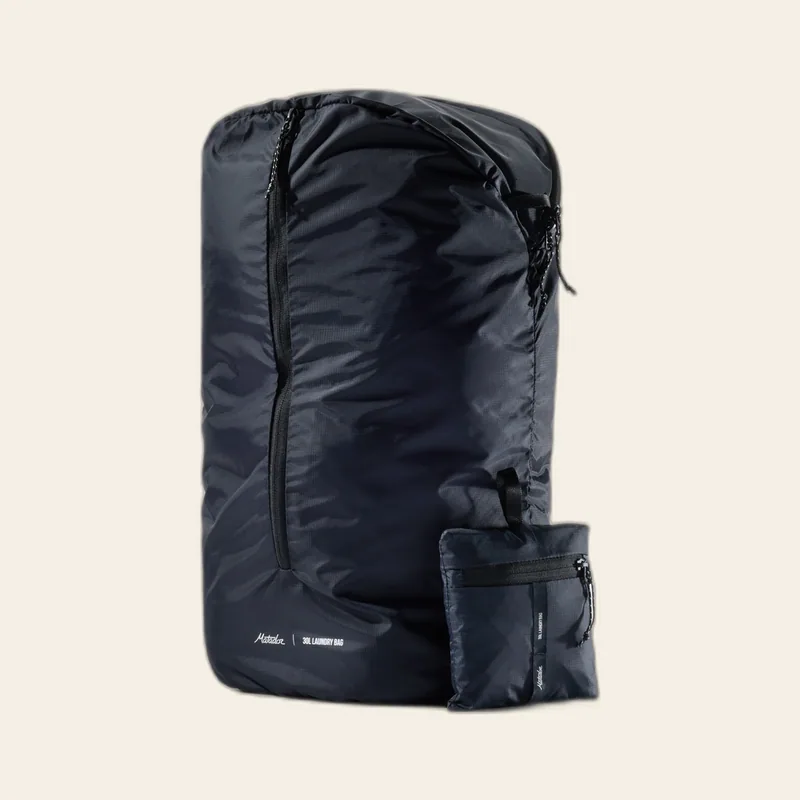
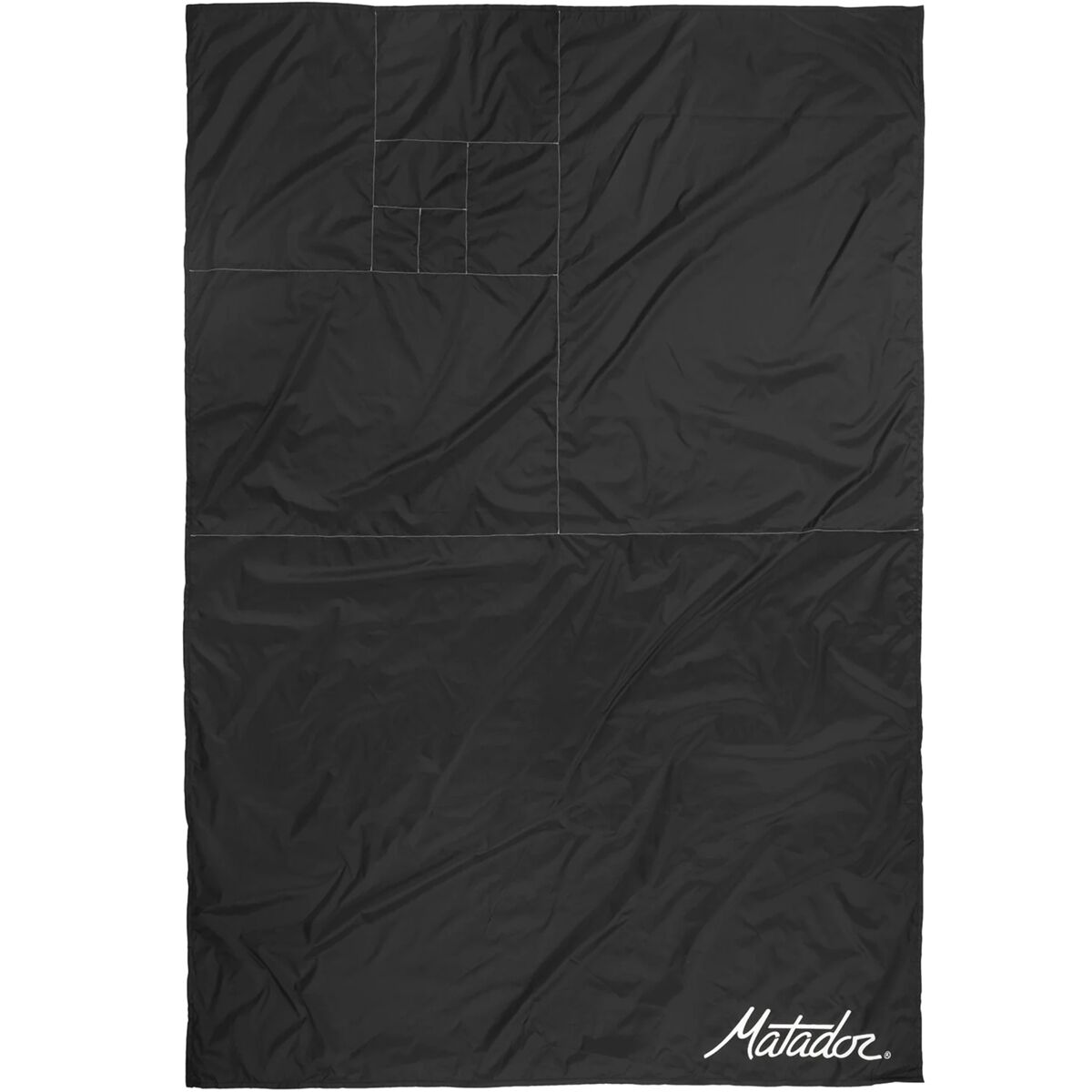
Lows around 28°F. One blanket that packs small covers the car, the campsite and the beach at sunset.
Eight-hour night buses through the Alps run frequently; quiet helps you sleep.

Steep snowy slopes and icy paths demand poles to prevent falls on descent.

Nice to have
11 items you could skip
Snow everywhere and gaiters keep it out of your insulated boots.
Single-track roads through the Alps. You want the map at eye level, not in your lap.
One outlet at the guesthouse. Short cables let you charge two devices at once.
A few phrases go a long way. Ten minutes a day before you leave is plenty.
Austria requires your passport at every border crossing and hotel check-in.
International flights mean your luggage goes through multiple hands and airports.
Snow gear is bulky. Compression sacks fit it all in your carry-on.
Bathrooms are small. A hanging bag keeps toiletries off wet counters.
Buses through the Alps run at night. A pillow makes eight hours bearable.
Minus two at night and wind chill drops it further. Hand warmers fit in gloves.
Basics
16 things you probably own already