Change trip
What to pack for Arizona in March
Typical March, built from ten years of weather
Some links are affiliate links. It keeps the site free.
Typical for your dates
Highs 50°F, lows 28°F, rain 8 of 31 days
snowycoldwindy
Sunset lands around 6:30pm. Wind averages 14 mph. No border paperwork on this one.
0 of 55 packed
Packing for
65 things on this list are on sale today
Essentials
16 items
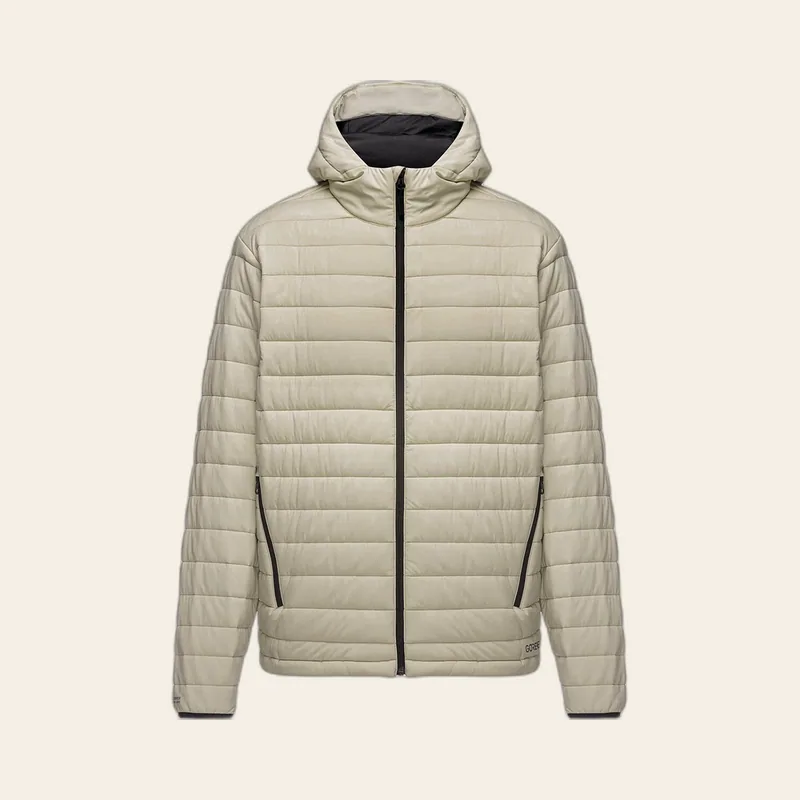
Lows around 28°F. Goes under the shell when the wind picks up.
Wear one, dry one. Cotton stays wet all week here.

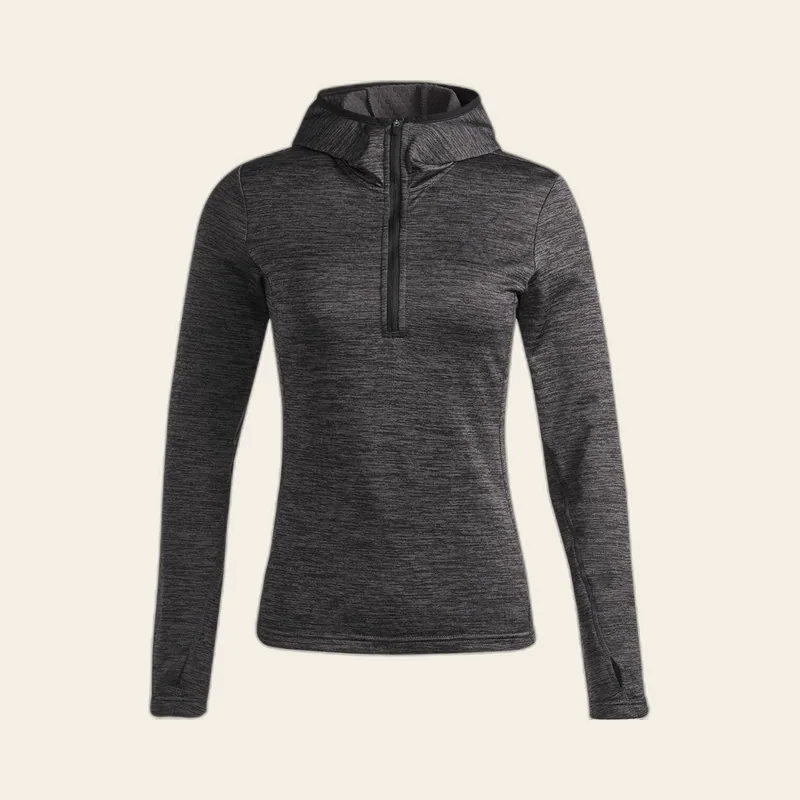
The layer you'll wear more than any other.
Lows drop to 28°F and wind gusts reach 22 km/h, so a beanie covers exposed skin.

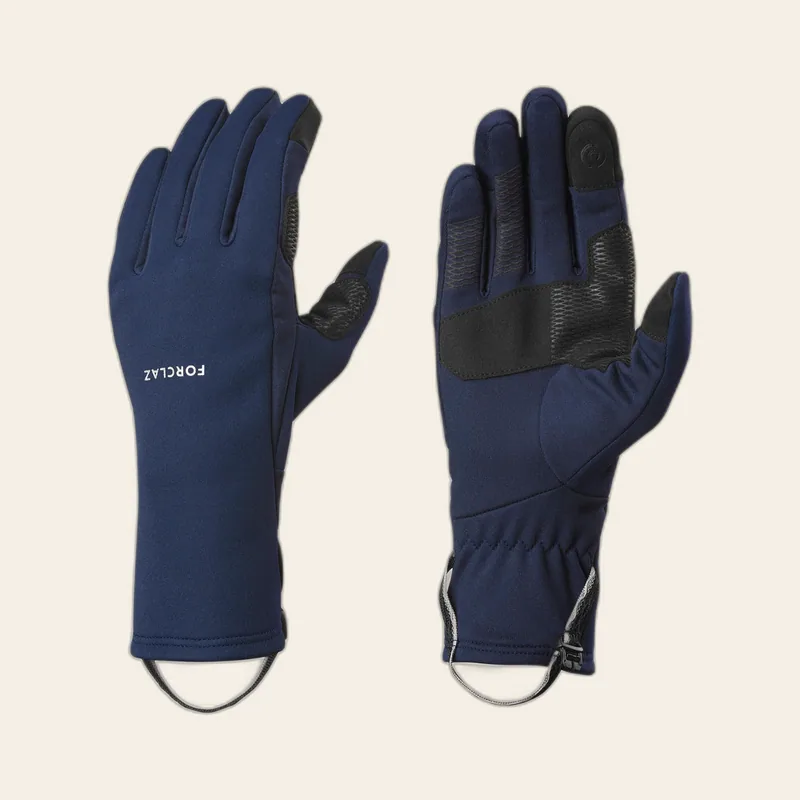
Freezing nights below zero mean bare hands go numb within minutes on the trail.
Eight rain days in March plus snow means boots rated below 28°F keep feet functional.

UV index hits 8.0 even in March, and 12 hours of daylight means constant exposure.

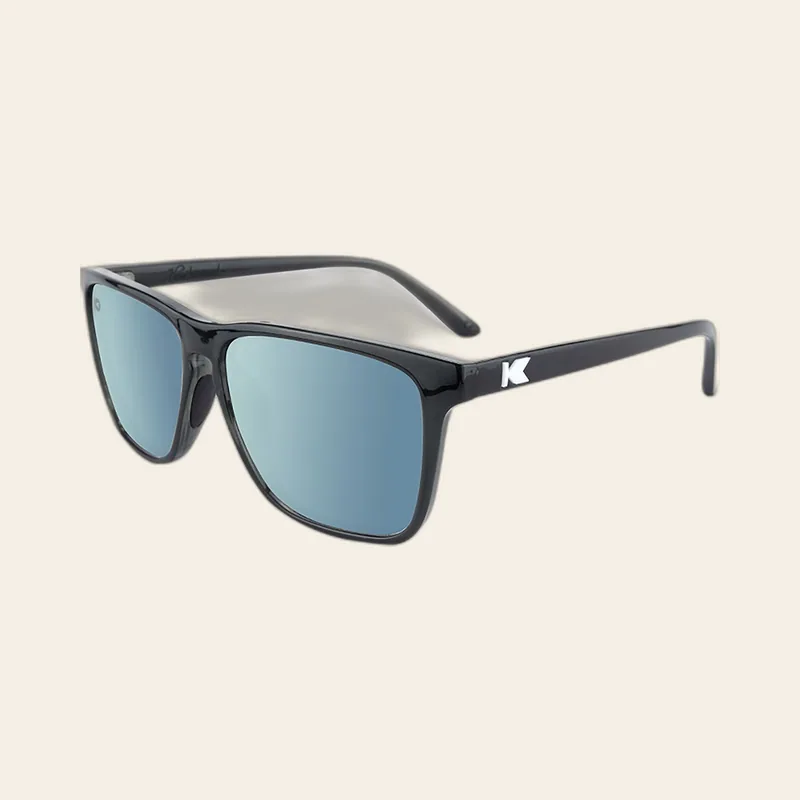
Desert glare off snow and rock at high altitude burns eyes without polarized lenses.
Desert insects emerge in March when temperatures rise, though they're less active than summer.

Check ankles and, if there's a dog, paws and ears every night.
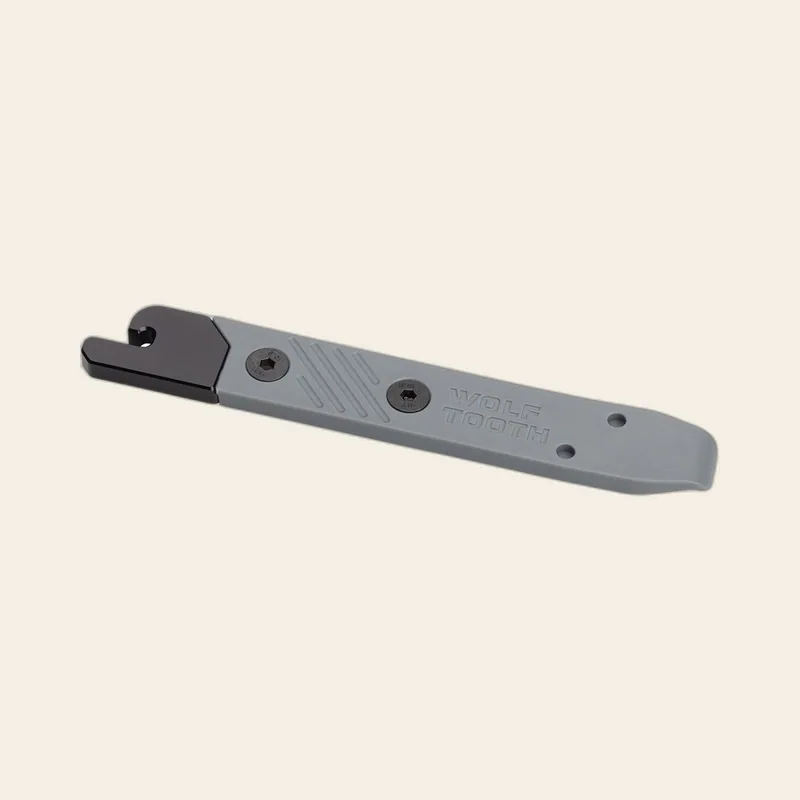
Remote terrain and altitude combine, so a first aid kit handles blisters and minor wounds.

Twelve daylight hours mean your camera and phone drain faster than at lower latitudes.

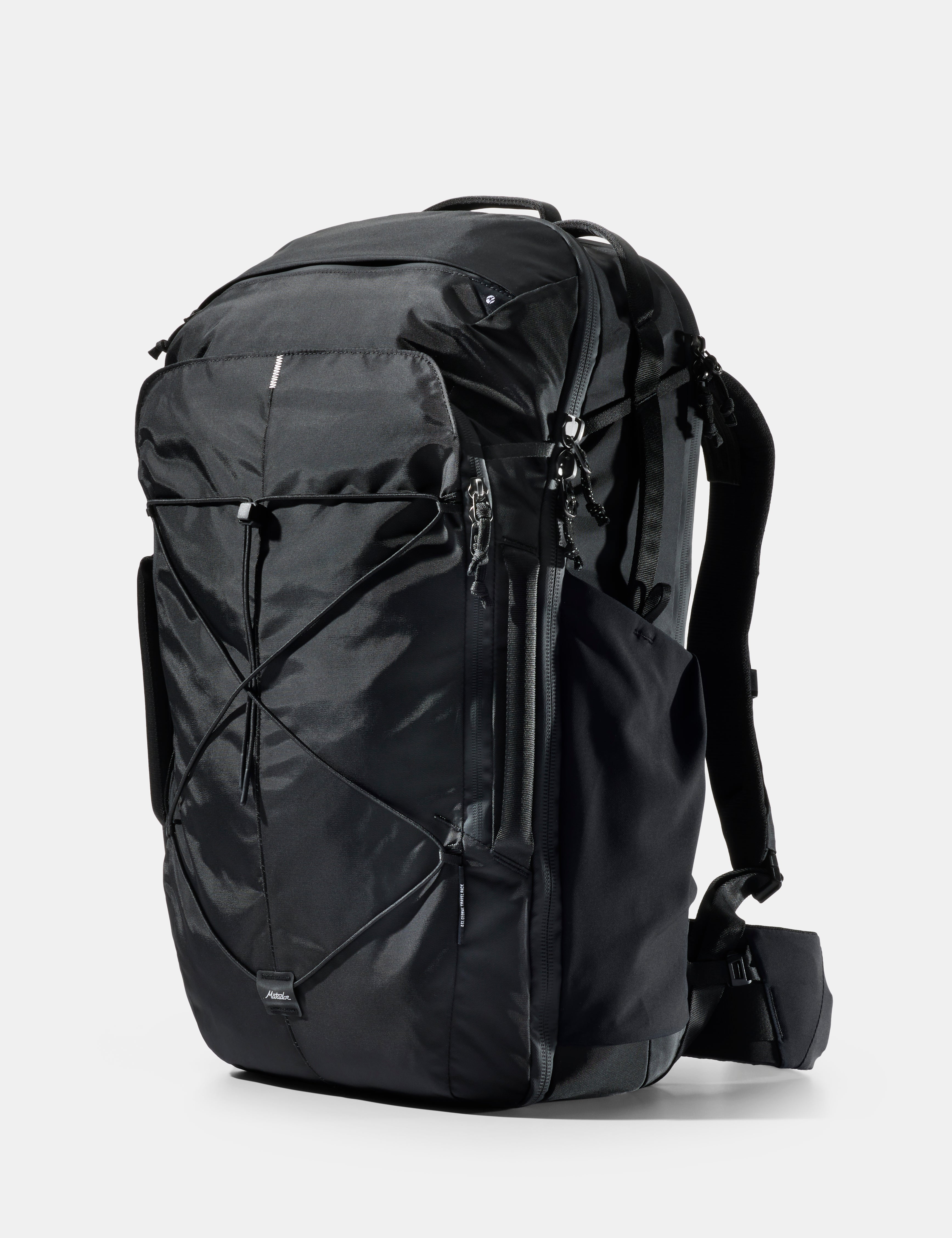
Fits overhead on every airline that matters, so you skip the checked-bag line entirely.
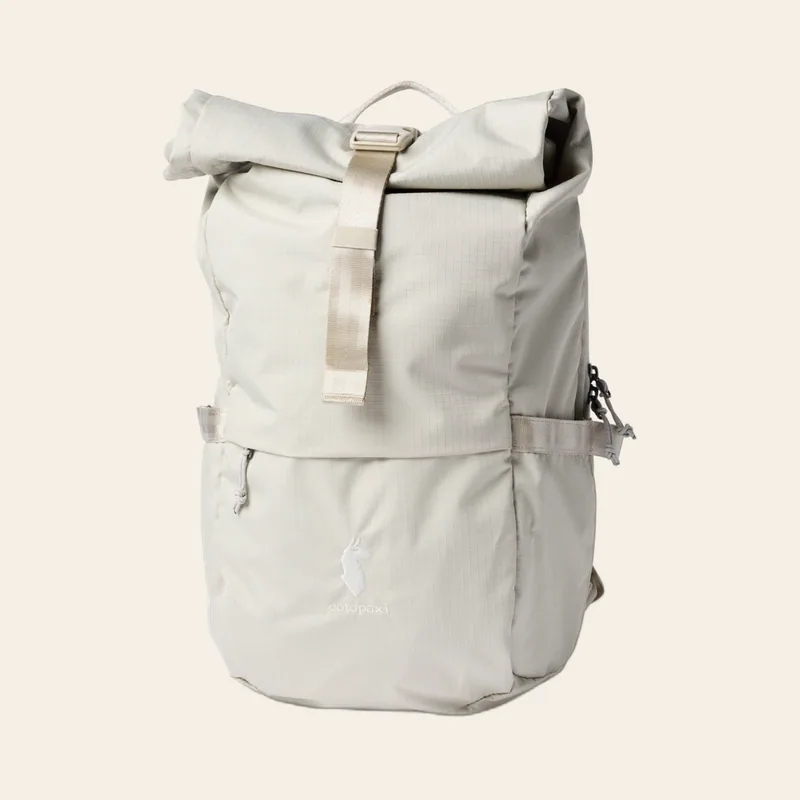
National park trails demand a daypack for water, layers, and a first aid kit.
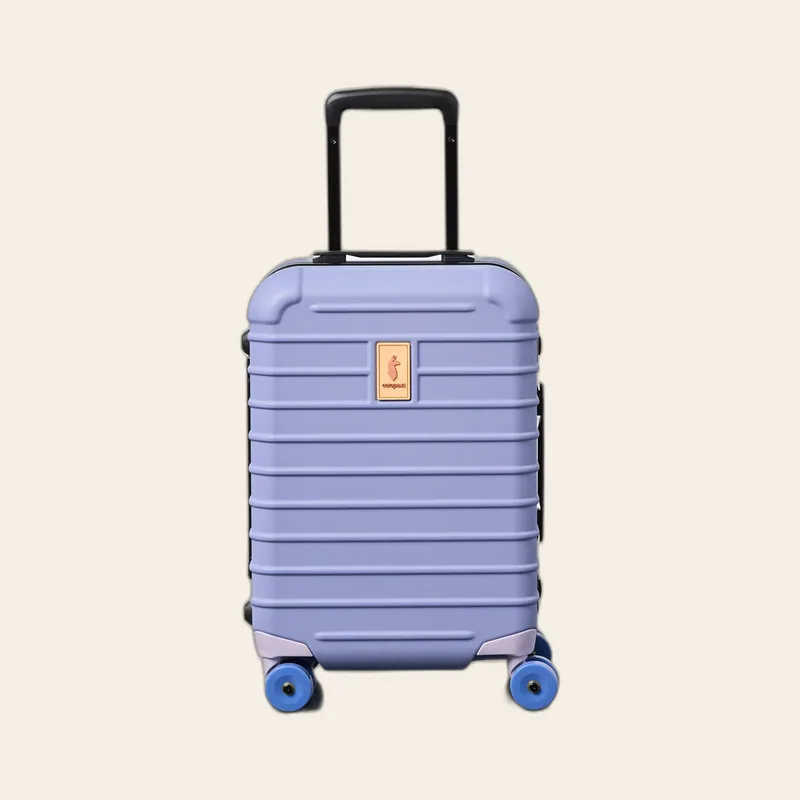
Fits the overhead on every airline that matters. Skip the checked-bag line entirely.
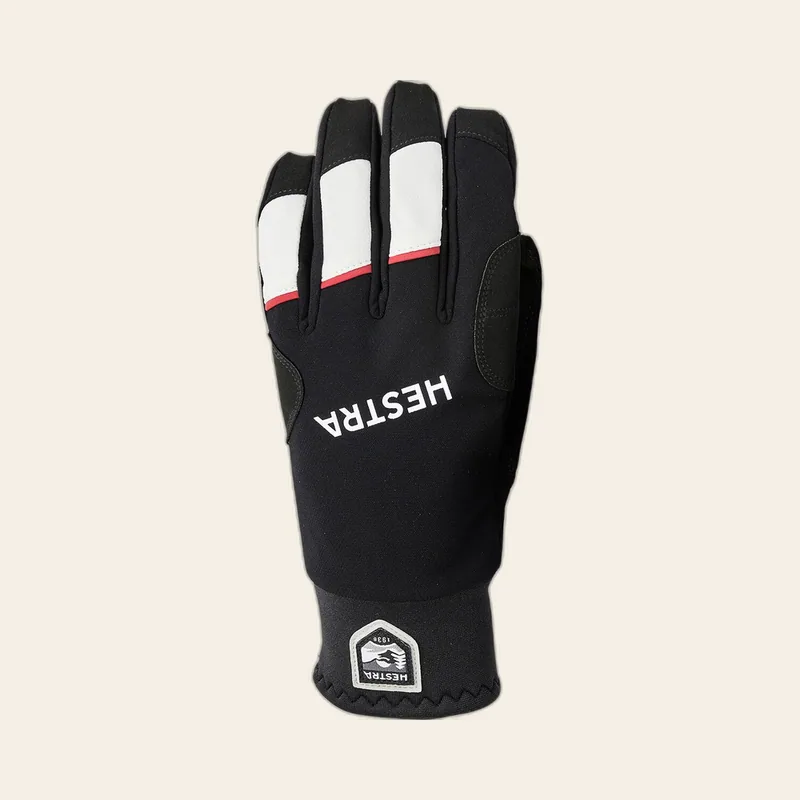
Snow and 8 rain days drench regular gloves, so insulated waterproof ones keep hands dry.

Before you go
3 to sort
Recommended
14 items
For the mornings and the nights.

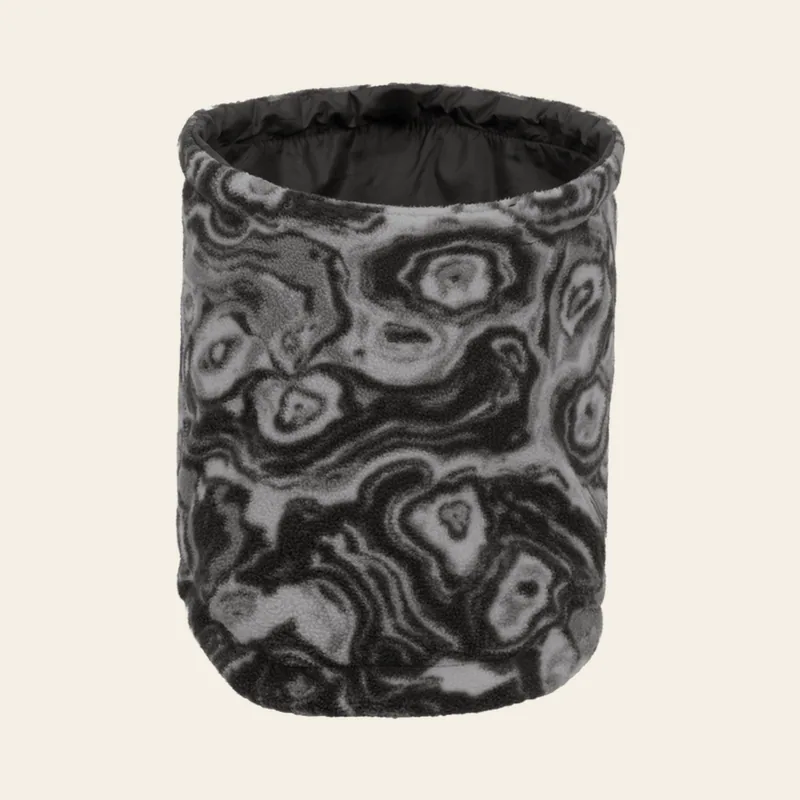
Wind chill at 28°F with 22 km/h gusts makes a neck gaiter necessary for face protection.
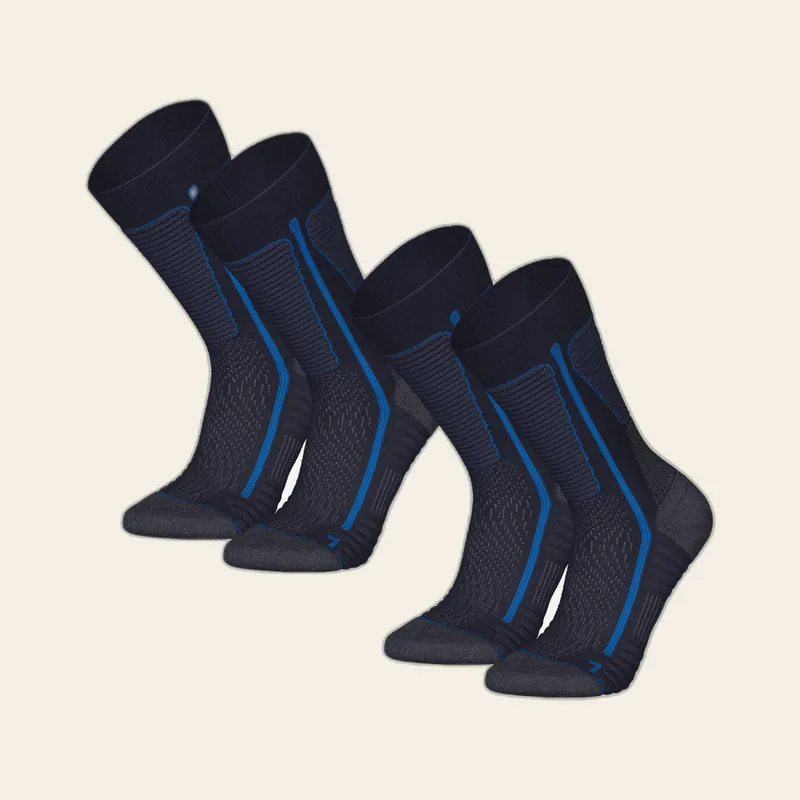
Snow patches persist at 2105 m elevation, and wet socks lead to cold injuries fast.
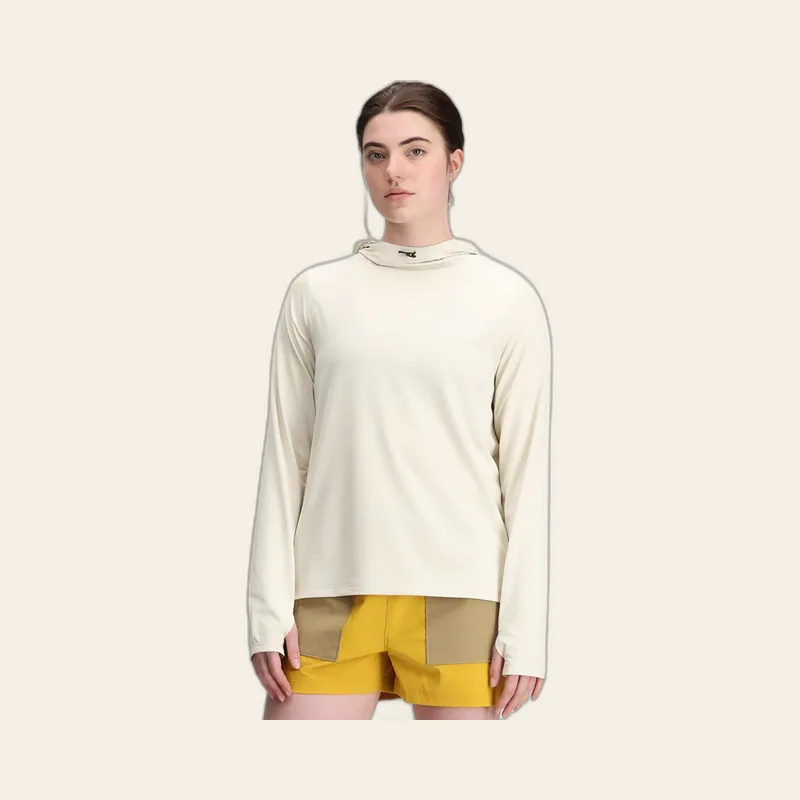
UV hits 8 here. Long sleeves beat reapplying sunscreen every hour.
Twelve hours of daylight and UV 8.0 require a wide brim to shade your face.

Treat the clothes once and it lasts weeks.

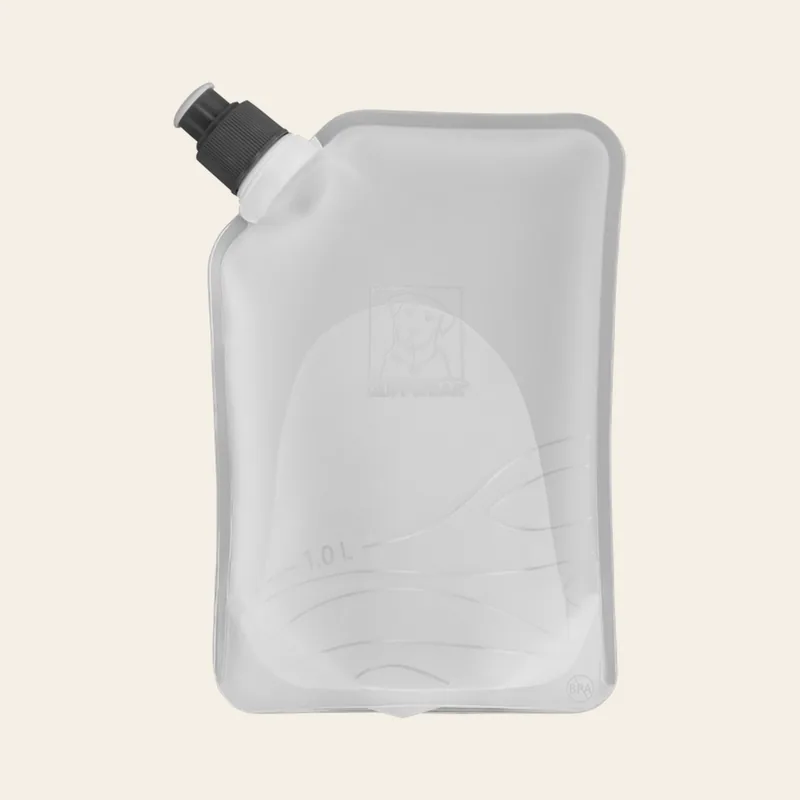
Tap water is safe here, but carrying a bottle beats rationing sips on long hikes.
One brick charges the laptop, phone, and camera.

Remote desert parks have minimal cell service, so a tracker helps locate lost gear.
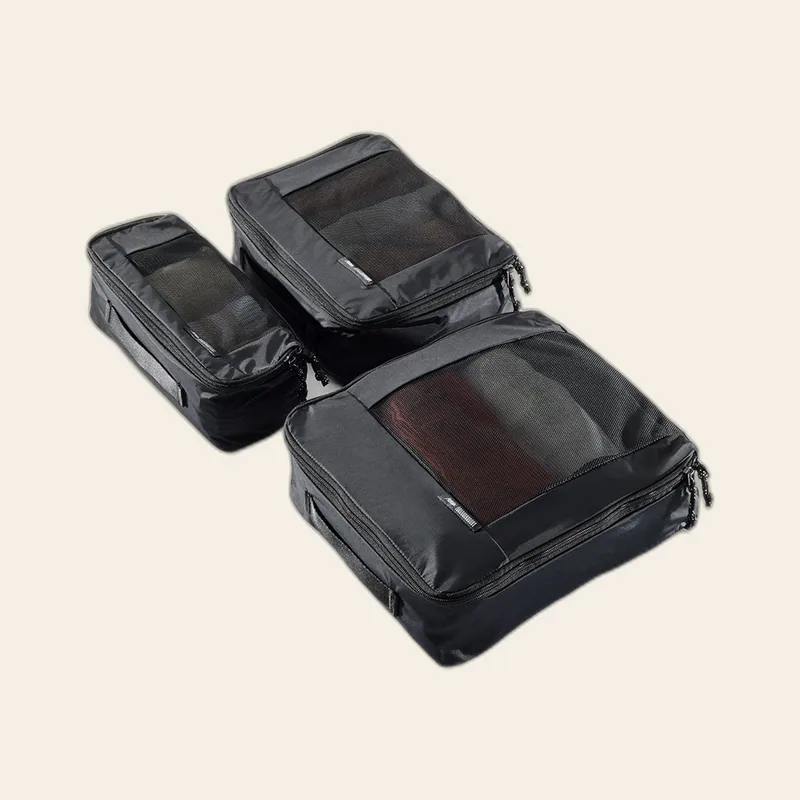
Eight rain days and snow mean wet gear needs space separate from clean clothes.

Packing cubes compress damp items and organize gear for quick access on the trail.
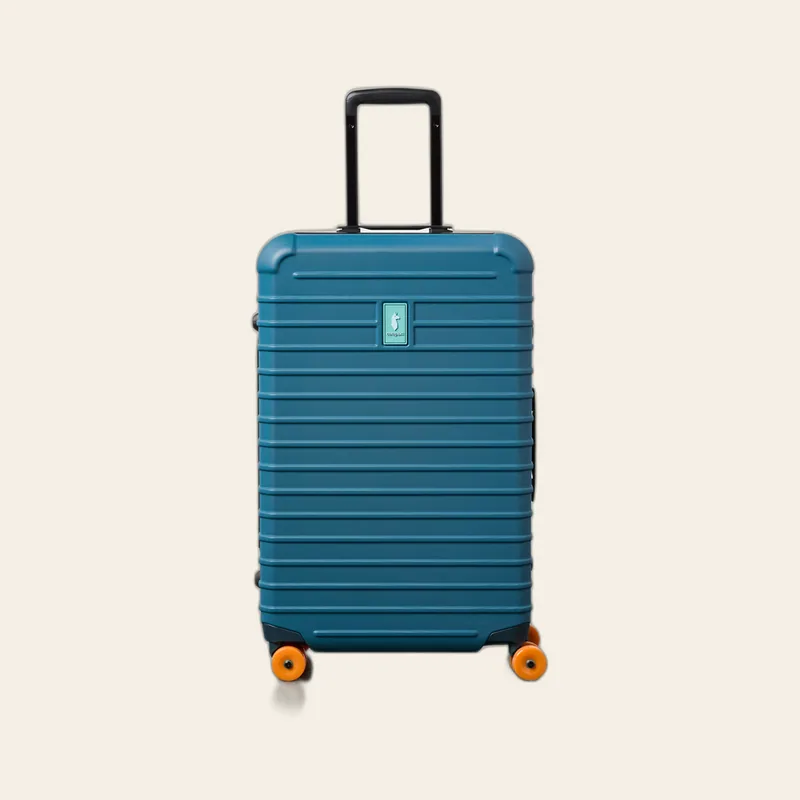
Rolling luggage handles the weight of winter layers and protects them from desert dust.
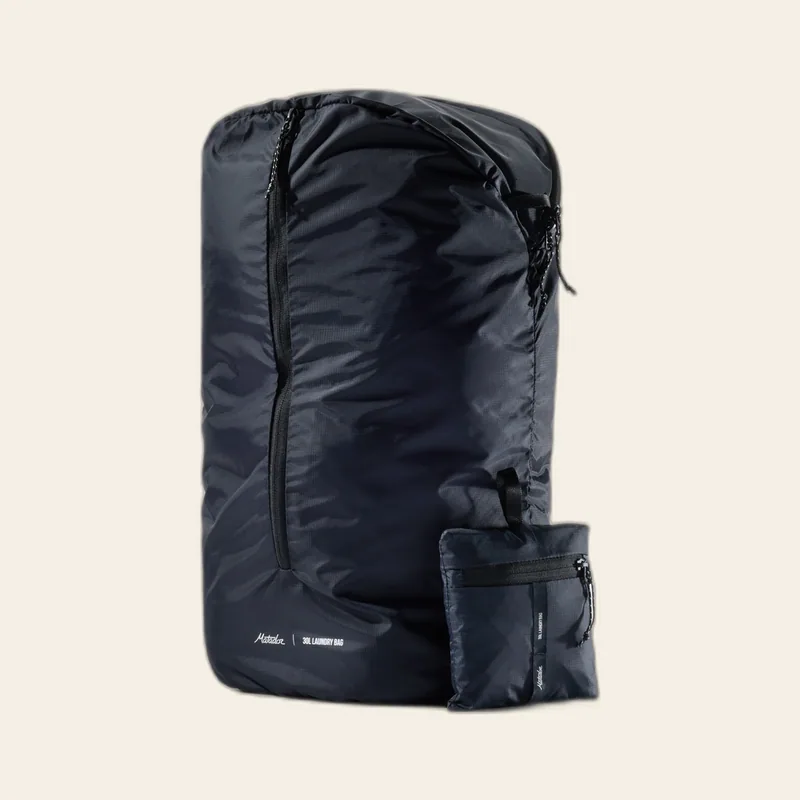
Eight rain days mean clothes stay damp, so travel detergent keeps them fresh between washes.
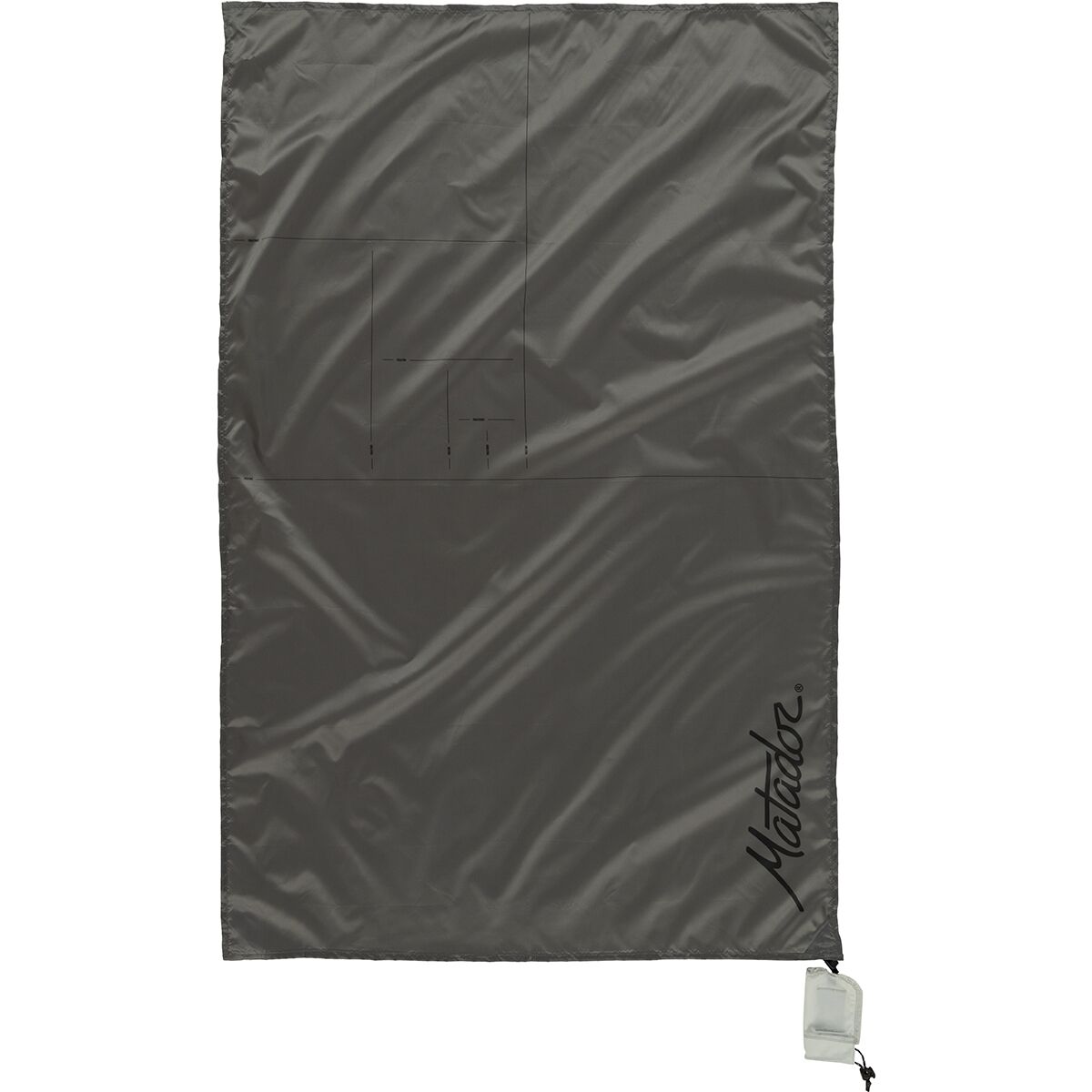
Lows around 28°F. One blanket that packs small covers the car, the campsite and the beach at sunset.
Nice to have
9 items you could skip
Desert snow melts into mud and gaiters stop it from filling your boots.
Thin air at 2105 m intensifies UV, so lips crack and blister without SPF protection.
Desert dust and shared facilities mean hand sanitizer prevents illness on the trail.
Sunburn and insect bites both happen in March desert, and treating them matters equally.
Domestic travel requires luggage locks to pass through airport security without damage.
Eight rain days soak gear, and snow adds weight, so compression sacks shrink wet items to fit the overhead bin.
Damp clothes from eight rain days and snow need a separate space in the guesthouse bathroom to drip without soaking everything else.
Nights drop below freezing and hand warmers fit inside gloves or pockets for hours.
Basics
16 things you probably own already